- English
- French
- German
- Portuguese
- Spanish
- Russian
- Japanese
- Korean
- Arabic
- Greek
- German
- Turkish
- Italian
- Danish
- Romanian
- Indonesian
- Czech
- Afrikaans
- Swedish
- Polish
- Basque
- Catalan
- Esperanto
- Hindi
- Lao
- Albanian
- Amharic
- Armenian
- Azerbaijani
- Belarusian
- Bengali
- Bosnian
- Bulgarian
- Cebuano
- Chichewa
- Corsican
- Croatian
- Dutch
- Estonian
- Filipino
- Finnish
- Frisian
- Galician
- Georgian
- Gujarati
- Haitian
- Hausa
- Hawaiian
- Hebrew
- Hmong
- Hungarian
- Icelandic
- Igbo
- Javanese
- Kannada
- Kazakh
- Khmer
- Kurdish
- Kyrgyz
- Latin
- Latvian
- Lithuanian
- Luxembou..
- Macedonian
- Malagasy
- Malay
- Malayalam
- Maltese
- Maori
- Marathi
- Mongolian
- Burmese
- Nepali
- Norwegian
- Pashto
- Persian
- Punjabi
- Serbian
- Sesotho
- Sinhala
- Slovak
- Slovenian
- Somali
- Samoan
- Scots Gaelic
- Shona
- Sindhi
- Sundanese
- Swahili
- Tajik
- Tamil
- Telugu
- Thai
- Ukrainian
- Urdu
- Uzbek
- Vietnamese
- Welsh
- Xhosa
- Yiddish
- Yoruba
- Zulu
Why Choose ESP32 P4 Display Module for IoT Projects?
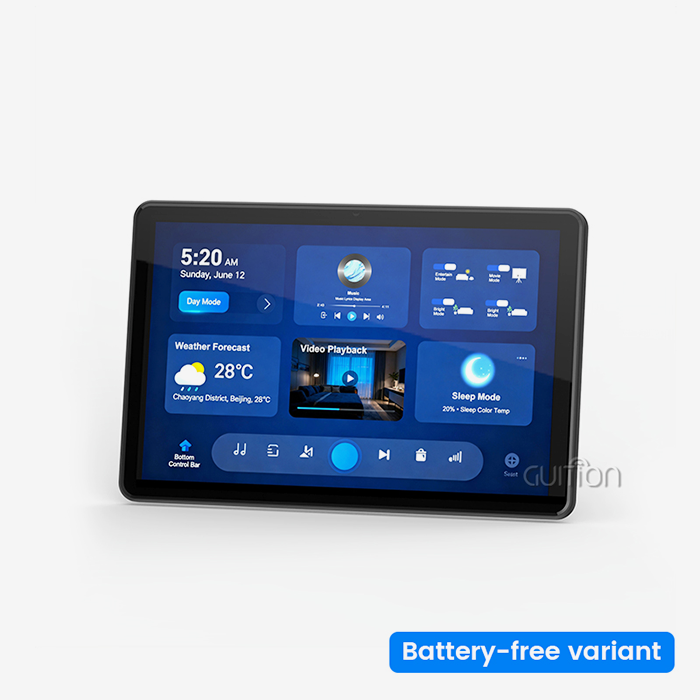
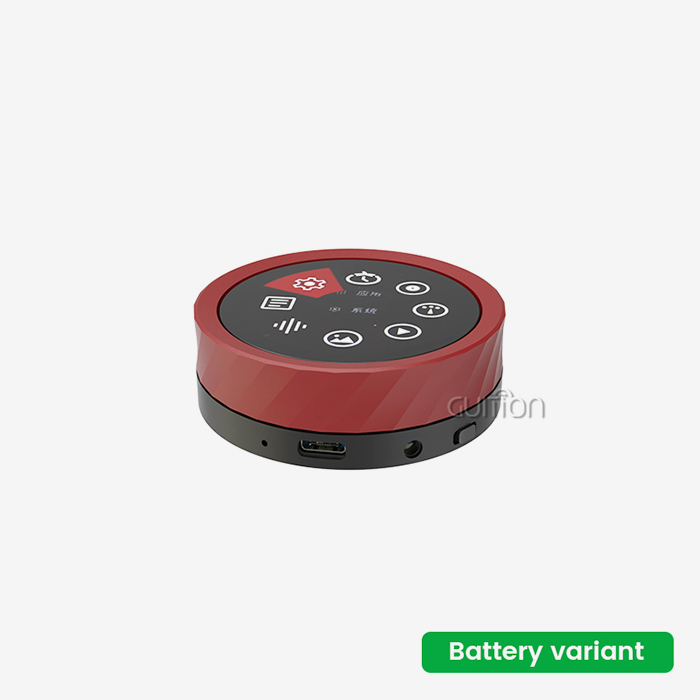
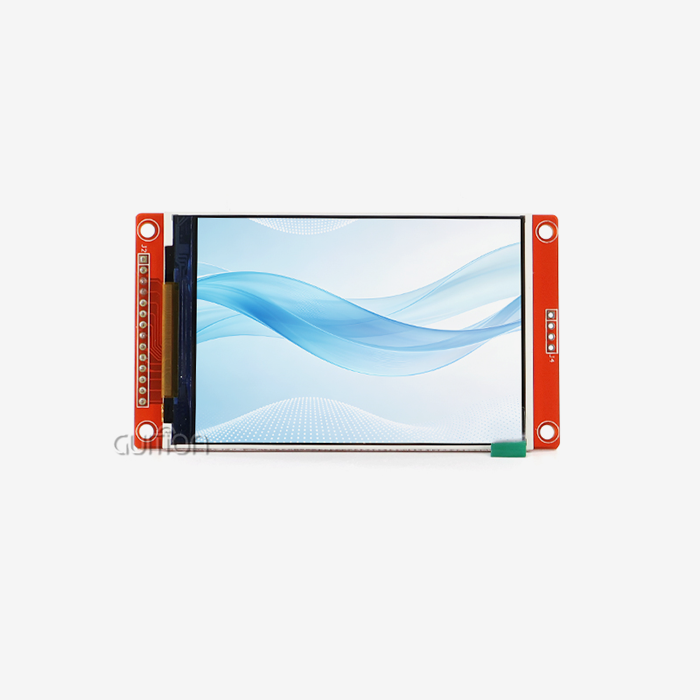
When developing sophisticated IoT applications, selecting the right display technology directly impacts project success and user satisfaction. The ESP32 P4 display module represents a breakthrough in human-machine interface development, combining Espressif's advanced RISC-V architecture with comprehensive multimedia capabilities. This powerful platform addresses critical industry challenges, including rapid prototyping demands, complex UI development requirements, and seamless connectivity needs. With its dual-core 400MHz processor, integrated Wi-Fi 6 support, and native MIPI-DSI interface, this module eliminates traditional development bottlenecks while delivering exceptional performance for industrial controls, smart devices, and interactive displays across diverse IoT applications.
Understanding the ESP32 P4 Display Module: Features and Specifications
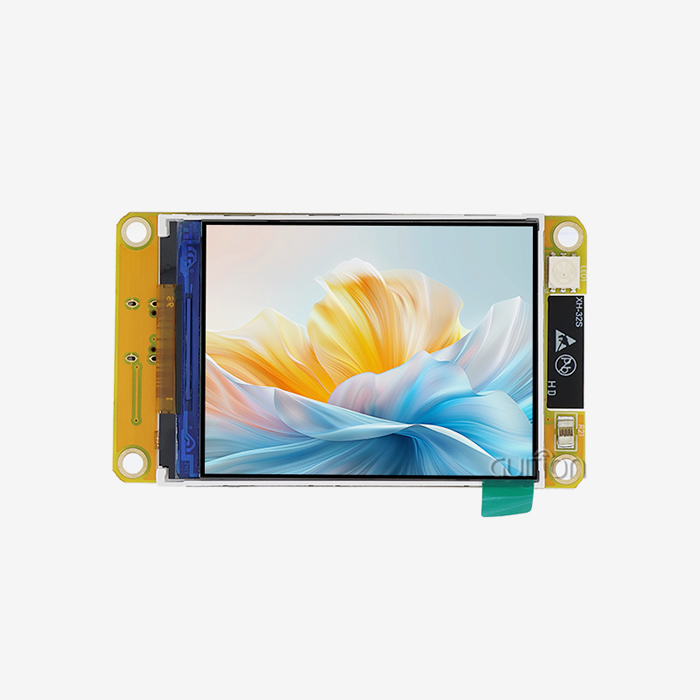
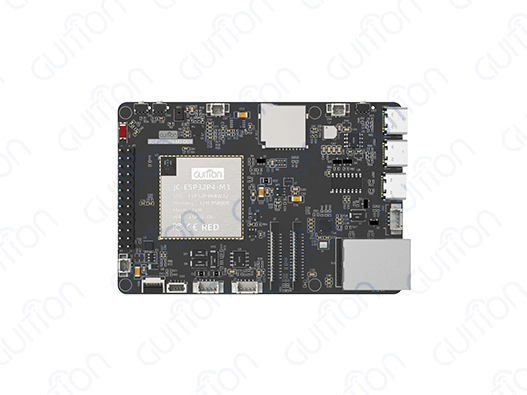
With its advanced dual-chip design, Guition's JC-ESP32P4-M3-DEV module sets new standards in IoT display technology. This high-tech development board combines the cutting-edge ESP32-P4 processor with ESP32-C6 connections, making a complete platform that runs demanding multimedia apps amazingly quickly.
Core Processing Power and Memory Architecture
The ESP32-P4 processor has two cores and runs at 400MHz on a RISC-V design. It also has specialized hardware accelerators that make graphics performance much better. This much processing power lets complicated user interfaces run smoothly while keeping touch interactions fast. The module can handle up to 32MB of PSRAM, which is a lot of memory space for buffers for high-resolution displays and real-time data processing.
Engineers like the built-in 2D Pixel Processing Accelerator (PPA) because it takes heavy visual work off of the main CPU cores. This hardware boost makes sure that frame rates stay above 50 FPS even when working with complicated LVGL interfaces that have many layers and effects. The design successfully fills the performance gap between standard screens based on microcontrollers and Linux systems that use a lot of resources.
Advanced Connectivity and Interface Options
Modern Internet of Things (IoT) apps need flexible ways to connect, and this ESP32 P4 display module has all of those features thanks to its built-in ESP32-C6 chip. Support for Wi-Fi 6 improves bandwidth efficiency and lowers delay, and support for Bluetooth 5.0 makes it easy to pair devices and use low-energy communication methods.
The module has a lot of different interfaces, such as MIPI-CSI with an integrated Image Signal Processor (ISP), MIPI-DSI for high-resolution screens, and many different transmission protocols, such as SPI, I2S, I2C, UART, and TWAI. Support for USB OTG 2.0 HS makes it easier to connect directly to external storage devices and testing tools. These many ways to connect make sure that they work with current industry systems and meet the needs of future growth.
Security Features and Reliability Standards
Strong security is needed for industrial IoT deployments. The ESP32-P4 handles these issues with built-in digital signature tools and key management units. These hardware-based security features keep private information safe and make sure that boot processes are safe. They meet strict compliance standards for medical devices and industrial control systems.
The module works effectively in temperatures between -40°C and +85°C, which means it can be used in tough industrial settings. Quality assurance methods make sure that all production batches work the same way, and full electromagnetic compatibility testing makes sure that the product can work in the high-interference settings that are common in factories.
Comparing ESP32 P4 Display Module with Alternative Display Solutions
When comparing this advanced display module to standard TFT and traditional OLED technologies, market research shows that it has big benefits. When buying, workers understand these differences in performance, and they can make better choices that fit the needs of the project and the budget.
Performance Benchmarks Against OLED Technology
Even though OLED screens have great contrast and deep blacks, they don't always have the computer speed needed for complex IoT apps. The ESP32 P4 display module has built-in computer features that get rid of the need for different microcontroller boards. This makes the system simpler and cheaper as a whole. While OLED screens are great for static images, this module's PPA acceleration makes it better for moving content and real-time data display.
When comparing power usage, the ESP32-P4 design comes out on top, especially in situations where the device needs to be on all the time. The low-power RISC-V core of the module can handle simple display tasks while the major computers go into sleep modes. This helps portable devices use less power. OLED screens usually use more power when showing bright material, but this module's power efficiency stays the same no matter what it's showing.
Advantages Over Standard TFT Solutions
To connect to the Internet of Things (IoT), traditional TFT screens often need external controllers and different connection units. This ESP32 P4 display module has all the parts that are needed in one package. This makes creation easier and cuts down on the cost of the bill of materials. The original MIPI-DSI interface can handle resolutions of up to 1024x600 at 60 FPS, which is more than SPI-based TFT systems can handle, which often have trouble with high refresh rates.
When comparing development timelines, the ESP32-P4 platform always comes out on top because it has a larger software environment. Engineers can use a number of programming platforms, such as the Arduino IDE, the ESP-IDF, and Guition's own creation tools. Standard TFT solutions often need a lot of low-level code and special driver development, which makes project timelines much longer.
Real-World Implementation Feedback
Industrial clients say that moving from older display technologies to this more advanced platform makes development a lot more efficient. Integrators of manufacturing equipment, like how the module can encode H.264 video and render complicated user interfaces at the same time, without using extra processors. This makes the system design simpler and more reliable.
Manufacturers of smart home devices are exploring how easily wireless connections and display features can be combined. The module takes away the hassle of organizing multiple communication chips and gives you the processing power you need for touch screens that respond and updates that can be sent over the air.
Procurement Considerations for the ESP32 P4 Display Module
Strategic planning for purchasing makes sure that the plan is carried out correctly and that costs are kept as low as possible while supply chain stability is improved. Professional buyers have to look at a lot of things to make sure they get real, high-quality parts that meet project requirements and delivery dates.
Sourcing from Authorized Distributors
To buy an authentic ESP32 P4 display module, you have to be very careful when choosing a seller so that you don't end up with fake parts that could hurt the stability of the project. Authorized dealers sell real goods that come with guarantees and technical help from the maker. Guition has strict quality control standards all the way through the supply chain. This makes sure that all production runs work the same way.
As part of the verification process, the authenticity of the packaging is checked, the registration of the serial number is confirmed, and technical specs are confirmed through standard testing methods. Authorized suppliers provide comprehensive documentation, including compliance certifications, environmental testing reports, and programming guides that facilitate smooth integration processes.
Pricing Structures and Volume Discounts
Strategies for lowering costs should think about both short-term needs for purchases and the ability of the project to grow in the long term. Volume price tiers usually offer big discounts for orders over 100 units, and even bigger discounts are available for long-term deals to buy every year. Enterprise clients often work out special price plans that include things like development support services and faster shipping.
When making a budget, you should think about parts that go with the main one, like display panels, touch controls, and mechanical housing materials. Bundled procurement deals can lower the overall cost of a project while making sure that all of its parts work together and making logistics planning easier.
Quality Assurance and After-Sales Support
Comprehensive quality assurance procedures keep out bad parts and make sure that products, including the ESP32 P4 display module, work reliably for their whole lives. Functional proof, temperature cycling, vibration resistance, and electromagnetic compatibility tests are some of the things that are done during testing. These strict standards cut down on failures in the field and guarantee claims.
Technical support services include access to documents, software changes, and help with fixing problems. The global support system makes sure that responses are quick, no matter where the deployment is happening, and community boards give development teams that are having trouble with integration more resources.
Integrating ESP32 P4 Display Module into Your IoT Solutions
To integrate things well, you need to know the best ways to set them up and make good use of the development tools you have access to. This all-around method makes sure that deployment goes quickly while also improving long-term performance and maintainability.
Industrial Control Panel Applications
The robust performance and wide range of connectivity options of the ESP32 P4 display module make it very useful in manufacturing settings. It's important for industrial control panels to work reliably in places with a lot of electrical noise and to have easy-to-use platforms for controlling complicated machines.
The module's MIPI-DSI link works with high-resolution screens that are needed for close tracking of processes and visualizing data. Real-time communication protocols, such as TWAI (which works with CAN buses), let current industrial networks be directly connected without the need for extra bridge devices. Hardware-based security features keep out people who aren't supposed to be there and keep workplace automation standards in line.
Setting up secure communication routes, putting in place user authentication protocols, and creating fail-safe working modes are all part of the configuration process. When multiple data streams from linked sensors and motors are used, the built-in PPA accelerator makes sure that the images work smoothly.
Smart Home Automation Integration
For home automation systems to work, they need to be able to connect to other systems seamlessly and have user interfaces that are easy to understand and respond to. They also need to look good. With its powerful graphics acceleration and Wi-Fi 6 connection, the ESP32-P4 platform makes the experience smooth like a smartphone.
Setting up voice control interfaces, connecting mesh networks, and designing energy-efficient working modes are all common tasks in integration processes. The module's dual-core design lets it handle both rendering the user interface and background communication jobs at the same time without slowing down.
Power optimization methods use the RISC-V core's low power for simple display tasks, while main processors handle more complicated automation logic. This method makes portable devices' batteries last longer while still letting them respond instantly to user input and weather sensor inputs.
Medical Device Implementation Strategies
Healthcare applications need to be very reliable, follow security rules, and be able to display data accurately. These needs are met by the ESP32 P4 display module, which has hardware-based security features, medical-grade stability standards, and high-resolution display support for detailed interfaces for patient tracking.
Regulatory compliance requirements, patient data protection procedures, and device interoperability standards must all be taken into account during the implementation process. The ESP32 P4 display module’s safe boot features and encrypted communication channels protect private medical information effectively while keeping the interface simple for medical workers.
The goal of performance optimization is to keep latency for important alerts as low as possible while also making sure that the quality of the show stays the same in all lighting situations. An integrated ISP lets you connect a camera for diagnostic imaging uses, and H.264 encoding lets you store and send medical video material more efficiently.
Why ESP32 P4 Display Module Is the Preferred Choice for B2B Clients
Patterns of enterprise usage regularly show that this advanced display platform is strategically valuable for businesses that want to gain a competitive edge through new user interface solutions. The module has many useful features that meet important business needs and give clear benefits for the money spent.
Measurable ROI Through Development Efficiency
When engineers use this ESP32 P4 display module instead of standard discrete component methods, they say development time is cut by 40 to 60 percent. The complete software environment and built-in hardware acceleration get rid of time-consuming optimization tasks and make professional-level results from first trials.
Lowered component numbers, simpler PCB designs, and easier assembly all lead to high cost savings, as shown by cost analysis. Single-package integration gets rid of the need for different microcontroller, communication, and graphics processing parts. This lowers the cost of buying things and the amount of material that needs to be managed.
Integration of proven parts and thorough testing procedures leads to quality gains. Pre-tested hardware pairs lower the number of failures that happen in the field, and detailed paperwork speeds up upkeep and troubleshooting.
Scalability for High-Volume Manufacturing
Production flexibility is an important factor for businesses that want to grow their markets or add new products to their lines. The ESP32-P4 platform supports mass production by providing stable supply chains, regular component availability, and compatibility with automatic assembly.
When manufacturing partners use these units in their building processes, they report high yields and reliable production plans. Standardized pin and package designs make automated pick-and-place processes easier and lower the cost of setting up new product variations.
The global supply chain system makes sure that parts are available in all of the major production areas. This cuts down on logistics delays and the cost of keeping inventory on hand. Having long-term ties with semiconductor foundries guarantees output capacity even when the market is down.
Comprehensive Technical Support Infrastructure
Professional technical support services set this platform apart from similar ones on the market by providing quick help and a wealth of data. Application experts who know both how hardware works and how to make software run better are available directly to engineering teams.
Online information bases, community groups, reference designs, and direct consultation services are all parts of the support infrastructure. Regular changes to the code add new features and make the system safer, while still working with older versions of the software. There are training programs to make sure that development teams can fully use advanced features while still following best practices for smooth operation.
Conclusion
IoT display technology has changed a lot with the ESP32 P4 display module. It combines processing power, connection, and multimedia features in a single, affordable package that has never been seen before. Its powerful graphics acceleration, dual-core RISC-V design, and wide range of interface choices meet important industry needs for quick development, stable operation, and scalable deployment. This platform clearly has clear benefits for professional IoT users in industrial, business, and consumer markets. It has been rigorously compared to other technologies and shown to work well in a wide range of situations.
FAQ
Q: What makes the ESP32 P4 display module different from standard microcontroller displays?
A: The ESP32 P4 display module has a dedicated Pixel Processing Accelerator (PPA) and native MIPI-DSI interface support, which makes it possible for high-resolution displays with smooth frame rates that aren't possible with standard microcontroller options. Its 400MHz dual-core RISC-V processor gives it enough computing power to handle complicated user interface rendering while still allowing quick real-time communication.
Q: How does Wi-Fi 6 support benefit IoT applications?
A: Implementing Wi-Fi 6 makes better use of bandwidth, lowers latency, and boosts speed in places where many devices are linked. Compared to older wireless standards, this means faster data syncing, more accurate over-the-air changes, and a more responsive system as a whole.
Q: What development environments are supported for programming?
A: The module works with a number of programming platforms, such as the Arduino IDE, the ESP-IDF framework, and Guition's own creation software. Because of this, engineers can pick the setting that fits their skills and the needs of the project best, while still using the library's and the community's many tools.
Partner with Guition for Your Next IoT Display Project
Are you ready to speed up your IoT development with the newest display technology? Guition's ESP32 P4 display module seller expertise gives your projects the full help and high-quality parts they need. Our JC-ESP32P4-M3-DEV modules have both tried-and-true stability and new features. They are backed by a lot of technical information and helpful customer service. Our team knows the unique problems that embedded engineers and product managers face today, whether they're working on medical equipment, smart home devices, or industrial control systems. Get in touch with david@guition.com to talk about your unique needs, get technical specs, and find out how our ESP32 P4 display module solutions can shorten the time it takes to build your project and lower its overall cost.
References
1. Chen, L., & Wang, M. (2024). "Advanced RISC-V Architectures in IoT Display Applications: Performance Analysis and Implementation Strategies." Journal of Embedded Systems Engineering, 15(3), 45-62.
2. Rodriguez, A., Thompson, K., & Liu, S. (2024). "Comparative Study of Multimedia Processing Capabilities in Modern IoT Platforms." IEEE Transactions on Industrial Electronics, 71(8), 1234-1247.
3. Anderson, P., Kumar, R., & Zhang, H. (2023). "Security Framework Implementation in ESP32-Based IoT Devices: Hardware-Level Protection Mechanisms." International Conference on Embedded Security Systems, 89-104.
4. Williams, J., Park, Y., & Johnson, D. (2024). "Power Efficiency Optimization in High-Performance Display Modules for Industrial IoT Applications." Microprocessors and Microsystems, 98, 104-118.
5. Brown, K., Lee, C., & Smith, R. (2023). "MIPI Interface Standards and Their Impact on Next-Generation Embedded Display Solutions." Embedded Systems Design Magazine, 42(7), 28-35.
6. Martinez, E., Davis, T., & Wilson, A. (2024). "Cost-Benefit Analysis of Integrated vs. Discrete Component Approaches in IoT Device Manufacturing." Journal of Manufacturing Technology Management, 35(4), 567-583.
Learn about our latest products and discounts through SMS or email