- English
- French
- German
- Portuguese
- Spanish
- Russian
- Japanese
- Korean
- Arabic
- Greek
- German
- Turkish
- Italian
- Danish
- Romanian
- Indonesian
- Czech
- Afrikaans
- Swedish
- Polish
- Basque
- Catalan
- Esperanto
- Hindi
- Lao
- Albanian
- Amharic
- Armenian
- Azerbaijani
- Belarusian
- Bengali
- Bosnian
- Bulgarian
- Cebuano
- Chichewa
- Corsican
- Croatian
- Dutch
- Estonian
- Filipino
- Finnish
- Frisian
- Galician
- Georgian
- Gujarati
- Haitian
- Hausa
- Hawaiian
- Hebrew
- Hmong
- Hungarian
- Icelandic
- Igbo
- Javanese
- Kannada
- Kazakh
- Khmer
- Kurdish
- Kyrgyz
- Latin
- Latvian
- Lithuanian
- Luxembou..
- Macedonian
- Malagasy
- Malay
- Malayalam
- Maltese
- Maori
- Marathi
- Mongolian
- Burmese
- Nepali
- Norwegian
- Pashto
- Persian
- Punjabi
- Serbian
- Sesotho
- Sinhala
- Slovak
- Slovenian
- Somali
- Samoan
- Scots Gaelic
- Shona
- Sindhi
- Sundanese
- Swahili
- Tajik
- Tamil
- Telugu
- Thai
- Ukrainian
- Urdu
- Uzbek
- Vietnamese
- Welsh
- Xhosa
- Yiddish
- Yoruba
- Zulu
Can an SPI LCD Display Improve Portable Instrument Interfaces?
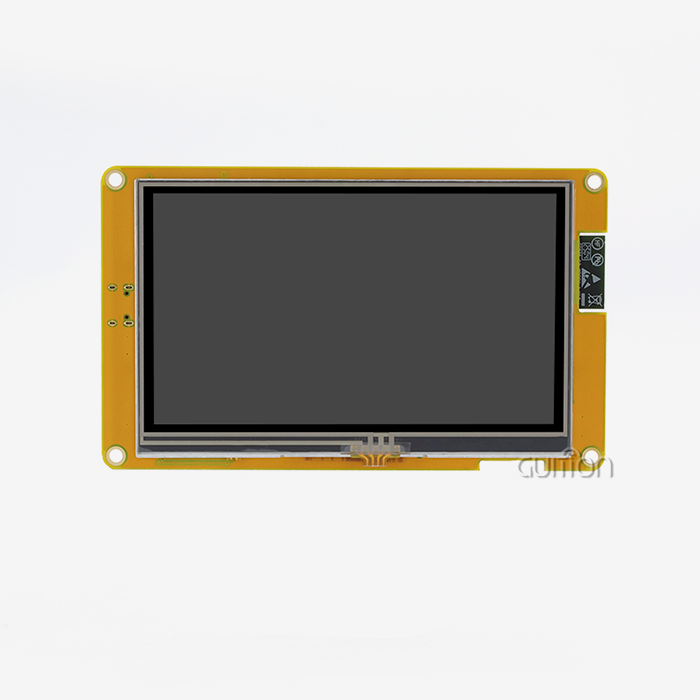
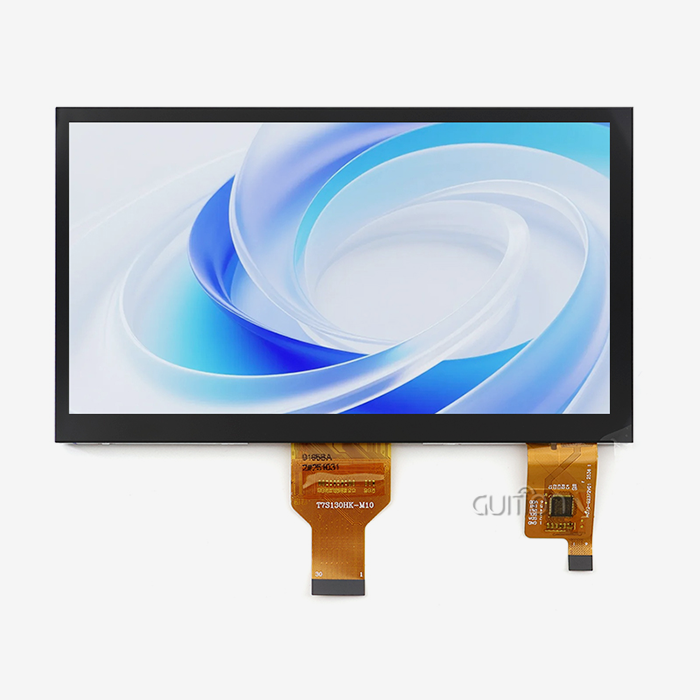
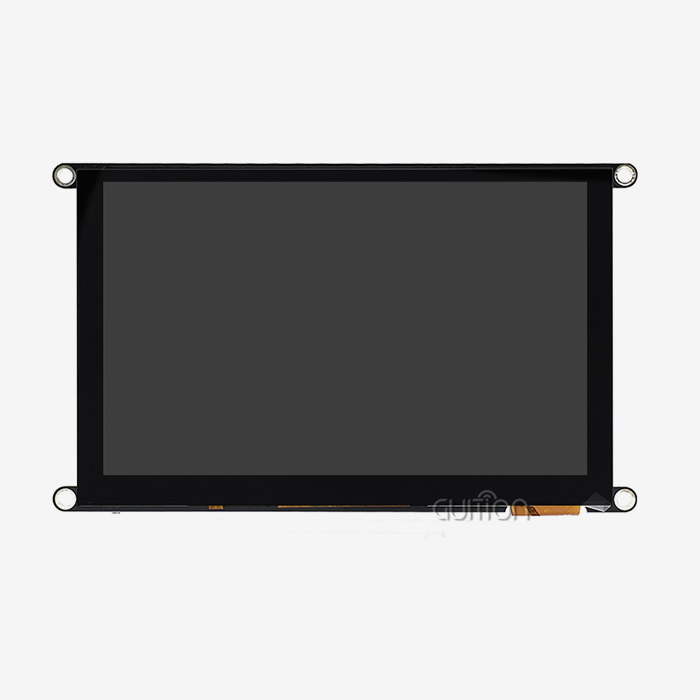
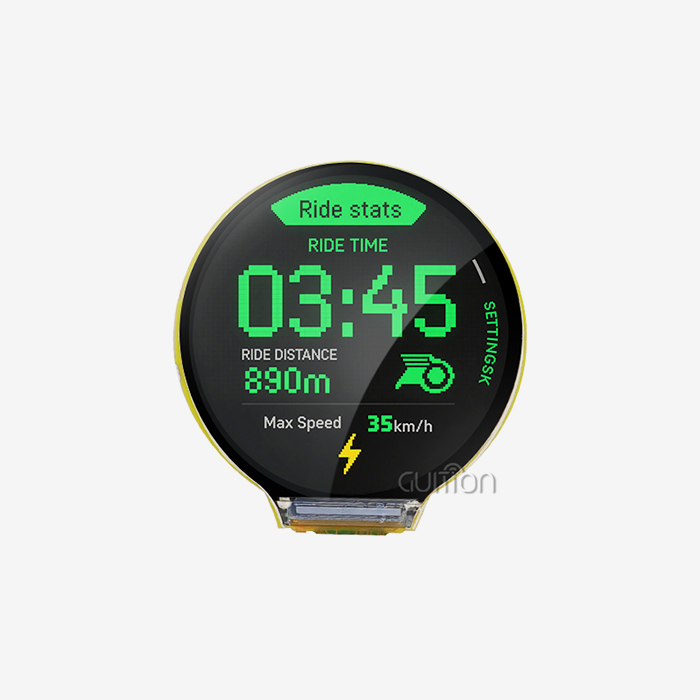
An SPI LCD Display can meaningfully improve portable instrument interfaces. SPI LCD displays need just 3-4 signal lines (SCK, MOSI, CS, D/C) to operate, thereby reducing the number of GPIOs needed for resource-constrained MCUs such as ESP32 and STM32, leaving more pins free for sensors and other peripherals. It has QVGA screens with 30-60 FPS refresh rates, 16-bit RGB565 color depth, and partial screen refreshes to save system power usage. This interface protocol is a practical balance between visual quality and hardware economy for the engineer developing a portable meter, medical monitor, or industrial control.

Understanding SPI LCD Displays and Their Role in Portable Instruments
Before you choose a display technology, it's helpful to know how an SPI LCD Display works and why it works so well with touchscreen phones.
How the SPI Protocol Drives LCD Modules
The serial peripheral interface (SPI) protocol is a synchronous bus that delivers data in full-duplex mode. A typical SPI LCD Display has four lines: SCK (clock), MOSI (data out), CS (chip select), and D/C. Clock speeds vary on the driver IC from 20 MHz up to 80 MHz. This is fast enough to handle 30 to 60 FPS at 320x480 without saturating the bus.
Key Technical Specifications for Portable Use
The three most significant statistics for battery-powered instruments are resolution, refresh rate, and power drain while the instrument is not being used. When builders utilize it, the 320x480 panel with 16-bit color (RGB565) is clear and simple to see, and there are not a lot of frame buffer changes. The ST7796 and other new driver ICs are capable of partial-screen updates, so the MCU may sleep between update rounds. This uses a lot more power than full frame parallel modifications.
SPI vs. I2C, Parallel, and MIPI Interfaces
The fastest speed for I2C is only 3.4 MHz, so it can't be used for GUI panels with lots of pixels. But they use 8–16 GPIO lines, which means that pins on small MCUs are taken up. Parallel connections (8080/6800 series) are fast. Video can use a lot of bandwidth with MIPI DSI, but most mid-range microcontrollers don't have the right hardware blocks. An SPI LCD Display is a good choice because it is quick enough for fast GUI work and easy enough for tight PCB design.
Evaluating SPI LCD Displays Against Alternative Display Solutions
To find the best display technology, you need to compare how well it works with price, power, and how hard it is to build in. This is how SPI LCDs are put together.
SPI TFT vs. OLED and ePaper
OLED screens have a lot of contrast when they are small, but over time, seeing the same thing over and over makes them less helpful. Instrument screens with names that don't move have a lot of trouble with this. ePaper doesn't use much power when it's not moving, but it updates too slowly to read info in real time. An SPI TFT LCD display stays bright, updates quickly, and lasts a long time. This makes it the best choice for tools that need to be quick and easy to read.
Microcontroller Compatibility: Arduino, ESP32, and STM32
The fact that it works with many platforms is a great thing about the SPI LCD Display style. Libraries like TFT_eSPI and Adafruit GFX can work with a lot of different driver ICs. You can use Arduino, ESP-IDF, and PlatformIO with these tools. With DMA, an ESP32 can reach up to 80 MHz SPI clock speeds. This lets the GUI switch between screens without stopping the main program loop.
Cost and Complexity Tradeoffs for OEM Procurement
When bought in large quantities, parallel LCD modules have lower display costs per unit, but they take longer to route on the PCB, which costs more time and board space. Low NRE (non-recurring engineering) costs, faster development processes, and easier FPC harness designs are all benefits for portable instrument OEMs that make less than 100,000 units a year. An SPI LCD Display module's easier routing makes these things possible.
Procurement Considerations for SPI LCD Displays in B2B Contexts
Sourcing the right module for production requires more than checking a datasheet. Let me walk through what actually matters when you are buying in volume.
Evaluating Suppliers: Quality, Support, and Documentation
Established SPI LCD display suppliers like Waveshare, Newhaven Display, and Guition (Jingcai Intelligent) supply complete data sheets, FPC dimension drawings, and reference schematics. Before you buy, examine the datasheet for electrical attributes, timing diagrams, and starting command sequences. Missing documentation means engineering delays on bring-up (a cost that never shows up on the purchase order, but always shows up on the project schedule).
Pricing Structures and Bulk Purchase Benefits
Here are the core procurement considerations that experienced OEM buyers track:
- Sample and NRE pricing: A single evaluation unit typically costs $8–$25 for a 3.5-inch capacitive touch module. Engineering samples should include initialization code.
- Tiered volume pricing: Orders of 500+ units commonly yield 15–30% price reductions versus spot pricing, improving BOM margins for production runs.
- Supply continuity agreements: Long-term blanket orders with quarterly releases protect against component shortages and lock in pricing during volatile periods.
- RoHS and REACH compliance: Industrial and medical OEMs must confirm compliance documentation is available before design freeze.
These factors collectively determine total procurement cost, not just the unit price on the quotation.
Touchscreen Options, Backlighting, and Resolution Variants
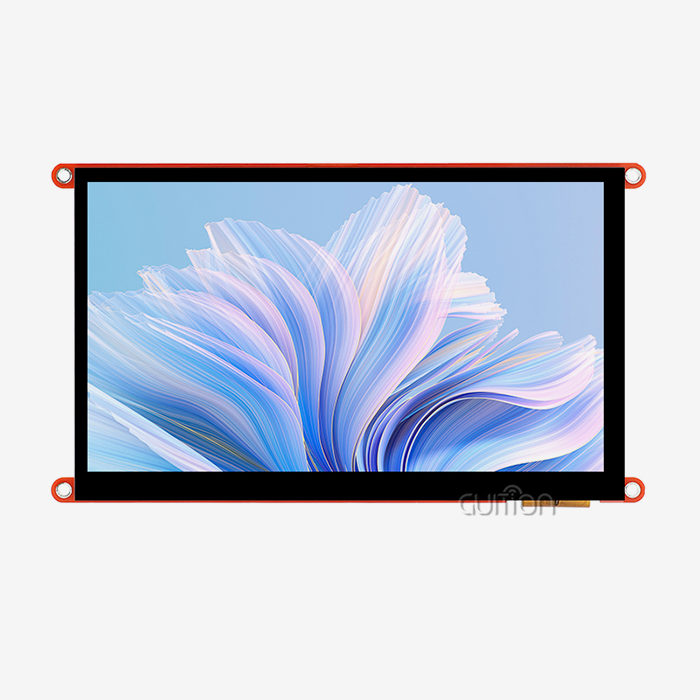
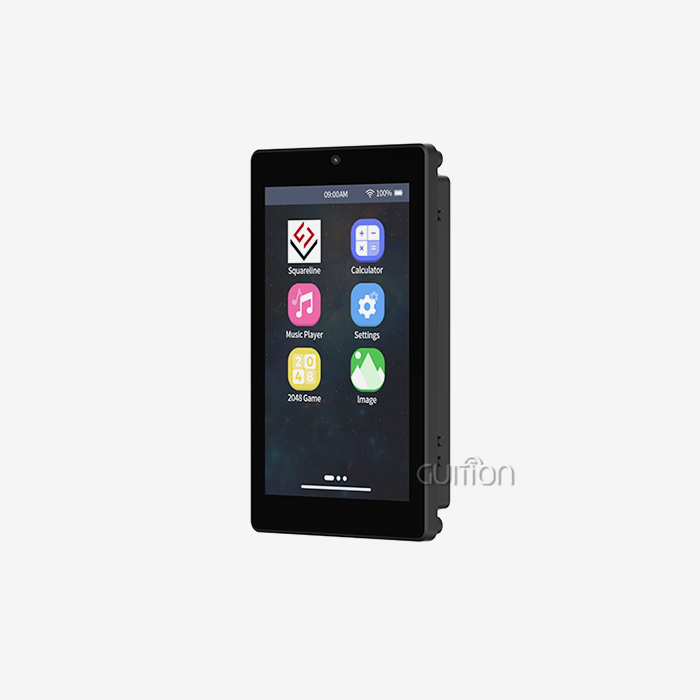
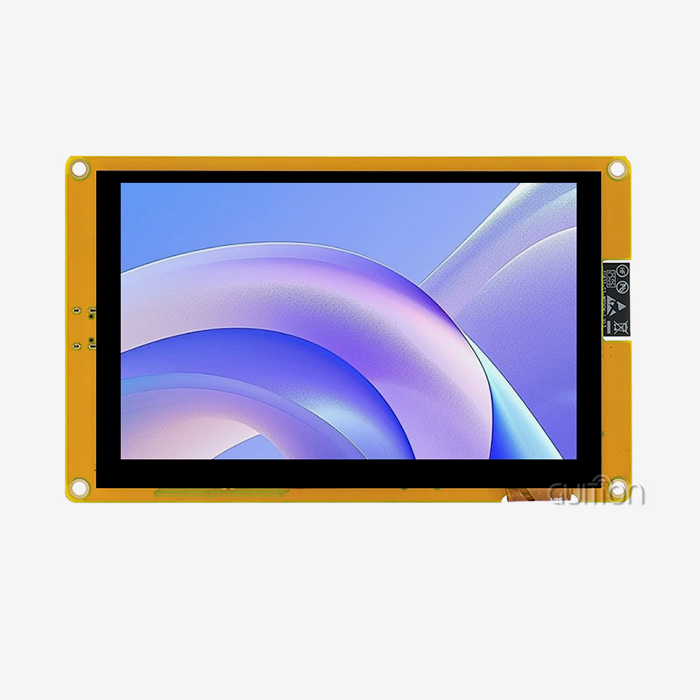
3.5 inch SPI LCD Modules are not all the same. Modern UI design requires accurate multi-touch, which capacitive touch controllers (often GT911 or FT6336 series) provide better than resistive screens. The number of LEDs and their driving current in the backlighting setup directly impacts the uniformity of brightness throughout the display surface. The GUITION JC3248A035C has six LEDs for a uniform illumination of its 320×480 display and is readable even in changing ambient lighting.
Practical Guide: Integrating and Troubleshooting SPI LCD Displays in Portable Instruments
An SPI LCD Display in a sample takes hours to work. To make it work consistently in a shipping product, you need to plan.
Initialization and Driver Setup on Common Platforms
This is how the ST7796 driver IC in the SPI LCD Display GUIDE JC3248A035C is initialized: hardware reset, software reset order (0x01), sleep-out (0x11), and display-on (0x29). There needs to be some time between "sleep-out" and the next command. The Arduino TFT_eSPI library can work with the ST7796 with just a simple User_Setup.h file. In the ESP-IDF, the esp_lcd part takes care of DMA-backed SPI transfers directly. This makes writing frames faster and easier on the CPU.
Common Troubleshooting Issues and Fixes
Problems with displays can be grouped into categories that are easy to spot and fix:
- Screen tearing: Connect the TE (tearing effect) output pin to a GPIO interrupt. Synchronize frame writes to the vertical blanking interval to eliminate mid-frame data injection.
- Flickering or no display: Check SPI clock polarity (CPOL) and phase (CPHA) settings. The ST7796 uses SPI Mode 0 (CPOL=0, CPHA=0). A mismatch produces no output or garbled pixels.
- Signal degradation over cable: SPI lines longer than 10–15 cm accumulate capacitance that degrades clock edges at high speeds. Reduce clock frequency or add series resistors (22–33Ω) near the MCU to maintain signal integrity.
When SPI lines are longer than 10–15 cm, they build up capacitance, which slows down clock edges at high speeds. Either slow down the clock frequency or connect series resistors (22–33) close to the MCU to keep the signal strong.
Real-World Application: 3D Printers and Medical Devices
Most teams report stable display performance after one revision cycle once these issues are fixed.
Future Outlook: Trends and Innovations in SPI LCD Displays for Portable Instruments
The SPI LCD Display market is undergoing change. Driver IC makers are adding frame buffers that work on the chip, which means that the host MCU doesn't need as much memory. The accuracy of touch controllers gets better with each new generation of products. More dense 3.5-inch screens with pictures close to 480x800 are now available. These screens still stay within the SPI bus capacity limits at useful clock rates.
Growing Demand for Compact, Power-Efficient Panels
A report from IDC in 2023 says that the sub-5-inch industrial display market is growing at a rate of about 8% per year. This is because more IoT edge devices and movable medical tools are getting them. When engineers make things now, they should keep in mind that panels will need to be changed every three to five product cycles.
Building Long-Term Supplier Relationships
When engineers lock hardware designs to a single, unknown source for parts, they are taking a risk. By working with a well-known SPI LCD Display maker that provides proper EOL (end-of-life) statements and drop-in replacement models, you can keep your product roadmaps safe for a number of years without having to rebuild the PCB from scratch.
Scalable Design Practices for Future Display Upgrades
The display driver is hidden in software by a HAL (Hardware Abstraction Layer). This way, teams can switch between display modules, like a 2.4-inch screen and a 3.5-inch screen, without having to rewrite the application code. People who work with embedded systems often do it this way, and it works well when looking for next-generation SPI LCD Display units.
Conclusion
An SPI LCD Display does make small instrument interfaces better when used correctly. The protocol is good for handheld instruments, medical monitors, and industrial controllers because it works with driver ICs like the ST7796, has software support across the entire ecosystem, and makes good use of GPIO. The GUITION JC3248A035C, a 3.5-inch capacitive touch module that supports 65K colors, is an example of what a well-designed SPI LCD Display module can do in a production setting. Teams that plan their source strategy and show the abstraction layer early on will be able to finish the prototype faster.
FAQ
What advantage does SPI have over I2C for portable instrument displays?
Very small, low-resolution screens can only send a certain number of pixels at a time because I2C can only work at 3.4 MHz (Fast-mode Plus). With DMA, SPI can run at 20–80 MHz, which means you can get 30–60 FPS at 320x480. When waveform data, bar graphs, or status lights need to be changed right away, SPI is the best choice for instrument interfaces.
How do I verify that an SPI LCD display module is compatible with my MCU?
The SPI mode (CPOL/CPHA), the highest clock frequency, and the voltage levels are the three things that need to be checked. When it comes to logic levels, the ST7796 driver can handle 3.3V and works in SPI Mode 0. A lot of new ARM Cortex-M MCUs and ESP32 variants can easily meet these needs. Read the module's datasheet and look at the time graphs. Then, compare those graphs to the SPI port specs on your MCU.
What should OEM buyers prioritize when purchasing SPI LCD display modules in volume?
Check the supplier's paperwork, compliance certifications (RoHS, REACH), and official end-of-life policies to make sure they are up to par. Make sure the service provider gives you the platform setup code. Get tiered prices and total order deals if you need to make more than 500 units. This will help you save money and make sure you always have supplies.
Can an SPI LCD display handle continuous operation in industrial environments?
Yes, as long as the module can handle temperatures up to 200°C. The GUID JC3248A035C can work in temperatures from -20°C to 70°C, which is the range of temperatures that most plant floors and fields use for sensor placement. Make sure that the way you connect and fix the FPC meets the needs of the application for vibration safety.
Explore the GUITION JC3248A035C — Contact Us for Samples and Pricing
The GUITION JC3248A035C is a production-ready SPI LCD display supplier-backed module with full documentation, ST7796 initialization code, and tiered OEM pricing available on request. Jingcai Intelligent supports Arduino, ESP-IDF, and Guition development environments, with OTA upgrade capability and multi-language UI support built into the platform. Whether you need a single engineering sample or a volume production quote, reach out directly to discuss your project requirements. To get a sample or technical advice today, email your project details to david@guition.com or go to https://jingcaizhineng.aixdb.cn/.
References
1. Yole Développement. Status of the Display Industry Report. 2023.
2. IDC. Worldwide Embedded Display Market Forecast, 2023–2027. 2023.
3. Sitronix Technology Corporation. ST7796S TFT LCD Single Chip Driver Datasheet. 2020.
4. Peng, H., & Liu, Y. "Low-Power SPI-Driven TFT Interface Design for Portable Medical Devices." IEEE Transactions on Consumer Electronics. 2021.
5. Adafruit Industries. TFT LCD Displays: A Practical Integration Guide for Embedded Engineers. 2022.
6. Maxim Integrated (Analog Devices). Signal Integrity in High-Speed SPI Bus Design: Reducing EMI and Line Reflections. 2020.
Learn about our latest products and discounts through SMS or email