- English
- French
- German
- Portuguese
- Spanish
- Russian
- Japanese
- Korean
- Arabic
- Greek
- German
- Turkish
- Italian
- Danish
- Romanian
- Indonesian
- Czech
- Afrikaans
- Swedish
- Polish
- Basque
- Catalan
- Esperanto
- Hindi
- Lao
- Albanian
- Amharic
- Armenian
- Azerbaijani
- Belarusian
- Bengali
- Bosnian
- Bulgarian
- Cebuano
- Chichewa
- Corsican
- Croatian
- Dutch
- Estonian
- Filipino
- Finnish
- Frisian
- Galician
- Georgian
- Gujarati
- Haitian
- Hausa
- Hawaiian
- Hebrew
- Hmong
- Hungarian
- Icelandic
- Igbo
- Javanese
- Kannada
- Kazakh
- Khmer
- Kurdish
- Kyrgyz
- Latin
- Latvian
- Lithuanian
- Luxembou..
- Macedonian
- Malagasy
- Malay
- Malayalam
- Maltese
- Maori
- Marathi
- Mongolian
- Burmese
- Nepali
- Norwegian
- Pashto
- Persian
- Punjabi
- Serbian
- Sesotho
- Sinhala
- Slovak
- Slovenian
- Somali
- Samoan
- Scots Gaelic
- Shona
- Sindhi
- Sundanese
- Swahili
- Tajik
- Tamil
- Telugu
- Thai
- Ukrainian
- Urdu
- Uzbek
- Vietnamese
- Welsh
- Xhosa
- Yiddish
- Yoruba
- Zulu
Best Circular Knob Materials for Durable OEM Controls
When it comes to OEM control systems, the circular knob is far more than a decorative element — it is a precision interface component that directly affects user experience, product longevity, and system reliability. The best circular knob materials for durable OEM controls include CNC-machined aluminum alloys, zinc die-cast metals, and engineering-grade plastics such as ABS and PC blends. Each material serves distinct environments, from industrial automation panels to medical monitoring devices. Selecting the right rotary knob material at the procurement stage determines whether your product survives 50,000 cycles or a million — a distinction that separates market leaders from afterthoughts.

Understanding the Role of Materials in Circular Knob Durability
The type of material used determines how a Circular knob ages when it is subjected to chemical contact, mechanical stress, and changes in temperature. If engineers and purchasing managers don't pay attention to this variable, they may find that a product doesn't work until much later in the deployment lifecycle. This is a costly mistake in regulated industries like medical devices or industrial automation.
Why Material Hardness Matters?
When it comes to high-cycle Circular knobs, surface hardness is directly related to wear resistance. Aluminum metal (6061-T6) has a Vickers hardness of about 107 HV, which means that CNC-machined knob housings will last longer than normal ABS plastic, which has a hardness of about 10–15 HV. When workers touch control knobs dozens of times during their shift, this gap becomes important for operations.
Corrosion Resistance in Harsh Environments
Circular knob interfaces are often exposed to water, dust, and cleaning agents in industrial and farm automation settings. Stainless steel and anodized aluminum are good at resisting rust, but zinc alloys that haven't been treated may need coats to protect them. Polycarbonate (PC) and other engineering plastics are naturally resistant to chemicals, which makes them a good choice for medical device knob enclosures that need to be sterilized often.
Instead of automatically choosing the cheapest choice, you can match Circular knob materials to your working environment with precision by knowing these basic properties.
Comparative Analysis of Circular Knob Materials
Picking between metal and plastic for a Circular knob means thinking about how strong it is, how much it costs to make, how good it feels to the touch, and how reliable the supply will be in the long term. Neither category is always the best; the best choice depends on the priorities of the application.
Metal knobs, especially CNC-machined aluminum and zinc die-cast varieties, give you the best tactile feedback and the strongest structure. They cost more per unit, but they're worth it for high-end industrial tools and medical-grade connections. CNC-machined aluminum alloy knobs have dimensional errors of less than ±0.01 mm, which makes sure that high-volume OEM parts always fit correctly [3].
Plastic Circular knobs made from ABS, PC, or nylon blends can be made quickly, can be formed in a variety of colors, and cost less per unit. They work well with consumer electronics, smart home controllers, and business terminals that need to keep costs low.
For comfortable control panels, composite mixes that combine glass-fiber-reinforced nylon with soft-touch TPE overmolding are becoming more popular. Nanocoatings on metal Circular knobs now have antimicrobial and water-repellent properties, which means the material can be used in more places, like food processing and healthcare, without changing the base substrate.
For example, a 3D printer maker that switched from plastic Circular knobs to CNC-machined metal ones said that user complaints about knob slippage dropped by 40% in just one product generation. This is an example of a measured quality improvement that can be linked directly to the choice of material.
How to Select the Best Circular Knob Material for Your OEM Project?
When choosing Circular knob materials for a project, you have to think about operational stressors, price limits, and the facts of the supply chain all at the same time. Here are the most important things to keep in mind when choosing materials for OEM rotary controls:
- Operating environment: Check the temperature range, humidity, chemical exposure, and IP grade requirements. Industrial panels that go outside need to be made of polished aluminum or stainless steel. Consumer products that go inside can use high-quality ABS.
- Mechanical load and cycle count: Hall-effect magnetic sensing mixed with metal housings completely eliminates contact wear in high-cycle uses (500,000 or more actuations).
- Ergonomic requirements: The size of the knob, the feel of the grip, and the torque resistance all have an impact on how well it works. Precision torque profiling is possible with CNC-machined knobs, while overmolded plastic knobs offer a physical difference at a lower cost.
- Certification and compliance: For medical and industrial uses, both the material and coating suppliers may need to be in line with RoHS, REACH, or UL.
- MOQ and lead time: The MOQ for some combos of specialty materials is high. Give priority to sellers who offer small-batch test orders so you can see how well the material works before committing to full production numbers.
All of these criteria lower the risk of buying something and make sure that your Circular knob specification matches the performance needs of real life. A good choice of material can be thrown out if you don't take into account even one factor, like chemical compatibility.
Manufacturing and Customization Considerations for Circular Knobs
How well a chosen material turns into a finished, dimensionally stable Circular knob depends on how it is made. OEMs can buy goods through two main production routes:
CNC Machining for Metal Knobs
CNC machining is great for working with aluminum and stainless steel because it can make Circular knob housings with complicated shapes, tight tolerances, and high-quality finishes on the outside. Anodizing, powder coating, and laser etching are all post-processes that can be used together to improve the look and resistance to rust. This method works well for low- to medium-volume OEM runs where the investment in unique design is worth it.
Injection Molding for Plastic Knobs
Injection molding is a cost-effective way to make a lot of plastic Circular knobs that are all the same. When compounds are made, material mixes can be tweaked to reach certain hardness, UV stability, or flame retardancy scores. Custom color matching during molding gets rid of the need for extra painting.
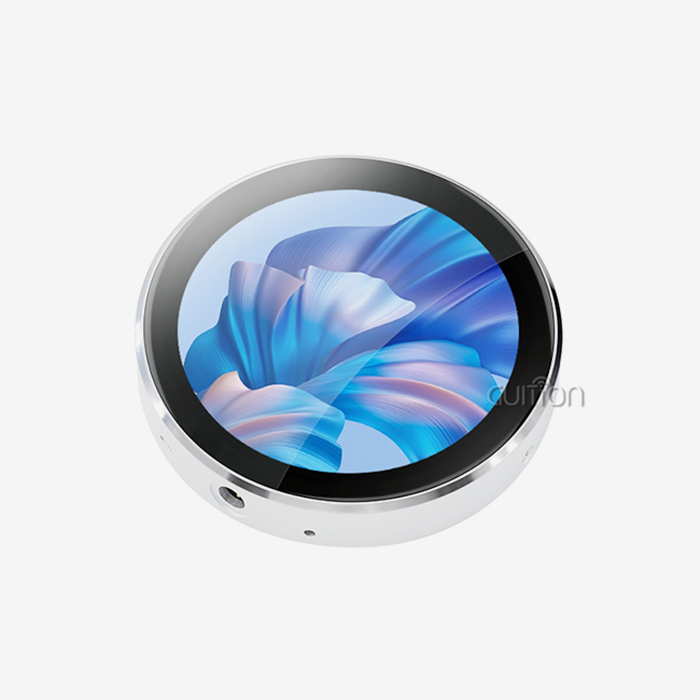
The 1.85-inch Round Knob Touch Display (Model: JC3636K718C_I_Y1) from Guition is a good example. It has a CNC-machined metal case, a precision rotary knob, and a 360×360 IPS capacitive touchscreen [4]. The device comes in five basic colors: blue, red, black, and purple. If you order 500 units or more, you can choose a unique color. It has a 240 MHz ESP32-S3R8 dual-core processor, 8 MB of PSRAM, and 16 MB of Flash, which gives it enough computing power for complicated HMI apps. A combination that is uncommon in standard OEM rotary interface modules is the Circular knob, which allows for fine parameter adjustment and menu navigation. The built-in vibration motor also provides haptic feedback.
Maintenance and Longevity Tips for Circular Knobs in OEM Controls
Without proper upkeep, even the best-designed Circular knob will break down over time. The type of material directly affects how it needs to be cleaned and serviced:
Anodized aluminum Circular knob surfaces can be cleaned with mild alkaline solutions without damaging the coating. However, bare zinc alloy parts need pH-neutral solutions to keep the surface from oxidizing. Most isopropyl alcohol-based wipes won't damage engineering plastic buttons, but they might crack after being exposed to ketone or aromatic solvents for a long time.
Maintaining a safety stock of Circular knob parts that matches the service life of your product lowers the risk of downtime during supply outages. This is important for long-term supply continuity. The JC3636K718C_I_Y1 module from Guition ships from stock and is guaranteed to arrive the next business day. This is helpful for production planning teams that are working to tight deadlines.
Hardware changes also make a product more useful for longer. If you replace contact-based rotary sensors inside existing knob housings with magnetic Hall-effect versions, you can increase the operating life from 50,000 to over 1,000,000 cycles without having to make any changes to the design on the outside.
Conclusion
Choosing the right material for OEM rotary control knobs is an important technical choice that isn't just an afterthought. CNC-machined metal is used mostly in high-end medical and industrial settings. Engineering plastics are used by consumers who want to save money, and new hybrid needs can be met by composite mixes and advanced coatings. The JC3636K718C_I_Y1 from Guition, with its precision Circular knob, 240 MHz ESP32-S3 processor, and wireless connection, is a good example of how to integrate the right knob material with strong hardware to ensure long-term market relevance. If you match the performance of the materials to the needs of the activity, your OEM control interface will provide solid value for its whole life.
FAQ
Which material offers the highest durability for industrial OEM rotary knobs?
Anodized 6061-T6 aluminum metal that has been CNC machined always performs better in industry settings. It has good mechanical strength, doesn't rust, and keeps its shape even when heated and cooled many times. When you pair an aluminum housing with a Hall-effect magnetic encoder, there is no contact wear at all, even for very high cycle requirements.
Can circular knob enclosures be customized for branding purposes?
Yes, laser engraving, custom anodizing colors, and silk-screen printing can all be done on CNC-machined metal Circular knobs. For sales of 500 or more units, Guition lets you choose your own colors for the JC3636K718C_I_Y1 rotating display module.
How do I verify material quality from an OEM supplier?
Before committing to large orders, make sure you get certification documents for the material (like RoHS compliance or hardness test reports) and physical samples. Guition provides product samples after a qualifying review, which lets customers test them in the real world before committing to buy.
What is the MOQ for trial orders of rotary knob display modules?
With a minimum order quantity of just one piece, Guition's JC3636K718C_I_Y1 makes small-batch prototyping possible without requiring a big commitment up front.
Partner with Guition for Your Next Circular knob OEM Project
Guition provides tried-and-true Circular knob Supplier solutions that are based on actual engineering requirements. Our 1.85-inch Round Knob Touch Display (JC3636K718C_I_Y1) has a CNC-machined metal case, an ESP32-S3 processor, WiFi, Bluetooth 5.0, and a built-in rotary knob. It is all packed into a small, production-ready module that works with Arduino, ESP-IDF, and the Guition UI development platform. The MOQ is just one piece, samples are free, and things in stock ship in two business days. To set up your answer right away, email our technology team at david@guition.com.
References
1. ASM International. (2019). Metals Handbook: Properties and Selection of Nonferrous Alloys. ASM International. https://www.asminternational.org/materials-information/handbooks/
2. MatWeb Material Property Data. (2023). Aluminum 6061-T6 Material Properties. MatWeb LLC. https://www.matweb.com/search/DataSheet.aspx?MatGUID=1b8c06d0ca7c456694c7777d9e10be5b
3. Society of Manufacturing Engineers. (2021). CNC Machining Tolerances and Surface Finish Standards. SME Publications. https://www.sme.org/technologies/machining/
4. Guition / Jingcai Intelligence. (2024). JC3636K718C_I_Y1 1.85-inch Round Knob Touch Display Product Page. Guition. https://jingcaizhineng.aixdb.cn/
5. Plastics Industry Association. (2022). Chemical Resistance Guide for Engineering Thermoplastics. PLASTICS. https://www.plasticsindustry.org/resources/
6. Honeywell Sensing and Controls. (2020). Hall Effect Sensing and Application Technical Guide. Honeywell International. https://sensing.honeywell.com/hallbook.pdf
Learn about our latest products and discounts through SMS or email