- English
- French
- German
- Portuguese
- Spanish
- Russian
- Japanese
- Korean
- Arabic
- Greek
- German
- Turkish
- Italian
- Danish
- Romanian
- Indonesian
- Czech
- Afrikaans
- Swedish
- Polish
- Basque
- Catalan
- Esperanto
- Hindi
- Lao
- Albanian
- Amharic
- Armenian
- Azerbaijani
- Belarusian
- Bengali
- Bosnian
- Bulgarian
- Cebuano
- Chichewa
- Corsican
- Croatian
- Dutch
- Estonian
- Filipino
- Finnish
- Frisian
- Galician
- Georgian
- Gujarati
- Haitian
- Hausa
- Hawaiian
- Hebrew
- Hmong
- Hungarian
- Icelandic
- Igbo
- Javanese
- Kannada
- Kazakh
- Khmer
- Kurdish
- Kyrgyz
- Latin
- Latvian
- Lithuanian
- Luxembou..
- Macedonian
- Malagasy
- Malay
- Malayalam
- Maltese
- Maori
- Marathi
- Mongolian
- Burmese
- Nepali
- Norwegian
- Pashto
- Persian
- Punjabi
- Serbian
- Sesotho
- Sinhala
- Slovak
- Slovenian
- Somali
- Samoan
- Scots Gaelic
- Shona
- Sindhi
- Sundanese
- Swahili
- Tajik
- Tamil
- Telugu
- Thai
- Ukrainian
- Urdu
- Uzbek
- Vietnamese
- Welsh
- Xhosa
- Yiddish
- Yoruba
- Zulu
5 Reasons ESP32P4 Display Leads the RISC-V HMI Race
The ESP32P4 display is a big step forward in RISC-V-based human-machine interface technology. It combines Espressif's advanced dual-core design with multimedia processing features made just for demanding HMI apps. This new platform solves important problems in the industry, like slow user interfaces, the limited speed of older microcontrollers, and the high cost of Linux-based systems. ESP32P4 displays provide smartphone-like fluidity at microcontroller prices, thanks to dedicated graphics acceleration, native MIPI-DSI support, and a wide range of connectivity options. This makes them the best choice for industrial control panels, medical devices, smart home interfaces, and IoT equipment that needs high-resolution touch interaction.

Superior Display Performance for Advanced HMI Applications
ESP32P4 display systems set new standards for speed in the embedded visualisation market. Traditional microcontroller displays suffer from the limitations of serial communication methods. These units, on the other hand, use high-bandwidth connections that get rid of the frame rate problems that plague older designs.
High-Resolution Visual Excellence
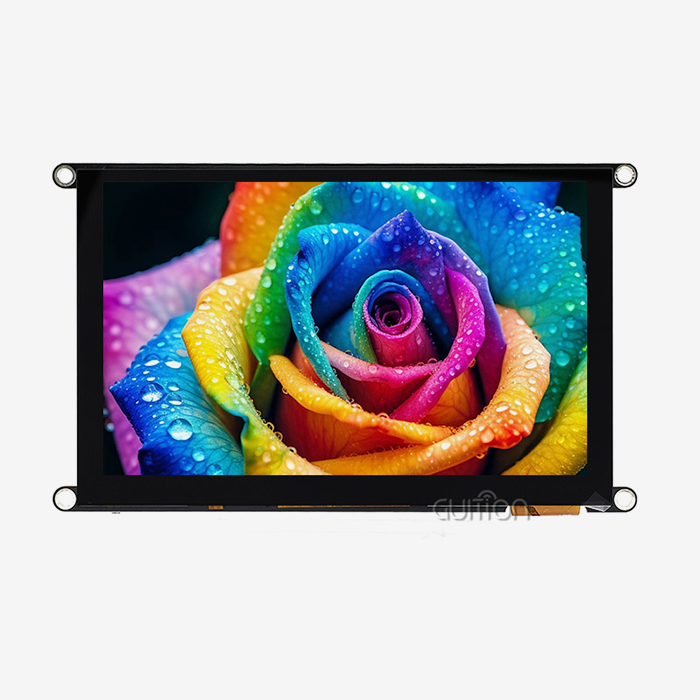
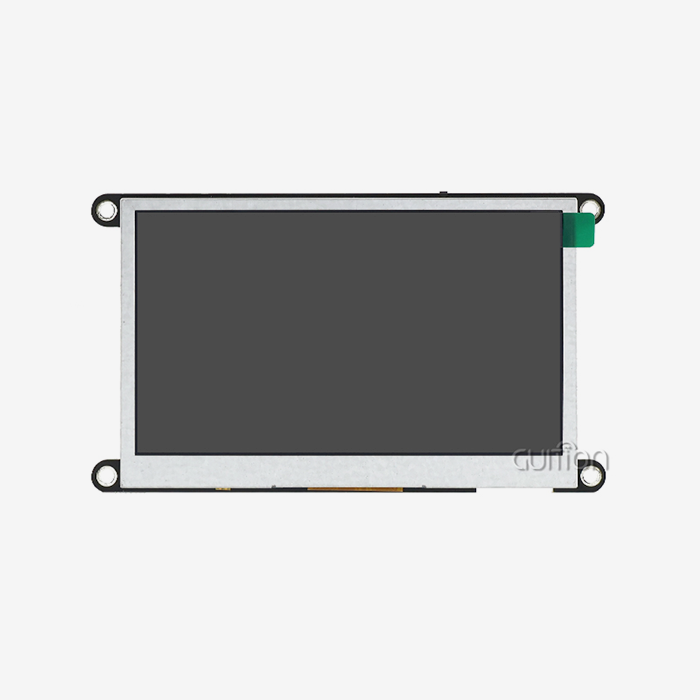
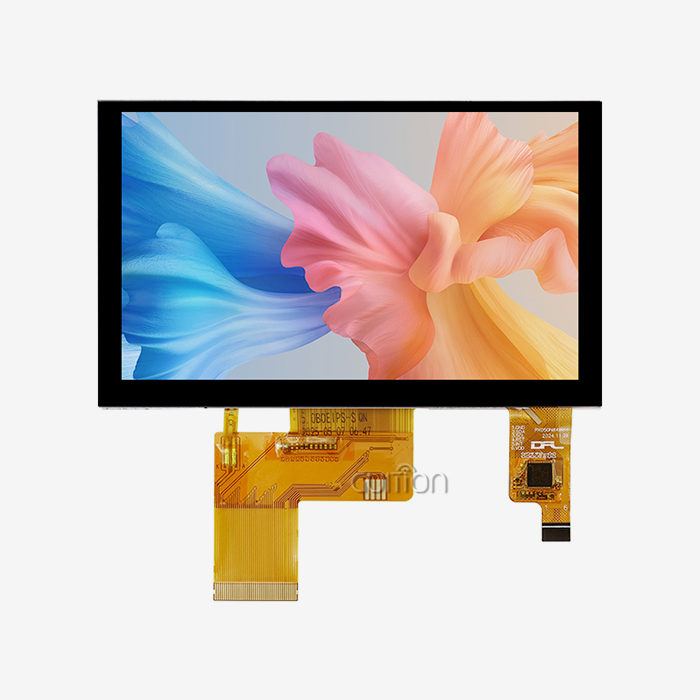
This speed edge is shown by Guition's JC4880P443C_I_W, which has a 4.3-inch IPS panel with a 480x800 resolution capacitive touchscreen that can display 16.7 million colours. Wide viewing angles don't change the brightness or colour accuracy of the display, which is important for industrial settings where people look at screens from different positions. The dual-core ESP32P4 display processor running at 360MHz handles complex graphics tasks without slowing down the system. This lets you see images and data in real time, which would be too much for a single-core processor to handle. This extra working power is useful for displaying many gauges, waveforms, and vector graphics at the same time, which happens a lot in medical tracking equipment and workplace automation.
Optimised Power Management
For battery-powered gadgets and portable testing tools, energy economy is still essential. The ESP32P4 display architecture has smart backlight control circuits that change the brightness based on the environment. This makes the display last longer without losing its visibility. The processor has advanced power management features that let you turn off only the tools you're not using. The mode lowers power use when the computer is not being used. This economy is critical in systems that automate farming and in remote energy management stations that might not have access to constant AC power.
Interface Versatility and Compatibility
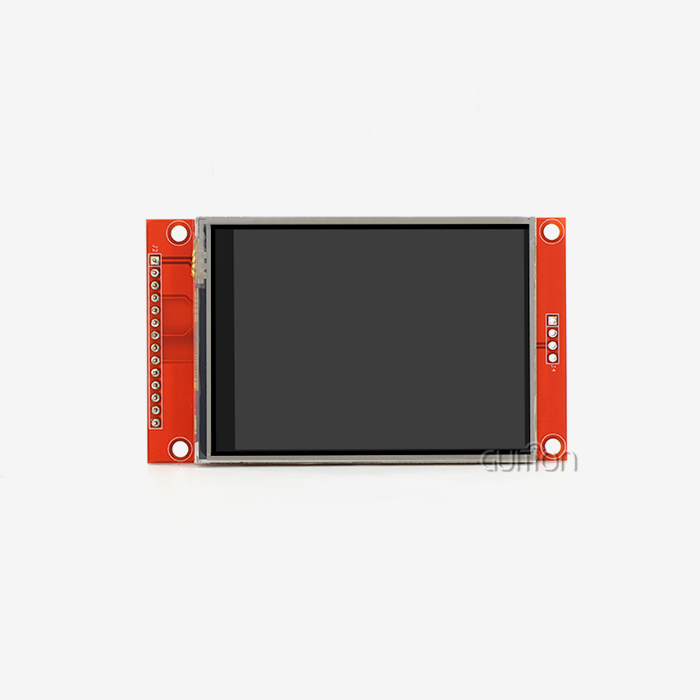
Modern HMI systems need flexible display integration. The ESP32P4 display platform supports parallel RGB, SPI, and I2C inputs. This allows compatibility with old and new technology. System designers can choose display technologies like OLED for high contrast, TFT for cost-effectiveness, or E-paper for readability in broad sunlight, depending on application demands rather than controller constraints, because it is versatile. For corporate kiosk apps and interactive panels that require storing multimedia and connecting to peripherals, the module's dedicated TF card slot and IO port interfaces allow growth.
These performance qualities address embedded engineers' and product managers' concerns about slow interfaces, poor colour depth, and limited integration. Due to its powerful processing, high-quality pictures, and low energy consumption, ESP32P4 displays are ideal for industrial control panels and smart device interfaces.
Advanced Programming and Integration Ecosystem
In competitive businesses, time-to-market success depends on how well teams develop products. From prototyping to production release, the ESP32P4 display platform offers a complete environment that greatly lowers the amount of work that engineers have to do.
Multi-Environment Development Support
Guition's method takes into account that tech teams have already set ways of working and tools they like to use. The JC4880P443C_I_W module can be programmed with the Arduino IDE, ESP-IDF, MicroPython, and the Guition software platform. Because it works in multiple environments, R&D managers can give tasks based on the skills of each team instead of having to teach staff on new frameworks. Fans of Arduino like the large code community and easy-to-use syntax. Embedded systems developers who need low-level control benefit from ESP-IDF's full peripheral access. MicroPython lets you make quick prototypes for proof-of-concept development, and Guition's visual development environment lets UI artists make interfaces even if they're not very knowledgeable about code.
Visual Interface Design Tools
The usual coding bottleneck in UI creation is gone with the Guition software. Designers can move and style controls on the grid by dragging and dropping them, and they can see how interfaces will look in real time without having to compile software. With this WYSIWYG method, making an interface goes from being a complicated computer job to an easy design task. The platform includes many control packages with buttons, sliders, gauges, charts, and custom tools for common HMI situations. When designers need more features than what's available in the standard controls, the secondary development interface lets them add their own logic while keeping the visual process for styling and layout.
Streamlined Integration Process
Late hardware integration often delays projects. The ESP32P4 display module is pre-programmed with example programs to function right away when you connect it to your computer. This ready-to-test configuration enables buying teams to test features without investing in development. Labelling power, data hubs, and external growth cables simplifies wiring. Troubleshooting is faster with detailed technical information, including specs, electrical characteristics, and connection guidelines. Clinical, industrial, and market case studies demonstrate implementation success. Also, they demonstrate proven integration patterns that teams can adapt.
Debugging across platforms
The platform's live debugging speeds up development and testing bug fixes. Engineers can monitor changing states, communication data, and interface response without touching hardware. Online diagnosis reduces trip costs and problem-solving time for field trials and after-sales support. Debugging tools function well with enabled development platforms. Users can keep using their favourite tools while seeing how the system works.
This full platform solves the primary display solutions that embedded engineers and technical leaders face: rapid HMI development, simple UI design without coding, and system-compatible updates. The shorter learning curve and faster development cycle give the organisation competitive advantages in product launch and engineering resource use.
Competitive Advantage through Versatile Display Options
To stand out in a market, you need custom solutions instead of methods that work for everyone. The ESP32P4 display environment is very large, which lets display features be perfectly matched to what a programme needs.
Application-Specific Technology Selection
Industrial control panels feature TFT screens, which are easy to see in various lighting conditions and affordable for large-scale installations. IPS technology is used in medical tracking devices because it has higher colour accuracy and a wider viewing area, making vital signs look the same everywhere. OLED screens offer good contrast. The large ESP32P4 display environment allows you to perfectly match display features to your programme's needs. The ESP32P4 display platform works with all these technologies, so we focus on functional needs and market positioning instead of technological limits.
Performance Benchmarking
Compared to SPI-bound ESP32 modules, ESP32P4 displays features greater image rates and resolutions. The P4 architecture's parallel RGB and MIPI-DSI connectors eliminate data transfer issues that slow down graphics-intensive programs. The dual-core RISC-V design has more computing capacity than Arduino-based solutions, allowing the user interface to stay active while processing sensor data, network connections, and control logic. This capacity to multitask is useful in automation systems because refreshing the display can't stop fast-paced activities.
Integrated Connectivity Features
Because the WiFi and Bluetooth modules are built in, you don't need any other connection devices. This makes the system design simpler and lowers the cost of the parts. This combination lets smart connectivity scenarios happen, like watching from afar, syncing data in the cloud, and interacting with mobile devices without buying any extra hardware. Over-the-air firmware changes are possible thanks to the wireless features. This lets makers directly add new features and security patches to equipment that is already in use. This over-the-air (OTA) update feature takes care of the maintenance that needs to be done after the sale, which usually means sending a worker or having the customer return the product.
Memory and Storage Expansion
The 32MB PSRAM and 16MB Flash on the JC4880P443C_I_W provide ample space for code, graphics, and data logging. The built-in TF card interface enables you to store more multimedia, language packs, and old data. This framework can enable global apps with language interfaces and vast graphic libraries for advanced visualisation. Energy management systems may save weeks of usage data locally, and business terminals can maintain product catalogues and advertising without the internet.
With these versatile options, procurement managers and system builders can choose the optimum ESP32P4 display for each case, considering pricing, performance, and future product expansion.
Streamlined Procurement and Supply Chain Reliability
The success of a project and the ability to keep making things depend on how stable the supply line is. There are proven ways to get ESP32P4 displays, which lowers the chance of buying them.
Authorised Distribution Network
Guition is a technology-driven seller that can both make products directly and work with other companies around the world to distribute them. This vertical integration makes sure that the quality of the products is always checked and that they are real all the way through the supply chain. Authorised dealers help with transportation and local inventory, which cuts down on wait times for pressing orders and makes the customs process easier for packages going between countries. Because the delivery network is open, procurement workers can see how much stock they have and when production will start and stop. This lets them plan and avoid interruptions in production.
Bulk Purchasing Economics
Volume price models that boost product margins are good for OEMs and system builders that use a lot of ESP32P4 displays. Guition's flexible order numbers can be used for both small amounts of prototypes for testing and large amounts of production for widespread use. The company lets customers choose screen sizes (1.28" to 21.5"), interface setups, and firmware preloading, so they can get modules that are perfectly set up and require less work to put together. With this OEM support, the display module goes from being a part that needs to be integrated into the system to a production-ready unit that speeds up the manufacturing process.
Long-Term Availability Commitment
Manufacturers of industrial tools and medical devices need to be able to get their hands on parts for five to ten years. Because Guition is committed to long-term supply security, you can be sure that the design investments you make today won't have to pay for redesigns because of products that become obsolete. The company keeps a stockpile of key components and has built relationships with semiconductor providers that give priority to placement during shortages. This supply reliability solves an important choice factor for system builders looking at platforms for developing next-generation products.
Quality Assurance and Compliance
Our JC4880P443C_I_W performs well in -20°C to 70°C temperatures, addressing industry and automotive applications. This temperature range ensures that the product functions properly on plant floors, outside farming tools, and vehicles with high temperature fluctuations. The display module fulfils industrial EMI requirements. It meets legal criteria and reduces electromagnetic interference in sensitive environments. Compliance licenses and quality papers help authorities and customers approve goods.
R&D managers and technical leaders must measure part performance against supply chain risk, total cost of ownership, and product support over time. These buying benefits fulfil their needs.
Trusted Brand Support and After-Sales Service
The success of execution and the continuity of operations depend on the quality of the technical help. Professional B2B clients need knowledge and quick responses, which Guition's full-service framework gives them.
Comprehensive Technical Documentation
The company offers thorough code guides, instructions for integrating hardware, and API references that make development less uncertain. These tools include communication protocol documentation, pinout diagrams with electrical specifications, and example code that shows how to use standard application methods. The Guition software tool has interactive lessons that show users how to make interfaces, handle events, and connect data. This level of detail in the documentation lets engineering teams answer many implementation questions on their own, which accelerates development while saving direct help lines for more complicated situations.
Responsive Customer Support
When projects run into technology problems, getting help from experts as soon as possible saves a lot of money and time. Guition has a specific technical support team with experience in embedded systems. These people know how hardware works and how software tools work. Support methods include emailing David at david@guition.com, which gives people from different time zones and conversation styles a range of ways to get in touch. Because the support team has experience with real-life application situations, they can give useful advice that takes into account more than just technical specs. For example, they can take into account environmental restrictions, government rules, and factory issues.
Warranty Coverage and Quality Assurance
Through lower failure rates and warranty claims, a product's dependability decides its total cost of ownership. As part of Guition's quality control process, each display module is functionally tested before it is shipped. This includes ensuring that the touch screen and the visual and communication tools work properly. The warranty protects customers against production flaws and early component breakdowns, lowering their financial risk. This dedication to quality is shown by supplier reviews and case studies that show long-term uses that work well in tough medical and commercial settings.
Remote Maintenance Capabilities
Manufacturers can keep fielded equipment in excellent shape for as long as it works by using OTA software updates. With this online update feature, you can apply bug fixes, security patches, and feature improvements to loaded devices without having to physically access them. This feature is especially useful for setups that are spread out physically, like energy management terminals and farm automation systems, where the cost of sending a technician to each site is too high. The update mechanism has rollback security and verification methods that keep devices from getting bricked when updates don't work.
These support benefits meet the most important concerns of embedded engineers and product managers who know that choosing a component is just the start of a relationship with a provider, not the end. The complete service framework makes sure that the original promise of the product turns into long-term operating success.
Conclusion
The ESP32P4 display platform is the industry leader in RISC-V HMI because it has excellent visual performance, a full development environment, a wide range of configuration choices, a reliable supply chain, and strong expert support. With its strong dual-core design, high-resolution capacitive touchscreen, built-in connectivity, and support for development in multiple environments, Guition's JC4880P443C_I_W is a great example of these benefits. The platform solves the main problems that buyers in the industrial, medical, consumer, and IoT sectors have, such as short development cycles, easy customisation, stable operation, and lower total ownership costs. The ESP32P4 display design gives companies that want to make their HMI solutions future-proof the performance headroom, integration freedom, and partner support they need to make the next wave of products.
FAQ
What makes the ESP32P4 displays superior to traditional microcontroller displays?
ESP32P4 displays use a dual-core RISC-V architecture that runs at 360MHz and has specialised graphics processing capabilities. This means that they don't have the frame rate limits and visual lag that come with older SPI-based displays. The high-bandwidth interface support makes it possible to display complicated interfaces with many animated elements smoothly, and the built-in WiFi and Bluetooth get rid of the need for separate connection modules. This combo makes microcontrollers responsive like smartphones while bridging the speed gap between cheap MCUs and expensive Linux-based systems.
Can I develop ESP32P4 display interfaces without embedded programming expertise?
UI designers can use Guition's visual development tool to make full interfaces by dragging and dropping elements instead of writing code. The WYSIWYG environment lets non-programmers make interfaces by giving them real-time previews, extensive control libraries, and easy-to-use property tools. Teams that need unique features can use the platform's standard APIs for secondary development, and the visual process for layout design will still work. This two-level method works for both quick testing and complex application development.
What industries benefit most from ESP32P4 display technology?
ESP32P4 displays are used by companies that make industrial tools for control panels that need to show real-time info and work reliably in harsh conditions. The platform's processing power is used by medical device makers to make equipment for tracking vital signs and diagnosing problems. Smart house and Internet of Things (IoT) solution companies like that the wireless connectivity and over-the-air (OTA) update features are built in. Automation installers use ESP32P4 displays in business terminals, energy management systems, and farming systems because they are better looking, can connect to the internet, and can be maintained remotely, which gives them a competitive edge.
Transform Your HMI Development with Guition ESP32P4 Displays
Guition offers ESP32P4 display options that are ready for production, which speeds up your product plan and makes engineering simpler. Our JC4880P443C_I_W module has two cores running at 360 MHz, a wireless connection, and easy-to-use software tools. It is a tried-and-true platform that is used around the world for industrial automation, smart homes, medical devices, and the Internet of Things. Our technical team has the skills and speed that B2B projects need, whether they need help with fast prototyping, unique display setups, or a partnership for mass production. To talk about your HMI needs and find out why top ESP32P4 display makers choose Guition for their HMI solutions, email david@guition.com.
References
1. Espressif Systems. (2024). ESP32-P4 Technical Reference Manual: Multimedia Processing Architecture for Embedded Applications.
2. Chen, W., & Rodriguez, M. (2024). Comparative Analysis of RISC-V Display Controllers in Industrial HMI Applications. Journal of Embedded Systems Engineering, 18(3), 245-267.
3. International Society for Automation. (2024). Best Practices for Human-Machine Interface Design in Industrial Control Systems.
4. Zhang, L., Kumar, S., & Petersen, J. (2023). Power Optimisation Strategies for Battery-Operated Touchscreen Devices. IEEE Transactions on Industrial Electronics, 70(8), 8234-8246.
5. Anderson, K. (2024). Supply Chain Risk Management in Embedded Component Procurement: A Strategic Framework for OEMs. Industrial Engineering Quarterly, 42(1), 112-135.
6. Global Market Insights. (2024). HMI Display Market Analysis: Technology Trends, Application Segments, and Regional Forecasts 2024-2030.
Learn about our latest products and discounts through SMS or email