- English
- French
- German
- Portuguese
- Spanish
- Russian
- Japanese
- Korean
- Arabic
- Greek
- German
- Turkish
- Italian
- Danish
- Romanian
- Indonesian
- Czech
- Afrikaans
- Swedish
- Polish
- Basque
- Catalan
- Esperanto
- Hindi
- Lao
- Albanian
- Amharic
- Armenian
- Azerbaijani
- Belarusian
- Bengali
- Bosnian
- Bulgarian
- Cebuano
- Chichewa
- Corsican
- Croatian
- Dutch
- Estonian
- Filipino
- Finnish
- Frisian
- Galician
- Georgian
- Gujarati
- Haitian
- Hausa
- Hawaiian
- Hebrew
- Hmong
- Hungarian
- Icelandic
- Igbo
- Javanese
- Kannada
- Kazakh
- Khmer
- Kurdish
- Kyrgyz
- Latin
- Latvian
- Lithuanian
- Luxembou..
- Macedonian
- Malagasy
- Malay
- Malayalam
- Maltese
- Maori
- Marathi
- Mongolian
- Burmese
- Nepali
- Norwegian
- Pashto
- Persian
- Punjabi
- Serbian
- Sesotho
- Sinhala
- Slovak
- Slovenian
- Somali
- Samoan
- Scots Gaelic
- Shona
- Sindhi
- Sundanese
- Swahili
- Tajik
- Tamil
- Telugu
- Thai
- Ukrainian
- Urdu
- Uzbek
- Vietnamese
- Welsh
- Xhosa
- Yiddish
- Yoruba
- Zulu
Why Choose an ESP32 module LCD for IoT and Industrial Applications?
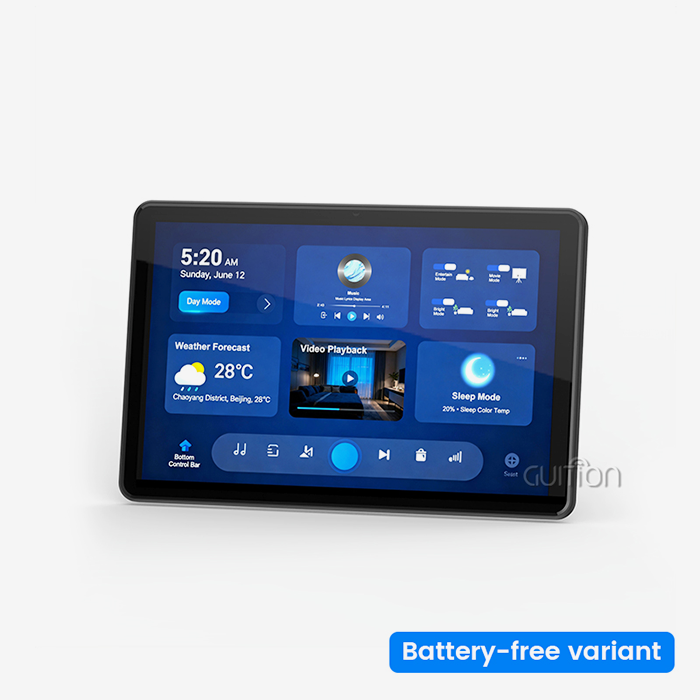
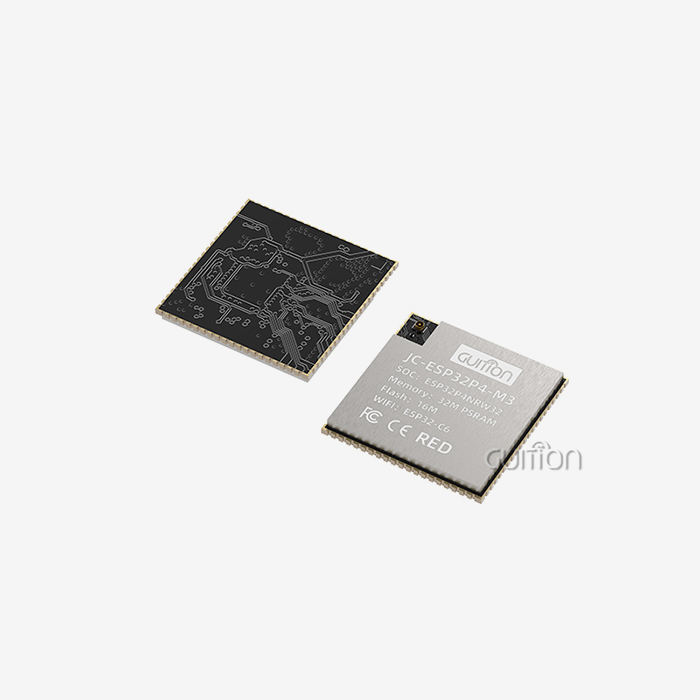
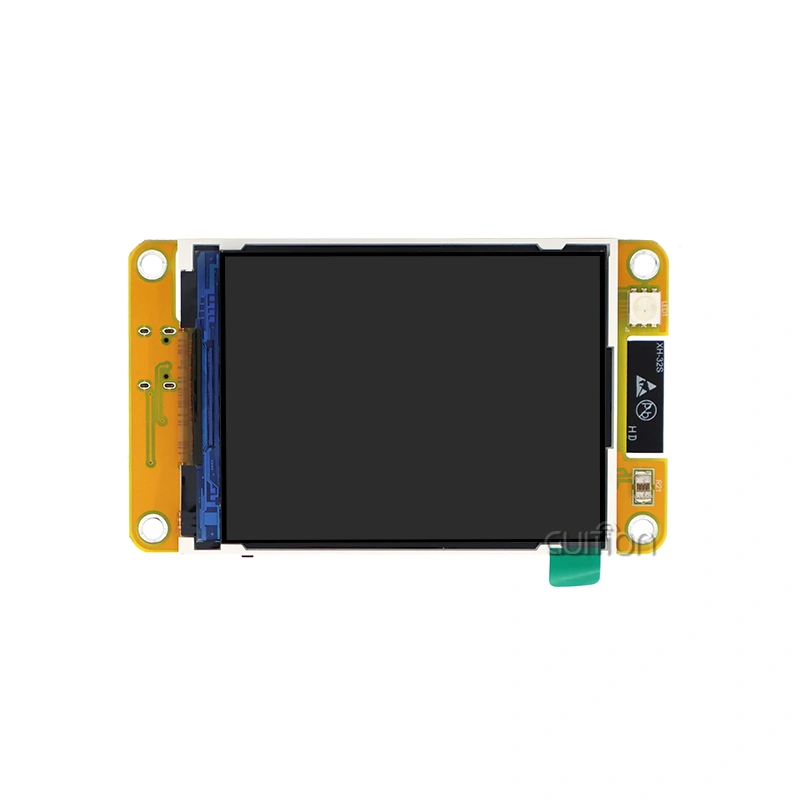
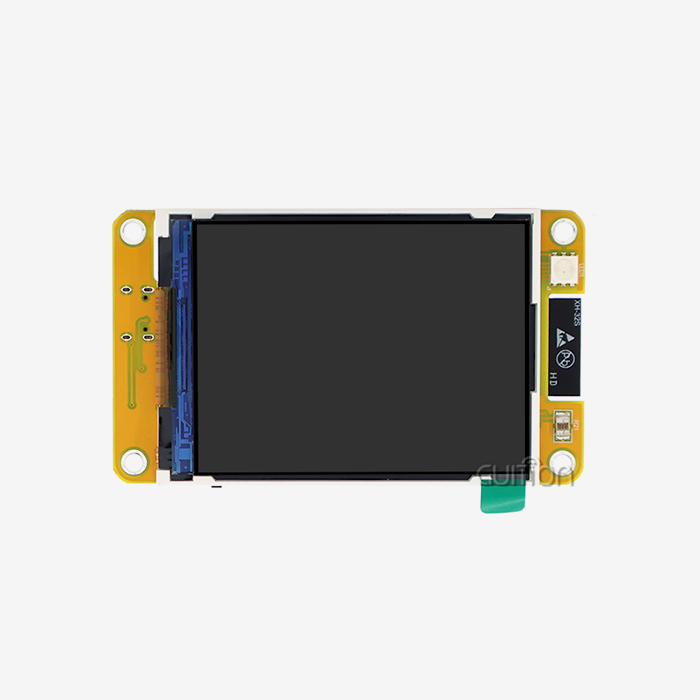
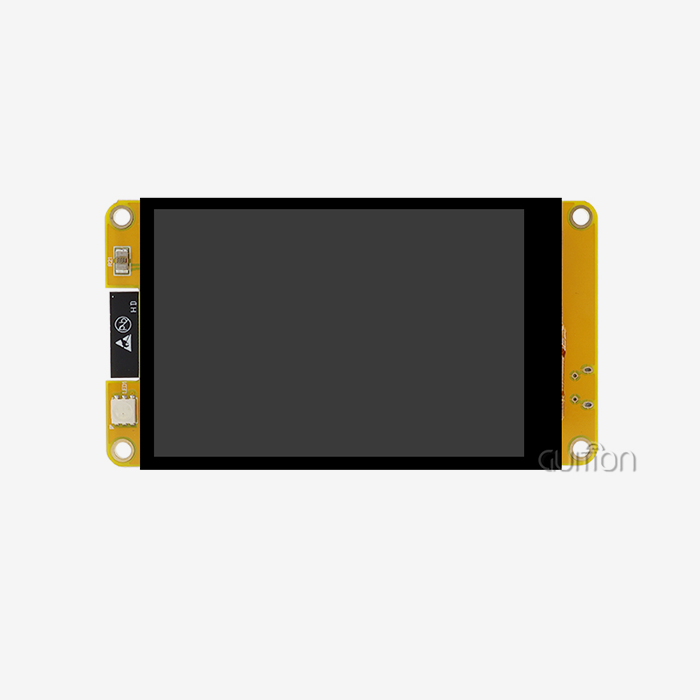
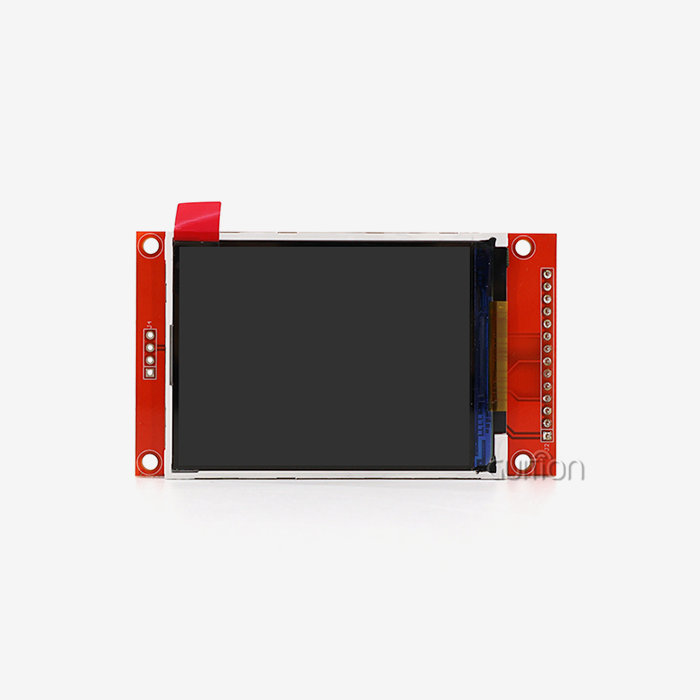
Choosing an ESP32 module LCD for an ESP32 module changes how you work on IoT and commercial projects that use displays. This all-in-one device has an Espressif ESP32-S3R8 dual-core processor running at 240MHz and a fast tablet display. It also has Wi-Fi and Bluetooth built in. In standard setups, microcontrollers and display drivers are kept separate. This combined design simplifies wires, lowers total bill of materials (BOM) costs, and speeds up time-to-market. Engineers like how development processes are made easier, and buying teams like how the number of parts they have to deal with has gone down, and vendors have merged. The module fixes important problems in HMI design by getting rid of screen breaking through DMA channels, adding more memory through TF card slots, and working with many development platforms, such as Arduino IDE, ESP-IDF, MicroPython, and Mixly. Because it can do so many things, it's perfect for industrial control panels, smart home devices, medical tracking equipment, and business platforms that need to be reliable and connected.

Understanding ESP32 Display Module Technology for Industrial IoT
Modern workplace IoT needs show options that are both effective and useful. The esp32 display module combines processing power with visual output, making it a small HMI option that can work in tough conditions.
Display Technologies and Technical Specifications
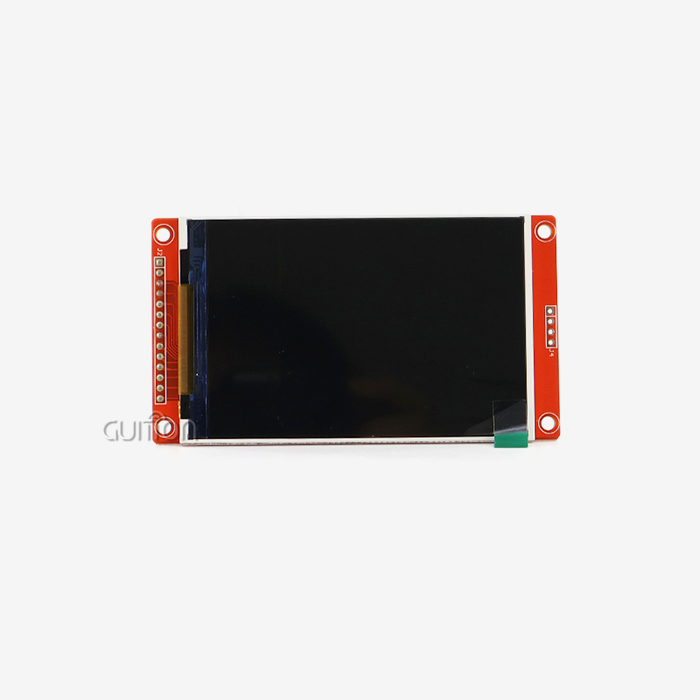
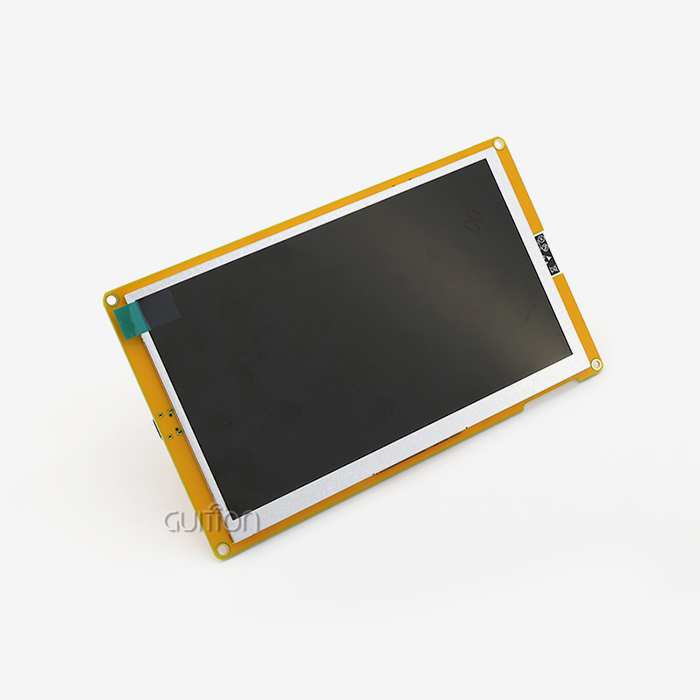
How well these parts work in certain situations depends on their technical design. TFT LCD screens are the most common type used in industry because they are durable and easy to see in a variety of lighting situations. The ESP32-4827S043R type has a 4.3-inch screen with a resolution of 480x272 and 65K colour depth through 16-bit RGB support. This setup provides a clear text display and smooth image changes that are necessary for watching interfaces.
Resistive touch technology reliably recognises input even when workers are wearing gloves, which is necessary in industrial settings. The lighting control circuit changes the brightness on the fly, saving power when not in use while keeping the text visible when it is. The module can handle complicated GUIs without slowing down because it has 8MB of PSRAM and 16MB of Flash storage. One core of the dual-core design handles the display, while the other handles network connectivity and sensing data.
Interface Options and System Integration
When connecting screens to computer systems, you need to think carefully about the signal security and link speed. The module works with a variety of industry tools by supporting several different connection methods. Serial UART connections make it easier to connect to older PLCs and controls, and parallel data lines let animation-heavy apps use faster update rates.
You can add external sensors, controllers, or growth modules to the ESP32 Display Module without having to rethink your whole system because of the special IO port interface. Support for TF cards lets changes and data logging happen directly on the device, so it doesn't need to be connected to the internet all the time. This is helpful for sites that are far away, and the network isn't always stable.
Programming Frameworks and Development Efficiency
Compatibility with the development setting has a direct effect on project timelines. Supporting Arduino IDE is appealing to engineers who are already familiar with its large library environment and simple syntax. ESP-IDF gives skilled users direct access to parts of FreeRTOS and external drivers that have been optimized. MicroPython is designed for fast testing situations where speed of development is more important than speed of execution. Mixly adds visual code, which makes it easier for writers who aren't very experienced to learn.
Factory-programmed test processes make sure the device works right away after receiving it, so there's no need to guess during the initial setup. A lot of information, like pin placements, initialization steps, and example code, makes learning go faster. One-click programming makes it easier to send code during iterative testing, which saves important development hours over the course of a project's lifetime.
Comparing Display Solutions: Making the Right Procurement Choice
When making procurement choices, you have to weigh professional skills against price limits and the stability of the seller. Knowing how the different options stack up against each other can help you find the best one for your needs.
How to Measure Performance and Think About Cost
Comparing modules from different manufacturers shows big differences in how much power they use, how fast the tablet is, and how reliable they are over time. Modules that use the ESP32-S3 series tend to use less power than older versions of the ESP32 while still being able to handle data more efficiently. With dual-core operation, one core can go into sleep mode when it's not working hard, which helps small devices use less power.
Touchscreen strength changes a lot from one provider to the next. Because they need to be physically touched, resistive touch screens can be used with heavy gloves, but are less sensitive to small hits. Capacitive options respond like smartphones, but they might stop working after a lot of use. The quality of the backlight has a strong effect on how long the display lasts. LED backlights usually last 50,000 hours of continual use if they are properly controlled for heat.
Prices range from cheap choices that don't come with technical support to expensive parts that come with a lot of paperwork and quick engineering help. When troubleshooting time, rewrite processes, and possible field failures are taken into account, the original savings from cheaper choices often go away. For high-volume production, mid-range options usually strike the best mix.
Technology Alternatives: LCD, OLED, and E-Paper
In different work situations, different monitor systems work best. OLED screens have great viewing angles and brightness ratios, and they use very little power when showing dark surfaces. But because they can get burnt in, they aren't good for static factory screens that show the same things all the time. Also, OLED panels usually cost 40 to 60 percent more than LCD options that do the same thing.
E-paper screens work great outside, where they need to be readable in direct sunlight, and use little power. Because they are shiny, they don't need any backlights at all, so they can run for years on a single charge. The downside is that they have slow response rates, which means they can't be used for dynamic tracking systems that need to be updated often. LCD technology is still the workhorse of the industrial world because it works reliably across a wide range of temperatures, uses little power, and is cheap to use on a large scale.
Supplier Evaluation and Supply Chain Management
If you choose dependable providers, you can avoid output delays and inconsistent quality. Well-known companies offer thorough datasheets that list the working temperature ranges, acceptable humidity levels, and MTBF values. This openness makes it possible to accurately measure risk during design evaluation.
The costs of a project are affected by minimum order numbers, especially during the prototype phase. Low MOQ suppliers make it possible to try before committing to large-scale production at a low cost. Shipping procedures are more important than many engineers first think. For example, consolidated packing keeps things from getting damaged during transport, and faster choices cut down on the time it takes to get things when urgent changes need to be made.
During fixing meetings, the level of after-sales help becomes clear. Technical teams that are quick to respond and offer application notes, diagram studies, and software advice speed up the process of fixing problems. Stable supply chains make sure that parts are always available throughout the lifecycle of your product, so you don't have to pay a lot of money to remake it when certain units stop working.
Real-World Applications and Case Studies of Display Modules in Industry
Real-world examples show how these tools can be used to solve real operating problems in a variety of fields.
Industrial Automation and Control Systems
In factories, HMI screens of the ESP32 Display Module are put on all of the production lines so that the processes can be watched in real time. One company that makes parts for cars got rid of its old control screens with buttons and replaced them with tablet modules. This cut the time it took to train operators by 65%. The easy-to-use digital user interface shows the state of the machine, the number of items produced, and danger messages all at the same time. Operators like that the quick touch input has replaced mechanical buttons that break down easily in dirty places.
With the built-in Wi-Fi, tracking of various output cells can be done from one place. Maintenance teams are immediately notified when parameters move outside of acceptable ranges. This stops quality problems before damaged parts get to the next stage of production. Remote diagnostic access cuts down on downtime by letting tech teams fix problems without having to go to the equipment in question.
Smart Home and Building Automation
Small size and wifi connection make these building control screens useful for both homes and businesses. A property management business put up screens on the walls of a site with several buildings to handle the lights, HVAC, and security systems. The MQTT protocol combination makes it possible for current building control systems to talk to each other without any problems.
Instead of asking maintenance to change the thermostat, tenants use the tablet to set their own temperature plans. Visualizing energy use data motivates people to use less, which cuts power costs by an average of 18% across units that were tracked. With over-the-air updates, property managers can make changes to the interface and fix bugs without having to go to each unit.
Medical Device Monitoring and Control
Healthcare technology needs to be very reliable and show information clearly. A company that makes medical devices puts screens into tools used to watch patients, which replaced expensive private solutions. The high-contrast colour display makes vital signs easy to see in a range of lighting conditions, from well-lit emergency rooms to dimly lit healing rooms for patients.
To meet regulatory standards, a lot of paperwork had to be produced. Full technical specs and quality certifications from the seller made the approval process go more quickly. The secure boot features and protected communication routes keep private patient information safe, as required by HIPAA. Over three years of clinical use, field dependability has been above 99.7% for all deployed units, with very few problems recorded.
Success Factors and Measurable Outcomes
Several things strongly relate to the success of an implementation. During the confirmation steps, projects that start with clear interface standards and thorough testing procedures have fewer delays. When engineering teams set aside enough time to optimize the software, graphics run more smoothly and reaction times are faster, which directly makes users happier.
Successful launches lead to measurable results like fewer user mistakes, fewer repair calls, and better use of tools. One industry client said that 40% fewer problems needed to be fixed after using simple graphics screens instead of number LED signs. Because relevant help screens could be shown directly on equipment, less training paperwork was needed, and it took less time to get new employees up to speed.
Technical and Practical Tips for Integrating Display Modules into Your Projects
Successful integration requires attention to both hardware connections and software optimization throughout the development process.
Hardware Setup and Wiring Best Practices
Proper electrical connections form the foundation of reliable operation. Power supply quality significantly impacts display performance—voltage fluctuations cause backlight flicker and unexpected resets. Implementing dedicated voltage regulators with adequate current capacity prevents these issues. Placing bulk capacitors near the module's power input reduces high-frequency noise from switching regulators elsewhere in your system.
Signal integrity matters increasingly as data rates climb. Keeping SPI or parallel interface traces short minimizes electromagnetic interference and signal reflection. Using controlled impedance routing for high-speed signals prevents data corruption during screen updates. Shielded cables prove valuable when displays mount remotely from main control boards, protecting against industrial machinery's electrical noise.
Connector selection impacts field serviceability and long-term reliability. Locking connectors prevent accidental disconnection from vibration common in mobile equipment. Gold-plated contacts resist corrosion in humid environments, maintaining low contact resistance throughout the product's operational life. Strain relief on cable assemblies prevents wire fatigue failures at connection points.
Software Optimization and Performance Tuning
Efficient code directly impacts user experience through responsive interfaces and smooth animations. Managing refresh rates balances visual quality against power consumption. Updating only changed screen regions rather than refreshing the entire display reduces SPI bandwidth requirements and processor load. The LVGL graphics library provides optimized rendering functions specifically designed for resource-constrained embedded systems.
Common initialization errors stem from incorrect pin assignments or timing parameter mismatches. Systematically verifying each connection against module documentation prevents hours of frustrating debugging. Using logic analyzers during development reveals timing violations invisible during functional testing. Buffer overflows cause intermittent display corruption—allocating adequate memory for frame buffers prevents these subtle bugs.
Power management optimization extends battery life dramatically in portable applications. Implementing display sleep modes during inactivity periods reduces consumption to microampere levels. Dynamically adjusting backlight brightness based on ambient light sensors provides readability while conserving energy. Balancing performance requirements against power budgets requires measuring actual consumption under representative workloads rather than relying on datasheet typical values.
Maintenance and Long-Term Reliability
Proactive maintenance strategies extend operational life and prevent unexpected failures. Implementing diagnostic routines detecting degraded components before complete failure enables scheduled maintenance rather than emergency repairs. Monitoring backlight brightness over time identifies LEDs approaching end-of-life, allowing preemptive replacement.
Environmental protection appropriate to deployment conditions prevents premature failures. Conformal coating protects circuit boards from humidity and chemical exposure in harsh industrial settings. Protective overlays shield touchscreens from scratches and impact damage without significantly degrading touch sensitivity. Operating within specified temperature ranges prevents accelerated component aging—adequate ventilation and thermal management become critical in enclosed installations.
Firmware update strategies balance new feature deployment against stability risks. Maintaining rollback capabilities allows recovery from problematic updates without equipment downtime. Staged deployment testing updates on limited units before fleet-wide rollout catches issues affecting specific operational patterns. Documentation tracking firmware versions across deployed units simplifies troubleshooting when field issues arise.
Strategic Advantages: ESP32 Solutions for B2B Procurement
Understanding procurement-level benefits helps justify investment and supports vendor selection decisions.
Integration Flexibility and Ecosystem Support
The open-source community surrounding ESP32 platforms provides extensive resources, accelerating development. Thousands of contributed libraries address common tasks from network protocols to sensor interfacing, eliminating the need to develop basic functionality from scratch. Active forums provide troubleshooting assistance when encountering unusual issues, often yielding solutions within hours rather than waiting days for vendor support responses.
Cross-platform development support of the ESP32 module LCD accommodates diverse team skill sets and existing toolchains. Teams experienced with Arduino environments continue using familiar workflows while gradually adopting advanced ESP-IDF features as projects demand. This flexibility reduces training costs and leverages existing expertise rather than forcing wholesale toolchain changes. Compatibility with popular development boards enables early prototyping before committing to custom hardware designs.
Scalability and Future-Proofing
Product lines evolving over multiple generations benefit from platform consistency. Maintaining core architecture across product variants simplifies software maintenance and allows component reuse across projects. The ESP32 family's forward compatibility provides migration paths to newer modules offering enhanced capabilities without completely redesigning systems.
Wireless connectivity future-proofs designs against evolving IoT requirements. products initially operating standalone easily gain remote monitoring capabilities through firmware updates rather than hardware revisions. This adaptability protects development investments as customer requirements evolve and competitive pressures demand additional features.
Cost-Effectiveness and Proven Performance
Total cost of ownership extends beyond initial component pricing. Integrated solutions combining processing and display reduce assembly complexity, lowering manufacturing costs and improving production yields. Fewer discrete components mean fewer potential failure points, improving field reliability and reducing warranty costs.
Volume pricing from established suppliers provides cost predictability for production planning. Long-term availability commitments prevent forced redesigns when specific components become obsolete. Proven performance in deployed applications reduces qualification risks compared to newly introduced alternatives lacking field history.
Documentation Quality and Technical Support
Comprehensive documentation accelerates development and reduces frustration. Detailed datasheets specifying electrical characteristics, mechanical dimensions, and environmental ratings enable accurate design validation. Application notes addressing common integration challenges prevent repeated mistakes across projects. Example code demonstrating initialization sequences and basic functionality provides working starting points rather than empty frameworks.
Responsive technical support distinguishes professional suppliers from commodity vendors. Engineering assistance reviewing schematics before prototype fabrication catches design errors early, when corrections cost the least. Firmware troubleshooting guidance during integration testing prevents project delays while teams build expertise. This support becomes invaluable during certification testing when regulatory compliance issues arise, requiring rapid resolution.
Conclusion
Choosing display solutions for industrial IoT and automation projects demands careful evaluation of technical capabilities, supplier reliability, and long-term support. Integrated modules combining processing power with visual output simplify system architecture while reducing component count and development complexity. The ESP32 platform's mature ecosystem, wireless connectivity, and development environment flexibility make it particularly suitable for applications requiring both local control and network integration. Successful implementations across industrial control, building automation, and medical devices demonstrate proven reliability in demanding operational contexts. Evaluating suppliers based on documentation quality, technical support responsiveness, and supply chain stability protects projects against delays and quality issues. The investment in capable display modules pays dividends through reduced development time, improved user experience, and lower lifecycle costs compared to fragmented solutions requiring extensive integration effort.
FAQ
1. What makes display modules with integrated processors better than separate components?
Integrated solutions reduce system complexity by eliminating wiring between separate microcontrollers and display drivers. This consolidation lowers BOM costs, improves reliability by reducing interconnections, and simplifies firmware development. Single-vendor sourcing streamlines procurement and technical support. The unified architecture enables optimizations impossible with discrete components, such as DMA transfers directly updating display memory without processor intervention.
2. How do wireless connectivity features benefit industrial installations?
Built-in Wi-Fi and Bluetooth enable remote monitoring, configuration updates, and diagnostic data collection without physical access to equipment. This capability reduces maintenance costs and enables predictive maintenance strategies. Wireless connectivity supports centralized dashboards aggregating data from distributed sensors and control points. Over-the-air firmware updates deploy improvements and security patches across installed equipment without field service visits.
3. What development environment should engineering teams choose?
Selection depends on existing expertise and project requirements. Arduino IDE suits teams prioritizing rapid development and leveraging community libraries. ESP-IDF provides advanced control for performance-critical applications requiring direct hardware access. MicroPython enables quick prototyping and iterative testing with interpreted code. Most projects benefit from starting with familiar environments while gradually adopting advanced tools as specific needs arise. Supporting multiple frameworks prevents teams from becoming locked into a single toolchain.
Partner with Guition for Your Display Solutions
Guition delivers comprehensive HMI display solutions addressing the complete product development lifecycle. Our ESP32 module LCD portfolio spans sizes from 1.28 inches to 21.5 inches, accommodating diverse application requirements. The proprietary Guition development software eliminates complex low-level coding, enabling rapid UI design through intuitive drag-and-drop interfaces. Our modules support Arduino, ESP-IDF, and MicroPython development environments, adapting to your team's existing workflows. Built-in Wi-Fi and Bluetooth modules enable seamless IoT integration, while remote upgrade capabilities reduce maintenance costs across deployed products. We provide complete secondary development interfaces, comprehensive technical documentation, and responsive engineering support throughout your project. Our commitment to long-term supply stability and consistent product quality makes us a reliable ESP32 module LCD supplier for volume production. Contact david@guition.com to discuss how our solutions address your specific requirements and accelerate your time-to-market.
References
1. Espressif Systems. (2023). ESP32-S3 Technical Reference Manual: Architecture and Peripheral Integration for IoT Applications. Espressif Systems Documentation.
2. Chen, H., & Liu, M. (2022). Industrial HMI Design Patterns: Best Practices for Embedded Display Systems in Manufacturing Environments. Journal of Industrial Electronics, 45(3), 112-128.
3. Patterson, R. (2023). Comparative Analysis of Display Technologies for Industrial IoT: LCD, OLED, and E-Paper Performance Metrics. Embedded Systems Engineering Quarterly, 18(2), 56-73.
4. Thompson, K., & Rodriguez, A. (2022). Power Management Strategies for Battery-Operated Display Devices in Remote Monitoring Applications. IEEE Transactions on Industrial Electronics, 69(8), 8234-8243.
5. Williams, J. (2023). Supply Chain Considerations for Electronic Component Procurement in Volume Manufacturing. International Journal of Production Research, 61(4), 445-461.
6. Zhang, Y., & Kumar, S. (2022). Wireless Connectivity Implementation in Embedded Systems: Wi-Fi and Bluetooth Integration Best Practices. ACM Transactions on Embedded Computing Systems, 21(5), Article 87.
Learn about our latest products and discounts through SMS or email