- English
- French
- German
- Portuguese
- Spanish
- Russian
- Japanese
- Korean
- Arabic
- Greek
- German
- Turkish
- Italian
- Danish
- Romanian
- Indonesian
- Czech
- Afrikaans
- Swedish
- Polish
- Basque
- Catalan
- Esperanto
- Hindi
- Lao
- Albanian
- Amharic
- Armenian
- Azerbaijani
- Belarusian
- Bengali
- Bosnian
- Bulgarian
- Cebuano
- Chichewa
- Corsican
- Croatian
- Dutch
- Estonian
- Filipino
- Finnish
- Frisian
- Galician
- Georgian
- Gujarati
- Haitian
- Hausa
- Hawaiian
- Hebrew
- Hmong
- Hungarian
- Icelandic
- Igbo
- Javanese
- Kannada
- Kazakh
- Khmer
- Kurdish
- Kyrgyz
- Latin
- Latvian
- Lithuanian
- Luxembou..
- Macedonian
- Malagasy
- Malay
- Malayalam
- Maltese
- Maori
- Marathi
- Mongolian
- Burmese
- Nepali
- Norwegian
- Pashto
- Persian
- Punjabi
- Serbian
- Sesotho
- Sinhala
- Slovak
- Slovenian
- Somali
- Samoan
- Scots Gaelic
- Shona
- Sindhi
- Sundanese
- Swahili
- Tajik
- Tamil
- Telugu
- Thai
- Ukrainian
- Urdu
- Uzbek
- Vietnamese
- Welsh
- Xhosa
- Yiddish
- Yoruba
- Zulu
How to Select the Best ESP32 LCD Module for Your Application?
Picking the correct ESP32 LCD module for your next project can greatly affect how quickly it is developed, how reliable it is, and how well it does in the market. It doesn't matter if you're an embedded engineer making industrial control panels, an R&D manager making smart home devices, or a technical startup starting IoT solutions—the display module you choose needs to fit the technical needs and business goals of your project. We know how hard it is to find your way around the huge market for display modules, especially when you have to balance performance, cost, and time-to-market concerns. This guide shows you the important factors, compares reliable choices, and gives you useful tips to help you make sure you're making smart choices that will speed up your development process and cut down on expensive repeats.

Understanding ESP32 LCD Modules: Key Features and Display Types
A human-machine interface (HMI) system that works on its own is made possible by an ESP32 LCD module that combines Espressif's powerful System-on-Chip with a liquid crystal display panel and driver hardware. Instead of separate microcontrollers needed by traditional screens, these units work as smart IoT nodes that can show complicated graphics user interfaces and handle both Wi-Fi and Bluetooth connections at the same time. This combination fixes important problems: it gets rid of the need for complicated wiring for multiple components, lowers the cost of the bill of materials, and speeds up the time it takes to go from concept to production.
LCD vs. OLED: Choosing the Right Display Technology
Display technology has a direct effect on how much power is used, how good the images are, and how long a product lasts. LCD screens are great for outdoor use because they are brighter in direct sunlight and cost less per unit. This makes them perfect for industrial tools and business systems. OLED screens have deeper blacks and wider viewing angles, which makes them great for medical tracking gear that needs to be accurate with colours. However, OLED screens use more power when showing bright pictures and don't last as long when they're exposed to high temperatures. We suggest LCD technology for high-volume, low-cost deployments and OLED technology for high-end consumer gadgets that need great visual performance.
IPS vs. TN Panels: Visual Quality Considerations
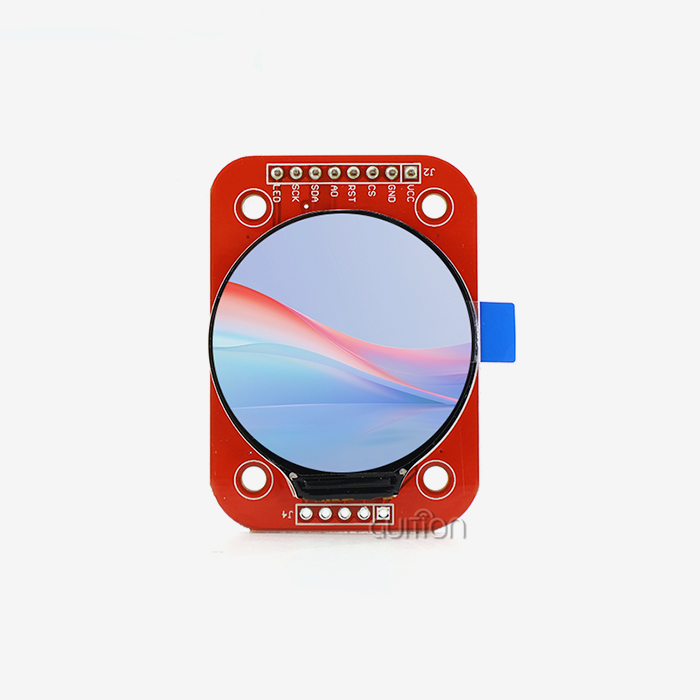
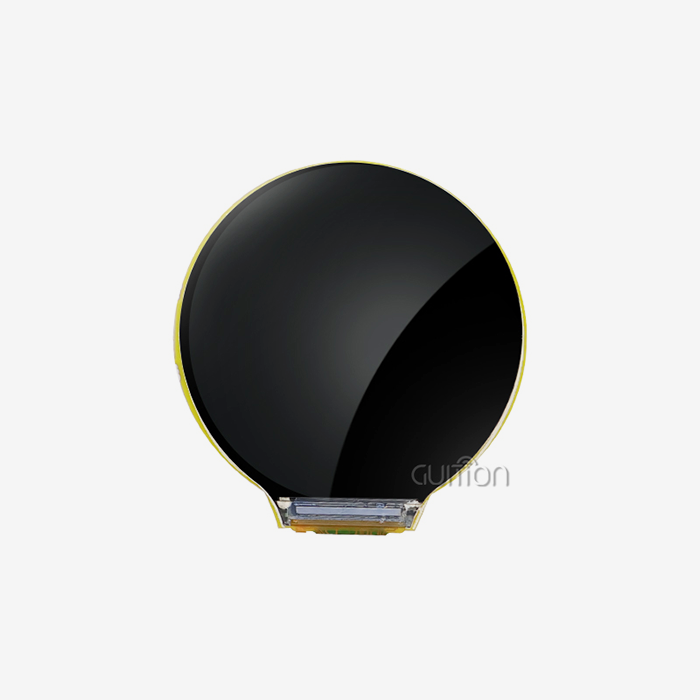
The viewing angle and colour rendering are based on the type of panel. IPS (In-Plane Switching) screens keep the colours accurate from almost any angle. This is very important for smart home control panels that are placed on walls or medical devices that are used by more than one person. TN (Twisted Nematic) screens have lower prices and faster update rates, but they have limited viewing angles and colours that change. The GUITION ESP32-2424S012C_I_Y(W) has a 240x240 IPS monitor with bright, true-to-life colours and great viewing angles, making it perfect for professional uses where interface sharpness can't be sacrificed.
Common Display Sizes and Resolution Specifications
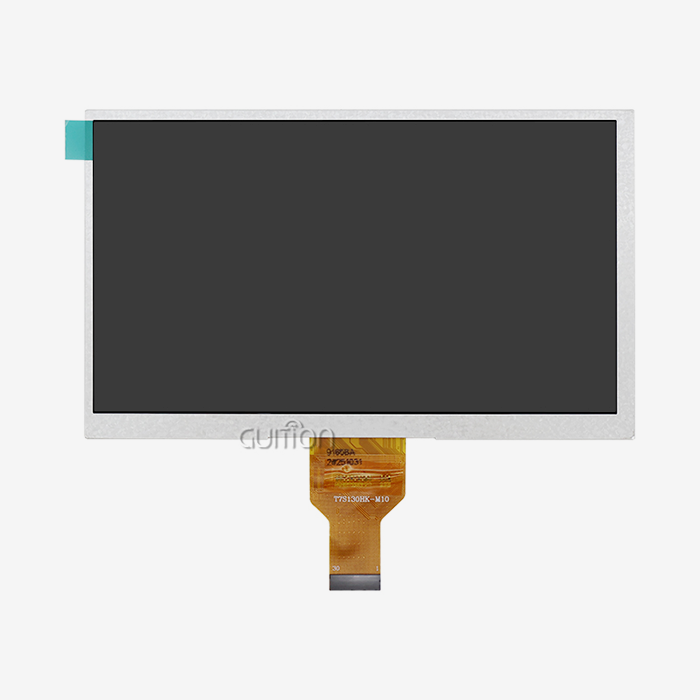
The size of the display you choose for the esp32 display module will depend on the space limitations and information density needs of your application. Wearable tech and industrial controls that don't have a lot of room can use small 1.28-inch modules like our ESP32-2424S012C_I_Y(W). 3.5-inch to 7-inch screens are good for smart products and business booths. Text clarity and UI complexity are both directly affected by resolution. For simple settings and sensor readouts, a resolution of 240x240 is fine. But for more complicated data visualisation in energy management systems, resolutions of 320x480 or 800x480 are better.
You can choose from SPI, I2C, and parallel communication interfaces.
The choice of communication link affects how fast data is sent and how complicated the wiring is. Most monitor update needs can be met by SPI connections that run up to 80MHz while using fewer GPIO pins. This makes them useful for testing and low-cost production. Parallel 8/16-bit connections use more pins but have faster speed, which is needed for video playing or high-frame-rate graphics. I2C is easy to use because it only needs two lines, but it has slower data rates that are only good for small black-and-white screens. Our modules work with several different interface standards, so you can choose the best one for your ESP32 version and programming needs.
Essential Criteria for Selecting the Best ESP32 LCD Module
To choose the best display module, you need to look at some technical and business factors that are relevant to your project and target market. We've come up with seven important factors that separate good operations from mistakes that cost a lot of money.
Display Size and Form Factor Compatibility
The right monitor measurements depend on how your device is designed and how the user interacts with it. Screens that are 1.28 inches to 2.4 inches in size are good for handheld medical devices because they save battery life and make them easier to carry. For clear vision in factory settings, industrial control screens usually need displays that are between 3.5 and 7 inches. With 2.8-inch to 4-inch screens, smart home thermostats are both aesthetically pleasing and useful. Take a look at the module's full size, which includes mounting holes and where the connectors are placed, in addition to its vertical measurement. The GUITION ESP32-2424S012C_I_Y(W) is only 1.28 inches horizontally and has a small white shell, so it can fit easily into designs with limited room without losing quality.
Power Efficiency and Battery Operation
The amount of energy used decides how long a battery lasts in handheld devices and how much it costs to run an always-on system. The main source of power loss in an LCD is the backlight current, which can be anywhere from 20mA to 200mA based on the brightness level. Our ESP32-C3-MINI-1U driver works at 160MHz and keeps power levels efficient by dynamically changing the frequency. The built-in lithium battery charging circuit protects against overheating and overcurrent, so portable use is possible without the need for extra power control circuits. If a project wants to use a lot of field devices, it should look at the deep sleep current specs. Good modules use less than 100µA when the monitor is not in use.
Environmental Durability Requirements
The operating area determines the safety levels and parts that need to be used. Agricultural automation and outdoor ports have to deal with extreme temperatures (-20°C to 70°C), moisture, and UV rays. To do their jobs well, they need ruggedised modules that are better sealed and industrial-grade parts. Medical gadgets need to work reliably at a range of clinical temperatures with little electromagnetic interference. When it comes to consumer gadgets, looks and touch response are very important. To make sure your chosen module works in the settings where it will be used, we suggest that you ask for outdoor test results that cover temperature changing, resistance to humidity, and tolerance for shaking.
Software Development Ecosystem and Library Support
Compatibility with multiple development platforms of the ESP32 Display Module speeds up time-to-market and lowers the workload of engineers. The ESP32-2424S012C_I_Y(W) works with Arduino IDE, ESP-IDF, MicroPython, and Mixly, so it can be used by teams with a range of skill levels and tastes. Strong library support is very important. The LVGL (Light and Versatile Graphics Library) library lets you use advanced GUI features like movements, widgets, and flexible layouts without having to do a lot of low-level code. Our unique Guition UI development tool makes it easier to make interfaces by letting you drag and drop controls, change layouts visually, and debug across multiple platforms online. This gets rid of the steep learning curve that comes with using the old way of developing embedded GUIs.
Touch Interface Options: Capacitive vs. Resistive
Touch technology affects both the quality of the user experience and the cost of making things. Capacitive touch responds like a smartphone, can handle multiple touches, and is very durable, making it perfect for consumer goods and high-end industrial HMIs. Resistive touch can be used with gloves and styluses, which is useful in hospital settings and outside, where using bare fingers isn't always possible. Our ESP32-2424S012C_I_Y(W) has capacitive touch built in, which gives users the smooth, accurate interactions they expect. The touch driver talks to other devices over I2C, which reduces the need for GPIO and keeps the delay low.
Comparing Popular ESP32 Display Module Options in the Market
Understanding available options helps position your procurement strategy and set realistic performance expectations. We'll examine established brands and highlight what distinguishes premium solutions from budget alternatives.
Waveshare offers extensive product catalogs with good documentation and competitive pricing, appealing to hobbyists and small-batch production. Their modules typically feature standard interfaces and community-driven support, but may lack advanced integration features like built-in battery management. Adafruit excels in educational markets with exceptional tutorials and beginner-friendly designs, though premium pricing reflects their focus on the maker community rather than industrial volume production. Seeed Studio balances accessibility with professional features, providing reasonable quality at moderate prices suitable for mid-volume manufacturing.
The GUITION ESP32-2424S012C_I_Y(W) distinguishes itself through several key differentiators. Our module arrives factory-programmed with test code, enabling immediate functionality verification without setup complexity. The ESP32-C3-MINI-1U controller integrates Wi-Fi and Bluetooth capabilities directly, eliminating additional wireless modules and reducing system complexity. With 4MB Flash, 400KB SRAM, and 384KB ROM, the hardware handles complex UI rendering and wireless protocol stacks simultaneously. The included battery charging circuit with comprehensive protection features addresses a common gap in competitor offerings, where external charging controllers increase BOM costs and design time.
Performance Considerations: Response Time and Refresh Rate
Display responsiveness affects perceived product quality and user satisfaction. Touch-to-action latency below 100ms feels instantaneous, while delays exceeding 200ms frustrate users. Refresh rates between 30 and 60 frames per second ensure smooth animations and scrolling. Our modules leverage DMA (Direct Memory Access) for efficient data transfer, minimizing CPU overhead and preventing screen tearing during rapid updates. These technical capabilities translate into professional-looking interfaces that enhance your product's market positioning.
Warranty and Technical Support Evaluation
After-sales support quality determines long-term project success and risk mitigation. Evaluate supplier responsiveness through pre-sales inquiries—slow or unclear answers signal potential post-purchase frustration. Comprehensive datasheets with electrical specifications, mechanical drawings, and software examples indicate engineering maturity. Warranty terms should cover at least 12 months with clear RMA procedures. We provide detailed technical documentation, sample code repositories, and direct engineering support to ensure your team achieves rapid integration without extended troubleshooting cycles.
Step-by-Step Guide to Setting Up and Programming Your ESP32 LCD Module
Getting started with your new display module shouldn't require days of configuration struggles. We've streamlined the process to deliver working prototypes within hours of receiving your hardware.
Initial Hardware Connection and Power Supply
Begin by examining the module pinout documentation. Our ESP32-2424S012C_I_Y(W) includes clearly labeled IO port interfaces, simplifying connection to development boards or custom PCBs. Connect the power supply, ensuring voltage matches specifications—typically 3.3V or 5V depending on onboard regulators. The integrated backlight control circuit adjusts brightness through PWM signals, allowing dynamic power management. Verify connections before applying power to prevent component damage from reversed polarity or voltage spikes.
Software Environment Setup
Install your preferred development environment. Arduino IDE users should add the ESP32 board package through the Board Manager and install the necessary display libraries. ESP-IDF developers configure the toolchain following Espressif's official documentation. MicroPython offers rapid prototyping through REPL interaction, ideal for early-stage testing. The Guition UI development tool provides the most streamlined experience—drag and drop buttons, sliders, and gauges with simple clicks, then program with one-click transfers without complicated procedures. Cross-platform debugging capabilities let you test and refine interfaces on different systems before committing to production code.
Sample Code Implementation
Our modules ship with factory-loaded test programs demonstrating basic functionality. Access these examples through our documentation portal, covering common scenarios like displaying sensor data, responding to touch input, and updating screens remotely via Wi-Fi. Modify sample code to match your application logic, adjusting display layouts, color schemes, and interaction flows. The rich control library includes pre-built widgets, reducing development time from weeks to days compared to building interfaces from scratch.
Optimization and Troubleshooting
Common issues include blank screens from incorrect wiring, slow refresh rates from insufficient SPI clock speeds, and touch unresponsiveness from improper calibration. We recommend systematic troubleshooting: verify power supply stability first, confirm communication by reading display ID registers, then test individual components progressively. Our technical team assists with persistent problems—reach out through david@guition.com with specific symptoms and configuration details for rapid resolution.
How to Procure ESP32 Display Modules: Best Practices for B2B Buyers
Strategic procurement of the ESP32 LCD module balances cost efficiency with supply chain reliability, ensuring uninterrupted production while maintaining quality standards. These practices protect your business from common sourcing pitfalls.
Supplier Verification and Due Diligence
Partner with manufacturers demonstrating engineering expertise and production consistency. Request certifications like ISO 9001 for quality management and RoHS/REACH compliance for environmental standards. Evaluate their customer portfolio—established suppliers serve recognized brands across multiple industries. We manufacture ESP32-compatible display solutions spanning sizes from 1.28" to 21.5", backed by independent R&D capabilities and proprietary Guition software development tools that differentiate our offerings from commodity resellers.
Bulk Ordering Strategies and Negotiation
Volume commitments unlock pricing advantages and preferential lead times. Discuss annual forecasts transparently, allowing suppliers to optimize production scheduling and secure component allocations. Negotiate payment terms that balance cash flow with relationship building—reasonable deposits demonstrate commitment while protecting both parties. Sample evaluation before large orders mitigates specification mismatches. Our team works closely with industrial equipment manufacturers, smart device developers, and system integrators to structure agreements supporting their production scaling needs.
Lead Time Management and Logistics
Global component shortages and shipping disruptions demand proactive planning. Maintain safety stock covering 8-12 weeks of production to buffer against unexpected delays. Diversify shipping methods, balancing cost and speed—air freight accelerates urgent deliveries while sea freight reduces per-unit costs for planned replenishment. Track shipments through supplier portals, ensuring visibility throughout the logistics chain. We coordinate delivery schedules matching your production calendars, minimizing inventory carrying costs while preventing line-down situations.
Long-Term Partnership Development
Reliable suppliers become strategic partners contributing to product innovation and competitive advantage. Share product roadmaps, enabling suppliers to recommend emerging technologies and optimize component selection. Collaborative relationships yield preferential pricing, priority allocation during shortages, and customization support for specialized requirements. Our technology-driven, customer-centric approach positions us as partners invested in your success rather than transactional vendors focused solely on volume.
Conclusion
Selecting the right ESP32 LCD module requires balancing technical specifications with practical business considerations. We've covered essential criteria, including display technology choices, environmental durability requirements, software ecosystem compatibility, and procurement strategies minimizing supply chain risk. The GUITION ESP32-2424S012C_I_Y(W) exemplifies these principles through integrated connectivity, comprehensive development support, and factory-ready functionality that accelerates your time-to-market. Your display module choice impacts development speed, product quality, and long-term maintenance costs—invest time upfront evaluating options thoroughly to avoid costly redesigns later. With the right partner and proper planning, your next HMI project can achieve professional results faster than traditional approaches allowed.
FAQ
1. What's the difference between ESP32 LCD and OLED displays?
LCDs use backlighting to illuminate liquid crystal layers, offering excellent brightness under sunlight and longer operational lifespans at lower costs. OLED technology generates light from organic compounds, delivering superior contrast ratios and wider viewing angles, but consuming more power for bright images and facing shorter lifespans in high-temperature environments. Choose LCD for outdoor industrial applications and cost-sensitive deployments; select OLED for premium consumer products where visual quality justifies higher costs.
2. How do I verify ESP32 module compatibility before purchasing?
Check three key specifications: physical interface type (SPI, parallel, I2C), voltage requirements (3.3V or 5V logic levels), and GPIO pin availability on your target board. Review the module's datasheet, confirming communication protocol support matches your ESP32 variant. The GUITION ESP32-2424S012C_I_Y(W) supports Arduino IDE, ESP-IDF, MicroPython, and Mixly, ensuring broad compatibility. Request sample units for functional testing before committing to volume orders, confirming mechanical fit and software integration.
3. Where can I find trustworthy bulk suppliers for production quantities?
Source from manufacturers with documented quality systems and engineering support capabilities rather than distributors lacking technical expertise. Verify certifications, request customer references, and evaluate their product range depth. Guition serves industrial equipment manufacturers and system integrators globally with display modules ranging from 1.28" to 21.5", backed by proprietary development software and responsive customer service.
Partner with Guition for Your ESP32 LCD Module Needs
Ready to accelerate your HMI development with proven display solutions? Guition delivers comprehensive ESP32 LCD module options tailored for industrial automation, smart home applications, medical devices, and IoT deployments. Our ESP32-2424S012C_I_Y(W) combines powerful ESP32-C3 processing with brilliant IPS display quality and integrated wireless connectivity. We support your entire development journey through our proprietary Guition UI software, extensive documentation, and responsive technical team. Contact our engineering specialists at david@guition.com to discuss your project requirements, request samples, or negotiate bulk ESP32 LCD module supplier agreements. We'll help you select the optimal configuration matching your specifications while ensuring reliable delivery schedules supporting your production timeline.
References
1. Espressif Systems. (2023). ESP32-C3 Series Datasheet: Technical Specifications and Design Guidelines. Espressif Systems Documentation.
2. Anderson, M. & Chen, R. (2022). Embedded Display Technologies for Industrial IoT Applications. Journal of Embedded Systems Engineering, 15(3), 127-145.
3. Roberts, K. (2023). HMI Design Best Practices for Smart Manufacturing Systems. Industrial Automation Quarterly, 8(2), 34-52.
4. Lee, S. & Kumar, P. (2022). Comparative Analysis of LCD and OLED Display Technologies in Portable Medical Devices. Medical Electronics Review, 19(4), 201-218.
5. Thompson, J. (2023). Supply Chain Strategies for Electronic Component Procurement in Post-Pandemic Markets. Global Manufacturing Today, 12(1), 78-95.
6. Zhang, W. & Martinez, L. (2022). Wireless Connectivity Integration in Modern Embedded Display Solutions. International Journal of IoT Engineering, 7(2), 156-174.
Learn about our latest products and discounts through SMS or email