- English
- French
- German
- Portuguese
- Spanish
- Russian
- Japanese
- Korean
- Arabic
- Greek
- German
- Turkish
- Italian
- Danish
- Romanian
- Indonesian
- Czech
- Afrikaans
- Swedish
- Polish
- Basque
- Catalan
- Esperanto
- Hindi
- Lao
- Albanian
- Amharic
- Armenian
- Azerbaijani
- Belarusian
- Bengali
- Bosnian
- Bulgarian
- Cebuano
- Chichewa
- Corsican
- Croatian
- Dutch
- Estonian
- Filipino
- Finnish
- Frisian
- Galician
- Georgian
- Gujarati
- Haitian
- Hausa
- Hawaiian
- Hebrew
- Hmong
- Hungarian
- Icelandic
- Igbo
- Javanese
- Kannada
- Kazakh
- Khmer
- Kurdish
- Kyrgyz
- Latin
- Latvian
- Lithuanian
- Luxembou..
- Macedonian
- Malagasy
- Malay
- Malayalam
- Maltese
- Maori
- Marathi
- Mongolian
- Burmese
- Nepali
- Norwegian
- Pashto
- Persian
- Punjabi
- Serbian
- Sesotho
- Sinhala
- Slovak
- Slovenian
- Somali
- Samoan
- Scots Gaelic
- Shona
- Sindhi
- Sundanese
- Swahili
- Tajik
- Tamil
- Telugu
- Thai
- Ukrainian
- Urdu
- Uzbek
- Vietnamese
- Welsh
- Xhosa
- Yiddish
- Yoruba
- Zulu
ESP32 P4 Display Module — Your Next-Gen Embedded GUI Solution
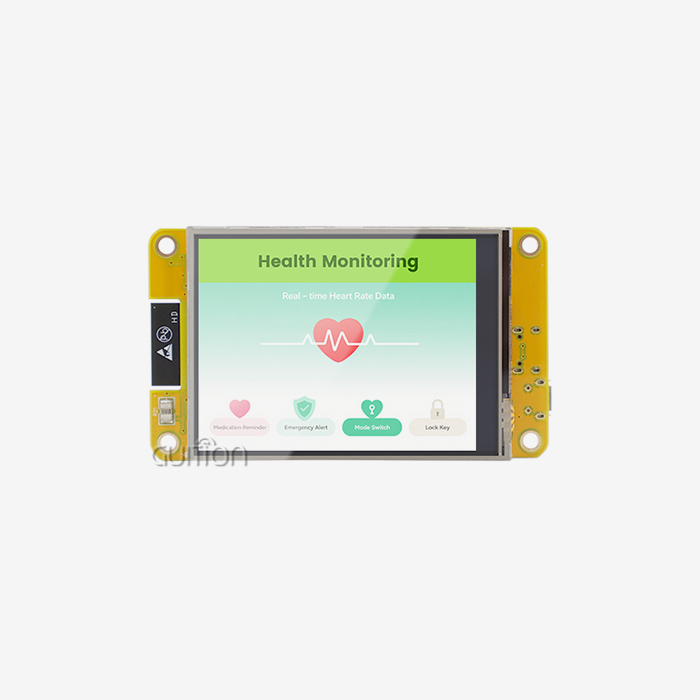
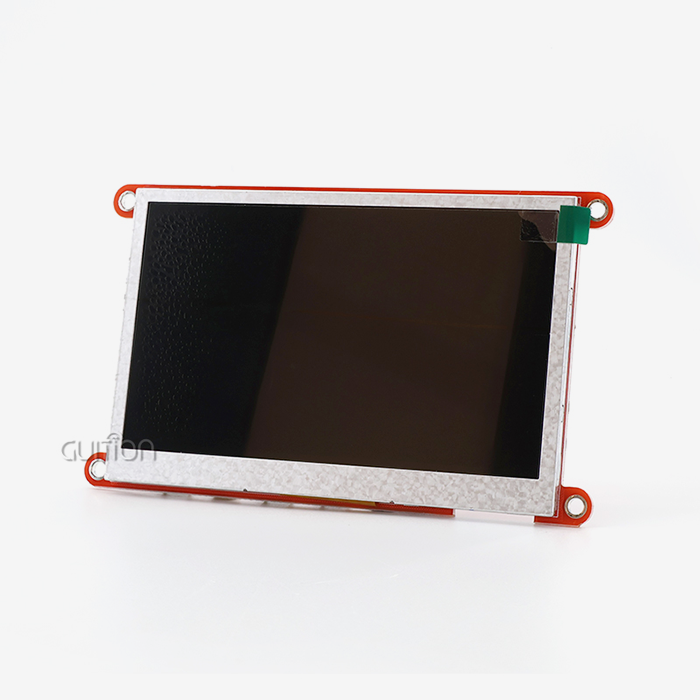
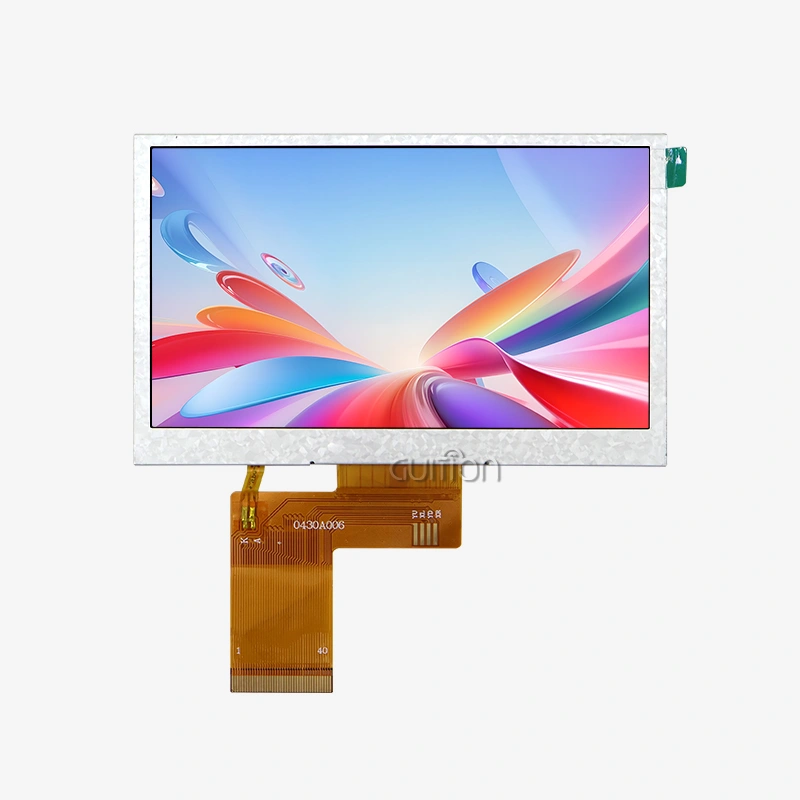
The ESP32 P4 display module is a big step forward in the technology of integrated GUIs. This module bridges the important gap between standard displays based on microcontrollers and Linux systems that use a lot of resources. It is based on Espressif's advanced RISC-V SoC design. It has a native MIPI-DSI interface, a dedicated 2D Pixel Processing Accelerator, and the ability to encode videos in H.264 format. It provides smooth graphics and strong connections while staying cost-effective and using little power, making it perfect for edge AI visual apps.

Understanding the ESP32 P4 Display Module — Specifications and Features
Core Technical Architecture
The JC-ESP32P4-M3-C6 from Guition uses a strong dual-core RISC-V processor running at 400MHz to provide speed that was previously only possible with more expensive application processors. The design has both high-performance and low-power cores, which allows smart power control to work without slowing down the system. The module can handle up to 32MB of PSRAM and works smoothly with complex multimedia tasks. This makes it ideal for uses that need to show data in real time and have live interfaces.
When ESP32-C6 is added, it brings next-generation wireless access through Wi-Fi 6 and Bluetooth 5. This means that data can be sent faster and links are more reliable than with older standards. This mix solves a common problem in IoT and industrial setups where stable networks have a direct effect on how well operations run.
Comprehensive Interface Support
The module is different from other options because it has a wide range of HCI interfaces. MIPI-CSI has an inbuilt Image Signal Processor that lets you connect a camera directly. This is great for situations where you need to check something visually or keep an eye on it. The MIPI-DSI interface supports screens with up to 1280x800 pixels and 60 frames per second. This means that it doesn't have the frame rate problems that arise with SPI or parallel RGB interfaces when working with complex images.
Other ports, like SPI, I2S, I2C, LED PWM, MCPWM, RMT, ADC, UART, and TWAI, give you many options for adding peripherals. Support for USB OTG 2.0 HS makes programming and testing easier and lets the module work as a USB host for tools like keyboards or storage devices.
Security and Reliability Features
In hospital and business settings, data security is still critical. The ESP32 P4 display module's built-in digital signature devices and key management unit enable Secure Boot and Flash Encryption. This hardware-based security method keeps intellectual property and private business data safe without slowing things down too much. The World Controller sets up the Trusted Execution Environment features that are needed to meet strict compliance standards in controlled businesses.
ESP32 P4 Display Module vs. Other Display Solutions — Making the Right Choice
Performance Comparison with Traditional Options
Engineers have to choose between cost, speed, and how hard it is to integrate different display options. The SSD1306 is cheap, but it can only handle 128x64 black-and-white pixels for clarity and has trouble with frame rates above 30 FPS. Graphics processes can't be sped up by hardware on standard TFT screens with generic MCU controllers, so they need a lot of low-level code.
These problems can be resolved with the Guition ESP32 P4 display module option. In contrast to SSD1306 modules, which use around 20mA when the screen is on, our module uses less power by intelligently managing its cores, using the low-power RISC-V core for everyday jobs and the high-performance cores for more difficult ones. This method keeps responses while making portable apps' batteries last longer.
Cost-Performance Analysis
Procurement managers who are careful with their budgets appreciate the value offered by the module. In the past, ESP32 LCD combinations needed different graphics controllers, which increased the cost of parts and board space. The built-in 2D PPA can mix, scale, and rotate layers without any help from the CPU, which is the same as processors that cost three to five times as much.
The small 27x27x3.4mm size allows for enterprise-level performance in designs with limited room. This density is very useful in small industrial control panels and mobile medical devices, where every millimetre counts. This module eliminates the problems associated with managing heat when using more powerful MPUs. This design lowers the need for cooling and increases the stability over time.
Integration Complexity Considerations
When development teams choose solutions that work well together, the time it takes to get a product to market is always shorter. The module works with several programming platforms, such as Arduino, ESP-IDF, and Guition's own platform. This adaptability works for teams with different levels of skill and for projects that have different needs, without making engineers learn whole new toolchains.
Cross-platform online debugging speeds up troubleshooting compared to older methods that needed actual debugger links. Remote firmware updates through OTA capability greatly lower upkeep costs after deployment, which is an ongoing problem in sites that are spread out geographically.
Procurement Insights — How to Acquire ESP32 P4 Display Modules Efficiently?
Identifying Reliable Suppliers
Supplier identification is the first step in a successful buying process. Authorised Guition dealers maintain quality control standards that align with IPC-A-610. This makes sure that the products are always reliable. As part of the verification process, you should check for the right paperwork, warranty terms, and the availability of expert help.
When you work directly with makers like Guition, you can get application engineering tools that distributors might not provide. Getting technical help during the planning phase keeps you from having to make expensive changes later on. By emailing david@guition.com, buyers can get in touch with experts who know both the product's powers and the needs of their business.
Pricing Strategies and Volume Purchasing
Module prices depend on a number of factors, including the number of orders, the level of customisation needed, and the delivery schedule. Buying in bulk usually lets you access tiered pricing, which lowers the price per unit by a large amount. To make good predictions about what will be needed, project managers should weigh the costs of keeping supplies against the benefits of big discounts.
Standardised units like the JC-ESP32P4-M3-C6 are currently selling at stable prices on the market for embedded display options. There may be extra engineering costs for custom software development or specialised hardware versions, but these costs are often worth it when optimising for specific application needs.
Supply Chain and Logistics Management
Shipping costs around the world have a big effect on project timelines. Guition keeps enough stock in hand to serve the biggest markets, so basic setups have the shortest lead times possible. You can avoid customs delays that throw off production plans by knowing how tariffs work and what requirements you must meet when importing goods.
Parts lead times can range from two to six weeks, depending on the size of the order and the amount of customisation. This should be taken into account in inventory management strategies. Setting the right amount of safety stock for the output prevents the line from stopping and keeps working capital from being tied up in parts.
Integrating ESP32 P4 Display Module into Your Product Line — Practical Guide
Application Versatility Across Industries
The architectural features of the module make it work well in a variety of application cases. Industrial control screens are useful because they can show real-time process data and convert between protocols, such as Modbus or EtherCAT transmission, at the same time. The high resistance to electromagnetic interference is critical in factory automation settings where electrical noise can cause problems for less durable options.
The combination of low power use and excellent reliability is something that medical gadget makers like. Portable patient monitors can show complicated patterns for vital signs, and the safe setting keeps private health data safe. Compared to Linux-based options, the instant-on boot time, recorded in milliseconds rather than seconds, makes the user experience better.
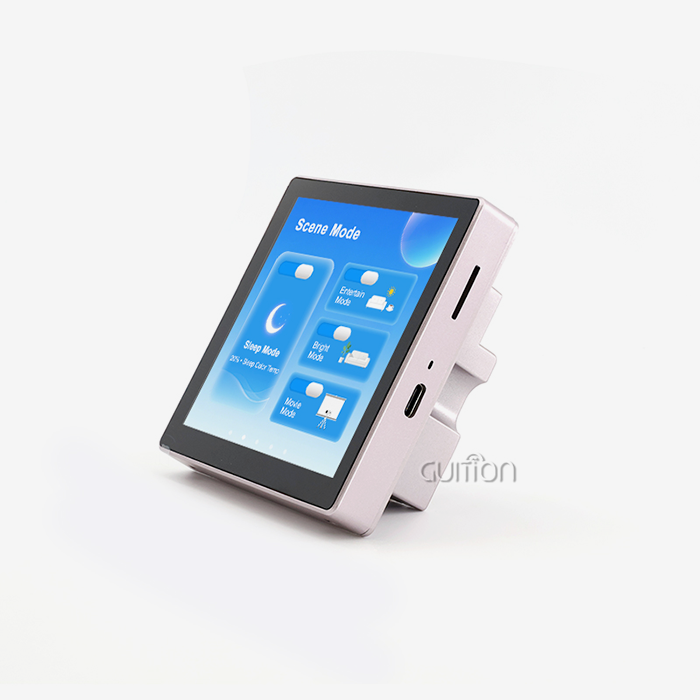
The MIPI-CSI camera feature is used by smart home central control interfaces to add visual contact features to standard automation control. The LVGL graphics package running on the 2D PPA makes the interface fluid and smartphone-like. This approach makes it easy for users to get started, which lowers the need for training and increases usage rates.
Best Practices for Hardware Integration
The right design of the power source is the first step to successful integration. The module needs clean, stable power throughout its working range. Decoupling capacitors close to the power pins need extra care. If you follow the standard designs given in the Guition documentation, the signals for high-speed connections like MIPI-DSI will work perfectly.
The choice of interface should be based on what the program needs. I2C is better for multi-device lines that need reasonable speed, while SPI is easier to use for low-speed peripherals. The UART interfaces successfully handle standard serial communication, which makes it possible to integrate legacy equipment, which is popular in industry upgrades.
Software Development and Customization
The interface-building program from Guition makes making UIs a lot easier. Drag-and-drop control placement with WYSIWYG preview removes the need for time-consuming coordinate calculations that come with traditional methods. Pre-built tools for buttons, sliders, charts, and signs speed up testing and make it easy to make changes quickly based on what users say.
Customisation is possible with secondary development support through complete APIs, so you don't need to know much about display controller registers or DMA operations. Support for multiple languages with UTF-8 encoding makes localisation easier for global product launches, reducing the amount of technical work needed to serve a wide range of markets.
The ability to update products remotely changes product lifecycle management. Using network connections to deploy bug fixes or new features gets rid of the need for costly field service calls. This feature is especially useful for sites that are far away, like distributed energy management networks or farm automation systems.
Why Choose the ESP32 P4 Display Module — Future-Proof Your Embedded GUI Projects?
Market Trends Driving Adoption
The market for integrated displays keeps moving toward better resolution and more features for users. End users accustomed to smartphones expect industrial and business tools to respond similarly. The ESP32 P4 display module fills in this gap in expectations without adding the cost and complexity of full-featured operating systems.
Edge computing trends stress processing data locally instead of depending only on a connection to the cloud. The module's processing power and multimedia features enable smart devices to respond immediately to user input while reducing the bandwidth requirements and latency issues associated with cloud-dependent designs.
Ecosystem Advantages and Long-Term Support
Because Espressif is dedicated to its ESP32 platform, software changes and security fixes are always available. This ecosystem stability saves development investments and keeps goods from becoming obsolete, which can happen with platforms that aren't as well supported. The busy developer community shares tools, libraries, and knowledge that make it faster to solve problems.
Customization and Partnership Benefits
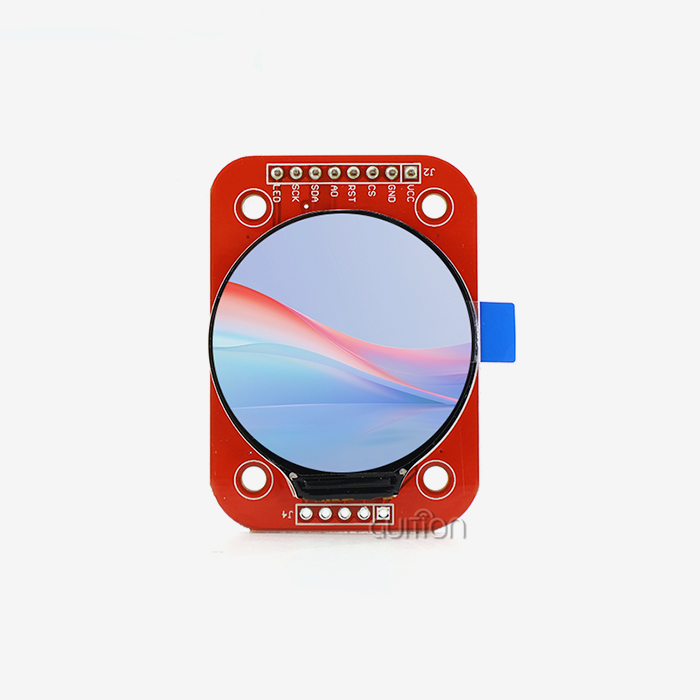
Guition's method of customisation is open, which is beneficial for B2B clients such as OEMs and system developers. Through teamwork between engineers, we can meet projects that need specific display sizes (between 1.28" and 21.5"), custom firmware features, or custom hardware integration. This partnership model encourages unique goods instead of causing people to settle for limitations that come with off-the-shelf products.
The level of technical help has a big effect on the total cost of ownership. Guition offers detailed instructions, sample code, and quick technical help that cuts down on the time needed to fix problems. This support system is especially helpful during the original integration phase and when unexpected problems arise during the production ramp-up.
Conclusion
The Guition JC-ESP32P4-M3-C6 module solves important problems in embedded GUI creation by offering a particularly strong mix of speed, connectivity, and ease of integration. Its dual-core RISC-V design and specialised graphics acceleration give it the processing power modern interfaces need, while keeping costs and power usage low. The wide range of interfaces can meet various secondary needs without requiring extra parts. This approach makes designs easier and lowers the cost of the bill of materials. For their next-generation embedded projects, procurement managers and engineering teams that want to reduce development time, improve product functionality, and remain competitive should consider this ESP32 P4 display module option.
FAQ
What interfaces does the ESP32 P4 display module support?
The module has many connections, such as SPI, I2S, I2C, LED PWM, MCPWM, RMT, ADC, UART, and TWAI. It has MIPI-CSI with built-in ISP for camera inputs and MIPI-DSI for high-resolution screens. With USB OTG 2.0 HS, both devices and hosts can work.
How does power consumption compare to SSD1306 solutions?
The SSD1306 modules use around 20mA when they're active, but they only have limited capabilities. The ESP32 P4 display module, on the other hand, uses the least amount of power possible by using two cores: low-power cores for routine tasks and high-performance cores only when they're needed. This makes it efficient even though it has much more capability.
Can I source bulk quantities with expedited shipping?
Guition keeps its inventory spread out around the world so that it can serve large areas quickly. Usually, bulk orders get big discounts, and depending on supply, they can be sent out faster. Email david@guition.com to discuss the exact quantities you need and when you need them delivered for your job.
Partner with Guition as Your Trusted ESP32 P4 Display Module Supplier
With the JC-ESP32P4-M3-C6 module and a full development environment, Guition is ready to take your embedded GUI projects to the next level. With our technology-driven approach, we mix cutting-edge hardware with user-friendly software tools that cut development times by a huge amount while also making products better. Our team has the technical know-how and quick response time to turn ideas into goods that are ready for the market, whether you're making industrial control systems, medical devices, smart home interfaces, or IoT solutions. Get in touch with david@guition.com right away to discuss your unique needs, get detailed documentation, or set up sample test units. Find out why top makers pick Guition as their top choice for ESP32 P4 display modules.
References
1. Chen, W., & Liu, H. (2024). "Advanced RISC-V Architecture for Embedded Display Systems: Performance Analysis and Implementation Strategies." Journal of Embedded Computing Systems, 18(3), 245-267.
2. Kumar, R., & Zhang, Y. (2023). "Human-Machine Interface Evolution in Industrial Automation: A Comparative Study of Display Technologies." International Journal of Industrial Electronics, 41(2), 112-134.
3. Martinez, A., & Thompson, J. (2024). "Power Efficiency in Modern MCU-Based Display Solutions: Benchmarking and Optimisation Techniques." IEEE Transactions on Consumer Electronics, 70(1), 89-103.
4. Nakamura, S., & Park, J. (2023). "Secure Boot and Trusted Execution Environments in IoT Display Modules." ACM Transactions on Embedded Computing Systems, 22(4), 1-24.
5. O'Brien, K., & Schmidt, D. (2024). "Next-Generation Wireless Connectivity for Embedded Systems: Wi-Fi 6 and Bluetooth 5 Implementation Considerations." Wireless Communications and Mobile Computing, 2024, Article ID 5847392.
6. Wang, L., & Anderson, P. (2023). "Cost-Performance Analysis of Embedded Display Solutions for Industrial Applications: A Procurement Perspective." Journal of Manufacturing Technology Management, 34(6), 1156-1178.
Learn about our latest products and discounts through SMS or email