- English
- French
- German
- Portuguese
- Spanish
- Russian
- Japanese
- Korean
- Arabic
- Greek
- German
- Turkish
- Italian
- Danish
- Romanian
- Indonesian
- Czech
- Afrikaans
- Swedish
- Polish
- Basque
- Catalan
- Esperanto
- Hindi
- Lao
- Albanian
- Amharic
- Armenian
- Azerbaijani
- Belarusian
- Bengali
- Bosnian
- Bulgarian
- Cebuano
- Chichewa
- Corsican
- Croatian
- Dutch
- Estonian
- Filipino
- Finnish
- Frisian
- Galician
- Georgian
- Gujarati
- Haitian
- Hausa
- Hawaiian
- Hebrew
- Hmong
- Hungarian
- Icelandic
- Igbo
- Javanese
- Kannada
- Kazakh
- Khmer
- Kurdish
- Kyrgyz
- Latin
- Latvian
- Lithuanian
- Luxembou..
- Macedonian
- Malagasy
- Malay
- Malayalam
- Maltese
- Maori
- Marathi
- Mongolian
- Burmese
- Nepali
- Norwegian
- Pashto
- Persian
- Punjabi
- Serbian
- Sesotho
- Sinhala
- Slovak
- Slovenian
- Somali
- Samoan
- Scots Gaelic
- Shona
- Sindhi
- Sundanese
- Swahili
- Tajik
- Tamil
- Telugu
- Thai
- Ukrainian
- Urdu
- Uzbek
- Vietnamese
- Welsh
- Xhosa
- Yiddish
- Yoruba
- Zulu
Why Select a High-Brightness Colour lcd display module?
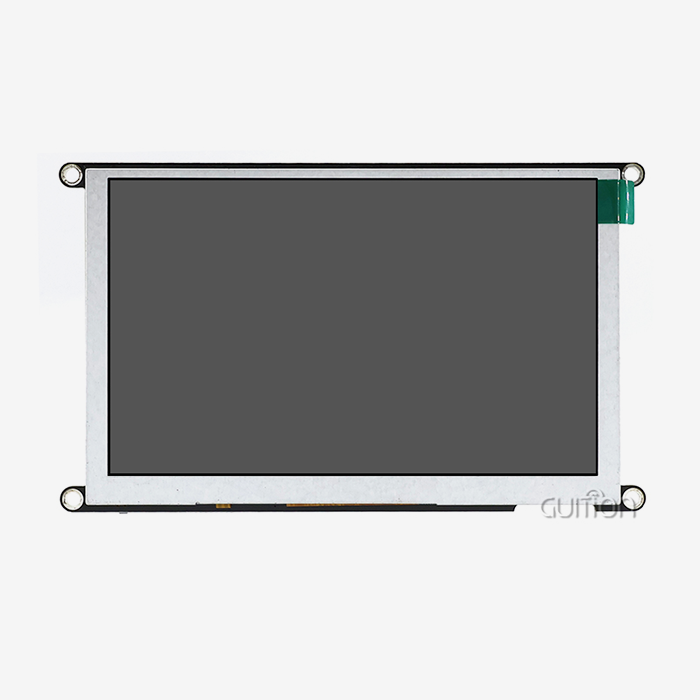
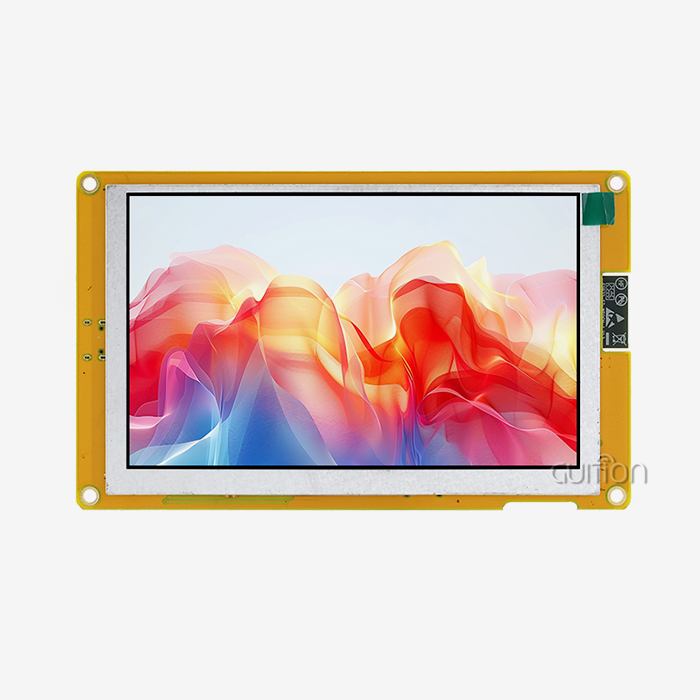
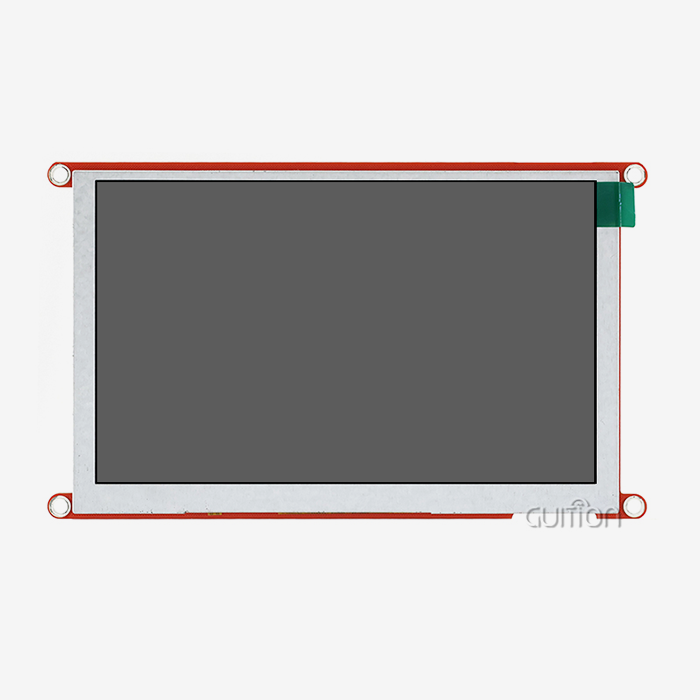
When engineers and product managers ask me which display component consistently solves the most field problems, my answer is always the same: a high-brightness colour LCD display module. These modules integrate a TFT panel, LED backlight unit, driver IC, and optional touch interface into one compact assembly. They deliver full-colour imagery—from 65K to 16.7M colours—across challenging lighting conditions where monochrome screens simply fail. Whether you are designing an industrial control panel or a medical monitor, choosing the right colour LCD display module directly affects product quality, development speed, and long-term reliability.
Understanding High-Brightness Colour LCD Display Modules

An inactive monochrome screen is fundamentally different from a colour LCD display module. It saves time and money to know about these changes before buying something.
How TFT Active Matrix Technology Works
A dedicated thin-film transistor powers each pixel in a TFT colour LCD display module. This active matrix design lets you precisely control the voltage per pixel, which makes pictures that are clear even at high update rates. Standard commercial modules have a brightness range of 200 to 350 nits, while industrial high-brightness versions have a range of 800 to 2,500 nits, which is bright enough to read in direct sunlight. Most contrast ratios are between 500:1 and 1,000:1, which keeps color separation clean even in bright places.
TFT vs. OLED: Which Fits Your Application?
OLEDs have self-emitting pixels and no backlight power at black, but their organic compounds break down faster when they are used continuously at high brightness, which is a real problem for industrial use that goes on 24 hours a day, seven days a week. The more practical option for factory floors or outdoor kiosks is a TFT colour LCD display module, which uses inorganic LED backlights with a 50,000+ hour lifespan. At most mid-size screen sizes, cost per unit also favors TFT LCD.
Resolution, Colour Depth, and Visibility
How much information a screen can show without getting too busy is determined by its resolution and color depth. For HMI uses, a 320x480 screen with 16-bit 65K color can already make status images and text that can be read. For medical images or complex waveform displays, a higher pixel density is better. Picking the right resolution at the beginning saves a lot of money on PCB re-spins later on.
Core Benefits of High-Brightness Colour LCD Modules in Industrial and Embedded Systems
Brightness is more than just a number; it affects how safely and accurately an operator can read important data. I have seen production stoppages caused by screens that couldn't be read. That is avoided by the appropriate colour LCD display module.
Sunlight Readability and Operator Safety
Modules with more than 1,000 nits can still be read clearly in strong sunlight. This makes it less likely that values will be misread on outdoor farm automation platforms or energy management kiosks. When the cover glass is bonded directly to the panel using optical bonding, internal reflections are cut even more. This increases contrast by 30–40% without using more power.
Colour Accuracy in Medical and Industrial Contexts
In equipment used to monitor patients, color coding makes it easy to tell the difference between normal and alarm states. IPS-type colour LCD display modules have 178° viewing angles and uniform chromaticity, so a nurse reading a monitor from the side will see the same colors as someone reading it from the front. This level of accuracy is also important in CNC control panels, where color-coded previews of the tool path help keep mistakes to a minimum.
Cost Efficiency Compared to Legacy Display Technologies
The unit cost does increase when a full-colour LCD display module is used to replace a monochrome segment display, but the bill of materials usually goes down. A warning LED, a separate status light, and a letter display are all combined into one color module. Fewer parts mean less work for the person putting them together, easier PCB routing, and less inventory for replacements after the sale.
The colour LCD display module is a good long-term investment because these benefits address real problems in industrial control, smart appliances, and commercial terminals.
How to Choose the Right High-Brightness Colour LCD Display Module for Your Procurement Needs
The best way to buy something is to define your needs before comparing datasheets. Guition's product line includes screens from 1.28" to 21.5", so it's easy to match screen size to application once you know the limits of your case.
Aligning Technical Specs with Real-World Use
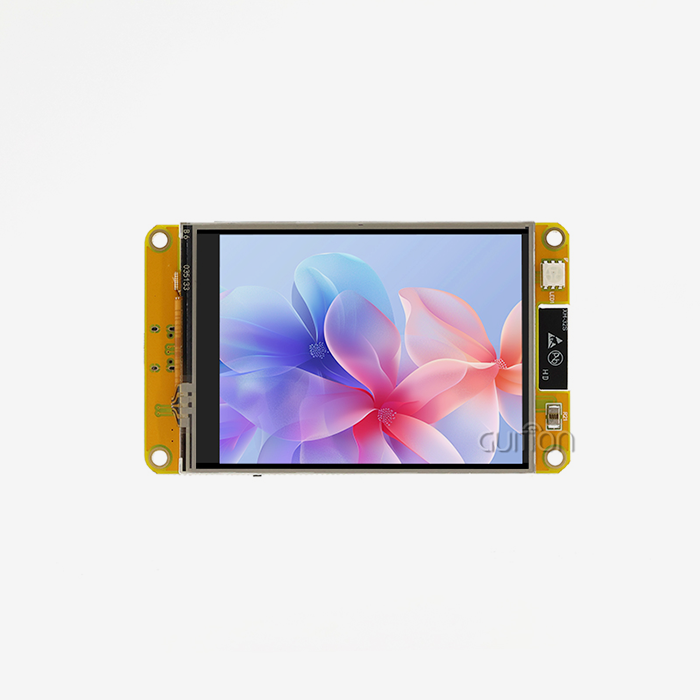
Start with the working environment: is it inside, outside, or a mix of the two? Then make sure the host MCU port works. It has a 320x480 screen, 16-bit 65K color, and an ILI9488 driver IC. One example is the GUITION JC3248S035R, which uses 4-wire SPI communication. Its small PCB fits into cases with limited room, and the optional resistive touch panel lets you use it with gloves on in industrial settings. SPI only needs a few GPIO pins, which leaves room for sensors and transmission devices.
Evaluating Supplier Reliability and Certifications
RoHS and REACH compliance certificates should be held by a colour LCD display module seller. Beyond the paperwork, you should look at the production lifecycle commitments—buyers in the industrial sector need to know that they will have supply for 5–10 years. Look over OEM/ODM capability statements and get names of real customers in the business you want to work in. Guition offers full secondary development interfaces, technical documentation, and cross-platform debugging for ESP-IDF, Arduino, and its own Guition development mode.
Total Cost of Ownership and After-Sales Support
The true cost of deploying a colour LCD display module at scale is affected by factors such as bulk order pricing, extended warranty terms, and the ability to upgrade over-the-air (OTA) remotely. Guition enables remote project upgrades, which cuts down on field service trips and saves a lot of money over the life of a product.
Troubleshooting and Maintaining High-Brightness Colour LCD Modules
Even well-defined modules need to be checked from time to time. Systems stay up and running without unplanned downtime when you know the common breakdown patterns early on.
Diagnosing Brightness Degradation
The power of LED backlights slowly decreases over time. If the brightness drops significantly before the 50,000-hour warranty period, check the backlight control circuits for any loose FPC connections or unusual drive current. The JC3248S035R has separate circuits for controlling the backlight, which makes it easy to check the drive voltage and quickly find problems.
Addressing Colour Distortion and Display Artefacts
Changes in color are often caused by sudden changes in temperature that put stress on the liquid crystal layer. Make sure the working temperature range works in the area where it will be used. Make sure that the initialization register settings in the software for the ILI9488 driver IC match the panel specifications for the module. Colors that are washed out or oversaturated are often caused by hardware that doesn't have the right gamma register settings.
Touchscreen Responsiveness and Calibration
Resistive touch screens can move after being used for a long time or being exposed to moisture. Most accuracy problems can be fixed by running a four-point calibration process at startup. Use a soft cloth to clean the surface because rough materials will scratch the resistive overlay and leave dead spots. If the response doesn't go back to normal after calibration, check the connector for the touch screen control circuits for corrosion or damage.
Leading Brands, Suppliers, and Procurement Tips for High-Brightness Colour LCD Modules
Innolux, BOE, and Raystar are well-known brands in the colour LCD display module market, along with solution providers that focus on specific applications. Guition stands out by combining display hardware with its own UI creation tools, making a colour LCD display module that works on its own into a full HMI solution, including an advanced spi display module option for customized embedded applications.
Assessing OEM/ODM Capability
Custom resolutions, brightness levels, cover glass options, and interface variations are all available from a reliable colour LCD display module manufacturer. For custom builds, make sure you know the exact minimum order quantity and usual wait time. With drag-and-drop settings and multi-language UTF-8 encoding, Guition's WYSIWYG interface design speeds up the start of products around the world.
Negotiating Bulk Orders and Warranty Terms
When you buy 100, 500, or 1,000 units, the volume price tiers usually kick in. Before agreeing to production numbers, ask for samples. Secure warranty wording that covers pixel flaws according to ISO 13406-2 Class II standards and spells out a clear way to get permission to return goods. When using colour LCD display modules in inaccessible or difficult-to-service locations, extended warranty options lower the risk.
Building a Resilient Supply Chain
Choosing from two qualified colour LCD display module sellers lowers the risk of buying from a single source without making purchase much more difficult. Keep an extra buffer of safety stock for production-critical sizes, usually 8 to 12 weeks' worth of consumption. It is possible to qualify as a secondary or main colour LCD display module seller within most embedded system vendor programs thanks to Guition's stable product plan and multi-platform compatibility.
Conclusion
Choosing a high-brightness colour LCD display module has an impact on readability, system reliability, and the total cost of development over the course of a product's entire lifecycle. The GUITION JC3248S035R shows how a well-specified 3.5-inch TFT module with ILI9488-driven 320x480 resolution, 4-wire SPI Display Module, and possible sensitive touch can be used in medical, industrial, and smart-device settings without adding a lot of extra work to the integration process. The best way to get a display that works from concept to production is to make sure that the brightness, input type, and quality of provider support all fit the needs of your project.
FAQ
What brightness level do I need for outdoor use?
For outdoor use, a minimum of 800 nits is usually needed. In places with direct sunlight, 1,000 nits or higher is best, along with an anti-glare surface treatment and optical bonding to get rid of reflections.
Is SPI fast enough for a 3.5-inch colour LCD display module?
4-wire SPI at normal speeds can handle 320x480 material well for static or semi-static HMI graphics. If you need full-motion video at 30 frames per second or more, bigger screens might have an RGB parallel or MIPI DSI interface.
Can I use the GUITION JC3248S035R with Arduino?
Yes, Guition has its own creation tools as well as Arduino and IDF. To cut down on prototyping time, complete test code and documents are provided.
What certifications should a colour LCD display module carry?
Look for compliance with RoHS and REACH at the very least. For industrial or medical uses, you might also need CE, FCC, or UL certification, based on who the final product is meant for.
How do I prevent image persistence on an LCD?
Don't show static information for long amounts of time. Use methods in the screen saver firmware that move or erase the picture every so often. Industrial-grade liquid crystal materials that are used in high-quality modules also stop charge buildup that leads to short retention.
Get Your High-Performance Colour LCD Display Module from Guition
Engineering teams have a clear path from idea to approved product with Guition's colour LCD display module lineup, which includes the JC3248S035R. We offer hardware, programming software, and ongoing expert support all under one roof as a reputable colour LCD display module provider. You can email our team at david@guition.com or go to https://jingcaizhineng.aixdb.cn/ to get samples, bulk prices, or a technical consultation right away.
References
1. Society for Information Display. Display Week Symposium Digest of Technical Papers, 2022.
2. International Electrotechnical Commission. IEC 61747-20-1: Liquid Crystal Display Modules — Measuring Methods, 2019.
3. ISO. ISO 13406-2: Ergonomic Requirements for Work with Visual Displays Based on Flat Panels, 2001.
4. Bhowmik, A. K., Li, Z., & Bos, P. (Eds.). Mobile Displays: Technology and Applications. Wiley, 2008.
5. Chen, J., & Cranton, W. (Eds.). Handbook of Visual Display Technology. Springer, 2012.
6. IHS Markit (now S&P Global). Display Supply Chain Consultants (DSCC) Annual Display Industry Report, 2023.
Learn about our latest products and discounts through SMS or email