- English
- French
- German
- Portuguese
- Spanish
- Russian
- Japanese
- Korean
- Arabic
- Greek
- German
- Turkish
- Italian
- Danish
- Romanian
- Indonesian
- Czech
- Afrikaans
- Swedish
- Polish
- Basque
- Catalan
- Esperanto
- Hindi
- Lao
- Albanian
- Amharic
- Armenian
- Azerbaijani
- Belarusian
- Bengali
- Bosnian
- Bulgarian
- Cebuano
- Chichewa
- Corsican
- Croatian
- Dutch
- Estonian
- Filipino
- Finnish
- Frisian
- Galician
- Georgian
- Gujarati
- Haitian
- Hausa
- Hawaiian
- Hebrew
- Hmong
- Hungarian
- Icelandic
- Igbo
- Javanese
- Kannada
- Kazakh
- Khmer
- Kurdish
- Kyrgyz
- Latin
- Latvian
- Lithuanian
- Luxembou..
- Macedonian
- Malagasy
- Malay
- Malayalam
- Maltese
- Maori
- Marathi
- Mongolian
- Burmese
- Nepali
- Norwegian
- Pashto
- Persian
- Punjabi
- Serbian
- Sesotho
- Sinhala
- Slovak
- Slovenian
- Somali
- Samoan
- Scots Gaelic
- Shona
- Sindhi
- Sundanese
- Swahili
- Tajik
- Tamil
- Telugu
- Thai
- Ukrainian
- Urdu
- Uzbek
- Vietnamese
- Welsh
- Xhosa
- Yiddish
- Yoruba
- Zulu
Why Is Touch Screen HMI with PLC Critical for Process Optimization?
Touch screen HMI with PLC integration is now an important part of modern industrial automation; it acts as the brain that connects people who are operating complicated machines to each other. Programmable Logic Controllers and Human-Machine Interface technology work together to make a single platform where operators can see real-time data, handle processes right away, and make quick choices based on accurate information. This integration solves important practical problems that industrial equipment makers, automation programmers, and embedded system engineers face, like the need for faster response times, less human error, and more efficient workflows. When workers can quickly see what's going on with a machine and change settings using simple touch controls instead of real knobs and switches, throughput goes up, and downtime goes down. In today's B2B world, solutions are needed that not only collect data but turn it into insights that can be used right away. Facilities that use combined HMI-PLC systems say that process consistency, operator training time, and the general efficiency of their tools all get a lot better. As competition in manufacturing grows around the world, picking the right industrial control interface has a direct effect on your ability to improve processes, meet output goals, and keep quality standards without raising costs.

Understanding Touch Screen HMI and PLC Integration
Defining Core Technologies and Their Synergy
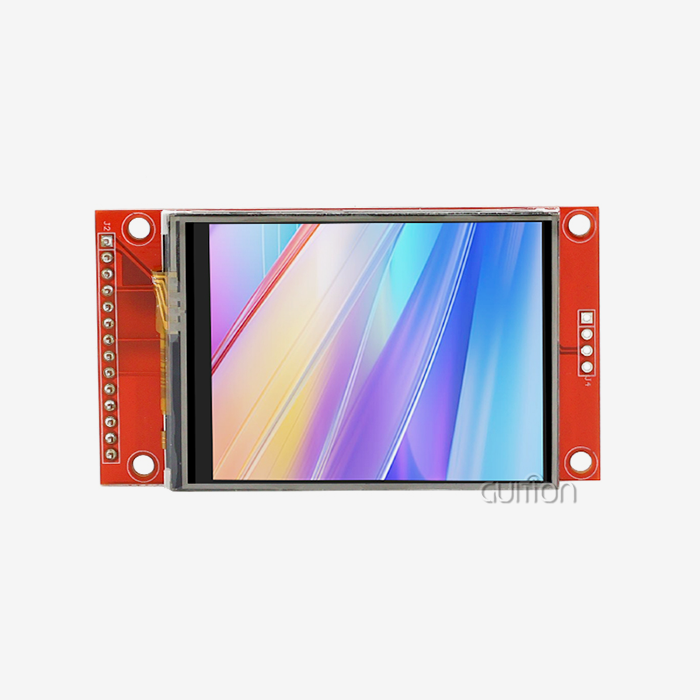
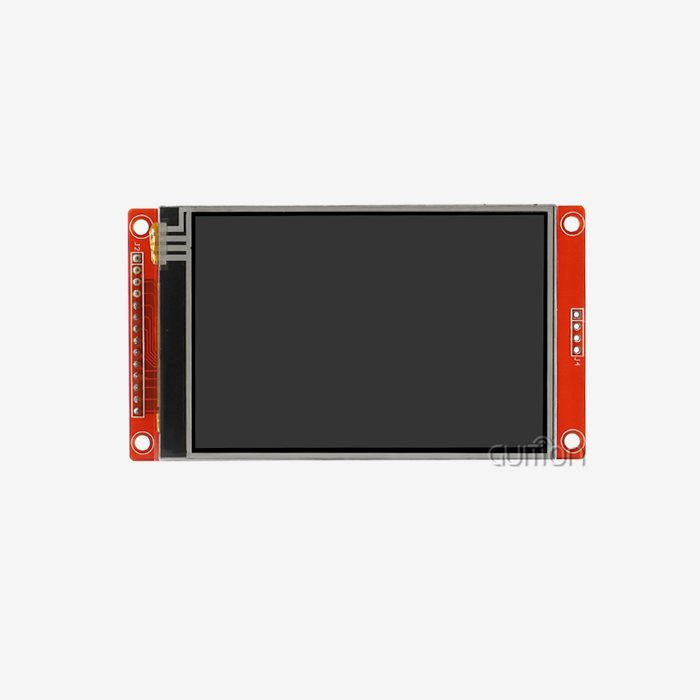
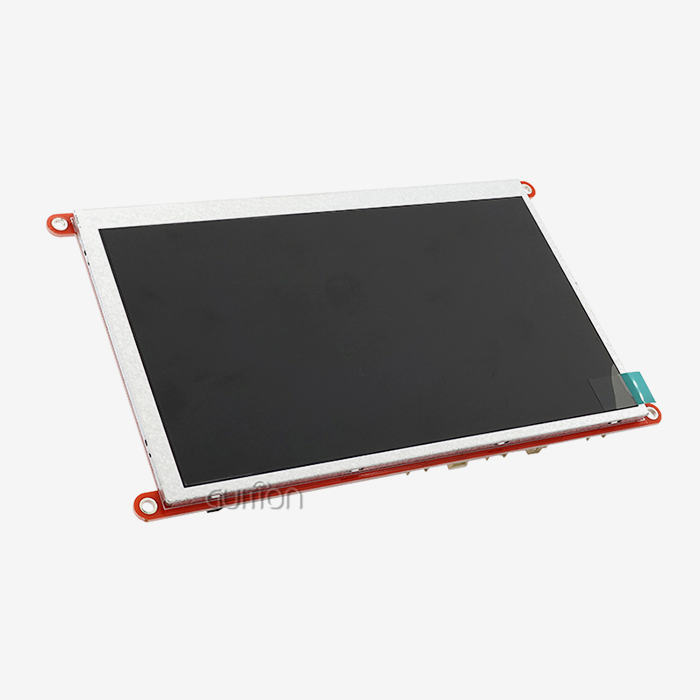
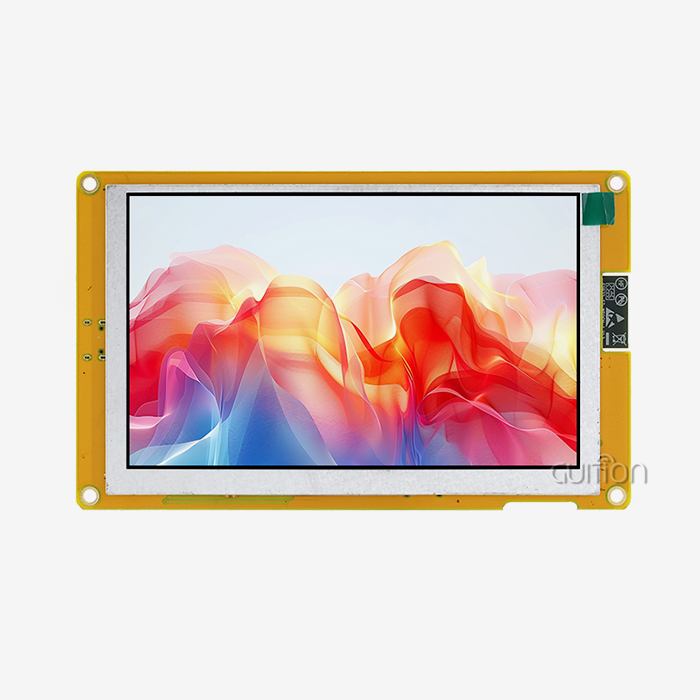
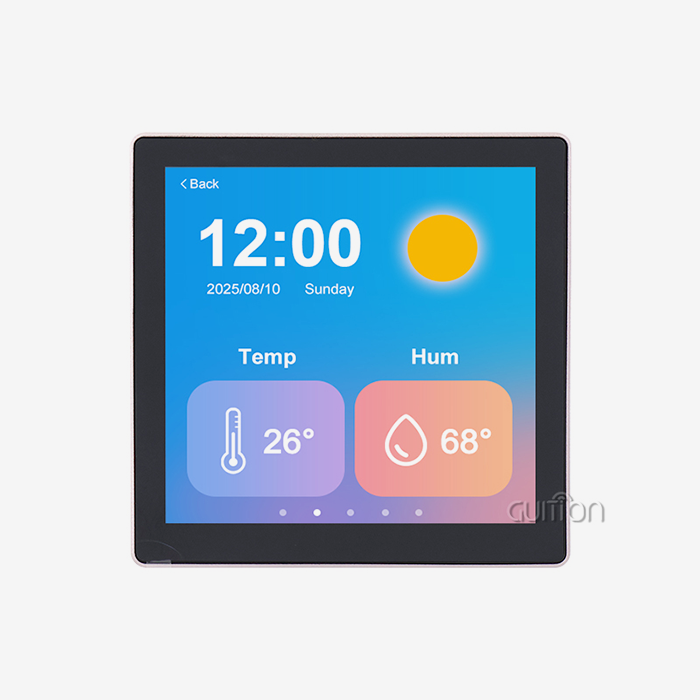
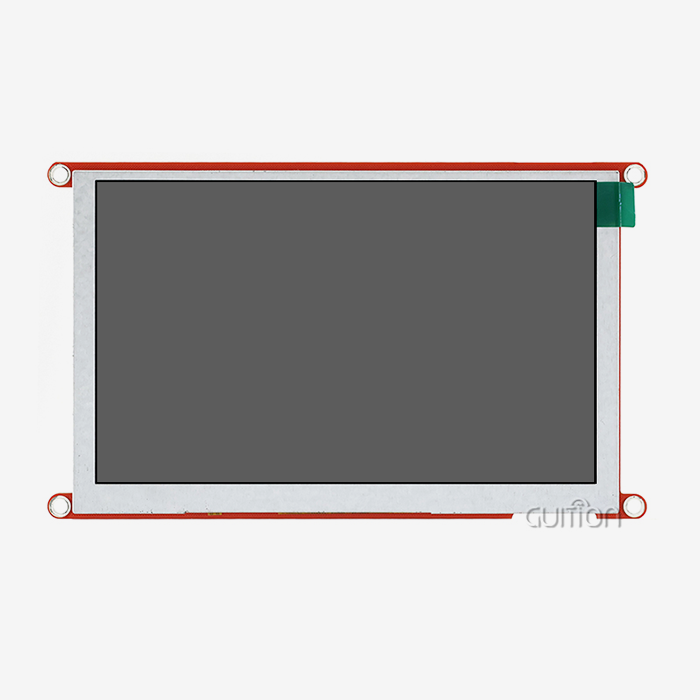
Touch screen HMI devices let you see what's going on with your automation systems by showing process factors, alarms, trends, and machine states in a way that's easy to understand. PLCs run the reasoning, taking in information from sensors, running control algorithms, and telling actuators what to do based on orders that have been written into them. When these technologies talk to each other using fast industrial standards, workers can see production processes more clearly than ever before. This way of integrating Touch screen HMI with PLC systems is shown by the Guition JC8048Q350C_I, which has an 800×480 IPS capacitive panel and a D121BBV single-core MCU running at 400MHz. This setup lets the module handle control code and display complex graphics at the same time without any lag.
Key Benefits of Integrated Control Systems
With today's touch screen interfaces, there are no longer any real barriers between people and computers. Process visualisation changes from static to dynamic, showing real-time data streams instead of old images. Better user contact makes it easier for new operators to learn because they don't have to remember complicated button routines to move through menus. When visible input confirms each move right away, operational errors go down. Scalability gets better because adding more features to a system usually only needs software changes and not hardware changes. The Guition development tool lets engineers make unique control screens without having to know a lot about coding because it allows drag-and-drop interface creation. This ease of access speeds up development processes by a large amount.
Compatibility Across Industrial Ecosystems
hmi display module When it comes to longevity, temperature tolerance, and communication, industrial-grade touch screen displays are very different from consumer products. Capacitive touch technology is better at responding to touches and supports multiple touches than resistive technologies, though resistive screens can be used with gloves on. The JC8048Q350C_I works with many development platforms, such as Arduino, IDF, and Guition modes, so it can be used with a wide range of automation designs. Communication methods like Modbus, PROFINET, and Ethernet/IP make it easy for HMI devices and PLCs from different makers to share data. When upgrading old systems or putting together tools from different manufacturers into combined control networks, this interoperability is very important.
Comparing Touch Screen HMIs with Traditional and Non-Touch HMIs in PLC Systems
Interface Usability and Operator Efficiency
With traditional HMIs that use real buttons and LEDs, operators have to match up indicator lights with printed signs, which adds to their brain load. Touch screen HMI with PLC displays show information based on its context, and users can tap on relevant areas to see more information. Response time is faster because workers don't have to use the arrow keys to move through menus; instead, they can choose options straight from the screen. When maintenance workers can see past alarms, trend graphs, and diagnostic data on the same screen where they accept alerts, they can figure out problems faster. The 5.0-inch IPS display on Guition's module gives clear images from a wide range of viewing angles, so workers can read it even when they come up from the side.
Long-Term Cost Considerations
Touch screen systems cost more up front than simple key panels, but the total costs of ownership are lower. Physical buttons break down after being used over and over, which costs money and time to fix. Touch screens remove mechanical failure spots, which lowers the need for maintenance. Updates to the software make systems last longer without having to change the hardware. When changes to the process need to be made to the interface, engineers change the shapes of screens from afar instead of changing control panels. Because Guition modules can be upgraded remotely, installed systems can get better features without having technicians come to the site, which cuts down on after-sales costs by a large amount.
Scalability and Future-Proofing
Non-touch HMIs force users to use the settings that were set when the panel was made. Adding new features involves changing the way the panel is built or installing indicators on the outside. Touch-screen devices can adapt to changes in business processes through software improvements. The JC8048Q350C_I's 8MB PSRAM and 16MB Flash memory give it plenty of space for complex apps and room to grow. Built-in WiFi and Bluetooth modules let you connect to cloud platforms for data logging and online tracking. This means that you can use your automation infrastructure for Industry 4.0 projects without having to buy all new equipment.
How Touch Screen HMI with PLC Drives Process Optimization
Breaking Common Automation Bottlenecks
Facilities where getting information requires using multiple screens or looking at different tracking systems are prone to operator delays. Touch screen HMI with PLC integration brings together important data into a single dashboard where workers can see everything they need to know to complete their current job. When the interface walks users through steps step-by-step, highlighting necessary actions and stopping processes that don't happen in the right order, manual errors become less common. Real-time visualisation turns process factors that are hard to understand into useful images. For example, tank levels show up as animations of filling, valve states as colour-coded icons, and production rates as live counters. The drag-and-drop feature in Guition's development tool makes making interfaces much faster than with standard HMI code. Engineers put buttons exactly where ergonomics say they should be, making layouts that are easy to use and reduce decision fatigue by reducing eye movement. This improved process makes it easier to respond more quickly to problems in production.
Centralized Control for Quality Consistency
To optimise a process, you need to keep a close eye on its working factors. Touch screen interfaces show current values and setpoint changes side by side. This lets workers fine-tune processes based on feedback in real time. When operators recognise alerts on the same screen that shows background information about the alarm state, alarm management gets better. The 400MHz processor does complicated calculations quickly and easily. It also supports advanced control methods that keep the quality of the output constant even when the input changes.
Evidence from Industrial Applications
When factories use combined HMI-PLC systems, they report measurable increases in output. Visual process tracking on production lines makes it easier to find bottlenecks and fix them quickly, before small problems turn into shutdowns. Predictive maintenance alerts sent by PLC logic and shown clearly on HMI screens stop unnecessary downtime by causing early replacement of parts. Medical device makers like that Guition modules handle multiple languages. This makes it easier to use standard interfaces across global production sites while still allowing for local user languages.
Programming, Connectivity, and Troubleshooting of Touch Screen HMI with PLC
Establishing Reliable Communication
Industrial transmission standards are what make Touch screen HMI with PLC integration work. Modbus is still widely used because it is easy to use and works with a lot of devices. It works well for simple data sharing. PROFINET and Ethernet/IP have more bandwidth for programs that need to update data quickly and send big amounts of data. Cross-platform live debugging is supported by Guition modules. This lets engineers watch real-time communication data and find protocol mismatches before deploying the module. When network separation is done right, automation data is kept separate from IT networks. This stops bandwidth competition and makes it harder for hackers to get in.
User Interface Design Best Practices
Information quantity and visual clarity must be balanced for HMI systems to work well. Important alarms should be put in a visible place and use high-contrast colours. Less important information should go in secondary screen areas. The JC8048Q350C_I's 65K colour support lets workers quickly tell the difference between process states by using colour connections. Touch targets need to be the right size to work reliably; small buttons make operators angry and make it easier for them to make mistakes. Guition's easy-to-use development tools come with pre-built control sets that follow sensible guidelines. This speeds up the process of making interfaces while still keeping them usable.
Common Problems and Ways to Solve Them
When communication between HMI and PLC breaks down, it's usually because the protocol settings are wrong, the baud rates are not the same, or there are problems connecting to the network. Systematic troubleshooting starts with making sure the hardware links are correct. Next, make sure that both devices have the same protocol setup. Problems with the touch reaction could mean that the calibration has moved or that there is electromagnetic interference. The factory-burned test programs on Guition modules make sure that the modules work as they should. This helps engineers figure out whether problems are caused by hardware, firmware, or application software. Touch screens need to be cleaned every so often, code needs to be updated to fix bugs found, and backups for custom apps are all part of preventative maintenance. The ability to remotely update makes maintenance easier by letting firmware be sent to multiple places at once from a central point.
Procurement Strategies for Touch Screen HMI with PLC Systems
Evaluating Suppliers and Customisation Choices
When choosing a touchscreen HMI with PLC provider, you need to look at their technical skills, help infrastructure, and how stable their business is. Companies like Guition that make both hardware and software can better integrate their products and fix problems more quickly than companies that buy parts separately. When standard goods don't meet specific needs, the ability to customise is important. The JC8048Q350C_I's reserved ports for TF cards, sensors, and general IO allow for growth without the need for custom hardware. Package deals that include displays, development tools, and professional help are often a better deal than buying them separately, especially for companies that are working on more than one project at the same time.
An analysis of the total cost of ownership
The purchase price is only one part of the total cost of the machine. Installation difficulty affects labour costs; units that are easy to plug in and use, like the JC8048Q350C_I, cut setup time by a large amount. When software tools have easy-to-use platforms that don't require a lot of specialised knowledge, training costs go down. Maintenance costs rely on how reliable the hardware is and how easy it is to update the software. Guition's secondary development help, which includes detailed technical documents, makes engineering's job easier throughout the lifecycle of a product. When figuring out the return on investment, you should include the higher quality, higher efficiency, and lower downtime that come from better HMI-PLC interaction.
Making Purchase Decisions With Confidence
Requesting detailed specifications, test units, and examples from current clients in related businesses can be helpful for procurement pros. These days, being close to providers doesn't mean as much because online support and cloud-based troubleshooting make it possible to get help from anywhere. Long-term supply dependability makes sure that new parts are always available and that software support doesn't stop as systems get older. Early in the planning process, engineers can work with touchscreen HMIs with PLC makers to match system features to project needs, saving them money on changes that need to be made in the middle. GUI modules can be used with Arduino, IDF, and custom development platforms, which gives you options as your project needs change.
Conclusion
HMI Display Module integration is a big change in industrial automation. Instead of hitting buttons mechanically, operators can now handle processes intelligently and based on data. Operating more efficiently through real-time visualisation, maintaining quality through exact control, and cutting costs through easier servicing are just a few of the benefits. The JC8048Q350C_I from Guition shows how modern display modules can meet the needs of a wide range of industries, including those that make industrial equipment, medical devices, and smart home solutions. These modules combine powerful processing, easy-to-use software tools, and flexible connections. Companies that buy combined control systems are able to keep their processes running at their best, quickly adjust to changes in the market, and keep their competitive edge in industries that are becoming more difficult to work in. Getting better automation starts with choosing partners who understand both the technology needs of your projects and the business needs that drive them.
FAQ
What communication protocols ensure seamless HMI-PLC connectivity?
It's still the case that most HMI and PLC brands support Modbus RTU and Modbus TCP. These protocols make data exchange safe for moderate-speed apps. PROFINET is the most popular industrial network in Europe, especially with Siemens equipment, because it works in real time and is good for controlling movements. In North American markets, Ethernet/IP is widely used, and it works well with Allen-Bradley controls. Your choice will rely on your current infrastructure, the amount of data you need to move, and how well the vendor environment works with yours.
Can we upgrade traditional HMIs to touch screen interfaces without replacing our PLC?
If the new touch screen works with the transmission protocol your current controller uses, you probably don't need to update the PLC when you upgrade the HMI technology. The Guition JC8048Q350C_I can connect to and work with several different development modes and protocols, making it possible to connect to older automation systems. Making sure that the new HMI can read and write to the PLC's data registers using the normal connection method is the most important thing to think about.
What are typical lead times for ordering integrated HMI bundles?
Standard configurations from Touch screen HMI with PLC companies usually ship in two to four weeks. Customised options, on the other hand, take four to eight weeks, based on how complicated the changes are. When you give suppliers clear specs early on, the quotation and production processes go faster, which cuts down on the overall time it takes to complete the job.
Partner with Guition for Advanced Industrial Display Solutions
Guition makes cutting-edge HMI solutions with touch screens for engineers and product managers who want stability without a lot of hassle. Our JC8048Q350C_I module has a strong 400MHz processor, sensitive touch that responds, and full development support to help you get your automation projects from idea to production faster. As a company that only sells touchscreen HMIs with PLCs, we know what problems industrial equipment makers and automation developers have when they need quick, adjustable, and cost-effective solutions. Our self-made Guition software gets rid of the need to learn code by letting you create interfaces with drag-and-drop. Built-in WiFi and Bluetooth give your users the smart connectivity they expect. Email our team at david@guition.com to talk about how our display modules can help your specific applications work better, or send us a request for full specs and quotes that are made to fit your needs. Find out why top companies that make medical devices, smart home systems, and industrial control panels choose Guition for their HMI needs.
References
1. Smith, J. and Anderson, R. (2022). Industrial Automation Systems: Integration Strategies for HMI and PLC Technologies. Manufacturing Technology Press.
2. Chen, L. (2023). "Process Optimization through Advanced Human-Machine Interfaces," Journal of Industrial Engineering and Management, Vol. 16, No. 3, pp. 245-267.
3. Rodriguez, M. (2021). Programmable Logic Controllers: Design, Application, and Troubleshooting. Industrial Electronics Publishing.
4. Williams, K. and Thompson, D. (2023). "Comparative Analysis of Touch Screen Technologies in Industrial Control Systems," Automation Today, Vol. 28, No. 2, pp. 112-128.
5. European Industrial Automation Association (2022). Best Practices for HMI-PLC Communication Protocols in Manufacturing Environments. Technical Report Series TR-2022-14.
6. Zhang, W. and Patel, S. (2023). "Cost-Benefit Analysis of Integrated HMI Systems in Modern Production Facilities," International Journal of Production Research, Vol. 61, No. 8, pp. 2156-2174.
Learn about our latest products and discounts through SMS or email