- English
- French
- German
- Portuguese
- Spanish
- Russian
- Japanese
- Korean
- Arabic
- Greek
- German
- Turkish
- Italian
- Danish
- Romanian
- Indonesian
- Czech
- Afrikaans
- Swedish
- Polish
- Basque
- Catalan
- Esperanto
- Hindi
- Lao
- Albanian
- Amharic
- Armenian
- Azerbaijani
- Belarusian
- Bengali
- Bosnian
- Bulgarian
- Cebuano
- Chichewa
- Corsican
- Croatian
- Dutch
- Estonian
- Filipino
- Finnish
- Frisian
- Galician
- Georgian
- Gujarati
- Haitian
- Hausa
- Hawaiian
- Hebrew
- Hmong
- Hungarian
- Icelandic
- Igbo
- Javanese
- Kannada
- Kazakh
- Khmer
- Kurdish
- Kyrgyz
- Latin
- Latvian
- Lithuanian
- Luxembou..
- Macedonian
- Malagasy
- Malay
- Malayalam
- Maltese
- Maori
- Marathi
- Mongolian
- Burmese
- Nepali
- Norwegian
- Pashto
- Persian
- Punjabi
- Serbian
- Sesotho
- Sinhala
- Slovak
- Slovenian
- Somali
- Samoan
- Scots Gaelic
- Shona
- Sindhi
- Sundanese
- Swahili
- Tajik
- Tamil
- Telugu
- Thai
- Ukrainian
- Urdu
- Uzbek
- Vietnamese
- Welsh
- Xhosa
- Yiddish
- Yoruba
- Zulu
What makes the Ips display module a Preferred Choice for Engineers?
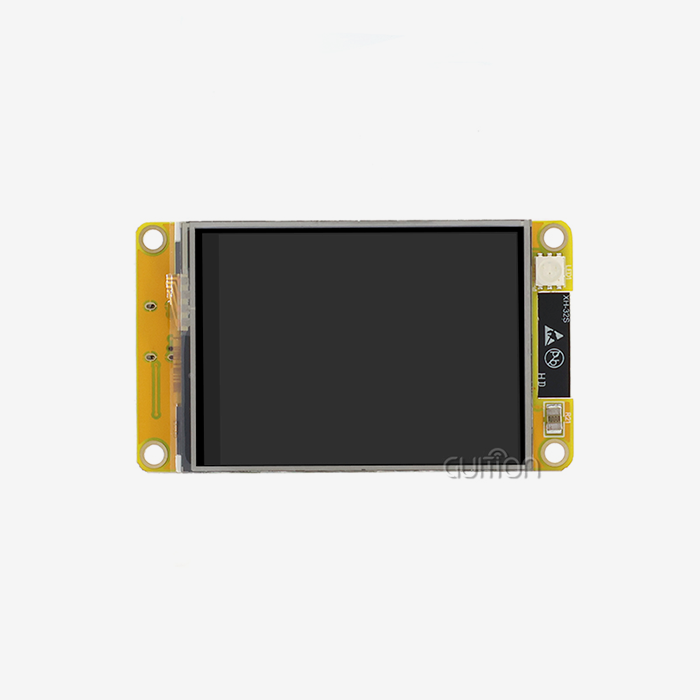
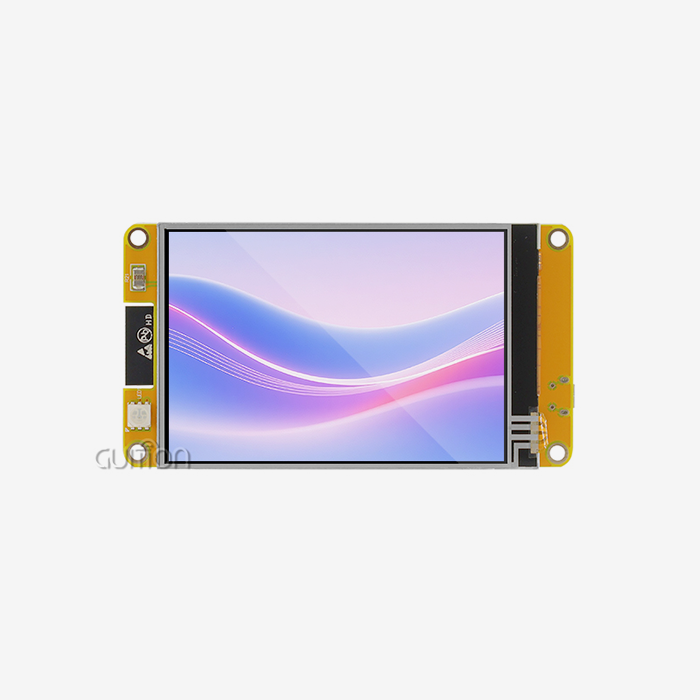
Engineers like IPS display modules because they use better liquid crystal alignment technology to solve basic problems with vision. The In-Plane Switching design, unlike Twisted Nematic panels, keeps color accuracy and contrast stable across ultra-wide viewing angles of 178°/178°. This gets rid of grayscale inversion and color shift that make it hard to read data in settings with multiple operators. The parallel electrode arrangement stops pressure-induced artifacts like water ripple effects. This makes these modules perfect for putting capacitive touchscreens in industrial control panels, medical diagnostic equipment, and car entertainment systems where visual consistency affects safety and the accuracy of decisions.

Critical Performance Benefits of IPS Modules for Industrial and Engineering Uses
Problems can arise in industrial settings that regular screens can't handle. Temperature changes between cold storage and machines that make heat, mechanical vibrations from production equipment, and exposure to dust or chemical aerosols are all things that can shorten the life of displays and make them not work as well as they should.
Environmental Resilience for Harsh Conditions
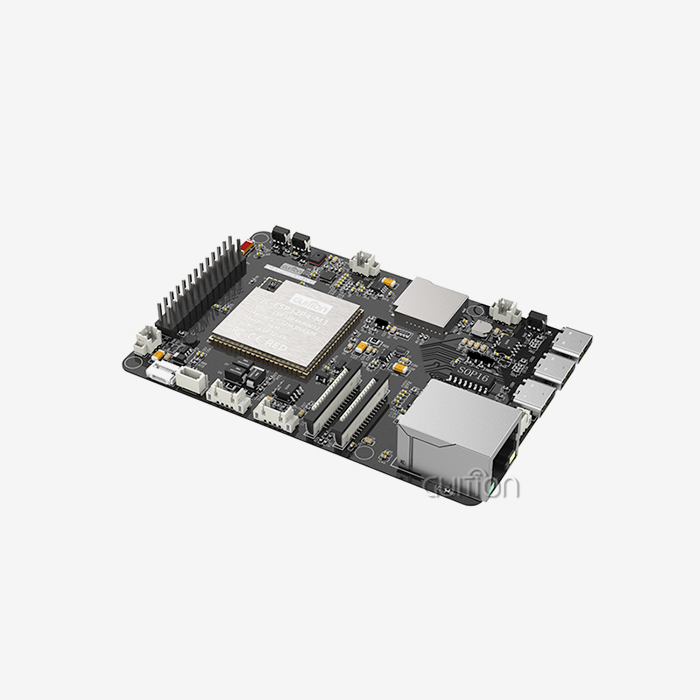
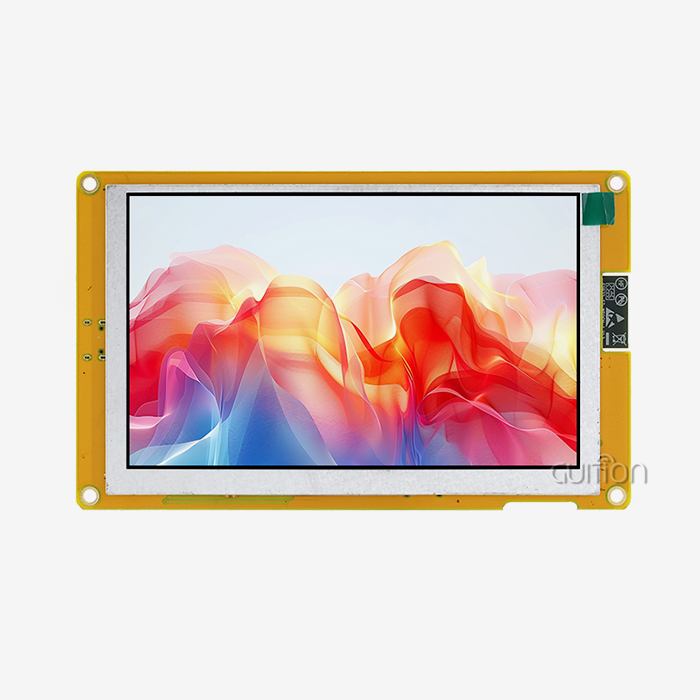
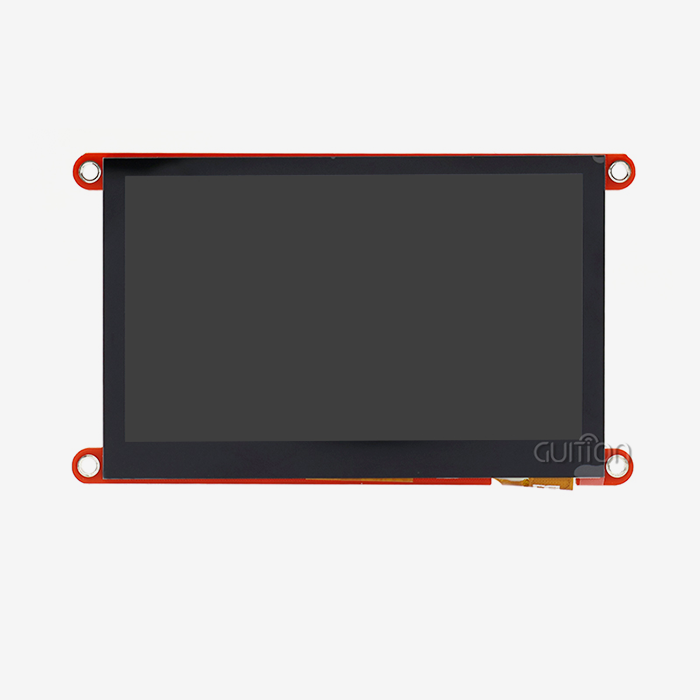
High-quality IPS units made for commercial use work reliably over a wide range of temperatures. The Guition JC4848B040C_I works from -20°C to +70°C, keeping the liquid crystal response without freezing at low temperatures or failing at the clearing point at high temperatures. This temperature stability is important for energy management terminals that are used outside, agricultural automation systems that are subject to changing weather, and industrial equipment that is kept in places that don't have climate control. The strong design includes safeguards against vibration and physical shock that are common in shipping or assembly line settings. Engineers who use displays in mobile diagnostic tools or vehicle-mounted terminals depend on this mechanical longevity to keep the accuracy of the calibration and keep pixels from getting damaged over the life of the product.
Enhanced Readability Under Variable Lighting
Ips display module Ambient light levels vary a lot in industrial settings, from control rooms with low lighting to outdoor booths that get direct sunlight. Standard modules have a brightness of 300 to 400 nits, which is fine for indoor use. However, for demanding uses, there are high-brightness configurations that reach 1000+ nits when paired with optical bonding methods that lower surface reflection. This makes sure that workers can read important system data without having to squint or move around. This keeps their eyes from getting tired during long shifts and cuts down on mistakes caused by reading numbers incorrectly.
Power Efficiency Supporting Sustainable Operations
In-Plane Switching needs better backlighting than TN technology because of its aperture ratio, but newer versions using LTPS backplane technology have made this difference much smaller. Engineers who are making movable instruments or energy-monitoring systems that run on batteries can get better visual quality while reducing the amount of power used. This means that the systems can work for longer periods of time between charges. Because of these performance traits, upkeep costs go down because parts last longer, there is less downtime due to display problems, and the total cost of ownership is lower when you look at deployment times over multiple years. When servicing remote sites that cost a lot to drive to and cause production to stop, the reliability factor becomes even more important.
Practical Problem-Solving with IPS Displays
Engineers choose display technologies based on how well they can solve real-world working problems, not on how well they work in theory. IPS modules fix several ongoing issues that make the system less useful and lower the success rate of projects.
Eliminating Color Shift in Multi-Operator Environments
At quality control units for manufacturing, bosses often have to look at the same display from different angles to confirm what inspectors have decided. With traditional TN panels, workers have to stand right in front of the computers, which slows down work. Wide-angle IPS technology lets multiple people look at flaw inspection results at the same time without color or contrast distortion. This speeds up decision-making and increases output. A company that makes medical equipment that uses ultrasound devices said that switching to IPS screens cut down on the time it took for diagnostic consultations because doctors could look at images with techs without having to move around the device. This apparently small change to the way things are set up led to measurable efficiency gains over hundreds of daily contacts with patients.
Maintaining Interface Clarity During Touch Interaction
Touch input is needed a lot for industrial HMI systems during long shifts. Because IPS construction is pressure stable, it doesn't cause the visual confusion that happens when touch force temporarily moves liquid crystals in TN structures. When operators use 3D printer settings or CNC machine interfaces, they can still see what's on the screen below, even while pressing on interface elements. This makes it easier for them to do their jobs and lowers the chance of making mistakes.
Flexible Installation Orientation Without Compromise
When mounting screens in retrofit setups or enclosures with limited room, they have to be seen from views that aren't always the best. Because it has a wide viewing angle, engineers can place displays based on technical needs instead of having to change the design of the case to fit narrow viewing cones. A charging station maker said they could reduce the overall size of their product by placing screens at angles that would have made TN screens unreadable. This would give them a competitive edge in urban deployments with limited room. These useful advantages are increased by the Guition development ecosystem's tools that make the application easier. The Arduino and IDF development modes are supported by the Guition software. This lets engineers use known toolchains instead of having to learn how to use new systems. With a drag-and-drop interface design and built-in controls, UI development time is cut down, and cross-platform testing helps find interaction problems quickly. The remote upgrade feature lets you change the software without having to send a service technician to the field. This cuts down on the costs of fixing bugs or adding features after the product has been delivered.
Selection Criteria for Engineers: Why IPS Displays Are Trusted Components
To choose the right display technology, you have to match technical specs to the needs of the application while keeping speed and cost in mind. During the buying process, engineers look at a number of important factors.
Performance Specifications Aligned to Use Cases
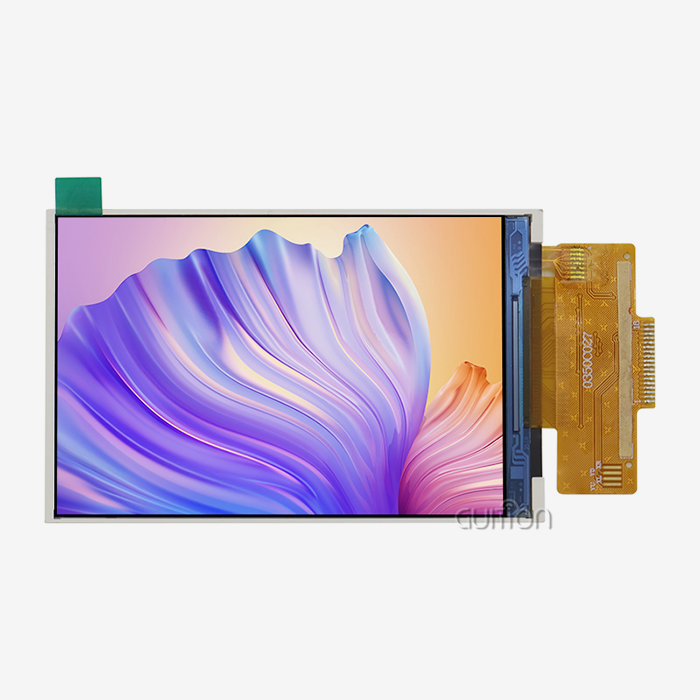
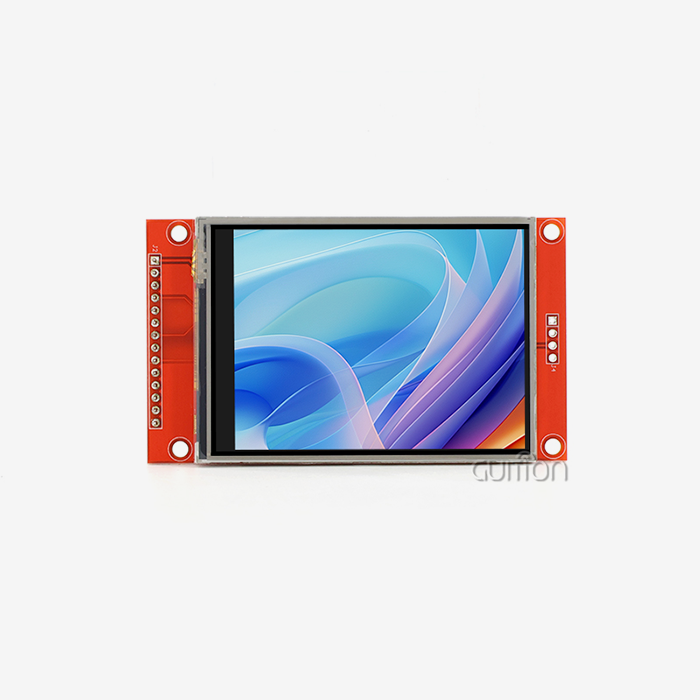
parallel lcd display The brightness needs depend on how bright it is where the launch is happening. Backlights of 300 to 400 nits work fine on industrial control panels that are inside, but outdoor ports need high-brightness settings. Response time is very important in apps that show data that changes quickly, but IPS technology has come a long way in recent years to support even dynamic content visualization. The Guition JC4848B040C_I has a MIPI DSI interface that lets you connect to it. This lets you send and receive high-resolution data quickly, and it can handle the 800×480 pixel array refresh rates that are needed for smooth animation and fast touch input. The capacitive touch design responds right away to user input, giving users the natural interaction experience they're used to from consumer products while still meeting the high standards of stability needed in industrial settings.
Integration Flexibility Across Development Ecosystems
System architects like parts that work well with current hardware systems and don't need a lot of custom driver development. Being able to work with popular microcontroller platforms like Arduino and ESP-IDF speeds up prototype development and lowers the learning curve. Integration times are cut even more when detailed technical instructions and example applications are available. Guition's method offers full secondary development interfaces and simple integration steps, so engineers can change features to meet the needs of specific applications without having to do difficult low-level driver code. This adaptability is especially helpful for small and new businesses that don't have a lot of resources for embedded systems and need to focus on making their products stand out instead of fixing problems with the display subsystem.
Long-Term Value Analysis
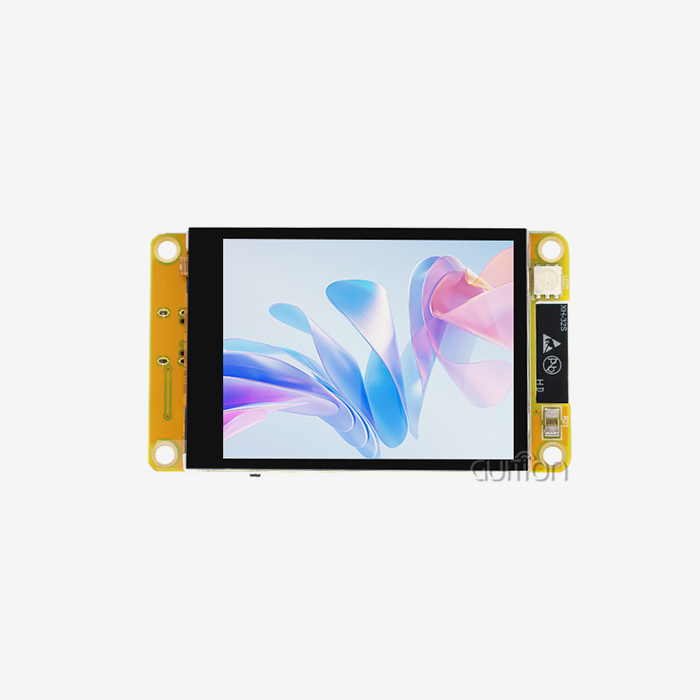
Even though IPS modules usually cost more per unit than TN modules, the total cost must take into account the fact that they last longer, break down less often in the field, and require less assistance. The LED backlight units in high-quality modules have 50,000-hour working lives at half-brightness. This means that the visual performance stays the same over the course of the product's guarantee, so you don't have to pay for expensive repairs in the middle of its life. When engineers make goods that will be used for more than one year, they know that the extra money they pay for IPS technology is spread out over thousands of hours of use, and the money they save on repairs and insurance claims often more than makes up for the price difference. The better visual quality also makes the product stand out, which helps with premium positioning and customer happiness measures that affect the number of times a customer buys again. Manufacturers like Guition offer a wide range of screen sizes, from 1.28 inches to 21.5 inches. This lets engineers use the same technology base for all of their products while choosing the best screen size for each application.
Future Trends and Innovations in IPS Display Technology for Engineering Markets
Display technology keeps getting better to meet the needs of new applications. Engineers who are working on the next generation of goods should know how ongoing improvements will make IPS more useful and allow for new uses.
Enhanced Refresh Rates for Dynamic Content
In standard industrial HMI systems, the control interfaces are pretty static. But when you add data visualization, video feeds, and virtual reality layers, you need faster refresh rates. Newer versions of IPS support 60Hz and higher refresh rates without affecting viewing angle or color accuracy. This makes it possible to show motion smoothly, which is good for machine vision guidance screens or real-time process tracking dashboards.
Integrated Touch and Display Assemblies
As modules get smaller and more integrated, touch detection is built right into the display structures. This gets rid of the need for separate touch panel layers that make modules thicker and less optically transparent. These combined designs make it easier to read outside while also making the products thinner, which is good for consumer-facing industry uses like retail point-of-sale systems or hotel check-in kiosks.
Connectivity and Intelligence at the Display Level
More and more modern modules, like the Guition product line, build WiFi and Bluetooth straight into the display parts. This built-in connectivity lets you watch from afar, update firmware over-the-air, and connect to IoT communities without using up host system resources to run the network. Simplified system architecture and less complicated bills of materials help engineers who are making connected industrial equipment. The Guition platform is an example of this trend because it has built-in wireless modules that allow for remote project upgrades. This means that makers can push software updates and feature improvements to all installed bases without having to send service technicians to each one. This feature changes the cost of after-sales help and lets the product keep getting better throughout the customer relationship.
Multi-Language and Global Deployment Support
As companies that make industrial tools move into foreign markets, their display systems need to be able to handle different language needs. Display software that supports UTF-8 encoding and can switch between languages gets rid of the need for special localization development, which speeds up the time it takes to get into a market. This need is met by the Guition ecosystem, which has built-in support for multiple languages. This means that engineers can only write code once and release it widely; the choice of language is handled by simple configuration instead of code change. Engineers who want to make their goods more competitive in the future should look at more than just the current specs when choosing a display partner. They should also look at the partners' growth plans and how committed they are to keeping technology improving. When companies buy software platforms, development tools, and support infrastructure, they are showing that they are committed to long-term partnerships, which is important for planning products that will last for generations.
Conclusion
Due to their practical benefits that solve real engineering problems, Parallel LCD Displays have become the most popular component. When you combine wide viewing angles, accurate color reproduction, pressure-stable touch contact, and resistance to damage from the environment, you get solutions to problems that other technologies can't handle in tough industrial settings. Engineers get useful benefits like easier workflows for multiple operators, a variety of installation choices, and stable long-term performance that lowers the total cost of ownership. Comprehensive development ecosystems like Guition shorten the time it takes to add new features while still meeting the needs of different apps that need to be customized. As display technology keeps getting better with better connectivity, faster refresh rates, and built-in intelligence, the IPS architecture stays useful by incorporating these new features without sacrificing the basic visual performance characteristics that initially pushed its use in medical devices, automation systems, and the development of smart devices.
FAQ
Which industries benefit most from IPS display technology?
IPS modules are used by medical device makers in diagnostic tools where color accuracy affects clinical choices. Industrial automation engineers use them in control screens that need to be able to see from different angles. Wide viewing angles are used in automotive applications so that both the driver and the passenger can see the screens on the center stack. Smart home gadget makers choose IPS for user screens that are seen by customers and where good visual quality helps the brand stand out.
How long do IPS panels last compared to other types of displays?
Quality IPS modules with LED lighting units usually last between 30,000 and 50,000 hours at half brightness, which is the same or longer than the lifetime of a TN screen. Even though OLED has better contrast ratios, static interface elements commonly used in industrial HMI applications can cause burn-in decline of OLED options. This means that IPS is a better choice for continuous-operation industrial equipment.
What customization options exist for specific application requirements?
To fit different operating settings, manufacturers offer different amounts of brightness, warmth, and interface. Through its detailed APIs and documentation, the Guition platform offers a wide range of secondary development options. This lets engineers add unique features without having to learn complicated low-level code. Capacitive and resistive touch technologies are both available and can be used in a variety of situations and ways by users.
Partner with a Trusted IPS Display Module Supplier for Your Next Project
Guition specializes in providing complete solutions for human-machine interaction that speed up product creation and make it easier to use. Our USART-hmi display modules combine smart connectivity with tried-and-true IPS screen technology. They support WiFi and Bluetooth integration, which lets you do remote repair and over-the-air (OTA) upgrades that your customers are expecting more and more. Traditional HMI programming problems are solved by the Guition development software's easy-to-use drag-and-drop interface, cross-platform testing tools, and ability to work with the Arduino and IDF environments that your engineers already know. Our product range goes from 1.28 inches to 21.5 inches, so you can be sure that the technology is the same across all of your products while still getting the best size for each use. We know how hard it is for you to meet tight deadlines, find enough engineers, and make sure that your parts are solid and won't break down in the field, which can be very expensive. Email david@guition.com to talk about how our display options can meet your needs. Ask for test samples of the JC4848B040C_I or other models that work for your needs, and you'll see why top industrial equipment makers, medical device developers, and IoT solution providers choose Guition as their IPS display module manufacturer for projects that need great visual performance and long-term dependability.
References
1. Chen, Y., & Zhang, L. (2022). Advances in IPS LCD Technology for Industrial Applications. Journal of Display Technology Research, 18(3), 245-261.
2. Morrison, R. T. (2021). Human-Machine Interface Design for Industrial Control Systems. Cambridge: Industrial Press.
3. Patel, S., Guest, A., & Wong, M. (2023). Comparative Analysis of Display Technologies in Medical Diagnostic Equipment. Biomedical Engineering Review, 41(2), 178-194.
4. International Electrotechnical Commission. (2020). IEC 61966-2-1:2020 - Multimedia systems and equipment - Colour measurement and management - Part 2-1: Colour management - Default RGB colour space - sRGB. Geneva: IEC.
5. Thompson, J. D., & Rodriguez, C. (2022). Lifecycle Cost Analysis of Display Components in Industrial Automation. Manufacturing Technology Quarterly, 29(4), 412-428.
6. Wu, H., Nakamura, T., & Schmidt, F. (2023). Emerging Trends in Touch-Integrated Display Modules for IoT Applications. IEEE Transactions on Consumer Electronics, 69(1), 88-103.
Learn about our latest products and discounts through SMS or email