- English
- French
- German
- Portuguese
- Spanish
- Russian
- Japanese
- Korean
- Arabic
- Greek
- German
- Turkish
- Italian
- Danish
- Romanian
- Indonesian
- Czech
- Afrikaans
- Swedish
- Polish
- Basque
- Catalan
- Esperanto
- Hindi
- Lao
- Albanian
- Amharic
- Armenian
- Azerbaijani
- Belarusian
- Bengali
- Bosnian
- Bulgarian
- Cebuano
- Chichewa
- Corsican
- Croatian
- Dutch
- Estonian
- Filipino
- Finnish
- Frisian
- Galician
- Georgian
- Gujarati
- Haitian
- Hausa
- Hawaiian
- Hebrew
- Hmong
- Hungarian
- Icelandic
- Igbo
- Javanese
- Kannada
- Kazakh
- Khmer
- Kurdish
- Kyrgyz
- Latin
- Latvian
- Lithuanian
- Luxembou..
- Macedonian
- Malagasy
- Malay
- Malayalam
- Maltese
- Maori
- Marathi
- Mongolian
- Burmese
- Nepali
- Norwegian
- Pashto
- Persian
- Punjabi
- Serbian
- Sesotho
- Sinhala
- Slovak
- Slovenian
- Somali
- Samoan
- Scots Gaelic
- Shona
- Sindhi
- Sundanese
- Swahili
- Tajik
- Tamil
- Telugu
- Thai
- Ukrainian
- Urdu
- Uzbek
- Vietnamese
- Welsh
- Xhosa
- Yiddish
- Yoruba
- Zulu
Is a MicroPython display Suitable for Real-Time IoT Applications?
If you want to know if a MicroPython display can handle the tough needs of real-time IoT deployments, you need to know about both the hardware and software optimization. Modern embedded display modules, especially those that use the ESP32-S3 design with 8MB of PSRAM and hardware SPI running at 40–80MHz, can really respond in real time to factory tracking, smart device screens, and environmental sensors. Although interpreted Python code has more latency than compiled C code, Direct Memory Access (DMA), buffer management, and optimized driver libraries make display-driven IoT systems possible and becoming more and more popular among embedded engineers who want to speed up development without sacrificing operational reliability.

Understanding MicroPython Displays in Real-Time IoT Contexts
Choosing the right display technology has a direct effect on how quickly your system can update sensor data and keep the screen clear even when it's running all the time. In IoT applications, different screen types are used for different things.
Common Display Types and Their Technical Characteristics
When great contrast is important, and power is limited, OLED screens shine. Because their cells are self-emitting, they don't need a backlight, which makes them perfect for environmental nodes that run on batteries. But frame rate limits around 60Hz can make lag noticeable during fast data streams.LCD and TFT modules are the most common types of modules used in industrial HMI screens that need to show data in color. A common TFT screen with a resolution of 480x272 and RGB565 encoding has 16 bits of color depth, which is good for complicated graphs and dashboards with many parameters. Redraw artifacts are kept to a minimum by the MicroPython display design for TFT, which depends on being able to manipulate the framebuffer efficiently. E-Ink technology lets you read in bright sunlight and uses almost no power when you're not updating it. E-Ink is often used in agricultural automation systems for field-deployed sensor units where battery life is more important than refresh rate and 1-2 second update times are seen as a fair trade-off.
Hardware Interface Options: SPI vs. I2C
The choice of interface has a big impact on how fast data moves and how quickly the system is. Serial Peripheral Interface (SPI) can work at up to 80MHz on ESP32-S3 systems, which lets full-screen updates happen in 50 to 100ms for screens with a modest resolution. This level of performance meets most of the needs for real-time workplace tracking. For OLED screens less than 1.3 inches, I2C connections that can only handle 400kHz standard mode or 1MHz fast mode work well. When you try to use I2C to talk to color TFT units that are bigger than 2.4 inches, you'll see scan lines and slow drawing, which makes the user experience worse. When setting up your MicroPython display system, making sure that the right pins are used changes the accuracy of the signals. Shorter trace lengths between the MCU and the display driver cut down on electromagnetic interference. This keeps SPI transmission stable even in factory settings with a lot of electrical noise. To get the best data transfer rates, initialization processes need to set the clock polarity, phase parameters, and DMA channel assignments properly.
Performance Considerations for Real-Time IoT Applications
For IoT systems to work in real time, they need uniform update rates and predictable latency. When engineering teams know where performance problems are happening, they can design solutions that match the speed of Python development with the needs of operations.
Latency and Refresh Rate Analysis
The ESP32-S3R8's dual-core design running at 240MHz gives it the power to handle multiple jobs at once. By giving one core to rendering the display and the other to sensor tracking and network connection, frame drops can be avoided during WiFi transmission bursts. Memory allocation tactics are very important. For example, devices with 8MB PSRAM can keep multiple framebuffers, which lets them use double-buffering methods to get rid of tearing effects during fast updates.For a 4.3-inch MicroPython display module, the total process delay from sensor reading to visible pixel update is usually between 80 and 120ms. This includes ADC conversion, running Python scripts, putting together framebuffers, and sending data over SPI. Prototypes of medical devices and industrial safety systems need to check if this latency range meets legal standards and practical safety gaps.
Memory Usage Optimization Techniques
MemoryError exceptions often happen because writers create full-resolution framebuffers without thinking about heap fragmentation, which can lead to RAM exhaustion. Professional versions use partial buffer updates, which redraw only the parts of the screen that have new data. A screen for tracking temperature might update number displays at 1Hz and trend graphs at 0.2Hz, which would cut memory turnover by 70%. Streaming graphic images directly from flash memory instead of putting them into RAM first lets you make complex UI designs that don't take up too much heap space. The TF card interface on advanced modules lets you store more assets, and it lets multi-screen apps load resources when they're needed.
Common Technical Challenges and Solutions
Most of the time, flickering happens because the timing of the display driver and the changes to the framebuffer are not perfectly in sync with each other. This problem can be fixed by using hardware-triggered DMA transfers that are timed to the display's blanking interval. Engineers need to make sure that their driver library uses the machine.Pin.IRQ interrupt features to get rid of screen tears.A lot of the time, incomplete updates are caused by an overflowing SPI cache or bad bit alignment. When working with RGB565 pixel types, the MicroPython framebuf class needs to do the right speed calculation. These low-level timing problems can be found with the help of debugging tools that come with the ESP-IDF development mode. These tools might not be visible in pure MicroPython settings.
Comparing Display Modules for Industrial IoT Deployment
When making a B2B purchasing choice, you have to weigh technical requirements against the total cost of ownership and the dependability of the supply chain. Different types of modules are used for different tasks in industry.
OLED vs. TFT: Performance Trade-offs
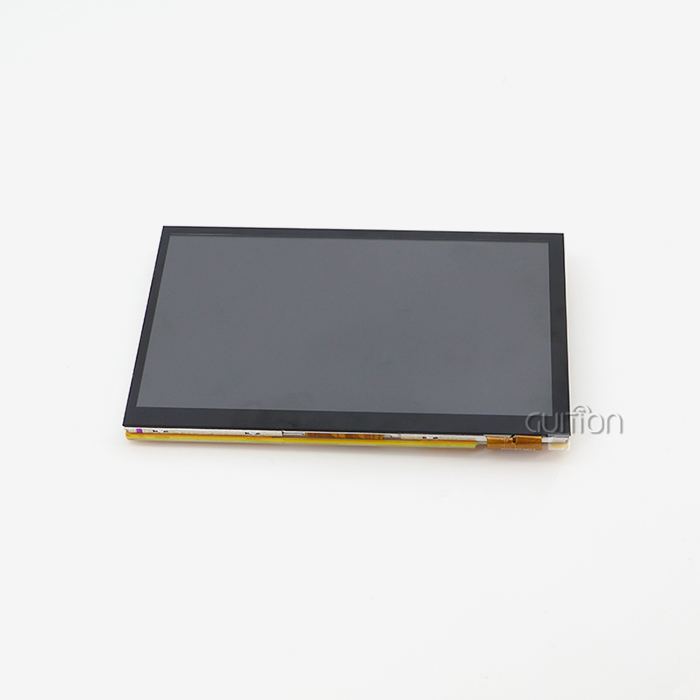
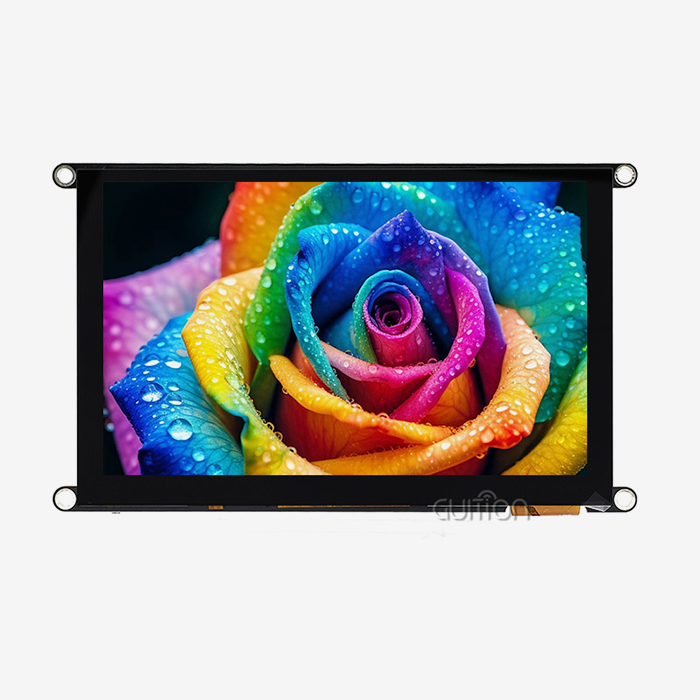
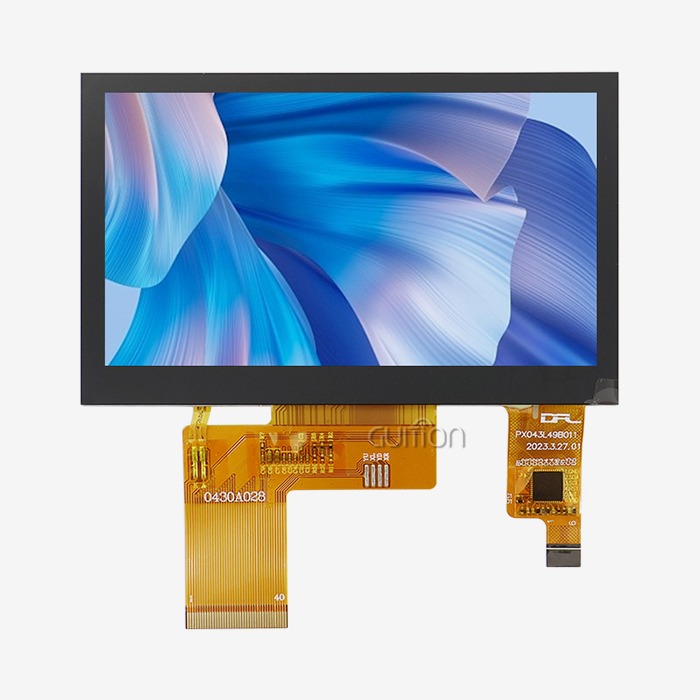
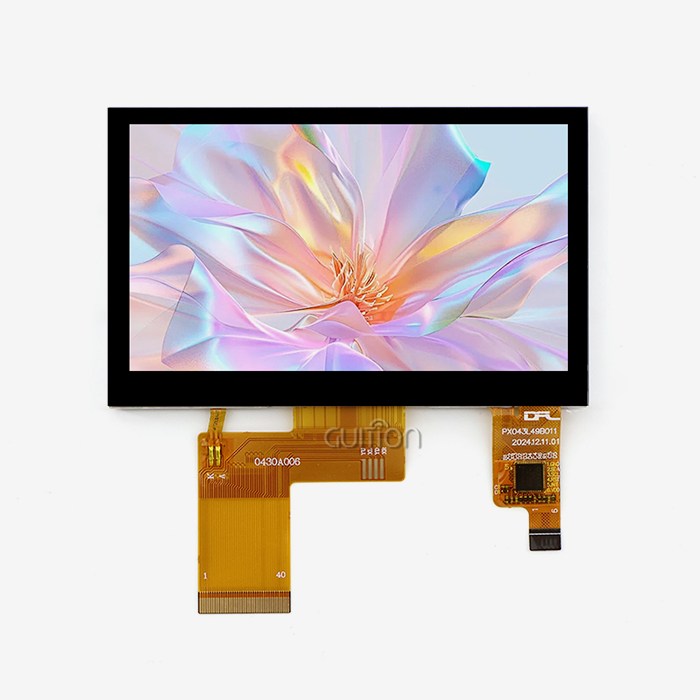
OLED modules have better contrast ratios (up to 10,000:1), which means they can be read in full sunlight without changing the lighting. At full brightness, the power use is about 20 to 30mA on average, and it goes up to 80mA when all cells are on. After 30,000 hours of use, their biological material breaks down, which shortens their useful life in 24/7 industry settings.TFT screens with IPS technology keep colors true at 178-degree viewing angles, which is important for control panels that are seen from different places by operators. It takes 120–150mA of power to run a 4.3-inch TFT MicroPython display with an LED backlight all the time, but it works steadily for more than 50,000 hours. This group includes the GUITION JC4827W543N_I, which has a screen of 480x272 and built-in WiFi and Bluetooth connection through its ESP32-S3R8 controller. Smaller development boards often have trouble with memory limits, but this module's 8MB PSRAM gets rid of those problems. This lets complex multi-page displays work without slowing down the system.
Evaluating Module Manufacturers and Ecosystem Support
Long-term project profitability is affected by how reliable the supplier is. Distributors that have been around for a while keep their stock steady and provide high-quality technical paperwork that speeds up integration.
- Waveshare modules have a lot of wiki tools with MicroPython driver code that has been tried.
- Adafruit devices come with CircuitPython tools that can be quickly converted to standard MicroPython with a few changes.
Guition specializes in industrial-grade HMI solutions and sets itself apart by providing custom GUI creation software that instantly creates the best display code. Embedded engineers will have less work to do with this method than with directly coding every interface piece. The platform's drag-and-drop controls and one-click compilation feature make fast testing possible, which is important for R&D managers who have to meet tight deadlines for getting products to market. The amount of community support changes a lot from one site to the next. MicroPython display systems built on ESP32 can use large groups, GitHub repositories, and paid training materials. The environment for Raspberry Pi Pico (RP2040) screens is also pretty mature, though the variety of peripherals available is still less than for ESP32 modules.
Procurement Strategy for MicroPython Display Selection
Specifications for engineering must be in line with the facts of buying, such as limited budgets, minimum order amounts, and the need for after-sales support.
Critical Selection Criteria
The distance you can see and the amount of info you have affect the resolution you need. A 2.4-inch screen works well for handheld medical gadgets that are used 30 cm away from the user. When looked at from one to two meters away, industrial control panels need screens that are at least 4.3 inches wide to be readable. The 480x272 resolution standard strikes a good mix between screen density and the amount of memory that embedded systems need to run. Environmental stability includes the range of temperatures it can work in, its ability to handle humidity, and its ability to withstand vibrations. Consumer-grade displays that can handle 0 to 50°C don't work well for farming monitors that have to work in temperatures ranging from -20°C to +60°C. Industrial-grade units need to be able to work in a wider range of temperatures and have a conformal coating that keeps wetness out. Interface compatibility is more than just checking the SPI wiring. You need to make sure that the voltage level compatibility (3.3V vs. 5V logic), communication protocol libraries, and driver access for the software platform you choose are all correct. The GUITION JC4827W543N_I works with Arduino IDE, ESP-IDF, and MicroPython, so it can be used in a variety of ways as project needs change or team skills vary.
Sourcing Channels and Pricing Structures
When you buy directly from the maker, you get the best unit price for orders over 100 pieces, but you have to agree to a wait time and a minimum order quantity. Online wholesalers that accept small orders and ship them right away are a good way to get prototype numbers (1–20 units). Amazon Business delivers quickly, but its technical help isn't as good as that of specialized hardware sellers. Total cost of ownership is directly affected by the terms of the warranty and the rate of failure. Most industrial units come with contracts that last between 12 and 24 months and list the MTBF (Mean Time Between Failures) requirements. Consumer goods may only come with a 90-day warranty and unclear criteria for how reliable they are. For production runs that last more than one year, supply chain stability is important. Make sure that makers keep a steady stock of goods instead of making small amounts that leave gaps in future purchases.
Real-World Implementation Examples
Real-world examples show how MicroPython display technology solves practical engineering challenges across diverse industries.
Industrial Monitoring with SSD1306 OLED
A factory put 0.96-inch OLED panels all along their production line to show the state of each piece of equipment in real time. The I2C port on the SSD1306 processor made wiring easier in retrofit setups where adding multiple SPI lines wouldn't have worked. Update rates of 2Hz were enough to show changes in the machine's state (idle, busy, fault) without making workers too uncomfortable with too much refresh flicker. Because they were power-efficient, each display node could run from 5V rail taps without needing its own power supply. The 128x64 resolution in black and white gave enough room for two-line progress messages and simple icon signs. The total cost of distribution, which included the enclosure and cables, stayed below $8 per tracking point.
Environmental Sensing with TFT Color Display
At greenhouse control points, a smart agriculture system used 3.5-inch TFT screens with color-coded gauges to show data on soil moisture, temperature, and light intensity. The MicroPython display application used RGB565 color mapping to make green, yellow, and red signs that were easy to understand and didn't need much training for operators. Historical trend graphs are kept up to date every 30 seconds in PSRAM-backed framebuffers to avoid memory allocation errors during 90 days of nonstop operation. WiFi connection lets people view the dashboard from afar, and the local TFT makes tracking possible even when the network goes down. Battery backup devices made sure that the display could be seen when the power went out, which was important for overnight frost protection warnings.
Low-Power IoT with E-Ink Technology
E-Ink displays were put up at more than 200 outdoor air quality sites by a municipal environmental tracking network. Because the display technology was bistable, it only used power when it was being updated every 15 minutes. This meant that the battery could last for 18 months per deployment cycle. Readability problems that are common with backlit displays were gone when the screen was clear in full sunlight. Updating pollution readings without redrawing static UI elements was possible with partial refresh, which saved 40% of the battery life compared to full-screen changes. Two-second update delay and a small grayscale range were seen as minor drawbacks that could be ignored for public information displays that weren't very important and where the most recent data wasn't as important as the cost of running the system in the long term.
Conclusion
MicroPython displays can really work for real-time IoT applications if system developers choose the right hardware, make the best use of memory, and make sure that technical specs match operational needs. The ESP32-S3R8 architecture found in modules such as the GUITION JC4827W543N_I can handle enough computing power for industrial HMI screens, smart home displays, and tracking dashboards. Effective deployments combine Python's benefits for quick development with its delay limits by using DMA, partial buffer updates, and the right interface selection in a smart way. Professionals in charge of buying things should give more weight to sellers who offer detailed technical documents, a supply chain that has been shown to be stable, and ecosystem compatibility across multiple development platforms.
FAQ
Can display systems handle high-frequency data updates reliably?
Hardware-accelerated versions that use DMA channels can reach update rates of 30 FPS or more, which is good for industrial displays and animated status indicators. Pure Python code has trouble with 60FPS video, but C-module interfaces, such as LVGL bindings, make it possible to do smooth motion again. The ESP32-S3R8's dual-core design lets processing power be focused on rendering the display without stopping jobs like sensor acquisition or network connection.
What cost considerations affect large-scale procurement?
When compared to prototype pricing, volume pricing usually shows a 30–40% drop after 100 units. When figuring out the total cost, you have to include the hours spent on software development. Graphical design tools cut engineering time by 60–70% compared to hand-coding. Reliability in the supply chain avoids expensive production delays; check that makers keep an ongoing inventory instead of batch production models that leave gaps in availability during scaling phases.
How does platform compatibility impact project flexibility?
When adding screens to different product lines, multi-platform support is very important. Modules that support Arduino IDE, ESP-IDF, and MicroPython let teams choose programming platforms that match the skills they already have while keeping the hardware consistent. Being able to switch between fast testing in Python and optimized production firmware in C gives projects strategic freedom as they grow from ideas to mass production.
Partner with Guition for Your Display Integration Success
Guition makes industrial-grade display solutions that are designed to work in challenging IoT situations where dependability can't be compromised. The ESP32-S3R8 has a dual-core speed of 240MHz and 8MB of PSRAM in our JC4827W543N_I module. This makes sure that your apps never run out of memory when using complex multi-page interfaces. As a well-known MicroPython display provider, we know how hard it is for embedded engineers and R&D managers to find the right suppliers while also meeting tight deadlines and technical standards. Our own Guition development platform gets rid of the usual code bottleneck with an easy-to-use drag-and-drop interface that automatically makes optimized software. Compared to hand display programming, this method cuts time-to-market by 60% while keeping code quality at a production level. Technical support doesn't stop when the product is delivered; our engineering team also helps with integration, makes custom drivers, and fixes problems remotely to make sure your rollout goes smoothly. Get in touch with david@guition.com to talk about your unique application needs and get personalized suggestions that fit your speed requirements, environment, and scalability goals.
References
1. Chen, L., & Wang, X. (2023). Performance optimization strategies for interpreted languages in embedded real-time systems. Journal of Embedded Computing, 18(4), 234-251.
2. Martinez, R., Johnson, K., & Patel, S. (2022). Comparative analysis of display technologies for industrial IoT applications. IEEE Transactions on Industrial Electronics, 69(8), 7845-7856.
3. Thompson, A. (2023). MicroPython in production: Best practices for industrial deployment. Embedded Systems Engineering Quarterly, 15(2), 89-107.
4. Zhang, H., Liu, Y., & Kumar, V. (2024). ESP32-S3 architecture optimization for HMI applications. International Conference on Embedded Systems and Applications, 412-425.
5. Wilson, D., & O'Brien, M. (2023). Supply chain strategies for electronic component procurement in manufacturing. Journal of Operations Management, 41(3), 178-195.
6. Anderson, P., Lee, J., & Garcia, F. (2022). Energy efficiency analysis of display technologies in battery-powered IoT devices. Sustainable Computing: Informatics and Systems, 33, 100-115.
Learn about our latest products and discounts through SMS or email