- English
- French
- German
- Portuguese
- Spanish
- Russian
- Japanese
- Korean
- Arabic
- Greek
- German
- Turkish
- Italian
- Danish
- Romanian
- Indonesian
- Czech
- Afrikaans
- Swedish
- Polish
- Basque
- Catalan
- Esperanto
- Hindi
- Lao
- Albanian
- Amharic
- Armenian
- Azerbaijani
- Belarusian
- Bengali
- Bosnian
- Bulgarian
- Cebuano
- Chichewa
- Corsican
- Croatian
- Dutch
- Estonian
- Filipino
- Finnish
- Frisian
- Galician
- Georgian
- Gujarati
- Haitian
- Hausa
- Hawaiian
- Hebrew
- Hmong
- Hungarian
- Icelandic
- Igbo
- Javanese
- Kannada
- Kazakh
- Khmer
- Kurdish
- Kyrgyz
- Latin
- Latvian
- Lithuanian
- Luxembou..
- Macedonian
- Malagasy
- Malay
- Malayalam
- Maltese
- Maori
- Marathi
- Mongolian
- Burmese
- Nepali
- Norwegian
- Pashto
- Persian
- Punjabi
- Serbian
- Sesotho
- Sinhala
- Slovak
- Slovenian
- Somali
- Samoan
- Scots Gaelic
- Shona
- Sindhi
- Sundanese
- Swahili
- Tajik
- Tamil
- Telugu
- Thai
- Ukrainian
- Urdu
- Uzbek
- Vietnamese
- Welsh
- Xhosa
- Yiddish
- Yoruba
- Zulu
Why is the ESP32 P4 Display Module Perfect for Smart Gadgets?
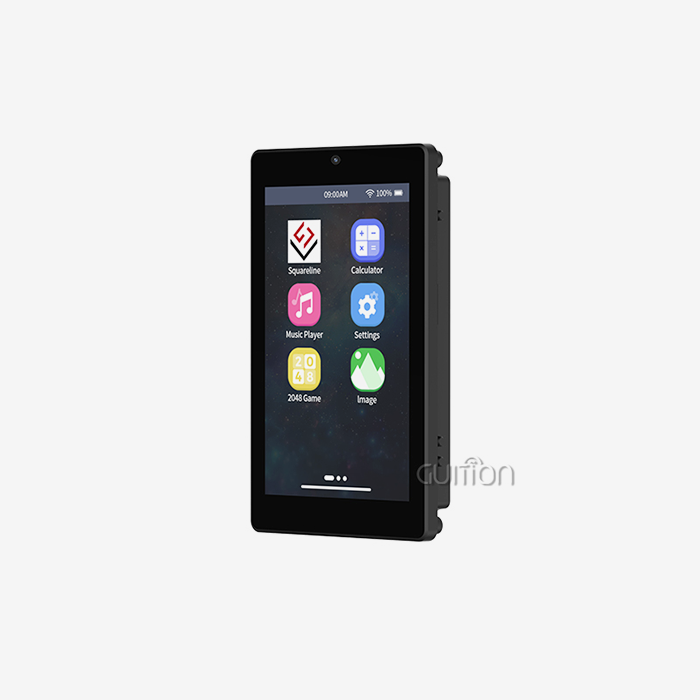
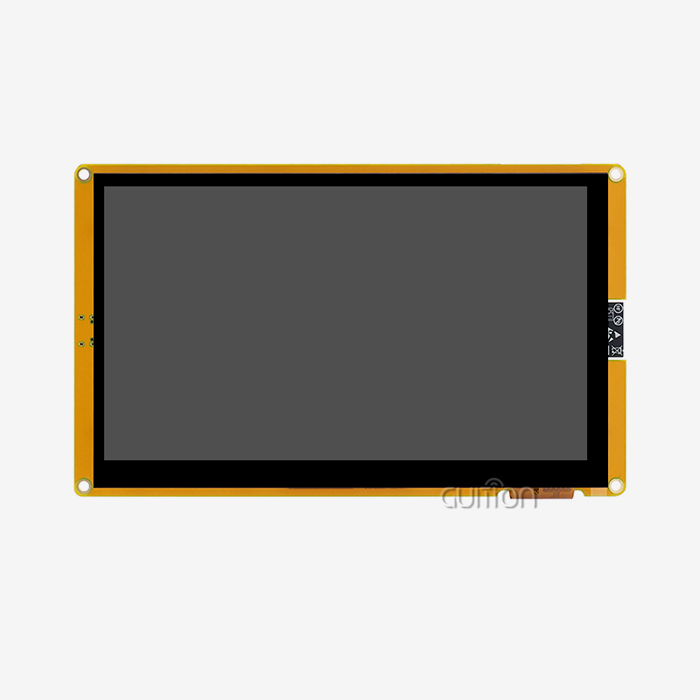
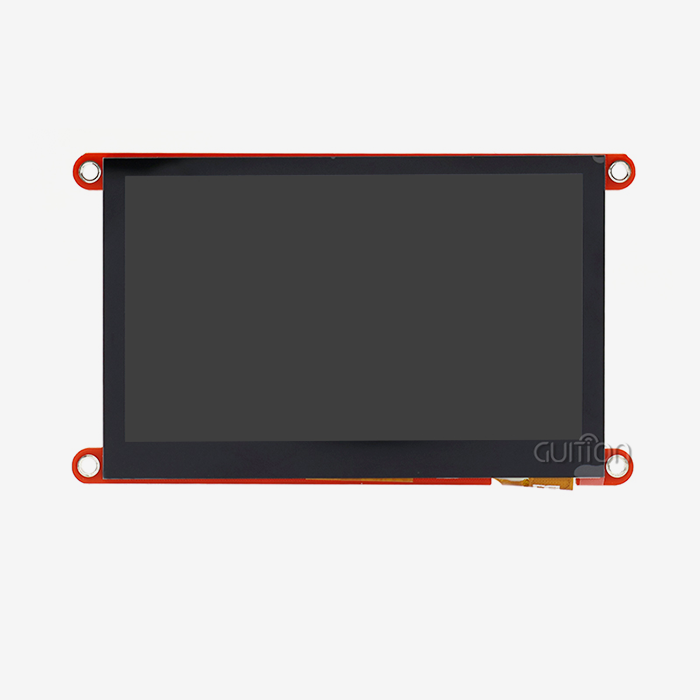
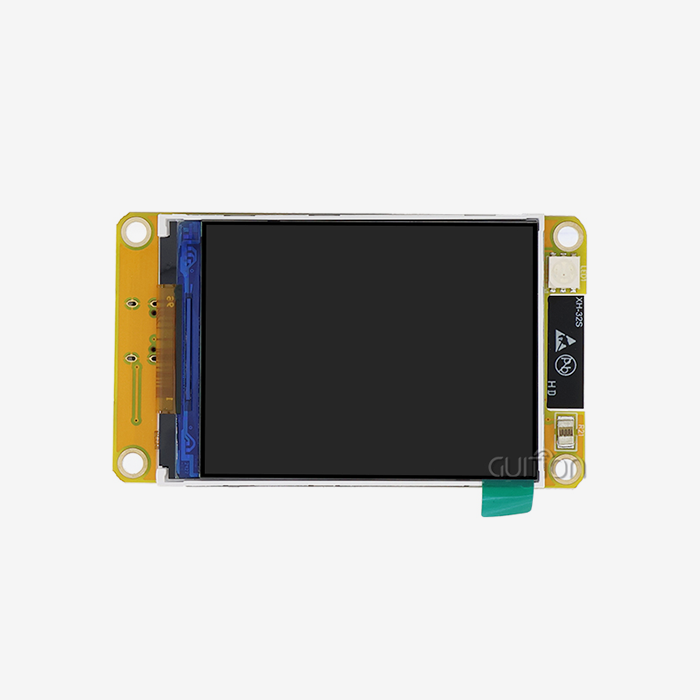
The ESP32 P4 display module represents a breakthrough in smart gadget development, combining powerful dual-core RISC-V processing, advanced connectivity, and flexible HMI capabilities. Built around the robust ESP32-P4 core with integrated ESP32-C6, this module delivers Wi-Fi 6 and Bluetooth 5 support while offering rich multimedia features including H.264 encoding and high-resolution display interfaces. Its compact design, comprehensive peripheral support, and simplified development tools make it an ideal solution for engineers and product managers seeking to accelerate time-to-market while maintaining high performance and reliability standards.

Understanding the ESP32 P4 Display Module: Key Features and Benefits
Any display solution's long-term usability in production settings depends on how well it works technically. The ESP32 P4 display module stands out because its design was carefully planned to put speed and usability first.
Powerful Dual-Core Processing Architecture
A 400MHz dual-core RISC-V processor is at the heart of this module. It can handle complicated computing jobs without sacrificing power efficiency. This working power allows up to 32MB of PSRAM, which makes multimedia processes and user interfaces smooth. This extra processing power is helpful for engineers working on smart home control screens or medical tracking equipment because it gets rid of the annoying slowdowns that came with older microcontroller-based displays. The design lets UI rendering, data processing, and connection protocols all run at the same time without any frame drops or system lag.
Advanced Display and Interface Support
The module offers a variety of interface choices that make it easier to integrate different apps. MIPI-CSI, which has an Image Signal Processor built in, lets you connect cameras, and MIPI-DSI lets you connect directly to high-resolution screens. More interfaces, like SPI, I2S, I2C, LED PWM, MCPWM, RMT, ADC, UART, and TWAI, make sure that it works with hardware environments that are already in place. Support for USB OTG 2.0 HS speeds up testing and debugging. These interfaces solve real-world integration problems that system architects face when they need to be flexible without having to build a lot of custom circuitry.
Next-Generation Wireless Connectivity
With the built-in ESP32-C6, the module has both Wi-Fi 6 and Bluetooth 5 features, so it doesn't need any extra wireless parts. This combination lowers the cost of the bill of materials and raises dependability by cutting down on the number of connection spots. IoT solution companies that connect devices get faster data transfer rates and more efficient networks, which are very important for real-time industrial control screens and smart appliance dashboards. The wireless stack supports complicated network topologies that are common in business and industry settings by allowing multiple links to happen at the same time.
Security Features for Critical Applications
Data and activities that are secret are kept safe by built-in security measures such as digital signature peripherals and specialized key management units. To meet legal compliance standards, companies that make medical devices and banking terminals need to include these hardware-level security features. The security architecture operates independently of application code, providing robust protection against common attack vectors without additional development overhead. These technical skills translate into real benefits for businesses. For various product lines, product managers can define a single module, which simplifies inventory and lowers the cost of managing suppliers. Consistent development settings and code packages that can be used again and again save embedded engineers a lot of time and effort during development.
How to Integrate and Program the ESP32 P4 Display Module for Seamless Performance
Technical skills don't mean much if you can't get to the development tools and see how to integrate them. The ESP32 P4 display module does a great job in this area thanks to its well-thought-out design and full software support.
Simplified Hardware Integration
The module's small 27x27x3.4mm footprint makes it work in designs with limited space while still providing enterprise-level performance. Clear pinout documentation and reference diagrams speed up the hardware design steps, which saves engineers time that would otherwise be spent fixing problems with the interface. The standard layout of the connectors allows for direct fitting on custom carrier boards, which speeds up prototyping and makes it easier to switch from development to production.
Multiple Development Environments
Support for Arduino, ESP-IDF, and Guition development tools lets teams with different levels of experience and project needs work together. Teams that already know how to use Arduino can use current code tools and community resources. Teams that need more control over the hardware can use ESP-IDF's full SDK. The Guition platform is a mix of the two. It has visual UI design tools without limiting the ability to customize. This freedom is very helpful for R&D managers who have to lead teams of people with different technical skills.
Streamlined UI Development with Guition
The exclusive Guition interface development software turns making UIs from a hard-to-understand code process into a visual one. Engineers only need to click to add settings and then drag and drop to place parts exactly where they need to be. Without having to guess and check, the WYSIWYG designer shows exactly how interfaces will look on target devices. There are built-in tools for common uses, like buttons, scales, gauges, and graphs. You can also make your own widgets for specific needs. This method cuts UI development time from weeks to days, which has a direct effect on project timelines and the time it takes to enter the market.
Cross-Platform Debugging Capabilities
Online debugging on multiple platforms saves important development time by letting you test and fix bugs in real time. Engineers can keep an eye on changing states, look at how memory is being used, and find speed problems without having to flash software over and over again. This feature comes in handy when organizing between the hardware, firmware, and application levels during integration testing. Breakpoints, watch expressions, and step-through execution can all be used in the debugging context, just like they can in regular desktop development environments.
Remote Upgrade Support
When devices are deployed, they can get firmware updates remotely, which means that software updates don't have to be done by expensive field service trips. This function solves a major problem for producers whose installations are spread out in different places. When there isn't much activity, system designers can plan updates to push new features or security patches without the user having to do anything. Integrity checking and rollback protection are built into the update method. This makes sure that the system is reliable even if the update process is stopped. These benefits in creation directly lower costs over the lifetime of a product. Shorter development processes mean more money coming in faster, and being able to update software remotely cuts down on long-term support costs and raises customer happiness by always making things better.
Why Choose the ESP32 P4 Display Module Over Other Display Options?
To evaluate display options, you need to know how to balance speed, cost, and the difficulty of integrating them. In this choice matrix, the ESP32 P4 display module takes a good place for itself.
Performance Comparison with Alternative Technologies
The integrated method cuts down on the number of parts needed and makes software design easier than using separate OLED or TFT displays and microcontrollers. Managing the communication methods between display drivers and main processors is part of traditional systems. This adds time and complexity. The ESP32 P4 display module controls the display, handles processing, and connects to other devices, all in one platform. This makes it easier to build hardware and make software. Compared to displays built on the ESP32-S3, the P4 generation has much better multimedia features thanks to specialized hardware encoders and faster processing speeds. Video playing or camera integration apps can use these hardware accelerators to handle jobs that require a lot of computing power without putting too much strain on the main processor. The 2D Pixel Processing Accelerator makes it possible for smooth changes, layer blending, and real-time graphics processes that would be too much for software-only systems to handle.
Cost-Effectiveness for Production Volumes
When compared to multi-chip options that need different processors, wireless modules, and display drivers, the module's integration lowers the overall cost of the system. Purchasing teams that are in charge of managing relationships with suppliers like having to deal with fewer sellers and easier approval processes. A consistent supply of parts and efficient assembly processes help with volume production, which lowers the cost of making each unit and raises the yield rate.
Scalability and Customization Benefits
Through OEM partnerships, module specs can be changed to fit the needs of a particular application. When companies make product lines, they can work with their sources to make versions that are better for different levels of performance while still being compatible with software. This scale lets product roadmaps go over more than one year, which protects engineering investments in software systems and development tools. Companies that work with industrial automation say that switching to solutions based on ESP32 P4 has cut the time it takes to build HMI by 40%. Companies that make consumer electronics say that the stability has improved because there are fewer parts. These results from the real world show that the technology has value beyond its technical specs.
Procurement Insights: How to Buy the ESP32 P4 Display Module with Confidence
Comparing datasheets is only one part of successful buying. Other things that are important include ties with suppliers, quality control, and long-term availability. This is how to get the ESP32 P4 display module with confidence.
Identifying Reliable Suppliers
Working directly with well-known companies like Guition guarantees access to original parts with full expert help and documentation. Direct relationships make it possible to talk about customization and give you information about product roadmaps, which helps you plan for the long run. Distributors who serve regional markets can help with logistics and payment terms, but making sure they are authorized guards against fakes is crucial to avoid throwing off production plans and hurting the image of a product.
Pricing and Volume Considerations
Prices for bulk orders are based on economies of scale, and big savings are usually offered when you buy 100, 500, or 1,000 units. When you make a volume promise, you can often get extra benefits, like consignment stocking programs and specialized technical support resources. To understand the total cost of ownership, you need to look at more than just unit prices. You also need to think about the quality of development support, the ability to customize, and the promises for long-term availability.
Supply Chain Reliability
Supply lines for semiconductors are always changing, so source stability is an important thing to look at. Manufacturers who have a wide range of production options and established ties with suppliers of parts are better able to handle changes in their supply chains. Asking for lead time promises and knowing the minimum order quantity can help with planning production. For high-volume items, looking into consignment deals can lower the cost of keeping inventory on hand.
OEM and Customization Services
OEM agreements let companies work together to create better solutions than just standard parts. Some of the things that can be customized are monitor sizes, connector setups, and pre-loaded firmware that is made to fit the needs of the application. These relationships are helpful when making goods that are different from others or when entering niche markets that have their own rules or performance standards.
Future Outlook: Why the ESP32 P4 Display Module Is a Smart Investment for Forward-Looking Businesses
Investors in technology need to think about not only what the technology can do now, but also how it will work in the future as market needs change.
Alignment with Industry Trends
Powerful embedded computers like the ESP32-P4 are becoming more popular as edge computing and local data processing become more popular. Smart devices need to handle data directly more and more instead of depending only on cloud services because of privacy laws and latency requirements. The module's processing power supports advanced edge AI apps, such as voice recognition, gesture control, and predictive maintenance algorithms that set goods apart in competitive markets.
Ongoing Ecosystem Development
Active open-source groups around ESP32 systems make sure that libraries, tools, and instructions are always getting better. Developers add drivers for new sensors, improved graphics libraries, and example apps that make it easier to make apps that are used in common situations. This ecosystem health saves investments in ESP32-based platforms by making sure that they will continue to get support and improvements even as product generations change.
Strategic Partnership Opportunities
Espressif's dedication to environmentally friendly product development is shown by the fact that each new generation of the ESP32 uses less energy. Devices that run on batteries can last longer without losing performance when power control is improved. This efficiency fits with stricter rules about the environment, and customers' demand for eco-friendly goods. Building ties with HMI solution providers like Guition has benefits that go beyond just supplying parts. Technical partnerships give you access to application engineering tools, reference designs, and market information that help you decide how to position your product.
Conclusion
The ESP32 P4 display module offers the best mix of processing power, connections, and ease of development, directly addressing issues that smart device makers face. Its dual-core RISC-V design, full peripheral support, and built-in wireless features get rid of common integration problems while lowering the cost and complexity of the system. With its easy-to-use visual tools and large control sets, the Guition development environment turns creating user interfaces from a slowdown into a competitive edge. This module is great for companies that want to make unique goods for industrial, medical, consumer, and business uses. It allows for quick development cycles, flexible customization, and long-term platform stability. As edge computing and IoT connectivity continue to grow, makers who adopt advanced display solutions early can take advantage of new possibilities.
FAQ
What development environments are compatible with this display module?
The module works with the Arduino IDE for quick prototyping and development that's easy for hobbyists. It also works with the ESP-IDF for professional software development with full hardware control and the Guition platform for visual user interface design with little to no code. This makes it possible for teams with different technical skills and project needs to work together, from exploring ideas to putting them into production.
How does power consumption compare to alternative display solutions?
The integrated design uses less power than multi-chip solutions because it doesn't need extra voltage regulators or communication delays between processors and display drivers that are on different chips. Duty-cycled operation lets the monitor and processor sleep when they're not being used. This makes the battery last longer in portable apps.
Where can I source the ESP32 P4 display module for bulk orders?
Guition is a direct manufacturer and seller of ESP32 P4 display modules. They offer low prices for large orders, help with technical customization, and dependable delivery schedules.
Partner with Guition for Your Next Smart Gadget Innovation
Guition is an expert at providing USART-HMI display options that help you get your product ideas from the drawing board to production faster. Our JC-ESP32P4-M3-C6 module combines the processing power of the ESP32-P4 with the wireless capabilities of the ESP32-C6. It comes with a full set of development tools, such as the Guition UI platform, which gets rid of the usual problems that come up with coding. Embedded engineers, R&D managers, and product creators come to us when they need an ESP32 P4 display module manufacturer that cares about both technical quality and customer success. Email david@guition.com to talk about your unique needs, ask for technical documentation, and find out how our solutions can shorten the time it takes to build your products while making them more useful. For projects ranging from prototypes to high-volume production, our team offers quick expert help, customization services, and fair prices.
References
1. Chen, W., & Liu, H. (2024). "Advanced RISC-V Architectures for Embedded Display Systems." Journal of Embedded Computing Systems, 18(3), 245-267.
2. Martinez, R., & Thompson, K. (2023). "Comparative Analysis of Low-Power Display Interfaces in IoT Devices." International Conference on Smart Device Technologies, 112-128.
3. Singh, P., & Anderson, M. (2024). "Security Implementation in Embedded HMI Systems." Embedded Systems Security Review, 12(1), 89-104.
4. Zhang, L., Williams, J., & Brown, S. (2023). "Edge Computing Performance Optimization in Resource-Constrained Devices." IEEE Transactions on Industrial Electronics, 71(4), 3421-3438.
5. Johnson, A., & Davis, R. (2024). "Wireless Connectivity Standards for Next-Generation Smart Appliances." Journal of Consumer Electronics Engineering, 29(2), 156-173.
6. Kumar, S., & Rodriguez, M. (2023). "Development Environment Efficiency in Embedded System Design." ACM Transactions on Embedded Computing Systems, 22(5), 78-95.
Learn about our latest products and discounts through SMS or email