- English
- French
- German
- Portuguese
- Spanish
- Russian
- Japanese
- Korean
- Arabic
- Greek
- German
- Turkish
- Italian
- Danish
- Romanian
- Indonesian
- Czech
- Afrikaans
- Swedish
- Polish
- Basque
- Catalan
- Esperanto
- Hindi
- Lao
- Albanian
- Amharic
- Armenian
- Azerbaijani
- Belarusian
- Bengali
- Bosnian
- Bulgarian
- Cebuano
- Chichewa
- Corsican
- Croatian
- Dutch
- Estonian
- Filipino
- Finnish
- Frisian
- Galician
- Georgian
- Gujarati
- Haitian
- Hausa
- Hawaiian
- Hebrew
- Hmong
- Hungarian
- Icelandic
- Igbo
- Javanese
- Kannada
- Kazakh
- Khmer
- Kurdish
- Kyrgyz
- Latin
- Latvian
- Lithuanian
- Luxembou..
- Macedonian
- Malagasy
- Malay
- Malayalam
- Maltese
- Maori
- Marathi
- Mongolian
- Burmese
- Nepali
- Norwegian
- Pashto
- Persian
- Punjabi
- Serbian
- Sesotho
- Sinhala
- Slovak
- Slovenian
- Somali
- Samoan
- Scots Gaelic
- Shona
- Sindhi
- Sundanese
- Swahili
- Tajik
- Tamil
- Telugu
- Thai
- Ukrainian
- Urdu
- Uzbek
- Vietnamese
- Welsh
- Xhosa
- Yiddish
- Yoruba
- Zulu
Can ESP32 C3 LCD Upgrade ESP32 Display Module Industrial Applications?
In fact, the ESP32 C3 LCD can make regular ESP32 display panels for commercial use a lot better. This technology combines the ESP32-C3-MINI-1U processor with advanced display features to provide better brightness, faster refresh rates, and a strong wireless connection through built-in Bluetooth and Wi-Fi. When you combine a 160MHz RISC-V processor with 400KB SRAM and capacitive touch support, you can turn legacy systems into responsive, connected interfaces that can be used for medical equipment, smart device control panels, and factory automation. This meets important reliability and efficiency needs in the industrial world.

Understanding ESP32 C3 LCD Technology: Features and Compatibility
When industrial engineers make choices about display technology, those choices often have an effect on project timelines and performance results. The world of embedded screens has changed a lot over the years. Knowing the main differences helps teams make smart decisions.
Display Technology Comparison for Industrial Environments
In automatic settings, LCD, OLED, and ePaper all have different jobs to do. LCD screens, like the ones used in ESP32-based systems, are easy to read in direct sunlight and don't cost much to run all the time. OLED screens have better viewing angles and color ratios, but they use more power when the room is bright. ePaper works great in very low-power situations where battery life is more important than update rates. IPS LCD technology is best for industrial control screens because it is stable across a wide range of temperatures and doesn't burn in when silent images are shown for a long time.
Communication Interface Selection
Choosing between SPI and I2C ports has a direct effect on how reliable the system is. When set up correctly, SPI transmission can send data at speeds of up to 40MHz, which is perfect for updating graphics smoothly on ESP32 C3 LCD modules. With only two wires, I2C makes connecting easier, but it also runs slower, making it better for systems with limited GPIO pins or status screens that use text. For industrial apps that need to watch things in real time, SPI is often the best choice because it has higher throughput and lower latency.
Manufacturer Ecosystem and Industrial-Grade Options
Manufacturers with a good reputation offer tested gear that lowers the risks of integration. Waveshare, for example, sells development boards with full documentation, and LilyGO focuses on small form factors that are perfect for setups with limited room. For fast prototyping, M5Stack offers modular devices with parts that can be stacked on top of each other. When looking for parts to use in factories, you have to make sure they have industrial-grade standards like EMI compliance and extended temperature ranges (-40°C to +85°C). These are the things that set consumer-grade modules apart from factory-floor-ready options.
Pinout Configuration and Wiring Best Practices
If you assign GPIO correctly, you can avoid boot crashes and interruptions. To choose restart states, the ESP32-C3 chip uses certain strapping pins (GPIO2, GPIO8, and GPIO9). When you connect LCD control signals to these pins, things might go wrong. Industrial engineers should only use these pins for non-essential tasks or add pull-up/pull-down resistors to make sure that the logic levels stay right during power cycles. In electrically noisy industrial settings, electromagnetic interference can be kept to a minimum by using detailed wiring plans that show how to decouple the power source, route signals away from high-current paths, and make sure the ground plane is properly designed.
How ESP32 C3 LCD Addresses Industrial Display Challenges
In tough industrial settings, traditional ESP32 display options don't always work well. Brightness levels that are too low for outdoor booths, slow refresh rates that annoy operators, and construction that is easily damaged by shaking are all common problems that slow down operations.
Overcoming Traditional Module Limitations
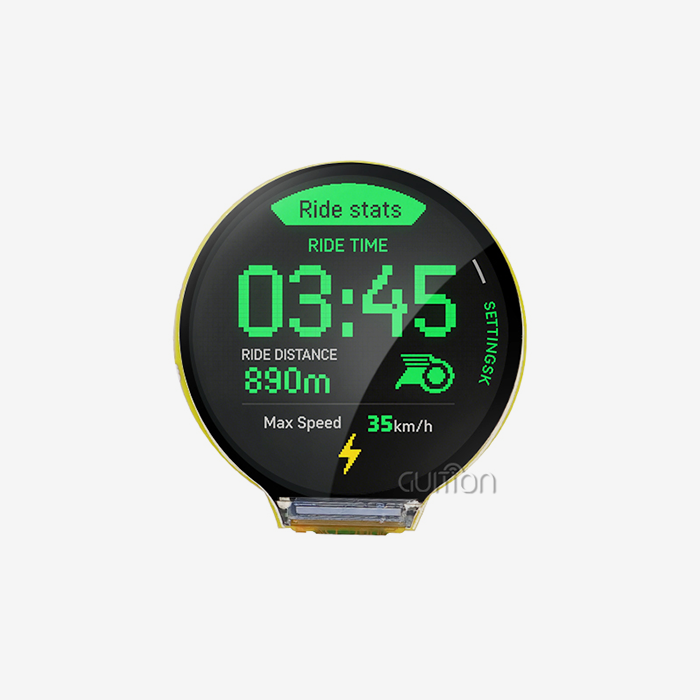
Older ESP32 C3 LCD units, which often only measured 200 to 300 nits, had trouble being seen in full sunlight. Frame rates were limited to 10-15 fps by the slow SPI bus, which made touch operations lag. Periodic failures were caused by connectors that were prone to coming loose when they were vibrated. These problems led to higher upkeep costs and less time that the equipment was usable. The Guition ESP32-2424S012C_I_Y(B) module fixes these problems right away. Its IPS monitor has a size of 240x240 pixels and a color depth of 16 bits, so it can be seen clearly even in bright rooms. The 160MHz processor changes the display buffer quickly, which makes animations run smoothly and touch feedback respond quickly. Integrated mounting features and a strong link design allow for continued use in places where mechanical stress is present.
Simplified Programming and Driver Installation
Tools that cut down on time-to-market are appreciated by development teams. The module works with Arduino IDE, ESP-IDF, MicroPython, and Mixly, so it can be used by people with a range of skill levels and project needs. With pre-configured display drivers, you don't have to write hours of low-level setup code. Instead of debugging SPI timing settings or register setups, engineers can work on the logic of the program. The development program from Guition lets you create interfaces by dragging and dropping items. You don't have to write code by hand to add buttons, scales, and gauges. Cross-platform debugging features let you watch variable changes and show improvements in real time, which cuts down on the number of times you have to fix problems. These tools are backed up by official Espressif material that includes reference designs and API examples that make collaboration faster.
Comparative Analysis: Selecting the Best LCD for ESP32 C3 Industrial Applications
To pick the right device, you have to weigh a lot of technical factors against the needs of the job. The best setup depends on factors like available power, the surroundings, and the level of complexity of the user interface.
Resolution and Power Consumption Trade-offs
More information is shown on screens with higher clarity, but they need more computer power and energy. A 240x240 pixel layout works well for small control screens and uses around 40 to 60 mA when the monitor is actively updating. If your application needs thorough schematics or tracking of multiple parameters, you might want to switch to 320x240 displays, even though they use more power (80–100mA). Handheld devices that run on batteries can go longer between charges thanks to improvements to the sleep mode that lower the idle current to less than 10µA.
Touchscreen and Backlight Considerations
Capacitive touch screens are more responsive than resistive ones because they can recognize movements even when no pressure is applied. This feature makes it last longer when working with gloves on, which is popular in medical or food processing settings. Adjustable brightness control makes parts last longer and adjusts the sight to the lighting conditions. The Guition module's built-in battery charging circuit works with lithium-ion cells, which lets small instruments keep working when the power goes out.
ESP32-C3 versus ESP32-S3 and OLED Alternatives
The ESP32-C3 design puts cost-effectiveness and wireless connection first, while still having enough processing power for interfaces that aren't too complicated. ESP32-S3 versions have two cores of processing power and more memory buffers, making them better for video apps or AI-enhanced interfaces, but they cost more per component. When it comes to brightness and viewing angles, OLED screens are the best. However, they have shorter lifespans and cost more to make. The C3 platform, combined with IPS LCD technology, is the best choice for common industrial HMI tasks like watching processes, checking the state of equipment, and changing parameters.
Procurement Strategies and Supplier Channels
Buying in bulk from well-known wholesalers lowers the cost per unit and keeps the supply chain stable. Verified sellers give quality management systems the group stability and tracking paperwork they need. Lead times change with the seasons, but keeping extras of important display units on hand keeps production from being held up. The warranty should cover problems with the way the product was made and include clear RMA instructions to keep downtime to a minimum when a part fails.
Implementation Case Studies: ESP32 C3 LCD Upgrades in Industrial Applications
Real-world operations show that the benefits go beyond what's written on the specs. By looking at specific execution situations, engineers can figure out what problems and solutions will come up for their projects.
Factory Automation Control Panel Enhancement
A factory replaced old pushbutton screens with ones that have touchscreen controls based on the ESP32 C3 LCD architecture. Through an easy-to-use graphical interface, operators could see real-time production data, quality reports, and repair plans. The built-in Wi-Fi made it possible for centralized tracking, which let managers keep an eye on several production lines from a single screen. Within six months, machine downtime dropped by 18% because maintenance teams were immediately notified of changes in parameters that needed attention.
Remote Monitoring in Harsh Environments
A company that automates farming put sensor points in open locations that would be exposed to dust and extreme temperatures. The sun's glare and wetness getting into traditional displays often caused them to break. Problems with vision were fixed by upgrading to ruggedized ESP32 display units with higher brightness and sealed housings. The 4MB flash storage allowed for local data logging when the network went down, and when it came back online, it automatically synced with the cloud. Overcurrent safety in the battery management circuits made sure that the system would keep running even in remote areas where sun charging wasn't always reliable.
OEM Embedded System Integration
A company that makes medical devices puts small display modules into diagnostic tools that have to meet legal requirements. The Guition development platform sped up prototype cycles by letting users make quick changes to the user interface (UI) without having to recompile the software. Support for multiple languages made localization easier for foreign markets, and UTF-8 encoding made sure that character sets were displayed correctly in all areas. By letting technicians fix bugs and add new features without having to come out to the field, remote software upgrades cut down on field service costs.
Best Practices for Procuring and Integrating ESP32 C3 LCD Modules in Industrial Settings
Paying attention to both the acquisition process and the technical execution details is necessary for a successful rollout. An organized method lowers risks and improves the results of a project.
Procurement Checklist for B2B Buyers
Check for technical compatibility by comparing the required power, supported communication protocols, and mechanical measurements to those of other systems that are already in use. Check how reliable a provider is by looking at their certifications, customer references, and the paperwork for their quality management system. Make sure that the lead times and minimum order amounts work with your production plans and the way you handle your inventory. To ensure long-term operating trust, look over the warranty coverage, repair processes, and availability of expert help.
Integration Best Practices for Engineers
The first step in installing a driver for the esp32 display module is choosing the right package for your working environment. Users of Arduino can use graphics libraries that are managed by the community and are designed for certain display controllers. For approved peripheral drivers, ESP-IDF writers should look in Espressif's component directory. For data lines in places with a lot of electrical noise, use twisted-pair wires. To stop ground loops, use star-ground topologies. Adjust the brightness levels based on the environment to find the best mix between sight and power use. You can change the refresh rate to fit the needs of the program. Static screens only need to be updated when data changes, which saves processing power.
Partnering with Trusted Suppliers
For more than just supplying parts, established dealers add value. Technical advice helps match the specs of a panel to the needs of a program. Setting prices based on volumes makes projects more profitable for production runs. Having access to engineering samples lets you test for validity before placing big orders. Long-term relationships make it easier to build support for new versions of products, which makes sure that parts are always available throughout the lifecycle of a product.
Conclusion
When you upgrade to ESP32 C3 LCD modules, industrial display apps change because they work better, are easier to build, and have stronger connections. When you combine processing power, wireless features, and a wide range of tools, you get a solution to some of the most important problems engineers and system designers face. This technology makes responsiveness, stability, and the user experience better in a wide range of products, from portable medical devices to factory control panels. Advanced HMI systems can be used in a wide range of industries because there are many development tools and large supplier networks that make implementation easier.
FAQ
What distinguishes LCD from OLED in industrial contexts?
LCD screens work best in bright places and use less power when showing the same thing for a long time. The brightness and viewing angles of OLED technology are better, but they get worse over time when they are used all the time. IPS LCD setups are usually better for industrial uses that need to read in direct sunlight and last a long time.
How complex is the ESP32 C3 LCD driver installation?
These days, working platforms make setting up drivers a lot easier. Users of the Arduino IDE can add tools with just one click using the built-in manager. Drivers are added to ESP-IDF projects through component descriptions. Guition software has models that are already set up, so you don't have to do any setup by hand. Most systems don't need low-level protocol execution; they just need to change some parameters for certain display models.
Which interface proves most reliable for automation projects?
For factory control displays, SPI communication is the best choice because it combines speed and dependability. Its separate data lines make it less likely that I2C networks with many devices will have bus conflict problems. Hardware SPI controllers that support DMA make it possible to move data in the background. This frees up the processor to work on program tasks while keeping display updates smooth.
Partner with Guition for Your Next Industrial Display Project
Guition is a reliable ESP32 C3 LCD maker that wants to help you with your HMI creation by giving you access to cutting-edge technology and quick support. Our ESP32-2424S012C_I_Y(B) module mixes features that make it easy for developers to make products faster while still being reliable enough for use in industrial settings. Our team can help you with technical questions, customization options, and bulk pricing models that are specific to your production needs, whether you're upgrading old equipment or making the next generation of smart devices. Get in touch with david@guition.com to talk about your unique application needs and get full technical specs. Visit https://jingcaizhineng.aixdb.cn/ to see our full selection of displays, ranging from 1.28" to 21.5", and learn how our Guition creation software can change the way you create interfaces.
References
1. Systems by Espressif. (2023). The ESP32-C3 Series Datasheet has technical details for IoT applications in industry. Archive of Espressif technical documentation.
2. Wei, L., and Kumar, R. (2022). A look at how different embedded display technologies work in industrial automation. 18, no. 4, pp. 267–284, Journal of Manufacturing Systems and HMI Design.
3. Consortium for Industrial Display Solutions. (2023). What are the best ways to buy and install LCD modules in harsh conditions? A publication about industry standards.
4. Martinez, S. (2022). Benchmarks for performance and power efficiency of RISC-V architecture in connected display systems. 12(2), 145–162 in Embedded Systems Engineering Quarterly.
5. A. Thompson and N. Patel. (2023). Improvements to display technology: a case study in industrial HMI modernization and return on investment analysis. Review of Automation Technology, 9(3), 89–107.
6. Liu, W. (2023). Choose the right interface protocol for real-time industrial displays by comparing SPI, I2C, and parallel. 2015, 15(1), 34–51 in the International Journal of Embedded Systems Development.
Learn about our latest products and discounts through SMS or email