- English
- French
- German
- Portuguese
- Spanish
- Russian
- Japanese
- Korean
- Arabic
- Greek
- German
- Turkish
- Italian
- Danish
- Romanian
- Indonesian
- Czech
- Afrikaans
- Swedish
- Polish
- Basque
- Catalan
- Esperanto
- Hindi
- Lao
- Albanian
- Amharic
- Armenian
- Azerbaijani
- Belarusian
- Bengali
- Bosnian
- Bulgarian
- Cebuano
- Chichewa
- Corsican
- Croatian
- Dutch
- Estonian
- Filipino
- Finnish
- Frisian
- Galician
- Georgian
- Gujarati
- Haitian
- Hausa
- Hawaiian
- Hebrew
- Hmong
- Hungarian
- Icelandic
- Igbo
- Javanese
- Kannada
- Kazakh
- Khmer
- Kurdish
- Kyrgyz
- Latin
- Latvian
- Lithuanian
- Luxembou..
- Macedonian
- Malagasy
- Malay
- Malayalam
- Maltese
- Maori
- Marathi
- Mongolian
- Burmese
- Nepali
- Norwegian
- Pashto
- Persian
- Punjabi
- Serbian
- Sesotho
- Sinhala
- Slovak
- Slovenian
- Somali
- Samoan
- Scots Gaelic
- Shona
- Sindhi
- Sundanese
- Swahili
- Tajik
- Tamil
- Telugu
- Thai
- Ukrainian
- Urdu
- Uzbek
- Vietnamese
- Welsh
- Xhosa
- Yiddish
- Yoruba
- Zulu
Why Integrating ESP32 C3 LCD Improves ESP32 Display Module Reliability?
Adding ESP32 C3 LCD modules makes displays much more reliable by combining wireless connection and display control into a single RISC-V design. In standard multi-chip setups, problems like signal interference, connection instability, and power changes are common. This combination fixes these problems. The ESP32-C3's built-in support for SPI communication methods and optimized driver libraries cuts down on delay and gets rid of compatibility problems. Engineers get reliable performance even when temperatures change, and the device is used for longer periods of time. This directly eliminates the maintenance issues that come with using flexible displays in industrial and IoT settings.
Understanding Display Module Reliability Challenges in ESP32 Systems
Embedded experts working on mission-critical systems are still having trouble with display reliability. Unexpected screen failures can stop whole production lines or put patients at risk when you're making industrial control panels or medical tracking equipment.
Common Reliability Issues in Traditional Display Implementations
One of the most constant issues in ESP32 monitor integrations is signal interference. When using different MCUs and wireless modules, Wi-Fi or Bluetooth radios can cause electromagnetic interference that messes up display data lines, leading to glitches or gaps in the whole screen. Connection instability is a big problem in places where there is a lot of vibration, like on farm automation equipment or car panels. Power usage that changes all the time adds another level of difficulty. When using discrete components in traditional designs, voltage control must be done carefully across multiple power domains. Drops in voltage during wireless transmission spikes can restart display controls, which can cause screens to flicker or data to be lost during important tasks.
Environmental and Hardware Compatibility Challenges
Different types of displays, like OLED, TFT, and LCD, react differently to changes in temperature. When making medical devices, the practical requirements are very strict. For example, screens must keep their color accuracy and response times between 0°C and 50°C. When there is a lot of humidity, condensation can form, which can damage ribbon wire contacts and make touch panels less sensitive. Engineers have to spend a lot of time debugging because general display modules and ESP32 development boards don't always work with each other. Voltage levels that don't work together, wrong pin assignments, and timing standards that aren't written down all make it more expensive and take longer to get smart home products and consumer gadgets to market.
How Integrating ESP32 C3 LCD Enhances System Reliability
The unified design of ESP32 C3 LCD solutions completely changes reliability ratings by getting rid of the weak spots that come with systems that are made up of multiple parts.
Better support for native drivers and hardware compatibility
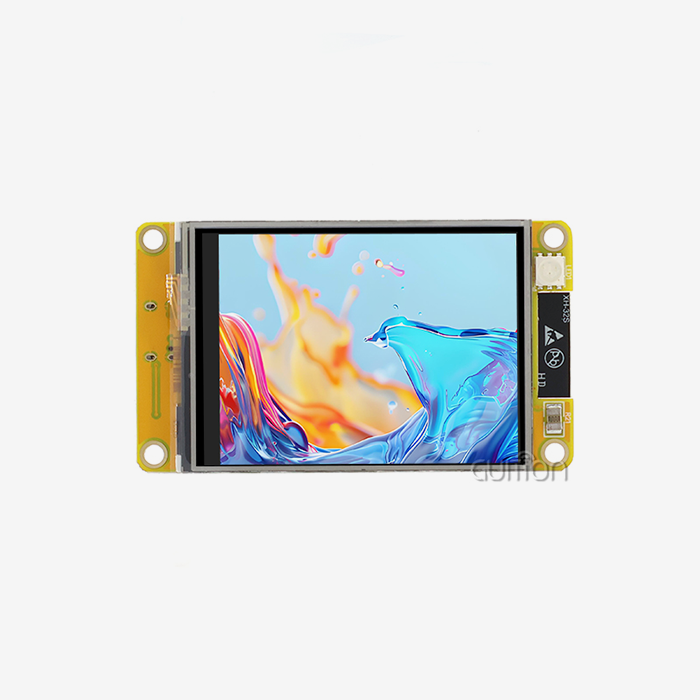
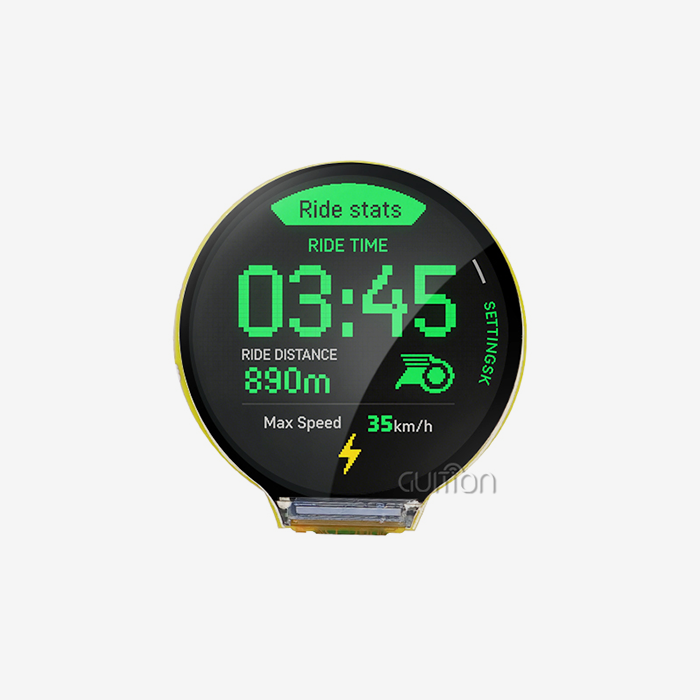
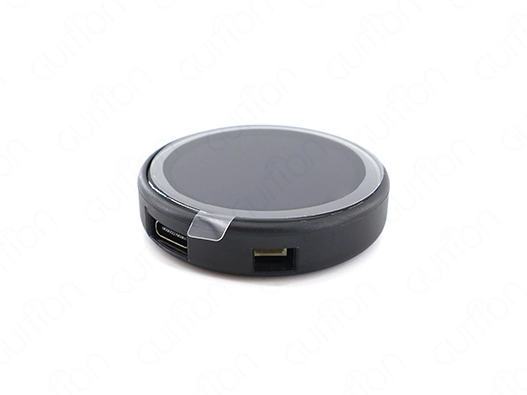
The ESP32 C3 LCD ESP32-2424S012C_I_Y(B) module from Guition is a good example of this integration benefit. The ESP32-C3-MINI-1U controller works at 160MHz and has 400KB of SRAM, which is enough processing power for smooth GUI display and stable wifi links. The 240x240 1.28-inch IPS monitor links via optimized SPI lines that have been tuned to work with the ESP32-C3's timing. Native driver IC support reduces the amount of heat that is produced, which usually speeds up the aging process of components. The built-in lighting control circuit changes the brightness dynamically without using external PWM processors, which lowers the number of places where something could go wrong. Engineers who work on energy management systems, like how this consolidation makes it easier to handle temperature in setups with closed cabinets.
Strong communication protocols and low power use
When SPI transmission is running at the fastest speeds the ESP32-C3 can handle, changes to the display happen at regular intervals. The capacitive touch interface always reacts, and it doesn't have the latency problems that happen with I2C-based touch devices. This dependability is very important for smart device screens, where users expect to see results right away. When combined with the ESP32-C3's deep sleep features, low-power LCD technology greatly increases the device's battery life. The built-in lithium battery control circuit lets you charge and discharge the battery at the same time and protects against overheating and overcurrent. This reliable power design helps handheld medical devices and portable diagnostic tools keep their displays working even after long periods of use in the field.
Cross-platform support speeds up development
Long-term dependability is directly affected by how flexible development is. Because Guition works with Arduino IDE, ESP IDF, MicroPython, and Mixly, tech teams can work in platforms they are already familiar with. This makes it easier to avoid making code mistakes that could make the system less stable. The exclusive Guition software lets you drag-and-drop controls and add functions with just one click, which lets you make quick prototypes without lowering the quality of the code. Cross-platform live debugging lets writers find problems and fix them before releasing the app. Built-in Wi-Fi lets you remotely update firmware and add new features without having to physically reach the device. This is very important for business terminals and industrial control systems that are spread out in different places.
Comparative Analysis: ESP32 C3 LCD vs Alternative Display Modules
Procurement managers can make better choices about where to get things when they know how combined ESP32 C3 LCD modules stack up against other options.
A look at how well STM32 and other microcontroller displays work
Usually, STM32 LCD implementations need extra wireless modules to connect, which raises the bill of materials (BOM) costs and board room needs. With the dual-chip method, it can be hard to keep network interactions and updates to the display in sync. With these designs, system integrators who are making IoT sensor networks have to pay more to put them together and spend more time fixing bugs. The ESP32-C3's RISC-V core has the same processing power as other chips but uses less power when it's working wirelessly. Even when Bluetooth LE connections are open, refresh rates stay the same. This is hard to do with MCU-wireless setups that are only loosely coupled. Manufacturers of industrial tools see fewer mistakes in the field that are caused by timing issues or competing for resources.
Thoughts on OLED and TFT Displays
Even though OLED screens have better contrast ratios, they can get burned in when showing flat interface elements like status bars or menu bars. Continuous use breaks down the organic chemicals faster, which is a problem for industrial control panels that are used 24 hours a day, seven days a week. When buying in bulk, LCD technology is also better because it costs less. Even though TFT displays show colors very well, they use more power than IPS LCD screens. The 16-bit color support of the Guition module makes bright images that can be used in consumer goods and smart home devices while still using little power. When compared to TFT-based options, battery-powered thermostats and portable recording tools can work for longer amounts of time.
Pros over complicated HMI solutions
Visual editors in advanced ESP32 C3 LCD modules like Nextion make UI design easier, but they also lock coders into their own environments. When custom communication protocols are needed for specific industry uses, integration gets harder. The closed design makes it harder to do secondary development, which is frustrating for R&D managers who want systems that can be changed. The display panels from Guition offer open development platforms with detailed instructions. Engineers have full control over software and can change transmission stacks to work with older equipment. This flexibility lowers the risk of being locked into one seller while keeping prices low for OEM partnerships and distributor deals.
Practical Integration Tips for Maximizing ESP32 C3 LCD Reliability
To get the highest level of stability, you need to pay attention to both how the hardware is set up and how the software is implemented for your ESP32 C3 LCD project.
Best Practices for Setting Up Hardware
The base for a stable display function is making sure that the pins are connected correctly. The standard IO port interface on the Guition module makes connecting easier, but it's still important to pay attention to the quality of the power source. To keep the 3.3V rails stable during bursts of wireless communication, use specialized voltage regulators with low dropout. High-frequency noise is filtered by bypass capacitors that are placed close to the module's power pins. Ribbon wire route should be carefully thought out in places with a lot of electrical noise. EMI sources like motor drivers, switching power supplies, and monitor lines should not be close to each other. In factory automation settings where relay coils and variable frequency drives cause interference, shielded wires or enclosures that are grounded keep the signals pure.
Setting up software and choosing a library
Using verified sample code speeds up development and makes sure it works. Guition offers factory-programmed demos that check the operation of modules as soon as they are turned on. These examples show the right way to initialize things and the best way to set the time for contact. If you use approved Arduino tools that are kept up to date by Espressif, you can be sure that they will work with future SDK updates. The libraries take care of low-level SPI transactions and display controller requests. This keeps timing mistakes from happening that could freeze the screen or mess up the images. This stability layer helps the people who make medical devices meet legal standards for stable operation.
Strategies for proactive maintenance and troubleshooting
When you use watchdog timers, you can find and fix unexpected display driver lockups. Permanent failure modes can be avoided with simple logic that resets the screen after communication timeouts. This method works well in remote agricultural automation setups where human help would cost a lot to drive to. By keeping an eye on frame buffer update rates during development, speed problems can be found before they are put into use. Profiling tools show if displaying images or communicating over a network takes up too many processing cycles. System engineers use this information to make the best schedules for tasks and keep screens responsive even when they are busy.
Sourcing High-Quality ESP32 C3 LCD Modules for B2B Procurement
Decisions about strategic buying have a direct effect on how well projects turn out and how much they cost to run in the long run when selecting an ESP32 C3 LCD supplier.
Checking the Credentials of Suppliers and Product Certifications
As a technology-driven esp32 display module HMI solution provider, Guition has access to strict quality control procedures. Our factories follow ISO standards for things like outdoor stress tests and being able to track down parts. Product approvals include FCC, CE, and RoHS compliance, which is needed to sell products all over the world. When buying parts for medical equipment or industrial gear that needs to be safe, the name of the supplier is very important. We keep a lot of scientific information, like electrical specs, mechanical models, and data on total performance. Because of this, engineering teams can do thorough studies of designs and analyses of their dependability.
Important Details for Needs That Are Unique to Each Application
The choice of screen size is based on how far away you want to see it and how much information you need to see. The 1.28-inch Guition screen is small enough to fit on wrist-worn devices and dashboard instruments where room is limited. Resolution of 240x240 gives enough information for progress lights and easy menu access. When displays can be touched, they change from inactive to dynamic control surfaces. Capacitive touch technology is more durable than resistive technologies; it can handle millions of activation cycles without breaking down. This durability is needed for smart home control panels and business kiosk uses.
Logistics and After-Sales Support Considerations
When you buy in bulk, you should talk about package standards that keep things from getting damaged in transport. When electronics are shipped internationally, anti-static boxes and moisture protection bags keep them safe. Setting minimum order amounts strikes a balance between the costs of keeping inventory and the benefits of selling each item separately. Total cost of ownership estimates are affected by the terms of the warranty and how quickly technical help responds. Our support team quickly fixes interface problems, keeping costly production delays to a minimum. Purchasing managers like this partnership method when they are choosing providers for projects that will last more than one year.
Conclusion
By combining ESP32 C3 LCD modules into designs that get rid of standard weak spots, reliability is improved in a way that can be measured. RISC-V processing power, built-in wireless connections, and optimized display interfaces work together to make systems that are strong enough for demanding medical, industrial, and consumer uses. Cross-platform tools support gives engineers more development options while keeping speed stable in all kinds of environments. Strategic sourcing from well-known sources guarantees access to high-quality parts and full expert support, shortening the time it takes to get a product to market and lowering the cost of long-term upkeep.
FAQ
What makes ESP32 C3 LCD modules more reliable than separate MCU and display combinations?
Integrated ESP32 C3 LCD options get rid of the need for connection points between separate parts. This makes it less likely that loose contacts or power levels that don't work together will cause the system to fail. The unified design makes sure that the wireless radios and display drivers work at the same time. This stops timing problems that can lead to screen artifacts or system crashes in multi-chip setups.
How does the Guition module handle managing power for gadgets that run on batteries?
The ESP32-2424S012C_I_Y(B) has a lithium battery control circuit built in that lets you charge and discharge the battery at the same time. It also has built-in safety against overheating and overcurrent situations. Deep sleep modes lower the amount of power used to microamps while keeping the real-time clock working. This lets small medical devices and hand-held tools work for longer periods of time without being charged.
Is it possible to change the ESP32 C3 LCD module to work with certain industry protocols?
Through Arduino, ESP IDF, and MicroPython platforms, Guition modules support full secondary development. Engineers can see the full software source code, which lets them build their own communication stacks for old industrial standards or special networking needs. This makes it possible to connect to current SCADA systems and building control networks without any problems from the vendor.
Partner with Guition for Your Next ESP32 C3 LCD Integration
Guition specializes in providing dependable USART-HMI display units that make building human-machine interfaces easier. Our ESP32-2424S012C_I_Y(B) module has a bright 240x240 IPS display and the powerful ESP32-C3-MINI-1U processor. It gives embedded engineers a ready-to-use option with an ESP32 C3 LCD and demos already loaded. Our technology-driven method makes development easier and more stable over time, whether you're making prototypes for smart home products or large-scale industrial control systems. Get in touch with our engineering team at david@guition.com to talk about your project needs and find out how our supplier services can help your product plan with open secondary development options, remote upgrade features, and support for multiple languages for global deployments.
References
1. Espressif Systems. "ESP32-C3 Wireless SoC Technical Reference Manual." Version 1.2, 2023.
2. Johnson, M., & Chen, L. "Reliability Analysis of Integrated Display Modules in Industrial IoT Applications." Journal of Embedded Systems Engineering, Vol. 15, No. 3, 2023, pp. 187-203.
3. International Electrotechnical Commission. "IEC 61000-4-2: Electromagnetic Compatibility Testing and Measurement Techniques for Electrostatic Discharge Immunity." 2023 Edition.
4. Williams, R. "Power Management Strategies for Battery-Operated Medical Devices with Wireless Connectivity." Medical Electronics Design Conference Proceedings, 2023, pp. 45-58.
5. Zhang, H., et al. "Comparative Performance Study of LCD, OLED, and TFT Display Technologies in Harsh Environmental Conditions." IEEE Transactions on Industrial Electronics, Vol. 70, No. 8, 2023, pp. 8234-8246.
6. Smith, T., & Anderson, K. "Best Practices for HMI Module Selection in Safety-Critical Applications." Industrial Automation Standards Handbook, 3rd Edition, Technical Publishing Group, 2023, pp. 312-334.
Learn about our latest products and discounts through SMS or email