- English
- French
- German
- Portuguese
- Spanish
- Russian
- Japanese
- Korean
- Arabic
- Greek
- German
- Turkish
- Italian
- Danish
- Romanian
- Indonesian
- Czech
- Afrikaans
- Swedish
- Polish
- Basque
- Catalan
- Esperanto
- Hindi
- Lao
- Albanian
- Amharic
- Armenian
- Azerbaijani
- Belarusian
- Bengali
- Bosnian
- Bulgarian
- Cebuano
- Chichewa
- Corsican
- Croatian
- Dutch
- Estonian
- Filipino
- Finnish
- Frisian
- Galician
- Georgian
- Gujarati
- Haitian
- Hausa
- Hawaiian
- Hebrew
- Hmong
- Hungarian
- Icelandic
- Igbo
- Javanese
- Kannada
- Kazakh
- Khmer
- Kurdish
- Kyrgyz
- Latin
- Latvian
- Lithuanian
- Luxembou..
- Macedonian
- Malagasy
- Malay
- Malayalam
- Maltese
- Maori
- Marathi
- Mongolian
- Burmese
- Nepali
- Norwegian
- Pashto
- Persian
- Punjabi
- Serbian
- Sesotho
- Sinhala
- Slovak
- Slovenian
- Somali
- Samoan
- Scots Gaelic
- Shona
- Sindhi
- Sundanese
- Swahili
- Tajik
- Tamil
- Telugu
- Thai
- Ukrainian
- Urdu
- Uzbek
- Vietnamese
- Welsh
- Xhosa
- Yiddish
- Yoruba
- Zulu
What Advantages Do 7 Inch TFT LCD Display Modules Bring to Parallel LCDs?
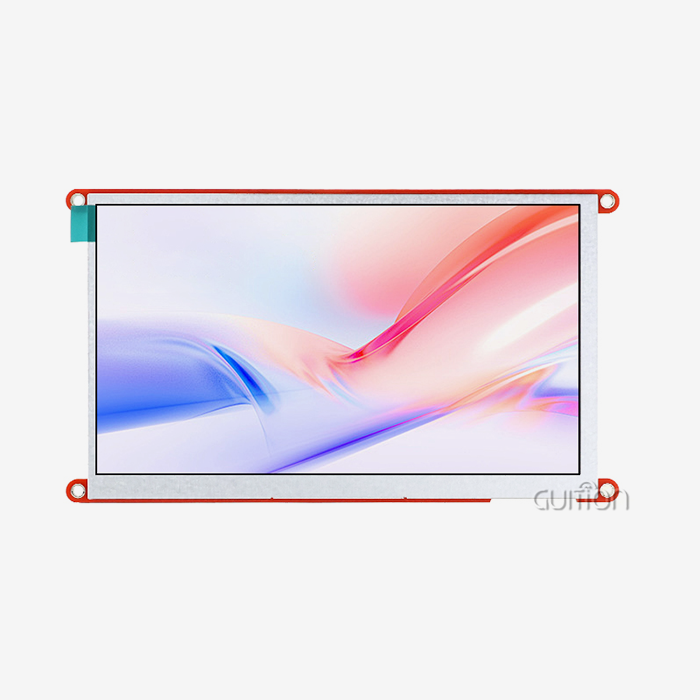
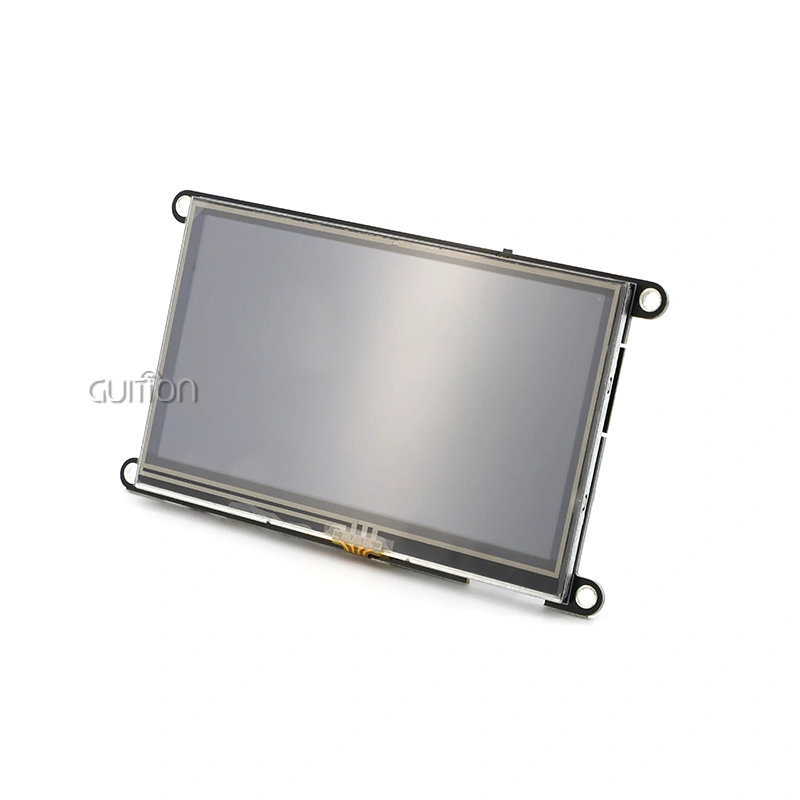
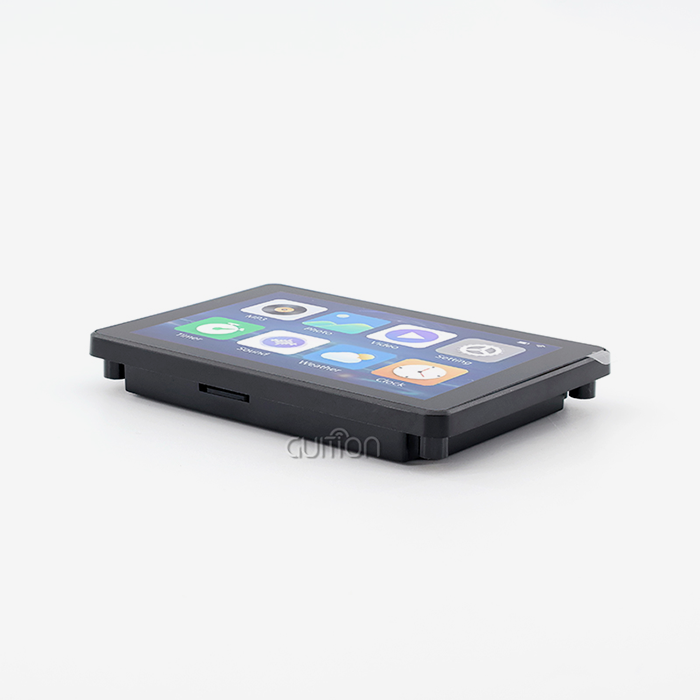
Modern display technology is always changing to keep up with the needs of medical tools, workplace automation, and the Internet of Things (IoT). A 7 inch tft lcd display module outperforms conventional parallel LCDs in terms of technology and usability when compared to other display options. These TFT modules have better color reproduction with 16.7 million colors, higher resolutions of 800x480 or better, and more advanced interface choices like LVDS and MIPI DSI. Parallel LCDs need a lot of data lines and complicated wiring. Modern TFT modules simplify connections, use fewer MCU pins, and offer better brightness and viewing angles that are needed in industrial settings. They are the best choice for a wide range of uses, from 3D printers to charging stations and medical equipment.

Understanding 7 Inch TFT LCD Display Modules vs. Parallel LCDs
The basic structure that sets TFT technology apart from parallel LCD systems lies in how pixels are controlled and data is sent. Traditional parallel screens use many data lines to send pixel information at the same time, which requires a lot of wire and uses up a lot of microcontroller GPIO resources. Scalability is limited by this framework, and designing PCB layouts is made harder by it.
Technical Specifications and Interface Architecture
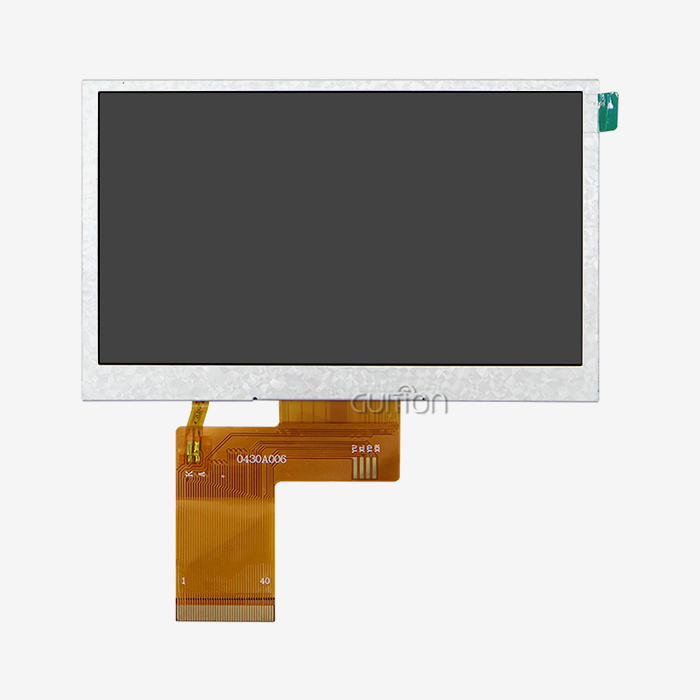
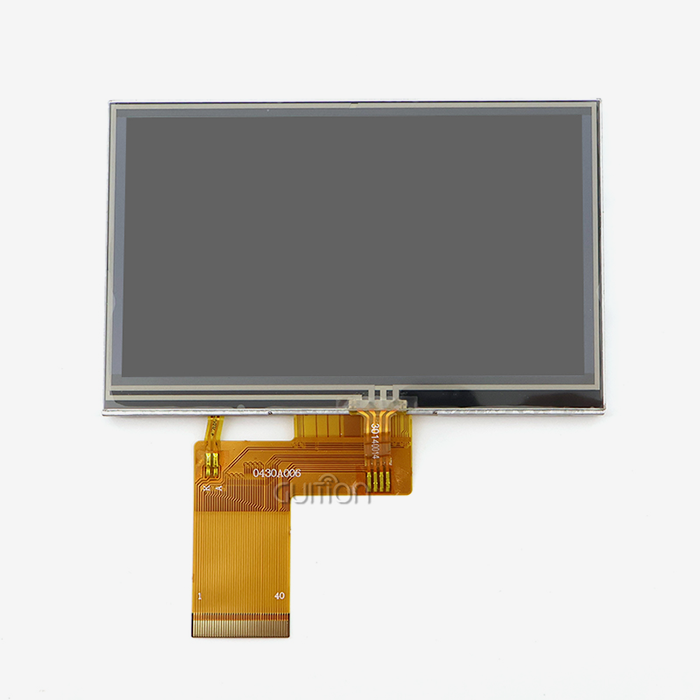
Each pixel in a 7 inch tft lcd display module has its own set of switching transistors, thanks to thin-film transistor technology. This active-matrix design lets you precisely control each pixel, which makes pictures clearer and update rates faster. MIPI DSI is an efficient interface used by modern TFT modules that sends high-resolution data over fewer lines using differential signaling. This new technology is shown by Guition's JC1060M070N_I model, which is powered by the JD9165 driver IC. It has a MIPI DSI interface that reduces the number of pins needed while still allowing 800x480 resolution and 16.7 million color depth. Most of the time, parallel LCDs have lower resolutions and smaller color palettes—often only 262K colors or less. Their refresh rates aren't fast enough to keep images smooth, especially in industrial HMI systems that are always changing. Also, the voltage needs are very different. For example, parallel screens usually need more than one power rail, while integrated TFT units only need one.
Display Performance and Visual Quality
In real life, the difference in visual ability between these devices is clear right away. TFT panels offer brightness levels that range from 300 nits for indoor use to over 1000 nits for outdoor setups that can be read in direct sunlight. This higher brightness makes it possible to read in a variety of lighting situations that are common in workplace settings. In 7 inch tft lcd display modules, the contrast ratio is 800:1 or higher, resulting in deep blacks and bright colors that make the user experience clearer. Parallel LCDs have trouble getting the same amount of brightness, which makes the screens look washed out and hard to read. TFT technology has wider viewing angles—often more than 160 degrees both horizontally and vertically—so workers can see important information from different angles without losing brightness or color.
Hardware Integration and Development Flexibility
A lot of low-level code is needed to handle timing signals, data synchronization, and refresh cycles in a parallel LCD. Engineers have to carefully arrange a lot of control messages while also dealing with electromagnetic interference on a lot of data lines that run in parallel. This level of complexity makes development take longer and makes fixing harder. These problems are taken care of by driver boards built into modern TFT display units. Standardized standards let developers talk to each other, which makes merging a lot easier. Guition's development environment speeds up this process even more with the Guition UI software, which lets you create interfaces quickly without having to know a lot about embedded programming. This method cuts down on time-to-market and gives product teams the power to quickly change designs based on what users say.
Core Advantages of 7 Inch TFT LCD Display Modules
When you switch from parallel LCD technology to TFT solutions, you can see real gains in several performance areas. These benefits directly address problems that purchasing and building teams have when they have to choose display parts for industrial use.
Enhanced Image Quality and Color Reproduction
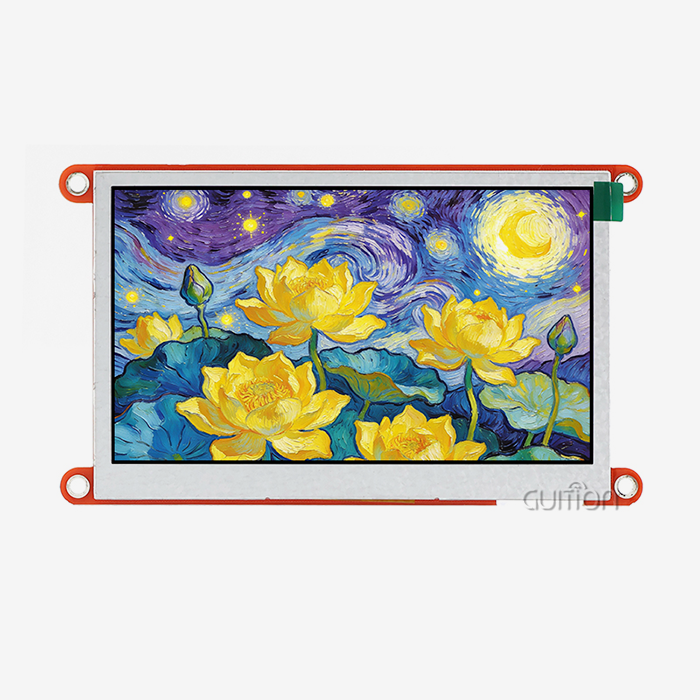
Most likely, the most obvious benefit is the quality of the images. The Guition 7 inch tft lcd display module reproduces 16.7 million colors with exceptional clarity, making sure that user interface elements, data visualizations, and diagnostic graphics look exactly how designers meant them to. This color detail is especially useful in medical device uses where showing correct patient data and diagnostic images is important for making decisions. Resolution is another thing that makes TFT technology unique. The 800x480 resolution that most seven-inch modules have is high enough to display rich text and make complicated graphical user interfaces. This clarity is helpful for industrial control screens that show process data, machine schematics, and alarm conditions all at the same time. Parallel screens rarely go above lower resolutions, which forces designers to choose between making the interface more complicated or easier to read.
Advanced Connectivity and Interface Options
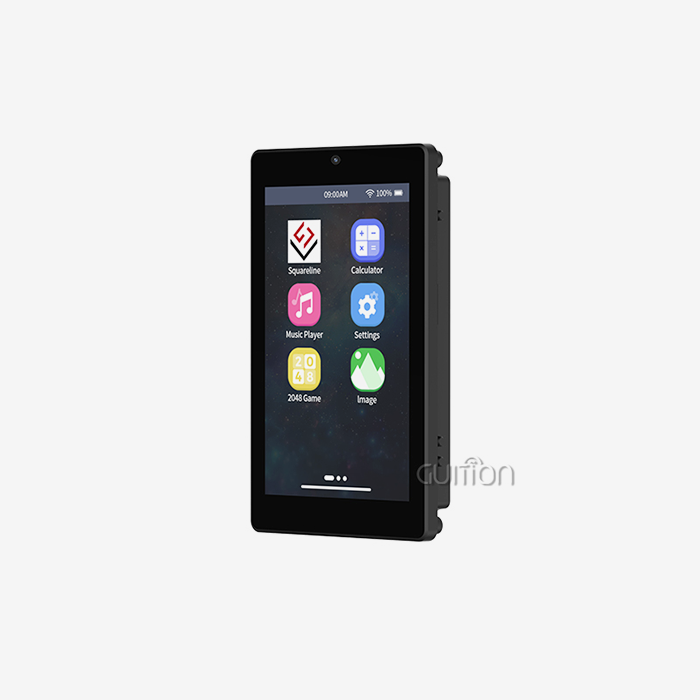
Modern 7 inch tft lcd display modules can do more than just send video. They can also support touch functions via I2C or SPI interfaces, so you don't need separate touch controllers. The design works with both capacitive and resistive touch technologies, so engineers can choose the best one based on the needs of the surroundings and how people normally use the device. New interface standards have changed the way screens connect to host systems in a big way. The JC1060M070N_I model from Guition uses the MIPI DSI interface to send video data using high-speed differential pairs. This can achieve data rates that parallel buses can't match while using a lot fewer connections. This efficiency cuts down on the complexity of the PCB, lowers the amount of electromagnetic radiation, and keeps useful MCU pins for other uses. Connectivity includes things that are on the edges as well. The USART-HMI modules from Guition have WiFi and Bluetooth built in, which lets you watch from afar, get updates over-the-air, and connect to the internet of things (IoT) without using extra connection modules. This unified method makes system design easier to understand, lowers the cost of the bill of materials, and increases the possibilities of the product.
Superior Environmental Durability
Electronic parts in factories are exposed to high and low temperatures, mechanical vibrations, and electromagnetic radiation. When it comes to these tough places, TFT display modules are more durable than parallel LCD options. The JC1060M070N_I works effectively from -20°C to 70°C, performing the same way in all industrial temperature ranges. The solid-state nature of TFT backlight systems, which usually use LED clusters, keeps the light fixed for thousands of hours. The backlight part of Guition's module has 27 LEDs, which make sure that the brightness is spread out evenly and that the module lasts longer. Parallel LCDs with old CCFL backlights need high-voltage transformers and have shorter lifespans with brightness loss over time.
How 7 Inch TFT LCD Display Modules Solve Common Parallel LCD Limitations
Existing parallel LCD technology has a number of ongoing issues that limit the features of products and make development processes more difficult. Through architectural enhancements and built-in features, modern 7 inch tft lcd display modules carefully address these restrictions.
Increased Brightness and Viewing Angle Performance
Visibility in different lighting situations is still a very important requirement in many workplace settings. Parallel LCDs usually have brightness levels between 200 and 300 nits, which is good for controlled indoor settings but not good enough for places with a lot of ambient light or where sight is important outside. When it's bright outside, the washout effect forces people to cover screens or move equipment, which slows down operations. This problem can be solved by TFT technology's advanced backlight systems and better LCD panel transfer properties. Industrial-grade modules usually get between 500 and 1000 nits, and some models can get over 1500 nits so they can be read in full sunlight. This extra brightness makes sure that charging station interfaces, public kiosks, and screens on vehicles can always be read, no matter what the lighting is like.
Simplified Software Development and Driver Support
Through clever controller coupling, modern 7 inch tft lcd display modules hide these difficulties. Guition's specialized development environment takes care of this pain point in a complete way. Engineers can use the Guition UI software's graphics interface design tools to drag and drop UI elements, set up actions visually, and see real-time previews of the results. This method gets rid of the need for boring register-level code and lets you make prototypes quickly. Cross-platform flexibility speeds up work even more. When it comes to development, Guition modules have built-in modes that are designed for their hardware, Arduino environments for quick prototypes, and ESP-IDF environments for production versions. This adaptability works with different team tastes and current codebases. The learning curve that usually comes with display integration is sped up by having access to detailed instructions, sample projects, and quick technical help.
Reduced System Complexity and Cost
Individual TFT modules may be more expensive than simple parallel LCDs, but when you add up the costs of development, supporting hardware, and stability, TFT solutions are often more cost-effective as a whole. Modern display units are integrated, which gets rid of a lot of separate parts, makes designing the power source easier, and lowers the amount of space needed on the PCB. For time creation, voltage level conversion, and backlight driving, parallel LCD systems need extra parts. Each extra part adds a possible breakdown point and makes managing the supply chain more difficult. These functions are combined by the all-in-one design of 7 inch tft lcd display modules, which increases system stability while lowering assembly complexity.
Selecting the Right 7 Inch TFT LCD Display Module for Your Needs
When making a procurement choice, you need to carefully look at the technical specs, the supplier's abilities, and the total cost of ownership. When you know the important selection factors, you can make decisions that match the display's features to the needs of the application.
Key Technical Specifications to Evaluate
The resolution you need depends on how much information you need to display and how far away you need to be to see it. The 800x480 resolution that is typical on seven-inch modules works well for most industrial HMI uses because it gives enough pixels per inch for text to be read and graphics to look good. While higher resolutions are good for applications that need detailed images or complex data display, they also require more powerful computers and use more power. Choosing an interface has a big effect on the design of a system. MIPI DSI has a high bandwidth and few pins, which makes it perfect for designs with limited room and high-resolution screens. Although RGB parallel connections are easy to set up with cheaper microcontrollers, they use a lot of GPIO pins. SPI connections work well for low-performance tasks that only need frame rates below 30fps. The JC1060M070N_I from Guition uses MIPI DSI, which balances speed and assembly efficiency for tough industrial uses.
The operating temperature range tells you what kind of climate is best. Most commercial-grade screens only work from 0°C to 50°C, which is too low for most industry settings. Industrial-grade units can handle temperatures from -20°C to 70°C, so they can be used on plant floors and outside. Automotive standards cover temperatures from -30°C to 85°C, which is necessary for uses that are placed on vehicles and those that are used in harsh climates.
Supplier Evaluation and Support Considerations
Confidence in long-term supply is provided by a 7 inch tft lcd display module manufacturer with proven production capacity, quality management systems, and component sourcing relationships. Guition's combined R&D and production processes guarantee uniform quality and flexible scaling to meet output needs. In addition to technical requirements, the skills of the seller have a huge effect on the success of the project. Guition is a good example of the all-around help model that complex programs need. As part of their method, they provide detailed technical guidance that covers how to integrate hardware, create software, and fix problems. Responding quickly to technical help requests is what sets capable providers apart from commodity vendors.
Customization lets you make a product stand out and make it work best for certain uses. Guition has a lot of different secondary development choices, so engineering teams can change the display's features to fit the needs of a specific application without limiting their creativity. This is different from hard off-the-shelf parts that drive designers to make trade-offs.
Integrating 7 Inch TFT LCD Modules in B2B Industrial Applications
Modern parallel lcd display 7 inch tft lcd display modules allow for complex HMI applications that improve the powers of tools and operating effectiveness. For display integration to work well, it's not enough just to connect the hardware; software architecture, user experience design, and long-term maintainability must also be taken into account.
Embedded System and IoT Integration Strategies
More and more, modern industrial technology has the ability to connect to networks and analyze data. Display units are the most important part of these smart systems' user interfaces because they connect workers to the systems. Guition modules have built-in WiFi and Bluetooth, so they can talk to cloud platforms, mobile devices, and local networks directly without the need for extra connection modules. This built-in connection helps with designs for remote tracking, where diagnostic data, performance measures, and information about the state of the equipment pass to central management systems. Operators use local screens to take quick action, while tech teams use remote access to data for planned repairs and to improve performance. Guition's USART-HMI architecture makes it easier for host computers and display units to talk to each other, which makes software less complicated.
The choice of touch interface affects the user experience and the usefulness of the surroundings. Capacitive touchscreens allow for smooth multi-touch movements and high clarity, but they may need to be touched with bare fingers, which could be a problem in industrial settings where workers wear gloves. Resistive touchscreens can be used with gloves on and are cheaper, but they can't handle multiple touches. Conditions in the surroundings and the needs of the application lead to this choice.
Development Efficiency and Time-to-Market
Tools and processes that cut down on testing time are needed for faster product development cycles. This need is met by the Guition software environment, which has a visual interface design, real-time preview features, and a large set of components. Engineers put together interfaces from widgets that have already been built, set up actions using property editors, and make release packages without having to write a lot of display driver code. Guition's structure supports multiple languages, which makes it easy to quickly localize for global markets. Different character sets can be stored in UTF-8, and language switching methods let interfaces adapt to local needs without having to recompile the software. This feature is very important for companies that want to sell their products in other countries or put tools to use in more than one area.
Maintenance after release has changed a lot because of the ability to update remotely. For firmware changes to work on traditional embedded screens, you have to physically reach them, which can be hard to do and costs a lot in support. Over-the-air (OTA) updates are supported by Guition modules. This lets makers fix bugs, add new features, and improve the user experience from afar. This feature lowers help costs and lets the product keep getting better based on feedback from users.
Conclusion
The 7 inch tft lcd display module outperforms parallel LCD technology in both scientific and practical terms. Better image quality, easier connectivity, environmental resilience, and simpler development processes directly address problems that makers of industrial equipment, developers of medical devices, and IoT solution providers face on a regular basis. The JC1060M070N_I model from Guition shows these benefits with its MIPI DSI interface, 800x480 resolution, 16.7 million color rendering, and wide temperature range. The full Guition environment adds even more value with visual creation tools, cross-platform compatibility, and the ability to do upkeep from afar. Modern TFT display modules give companies that care about development speed, product reliability, and better user experiences provable competitive benefits.
FAQ
What resolution options are available for industrial-grade display modules?
In industrial settings, seven-inch screens with a resolution of 800x480 are usually used because they provide the best mix between information density and processing needs. For applications that need more fine detail, higher-end versions may offer 1024x600 or 1280x800 sizes. Most industrial control screens, medical tracking equipment, and smart device interfaces can use the Guition 7 inch tft lcd display module, which has a resolution of 800x480.
How does interface selection impact system integration?
MIPI DSI connections support high data rates while requiring few pins. This makes them perfect for current microcontrollers and application processors. Compared to regular parallel RGB interfaces, this choice of interface makes PCBs simpler and lowers electromagnetic interference. Guition's use of MIPI DSI makes it easier to connect to popular systems like the Raspberry Pi, ESP32, and STM32 processors.
What distinguishes capacitive from resistive touch technologies in industrial settings?
Because resistive touchscreens respond to pressure, they can be used with gloves, which is popular in industrial and outdoor settings. Capacitive screens need to be touched by something electrical, but they are clearer and can handle multiple touches. The choice of technology for a 7 inch tft lcd display module is based on the needs of the application in terms of user tools, environmental conditions, and contact complexity.
Partner with a Trusted 7 Inch TFT LCD Display Module Supplier
For industrial projects, display options that work well, come with full expert support, and can be easily customized are needed. Guition is an expert in making high-tech HMI display units that are made to work in tough environments. With its 800x480 resolution, 16.7 million color depth, and tried-and-true JD9165 driver IC with MIPI DSI interface, our JC1060M070N_I 7 inch tft lcd display module offers exceptional visual performance. Visual design tools in the Guition UI development software speed up the process of making interfaces by getting rid of the need for complicated low-level code. We offer Arduino, ESP-IDF, and native development modes to meet the needs of a wide range of engineers. Built-in WiFi and Bluetooth make it possible for IoT devices to join, and over-the-air (OTA) updates save money on long-term repair costs. Talk to David at david@guition.com about your unique needs and find out how Guition can speed up the development of your product by providing reliable, high-performance display options.
References
1. Smith, J. & Williams, R. (2022). "Industrial Display Technologies: Comparative Analysis of TFT and Parallel LCD Systems." Journal of Embedded Systems Engineering, Vol. 15, Issue 3, pp. 78-94.
2. Chen, L., Kumar, A. & Thompson, M. (2021). "MIPI DSI Interface Optimization for Industrial HMI Applications." IEEE Transactions on Industrial Electronics, Vol. 68, No. 9, pp. 8234-8245.
3. Anderson, K. (2023). "Display Module Selection Criteria for Medical Device Manufacturers." Medical Electronics Design Handbook, 8th Edition, Technical Publishing Group.
4. Roberts, D. & Martinez, S. (2022). "Environmental Durability Testing of Industrial Display Modules." International Standards for Display Technologies, ISO/IEC Publication 24789.
5. Yamamoto, T., Park, H. & Fischer, B. (2021). "Backlight Technology Evolution in Small-to-Medium Format TFT Displays." Society for Information Display Symposium Digest of Technical Papers, Vol. 52, pp. 412-426.
6. Wilson, P., Garcia, M., & Lee, C. (2023). "Software Development Frameworks for Embedded Display Integration." Embedded Computing Design Magazine, Annual Review Edition, pp. 56-71.
Learn about our latest products and discounts through SMS or email