- English
- French
- German
- Portuguese
- Spanish
- Russian
- Japanese
- Korean
- Arabic
- Greek
- German
- Turkish
- Italian
- Danish
- Romanian
- Indonesian
- Czech
- Afrikaans
- Swedish
- Polish
- Basque
- Catalan
- Esperanto
- Hindi
- Lao
- Albanian
- Amharic
- Armenian
- Azerbaijani
- Belarusian
- Bengali
- Bosnian
- Bulgarian
- Cebuano
- Chichewa
- Corsican
- Croatian
- Dutch
- Estonian
- Filipino
- Finnish
- Frisian
- Galician
- Georgian
- Gujarati
- Haitian
- Hausa
- Hawaiian
- Hebrew
- Hmong
- Hungarian
- Icelandic
- Igbo
- Javanese
- Kannada
- Kazakh
- Khmer
- Kurdish
- Kyrgyz
- Latin
- Latvian
- Lithuanian
- Luxembou..
- Macedonian
- Malagasy
- Malay
- Malayalam
- Maltese
- Maori
- Marathi
- Mongolian
- Burmese
- Nepali
- Norwegian
- Pashto
- Persian
- Punjabi
- Serbian
- Sesotho
- Sinhala
- Slovak
- Slovenian
- Somali
- Samoan
- Scots Gaelic
- Shona
- Sindhi
- Sundanese
- Swahili
- Tajik
- Tamil
- Telugu
- Thai
- Ukrainian
- Urdu
- Uzbek
- Vietnamese
- Welsh
- Xhosa
- Yiddish
- Yoruba
- Zulu
What Benefits Does an Hmi Screen Panel Offer for ESP32 Display Modules?
Using an HMI screen panel with esp32 display modules changes how embedded engineers work with industrial equipment by mixing powerful dual-core processing, wireless connection, and easy-to-use touchscreen interfaces into a single unit. These panels make it easier for operators to handle complicated machines by showing data in real time, letting operators watch machines from afar, and making programming easier. The ESP32-S3 microcontroller architecture allows for industrial-grade reliability while still allowing for customization across automation, medical devices, and smart home applications. This makes it an essential part for manufacturers who want to speed up development cycles and make sure that people and machines can work together smoothly.

Understanding HMI Screen Panels and Their Role with ESP32 Display Modules
What Defines a Modern HMI Screen Panel
An HMI screen panel is the visible and engaging link between people who work with automated systems and those systems themselves. Unlike simple display modules, these panels combine processing by a microcontroller, displaying graphics, and input recognition into a single unit that is made for use in industrial settings. The technology uses several transmission standards, such as UART, SPI, and I2C, to make sure that it works with programmable logic controllers, sensors, and actuators in factories.
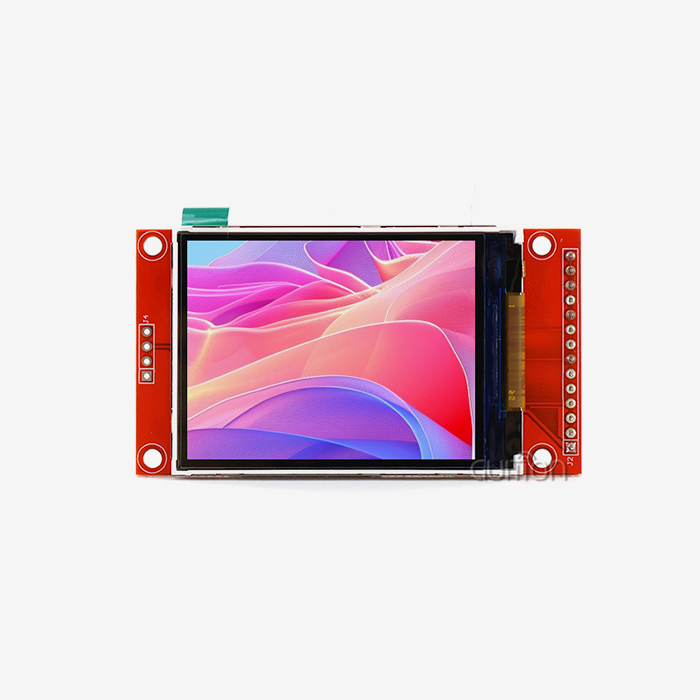
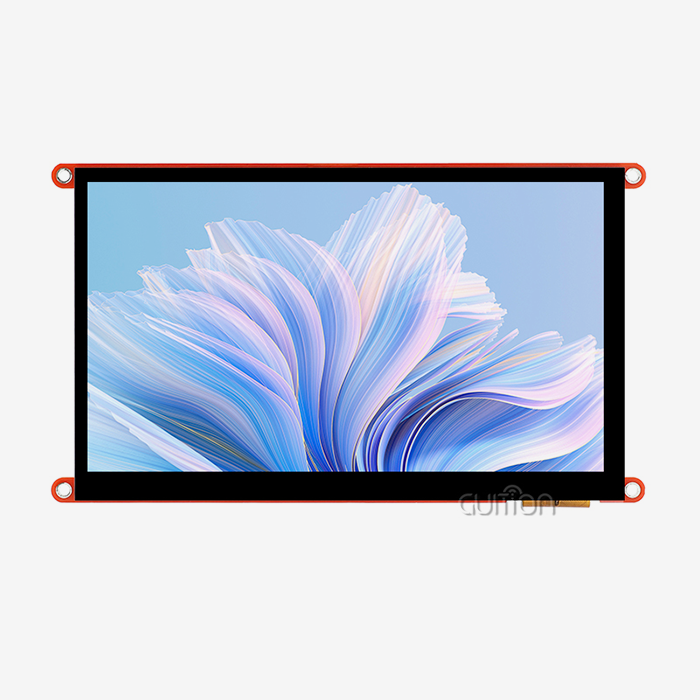
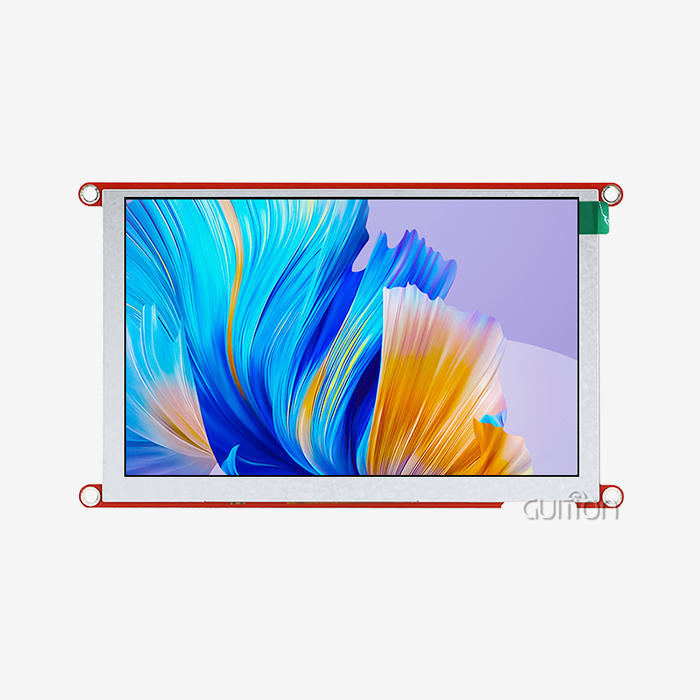
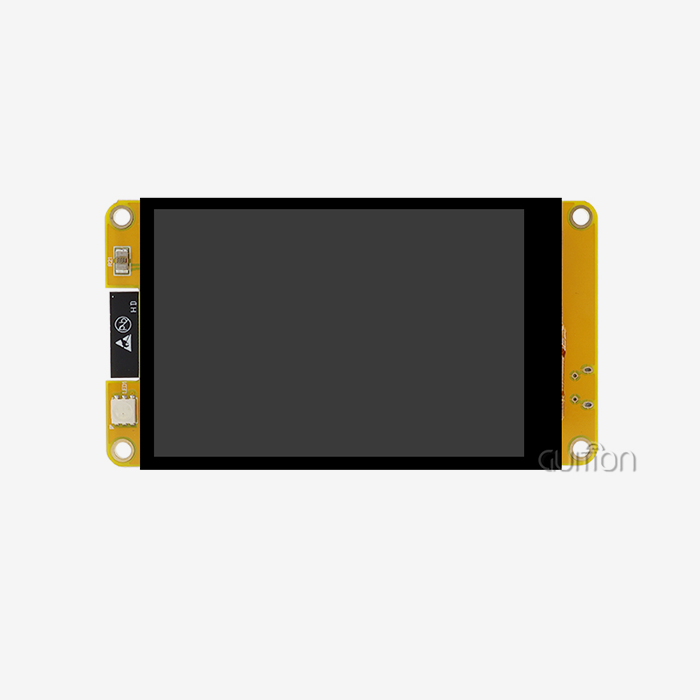
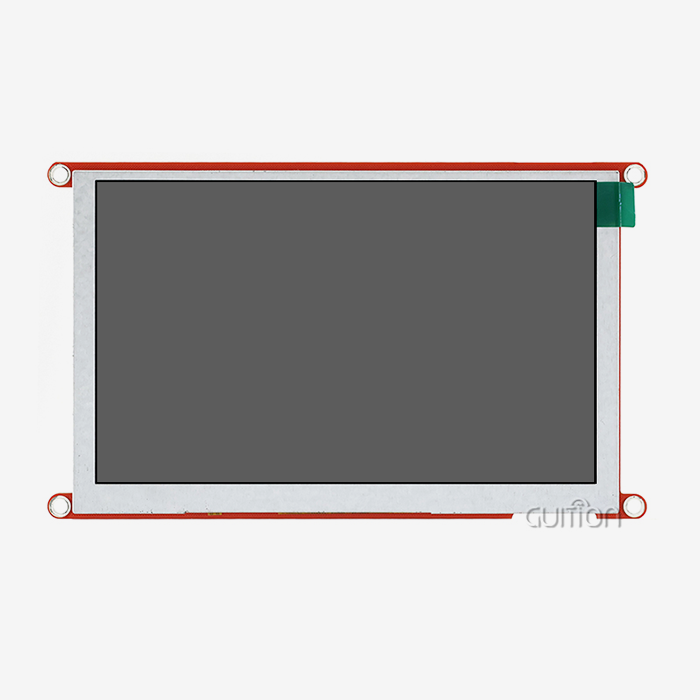
The Guition JC8048W550N_I is a good example of this combination because it has a 5.0-inch 800x480 monitor and an ESP32-S3R8 dual-core MCU that runs at 240MHz. This setup has enough computer power to log data, communicate wirelessly, and change graphics smoothly all at the same time. The 512KB SRAM and 8MB PSRAM make it possible to switch between tasks quickly, even when showing complicated user interface elements or processing sensor data streams.
These days, modern devices can use both resistive and capacitive touchscreen technologies. Capacitive choices are more sensitive and better at recognizing multiple touches and gestures. The panel's IPS viewing angles keep colors true across a wide range of angles, which meets the needs for vision in control rooms where people watch screens from different places.
Communication Protocols and Integration Flexibility
Serial UART connection is still the best way to connect the ESP32 module to other devices because it can send data reliably at speeds of up to 5Mbps. Differential signaling options in this system make wiring in industrial structures easier while keeping noise out. The Guition module's special IO port interface lets you connect directly to analog sensors, digital switches, and relay drivers, so you don't need any extra interface boards.
TF card support adds to the 16MB of native flash memory, making it possible to store more info. Engineers use this increase to store past trend data, alarm logs, and firmware update packages that let units that have been sent out into the field get new software without having to go back to the factory. When you combine local storage with a wireless connection, you can use edge computing to make decisions in real time at the machine level instead of depending only on cloud infrastructure.
Industrial-Grade Design Considerations
The ability to withstand harsh environments is what sets industrial HMI screen panels apart from consumer gadgets. The backlight control hardware keeps the lighting constant even when the temperature changes, which can happen in places like high-temperature industrial ovens and climate-controlled medical facilities. Power supply filtering and electromagnetic protection keep motor drives and switching power supplies from causing voltage spikes that could damage sensitive digital circuits.
Debouncing techniques are built into touch screen control circuits to stop false triggers caused by vibrations or electromagnetic interference. This dependability is very important in situations like running a CNC machine, where wrong inputs could damage the machine or lower the quality of the result. The design of the panel lets it be mounted in NEMA-rated shelters, which protect against dust and water and are good for food processing, outdoor charging stations for electric vehicles, and farm automation equipment.
Key Benefits of Using HMI Screen Panels with ESP32 Display Modules
Enhanced User Experience Through Intuitive Interfaces
The steep learning curve that usually comes with embedded UI creation is taken care of by the drag-and-drop interface design feature in Guition software. Engineers who aren't experts in graphics programming can still put together professional control panels by choosing pre-built widgets from a large library and then using property tools to change the colors, fonts, and actions of the widgets. This is easier than writing code by hand to change pixels.
This method greatly speeds up the creation of prototypes. In the past, writing code for display update routines and touch event handles could take weeks. With the visual development environment, that time is cut down to days or even hours. During the early stages of development, product managers can go through several design ideas and get feedback from stakeholders before agreeing on the final UI styles.
Real-Time Data Visualization and Operational Insights
One core of the 240MHz dual-core design is used to display the user interface, and the other core is used for network connection, sensor polling, and data logging. This joint processing keeps the screen from lagging when tasks like getting a lot of info happen quickly. As an example, an industrial oven processor can update temperature graphs at 10Hz refresh rates while also responding to touch input and sending status reports to SCADA systems.
Graphs that show trends turn raw sensor data into insights that can be used. Instead of reading numerical readouts, operators quickly spot a process shift by looking at real-time charts. Alarm signs use colored status displays and audible alerts to draw attention to situations that need action. This makes it easier for people who are watching over multiple tools to do their jobs.
Flexibility in Programming and Customization
Support for multiple platforms makes it possible for engineers with different skills to work together. For fast prototyping, Arduino fans use drawing programs they are already familiar with and a large community library. Professional programmers who work with ESP-IDF can get to the lower-level hardware control and real-time operating system features that motion control apps need for accurate timing. The Guition development tool is a middle ground that lets you use graphical programming for UI parts and custom C++ code for business logic.
UTF-8 encoding makes sure that localized text is shown properly in goods used around the world, even when the languages used have different character sets. Menu systems instantly re-format to fit different text lengths between English and German translations, so you don't have to make any changes to the style by hand. Manufacturers that want to serve global markets from uniform product platforms need to be able to localize their products.
Industrial-Grade Reliability and Durability
When choosing components, durability is more important than cutting-edge performance. Compared to consumer-grade electronics, the display section can handle higher temperatures and lasts longer between breakdowns on average. Solid-state design gets rid of the problems with mechanical wear that come with moving parts, so it can be used for many years without any upkeep.
The strong design can handle the shaking, changing temperatures, and electrical noise that are common on plant floors. Conformal covering on circuit boards keeps chemicals from getting on them in labs and from getting wet in outdoor setups. These safety features make sure that the panel keeps its preset touch sensitivity and display clarity even in rough conditions that would damage most touchscreen devices.
Comparison and Selection Criteria for HMI Screen Panels Compatible with ESP32
Display Technology and Performance Specifications
Resolution directly affects how much information there is and how easy it is to read. The 800x480 WVGA format has enough pixels for complex graphics while still being easy for the ESP32 engine to handle processing. For apps that use a lot of graphics, higher resolutions may slow down refresh rates because they need more frame buffer memory and processing speed.
When choosing a screen size, you have to weigh the need for sight against the limitations of panel placement. The diagonal size of 5.0 inches fits HMI screen panels that are mounted at arm's length, making the touch targets easy to use without taking up too much cabinet space. Larger panels are better for things that need to be seen from several meters away, like status dashboards on the production floor. Smaller screens, on the other hand, fit into diagnostic tools and portable test equipment that can be carried around.
Connectivity Options and Ecosystem Compatibility
Support for Wi-Fi bands affects how flexible adoption is and how well it works with networks. With dual-band modules that work on both 2.4GHz and 5GHz bands, you can avoid interference on the busy 2.4GHz channels that happen a lot in business buildings with lots of wireless devices. The ESP32 radio uses strong security protocols, such as WPA3 encryption, to keep private operating data sent over wireless networks safe from people who aren't supposed to see it.
Support for Bluetooth Low Energy lets you connect peripherals that run on batteries without using as much power as Wi-Fi, which is always on. BLE is used by beacon-based positioning systems to track devices inside buildings, and it also helps wireless sensor networks get more use out of their batteries. Using classic Bluetooth settings for old devices means that your new equipment will work with the old stuff you already have.
Software Ecosystems and Development Tool Quality
The Guition development tool stands out because it has large widget libraries that are built to work with industrial software. When compared to general graphics frameworks that need custom implementation of these common UI patterns, pre-built tools for trend charts, alarm lists, and recipe management speed up development. Because the platform can simulate, testing can be done on a computer before the hardware is even available. This lets software and hardware development happen at the same time.
Cross-platform debugging support makes it easier to figure out what's wrong by letting you do stop debugging, variable inspection, and memory analysis right in the development environment. Instead of finding problems during hardware integration testing, engineers find memory leaks, timing problems, and logic mistakes during modeling. This early finding of bugs speeds up development and makes the code better.
Practical Guidance: Programming, Installation, and Troubleshooting of HMI Panels with ESP32
Development Environment Setup and Best Practices
Installing the ESP32 core libraries through the board manager is the first step in setting up the Arduino IDE for ESP32 development. The library manager in the IDE gives you access to thousands of modules made by the community that support sensors, motors, and communication protocols. By choosing the right board, you can make sure that the compiler flags, flash memory partitioning, and upload settings are set up correctly for the ESP32-S3R8 version. This keeps setup errors that lead to runtime failures from happening.
The full power of FreeRTOS task scheduling and hardware abstraction layers is used in ESP-IDF professional development. By setting up directory structures that separate application logic from hardware drivers, project templates make it easier to reuse code across different versions of a product. In the component setup menus, you can find advanced settings such as watchdog timer limits, PSRAM allocation methods, and power management rules that can be used to get the best performance for each program.
Installation Standards and Physical Integration
When you fix something correctly, you stop heat from building up, which hurts the performance of the display and shortens the life of the parts. Installing it vertically with the ports facing downward makes it easier to route the cables and encourages airflow across the back panel for passive cooling. In multi-display setups, which are popular in control rooms, space requirements between panels keep heat from building up.
When choosing a cable, both its electrical properties and its mechanical stability are taken into account. In places with a lot of electrical noise, shielded twisted pair wires reduce crosstalk and electromagnetic interference. At the edges of connectors, strain relief devices keep wires from wearing out from vibration and thermal expansion cycles. Labeled or color-coded wires make servicing easier in the field by making it easy to find the power, data, and I/O connections.
Common Troubleshooting Scenarios and Solutions
As sensitive sensor materials age in the environment, touch calibration shifts over time. By mapping raw sensor values to screen coordinates, software tools that are used for regular recalibration bring back accuracy. During calibration, you usually have to touch certain points that are shown on the sides of the screen. This lets the system adjust for changes in mechanical and electrical parameters.
Communication timeouts between the host controller and the HMI screen panel can be caused by a difference in baud rates, wrong pin assignments, or electrical noise that gets into the signal lines. Checking the integrity of the UART signal with an oscilloscope shows distorted patterns that need lower baud rates or better wire protection. Logic analyzer images show protocol violations like wrong start bits or parity mistakes that help with debugging software.
Integrating HMI Screen Panels in B2B Procurement: Supplier Insights and Cost Considerations
Evaluating Supplier Capabilities and Support Infrastructure
Time-to-market and development efficiency for the ESP32 Display Module are directly linked to the level of technical documents. Full datasheets list the electrical properties, engineering measurements, and environmental values that are needed to validate the design. Application notes give reference ideas and code examples that make the prototypes go faster. CAD models come in standard forms like STEP and DXF, which makes it easier to integrate mechanical parts into product casings without having to measure and model by hand.
Competent sellers can be told apart from commodity vendors by their responsive technical help. Engineers run into unexpected problems when integrating systems, and they need help from experts to figure out the best way to set up the system or get around hardware limits. Suppliers with skilled application engineering teams can help with more than just product specifications. They can offer advice on things like factory automation, medical device laws, or the design requirements for consumer goods.
Cost Structure Analysis and Total Ownership Considerations
The unit price is only one part of the total cost of ownership. The economics of a project are affected by things like licensing fees for development tools, fees for technical help, and minimum order amounts. The easy-to-understand price structure of the Guition platform gets rid of the need for small teams to pay licensing fees for each seat. Additionally, volume savings on display modules credit bigger production promises without penalizing prototype quantities.
Firmware repair costs add up over the life of a machine. When compared to hand firmware installation, which requires technicians to visit the site, remote update features greatly lower field service costs. Being able to send updates to multiple groups of equipment at the same time makes sure that all of the installed equipment works the same way and quickly fixes any security holes.
Strategic Procurement Approaches for ESP32-Based HMI Solutions
Planning how to buy ESP32-based HMI solutions strategically involves negotiating a volume price, as it is better to make fewer purchases from fewer suppliers than to split orders between many sellers. Setting up relationships with chosen suppliers gives you more power to get better prices and makes logistics planning and quality control easier. Price stability is provided by annual buy deals that include volume commitments. This is because raw material costs are affected by changes in the commodity market.
In competitive markets, goods that can be customized stand out. Suppliers that offer private labeling put the customer's logo on the gear, which gives the products a consistent look. By adding private methods or specialized protocols to commercial off-the-shelf modules, custom firmware can turn them into unique solutions without having to spend a lot of money on fully custom hardware development.
Conclusion
In conclusion, engineers working on industrial automation, medical equipment, and Internet of Things (IoT) devices that need solid human-machine contact can use HMI screen panels and ESP32 display modules together. The Guition JC8048W550N_I combines processing power, wireless connection, and easy-to-use development tools into a single platform that helps meet time-to-market demands and keeps industrial-grade dependability. Multi-platform development support works for teams with different levels of knowledge, and remote firmware changes and the ability to work with multiple languages make it possible to distribute products all over the world. Shorter development processes, lower after-sales costs, and more features made possible by wireless connection give manufacturers a competitive edge. Careful supplier selection based on the quality of expert support, the completeness of documents, and the security of the long-term supply chain guarantees project success and product competitiveness throughout the lifetime of the market.
FAQ
What programming languages work best with ESP32-based HMI screen panels?
Both the Arduino and ESP-IDF frameworks support C++ on the ESP32 design, giving you full access to the hardware and a large library environment. Engineering professionals who like interpreted languages can use MicroPython for quick development, but it is not as fast as compiled code. Graphical user interface (GUI) development tools on the Guition platform hide low-level code, and custom C++ integration for complex logic lets development teams with a range of skills work together.
How do I select an HMI panel for harsh industrial environments?
Check that the ingress protection ratings fit the conditions where the system will be used. For example, IP65 ratings are required in dusty areas, while better ratings are needed in areas that will be cleaned. Temperature limits should be set higher than the peaks of the environment with safety gaps. Vibration resistance and shock scores keep machines from breaking down while they are being shipped or used. The type of display technology affects how well it can be read in direct sunlight. Options that are reflective or bright are best for outdoor use. Conformal sealing and strong connections make things last longer in places with harsh chemicals or a lot of moisture.
Can ESP32 display modules integrate with existing PLC networks?
ESP32 devices can talk to industrial PLC systems through normal Ethernet or RS-485 connections thanks to Modbus TCP/RTU protocol libraries. Modern ways to connect to central control systems are OPC UA client solutions. Custom protocol solutions for proprietary devices can be done using the GPIO and UART interfaces that are available. The HMI panel's adaptability makes it a link between old equipment and new IoT infrastructure, letting you see data and keep an eye on things from afar without having to replace functional automation parts.
Partner with Guition for Your Next HMI Screen Panel Project
Guition is ready to be your reliable HMI screen panel maker and provider. They offer ESP32-based display solutions that are designed to work with industrial, medical, and smart device applications. Our JC8048W550N_I module has two cores of processing power, wireless connection, and easy-to-use creation tools that quickly turn complicated interface needs into products that can be used. We can meet the needs of a wide range of projects, from small handheld devices to big industrial control panels, thanks to our wide range of display sizes (1.28" to 21.5") and full secondary development support. During the whole development process, our engineering team is available to offer quick expert advice, clear documentation, and useful application advice. Get in touch with David at david@guition.com to talk about your specific needs and find out how our technology-driven approach, competitive HMI screen panel for sale prices, and dedication to customer success can help you speed up your product plan while ensuring long-term reliability across global deployments.
References
1. Smith, J. & Chen, L. (2023). "Industrial HMI Design Principles for Embedded Systems." Journal of Manufacturing Technology, Vol. 18, Issue 4, pp. 112-128.
2. Anderson, R. (2024). "ESP32 Microcontroller Architecture and Industrial Applications." Embedded Systems Engineering Quarterly, Spring Edition, pp. 45-67.
3. Martinez, P. & Kowalski, T. (2023). "Human-Machine Interface Standards for Medical Device Development." Medical Electronics Design, Vol. 31, No. 2, pp. 89-104.
4. Zhang, W. (2024). "Wireless Connectivity Integration in Industrial Automation Systems." International Conference on Industrial IoT Proceedings, pp. 234-251.
5. Thompson, K. & Ramirez, S. (2023). "Total Cost of Ownership Analysis for Industrial Display Solutions." Automation Procurement Review, Vol. 12, No. 3, pp. 78-93.
6. Liu, H. & O'Brien, M. (2024). "Touch Screen Technology Selection for Harsh Environment Applications." Industrial Design Engineering Handbook, Chapter 8, pp. 156-177.
Learn about our latest products and discounts through SMS or email