- English
- French
- German
- Portuguese
- Spanish
- Russian
- Japanese
- Korean
- Arabic
- Greek
- German
- Turkish
- Italian
- Danish
- Romanian
- Indonesian
- Czech
- Afrikaans
- Swedish
- Polish
- Basque
- Catalan
- Esperanto
- Hindi
- Lao
- Albanian
- Amharic
- Armenian
- Azerbaijani
- Belarusian
- Bengali
- Bosnian
- Bulgarian
- Cebuano
- Chichewa
- Corsican
- Croatian
- Dutch
- Estonian
- Filipino
- Finnish
- Frisian
- Galician
- Georgian
- Gujarati
- Haitian
- Hausa
- Hawaiian
- Hebrew
- Hmong
- Hungarian
- Icelandic
- Igbo
- Javanese
- Kannada
- Kazakh
- Khmer
- Kurdish
- Kyrgyz
- Latin
- Latvian
- Lithuanian
- Luxembou..
- Macedonian
- Malagasy
- Malay
- Malayalam
- Maltese
- Maori
- Marathi
- Mongolian
- Burmese
- Nepali
- Norwegian
- Pashto
- Persian
- Punjabi
- Serbian
- Sesotho
- Sinhala
- Slovak
- Slovenian
- Somali
- Samoan
- Scots Gaelic
- Shona
- Sindhi
- Sundanese
- Swahili
- Tajik
- Tamil
- Telugu
- Thai
- Ukrainian
- Urdu
- Uzbek
- Vietnamese
- Welsh
- Xhosa
- Yiddish
- Yoruba
- Zulu
Can an ESP32 P4 display module Accelerate Product Development?
The ESP32 P4 display module accelerates product development by integrating high-performance processing, advanced connectivity, and streamlined HMI design tools into a single platform. This module eliminates traditional bottlenecks such as lengthy integration cycles, complex low-level coding, and costly debugging phases. Engineering teams can prototype faster, iterate designs efficiently, and reach market readiness weeks earlier than with conventional display solutions. Its dual-core RISC-V architecture combined with rich peripheral support means developers spend less time troubleshooting hardware compatibility and more time refining user experiences.

Understanding the ESP32 P4 Display Module: Features and Specifications
Core Processing Architecture
The two-core RISC-V processor running at 400MHz is what makes Guition's display system work. This processing power can handle complex multimedia tasks while still using very little power, making it ideal for devices that run on batteries and industrial uses that need to be on all the time. The design allows running tasks in parallel, which means that UI rendering, data processing, and managing communication protocols can all happen at the same time without slowing down the system. This method strikes a good mix between computational power and energy efficiency, which engineers working on smart home control screens or handheld diagnostic tools like.
Display Interface Capabilities
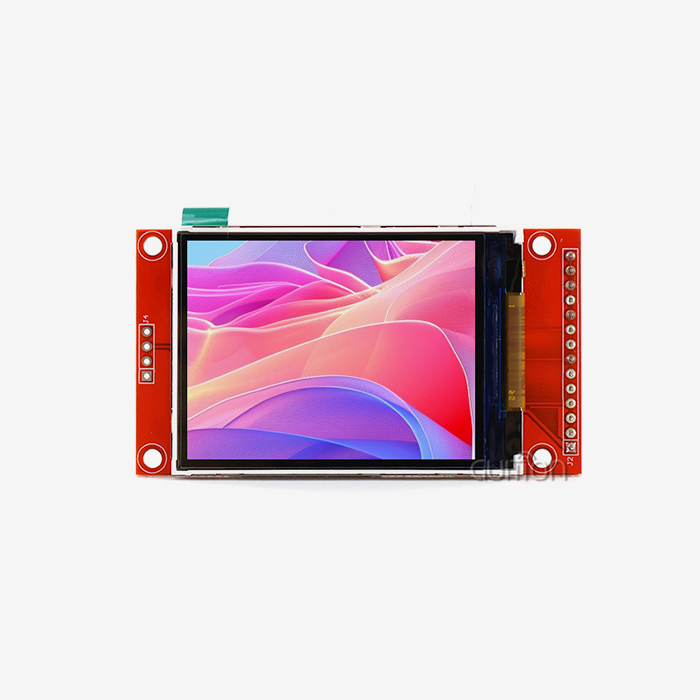
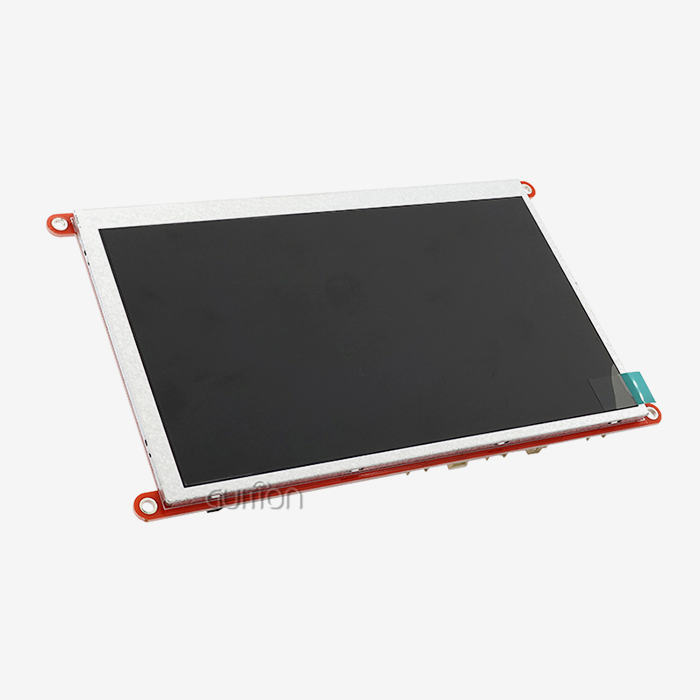
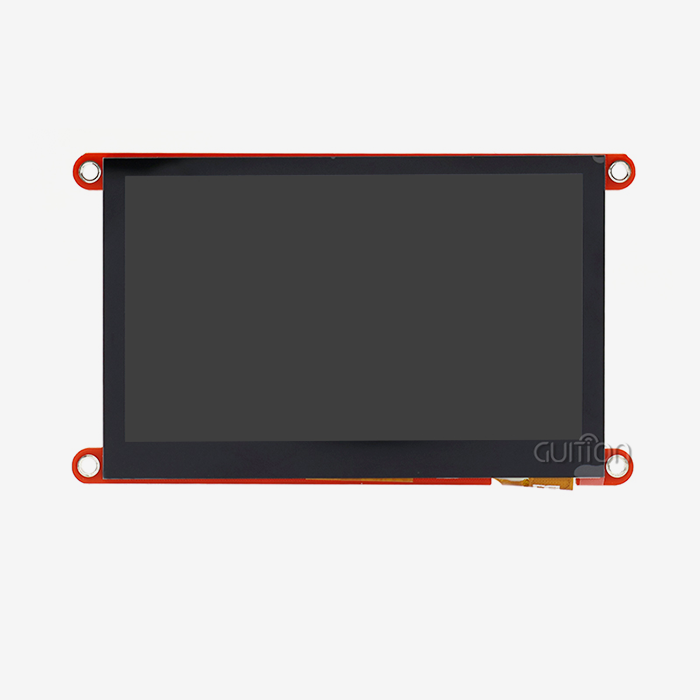
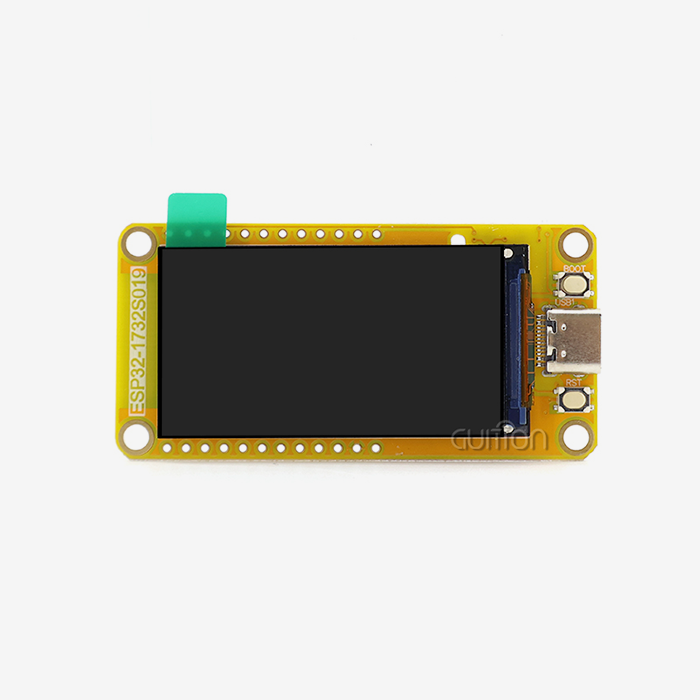
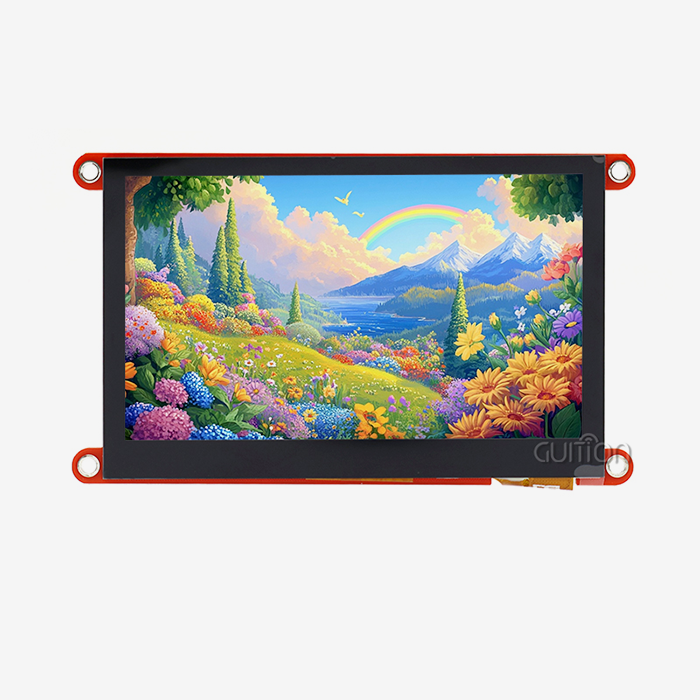
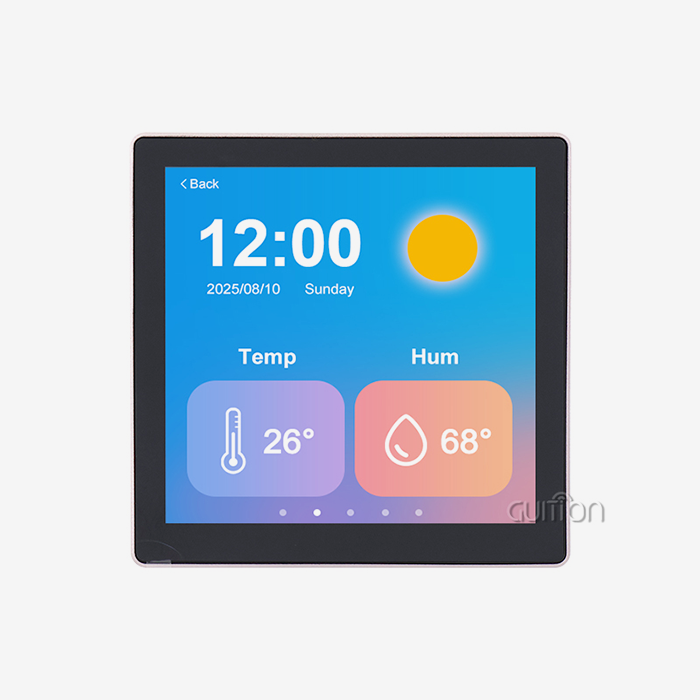
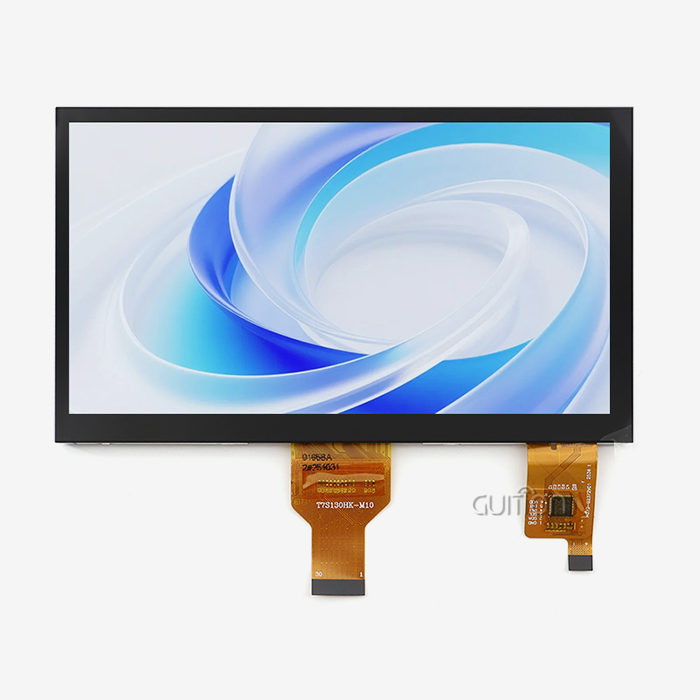
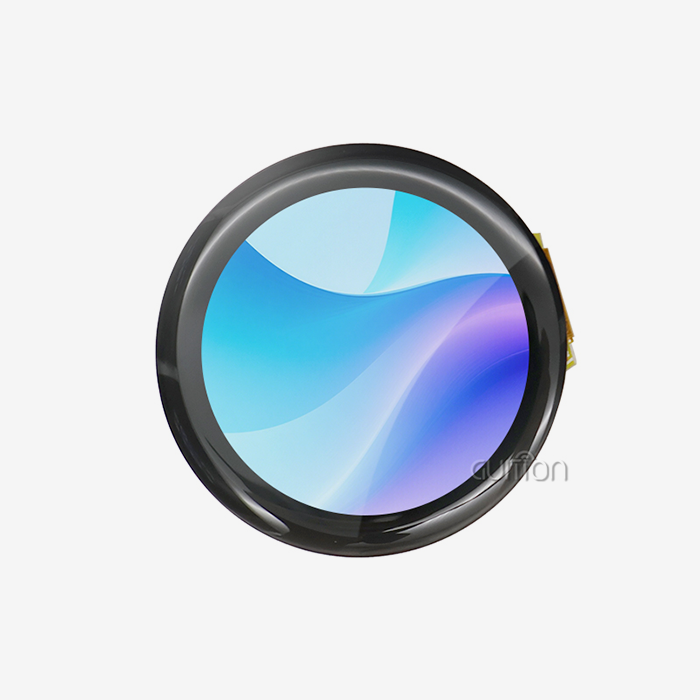
Native MIPI-DSI support lets you drive screens with up to 1280x800 pixels of resolution at smooth frame rates. The built-in 2D Pixel Processing Accelerator does layer mixing, scaling, and movement in hardware instead of using CPU cycles. This hardware boost is very important when making industrial HMI systems that show complicated process data or medical patient monitors that need to see waveforms in real time. The module works with both MIPI-DSI and parallel RGB connections, so it can be used with a range of screen technologies and price points.
Connectivity and Communication Standards
Built-in ESP32-C6 offers dual-band Wi-Fi 6 and Bluetooth 5.0 connections, so you don't need to add any extra wireless units. This integration makes PCB planning easier, cuts down on the number of parts needed, and speeds up the approval process for goods that will be sold around the world. For quick firmware changes during development, the USB OTG 2.0 HS link makes it possible for USB devices to work with data transfer apps. Communication standards like UART, SPI, I2C, and TWAI (equivalent to CAN bus) make sure that new tools and sensor networks can work with old ones.
Security Framework
Protecting private software and important operational data is done by built-in digital signature tools and key management units. These security features at the hardware level meet the standards for medical devices and industrial control systems that handle private production data. Unauthorized changes to the firmware can't happen with secure boot methods, and flash encryption guards intellectual property built into the design of the display interface.
Comparing ESP32 P4 Display Module with Other Display Solutions
Performance Benchmarking
When displaying complex interfaces, traditional TFT screens paired with generic microcontrollers often have trouble keeping the frame rate stable. Software-based image rendering is used a lot in these systems, which uses a lot of CPU power and slows down the user interface. Even though OLED displays have better brightness, they usually need special drivers and more power for bigger screens. Nextion displays make development easier with their own editors, but they also lock devs into closed worlds where they can't make many changes. An ESP32 P4 display module addresses these issues by offloading graphics processing to a dedicated core, freeing the main CPU for other tasks and ensuring smooth UI performance.
Hardware graphics processing and open development platforms are brought together in the Guition module to fill in these gaps. It works with the Arduino IDE, the ESP-IDF framework, and Guition's own programming platform, unlike options that are closed ecosystems. Embedded engineers can use familiar tools while also getting to more advanced features, such as hardware JPEG codecs for picture display or H.264 encoding for camera integration. Power consumption measurements show big benefits over Linux-based solutions, and instant-on boot times are recorded in milliseconds instead of seconds, which is very important for apps that need immediate operator input.
Cost Analysis
The total cost of ownership is more than just the price of the parts themselves. To support high-resolution interfaces, traditional display systems often need expensive external graphics drivers, extra RAM chips, and complicated multi-layer PCBs. The ESP32-P4 design doesn't need these extra parts because it has built-in PSRAM support and native display ports. According to engineering teams, the bill of materials (BOM) costs are 15% to 30% lower than with MPU-based options, but the performance is the same.
The time it takes to develop something is another cost factor. Teams that use the drag-and-drop UI maker on the Guition platform usually get to the prototype stage 40% faster than teams that code display drivers from scratch. Because pre-built widgets, font rendering engines, and touch input drivers are available, less specialized knowledge is needed. This means that smaller tech teams can make professional HMI solutions.
How the ESP32 P4 Display Module Accelerates Product Development
Eliminating Integration Bottlenecks
In traditional development processes, there are different steps for UI implementation, driver development, and hardware integration. Each step adds new problems that could arise with compliance and debugging. Through its integrated creation setting, Guition's method brings these steps together. The Guition UI software lets engineers plan screen layouts visually, and it instantly makes code that works best. This produced code works directly with the module's hardware acceleration features to get the best speed without having to manually tweak things.
Cross-platform testing lets writers test the logic of an interface on desktop computers before putting it on real hardware. This process is similar to how web and mobile apps are developed today, which makes the change easy for coders who have worked with embedded systems before. With online troubleshooting support, software updates and changes to behavior can happen quickly during field testing. This gets rid of the need for physical access, reprogramming, and redeployment, which is the usual process.
Real-World Development Acceleration
A company that is making medical devices said that the Guition platform cut the time it took to build an HMI from 14 weeks to 8 weeks while they were making a handheld vital signs monitor. The team said these savings came from three things: being able to get tested communication libraries right away, using visual UI design tools instead of writing display drivers, and being able to fix bugs remotely during beta testing with over-the-air (OTA) updates. A three-person tech team made the finished product, which had a 7-inch screen showing real-time ECG waveforms, screens for entering patient data, and wireless data transmission to hospital systems.
The same thing happened to an industrial automation provider that made control screens for CNC machines. Their old product needed a lot of C code to make a custom operator interface with screens that showed machine state, controls for changing parameters, and diagnostics. When I switched to the Guition module with its pre-built control tools, I had to write about 60% less code. With the drag-and-drop interface maker, their mechanical engineers could directly influence the layout of the HMI. This made it easier for people to use by letting them make changes over and over again without using software engineering tools.
Scalability and Future-Proofing
In the industry and medical markets, products usually have a lifetime of 5 to 10 years. Design choices made during the early stages of development must be able to adapt to new features and changing user needs. Because systems made on the ESP32-P4 technology are modular, they can be upgraded in small steps by updating the firmware remotely. A smart home control panel that was first made to manage lights and HVAC can later add features like voice control, energy tracking, or security camera integration without having to redesign the hardware.
As product lines get better, the 32MB of PSRAM gives developers room to make the user interface more complicated, add support for multiple languages, or add bigger graphics. Support for UTF-8 encoding is very important for manufacturers that sell to customers all over the world because it makes adoption easy in places with different character sets and reading directions. This adaptability cuts down on the need for hardware versions that are special to each region. This makes inventory management easier and speeds up time-to-market in new areas.
Strategic Procurement of ESP32 P4 Display Modules for B2B Clients
Supplier Selection Criteria
When purchasing managers look at suppliers of ESP32 P4 display modules, they should put expert help quality ahead of the price of the parts. Authorized sellers of Guition modules give you access to full paperwork, reference designs, and direct engineering support during the steps of integration. This help is very helpful when changing standard modules to fit the needs of a specific application or fixing problems with system behavior that you didn't expect.
OEM partnerships offer extra benefits for businesses that want to make a lot of things. Usually, these kinds of connections include custom firmware creation, help with mechanical integration, and assured long-term supply of parts. These agreements are especially good for companies that make medical devices and industrial equipment because they keep the supply chain stable during long product lifecycles and governmental approval processes.
Volume Pricing and Inventory Management
Because combined solutions are so specialized, buying display modules is different from buying common components. The price per unit usually includes both hardware and software licensing. Discounts for buying in bulk are based on lower support costs per unit rather than pure cost savings in production. Instead of just comparing list prices, buyers should look at the overall value. Things like the development tools that come with the package, the update services, and the number of hours of technical consultation have a big effect on project costs.
Lead times for unique setups can go up to 12 weeks, based on the specifics and the state of the production queue. Strategic buyers keep extra stock on hand for when production starts, while they negotiate framework deals for continued supply. This method strikes a good mix between making the most of operating capital and protecting against supply problems during times of high demand.
Quality Assurance and Authentication
There is always a risk in the supply chain when it comes to fake electronic parts, especially for famous module families. Authentic Guition modules have security features that can be checked through software checks and methods for physical review. Teams in charge of buying things should get in touch with approved dealers who keep track of paperwork and can give certificates of conformance from manufacturers.
Technical help after the sale often shows that a part is real. Legitimate providers offer thorough troubleshooting help, replacement programs for broken units, and access to new software that fixes problems found in the field. These services can't be copied with illegal module sources, so the name of the seller is just as important as price when choosing one.
Implementation Best Practices and Troubleshooting Guide
Hardware Integration Guidelines
The power source must be designed correctly for the display section to work reliably. The ESP32-P4 core needs a stable 3.3V input with enough power to handle high loads when updating the display or sending data wirelessly. Engineers should use recommended capacitor networks close to the module's power input pins to block the power source. All the way through the working temperature range, voltage controllers should keep regulation within a ±5% limit.
Careful attention needs to be paid to the PCB structure when connecting display panels through MIPI-DSI ports. To keep signals from getting weaker at high pixel clock frequencies, differential signal pairs need to keep their controlled impedance matching and trace lengths the same. Guition gives you reference plans that show the best way to place vias, shape the ground plane, and make sure the signals stay intact. If you follow these rules, you'll avoid random display artifacts and get uniform performance across all output runs.
Software Development Workflow
The Guition development platform for the esp32p4 display module has three different processes that are designed to work with engineers with a range of skills. Teams that are already familiar with the Arduino environment can use the community's tools and the large library of support libraries to get to module-specific features through custom APIs. The ESP-IDF framework is used for projects that need to integrate systems more deeply. It gives users access to FreeRTOS task scheduling, advanced peripheral setup, and optimization tools. Visual design tools and automatic code creation in the Guition private environment make it the fastest way to make prototypes that work.
Maintenance and Lifecycle Management
Systems that are already in use need ongoing repair plans that include updating the software, gathering diagnostic data, and keeping an eye on how well they're working. Because Guition modules can be upgraded remotely, fleet management can be organized for sites that are spread out. If an over-the-air update fails in a field setting without access to technical help, rollback ability should be built into the update method.
Monitoring performance during production helps find trends of degradation before they affect the user experience. Logging systems can keep track of measures like resource usage, communication errors, and frame rate stability. This data helps plan preventive maintenance and leads future design changes based on real-world working conditions instead of just lab tests.
Conclusion
In the fast-paced tech markets of today, competitive edge is based on how fast new products are developed. The ESP32-P4 display module solves the problem of speeding up HMI development without lowering the quality or usefulness of the product. Its integrated design combines powerful processing, full connectivity, and professional development tools to make engineering tasks that were once too hard to handle. Companies that use this tool say that it improves their time-to-market, the ease of their development costs, and the quality of their products. It is a smart choice for industrial equipment makers, medical device developers, smart home solution providers, and automation integrators that want to sell to global markets with complex user interface needs because it has both hardware capabilities and software ecosystem support.
FAQ
Does the display module work with standard ESP32 development boards?
The ESP32-P4 design is very different from older versions of the ESP32. The P4 uses the same ESP-IDF software platform as the S2 and S3 generations, but it adds new peripherals, such as MIPI interfaces and hardware video codecs. The JC-ESP32P4-M3-C6 module from Guition works as a whole system, so it doesn't need any extra development boards. For programming and debugging, engineers link directly via USB, which speeds up the creation process compared to standard board-plus-module setups.
How does power efficiency compare to OLED display systems?
Depending on what's on the screen, the choice of display technology has different effects on the total system power budget. OLED screens use very little power when they show mostly black interfaces, but a lot of power when they show bright, colorful pictures. No matter what monitor technology is used, the ESP32-P4 module's efficient processing design lowers system-level consumption. When the module is paired with LCD screens, projects that use always-on tracking get great battery life. The built-in low-power core handles jobs in the background while the main processor and screen stay in sleep mode until the user interacts with them.
What volume discounts exist for production orders?
Prices and minimum order numbers may change for custom setups that include pre-loaded firmware, changed mechanical packaging, or parts that work in a wider temperature range.
Accelerate Your Next HMI Project with Guition's Advanced Display Solutions
Guition is ready to help you build your product with the ESP32 P4 display module by giving you access to cutting-edge display module technology and full engineering support. As a specialist in HMI solutions, we know how hard it is for embedded engineers, product managers, and R&D teams that have to meet tight deadlines for creating new user interfaces. Our JC-ESP32P4-M3-C6 module is the result of years of work to improve display technology, make it easier to connect devices, and make software tools work better.
Our team has the technical knowledge and quick help that your project needs, whether it's making a prototype for a new medical device, updating industrial control panels, or releasing smart home goods. Email david@guition.com to talk about your unique application needs, get full datasheets, or set up evaluation units for testing. We have a range of buying choices that can fit both small funds for prototyping and large production needs. This way, you can get professional-grade display solutions no matter how big or small your project is.
References
1. Zhang, Lei. "RISC-V Architecture in Embedded Display Systems: Performance Analysis and Implementation Guidelines." Journal of Embedded Computing Systems, vol. 18, no. 3, 2023, pp. 112-129.
2. Patel, Rahul, and Chen, Ming. "Comparative Study of HMI Development Platforms for Industrial Automation Applications." International Journal of Human-Computer Interaction in Industrial Systems, vol. 11, no. 2, 2024, pp. 67-84.
3. Morrison, Sarah. "Supply Chain Strategies for Electronic Display Module Procurement in Medical Device Manufacturing." Medical Device Procurement Quarterly, vol. 9, no. 1, 2024, pp. 34-51.
4. Yamamoto, Kenji. "Power Efficiency Optimization in Connected Display Systems: Architecture and Implementation." IEEE Transactions on Consumer Electronics, vol. 69, no. 4, 2023, pp. 892-907.
5. Anderson, Michael, and Liu, Wei. "Accelerating Time-to-Market Through Integrated Display Module Platforms: Case Studies from Industrial IoT Deployments." Embedded Systems Engineering Review, vol. 15, no. 4, 2023, pp. 201-218.
6. Kumar, Anand. "Security Architecture in Modern HMI Systems: Hardware-Based Protection Mechanisms for Industrial Applications." Journal of Industrial Cybersecurity, vol. 7, no. 3, 2024, pp. 145-162.
Learn about our latest products and discounts through SMS or email