- English
- French
- German
- Portuguese
- Spanish
- Russian
- Japanese
- Korean
- Arabic
- Greek
- German
- Turkish
- Italian
- Danish
- Romanian
- Indonesian
- Czech
- Afrikaans
- Swedish
- Polish
- Basque
- Catalan
- Esperanto
- Hindi
- Lao
- Albanian
- Amharic
- Armenian
- Azerbaijani
- Belarusian
- Bengali
- Bosnian
- Bulgarian
- Cebuano
- Chichewa
- Corsican
- Croatian
- Dutch
- Estonian
- Filipino
- Finnish
- Frisian
- Galician
- Georgian
- Gujarati
- Haitian
- Hausa
- Hawaiian
- Hebrew
- Hmong
- Hungarian
- Icelandic
- Igbo
- Javanese
- Kannada
- Kazakh
- Khmer
- Kurdish
- Kyrgyz
- Latin
- Latvian
- Lithuanian
- Luxembou..
- Macedonian
- Malagasy
- Malay
- Malayalam
- Maltese
- Maori
- Marathi
- Mongolian
- Burmese
- Nepali
- Norwegian
- Pashto
- Persian
- Punjabi
- Serbian
- Sesotho
- Sinhala
- Slovak
- Slovenian
- Somali
- Samoan
- Scots Gaelic
- Shona
- Sindhi
- Sundanese
- Swahili
- Tajik
- Tamil
- Telugu
- Thai
- Ukrainian
- Urdu
- Uzbek
- Vietnamese
- Welsh
- Xhosa
- Yiddish
- Yoruba
- Zulu
How to Select a High-Quality Liquid crystal display module for OEM Projects?
Understanding important technical requirements, environmental requirements, and source dependability is necessary for choosing the best Liquid crystal display module for your OEM project. A good display module has the best clarity, works well with all kinds of interfaces, and lasts a long time in all kinds of circumstances. The right screen module is the visual link between your product and the people who will use it, whether you're making industrial control systems, medical tracking equipment, or smart home devices. This choice has a direct effect on how happy users are, how long products last, and how quickly they can be made. By putting temperature tolerance, interface choices, and maker support at the top of your list, you can be sure that the display you choose will work well with your application and meet your present and future scalability needs.
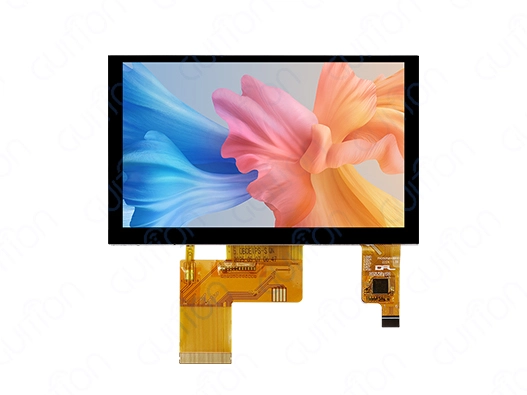
Understanding Liquid Crystal Display Modules: Technology and Types
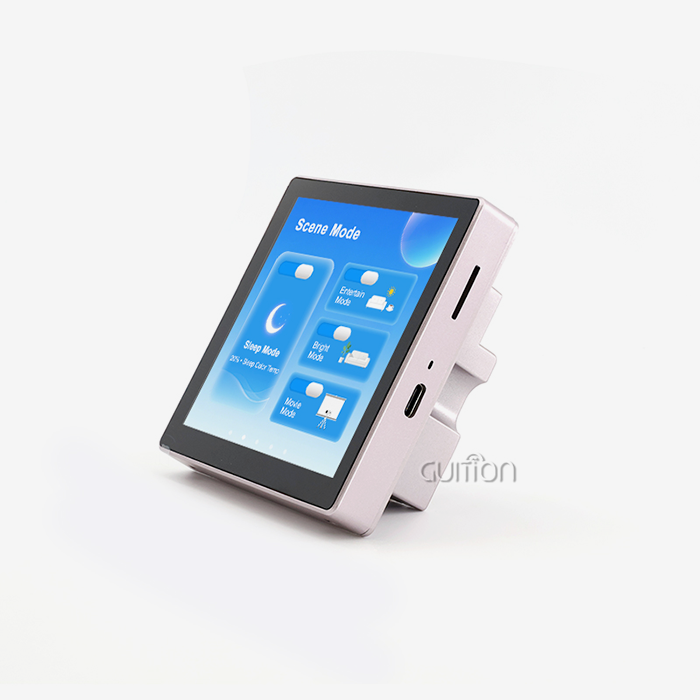
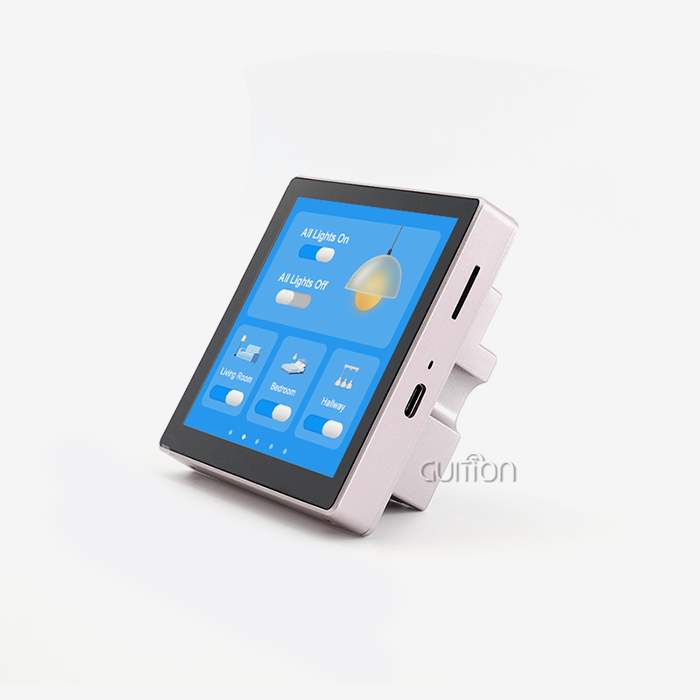
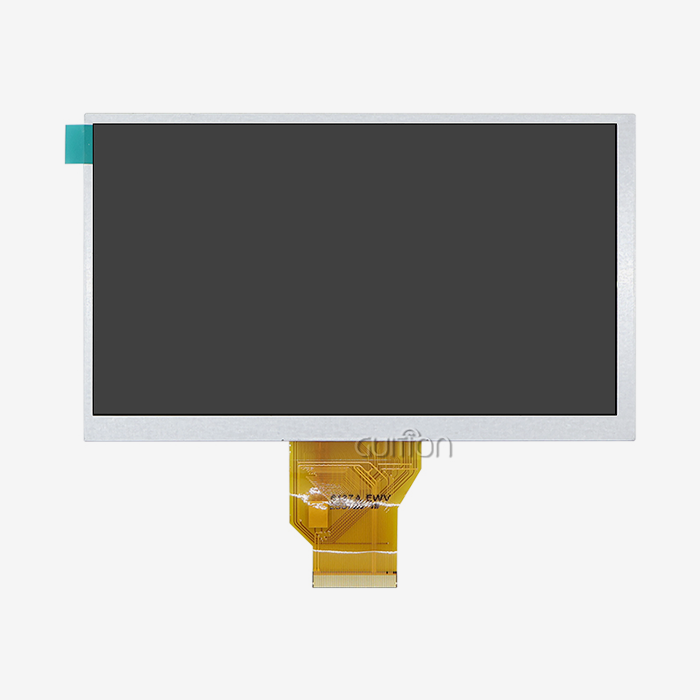
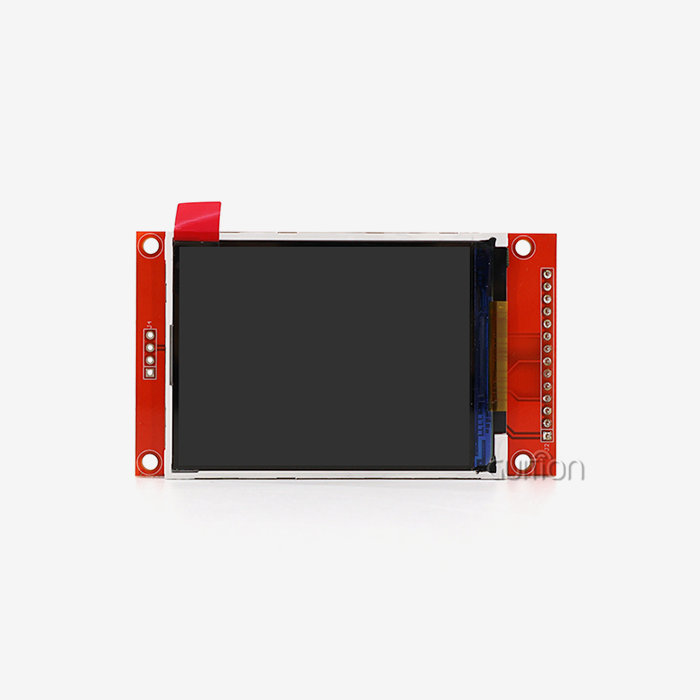
The LCD screen, driving circuits, backlight unit, and link ports are all combined into one deployable component in a Liquid crystal display module. These units are different from LCD glass that stands alone because they come ready to be connected to host systems using standard methods for communication.
Core Components and Operating Principles
An LCD screen module's design is made up of several important parts that work together. The liquid crystal layer is in the middle of two polarized filters. These filters are managed by thin-film transistors that send out precise voltage patterns. Changing the voltage changes the way the molecules of the crystal are lined up, which changes how light from the backlight gets through. The driver IC, which can be installed using either COG (Chip-on-Glass) or COB (Chip-on-Board) techniques, changes digital data into the analog voltages that activate the pixels. Engineers can choose the right parts for different voltage ranges and data methods when they understand this structure.
Common Display Technologies for OEM Applications
Different LCD technologies are better for different kinds of uses. TN (Twisted Nematic) screens are good for basic manufacturing indicators because they respond quickly and don't cost much. IPS (In-Plane Switching) technology has better viewing angles (up to 178 degrees) and more accurate color reproduction, which makes it perfect for devices that need to be visible to multiple operators. Thin-Film Transistor (TFT) units give active-matrix control to every pixel, which makes it possible for high-resolution graphics that are needed in HMI or medical imaging systems.
LCD Modules Versus Alternative Technologies
When looking at different display choices, each device has pros and cons. Even though OLED screens have great contrast ratios and don't need lights, they are more expensive and don't last as long when they are constantly used. E-ink screens are great for reading outside and using little power, but they have slow refresh rates that make them unsuitable for moving content. While LED screens are bright enough for use outside, they use more power. Standard TFT LCD screen panels are used in a lot of industrial machinery, car dashboards, and consumer gadgets because they offer good performance at a low cost. Their mature supply lines and standardized platforms make it easier to buy things in large quantities.
Typical Industrial and OEM Applications
In industrial settings, display units need to be able to handle electromagnetic radiation, vibrations, and changes in temperature. Ruggedized screens with IP65 ratings keep dust and water out of manufacturing control panels. Medical imaging equipment needs accurate grayscale copy that meets DICOM standards. Sunlight-readable screens with more than 800 nits of brightness are good for embedded systems used in farm robotics. These different uses all need the same things: stable performance over a wide range of temperatures, long operating lifespans, and the ability to work with a number of different microcontroller systems.
Key Criteria for Selecting the Best LCD Module for Your OEM Project
To pick the right display panel, you need to carefully consider a lot of different factors. Your choice affects how the product works, how the buyer feels about it, and the total cost of ownership.
Defining Project-Specific Requirements
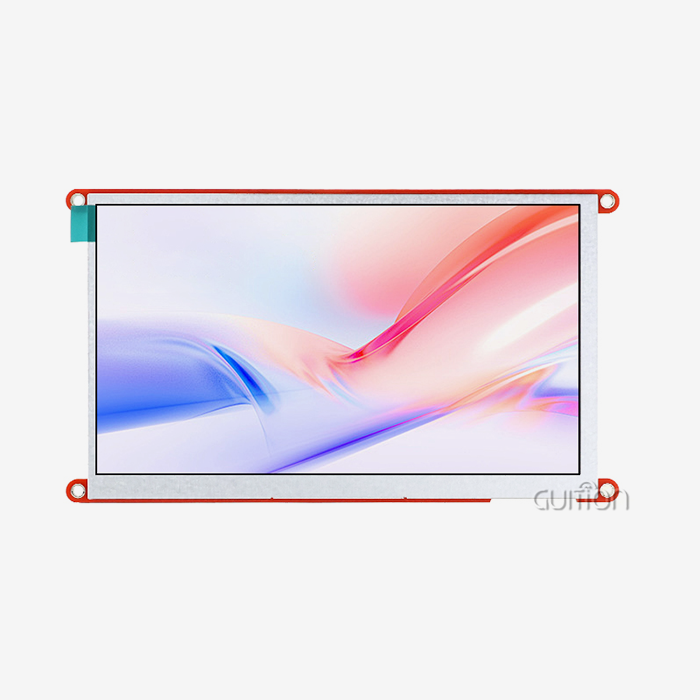
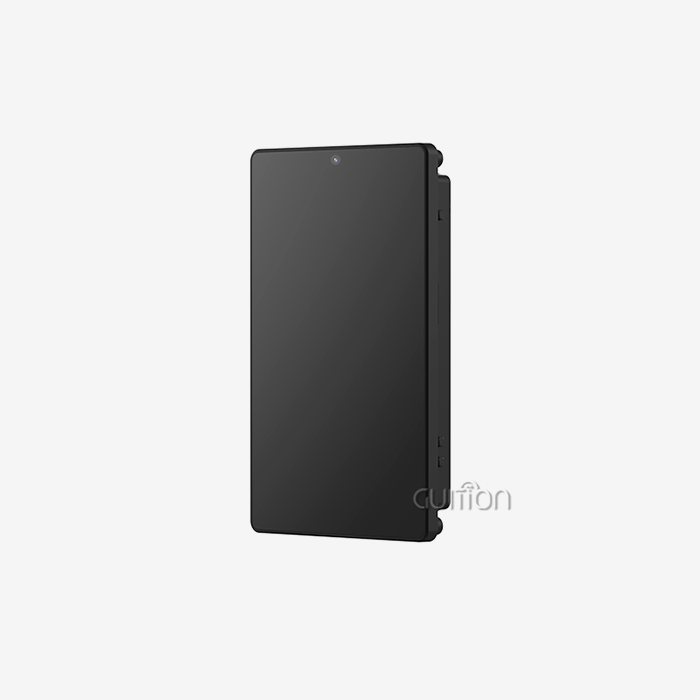
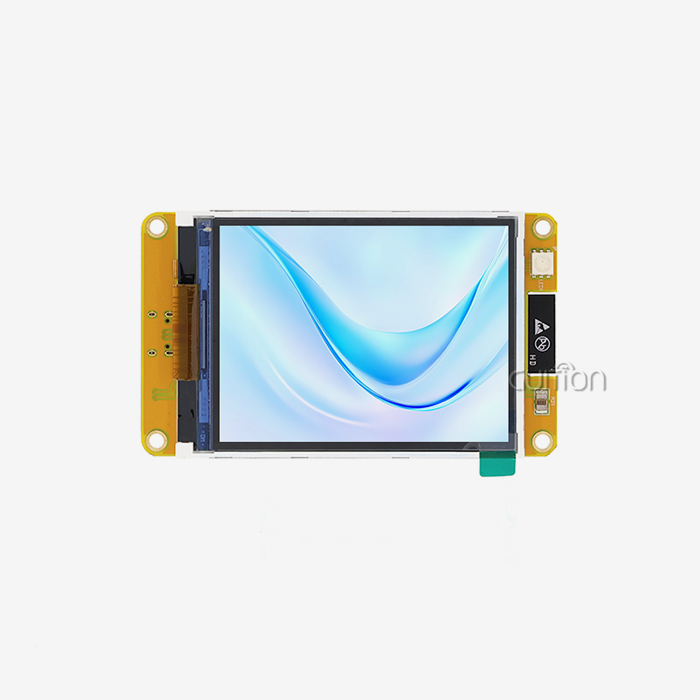
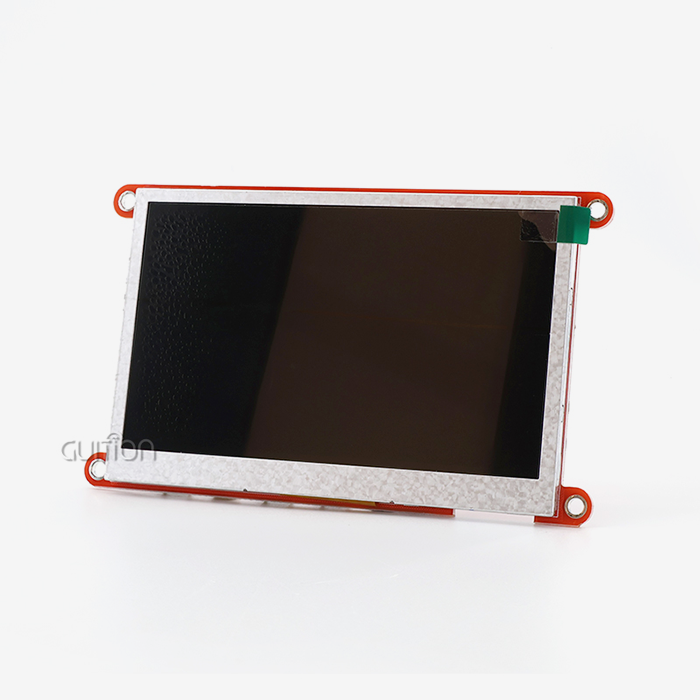
First, write down what your operating world looks like for a Liquid crystal display module. Will the device work in direct sunlight outside or in controlled conditions inside? For outdoor use, the light must be brighter than 1000 nits and be able to reflect light. Temperature requirements are very important. For example, in an industrial setting, activity may be required from -30°C to +85°C, while most household goods require -20°C to +70°C. Acceptable size limits are set by physical factors like mounting room, viewing distance, and panel width. The GUITION JC8048B050C_I, with its thin 3.00mm profile and 5.0-inch diagonal, shows how current modules can fit into designs with limited room without lowering the quality of the display.
Critical Technical Specifications
Resolution directly impacts how much information is displayed and how clear the image is. The JC8048B050C_I from GUITION has a resolution of 800x480 pixels, which is high enough for detailed images while still keeping responsive speed. Text can be read in a variety of lighting conditions when the contrast ratio is above 800:1. Your host chip must be able to handle the interface you choose, whether it's RGB, LVDS, MIPI DSI, or SPI. RGB interfaces, like the ones on the JC8048B050C_I, make it easy to connect to programming tools like Arduino and ESP-IDF.
Touchscreen Integration Considerations
When compared to resistive technologies, capacitive technologies provide sensitive and exact reactions. Support for multiple touches lets you use gestures to control things like pinch-to-zoom, which makes user interfaces for complicated apps better. Check the sampling rate of the touch controller when looking at touch-enabled display units; higher rates lower input delay. Both the ability to sense touch and the quality of the images are affected by how clear the cover glass is. Using OCAS (Optical Clear Adhesive Solution) gluing gets rid of air holes between layers, which makes things easier to read and last longer. It also makes waterproof designs easier to make.
Reliability and Environmental Tolerances
The operating temperature range tells you where your product will work reliably. The viscosity of the liquid crystal changes with temperature. If it falls outside of certain areas, reaction times slow down a lot or the display stops working altogether. Storage temperature measurements show how long something can last without power. Tolerance for humidity stops internal condensation that leads to electrical shorts. Industry standards, such as RoHS and REACH compliance, make sure that products sold in global markets are safe and legal.
Interface Compatibility and Development Ecosystem
Your choice of communication method affects how hard it is to create hardware and make software. MCU interfaces (8080/6800) work well with simple character screens, and RGB parallel interfaces make it easy to add TFT modules without having to deal with complicated protocols. Serial connections like SPI save GPIO pins on microcontrollers that don't have a lot of resources. Check out the available creation tools and code packages as well as the hardware connectivity. By getting rid of low-level driver development, full software support greatly shortens the time it takes to get a product to market.
Comparing LCD Modules with Alternative Display Technologies for OEM Projects
Knowing the trade-offs in speed between display technologies makes it easier to find solutions that fit the needs of the application instead of just using the ones that are already known.
Performance Metrics Across Technologies
The contrast ratio tells you how clearly dark and light things stand out. Normal TFT LCD screens have a contrast range of 800:1 to 1000:1, but OLED technology has an almost endless contrast range because the cells don't show anything. Higher contrast makes it easier for people who work in industrial monitoring to quickly tell the difference between state signs. Different types of LCD panels with LED backlights can be much brighter than 500 nits, and industrial versions can hit 1000+ nits for outdoor use.
Lifespan and Reliability Considerations
Backlight half-life tells you when the brightness drops to half of what it was at first. Good LED backlights in Liquid crystal display module units work for more than 50,000 hours before they lose half of their power. That's more than 5 years of nonstop use. Organic materials break down faster than inorganic materials, which means that OLED screens don't last as long. Blue pixels break down faster than red or green pixels.
Power Consumption and Efficiency
Power needs affect how long batteries last in handheld devices and how much heat is made in closed systems. LCD technology needs the lighting to work all the time, even when there is nothing on the screen. A white picture and a black image use the same amount of power. Individual pixels on OLED screens get power, so when they're showing mostly dark material, they use less power. But in normal workplace interfaces with a lot of different material and updates, LCD panels often use less power.
Cost Analysis and Volume Procurement
In most OEM goods, display panels make up a big part of the bill of materials (BOM). Tens of years of perfecting the manufacturing process have made TFT LCD technology more reliable in terms of price and supply lines. Commodity sizes (5.0-inch and 7.0-inch) get economies of scale that specialized sizes can't. Fewer companies are still making OLEDs, which creates risks in the supply chain and changes in prices. E-ink technology costs more, but its benefits, like being able to read outside or using very little power in static screens, make it worth it.
Working with Reputable Suppliers: How to Find and Vet LCD Module Manufacturers
Supplier choice has a huge effect on the success of a product that goes beyond the cost of the parts themselves. Partners you can depend on offer expert help, consistent quality, and long-term availability.
Evaluating Supplier Capabilities and Reputation
Check the knowledge of the maker by looking at the variety of products they offer and how they can be used. Multi-industry suppliers show that they are flexible and have a lot of expert knowledge. Certifications like ISO 9001 prove that quality management systems are in place, while standards specific to an industry, like AEC-Q100 for the auto industry or IEC 60601 for the medical field, show that the company has the right kind of expertise.
Technical Support and Documentation Quality
Full datasheets tell the difference between professional providers and people who just sell goods. Detailed electrical specs, toleranced mechanical drawings, optical qualities across temperature ranges, and timing graphs for interface protocols are all parts of good paperwork. See if there are any sample codes available. Having ready-made drivers for popular systems like Arduino cuts the time it takes to integrate them by a huge amount.
Customization Capabilities and MOQ Flexibility
Standard display panels can be used for many things, but to stand out from the competition, they often need to be customized. Check to see if providers are willing and able to change the brightness of the backlight, move connectors, add custom touch sensors, or change the software. Customization MOQ (Minimum Order Quantity) levels show how flexible a provider is. Some need 10,000 or more units for any change, while others can handle smaller amounts for specific uses. Secondary development support, such as access to software source code and help with changing drivers, lets products stand out without having to be completely custom designed.
Stability in the supply chain and long-term availability
When parts become obsolete, redesigns become more expensive. Ask about the product's lifetime promises. Reliable sellers let you know ahead of time when a product will be discontinued and offer pin-compatible replacements. Single-supplier risks are lessened by having two sources for important parts. Geographic diversity in production guards against problems in one area. Maintaining enough product gaps by suppliers ensures consistent delivery even when demand goes up. The COVID-19 pandemic showed how weak concentrated supply chains can be. To protect production continuity, working with producers to show supply chain robustness is important.
Sample Procurement and Testing Protocols
Before placing a large order, ask for examples. Check the quality of the packaging—damage during shipping is a sign of bad operations. Follow the guidelines in ISO 13406-2 for receiving quality review and look for cosmetic flaws like Mura, light leakage, and pixel errors. Electrical tests should make sure that the voltage ranges, current usage, and integrity of the interface signals are all correct.
Troubleshooting and Maintaining Your LCD Modules in OEM Products
Even high-quality display modules need to be handled and maintained in the right way to make sure they work well for a long time across all deployed units.
Common Issues and Their Root Causes
Display problems show up in different ways, and each one points to a different cause. If the whole screen goes black, it's probably because the backlight or power source is broken. Check the voltage levels at the module socket first. Having a partially visible screen with jumbled images could mean that there are timing issues with the interface or that the signal isn't being sent correctly because of electromagnetic interference or cables that are too long. When RGB signal levels are off, or there are problems with grounding, color confusion happens.
Installation Best Practices
When you place something correctly, you stop the mechanical force that breaks LCD panels. Do not overtighten the screws, which can bend the PCB. Instead, use the right torque specs and mounting holes that are meant for the module's structure. Keep direct pressure off of the screen's surface; even small amounts of concentrated force can break the glass inside.
Reading and Interpreting LCD Datasheets
Datasheets for parallel lcd displays have important details that keep merging issues from happening. Operating voltage levels list both normal and absolute maximum values. Going over absolute maximums, even for a short time, destroys parts. Interface timing graphs show the necessary clock rates, setup times, and hold times for communication to work. Optical specs, like brightness and contrast ratios, are based on certain measurement conditions, like a straight line of sight and controlled background light.
Preventive Maintenance and Longevity Strategies
Maintenance on display modules makes them last longer, especially in harsh settings. Harsh chemicals can damage anti-glare coats and oleophobic treatments, so only use the right cleaners on touch surfaces. Check the connections between cables on a regular basis, especially in places where they might be vibrating. Loose links can cause random failures that are hard to figure out. Watch the backlight's brightness over time—gradual dimming means the half-life is getting close, which should prompt you to plan a replacement right away.
Introducing the GUITION JC8048B050C_I: A Complete Display Solution
The GUITION JC8048B050C_I shows how current HMI display units meet the different needs we've talked about in this guide. This 5-inch display module has a lot of high-tech features packed into a small, reliable package that was made for tough industrial and business uses.
Advanced Technical Specifications
With an 800x480 resolution and 16.7M color depth, this display module gives you great visual clarity. It can show detailed drawings and colors that are true to life. The IPS screen technology makes sure that the picture quality stays the same from 178-degree viewing angles. This means that operators can look at information from different angles without seeing color shifts or loss of contrast. Capacitive touch technology gives users the responsive, natural feedback they expect from current systems.
Simplified Development with Guition Software
The GUITION ecosystem includes more than just hardware. It also has strong programming software that changes the way programmers make user interfaces. The Guition UI development tool gets rid of complicated low-level code so designers can use simple drag-and-drop processes to make professional interfaces. With just one click, you can add pre-built controls like buttons, sliders, charts, and indicators. You can then change their position, size, and look to fit your product's name.
Connectivity and Remote Management Features
These days, network features need to be built into the display section instead of being added by external parts. The GUITION JC8048B050C_I has built-in WiFi and Bluetooth modules that let you join right away without having to buy extra hardware or take up extra boardroom space. This built-in wireless feature lets you watch from afar, log data to cloud services, and set up the device wirelessly—all of which are features that are becoming more common in industrial IoT apps.
Diverse Application Implementations
This flexible display panel is used by a wide range of businesses with specific needs. In 3D printing equipment, it gives users clear progress screens and easy-to-use control panels that walk them through complicated processes with many steps. The high-resolution screen on medical beauty devices makes it possible to show exact parameters and keep an eye on the treatment. EV charging stations benefit from the bright screen that can be read outside and the sensitive touch interface that works in all kinds of weather and temperatures.
Conclusion
When choosing a high-quality Liquid crystal display module for your OEM project, you need to think about technical specs, provider stability, the development environment, and the total cost. Some of the most important factors are monitor technology that meets your viewing needs, interface compatibility with your platform, environmental tolerance for your application, and full software support that speeds up development. Reliable suppliers don't just sell parts; they also form relationships with customers that include expert support, the ability to make changes, and the ability to keep products in stock for a long time. Modern integrated solutions, such as the GUITION JC8048B050C_I, show how display modules have changed into full HMI platforms that include hardware, development tools, and connectivity features that make engineering easier while still delivering professional results in a wide range of industrial and commercial settings.
FAQ
What factors should I prioritize when selecting display modules for outdoor applications?
When used outside, screens need to meet specific requirements that go beyond those needed indoors. Focus on lighting levels above 1000 nits to be able to see in full sunlight. Display settings that are shiny or translucent use the light around them instead of fighting it. Wide working temperature ranges can handle changes in the weather throughout the year.
How do refresh rates and contrast ratios affect display performance in industrial monitoring applications?
The refresh rate controls how often the screen updates, which directly affects how well it can show data that changes quickly without motion blur or lag. Refresh rates of 60Hz or higher are best for industrial monitoring apps that show sensor data, waveforms, or process state in real time. Lower refresh rates cause flickering and slow interface reactions that make workers tired.
Can liquid crystal display modules be customized to meet unique product design requirements?
Customization options rely on how much you need and what the provider can do. Changing things like the backlight brightness to fit the room's conditions, moving connectors around to fit the board's layout, adding custom touch sensor setups for button-like interfaces, and changing the display firmware for specific communication protocols are all common changes.
Partner with GUITION: Your Trusted Liquid Crystal Display Module Supplier
Guidance is ready to help you turn your HMI development problems into benefits that give you a competitive edge. We are a top Liquid crystal display module maker, and we offer full solutions that include high-quality hardware, expert development tools, and full technical support. Our JC8048B050C_I and full range of monitor sizes from 1.28" to 21.5" give you a lot of choices to choose from based on your needs. The Guition development tool gets rid of low-level complexity, so your team can focus on making your product stand out instead of making display drivers. We support Arduino, ESP-IDF, and several different coding platforms, so you can use the one that works best for you. With built-in wireless connectivity and the ability to update remotely, your goods will always work, and you'll save money on repair costs over time. Get in touch with david@guition.com right away to talk about your project needs, ask for samples, and find out how our technology-driven approach speeds up your time-to-market while giving users great experiences.
References
1. Chen, W., & Zhang, L. (2021). Advanced TFT LCD Technology for Industrial Applications. Journal of Display Engineering, 15(3), 142-158.
2. International Display Standards Committee. (2020). Guidelines for Selecting Display Modules in Embedded Systems. Technical Publication Series, Volume 8.
3. Morrison, R. T. (2022). Human-Machine Interface Design: Best Practices for Industrial Control Systems. Industrial Automation Press.
4. Nakamura, K., Suzuki, T., & Yamamoto, H. (2021). Comparative Analysis of Display Technologies for OEM Applications. Electronic Components Research Quarterly, 34(2), 89-107.
5. Reynolds, P. J., & Davis, M. A. (2023). Supply Chain Management for Electronic Components: Strategies for Reliability and Cost Optimization. Global Procurement Journal, 19(1), 45-63.
6. Thompson, S. L. (2022). LCD Module Integration Techniques for Embedded Product Development. Embedded Systems Design Annual, 28(4), 201-219.
Learn about our latest products and discounts through SMS or email