- English
- French
- German
- Portuguese
- Spanish
- Russian
- Japanese
- Korean
- Arabic
- Greek
- German
- Turkish
- Italian
- Danish
- Romanian
- Indonesian
- Czech
- Afrikaans
- Swedish
- Polish
- Basque
- Catalan
- Esperanto
- Hindi
- Lao
- Albanian
- Amharic
- Armenian
- Azerbaijani
- Belarusian
- Bengali
- Bosnian
- Bulgarian
- Cebuano
- Chichewa
- Corsican
- Croatian
- Dutch
- Estonian
- Filipino
- Finnish
- Frisian
- Galician
- Georgian
- Gujarati
- Haitian
- Hausa
- Hawaiian
- Hebrew
- Hmong
- Hungarian
- Icelandic
- Igbo
- Javanese
- Kannada
- Kazakh
- Khmer
- Kurdish
- Kyrgyz
- Latin
- Latvian
- Lithuanian
- Luxembou..
- Macedonian
- Malagasy
- Malay
- Malayalam
- Maltese
- Maori
- Marathi
- Mongolian
- Burmese
- Nepali
- Norwegian
- Pashto
- Persian
- Punjabi
- Serbian
- Sesotho
- Sinhala
- Slovak
- Slovenian
- Somali
- Samoan
- Scots Gaelic
- Shona
- Sindhi
- Sundanese
- Swahili
- Tajik
- Tamil
- Telugu
- Thai
- Ukrainian
- Urdu
- Uzbek
- Vietnamese
- Welsh
- Xhosa
- Yiddish
- Yoruba
- Zulu
Why Choose an OEM LCD Panel Module for Custom Devices?
Choosing an OEM LCD panel module means accessing display solutions that are engineered for seamless integration into your specific hardware ecosystem. Unlike off-the-shelf consumer panels, these modules deliver the precise technical specifications, interface compatibility, and customization flexibility your industrial, medical, or IoT application demands. An OEM approach eliminates costly design compromises, accelerates time-to-market, and provides the technical support infrastructure critical for scalable production. When your device's success depends on visual clarity, operational reliability, and long-term supply stability, an OEM LCD panel module offers the performance certainty that generic alternatives simply cannot match.

Why Choose OEM LCD Panel Modules Over Standard or Branded Panels
Limitations of Off-the-Shelf Solutions
Standard consumer display panels have general mounting patterns, set communication methods, and limited environmental working ranges, so they can work best in mass-market uses. When your custom device needs to be a certain size, have a specific interaction protocol, or work in a wide range of temperatures, these standard options force you to make expensive design choices. You might have to change the layout of enclosures to fit available panel sizes, add circuits to convert between interfaces, or accept less reliability in harsh locations. Branded panels from big electronics companies usually cost more, have strict minimum order quantities, and don't come with a lot of technical support for problems that might come up during custom integration. The specs are set, so you can't make any changes to the voltage, the firmware, or the way the machine works that your application might need. This rigidity makes development take longer and cost more because your team has to work around the limits instead of improving performance.
Customization and Integration Advantages
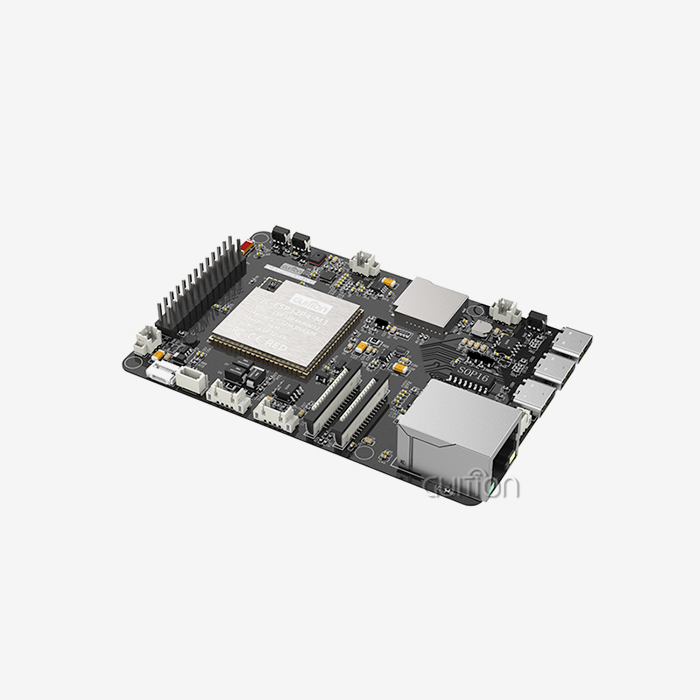
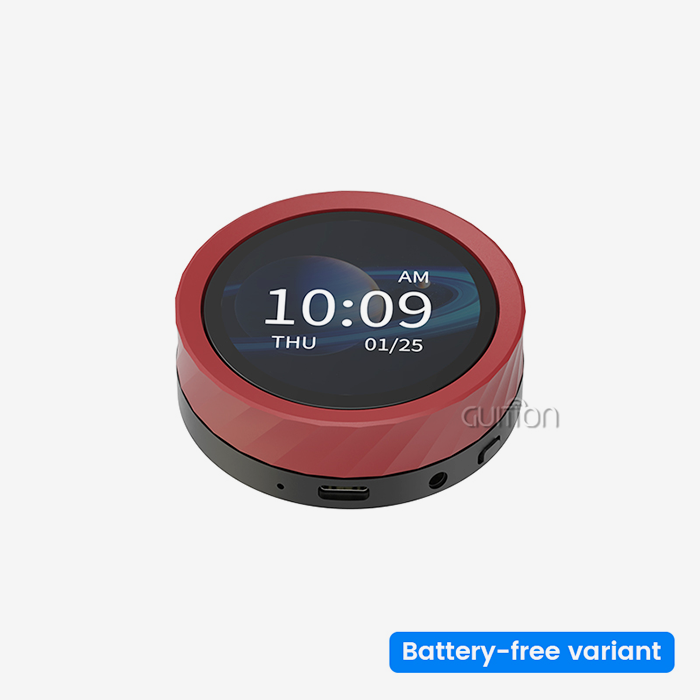
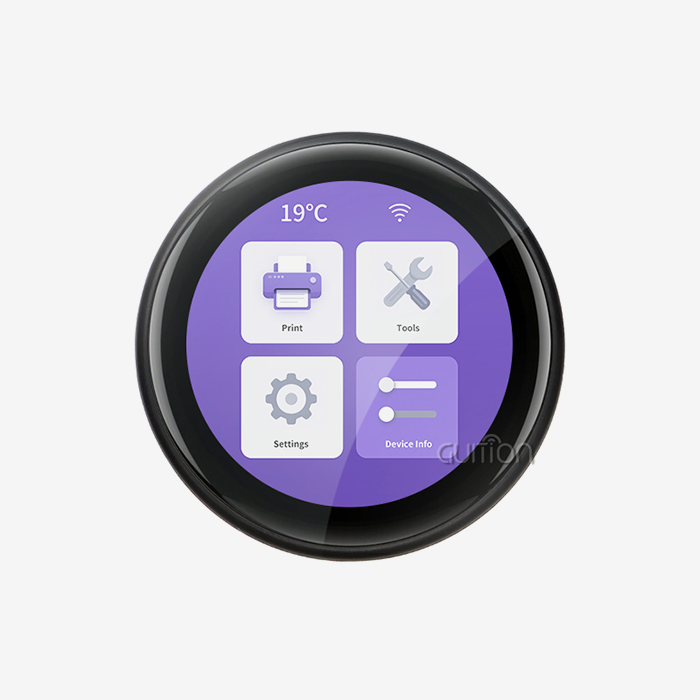
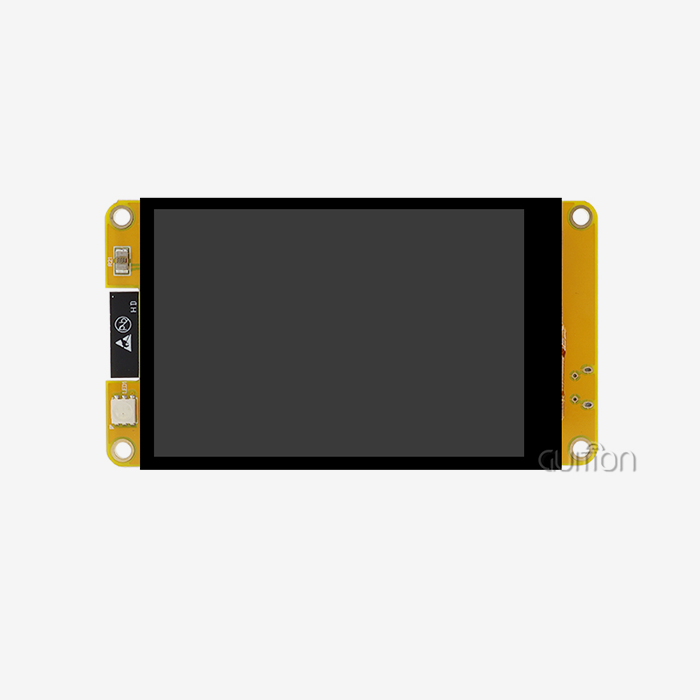
Through engineering flexibility, LCD Panel Modules handle these constraints. Manufacturers can change the brightness of the lighting, the designs of the mounting holes, the lengths and types of cables and connectors, and even the way the software works to fit your system architecture. This customized method gets rid of the need for adapter boards, special cables, and mechanical solutions, all of which add to the cost of your end assembly and make it more likely to break. The development ecosystem around high-quality OEM modules speeds up integration by a large amount. The software platform for Guition works with Arduino, IDF, and native Guition development modes. This means that your engineering team can pick the toolchain that works best for them instead of having to learn how to use completely new development environments. The drag-and-drop interface builder lets you make quick UI prototypes without needing to know a lot about graphics code. The built-in WiFi and Bluetooth connection makes adding IoT features easier. With the help of these features, an LCD Panel Module can be converted from an inactive display part to an active HMI system with very little extra engineering work.
Real-World Application Benefits
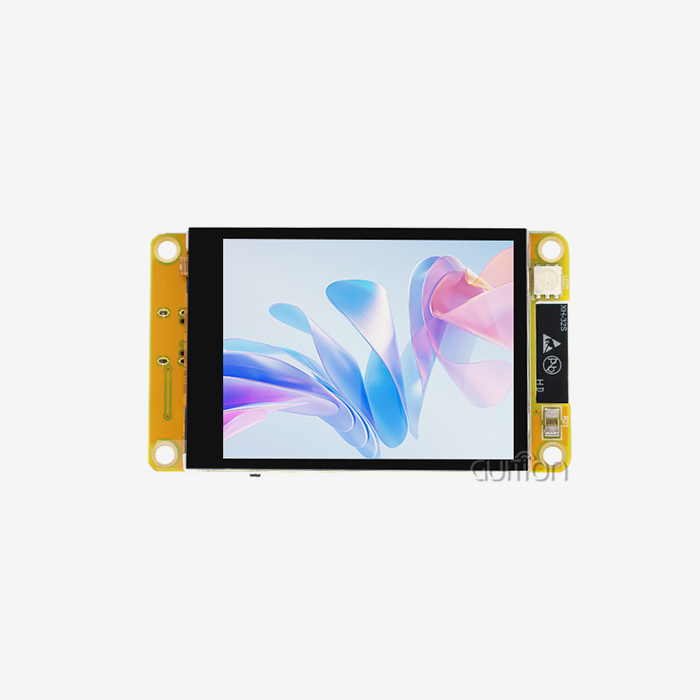
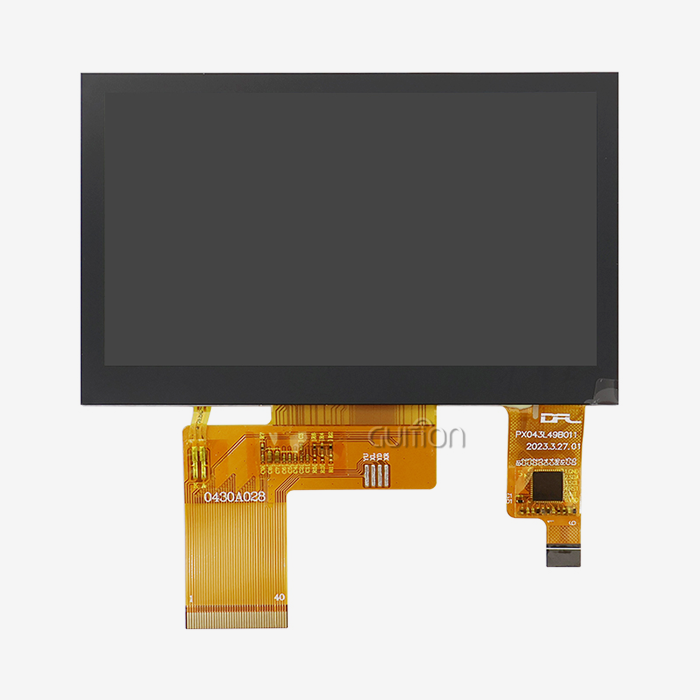
Industrial control panels need tough displays that work reliably in a wide range of temperatures and can connect to both old PLCs and new microcontrollers. OEM units made for these conditions have better EMI shielding, industrial-grade connections, and transmission methods that work with a variety of control systems. Medical device makers need modules that meet strict legal standards, can be tracked back to their source, and will be available for a long time. This is something that consumer panels can't provide. Smart home gadget makers need small units that have built-in connectivity features and low power consumption so that batteries can be used. Charging station designers need displays that can be read in direct sunlight and are built to last. Different applications have different needs, which OEMs try to meet by making specific changes to specifications and adding new features. In particular, the GUITION JC4827Q043N_I works well with 3D printers, medical aesthetic equipment, and charging infrastructure because it has a resolution of 800x480, works with MCUs, and has a bright screen.
Key Factors to Consider When Procuring OEM LCD Panel Modules
Essential Technical Criteria
Resolution and pixel density have a direct effect on how the user interface can be designed and how much information can be shown. Higher resolutions let you see more details in graphics and smaller text, but they need more memory and processing power from your host system. Think about the resolution needs based on how far people usually sit to view something and how much information your interface needs to show. The 800x480 resolution found in most 4.3-inch industrial modules is good enough for menu systems, parameter displays, and simple images without being too much for embedded computers. The brightness requirements must match the area in which you'll be working. When used indoors, 300–400 nits are fine, but when used outdoors or in high-light conditions, 800-1000+ nits are needed for comfortable viewing. Think about how higher lighting uses more power and makes more heat that needs to be managed. Reading and looking at things are affected by contrast ratios between 500:1 and 3000:1. IPS technology usually has wider viewing angles than TN technology. Using less energy has an effect on battery-powered devices and systems that keep heat inside. Newer LED backlights use a lot less power than older CCFL technologies and let you control the lighting better. Choosing an interface between TTL, LVDS, MIPI, or MCU protocols changes how complicated the wiring is, how electromagnetic interference works, and how much data can be sent at once. The MCU communication method makes it easier to connect to embedded systems' standard single-chip microcontrollers.
Supplier Evaluation Criteria
Samples are available so that you can try the product out for yourself before committing to large amounts. Good suppliers give you evaluation modules that come with full instructions, reference designs, and software examples, which speed up the development of your proof-of-concept. You can tell if a supplier's capabilities fit with your project timeline by looking at the lead times for both samples and production quantities. Standard modules can ship in two to four weeks, but the first production runs for special versions take eight to twelve weeks. Professional OEM sellers are different from component brokers because they offer warranties and expert help after the sale. Risk protection comes from warranties that cover manufacturing flaws, pixel failures that are within industry standards, and backlight degradation. Quick expert support helps fix problems with integration, make the best use of display settings, and quickly fix problems in the field. Check the quality of the supplier's documentation. Datasheets, application notes, and software libraries with lots of details show that the engineer knows what they're doing and cares about the customer. For goods that last more than one year, long-term supply stability is very important. As companies try to keep up with the latest smartphone trends, consumer display screens often become useless within a few months. Industrial-grade units are usually available for 5 to 7 years, and some providers offer programs for lifecycle management and obsolescence notice. Knowing the supplier's product roadmaps helps you choose parts that will still be accessible when your device goes on sale.
Cost Optimization Strategies
As the number of units ordered goes up, volume pricing structures offer big drops in the cost per unit. It might cost $20 to $40 per module for a prototype, but $8 to $15 per unit for standard specs can be achieved with production numbers of 1,000 or more units. When choosing a seller, talk about different price levels so you can see how costs will change as your product grows. Flexible minimum order amounts allow for small-batch and start-up production, as well as ways to move up to bulk prices as the market accepts the product more. Total landed cost is greatly affected by how well logistics work. Shipping costs are cut and inventory management is made easier when multiple component orders are put thru suppliers that offer a range of display sizes and specifications. Some suppliers keep area warehouses that make shipping faster and make customs easier. Instead of just looking at the price per module, you should also look at the total cost of ownership, which includes freight, duties, and the cost of keeping the inventory.
Comparing OEM LCD Panel Modules with Alternative Display Technologies
LCD Versus OLED Considerations
When compared to traditional LCD technologies, OLED technology has better contrast ratios, faster reaction times, and smaller forms. Because of these benefits, OLED is a good choice for high-end consumer applications where the visual impact justifies the higher component costs. However, OLED screens have a lot of problems when used in industry settings. Concerns about lifespan come from biological materials breaking down, especially when static display content causes burn-in effects. Over time, the color of blue OLED emitters changes because they break down faster than other colors.LCD Panel Modules work great in situations where they need to last a long time, be bright, and be easy to implement. LCDs have been shown to be reliable and stable, which is good for medical equipment that works nonstop for years. Industrial control panels that show mostly static data don't have to worry about the burn-in problems that come with OLED technology. The maximum light of OLED technology is still less than that of high-performance LCD panels made for outdoor use.LCD technology is clearly the best choice for most industrial, medical, and business uses because it is cheaper. Even tho the price of OLED has gone down, LCD modules are still 30–50% cheaper for screens of the same size and resolution. LCD technology is better for uses that value dependability and low cost over perfect visual performance because the development ecosystem is more mature, there are more suppliers, and more parts are available.
Flexible Versus Rigid Panel Applications
Flexible display technology makes it possible for devices to have curved surfaces, be bendable, and come in new shapes that would not be possible with traditional hard glass bases. These features are useful for specific uses in wearable tech, car interiors, and unique product designs where the need for visual differentiation justifies more difficult development. But flexible panels need special bonding methods and careful mechanical design to avoid stress damage. They also usually have lower brightness and clarity than stiff panels of the same size. For the majority of industrial and business uses, rigid LCD Panel Modules offer better optical performance, easier integration, and lower prices. Because glass surfaces are mechanically stable, their visual properties stay the same without the damage that comes from bending them over and over again. Standard mounting designs, choices for protected cover glass, and well-known ways of integrating things make development less uncertain.
Industrial-Grade Versus Standard Specifications
Industrial-grade modules have wider temperature ranges (-20°C to +70°C or more), tougher constructions that can handle vibration and shock, and conformal coatings that keep moisture and dirt out of the circuitry. These specifications make sure that the equipment will work reliably in a factory, an outdoor installation, or on mobile equipment that is under a lot of mechanical stress. The GUITION JC4827Q043N_I is a great example of industrial design goals because it is built to last and can be used in demanding environments for factory equipment, charging infrastructure, and medical devices. Standard modules made for consumers are designed to work best in controlled indoor environments in terms of cost and performance. Temperature ranges are limited to 0°C to +50°C, mechanical safety is lowered, and choosing parts based on how much they cost is given more weight than how reliable they are over time. Standard specs are fine for consumer gadgets and normal working conditions, but they run the risk of breaking down too soon when used in industrial, automotive, or outdoor settings.
Future Trends and Technology Advancements in OEM LCD Panel Modules
Resolution and Performance Evolution
The resolution of displays keeps getting better, and now you can get 4K and even 8K panels in bigger industrial sizes. Extreme resolutions are too high for many control panels and easy interfaces, but the technology makes it possible to see details in medical imaging, quality-checking systems, and tracking apps that use a lot of data. Increasing the refresh rate makes motion blur less noticeable in dynamic content, which is good for entertainment systems and interactive displays. Wider gamut coverage and better color management make it possible for business uses that need accurate color reproduction. SPI LCD Display technology also supports efficient communication and integration in compact embedded applications where reliable visual output is required. Mini-LED backlighting technology provides localized dimming and higher contrast ratios that are similar to OLED performance while keeping LCD's advantages in terms of brightness and lifespan. These improvements make LCD useful in situations where other technologies were previously the only option.
Connectivity and Intelligence Integration
More and more modern units have processing power that goes beyond simple display features. Integrated touch controls get rid of the need for external parts and make touch responses better. Some more modern modules have hardware that speeds up graphics, which makes host systems' CPUs less busy and lets them make more complex user interfaces. With Guition modules' built-in WiFi and Bluetooth connection, screens become network-connected gadgets that can be monitored remotely and updated over the air. They can also be connected to the cloud. These smart features fit in with a larger trend in the Internet of Things (IoT), where devices are becoming connected endpoints that send and receive operational data and configuration updates. Remotely updating display software through over-the-air (OTA) methods lowers the cost of field service and lets new features be added throughout the span of a product. Support for multiple languages and UTF-8 encoding makes global operations possible without changing the hardware.
Market Drivers and Regulatory Influences
As healthcare systems become more digital and patient tracking gets better, the demand for medical devices keeps going up. Displays used in medical settings have to meet strict safety standards, provide image quality that is good enough for clinical use, and be available for a long time so that equipment can be used for decades. Demand for operator interfaces, machine vision displays, and process monitoring screens is rising because of the growth of industrial automation caused by Industry 4.0 initiatives. Global rules on energy saving are getting stricter, which is good for LED-backlit LCD technology and makes power control circuitry better. Environmental rules about dangerous materials, recycling, and being responsible for a product's whole lifetime affect the choice of components and the approval of suppliers. Choosing suppliers that follow the rules and care about the environment lowers your supply chain risk and compliance burden. Strategic partnerships with suppliers who can customize, provide quick technical support, and allow for flexible production scaling set your products up for success on the market. When suppliers buy development tools like Guition's software platform, they make your engineering job easier and speed up product changes. Looking at supplier roadmaps and investments in technology can help you find partners who are in line with your long-term product strategy.
Conclusion
When you choose an LCD Panel Module, you get the customization options, technical support, and ways to cut costs that are necessary for making custom devices. OEM methods provide exactly tailored solutions that meet the specific needs of your application, unlike generic displays that force designers to make trade-offs. The benefits of integration, ties with suppliers, and community support for quality modules speed up development while lowering risk. As display technology changes to improve connectivity, processing power, and performance, working with innovative providers will make sure that your goods can easily take advantage of these new features. SPI LCD Display solutions are among the advanced options that enhance communication efficiency and integration flexibility, making LCD Panel Modules the best choice for industrial, medical, and commercial uses where performance and dependability are key to market success due to their mix of technical capability, commercial flexibility, and long-term support.
FAQ
What Lead Times Should I Expect for Custom LCD Panel Modules?
Standard module configurations usually ship two to four weeks after the order is confirmed. For custom specs that need changes to the tools, the software, or the way the machine works, the first production runs usually take 8 to 12 weeks. Once the first order has been qualified, repeat orders of custom configurations usually ship between 4 and 6 weeks. By planning when to buy things around these wait times, you can keep your project on track and make sure there are enough testing windows before production starts.
Can Modules Be Customized for Non-Standard Sizes and Resolutions?
Most OEM sources allow for customized sizes as long as the production equipment can handle it. However, fully custom glass sizes need large minimum order numbers to make the tooling investments worth it. Some more useful ways to customize are changing standard panel sizes through bezel design, changing the active area within the available glass sizes, and choosing from the resolution choices offered by the maker. Customizing the interface, adjusting the brightness, and making changes to the software are more flexible than changing the size of the device.
How Do I Ensure Module Reliability in Demanding Industrial Environments?
Set temperature ranges that are suitable for industrial use, ask for conformal coating on circuit boards, and choose modules that have been used successfully in similar situations in the past. Do environmental testing that matches your working conditions, such as temperature cycles, vibration, and humidity exposure. Check the quality certifications of the supplier and ask field deployments for data on the failure rate. Use the right attachment methods to keep the glass surfaces from being mechanically stressed, and make sure there is enough airflow to control the heat generated by the backlight. The GUITION JC4827Q043N_I is designed in a way that makes it reliable in industrial settings with tough tasks.
Partner with Guition for Your Custom Display Solutions
With Guition's full line of LCD Panel Module solutions designed specifically for industrial, medical, and IoT applications, you can improve the visual interface of your device. Our USART-HMI display units, which range from 1.28" to 21.5", give your project the exact specs, integration options, and development environment it needs. As a seasoned LCD Panel Module seller, we offer full secondary development interfaces, easy-to-use Guition software that works with Arduino and IDF platforms, and built-in connecting features that cut down on your time to market. Our engineering team can give you personalized advice based on your specific technical needs. We also offer reasonable prices for prototypes up to full production runs, and you can get samples to try out for yourself. Email us at david@guition.com to talk about how our display options can change the way you make unique devices.
References
1. Chen, L., & Wang, H. (2022). Advances in Industrial Display Technologies for Human-Machine Interfaces. Journal of Electronic Manufacturing Systems, 18(3), 245-267.
2. Martinez, R. (2023). OEM Component Selection Strategies for Medical Device Development. Medical Electronics Design Quarterly, 12(2), 88-104.
3. Thompson, K., & Liu, Y. (2021). Comparative Analysis of Display Technologies in Industrial Automation. International Journal of Manufacturing Engineering, 29(4), 512-531.
4. Patterson, D. (2023). Supply Chain Management for Custom Electronic Components. Electronics Procurement Review, 15(1), 34-52.
5. Anderson, M., & Schmidt, P. (2022). Evolution of LCD Panel Technology: From Consumer to Industrial Applications. Display Technology Advances, 7(2), 156-178.
6. Zhang, W., Kim, S., & Brown, T. (2024). IoT Integration in Next-Generation HMI Systems. Embedded Systems Design Journal, 21(1), 67-89.
Learn about our latest products and discounts through SMS or email