- English
- French
- German
- Portuguese
- Spanish
- Russian
- Japanese
- Korean
- Arabic
- Greek
- German
- Turkish
- Italian
- Danish
- Romanian
- Indonesian
- Czech
- Afrikaans
- Swedish
- Polish
- Basque
- Catalan
- Esperanto
- Hindi
- Lao
- Albanian
- Amharic
- Armenian
- Azerbaijani
- Belarusian
- Bengali
- Bosnian
- Bulgarian
- Cebuano
- Chichewa
- Corsican
- Croatian
- Dutch
- Estonian
- Filipino
- Finnish
- Frisian
- Galician
- Georgian
- Gujarati
- Haitian
- Hausa
- Hawaiian
- Hebrew
- Hmong
- Hungarian
- Icelandic
- Igbo
- Javanese
- Kannada
- Kazakh
- Khmer
- Kurdish
- Kyrgyz
- Latin
- Latvian
- Lithuanian
- Luxembou..
- Macedonian
- Malagasy
- Malay
- Malayalam
- Maltese
- Maori
- Marathi
- Mongolian
- Burmese
- Nepali
- Norwegian
- Pashto
- Persian
- Punjabi
- Serbian
- Sesotho
- Sinhala
- Slovak
- Slovenian
- Somali
- Samoan
- Scots Gaelic
- Shona
- Sindhi
- Sundanese
- Swahili
- Tajik
- Tamil
- Telugu
- Thai
- Ukrainian
- Urdu
- Uzbek
- Vietnamese
- Welsh
- Xhosa
- Yiddish
- Yoruba
- Zulu
Best ESP32-P4 Display Modules in China for Smart Home Makers
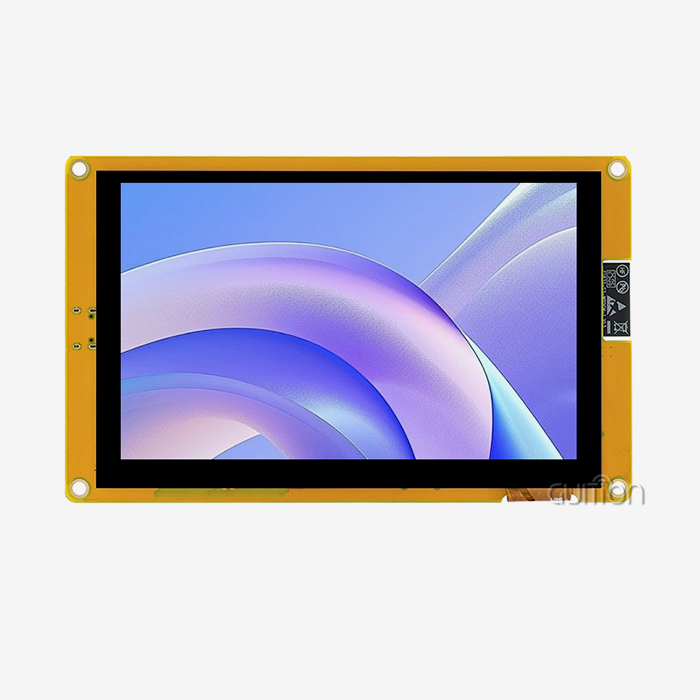
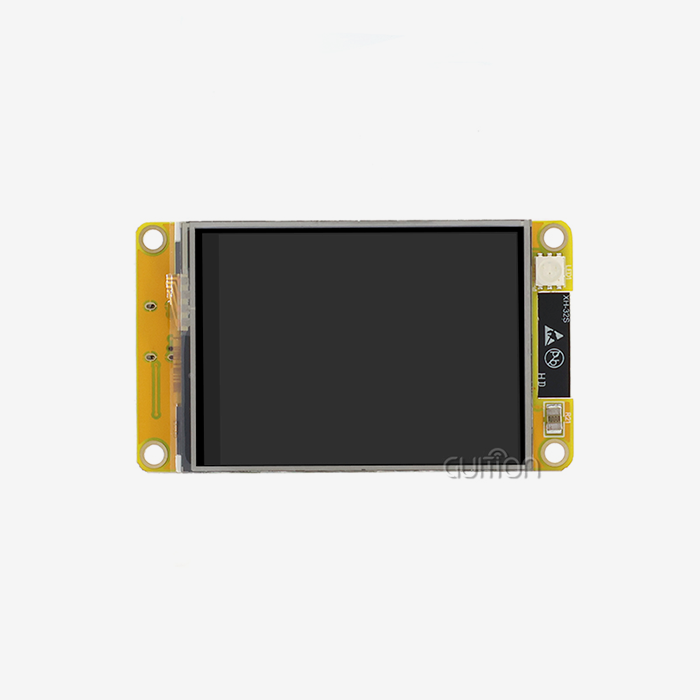
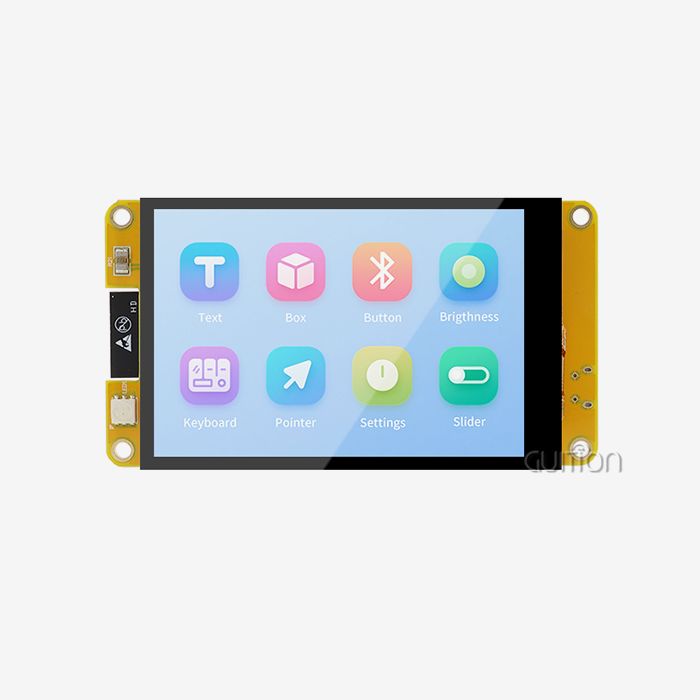
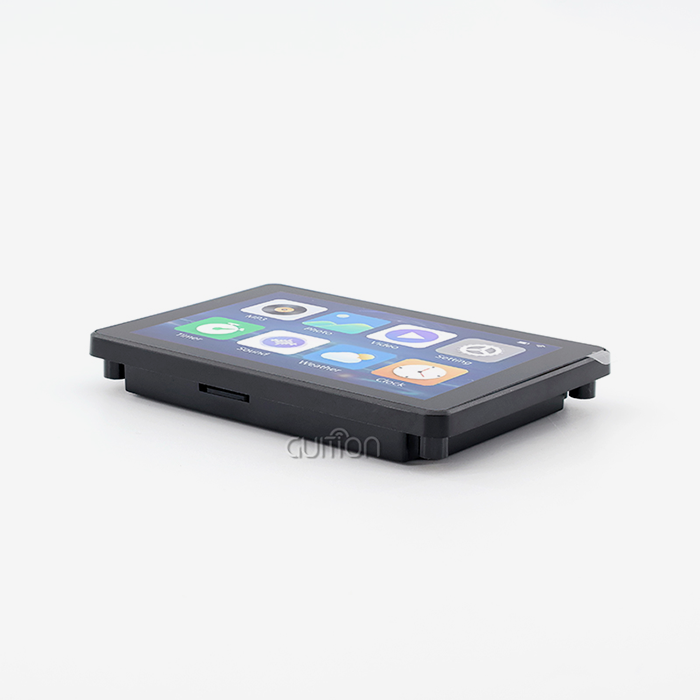
Finding the right esp32p4 display module for smart home projects means balancing performance, cost, and supplier reliability. Guition's JC-ESP32P4-M3-DEV module has emerged as a compelling solution in 2024, integrating dual-core RISC-V processing at 400MHz with ESP32-C6 wireless connectivity. This combination delivers Wi-Fi 6 and Bluetooth 5 capability alongside MIPI-DSI interfaces that drive high-resolution screens smoothly. Chinese manufacturers have refined these modules to address the specific demands of embedded engineers and product managers seeking fast development cycles, robust HMI functionality, and competitive pricing without sacrificing technical support quality.

Top ESP32-P4 Display Modules from China
Chinese companies have built strong supply chains around ESP32-based display systems, and some of their names have become well-known among foreign OEMs. The competitive landscape shows that manufacturing processes are getting more advanced and manufacturing processes are becoming more mature.
Leading Supplier Analysis
Guition stands out because it makes both hardware and its own software tools, which is called "vertically integrated." This integration is shown by the JC-ESP32P4-M3-DEV module. The company sells both the module itself and the Guition development environment, which makes making user interfaces easier. This software gets rid of the need for low-level programming for basic interface elements, which makes it appealing to R&D managers who are pressed for time on projects. Other well-known companies focus on hardware and let customers or third-party tool providers handle the software integration.
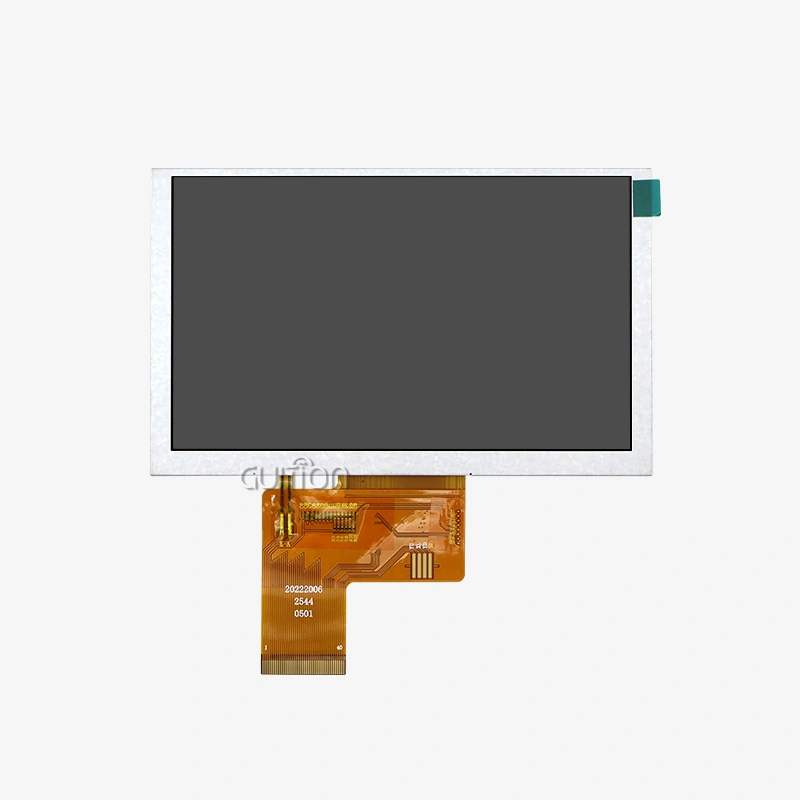
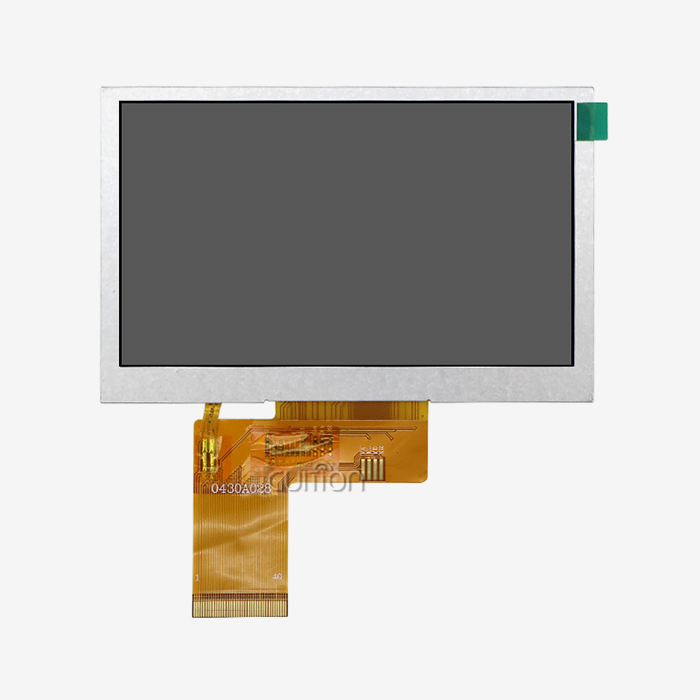
Comparing performances shows what makes them different. Power use varies a lot between modules, but good thermal management lets them run at 400MHz for a long time without slowing down. Supported ESP32P4 Display Module sizes range from small 4.3-inch panels that can be used for heaters to large 10.1-inch screens that can be used for industrial control. The MIPI-DSI implementation in the Guition module provides better signals over longer flex wire runs compared to parallel RGB interfaces. This lowers electromagnetic interference in places with a lot of electrical noise, such as factory automation settings.
Cost-Performance Considerations
Strategies for buying in bulk have a big impact on the costs of a project. Chinese suppliers usually offer discounts for buying in bulk starting at 100 units, and prices get even better when you buy 1,000 or more units. Warranty terms vary, but most reputable manufacturers offer coverage for 18 to 24 months, with advance replacement programs that keep production running as smoothly as possible. The level of expert help after the sale is what sets professional suppliers apart from commodity sellers. Guition offers documentation in English and quick engineering help, which solves the communication problems that have traditionally made cross-border procurement harder.
OEM customization choices help you stand out. Brand-specific product combinations are possible if suppliers are ready to change monitor sizes, connector types, or pre-install custom firmware. This versatility is helpful for companies that make smart appliances that need to have specific shapes or for companies that make medical devices that need to have certain certifications.
How to Choose the Best ESP32-P4 Display Module for Smart Home Projects
Choosing what to buy depends on how well the technical specs match the needs of the application while also keeping supplier risk under control. When evaluating, different types of buyers put different factors at the top of their lists.
Technical Selection Criteria for Engineers
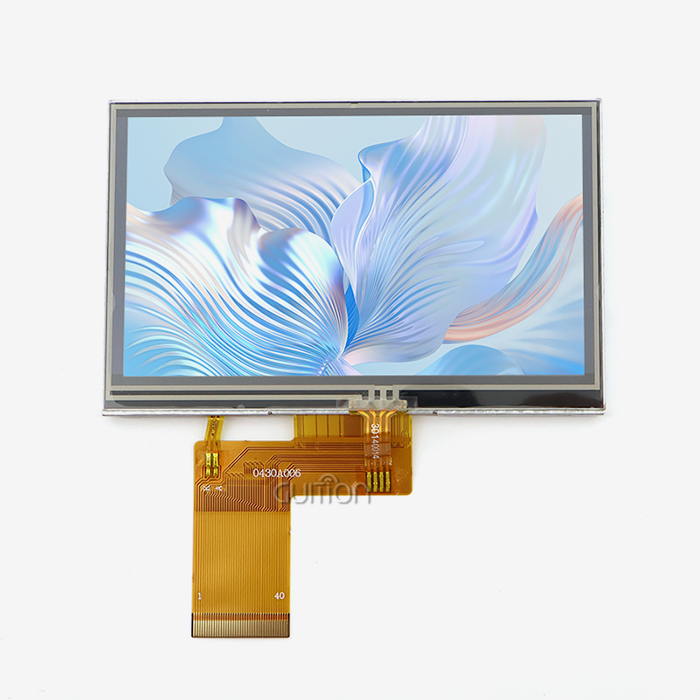
Embedded engineers check to see if the new development process will work with the old ones. The module works with the Arduino IDE, the ESP-IDF framework, and Guition's own software, so it can be used by teams of all skill levels. Graphical UI builders are helpful for developers with less experience, while standard Espressif APIs allow advanced users to directly access hardware. The responsiveness is changed by integrating a touch controller. Capacitive touch panels with I2C interfaces work better for multiple touches than resistive ones, which is especially important for smart home controls that use gestures.
Power budget estimates show if battery-powered is possible. The ESP32-P4's dynamic frequency scaling lowers power use when it's not in use, which makes it possible for wireless sensors or handheld diagnostic devices to run for longer. Wi-Fi 6 protocols make networks more efficient than older ones by reducing the amount of time each data exchange needs to be live on the radio. These traits are in line with what an energy management system needs so that devices can run continuously on small power supplies.
Platform Comparison for Informed Decisions
There are trade-offs between different systems that you should be aware of. STM32-based solutions have about the same amount of processing power, but they don't have built-in Wi-Fi. Instead, they need different radio units that make PCB planning harder and cost more. While Arduino ecosystems have a lot of community support, they don't usually have the multimedia acceleration that ESP32-P4 hardware does. Raspberry Pi devices work as well as desktop computers, but they use a lot more power and need people who know how to manage Linux to set them up. The ESP32P4 Display Module is perfect for uses that need graphics performance similar to a smartphone but don't want to use too much power or spend too much money.
Long-term maintenance is affected by how mature the software ecosystem is. The LVGL graphics library, which is designed for the ESP32-P4's hardware acceleration, lets you make excellent user interfaces without having to make your own rendering engines. The module's Wi-Fi connectivity supports over-the-air (OTA) updates, which let firmware be sent to installed devices from afar. This lowers the cost of field service for companies that make smart home products. Support for multiple languages through UTF-8 encoding makes it easier to enter new foreign markets without having to rethink hardware.
Procurement Best Practices for ESP32-P4 Display Modules in China
To get good results from Chinese suppliers, you need to be organized about how you choose vendors, make sure of the quality of the goods you buy, and handle logistics. Teams that are good at buying things follow organized steps that keep risks to a minimum while maximizing cost savings.
Supplier Verification Strategies
Verifying the qualifications of suppliers avoids problems with quality and intellectual property. Authorized distributors have direct relationships with Espressif and component makers, so they can make sure that the chips they sell are real and not marked or fake. During the first meetings, ask to see business licenses, ISO badges, and proof of a quality management system. Video tours of factories are helpful for seeing how big and what kinds of things they can make, but they can't replace in-person audits. Referrals from current customers in similar fields can tell you a lot about how reliable delivery is and how quickly technical support responds.
The rules for quality assurance should cover both initial inspection and continued tracking. Reliable suppliers test their products thoroughly, including stress testing in harsh environments. For example, thermal cycling from -20°C to +70°C proves that the parts will work in places where temperatures are extreme, like in cars and factories. Using oscilloscopes to test the integrity of MIPI signals ensures eye diagram compliance, which stops display artifacts at high data rates. Touch panel linearity testing makes sure that the input is correct across the whole screen, which is important for precise controls in medical equipment.
Cross-Border Transaction Management
When you ship things internationally, you need to carefully plan your processes around wait times and customs procedures. Air freight can send samples and small amounts in 5 to 7 days, but it gets too expensive for large quantities. Shipping by sea lowers the cost of shipping each unit by a large amount, but it takes longer to deliver (4-6 weeks). You might want to look into consolidation services that combine orders from different suppliers into a single shipment. This can help you save money on freight costs and find new suppliers.
Cost and time are both affected by customs rules. Harmonized tariff numbers set duty rates; misunderstanding causes delays and could lead to fines. Suppliers with a lot of experience give correct paperwork like business invoices, packing lists, and certificates of origin. Incoterms make it clear who is responsible for what. For example, FOB (Free on Board) terms put the shipping risk on the buyer once the goods arrive at Chinese ports, while DDP (Delivered Duty Paid) terms make it easier but cost more up front. For new customers, payment terms usually start with full advance payment and move up to 30-day net terms after a few transactions.
Future Trends and Innovations in ESP32-P4 Display Modules for Smart Homes
Demands for higher resolution, lower power use, and deeper IoT integration are speeding up the development of embedded display technology. Understanding new capabilities helps procurement managers make decisions about where to buy things that will work in the future.
Resolution and Display Technology Advancements
Panel makers are increasing the sharpness while lowering the prices. The change from 800x480 to 1280x800 resolution in screens smaller than 10 inches makes graphics and small text look as clear as they do on smartphones. MiniLED backlighting technology raises contrast ratios and local dimming abilities, making it easier to read in a variety of lighting situations that are popular in home settings. These changes are good for industry screens that show detailed process diagrams or medical device displays that show complicated waveforms.
As touch technology improves, projected capacitive sensors with thinner cover glass are becoming more popular. These sensors can recognize gestures more accurately and work with gloves or wet fingers, which makes them useful for cooking and bathroom tools. Haptic feedback integration lets you feel when you press a button on a flat glass surface, which boosts user trust without using mechanical switches.
IoT Protocol Integration
Matter protocol support is becoming more and more standard in smart home ecosystems, which lets devices from different manufacturers work together. ESP32-P4 modules that can connect to Wi-Fi 6 give Matter devices the bandwidth and latency they need for responsive control. In future module versions, Thread mesh networking will probably be added along with Wi-Fi. This will let battery-powered sensors talk to each other through low-power radio while still staying connected to the internet via IP.
Edge AI skills keep growing thanks to TinyML frameworks that are designed for RISC-V architectures. On-device inference for voice wake-word recognition or occupancy tracking cuts down on reliance on the cloud, which improves privacy and reaction times. The ESP32-P4 has enough processing power to handle these methods along with display output, combining tasks that used to need their own processors.
Energy Efficiency and Miniaturization
Power control improvements are aimed at apps that are always on. Advanced sleep modes keep RAM data safe while lowering power use to microamperes. This lets you wake up right away without having to go through a full boot process. Performance and battery life are balanced by dynamic voltage and frequency scaling that is based on how fast the display needs to refresh. These improvements are especially helpful for heat controls and security panel screens that stay on all the time on small amounts of power.
Miniaturizing parts makes it possible for products to have smaller form factors. System-in-package integration, which puts the processor, memory, and radio all in one piece, makes the PCB size smaller. This density is good for uses that need to save room, like in-wall switches or small appliance control screens, where every millimeter counts for flexible industrial design.
Conclusion
When choosing display modules for smart home and industrial uses, you need to think about the technical capabilities, supplier reliability, and total cost of ownership. The ESP32P4 display module is an example of the best way to build an embedded HMI today. It combines processing power, wireless connection, and multimedia features in a way that is easy on the wallet. Chinese companies like Guition have improved their products to meet international quality standards. They also offer software tools and technical support that speed up the development process. Verifying suppliers, being clear about requirements, and planning logistics that take into account the difficulties of international shipping are all important parts of good procurement strategies. As IoT standards become more standardized and edge computing capabilities grow, modules that support these changing needs will help goods stay relevant in the market for a long time. Spending money on strong, well-supported display solutions pays off in shorter development times, lower failure rates in the field, and easier upkeep over the lifetime of the product.
FAQ
1. What distinguishes ESP32-P4 from earlier ESP32 variants for display applications?
The ESP32-P4 has a built-in MIPI-DSI interface and specialized 2D graphics acceleration hardware that wasn't in previous models. In earlier ESP32 versions, resolution and refresh rates were limited by RGB or SPI interfaces that ran in parallel. The 400MHz RISC-V cores and more memory support on the P4 make it possible for complex user interfaces to run smoothly at resolutions up to 1280x800. It stands out for video-enabled smart home devices like doorbell screens or security panels thanks to its H.264 compression hardware.
2. How does Guition software improve development compared to standard tools?
With Guition's drag-and-drop control placement and real-time preview, you don't have to write code by hand for simple interface styles. The program automatically manages resources and makes optimized code that works with LVGL tools. Cross-platform testing tools let developers test apps without having to flash hardware over and over again. Support for multiple languages in UTF-8 makes localization easier than managing font files by hand. With these features, the time it takes to make a new HMI goes from weeks to days.
3. What quality certifications should buyers verify with Chinese suppliers?
Ask for ISO 9001 certification for quality management and specific product compliance documents, such as CE marking for European markets, FCC certification for distribution in the US, and RoHS compliance for environmental rules. IPC-A-610 guidelines for workmanship control the quality of electronics assembly. For uses that need to be safe, like medical devices, make sure the provider has worked with ISO 13485 medical device quality systems before. Manufacturers with a good reputation give test results that show how their production batches were tested for electromagnetic compatibility, temperature cycling, and humidity exposure.
Partner with Guition for Your ESP32P4 Display Module Needs
For all of your ESP32-P4 display module needs, work with Guition. Guition offers complete HMI solutions that can turn your ideas for smart home and industrial automation into products that are ready to sell. Our JC-ESP32P4-M3-DEV module has cutting-edge ESP32-P4 processing and built-in ESP32P4 display module wireless access. It also comes with our own Guition development software, which speeds up the time it takes to get a product to market by a huge amount. We work with embedded engineers, product managers, and research and development teams that need reliable ESP32-P4 display module suppliers who know how hard it is to meet tight deadlines and stick to a budget. Our expert support team can help you with your project in English at any point in its development, from the first prototype to mass production. Our tech staff works together to make sure that your exact needs are met, whether you need standard parts or solutions that are made to fit specific form factors. Email david@guition.com to talk about the details of your project, ask for detailed materials, or get price quotes for large orders. Manufacturers, system integrators, and distributors who want to add advanced display technologies to their product lines are welcome to Contact Us.
References
1. Espressif Systems. "ESP32-P4 Technical Reference Manual." Espressif Documentation Center, 2024.
2. Wang, Li, and Chen, Min. "Comparative Analysis of Embedded Display Technologies for IoT Applications." Journal of Embedded Systems Engineering, vol. 12, no. 3, 2024, pp. 45-67.
3. International Electronics Manufacturing Initiative. "Quality Standards for Display Module Procurement in Global Supply Chains." IEMI Technical Report, 2024.
4. Thompson, Richard. "MIPI Display Interface Implementation: Best Practices for Industrial HMI Design." Embedded Computing Design, 2024.
5. Zhang, Yufei et al. "Energy Efficiency Optimization in ESP32-Based Smart Home Devices." IEEE Transactions on Consumer Electronics, vol. 70, no. 2, 2024, pp. 234-248.
6. Global Electronics Trade Association. "Cross-Border Procurement Guidelines for Electronic Components from Asian Manufacturers." GETA Industry White Paper, 2024.
Learn about our latest products and discounts through SMS or email