- English
- French
- German
- Portuguese
- Spanish
- Russian
- Japanese
- Korean
- Arabic
- Greek
- German
- Turkish
- Italian
- Danish
- Romanian
- Indonesian
- Czech
- Afrikaans
- Swedish
- Polish
- Basque
- Catalan
- Esperanto
- Hindi
- Lao
- Albanian
- Amharic
- Armenian
- Azerbaijani
- Belarusian
- Bengali
- Bosnian
- Bulgarian
- Cebuano
- Chichewa
- Corsican
- Croatian
- Dutch
- Estonian
- Filipino
- Finnish
- Frisian
- Galician
- Georgian
- Gujarati
- Haitian
- Hausa
- Hawaiian
- Hebrew
- Hmong
- Hungarian
- Icelandic
- Igbo
- Javanese
- Kannada
- Kazakh
- Khmer
- Kurdish
- Kyrgyz
- Latin
- Latvian
- Lithuanian
- Luxembou..
- Macedonian
- Malagasy
- Malay
- Malayalam
- Maltese
- Maori
- Marathi
- Mongolian
- Burmese
- Nepali
- Norwegian
- Pashto
- Persian
- Punjabi
- Serbian
- Sesotho
- Sinhala
- Slovak
- Slovenian
- Somali
- Samoan
- Scots Gaelic
- Shona
- Sindhi
- Sundanese
- Swahili
- Tajik
- Tamil
- Telugu
- Thai
- Ukrainian
- Urdu
- Uzbek
- Vietnamese
- Welsh
- Xhosa
- Yiddish
- Yoruba
- Zulu
Why Choose an OEM Capacitive Touch Display Module Supplier?
Choosing the right OEM capacitive touch display module supplier directly impacts your product's performance, development timeline, and long-term market success. Unlike generic distributors, OEM suppliers like Guition deliver comprehensive solutions tailored to your exact specifications—from customized firmware and flexible interface configurations to dedicated engineering support throughout your product lifecycle. When you partner with an experienced OEM, you gain access to proprietary development tools, proven reliability testing, and scalable manufacturing capabilities that adapt as your business grows. This strategic decision reduces time-to-market, minimizes integration risks, and ensures your display solution can evolve alongside emerging industry standards and customer expectations.

Understanding Capacitive Touch Display Modules
Modern capacitive touch modules work by measuring tiny changes in electrical capacitance that happen when a conductive object, like a finger, touches the sensor surface. Capacitive technology detects touch through the body's natural electrical properties, unlike resistive touch panels that need physical pressure. This lets you use very light gestures and true multi-touch functionality.
Core Components and Architecture
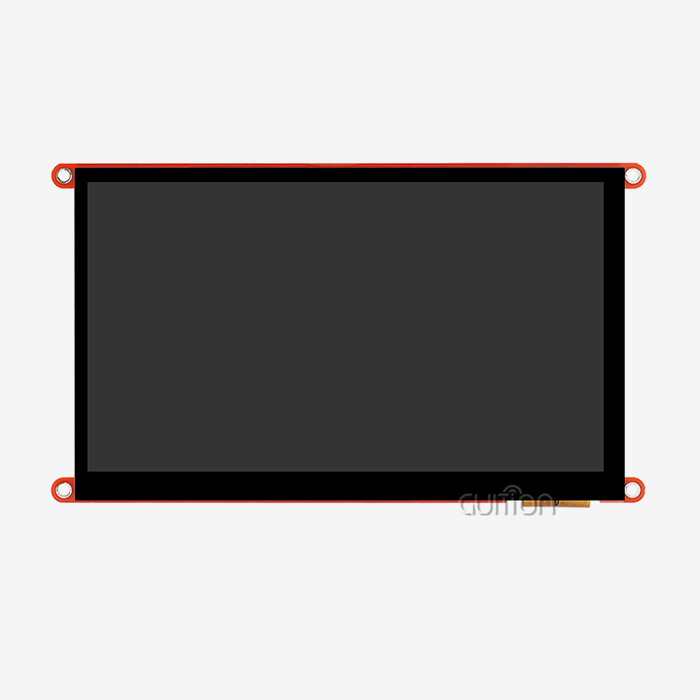
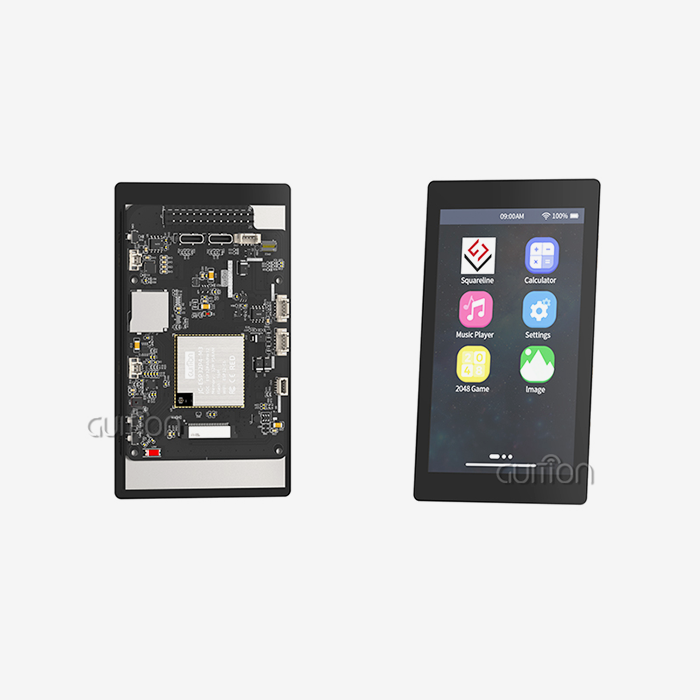
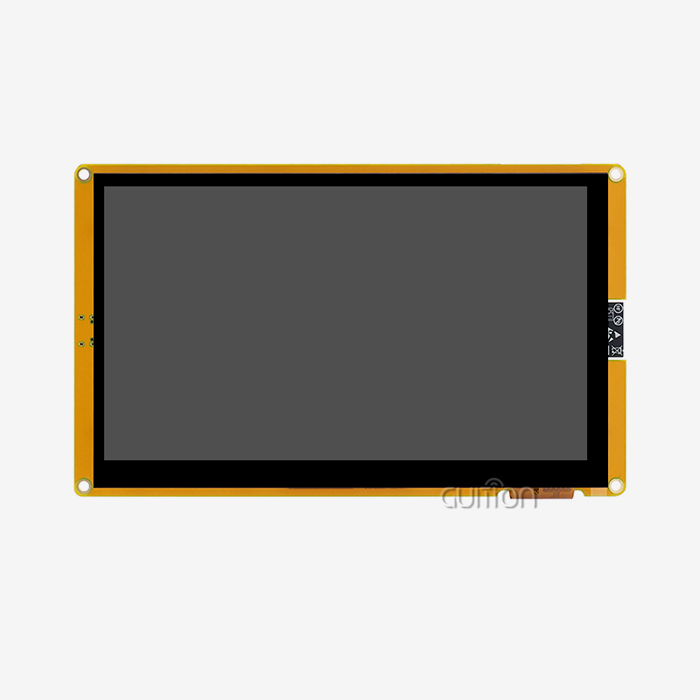
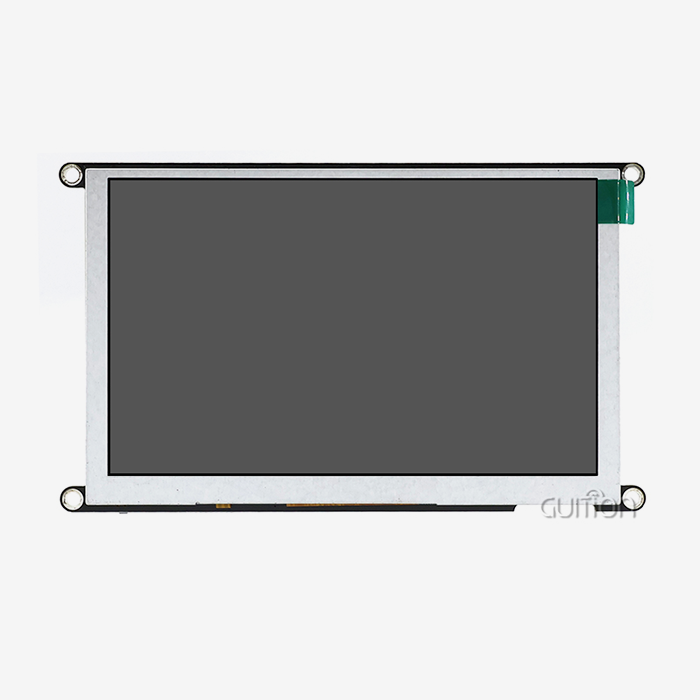
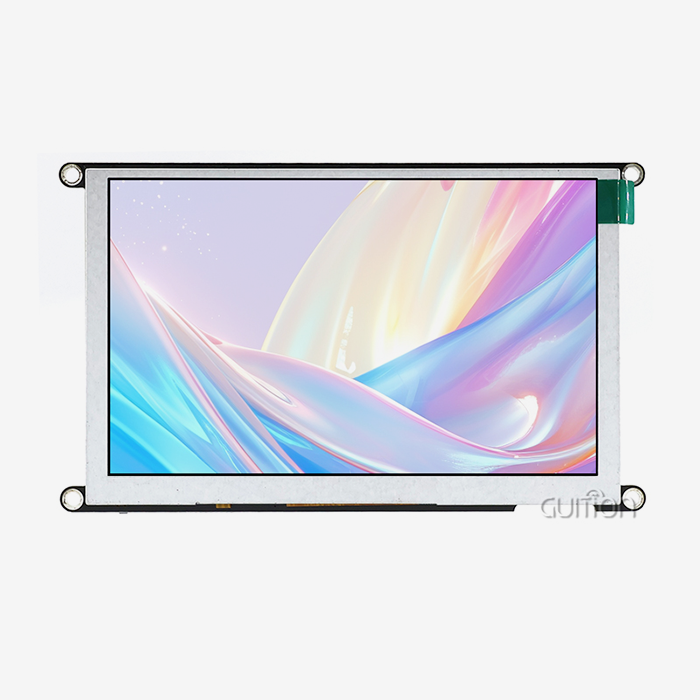
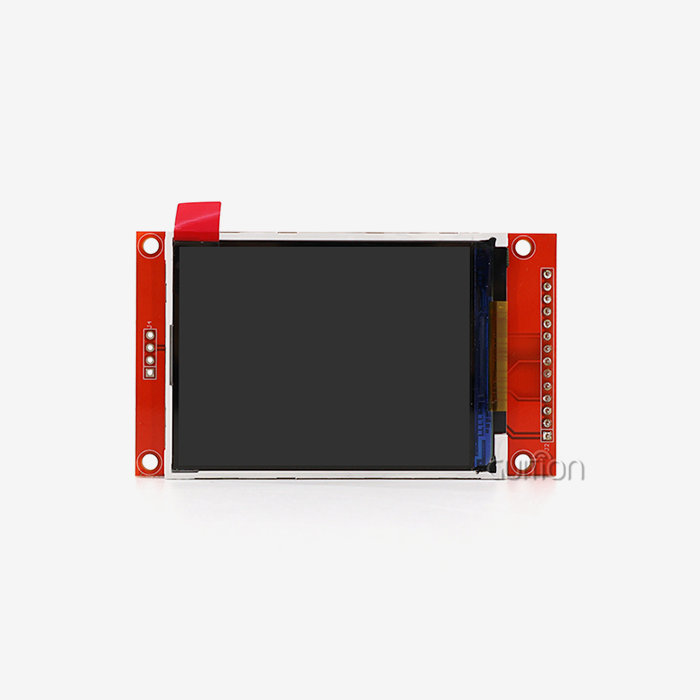
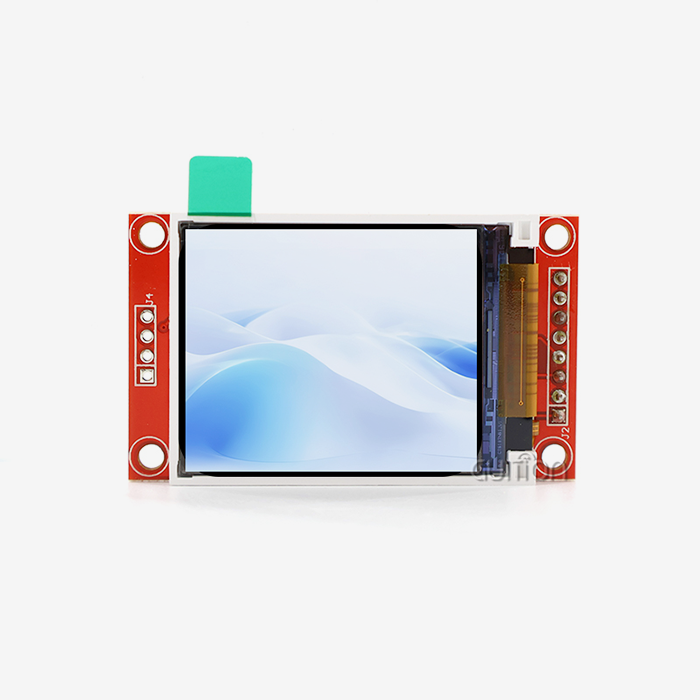
A typical module combines a number of important subsystems. Under a protective cover glass, a projected capacitive sensor layer is made up of clear conductive electrode patterns (usually Indium Tin Oxide) arranged in an X-Y grid. A special touch controller IC checks this grid all the time, figuring out the exact touch locations at refresh rates higher than 100Hz. Behind the sensor is the display, which is usually an IPS LCD panel. It shows colors clearly and lets you see them from a wide range of angles. Standard methods like I2C, SPI, or UART are used to connect these parts to your main processor through interface circuitry.
Technical Advantages Over Alternatives
Capacitive touch display modules have clear advantages for business and industrial uses. When paired with high-brightness backlights, they let more than 90% of light through, so you can see clearly even in full sunlight. Because it is made of solid-state components, there is no mechanical wear. This means that the touch screen can last virtually forever, unlike resistive screens that break down after millions of uses. Multitouch lets you use natural pinch-zoom movements and do things with two hands, which are important for current user interfaces. Advanced controls use complex formulas to reject water and allow operation with gloves on, which solves real-world environmental problems.
Application-Specific Considerations
Different fields need different configurations. For industrial control panels to work effectively near heavy machinery, they need to be more resistant to electromagnetic interference (EMI). To do this, they often have shielded designs and cover glass that is stronger and meets IK09 impact standards. To survive frequent chemical cleaning, medical devices need to be protected and have coatings that are biocompatible. For outdoor kiosks to stay white after years of being in the sun, they need to be able to handle a wider range of temperatures and have UV-stable optical bonding. When procurement teams understand these subtleties, they can choose tools that meet all of their business needs.
The OEM Supplier Advantage in Capacitive Touch Display Modules
When you work with an OEM manufacturer, you get strategic benefits that you can't get from working with a generic distributor. OEM providers decide which parts to use, how to plan the PCB, how to improve the firmware, and how to test the quality. They control the whole value chain. This vertical integration lets you make changes, makes sure everything is consistent, and gives you tech help that speeds up the development process.
Customization Capabilities
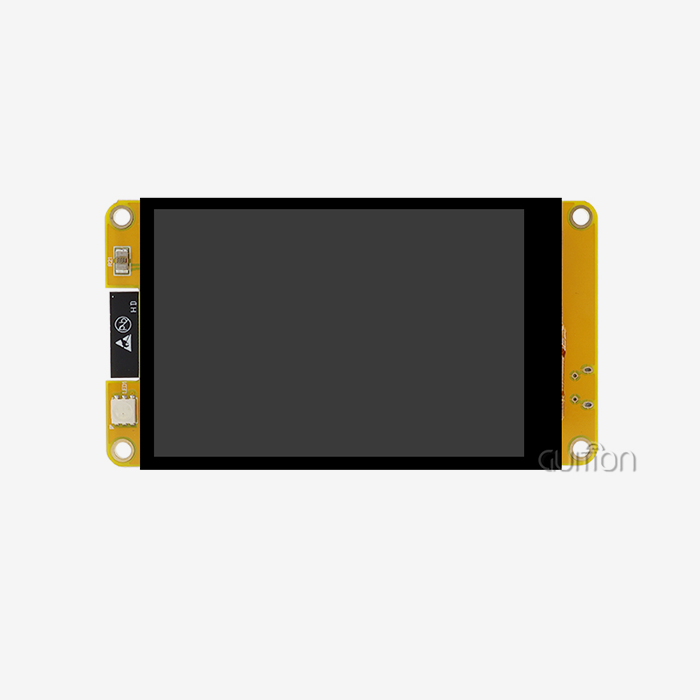
OEM suppliers change standard designs to fit the needs of each job. They change the formulas that determine how sensitive a touch is for thick protective overlays, rearrange the interface pinouts to fit your current PCB layout, and add custom software features like proximity sensing or motion recognition. This is shown by Guition's JC4827Q343C_I module, which has a 480x272 IPS display with responsive capacitive touch and a small 4.3-inch form factor. It is based on the Artinchip D121BAV MCU and runs at 400MHz. The module allows secondary development with full APIs that let engineers add features specific to an application without having to write a lot of complex code.
Quality Control and Traceability
OEM makers keep very detailed records throughout the whole production process. When a new batch of parts comes in, they are inspected and their electrical properties are checked against the datasheet specifications. Automated visual inspection finds problems with the soldering during assembly. Functional testing checks for touch linearity, display regularity, and interface time. This makes sure that performance stays the same even if you get shipments months apart, which is very important for products that are made for more than one year.
Technical Support and Collaboration
OEM suppliers give you specialized application experts to work on your project, while distributors only give you product datasheets. These experts help fix problems with integration, find the best ways to use power, and suggest mechanical mounting options. When problems come up out of the blue, like touch noise interference from nearby switching power sources, they figure out what's wrong and fix it by updating the software or making changes to the design. When you work together like this, your partner becomes an extension of your tech team.
Scalable Manufacturing and Flexible MOQs
OEM partnerships allow businesses to grow. Suppliers keep a stockpile of parts and the ability to make enough for both small batches and large production runs. As your order volume grows, they negotiate better prices for you, so you don't have to find new suppliers when you move from development to mass production. This uniformity cuts down on approval costs and makes sure that the product is the same throughout the whole production process.
Comparing Capacitive Touch Display Modules: OEM vs Non-OEM Suppliers
The choice of supplier has a big effect on how reliable the product is, how long it takes to develop, and the total cost of ownership. Procurement teams can better understand the long-term value of OEM agreements by looking at the key differences.
Product Quality and Accuracy of Specifications
OEM makers make units from designs that have been tested and whose parts are sourced in a controlled way. Because the data comes straight from design proof tests, datasheets show measured performance correctly. Non-OEM sellers often sell parts that came from more than one source, which causes differences in specifications between batches. An OEM capacitive touch display module that is supposed to work between -20°C and 70°C will definitely do that because the provider chose the right parts and tried the assemblies at those temperatures. Due to uncontrolled component substitutions, generic alternatives may not work at high or low temperatures.
Pricing Structure and Hidden Costs
OEM modules may cost more per unit than generic options, but a total cost study shows that they are worth it. OEM suppliers offer stable prices with discounts for large orders, so there are no unexpected cost increases in the middle of a project. They give you all the tools you need to make something. For example, Guision's drag-and-drop GUI software saves engineers time compared to writing interfaces from scratch. Costs from field failures are kept to a minimum by warranties and quick RMA processes. Non-OEM suppliers often don't have the infrastructure to support their products, so your team has to pay for repairs and replacements.
Supply Chain Reliability
OEM makers set production plans and keep strategic inventories of parts. They give reasonable wait times based on how much they can actually make, and they are clear about any supply problems. When there aren't enough parts, OEMs use their technical knowledge to make sure that replacement parts work with the originals. Non-OEM wholesalers get their supplies from outside sources, which means they can't always tell what's available and have comeait longer for orders when markets get tight.
Technical Support Depth
Because their experts made the product, OEM providers can answer in-depth technical questions. They give advice on the best ways to integrate things, suggest PCB layout rules to lower EMI, and suggest ways to improve software for certain uses. For example, the Guition team helps customers set up multi-language UTF-8 support, configure WiFi connectivity parameters, and enable over-the-air (OTA) firmware updates. All of these are complex tasks that require a lot of product knowledge. Most generic sellers don't have this kind of knowledge, so your team will have to figure out merging problems on their own.
Procurement Best Practices When Choosing a Capacitive Touch Display Module Supplier
Strategic source selection lowers the risks of a project and sets the stage for a successful launch of a new product. Structured evaluation criteria help procurement teams find partners who can meet their current needs and help them grow in the future.
Credential Verification
Check to see if the provider has the right qualifications for your business. ISO 9001 means that quality control methods have been in place for a while. Companies that make medical devices need to be ISO 13485 certified. CE statements of approval are needed by suppliers who sell to European markets. Check references from past customers, preferably ones from businesses that have similar application needs. If your company requires supply chain inspections, ask for site audit records. These credentials show that the business is mature and committed to quality.
Requirements Definition
Make thorough specs that include all of the important factors. Describe the display's size, brightness, viewing angles, and color range. Describe the touch performance, including response time, number of touch points, and any special needs, such as the ability to work while wearing gloves or being wet. Write down the working temperature ranges, the amount of dampness, and how well the device can handle vibrations. Make it clear what interfaces you want and what limitations your current hardware design may have. Clear standards stop confusion and make it possible to compare suppliers correctly.
Evaluation Criteria
Compare proposals in a number of different ways. Reviewing datasheets and asking for trial units for hands-on testing are good ways to figure out how technical someone is. Check out the development help by looking at the tools that are offered, the quality of the documentation, and how quickly technical questions are answered. Look at the business terms, like unit prices, minimum order quantities (MOQs), payment terms, and structures for volume discounts. If logistics speed is important, look at things in the supply chain like quoted lead times, how inventory is managed, and how close the items are to each other. Figure out the total cost of ownership by taking into account the price of the development tool, the quality of the support, and the guarantee coverage.
Sample Testing and Validation
Early in the review process, get samples that are representative of the whole. Realistic operating temperatures, expected touch patterns, and environmental stressors should be used to test modules in the way that they will be used in your application. Use your target host processor to check the timing and electrical properties of the interface. Check how well the mechanical design fits with your enclosure. Write down any changes that were made to the specs, and then talk with the seller about how to fix the problem. Thorough evaluation when choosing a provider keeps expensive surprises from happening after production has begun.
Troubleshooting and After-Sales Support: Why OEM Matters
Even well-designed hmi display module solutions sometimes have problems that need to be diagnosed and fixed by a professional. How well the seller can help you after the sale has a direct effect on how reliable your product is in the field and how happy your customers are.
Common Technical Challenges
Over time, touch screens may lose their calibration, especially in situations where temperatures change quickly. ESD events that happen during installation or sudden electrical changes in the working environment can cause parts to fail. When modules work with certain host processor configurations or power supply designs, integration problems can happen. Software bugs can show up in situations that were not fully tested during the initial testing phase. Quick and accurate troubleshooting cuts down on downtime and stops field failures from becoming bigger quality problems.
OEM Support Infrastructure
OEM suppliers have help teams that are committed to their products and know a lot about them. When customers report problems, these engineers quickly find the root causes by looking at design files, test procedures, and component specifications. They give your team specific diagnostic advice and walk them thru a set of steps for fixing the problem. For example, Guition has cross-platform online debugging features that let engineers test how the interface works without deploying it to real hardware. This cuts down on iteration time during the development and troubleshooting phases by a huge amount.
Warranty and Replacement Programs
Incomplete warranty policies shield against flaws in the production process and early breakdowns. OEM sellers usually have clear RMA processes with set reaction times and steps for replacements. They keep extra parts on hand so that there is less downtime when replacements are needed. Some providers, like Guition, offer remote upgrade options that let firmware fixes be sent to installed devices without physical access. This is a useful feature for products that are used in multiple places where on-site service would be expensive.
Continuous Improvement and Upgrades
OEM partnerships go beyond just delivering the product. Suppliers let customers know ahead of time when a component is no longer being made and offer ways to switch to updated versions that still work with the old ones in terms of form, fit, and function. They make changes to the software that add features or fix edge cases that were just found. This ongoing collaboration makes sure that your product can be supported for as long as it's on the market, even if the technologies used to make it change.
Conclusion
Choosing a Capacitive touch display module supplier is a big decision that affects how long it takes to develop products, how reliable they are, and how competitive they will be in the long run. OEM partnerships offer customization options, strict quality control, full technical support, and the ability to make more products at once, which is something that general sellers can't do. The total value offer includes more than just the unit price. It also includes less engineering work thanks to professional development tools, lower integration risks thanks to tried-and-true HMI Display Module designs, and protection for long-term investments through ongoing support and upgrade paths. OEM knowledge helps companies that are making industrial tools, medical devices, smart gadgets, and Internet of Things (IoT) solutions come up with new ideas faster and make sure that the products they sell will work in the field. Procurement teams set the stage for successful product launches and long-term market growth by carefully checking the qualifications of suppliers, being clear about what they need, and giving top priority to full support capabilities.
FAQ
What distinguishes capacitive from resistive touch technology in display modules?
Capacitive touch detects changes in electrical capacitance when conductive objects come close to the sensor surface. This lets you use multiple touches without putting any pressure on the screen. For resistive touch to work, two electrical layers must be pressed together mechanically. This means that it can only work for one touch and gets worse over time. Capacitive modules provide better optical clarity, longer life, and more up-to-date user experiences that are necessary for modern applications.
How can buyers verify authentic OEM supplier status?
Ask the maker to show proof of their quality standards and licenses, such as ISO 9001. Look at lists of customer references and talk to current customers about their experiences. Check the level of detail in the technical documentation. Real OEMs provide thorough datasheets, application notes, and design guides that show they know their products inside and out. Ask about the OEM's ability to customize and their tech support processes. They should be able to show you these thru standard methods.
What typical lead times should procurement teams expect for bulk orders?
Lead times depend on how customized the product needs to be and how many orders are placed. Standard units that are already in stock may be sent out within two weeks. Custom setups that need changes to the software or changes to the hardware usually take six to eight weeks. Large sales may cause delays, so production capacity planning can be done. OEM suppliers give clear schedules that are based on what they can actually make, not on optimistic estimates.
Contact Guition: Your Trusted Capacitive Touch Display Module Manufacturer
We want embedded engineers, R&D managers, and product creators to see for themselves how Guition can help them. Our team is an expert at making unique touch screen solutions that solve the problems you're having with your application, whether you're making smart home products, medical monitoring devices, or industrial control systems. The JC4827Q343C_I module and our whole line of products, ranging from 1.28" to 21.5", show that we are dedicated to providing flexible, developer-friendly HMI solutions with full technical support. Get in touch with david@guition.com right away to ask for full datasheets, evaluation samples, or one-on-one expert consultations. Our application engineers are ready to talk to you about your project needs and show you how our USART-HMI modules, Guition development tools, and wide range of secondary development options can cut down on project costs and speed up your time-to-market. Work with a Capacitive touch display module provider that is focused on technology and your success.
References
1. Smith, J. & Anderson, K. (2022). Projected Capacitive Touch Technology: Design Principles and Industrial Applications. Technical Press International.
2. Electronics Manufacturing Association. (2023). Quality Standards for Human-Machine Interface Components in Industrial Automation. EMA Industry Report Series.
3. Chen, L. (2021). "Comparative Analysis of Touch Display Technologies for Medical Device Integration," Journal of Medical Electronics Engineering, Vol. 15, Issue 3, pp. 127-145.
4. Industrial Display Solutions Consortium. (2023). Best Practices for OEM Supplier Evaluation in B2B Procurement. IDSC White Paper.
5. Martinez, R. & O'Brien, T. (2022). Embedded Systems Design: Touch Interface Integration and Optimization Techniques. Academic Engineering Publishers.
6. Global Electronics Supply Chain Institute. (2023). Risk Management Strategies for Display Module Procurement in Manufacturing Operations. GESCI Research Bulletin.
Learn about our latest products and discounts through SMS or email