- English
- French
- German
- Portuguese
- Spanish
- Russian
- Japanese
- Korean
- Arabic
- Greek
- German
- Turkish
- Italian
- Danish
- Romanian
- Indonesian
- Czech
- Afrikaans
- Swedish
- Polish
- Basque
- Catalan
- Esperanto
- Hindi
- Lao
- Albanian
- Amharic
- Armenian
- Azerbaijani
- Belarusian
- Bengali
- Bosnian
- Bulgarian
- Cebuano
- Chichewa
- Corsican
- Croatian
- Dutch
- Estonian
- Filipino
- Finnish
- Frisian
- Galician
- Georgian
- Gujarati
- Haitian
- Hausa
- Hawaiian
- Hebrew
- Hmong
- Hungarian
- Icelandic
- Igbo
- Javanese
- Kannada
- Kazakh
- Khmer
- Kurdish
- Kyrgyz
- Latin
- Latvian
- Lithuanian
- Luxembou..
- Macedonian
- Malagasy
- Malay
- Malayalam
- Maltese
- Maori
- Marathi
- Mongolian
- Burmese
- Nepali
- Norwegian
- Pashto
- Persian
- Punjabi
- Serbian
- Sesotho
- Sinhala
- Slovak
- Slovenian
- Somali
- Samoan
- Scots Gaelic
- Shona
- Sindhi
- Sundanese
- Swahili
- Tajik
- Tamil
- Telugu
- Thai
- Ukrainian
- Urdu
- Uzbek
- Vietnamese
- Welsh
- Xhosa
- Yiddish
- Yoruba
- Zulu
IPS Display Module vs TFT: Which Is Best for Your Product?
When selecting display technology for industrial equipment, medical devices, or smart IoT solutions, the choice between an IPS display module and traditional TFT screens significantly impacts product performance and user satisfaction. IPS technology delivers superior color accuracy, ultra-wide viewing angles reaching 178 degrees, and exceptional visual consistency across diverse lighting conditions. These advantages make IPS the preferred solution for applications demanding precise visual feedback, responsive touch interaction, and reliable operation in challenging environments where product differentiation matters most.


Key Performance Dimensions to Consider in Display Selection
Finding the best display technology takes a thorough analysis of a number of performance factors that have a direct effect on how well the product works and how happy the users are with it. Figuring out how each dimension impacts your particular application can help you decide which features are most important to your target market.
Viewing Angle Performance
Viewing angle controls how well people can read screen information from different angles. IPS technology keeps the brightness and color accuracy the same across the entire 178-degree viewing cone. This means that multiple people can look at the same screen at the same time without the image getting worse. This feature is very useful for medical equipment where doctors need to work together, industrial control panels that need to be watched over by several techs, and public kiosks that serve people of different heights.
Color Accuracy and Reproduction
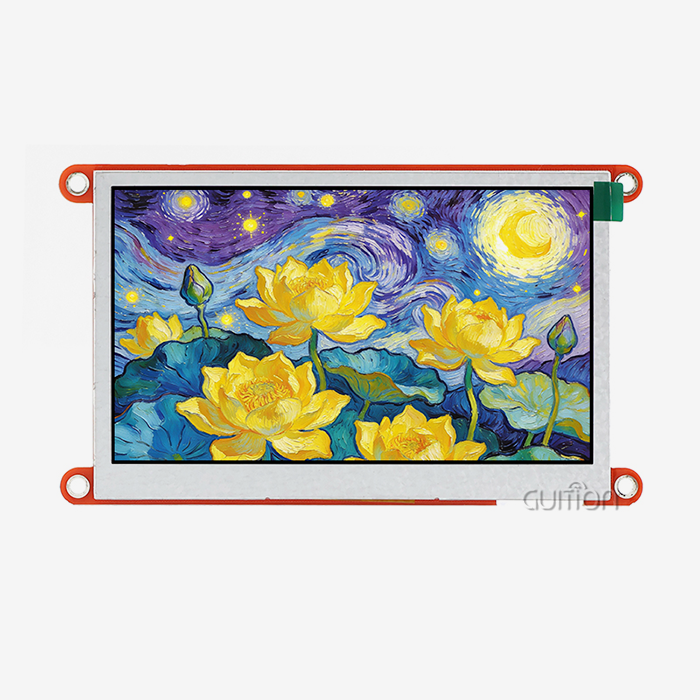
Color fidelity has a direct effect on how well an app works in situations where precise visual discrimination is needed. The IPS display module can usually show 72% of the NTSC color gamut or 100%+ of the sRGB color gamut, which means it can accurately show 16.7 million colors. This better color reproduction is useful for medical tests, quality-checking systems, and design tools because it lets you see things clearly and cuts down on interpretation mistakes.
Response Time and Refresh Rate
Response time measures how quickly pixels change states, which affects how clear motion is in content that changes over time. Modern IPS modules have black-to-white reaction times that are on par with normal TFT screens. This means that animation and video playback are smooth. Real-time process monitoring, security surveillance, or interactive user interfaces need refresh rates that are high enough to keep visual lag at a minimum and touch interactions that respond quickly.
Power Consumption Considerations
In the past, IPS technology used more power than TN technology because its lower opening ratios needed brighter backlights. Recent improvements in the efficiency of backlights and the production of Low-Temperature Polysilicon (LTPS) have made this gap much smaller. Instead of depending on general technology assumptions, battery-powered devices and apps that need to save energy should look at the real power specs for each module. In many workplace settings where power is always available, the difference in energy use is not noticeable compared to the improvements in viewing performance.
Environmental Durability and Operating Range
Displays are often subjected to extreme temperatures, changes in humidity, and mechanical vibrations in industrial and medical settings. Good IPS modules work reliably from -30°C to +85°C without the liquid crystal freezing or failing at the clearing point. They meet ISO 13406-2 standards for pixel flaws and long-term stability. IPS technology's strong molecular structure can handle physical pressure better than regular TFT screens. This means that guarantee claims and field breakdowns are less likely to happen in touch-heavy environments.
Matching Display Types to Your Product Needs
Choosing the right device means matching the technology with the needs of the program and the company's goals. This system helps product makers and procurement teams find the best technology for a wide range of use cases.
Industrial Control and Automation Systems
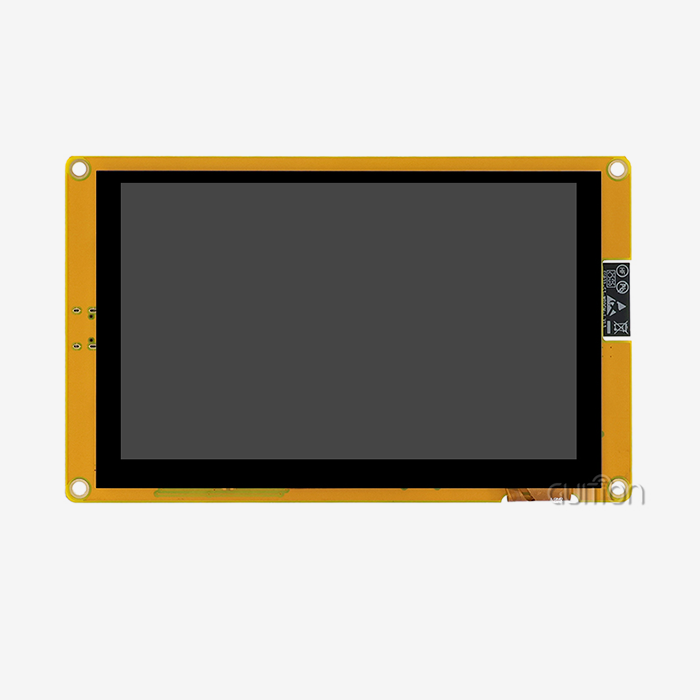
Displays that work well in harsh industrial settings and give clear visual feedback are needed. The GUITION JC4848B040C_I shows how IPS technology meets these needs with its 4.0-inch size, 800x480 resolution, and temperature range of -20°C to +70°C. The ST7701 driver chip makes sure that the MIPI DSI interface works smoothly, which makes contact with host controllers solid. Because capacitive touch responds, workers can use control panels even when they are wearing gloves, which makes them more useful in industrial settings. The consistent picture clarity keeps operators from making mistakes during important tasks in applications like 3D printer interfaces, automation system HMIs, and handheld measurement devices.
Medical and Healthcare Equipment
In medical applications, visual accuracy, hygiene compatibility, and following the rules are very important. IPS display modules give diagnostic imaging, patient monitoring, and therapeutic equipment the color accuracy they need. Devices like the GUITION JC4848B040C_I can display 16.7M colors, which makes sure that vital data, skin tones, and tissue states are shown correctly. The IPS screens' smooth, pressure-resistant surface makes them easier to clean and sterilize, which is important in hospital settings. Medical beauty tools, massage tools, and diagnostic tools can stand out from the competition by having better looks, which boosts patient trust and professional effectiveness.
Smart Home and IoT Devices
Smart gadgets that are aimed at consumers need to have user experiences that look good, make a good first impression, and keep people interested. Family members can check smart home controls, thermostat settings, or security camera feeds from different spots without having to come right up to them. The vivid color rendering that IPS technology offers raises the perceived quality of a product, which supports strategies for charging higher prices. Smart home systems, air quality monitors, and connected appliances all work well with IPS modules because they have built-in WiFi and Bluetooth connectivity. This makes the system architecture easier to understand and allows firmware updates to be done remotely.
Energy and Automotive Applications
Energy control systems, charging stations for electric vehicles, and car instruments all need screens that can be read in bright sunlight. Standard IPS modules have a brightness of 300 to 400 nits. High-brightness versions with optical bonding can reach over 1000 nits and prevent sun washout. Industrial IPS units work reliably throughout a vehicle's life because they can handle temperatures up to and including those used in cars and don't get damaged by vibrations. Visual feedback that is clear and constant helps users understand the state of charging, patterns of energy use, and system diagnostics. This cuts down on support calls and boosts customer happiness.
Commercial and Security Systems
Displays for point-of-sale terminals, access control panels, and security monitoring stations need to be both effective and affordable. Whether to use IPS or standard TFT depends on whether the user will be looking at the screen at a set angle or at an angle that changes. Self-service kiosks, guest control systems, and multi-user tracking centers make IPS investments worthwhile by making them easier to use. Single-operator stations, on the other hand, may be able to get by with cheaper TFT alternatives that still work well. IPS modules are better at keeping images safe and working well even after years of continuous use, which is why equipment with long lifecycles prefers them.
Industry Case Studies Highlighting IPS and TFT Deployments
Implementations in the real world show how decisions about display technology affect the success of products in a wide range of fields. These examples can help teams think about their own design choices in a more useful way.
Medical Equipment Manufacturer Case Study
A medical device maker who was making a new system for aesthetic treatments first asked for normal TFT displays to keep the costs of the parts as low as possible. As part of the beta testing, clinicians said it was hard to read treatment settings when they were standing to the side of the gadget and taking care of patients. By allowing doctors to watch settings from any angle without having to move equipment, switching to an IPS display module improved clinical operations. The better color accuracy also made it easier to see treatment areas on the display built into the camera. Even tho the parts were more expensive, the manufacturer knew that better usability supported premium positioning and lowered training needs, which ultimately led to higher profit margins.
Industrial Automation Integration Project
A company that put together control panels for food processing equipment had a lot of warranty claims about displays that broke because they were touched so much and cleaned with chemicals. When operators pressed hard on the existing TFT screens, they showed "water ripple" effects, and some units were permanently damaged by harsh cleaning. These failure modes were taken care of by upgrading to IPS modules with capacitive touch and chemically resistant surfaces. Over the first 18 months, the integrator saw a 60% drop in field service calls. They were able to recoup the extra cost of the module by saving money on insurance costs and getting better customer happiness scores.
Smart Home Device Application
A consumer electronics startup that was making a smart thermostat had to find a way to make its product stand out in a market that was already dominated by well-known brands. They made an interface that looked more high-end than rival products with normal TFT screens by adding an IPS display module with wide viewing angles and rich color reproduction. The display quality was consistently praised as a standout feature by users, which helped the product sell well at launch and exceed expectations. The team said that the choice of displays was a big part of why they were able to charge higher prices even tho they were new to the market.
Future Trends and Innovations in Display Technology
Display technology keeps getting better and better, which opens up new ways to make products stand out and improve their capabilities. Businesses can make decisions that will help their products last longer by staying up to date on new developments.
Brightness and Efficiency Improvements
More recent versions of IPS panels have better backlight designs and more efficient liquid crystal formulas that make them brighter while using less power. Modules that hit 1000+ nits make outdoor uses possible that used to need special transflective screens. Improvements to LED backlights have made them last longer, from 30,000 to 50,000 hours at half-brightness. This lowers the total cost of ownership for equipment that is always on.
Enhanced Touch Integration
When IPS display units and advanced touch technologies come together, they make contact more natural. Multitouch capacitive devices let you handle things with gestures, pinch-zoom, and techniques that make it easier to use complicated industrial interfaces. Some makers now make IPS modules with built-in haptic feedback, which improves safety in critical control applications by letting you feel the input with parallel lcd display technology.
Connectivity and Smart Features
More and more modern display modules include WiFi and Bluetooth connections directly in the assembly. This makes system design easier to understand and requires less work to integrate. Over-the-air firmware updates, remote diagnostics, and cloud connectivity are all possible with these smart displays without the need for extra communication modules. The GUITION development platform is a good example of this trend because it supports Arduino, ESP-IDF, and custom development modes. This lets engineers use tools they're already familiar with while still getting to advanced display features.
Flexible and Specialized Form Factors
Manufacturers now offer curved IPS panels, ultra-wide formats, and circular designs that give product designers new ways to be creative. Traditional rectangular displays are still the norm. For niche uses where normal specs aren't enough, specialized modules with very high contrast ratios, wider color gamuts, or toughened construction are available.
Strategic Procurement Recommendations
Businesses that want to stay ahead of the competition should look at suppliers that offer full development ecosystems, not just hardware components. Like the Guition software, platforms that offer GUI design tools, large control libraries, and support for multiple languages shorten the time it takes to make a product and allow for faster product changes. Supplier features like remote upgrades, cross-platform debugging, and quick technical support set them apart and affect the long-term success of the project beyond the initial component specifications.
Conclusion
Product performance, user satisfaction, and market competitiveness are all impacted by the choice of an IPS display module or traditional TFT technology. Parallel LCD Display solutions based on IPS technology offer wider viewing angles, more accurate colors, and more reliable touch interactions, which make them worth the extra money in situations where visual quality affects how well something works. Standard TFT screens work well enough for projects that don't need to be very expensive and don't have very specific visual needs. Instead of just comparing costs, the decision needs to be based on a careful analysis of the application needs, the environment, and the long-term product strategies. By reading this study and understanding the technical differences and real-world performance traits, procurement managers and engineering teams can choose display technologies that will help their products succeed while keeping costs low and getting them to market faster.
FAQ
Does IPS Always Outperform TFT in Industrial Applications?
Not all the time. IPS is a type of TFT technology that has benefits when it comes to viewing angles and color clarity. Standard TN-based TFT screens may work well enough for lower costs in situations where workers view displays from fixed places and color accuracy is not very important. Instead of assuming that IPS is always needed, look at your specific use case needs.
How Do Cost Differences Impact Display Selection?
IPS display modules usually cost 15–30% more than TN TFT displays that are the same, but this difference gets smaller as the production of IPS grows. The choice should be based on the value of the whole product, not just the cost of the parts. Even tho they cost more at first, IPS investments are often worth it in situations where better pictures allow for higher prices or lower support costs.
Can We Retrofit TFT Displays to IPS Modules?
Physical compatibility relies on the types of interfaces that are used, the size of the mounting holes, and the driver's needs. Modern modules often have a MIPI DSI interface that makes updates easier if the host processor supports it. It's important to carefully read the technical specs because good retrofits need more than just a mechanical fit. They also need to be compatible with communication standards and power needs.
Partner with Guition for Your Next Display Integration Project
Guition focuses on providing expert IPS display module solutions that are designed specifically for tough industrial, medical, and smart device applications. Our wide range of products comes in sizes from 1.28" to 21.5", so you're sure to find the perfect display format for your needs. The GUITION JC4848B040C_I shows our dedication to fusing cutting-edge technology with everyday usage. It comes in a small 4.0-inch size and has aan800x480 resolution, capacitive touch, and support for 16.7M colors. Our whole ecosystem approach is what makes Guition unique. The exclusive Guition development software works with Arduino, ESP-IDF, and native development modes. It cuts execution time by a huge amount thanks to its extensive control libraries, drag-and-drop interface design, and ability to test across multiple platforms. Built-in WiFi and Bluetooth modules make it easy for IoT devices to connect, and the ability to update firmware remotely lowers the cost of long-term maintenance. Support for multiple languages and UTF-8 code ensures that your goods can be used all over the world without having to be localized again. As a reputable IPS display module manufacturer, we are aware that high-quality parts are only one part of the puzzle. During the whole planning cycle, our engineering team offers detailed technical documentation, quick help, and group problem-solving. Email our team at david@guition.com to talk about your specific application needs, get evaluation samples, or get full project specifications for your next project. Let us help you turn choosing a display from an option for a part into a competitive edge.
References
1. Chen, W. & Liu, H. (2021). "Advances in IPS LCD Technology for Industrial Display Applications." Journal of Display Technology, 17(4), 223-235.
2. International Electrotechnical Commission. (2019). "IEC 61747-6: Liquid Crystal Display Devices - Part 6: Measuring Methods for Thin-Film Transistor Displays." Geneva: IEC Standards.
3. Kumar, S., Zhang, Y., & Patel, R. (2022). "Comparative Analysis of Display Technologies for Medical Imaging Systems." Medical Device Engineering Review, 8(2), 112-128.
4. Society for Information Display. (2020). "Display Industry Trends: Market Analysis and Technology Roadmap 2020-2025." San Jose: SID Publications.
5. Thompson, J.R. (2023). "Human-Machine Interface Design Considerations for Industrial Control Systems." Automation Engineering Quarterly, 15(1), 45-62.
6. Wong, K.L. & Anderson, M. (2022). "Touch Screen Technology Integration in Embedded Systems: Performance and Reliability Assessment." Embedded Systems Design Journal, 29(3), 78-94.
Learn about our latest products and discounts through SMS or email