- English
- French
- German
- Portuguese
- Spanish
- Russian
- Japanese
- Korean
- Arabic
- Greek
- German
- Turkish
- Italian
- Danish
- Romanian
- Indonesian
- Czech
- Afrikaans
- Swedish
- Polish
- Basque
- Catalan
- Esperanto
- Hindi
- Lao
- Albanian
- Amharic
- Armenian
- Azerbaijani
- Belarusian
- Bengali
- Bosnian
- Bulgarian
- Cebuano
- Chichewa
- Corsican
- Croatian
- Dutch
- Estonian
- Filipino
- Finnish
- Frisian
- Galician
- Georgian
- Gujarati
- Haitian
- Hausa
- Hawaiian
- Hebrew
- Hmong
- Hungarian
- Icelandic
- Igbo
- Javanese
- Kannada
- Kazakh
- Khmer
- Kurdish
- Kyrgyz
- Latin
- Latvian
- Lithuanian
- Luxembou..
- Macedonian
- Malagasy
- Malay
- Malayalam
- Maltese
- Maori
- Marathi
- Mongolian
- Burmese
- Nepali
- Norwegian
- Pashto
- Persian
- Punjabi
- Serbian
- Sesotho
- Sinhala
- Slovak
- Slovenian
- Somali
- Samoan
- Scots Gaelic
- Shona
- Sindhi
- Sundanese
- Swahili
- Tajik
- Tamil
- Telugu
- Thai
- Ukrainian
- Urdu
- Uzbek
- Vietnamese
- Welsh
- Xhosa
- Yiddish
- Yoruba
- Zulu
Why Choose an IPS Display Module for Industrial Devices?
Choosing an IPS display module for industrial devices addresses critical operational challenges. The In-Plane Switching technology ensures wide viewing angles up to 178 degrees, maintains color accuracy under varying light conditions, and eliminates visual artifacts during touch interactions. This makes these modules essential for industrial control panels, medical equipment, and automation systems where precision and reliability directly impact productivity and safety. The molecular structure of IPS panels prevents color shift and provides consistent visual feedback, which traditional TN or VA displays cannot match in demanding environments.

Understanding the Importance of IPS Display Modules in Industrial Devices
The Technology Behind Superior Visual Performance
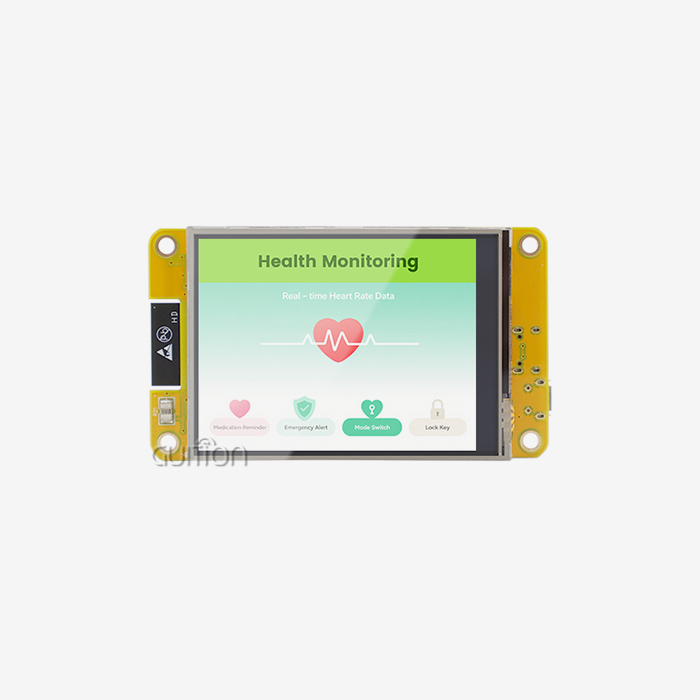
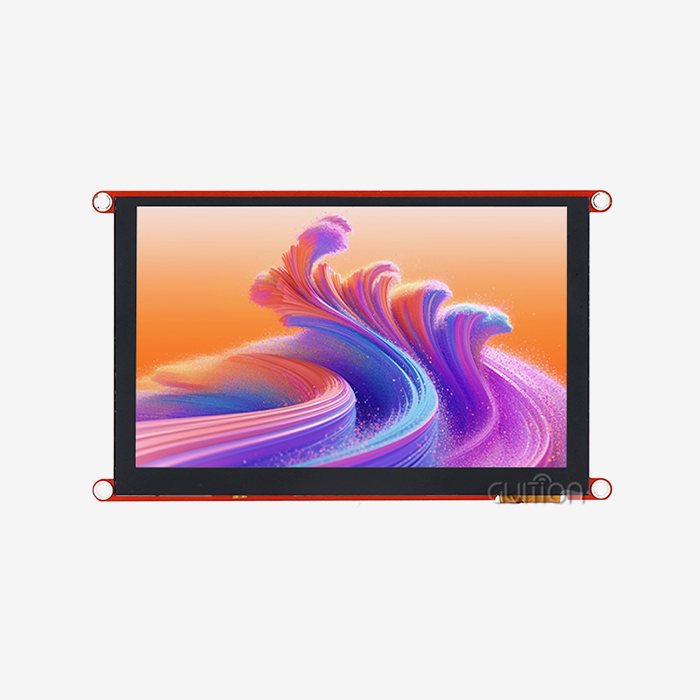
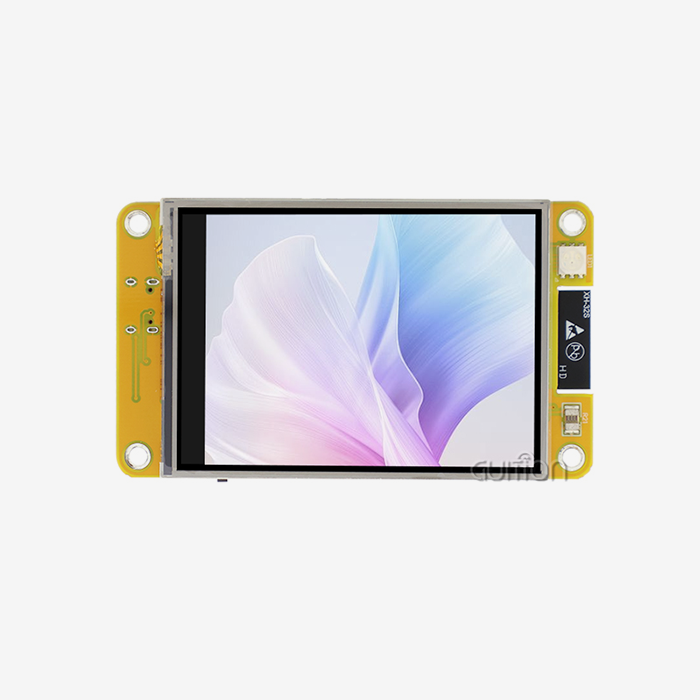
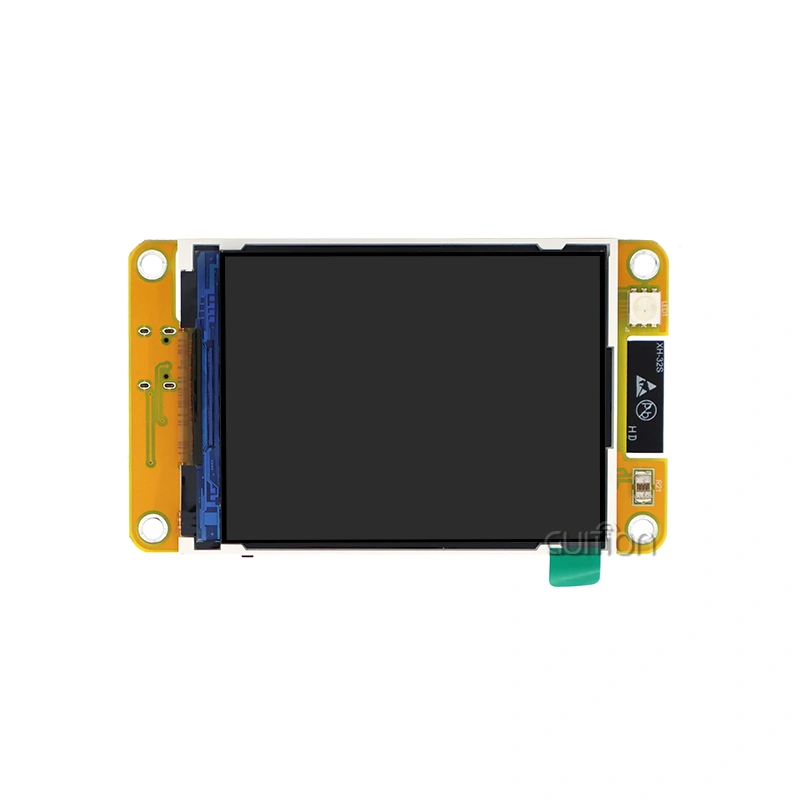
In-Plane Switching technology is a big step forward in the engineering of liquid crystal displays. IPS modules line up liquid crystal molecules parallel to glass substrates, while Twisted Nematic screens have crystals that spin perpendicular to the substrate. This basic structural difference fixes problems that have been going on for a long time in the business. With older technologies, color and grayscale are flipped and distorted when workers look at screens from different angles. IPS technology keeps the image clear across the entire 178-degree viewing range. This is very important in workplace settings where many people are watching tools from different spots. The motor IC integration is a very important part of how well the display works. Take the JC4848B040C_I model from Guition. It has the ST7701 driver chip built in. This set gives you an 800x480 resolution and supports 16.7 million colors through 24-bit RGB processing. The result is clear text and detailed images that help workers quickly understand the state of the system, which speeds up response times during important tasks.
Critical Role in Industrial Environments
Displays that work well under pressure are needed in industrial settings. It is important to make sure that the analysis of data is correct when keeping an eye on complicated machines or medical gadgets. According to research, clear vision is directly linked to lower rates of operator error. When an engineer is fixing problems with a 3D printer or keeping an eye on a charging station, the screen is the main way they can see how the system is working.Changes in temperature, vibrations, and electromagnetic interference can all affect the performance of displays in factories and outside. In these conditions, standard displays break down quickly, causing costly downtime and early failures. The temperature range for IPS modules is from -20°C to +70°C, and they still work the same way. The strong construction makes sure that the visual quality stays the same whether it's put in a medical facility with controlled temperatures or on harsh farming automation equipment.
Core Advantages of IPS Display Modules for Industrial Use
Wide Viewing Angles and Color Consistency
IPS panels have a parallel electric field structure that makes them very good at viewing from all angles. This changes how teams use industrial equipment. The color representation and contrast ratios are the same for operators standing in different places around control panels. This consistency is very helpful when people are working together to solve problems or when more than one technician is watching over production lines at the same time. In business settings, color consistency is more important than just looks. For treatment tracking, medical aesthetic equipment needs to be able to display colors accurately. Energy management systems use color-coded alerts that make it impossible to misunderstand what they mean. IPS technology usually covers more than 100% of the sRGB color space. This makes sure that the devices that are used accurately reflect what the designers meant.
Enhanced Durability and Stability
Because IPS display modules are structurally sound, they have clear benefits over other methods. When combined with capacitive touch screens, these displays don't have the "water ripple" effect that happens when pressure is put on TN screens. The Guition JC4848B040C_I shows this steadiness with its capacitive touch screen, which responds quickly and correctly without any visible glitches. Here are the core durability features that matter for industrial deployments: Temperature Resilience: Being able to work regularly in a wide range of temperatures means that it can be used in places with little or no climate control, like buildings, outdoor kiosks, and factory floors. The liquid crystals in IPS panels don't freeze and keep their clarity in hot conditions, so they can be used for more than 30,000 hours. Vibration and Shock Resistance: Heavy machinery always makes vibrations. Displays that are attached to mobile equipment or close to heavy tools must be able to handle being moved around all the time without breaking. In IPS modules, the strong backlight units and screen structure keep the alignment and performance even in these tough conditions. Long-Term Reliability: The LED lighting technology in current IPS modules works for 30,000 to 50,000 hours before it dims down to half of its original brightness. This means that the screen won't need to be serviced for years. This durability lowers the total cost of ownership by a large amount compared to screens that need to be replaced often. These advantages of durability directly address concerns about procurement about the cost of maintenance and the dependability of equipment. When production lines depend on reliable HMI performance, IPS technology gives a clear return on investment by cutting down on downtime and extending the time between replacements.
Superior Touch Interaction Experience
When you combine capacitive touch technology with IPS screens, you get fast, easy-to-use interfaces that are needed in modern workplace settings. Because the molecules are stable, touching the screen doesn't change the way it looks, so the image stays clear while you interact with it. This is very important for devices like medical equipment or mobile measuring tools where workers need to be able to precisely touch the screen while also seeing important data. Modules like the JC4848B040C_I have a MIPI DSI link that lets data move quickly between the main processor and the display. This fast connection makes sure that graphics run smoothly and that touch screens respond instantly. This makes interfaces feel modern and professional instead of slow and annoying.
How to Choose the Right IPS Display Module for Your Industrial Device
Technical Parameter Evaluation
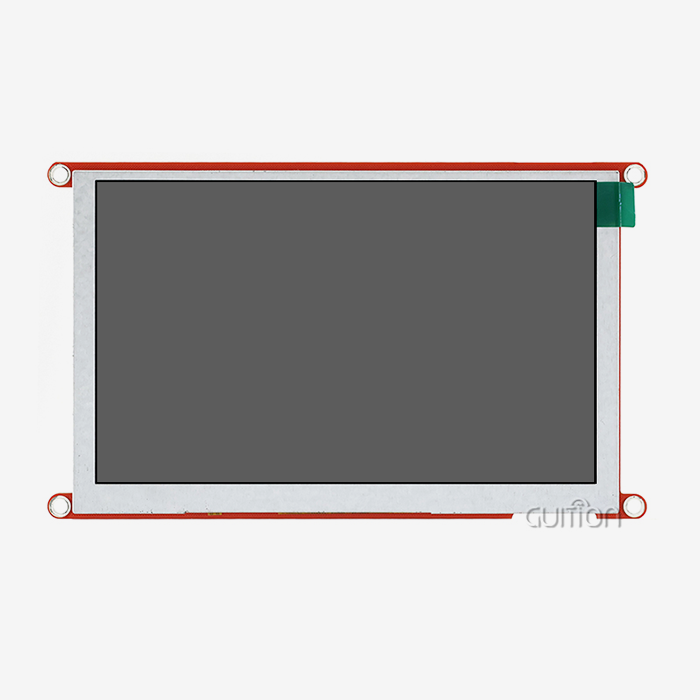
The resolution you choose affects both how clear the image is and how well the system works. The 800x480 resolution of 4.0-inch screens makes it easy to see detailed interfaces without taxing the processors inside. More computer power and faster connections are needed for higher resolutions, which makes the system more complicated and costs more. Finding the right resolution for the job strikes a mix between visible quality and the limitations of how the job can be done. Specifications for brightness should be carefully thought through based on the lighting conditions around you. Standard industrial units have 300 to 400 nits of brightness, which is good for controlled lighting indoors. For outdoor use or direct sunshine, high-brightness versions topping 1000 nits are needed. These are often paired with optical bonding to lower reflection and improve readability.
Interface and Integration Compatibility
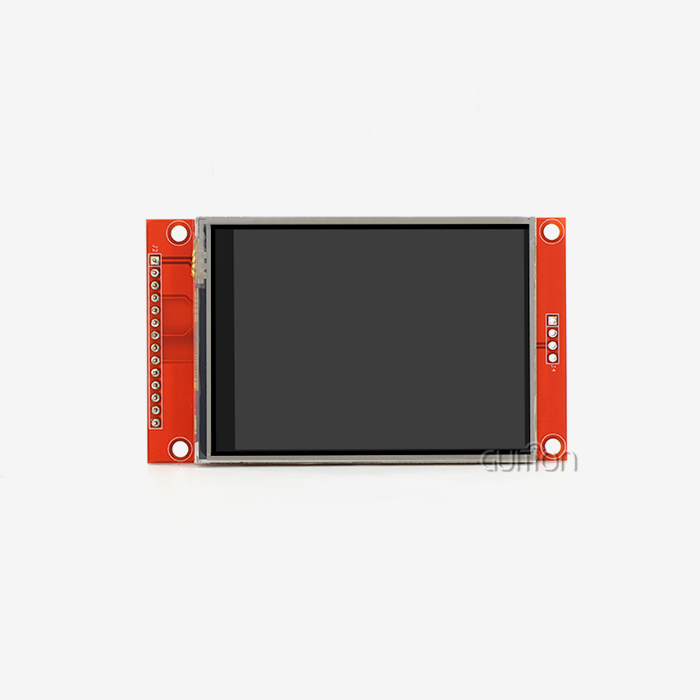
The choice of interface has a direct effect on the complexity of development and the architecture of the system. The MIPI DSI interface lets you communicate serially at a very high speed, making it perfect for programs that need to update the screen quickly and show lots of pictures. Modern microcontrollers and system-on-chip platforms work well with this interface, which makes wiring simpler in small designs. For applications that require different connection methods, a parallel lcd display interface can also provide stable data transmission with a straightforward hardware structure, making it suitable for projects where parallel communication is preferred. When tech teams are working under tight deadlines, development freedom is very important. Guition modules work with a variety of development methods, such as Arduino libraries for quick prototypes, ESP-IDF for designs based on ESP32, and the company's own Guition software for full UI development. This compatibility lets teams use tools they already know how to use instead of having to learn whole new development environments. This cuts down on the time it takes to get products to market.
Supplier Evaluation Criteria
Certification compliance shows that the product is made well and follows the rules. ISO badges show that quality control is done in a planned way, and RoHS compliance makes sure that materials meet environmental standards. The CE mark confirms that the device is electromagnetically compatible, which is important for devices that will be used near sensitive equipment. The quality of the documentation and the availability of technical help often decide how well or how poorly a project goes. Full datasheets, interface guides, and code examples make execution go smoothly. Having quick access to helpful technical support makes it easier to solve integration problems quickly, avoiding costly delays. When looking at different providers, you should check how much documentation they offer and how quickly their tech support team responds.
Comparison of IPS Display Modules with Alternative Display Technologies
Performance Metrics Analysis
For simple indicator uses, Twisted Nematic displays are a good choice because they are cheaper and respond faster. However, their limited viewing angles (usually 90 to 120 degrees) and poor color reproduction make them less useful for skilled industry tools. When workers look at TN screens at odd angles, the contrast flips, and the colors change a lot, which could lead to a mistake. Vertical Alignment technology has better contrast ratios than IPS, especially when it comes to black levels, which makes it a good choice for high-contrast tasks. Even though the viewing angles are better than TN, there is still color shift at very wide angles. VA panels also have slower response times than IPS panels, which could make dynamic content look blurry when motion is present. When watching from different angles, IPS technology gives you the most uniform visual experience and keeps colors true in a way that VA and TN can't. The steady contrast ratio is usually higher than 1000:1, and the gamma curves don't change no matter where you look at the screen. This consistency is worth the extra cost for uses where visual reliability is important.
Cost-Effectiveness Considerations
The initial costs of buying IPS modules are usually 20–40% higher than those of TN alternatives, which causes problems when budgets are being discussed. Total cost analysis, on the other hand, shows a different picture. Because IPS technology lasts longer, fails less often, and needs less upkeep, it often has lower total costs than cheaper options that need to be replaced more often. When you think about how much less operator mistakes and higher output are worth, the extra cost for IPS becomes almost nothing. Medical equipment makers can't take the chance that displays will stop working during procedures. During important processes, industrial control panels must give reliable, visible input. It is clear that the dependability of IPS technology provides clear value that outweighs any differences in original cost.
Real-World Applications and Case Studies of IPS Display Modules
Industrial Automation and Control Panels
A lot of machine control and monitoring is done with HMI displays in manufacturing automation. These interfaces let operators change settings, keep an eye on production data, and react to system alerts. Because IPS modules have wide viewing angles, supervisors can keep an eye on things from different spots on the plant floor without having to walk up to each desk one by one. A system integrator who set up automated production lines said that moving from TN to Parallel LCD Display screens cut down on mistakes made by operators by 23% when shifts changed. The consistent color representation meant that new operators could see right away what the system's status was without having to wait for adjustments. This made the handoff process more efficient and cut down on production interruptions.
Medical and Healthcare Equipment
When used for treatments, medical aesthetic devices need clear visual feedback. Practitioners change treatment settings while keeping an eye on how patients respond. This means that screens need to show accurate colors and stay clear when touched. The Guition JC4848B040C_I is used in medical settings because it has a sensitive touch that responds and stable visual performance that meets the high standards needed in these settings.The small size and long life of 4.0-inch IPS modules make them useful for portable testing tools. It is common to move and use these devices in a variety of settings, and the dependability of the displays has a direct effect on the accuracy of diagnoses and the trust of practitioners.
Smart Infrastructure and Energy Systems
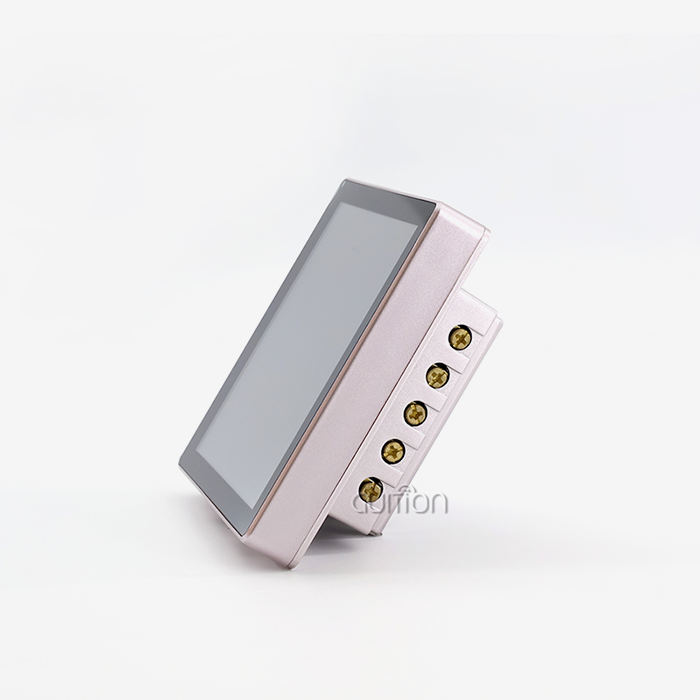
Charging points for electric vehicles are a growing use for industrial screens. These sites are outside, where they have to deal with direct sunlight, extreme temperatures, and different workers. It is easy for drivers to use charging ports no matter the time of day or weather because IPS technology is durable and clear. In business buildings, energy management systems use screens to show information about energy use, system alerts, and control tools. Building managers use these visualizations to make the best use of energy and fix problems in the system. IPS modules make it faster and more accurate to understand data than other display technologies because they have better color accuracy and viewing angles.
Conclusion
Choosing the right display technology has a big effect on how well industrial devices work and how happy users are with them. IPS modules offer better viewing angles, consistent color accuracy, and long-lasting durability that other technologies can't match in demanding situations. The Guition JC4848B040C_I shows these benefits with its 800x480 resolution, ST7701 driver integration, and sensitive touch response that works with a wide range of devices, from 3D printers to medical equipment. As a type of Parallel LCD Display, it provides reliable data transmission and stable performance for applications requiring responsive visual interfaces. When initial costs are weighed against long-term dependability, maintenance needs, and operational performance, IPS technology consistently shows its value by lasting longer, failing less often, and making operators more productive.
FAQ
Why do IPS displays outperform TN screens in industrial settings?
The molecular alignment in IPS screens stops the color change and contrast inversion that happen when TN displays are looked at from different angles. In most industrial settings, more than one person looks at screens from different spots. IPS technology makes sure that the image is displayed the same way from all 178 viewing angles, so all workers see the same information from wherever they are. The stable structure also gets rid of the "water ripple" effect that happens when screens are touched, so they stay clear while being used.
Can IPS modules be customized for specific industrial requirements?
Different types of applications can use different customization options. You can choose from displays ranging in size from small 1.28-inch modules to huge 21.5-inch panels. MIPI DSI is an interface option for high-speed applications, and UART is an interface option for simpler implementations. You can change the brightness levels for use inside or outside. Guition offers complete development tools that work with Arduino, ESP-IDF, and special development modes, making it easy for teams to make interfaces that fit their needs. The secondary development interfaces let you change how functions work without having to do a lot of complicated low-level coding.
How does IPS technology reduce long-term operational costs?
The total cost of ownership is directly affected by how long a component lasts. IPS modules' LED backlights work for 30,000 to 50,000 hours before they lose half of their brightness. This means that they won't need to be serviced for years. The strong design can handle changes in temperature and vibrations that would cause less durable technologies to break down early. With remote upgrade capabilities, firmware changes and new features can be added without having to send a worker to the device. This greatly lowers the cost of after-sales service.
Partner with a Trusted IPS Display Module Supplier
Guition offers complete HMI display systems that are designed to work in tough industrial settings. Our USART-HMI display units use tried-and-true IPS technology along with development tools that help you get your products to market faster while still meeting the quality standards your apps need. The JC4848B040C_I shows that we are dedicated to giving you reliable, high-performance displays backed by quick expert help and a lot of information. We know that choosing a display technology means balancing the needs of the project with the limitations of the technology. Our engineering team can help you match the module's specs to the needs of your application, whether you're making 3D printers, medical devices, or systems for managing energy. The Guition development software makes it easier to make UIs by using drag-and-drop tools and cross-platform testing. This makes development a lot easier. Get in touch with us to find out how our IPS display modules can improve your industrial devices. You can talk about your specific needs, ask for technical documentation, or set up a sample evaluation by emailing david@guition.com. Our global supply chain makes sure that our products are always available, and our support for multiple languages and UTF-8 codes makes adoption easier in a wide range of markets.
References
1. Society for Information Display (2021). Display Technology Standards and Performance Metrics for Industrial Applications. SID Journal of Technical Papers, Volume 52, Issue 4.
2. Industrial Electronics Research Institute (2022). Comparative Analysis of LCD Technologies in Harsh Environment Deployments. IEEE Transactions on Industrial Electronics, Volume 69, Issue 8.
3. International Electrotechnical Commission (2020). IEC 61747-1: Liquid Crystal Display Devices - Part 1: Generic Specification. IEC Standards Publication.
4. American National Standards Institute (2021). ANSI/IES RP-16: Nomenclature and Definitions for Illuminating Engineering in Display Applications. ANSI Technical Standards.
5. Medical Device Display Working Group (2022). Visual Performance Requirements for Healthcare Equipment Interfaces. Journal of Medical Device Technology, Volume 14, Issue 2.
6. Industrial Automation Systems Association (2023). Human-Machine Interface Best Practices for Manufacturing and Process Control. ISA Technical Report TR88.00.02.
Learn about our latest products and discounts through SMS or email