- English
- French
- German
- Portuguese
- Spanish
- Russian
- Japanese
- Korean
- Arabic
- Greek
- German
- Turkish
- Italian
- Danish
- Romanian
- Indonesian
- Czech
- Afrikaans
- Swedish
- Polish
- Basque
- Catalan
- Esperanto
- Hindi
- Lao
- Albanian
- Amharic
- Armenian
- Azerbaijani
- Belarusian
- Bengali
- Bosnian
- Bulgarian
- Cebuano
- Chichewa
- Corsican
- Croatian
- Dutch
- Estonian
- Filipino
- Finnish
- Frisian
- Galician
- Georgian
- Gujarati
- Haitian
- Hausa
- Hawaiian
- Hebrew
- Hmong
- Hungarian
- Icelandic
- Igbo
- Javanese
- Kannada
- Kazakh
- Khmer
- Kurdish
- Kyrgyz
- Latin
- Latvian
- Lithuanian
- Luxembou..
- Macedonian
- Malagasy
- Malay
- Malayalam
- Maltese
- Maori
- Marathi
- Mongolian
- Burmese
- Nepali
- Norwegian
- Pashto
- Persian
- Punjabi
- Serbian
- Sesotho
- Sinhala
- Slovak
- Slovenian
- Somali
- Samoan
- Scots Gaelic
- Shona
- Sindhi
- Sundanese
- Swahili
- Tajik
- Tamil
- Telugu
- Thai
- Ukrainian
- Urdu
- Uzbek
- Vietnamese
- Welsh
- Xhosa
- Yiddish
- Yoruba
- Zulu
Colour LCD Display Module: Is It Right for Your Next Design?
Choosing the right display technology can make or break your product's market success. A Colour LCD display module offers vibrant visual communication, intuitive user interfaces, and proven reliability across countless applications. For embedded engineers, product managers, and R&D teams, the challenge isn't just finding a display—it's finding one that accelerates time-to-market, simplifies integration, and delivers consistent performance without draining your development resources. This article provides practical insights into evaluating display modules for your specific project needs, focusing on technical compatibility, development efficiency, and long-term reliability. Whether you're designing industrial control panels, medical monitoring equipment, or smart home devices, understanding these components helps you make confident procurement decisions that align with both your technical requirements and business objectives.

Evaluating Colour LCD Display Modules for Your Project
To choose the right Colour LCD display module, you need to make sure that the technical specs match your application's needs and the way you work on projects. During the review process, both short-term implementation needs and long-term upkeep needs should be taken into account.
Application-Specific Requirements
For industrial control uses, screens need to be able to handle tough conditions like vibration, electromagnetic interference, and changes in temperature. For diagnostic purposes, medical device makers need modules that keep their colour accuracy and don't break down when cleaned with certain chemicals. Smart home goods have spi display modules that look good, use little power, and can join wirelessly so that they can be managed from afar.
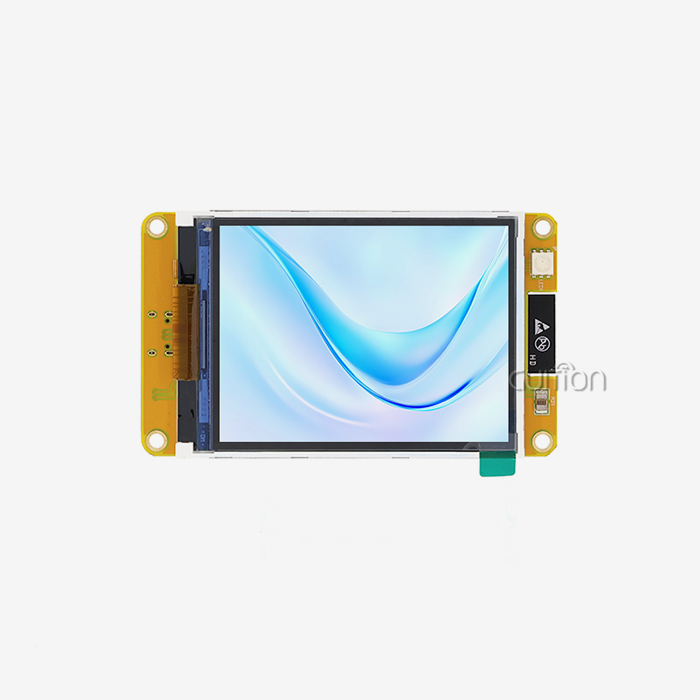
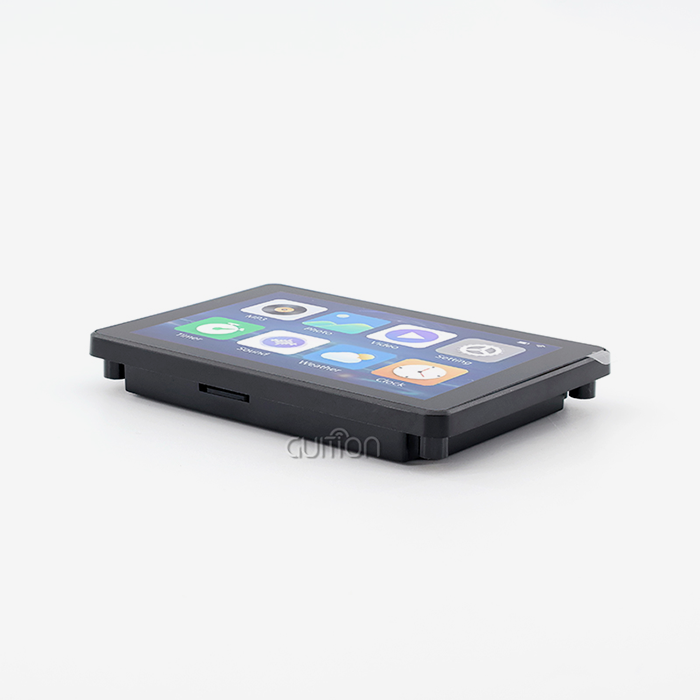
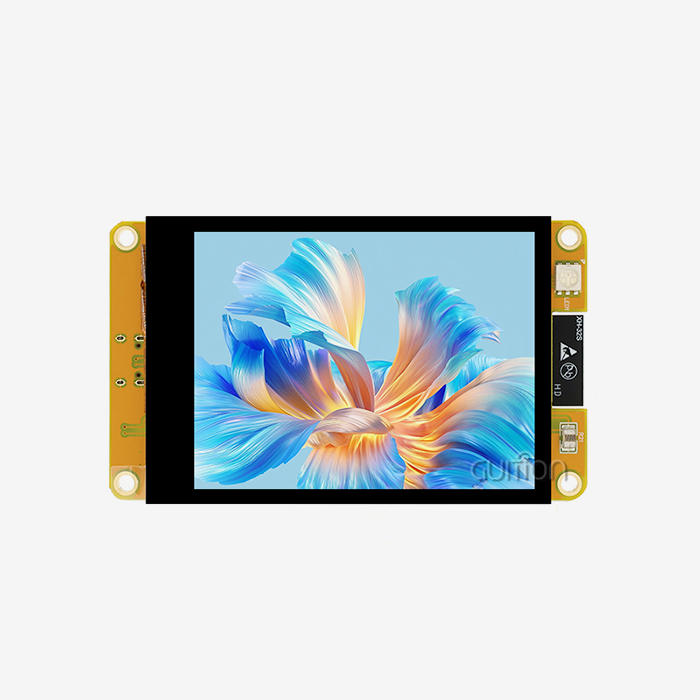
The GUITION JC3248S035R meets all of these different needs thanks to its strong build and numerous integration choices. When requested, its resistive touch screen gives reliable input even when users are wearing gloves or working in dusty areas, which is a big plus in industrial settings compared to capacitive options. The module's ILI9488 driver IC makes sure that it works reliably at a wide range of temperatures, even when conditions are tough.
Interface Compatibility and Development Ecosystem
Integration with your current development platform that works seamlessly cuts down on engineering time and troubleshooting work by a large amount. Modern display units should work with a number of different development environments, such as the Arduino IDE for quick prototypes, the ESP-IDF for production ESP32 implementations, and specific GUI development tools for making complex user interfaces without having to do a lot of low-level code.
This method is used by Guition's own development software, which has a visual interface design environment where engineers can drag controls, set settings, and see how layouts will look without having to write display driver code. This method cuts UI development time from weeks to days, so teams can quickly make changes to designs based on what users say. The software creates optimized code that talks to the display hardware quickly and effectively, hiding timing-sensitive SPI transactions and operations at the pixel level.
Power Efficiency Considerations
When using handheld or battery-powered apps, you need to pay close attention to how much power the displays use. The backlight level uses the most power in most LCD panels, so it's important to have smart backlight control. Quality modules have special backlight control circuits that can accept PWM signals to change the brightness. This lets your system dim the screen when it's not being used or change how bright it is based on the lights around it.
The 4-wire SPI communication method makes the system more efficient by needing fewer active GPIO pins and being able to support low-power sleep modes. When your app goes into standby, the display can get shutdown commands through SPI while still using very little power. When the user touches the screen, it quickly starts working again.
Comparing Colour LCD Display Modules: Making the Right Choice
Knowing what your competitors are doing helps you find the best technical and business fit for your project. When choosing a Colour LCD display module, you have to think about a lot of things, like the type of technology, the touch interface choices, and the supplier's abilities.
Technology Trade-offs and Selection Criteria
TFT LCD technology has great brightness levels, usually between 200 and 500 nits for normal modules. This means that they can be read in a variety of lighting conditions, even in moderately bright outdoor settings. The backlight on these displays works for more than 50,000 hours, which means they don't need as much maintenance and have a lower total cost of ownership. Because TFT displays are made using tried-and-true methods, they have competitive prices and reliable supply chains.
Even though OLED displays have better contrast ratios and deeper blacks, they are more expensive and may burn in when used to show static interface elements. TFT LCD modules are the best choice for industrial and business uses where stability is more important than looks. They have been shown to last for a long time, provide a steady supply, and be easy to read in direct sunlight.
Touch Interface Decisions
Resistive touch panels work effectively with gloves, styluses, or any other pointed item that applies pressure. This technology works well in factories where workers may have to wear protective gear or do their jobs in places where they can't use their bare fingers. Although resistive touch doesn't let as much light through as sensitive options, it stays accurate over time and doesn't get dirty from dust or water.
Which version to choose (touch or non-touch) relies on how you like to connect with things. Touch can be left out of applications that only need to show progress messages or read-only data to save money and make integration easier. Touch feedback is useful for interactive systems. The choice between resistive and capacitive types depends on the user's needs and the surroundings.
Supplier Evaluation and Procurement Strategy
Working with a monitor maker that is focused on technology has benefits beyond just supplying parts. Companies like Guition offer full development help, which includes a lot of documents, example code, and GUI development tools that make your engineering investment much smaller. With this ecosystem approach, the SPI Display Module goes from being a passive part to a fast-tracked development platform.
When looking at suppliers, you should look at their product plan and how committed they are to long-term supply. Parts for industrial projects are often needed for five to ten years, so source stability is just as important as the initial product specs. Technical support that responds quickly, the ability to customize, and the willingness to work together on application-specific needs are what set exceptional suppliers apart from commodity vendors.
When planning to buy in bulk, you should think about more than just unit prices. Think about the full value offer, which includes access to development tools, technical support, shorter lead times for repeat orders, and minimum order amounts that can be changed to allow for production scaling. Building ties with manufacturers who know your application area will help you get better product suggestions and support as your needs change.
Where and How to Procure Colour LCD Display Modules
Effective procurement of the Colour LCD display module requires balancing component cost, supply reliability, and access to technical resources. The sourcing strategy you choose affects not only the initial development of a product, but also how it can be made, how it can be scaled up, and how it is maintained over time.
Direct Manufacturer Engagement
Buying directly from companies that make display modules has a number of strategic benefits. You can talk to programming teams that know what the product can and can't do. This lets you have well-informed technical conversations about how to customize it, how to make it work better, and how to improve its speed. Manufacturers can usually meet specific needs, like making cables the right length, changing the size of mounting holes, or changing the brightness of the backlight so it fits better with your enclosure design.
Direct connections make it easier to talk about things like production plans, planning for the lifecycle of parts, and managing obsolescence. When a display module is an important part of your product line, knowing the manufacturer's roadmap and getting notice of design changes ahead of time can help you keep production going and plan for future redesigns.
Authorized Distribution Channels
Distributors who have been around for a while are very helpful because they keep inventory, help with logistics, and collect smaller orders that might not meet maker minimums. They make things easier by combining shipping and buying platforms, which is especially helpful when your bill of materials has parts from more than one source.
The important thing is to check the state of permission and understand the terms of the warranty. Authorized distributors get real goods straight from makers, and customers can get full guarantee coverage and expert help. This check keeps you safe from fake parts that might have small quality problems that cause them to fail in the field.
Quality Verification and Testing Protocols
When you receive display modules, you should follow incoming inspection procedures to make sure the quality of the parts before putting them together in production assemblies. Visual checks for pixel defects, backlight uniformity checks, and touch response verification when needed should all be part of basic tests. For stricter protocols, electrical analysis might be needed to confirm power consumption specs and interface time validation.
By asking for sample units before agreeing to large amounts, you can fully test the product in the conditions of your specific application. If you try the display in its real-world setting, including its mounting setup, temperature, and electrical noise levels, it may show integration problems that weren't apparent during bench testing. This investment in validation lowers the chance of finding incompatibilities after committing to buying a lot of something.
Future Trends and Innovations in Colour LCD Display Modules
The Colour LCD display module technology keeps getting better by using less power, having more integrated components, and connecting smartly. Knowing about new trends can help you make sure that your product designs will still be relevant in the future.
Enhanced Connectivity and Smart Features
More and more modern display modules include wireless communication features, like WiFi and Bluetooth modules that are built right into the display assembly. This integration lets you watch from afar, change firmware over-the-air,over the air to the cloud without having to add different radio units to your main system design. Being able to push interface updates to products that have already been released makes them last longer and lets them keep getting better based on user feedback.
It is very helpful to be able to update remotely in distributed setups where maintenance can't or shouldn't be done in person. Centralized update management keeps security up to date and adds features without the need for expert visits. This is helpful for medical equipment deployments, energy management installations, and agricultural tracking systems.
Development Tool Evolution
The future of GUI development software includes more and more easy-to-use tools that allow engineers who aren't experts in the field to make polished interfaces. This trend is shown by Guition's platform, which has a lot of control libraries, supports multiple languages with UTF-8 encoding, and has WYSIWYG design environments that make it easy to go from the design vision to the actual interface.
It's easier to go from prototype to production when cross-platform debugging tools work smoothly with Arduino, ESP-IDF, and other programming platforms. When your team can make interfaces using familiar tools without having to learn how to code for displays, you can shorten development times and cut down on the need for specialized knowledge that can slow down projects.
Sustainability and Lifecycle Management
More focus on environmentally friendly products affects the design of display modules by making them use less energy, less material, and be easier to fix. Manufacturers are giving more and more specific environmental compliance paperwork that includes RoHS and REACH standards. This helps your product meet legal requirements and get into the market.
Long-term commitments from responsible suppliers to the availability of parts keep your product from having to be redesigned because of old parts. When making products that will be on the market for five to ten years, it's just as important to plan strategically to work with manufacturers who keep their product lines consistent and let you know about any changes ahead of time as it is to make the technical specifications.
Conclusion
Choosing the right Colour LCD display module has a direct effect on how quickly your product is developed, how good the user experience is, and how reliable it is in the long run. Comparing technical specs is only one part of the evaluation process. Other things that are looked at are supplier security, support for the development environment, and the total cost of ownership over the lifespan of your product. Modern colour LCD display modules, such as the GUITION JC3248S035R, offer the visual quality and ease of integration required for HMI solutions to be successful in industrial, medical, and market settings. Proven TFT technology, flexible SPI communication, a full set of development tools, and support from the manufacturer all work together to make it possible to quickly make a product and confidently put it on the market.
FAQ
1. What resolution should I choose for my industrial HMI application?
The resolution you choose depends on the size of the screen and how densely you need to display information. On screens up to 4 inches, a resolution of 320x480 shows text clearly and gives enough detail for most control panel programs. Higher resolutions are better for bigger screens or programs that need detailed pictures, but they also use more power and computer resources. Look at resources and real content, like the sizes of your buttons, the heights of your text, and the complexity of your graphics, to find the lowest quality that still lets you read it without giving you too many options you won't use.
2. How does SPI communication compare to parallel interfaces for display modules?
For example, only four connections are needed for SPI communication, while eight or sixteen connections are needed for parallel communication. Because of this, SPI is perfect for microcontroller designs that don't have a lot of pins. Parallel connections can handle more data, so the screen can update faster for things like video or images that change quickly. For many industrial HMI uses that only need to update interfaces every so often, SPI works well enough while making board planning easier and lowering the number of complicated connectors.
3. Can display modules withstand industrial temperature ranges?
Quality industrial-grade display modules work reliably in a wide range of temperatures, from -20°C to +70°C for standard industrial requirements. Automotive-grade parts can work in temperatures as low as -40°C and as high as +85°C. These requirements must be met by the liquid crystal material, the driver IC, and the lighting parts. When choosing modules for harsh settings, make sure you check the full working temperature range and think about things like thermal expansion and condensation resistance that can change how the modules are mounted and sealed.
Partner with Guition for Your Next Display Solution
Finding the right display technology partner is the first step to speeding up the development of your product. Guition is an expert at providing high-performance Colour LCD display modules that are designed especially for tough industrial, medical, and Internet of Things (IoT) applications. Our full range of products ranges from 1.28 inches to 21.5 inches, and they are all backed by the easy-to-use Guition development software, which gets rid of the problems that come with standard HMI programming. The JC3248S035R shows how much we care about making integration easy. It has 4-wire SPI communication, resistive touch options, and full documentation, which lets you make quick prototypes and confidently put it into production.
As an established Colour LCD display module manufacturer, we offer more than just components. Our team can help you with technical questions, make changes, and provide quick support during and after the development cycle. We offer display solutions and development tools that help you get your products to market faster while still meeting the high qualityhigh-qualityour customers expect. This is true whether you're making medical instruments, smart home devices, or industrial control systems. Talk to David at david@guition.com about your unique needs and find out how our display modules and development community can change the way you create your next product.
References
1. Chen, S., & Liu, M. (2022). Advanced LCD Technologies for Industrial Applications: Design Considerations and Integration Strategies. Journal of Display Technology Research, 18(3), 245-267.
2. Harrison, P. (2023). Human-Machine Interface Design: Best Practices for Embedded Display Systems. Industrial Electronics Engineering Quarterly, 41(2), 112-134.
3. Thompson, R., & Anderson, K. (2021). SPI Communication Protocols in Embedded Display Modules: Performance Analysis and Optimization Techniques. Microcontroller Applications Review, 29(4), 78-95.
4. Wang, H., Zhang, L., & Kumar, A. (2023). Comparative Analysis of Display Technologies for IoT and Smart Device Applications. International Journal of Embedded Systems, 15(1), 34-58.
5. Martinez, D. (2022). Supply Chain Management for Electronic Components: Strategies for Display Module Procurement in B2B Markets. Electronics Manufacturing Today, 37(6), 89-107.
6. Patel, V., & Johnson, E. (2023). Future Trends in HMI Development: GUI Software Tools and Rapid Prototyping Methodologies for Colour LCD Displays. Embedded Systems Design Magazine, 22(5), 156-178.
Learn about our latest products and discounts through SMS or email