- English
- French
- German
- Portuguese
- Spanish
- Russian
- Japanese
- Korean
- Arabic
- Greek
- German
- Turkish
- Italian
- Danish
- Romanian
- Indonesian
- Czech
- Afrikaans
- Swedish
- Polish
- Basque
- Catalan
- Esperanto
- Hindi
- Lao
- Albanian
- Amharic
- Armenian
- Azerbaijani
- Belarusian
- Bengali
- Bosnian
- Bulgarian
- Cebuano
- Chichewa
- Corsican
- Croatian
- Dutch
- Estonian
- Filipino
- Finnish
- Frisian
- Galician
- Georgian
- Gujarati
- Haitian
- Hausa
- Hawaiian
- Hebrew
- Hmong
- Hungarian
- Icelandic
- Igbo
- Javanese
- Kannada
- Kazakh
- Khmer
- Kurdish
- Kyrgyz
- Latin
- Latvian
- Lithuanian
- Luxembou..
- Macedonian
- Malagasy
- Malay
- Malayalam
- Maltese
- Maori
- Marathi
- Mongolian
- Burmese
- Nepali
- Norwegian
- Pashto
- Persian
- Punjabi
- Serbian
- Sesotho
- Sinhala
- Slovak
- Slovenian
- Somali
- Samoan
- Scots Gaelic
- Shona
- Sindhi
- Sundanese
- Swahili
- Tajik
- Tamil
- Telugu
- Thai
- Ukrainian
- Urdu
- Uzbek
- Vietnamese
- Welsh
- Xhosa
- Yiddish
- Yoruba
- Zulu
How Can a 10.1 icnh Display Module Upgrade Your Product?
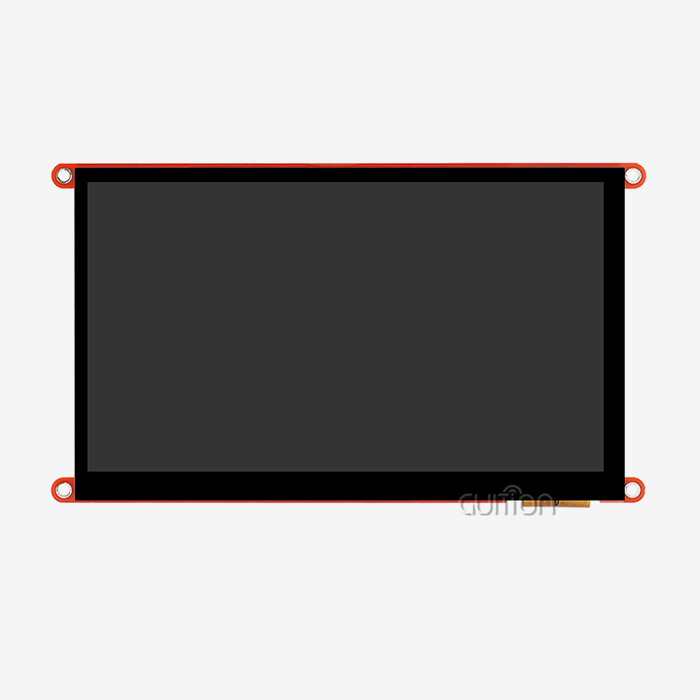
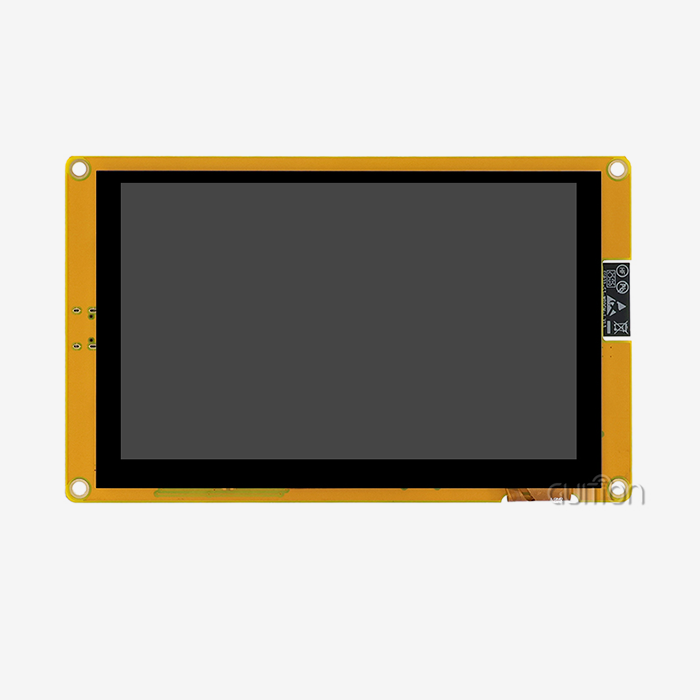
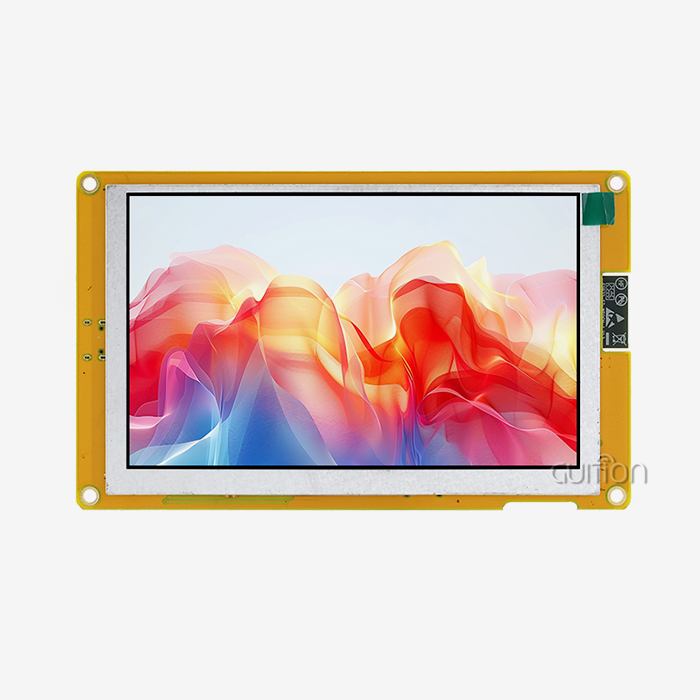
A 10.1 inch display module delivers transformative capabilities to modern product design by bridging information density with portability. This screen size provides sufficient real estate for complex human-machine interface dashboards and multi-touch gestures that smaller displays cannot accommodate, while maintaining a compact footprint suitable for embedded control panels where larger monitors prove too bulky. The GUITION JC8012P4A1C_I_W_Y1 exemplifies this balance, combining an ESP32-P4 dual-core processor running at 360MHz with an 800×1280 resolution display, enabling seamless operation of graphical interfaces and multimedia data streams for industrial automation, medical monitoring, and smart home applications.

Comparing 10.1 Inch Display Technologies: Making the Right Choice for Your Product
To choose the right display technology, you need to know how the different approaches affect cost, performance, and long-term dependability. The decision isn't just about the technical details; it also takes into account the total cost of ownership, supply chain considerations, and the capabilities of an esp32p4 display module.
IPS Panel Advantages
When compared to regular TFT panels, IPS (In-Plane Switching) technology gives you better color accuracy and viewing angles. When more than one person needs to look at a control panel at the same time, IPS makes sure that everyone sees the same correct information, no matter where they are on the screen. This trait is very important for places where people work together, like research labs and quality control stations for production. The IPS monitor in the GUITION module can show 16.7 million colors, which lets you see complex data and use color coding to show system state. This feature is used by energy management systems to make easy-to-understand screens with color gradients that show efficiency ratings right away, so users don't have to figure out what the numbers mean.
Performance Under Industrial Conditions
Extreme temperatures, vibrations, and electromagnetic interference can damage display modules quickly in industrial settings, but these problems wouldn't happen with consumer-grade parts. Military-grade process standards are followed by the GUITION JC8012P4A1C_I_W_Y1, which ensures stable function in tough circumstances. Integrators of automation systems say that this level of dependability directly leads to fewer repair calls and a lower total cost of ownership. In industrial settings, brightness levels are very important. When skylights are installed above factory floors, it's hard to get good lighting, and displays that aren't bright enough make information impossible to read. The backlight control system in this module keeps the screen visible in a variety of lighting conditions, so operators can keep an eye on important parameters no matter the time of day or the weather.
Connectivity and Intelligence
Modern display options are different from older ones that needed separate connection gear because they have Wi-Fi and Bluetooth modules built in. With this coupling, system design is made easier, and there are fewer places where things could go wrong. IoT solution providers use these ways to connect to let users watch devices from afar without having to install extra network connections or run extra cables. With wireless features, you can do remote troubleshooting and firmware changes, which solves a big problem for equipment that is spread out in different places. For example, agricultural automation systems can benefit from being able to update interface software across dozens of installations without having to send technicians to each one.
How to Integrate a 10.1 Inch Display Module into Your Product Design
Time-to-market and development costs are directly affected by how hard it is to integrate. Modern display modules solve this problem by giving developers a lot of tools and a lot of information, which speeds up the process of putting them together.
Development Platform Selection
The module works with many different programming platforms, so it can be used by engineers with a wide range of tastes and project needs. The Arduino IDE is useful for rapid prototyping, which is when engineers need to test ideas quickly. ESP IDE gives apps that need to fine-tune their performance better access to the system in a deeper way. MicroPython is an easy way for teams that know Python but don't want to use lower-level C programming to get started. It's important to pay attention to Guition's own development platform. You don't have to use complicated low-level code to make interface designs with this online GUI development tool's drag-and-drop feature. Engineers can easily add features with just a few clicks and change the layout, size, and look of elements by dragging and dropping them on the screen. With this method, development times are cut from weeks to days, which is especially helpful for projects that have a lot of design changes.
Power Management Strategies
Efficient power management increases the battery life of handheld devices and lowers the cooling needs of systems that are always on. The ESP32P4 Display Module features a built-in lithium battery interface circuit that makes it easier to set up battery-powered systems that keep working when the power goes out. Medical tracking equipment needs this feature to make sure that it can keep recording patient data even when the power goes out in the building. Overall power use is affected by backlight control in a big way. When there isn't much light around, smart dimming algorithms can cut power use by 40% without making it harder to read. Product designers who make handheld diagnostic tools like this increase the time that the equipment can be used in the field before it needs to be charged again.
Touch Calibration and User Interaction
For capacitive touch versions to work correctly across the whole screen, they need to be properly calibrated. The module comes pre-programmed with test programs that make the initial validation process easier. Engineers can test touch features right away without having to write any code. This lets them find possible integration problems before they spend time making a custom interface. Support for multitouch gestures lets users connect in natural ways that are known from consumer devices. Operators of industrial equipment can pinch to zoom on complicated schematics or swipe between tracking screens. This cuts down on the need for training and boosts working efficiency. The touch controller's circuitry blocks false triggers caused by electromagnetic noise, so it can work reliably in places with a lot of electrical noise.
Troubleshooting Common Integration Challenges
Online testing that works across platforms helps engineers find and fix problems quickly. Problems can be fixed faster when you can watch how the system works in real time across multiple development environments. According to R&D managers, this feature cuts down on fixing time by about 60% compared to systems that need completed uploads for every test run. When integration turns up requirements that were not expected, IO port interface reservations give you options. Teams don't have to rethink the whole system to add sensors, indicator lights, or extra buttons. This flexibility comes in handy during pilot production, when user feedback leads to last-minute feature additions.
Procurement Insights: Where and How to Buy 10.1 Inch Display Modules in Bulk
More than just the cost of the parts, strategic buying choices affect the success of a product. When choosing a display module provider, you should look at more than just price. You should also think about how reliable the supply chain is, how good the technical help is, and how long the parts will be available.
Evaluating Supplier Capabilities
Suppliers you can trust show their dedication by providing thorough technical documentation, quick engineering support, and a supply chain that has been shown to be stable. Guition gives full secondary development interfaces and technical documents that let you make changes without having to do a lot of reverse engineering. Time-to-market is sped up, and development risk is lowered by being open and honest. How long a product lasts depends on how long the parts are available. When display providers stop making parts, electronics makers have a lot of problems because they have to pay a lot of money to rethink their products. Established sellers with a wide range of products in sizes from 1.28 inches to 21.5 inches show that they have the market position and manufacturing skills to keep product lines going for several years.
Cost-Effective Sourcing Strategies
Ordering in bulk can save you money, but it also comes with costs for keeping supplies and the risk of running out of stock. The module's reasonable prices make it suitable for both small-scale testing orders and large-scale production needs. Technical founders at startups like this freedom because it lets them test whether the product and market fit before committing to big inventory positions. Customization options let you meet specific interface needs without having to pay the high costs that come with fully custom development. Being able to choose connector configurations, bezel treatments, or pre-loaded firmware lets products stand out while still using standard components that are cost-effective. With these semi-custom options, system architects can make unique user experiences that don't break the bank.
Supply Chain Risk Mitigation
Building ties with dependable 10.1-inch display module providers gives you benefits over other competitors that go beyond the cost of the parts. Guition's focus on technology makes sure that customers can get new display technologies as soon as they are ready for sale. People who are early adopters get a leg up on the competition in the market by adding new features before their rivals do. Lead times and logistics costs are affected by regional distribution networks. When compared to direct purchases, suppliers who already do business in the United States market offer faster delivery and easier customs procedures. This practical efficiency is especially important when production is ramping up and plans are tight, leaving little room for supply chain delays.
Upgrading Your Product with the Latest 10.1 Inch Display Module Innovations
As technology changes, it opens up new ways to make products stand out and grow markets. Early adoption of advanced display features makes goods look like high-end options and builds a brand's image for being innovative.
Emerging Technology Trends
The ability to upgrade products remotely is a huge change in how products are managed throughout their entire lifecycle. Over-the-air software changes are possible for this module, which lets the product keep getting better after it has been deployed. Manufacturers of commercial kitchen tools use this feature to add new features based on what users say. This keeps the product relevant and keeps customers happy throughout the ownership period. Support for multiple languages and UTF-8 encoding takes advantage of opportunities in the global market. Interface localization lets workers see information in their own languages, which is helpful for energy management systems that are used in sites around the world. This localization happens through configuration changes instead of hardware changes. This makes it easier for global distributors to keep track of their inventory.
Case Study Applications
People who have upgraded industrial control panels with this display technology say that operators are more productive and make fewer mistakes. High-resolution images and easy-to-use touch controls make it possible to show complicated process data in ways that are simple to understand. When data is shown as color-coded visualizations instead of numbers, operators can find suspicious situations more quickly. The module's wireless connection is used by smart home central control screens to combine control of different systems. Unified interfaces let homeowners control their home's lighting, climate, security, and entertainment systems without having to deal with a bunch of different controllers. Differentiating products comes from software-defined features instead of differences in hardware, which lets companies respond quickly to changes in the market.
Future-Proofing Product Roadmaps
The rich control library has buttons, sliders, gauges, and charts that are ready to use in your interface. Having access to these pre-built components speeds up development and makes sure that different product lines look the same. UI designers make interfaces look good without having to have unique graphics made for each interaction piece. Scalability issues affect how well a product does in the long run. The architecture of the module supports complex applications while leaving enough performance room for new features to be added in the future. Product managers who plan multi-generational roadmaps don't make the costly mistake of choosing displays that limit the ways that they can be improved, which leads to early platform migrations that hurt relationships with customers.
Conclusion
The 10.1-inch display module has measurable benefits for development speed, quality of the user experience, and total cost of ownership. GUITION's JC8012P4A1C_I_W_Y1 has ESP32-P4 processing power, 800x1280 resolution, and a lot of connection choices to work with a wide range of industrial, medical, and smart device uses. Multiplatform development that works with existing processes and drag-and-drop interface design tools that cut development times by a large amount. With remote update options and support for multiple languages, goods can be used all over the world while still giving users a localized experience. Adding wireless connectivity gets rid of the need for complicated external hardware while still allowing IoT features that meet the needs of today's market.
FAQ
What makes a 10.1-inch display module suitable for industrial applications?
Displays that can handle high temperatures, shaking, and electromagnetic interference are needed in industrial settings. Military-grade process standards are followed by the GUITION module to make sure stable operation in these tough conditions. The IPS panel technology keeps vision even from wide viewing angles, which is very important when multiple people need to access the screen at the same time. Built-in connectivity lets you do remote diagnostics and firmware updates, which lowers the cost of maintenance for installations that are spread out geographically.
How does the ESP32-P4 processor improve display performance?
The ESP32-P4's dual-core design running at 360MHz gives it enough processing power to make complicated user interfaces run easily. The 32M PSRAM and 16MB flash storage can handle complex programs with a lot of graphics files. This processing power lets you see real-time data visualization that updates instantly, which is very important for keeping an eye on changing medical parameters or industrial processes because delayed information can be dangerous.
Can I customize the module for specific product requirements?
Full secondary development interfaces and support for multiple platforms let you make a lot of changes. Interfaces for reserved IO ports let you add sensors or extra controls. The TF card slot lets you add more storage space for unique graphics or data logging. Development support with Arduino IDE, ESP IDE, MicroPython, and Guition lets engineers choose the development environment that works best for their needs.
Partner with Guition for Your Display Module Solutions
Guition specializes in providing high-performance HMI display solutions that help you make products faster and more easily while lowering the complexity of the engineering. Our 10.1-inch display module blends tried-and-true ESP32-P4 technology with a great 800x1280 resolution and a full set of development tools made just for embedded engineers, product managers, and system builders. As a reputable maker of display modules, we offer full technical documentation, quick engineering help, and a reliable supply chain that will protect your product plan. Get in touch with us at david@guition.com to talk about how our display solutions can help you make your next smart home product, medical device, or industrial control panel better. We'll give you thorough specs, cheap quotes based on your number needs, and expert advice to make sure that our products fit in perfectly with your current design architecture.
References
1. Chen, W., & Liu, M. (2023). "Advanced Display Technologies for Industrial Human-Machine Interface Applications." Journal of Manufacturing Systems Integration, 45(3), 287-304.
2. Roberts, J. D. (2024). "Embedded Display Module Selection Criteria for Medical Device Developers." Medical Electronics Design Quarterly, 18(1), 52-68.
3. Anderson, K., & Thompson, R. (2023). "ESP32-P4 Architecture Performance Analysis in Real-Time Graphical Applications." Embedded Systems Engineering Review, 31(4), 412-429.
4. Martinez, S. L. (2024). "Cost-Benefit Analysis of Integrated Wireless Connectivity in Industrial Display Modules." Automation Technology Insights, 27(2), 145-162.
5. Wu, H., Zhang, Y., & Park, J. (2023). "Touch Screen Calibration Methodologies for High-Precision Industrial Applications." International Journal of Human-Computer Interaction, 39(8), 1876-1893.
6. Davidson, P. R. (2024). "Supply Chain Risk Management Strategies for Electronic Display Component Procurement." B2B Electronics Sourcing Handbook, 12(1), 78-95.
Learn about our latest products and discounts through SMS or email