- English
- French
- German
- Portuguese
- Spanish
- Russian
- Japanese
- Korean
- Arabic
- Greek
- German
- Turkish
- Italian
- Danish
- Romanian
- Indonesian
- Czech
- Afrikaans
- Swedish
- Polish
- Basque
- Catalan
- Esperanto
- Hindi
- Lao
- Albanian
- Amharic
- Armenian
- Azerbaijani
- Belarusian
- Bengali
- Bosnian
- Bulgarian
- Cebuano
- Chichewa
- Corsican
- Croatian
- Dutch
- Estonian
- Filipino
- Finnish
- Frisian
- Galician
- Georgian
- Gujarati
- Haitian
- Hausa
- Hawaiian
- Hebrew
- Hmong
- Hungarian
- Icelandic
- Igbo
- Javanese
- Kannada
- Kazakh
- Khmer
- Kurdish
- Kyrgyz
- Latin
- Latvian
- Lithuanian
- Luxembou..
- Macedonian
- Malagasy
- Malay
- Malayalam
- Maltese
- Maori
- Marathi
- Mongolian
- Burmese
- Nepali
- Norwegian
- Pashto
- Persian
- Punjabi
- Serbian
- Sesotho
- Sinhala
- Slovak
- Slovenian
- Somali
- Samoan
- Scots Gaelic
- Shona
- Sindhi
- Sundanese
- Swahili
- Tajik
- Tamil
- Telugu
- Thai
- Ukrainian
- Urdu
- Uzbek
- Vietnamese
- Welsh
- Xhosa
- Yiddish
- Yoruba
- Zulu
Why Choose an Industrial HMI Panel for Harsh Environments?
Industrial operations in extreme conditions demand equipment that refuses to fail. When your production line operates in sub-zero temperatures or your control panels face relentless dust and moisture, standard displays simply won't cut it. Choosing an industrial HMI panel engineered for harsh environments means investing in reliability, minimized downtime, and long-term operational efficiency. These specialized interface solutions bridge the gap between operators and complex machinery, delivering real-time control and visualization even when conditions push equipment to its limits. This guide walks you through why rugged HMI technology matters for industrial equipment manufacturers, automation integrators, and embedded engineers seeking dependable human-machine interfaces that perform consistently under pressure.

Key Types and Features of Industrial HMI Panels for Harsh Settings
Understanding Display Technologies and Form Factors
Before you can choose the right interface gear, you need to know what your technology choices are. Because they react to pressure, resistive touchscreens are great for when people are wearing heavy gloves or when surfaces are oily or dirty. With multi-touch gesture support, capacitive touch technology gives users a more responsive and modern experience. However, for harsh environment deployment, it needs firmware features like glove mode or water rejection. Beyond touch technology, mounting arrangements determine how the Industrial HMI panel fits into your system design. Panel-mount installations fit directly into cutouts in control cabinets, wall-mount configurations work well for permanent installations in control rooms, and portable options make it possible to do maintenance and troubleshooting on the go. Each form factor is designed to work with a certain set of operational processes while still providing the necessary environmental safety for demanding uses.
Essential Technical Specifications That Matter
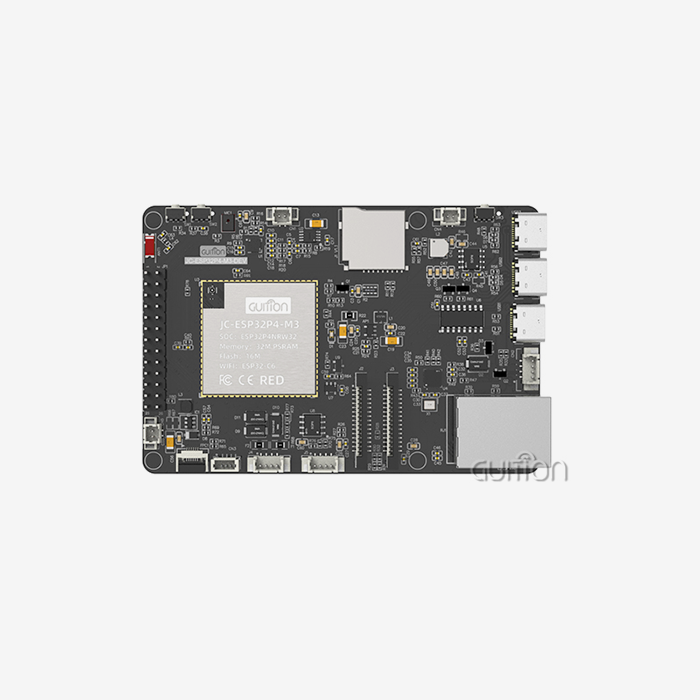
High-resolution screens are now expected. For smaller 5-inch screens, 800x480 resolution works well, but for bigger setups, Full HD 1920x1080 or higher is needed to show complex process images clearly. Sunlight readability is still important for outdoor locations or buildings that get a lot of natural light. High-brightness choices topping 1000 nits with optical bonding get rid of the internal reflections that make regular screens look dull. How well your display module works with the rest of the automation ecosystem depends on how well it can communicate. Gigabit Ethernet for fast data transfer, serial ports for connecting old equipment, and more and more wireless choices are all part of modern alternatives. This is shown by Guition's development platform, which has built-in WiFi and Bluetooth units that make it easy to connect to networks and smart devices without using extra connections. The platform works with Arduino, IDF, and Guition development modes, so it can change to the way different engineering teams like to work while speeding up the time it takes to get custom interface apps to market. Software compatibility turns out to be just as important as hardware specs. System speed and programming effectiveness are influenced by the interaction between your Industrial HMI panel and programmable logic controllers (PLCs). Standalone configurations are easier to use for simple tasks, while integrated systems make it easier to connect visualization and control logic for complex process automation that needs to be responsive in milliseconds.
How to Choose the Right Industrial HMI Panel for Your Harsh Environment
Defining Your Environmental and Technical Requirements
Before you buy something, you should make a detailed plan of the problems that the tools will have to deal with. Write down the temperature range that the device can work in, the amount of dust or liquid that it is likely to be exposed to, the frequency and amplitude of the vibrations, and any corrosive substances that are present. These factors directly affect the ingress protection grade you'll need. For example, IP65 is enough for general industry use, IP66 is good for high-pressure washdown areas, and IP69K meets the high-temperature cleaning standards for pharmaceutical and food processing. Your technology needs are shaped by how you like to connect. Figure out whether your application needs the dependability of wired Ethernet, the freedom of wireless connectivity, or both. Think about which control protocols—Profinet, EtherNet/IP, or CAN bus—your current automation system uses and make sure the new hardware will work with them before you buy it. User interface needs are very important. Operators need layouts that are easy to understand so they don't have to spend a lot of time learning them and so they can get to important controls and state information quickly when things get tough.
Evaluating Suppliers and Long-Term Value
Credentials for suppliers tell you the difference between trustworthy partners and vendors who hide when you need help. Check for certifications that are important to your business, such as CE marking for sales in Europe, UL listings for installations in North America, and ATEX certification for use in explosive environments. The length of a manufacturer's warranty shows how confident they are in their goods. Reliable suppliers give full coverage that goes beyond simple hardware replacement and includes expert help and software updates. Budget concerns go far beyond the initial cost of the item. Figure out the total cost of ownership by taking into account how hard it is to install, how often you expect to have to do maintenance, and how much money you could lose if the system goes down. OEMs and distributors often negotiate volume pricing, which lowers per-unit costs by a large amount and guarantees long-term availability of components. This is important for keeping spare parts on hand and making sure that replacements fit perfectly with existing installations. These issues are directly addressed by Guition's approach to industrial display systems, which includes full secondary development support for hmi display module solutions. Full technical documentation and simple development tools make it possible to make changes without having to learn complicated low-level code. The drag-and-drop GUI development tool speeds up the process of making interfaces by a huge amount. Engineers can add controls with just a few clicks and change where things are placed physically, which could take weeks of traditional development. Cross-platform online debugging speeds up the process of finding and fixing problems, cutting down on the time needed for development and testing.
Programming, Troubleshooting, and Maintaining Industrial HMI Panels
Streamlining Development Through Modern Tools
Programming speed is key to successful rollout. In the past, making HMIs required boring low-level code that took a lot of time, technical resources, and project delays. Modern platforms have changed this process a lot by adding visual development environments that hide complexity while keeping functionality. This change can be seen in Guition's online development tool, which lets engineers build complex user interfaces using simple drag-and-drop commands instead of writing a lot of code. The platform has a lot of control sets with buttons, sliders, gauges, trend charts, and alarm signs that are commonly used in industry. You can position and style things visually and see the results right away. This "what you see is what you get" development experience cuts revision cycles by a huge amount. Support for multiple languages and UTF-8 encoding makes global deployments possible without needing different interface versions for each market. This is a big benefit for international manufacturing operations. Having the ability to upgrade remotely changes the economics of maintenance. Instead of sending technicians out to field locations to update software, over-the-air updates that add new features, fix bugs, and update interfaces can be done without physical access. This feature cuts down on after-sales costs by a large amount and makes sure that systems that have been deployed stay up to date with changing operational needs.
Troubleshooting and Preventive Maintenance Strategies
Even gear that is very strong needs regular repair to keep working at its best. Regular checks should make sure that the seals on the enclosure are still in good shape, that the connections don't have any corrosion, and that the brightness of the display hasn't decreased. Communication problems are more likely to be caused by loose connectors, broken cables, or the wrong protocol configuration than by a problem with the display hardware. Methodical troubleshooting quickly finds these problems. Schedules for preventive maintenance should take into account the setting that is unique to your location. Facilities with a lot of particles may need to be cleaned on the outside more often to keep heat from escaping, and operations that are carried out in wet areas can benefit from regular seal checks. Choosing the right enclosure is a big part of making sure it works well. For example, an aluminum alloy chassis with engineered heat sink designs can effectively remove thermal loads without fans, which gets rid of a common mechanical failure point and keeps the temperature safe.
Case Studies and Applications of Industrial HMI Panels in Harsh Environments
Real-World Success Across Demanding Industries
Oil and gas processes show how important it is to protect the environment. Equipment on offshore platforms is constantly being hit by salt spray, extreme temperatures, and vibrations from machinery and waves. In these settings, Industrial HMI panels reliably monitor wellhead pressure, flow rates, and safety systems. If they fail, output could stop, which would cost hundreds of thousands of dollars every day, or even worse, worker safety could be put at risk. When you put a conformal coating on the internal PCBs of a rugged display, it stops corrosion and keeps the touch response and display clarity even in harsh conditions. Mining companies face similar problems, but they are made more difficult by the fact that they have to work around the clock and deal with exploding dust. Control panels for ventilation monitoring, conveyor systems, and crusher equipment need to be able to be seen in a range of lighting conditions, from total darkness to bright sunlight. High-brightness displays with anti-glare coatings make sure that operators can see what's going on no matter what the lighting is like. Because industrial-grade parts have longer MTBF (Mean Time Between Failures), they need less maintenance and can keep working better all the time. Hygiene standards in food processing facilities mean that surfaces must be washed down often with harsh cleaning agents and high pressure and temperature. In contrast, IP69K-rated stainless steel Industrial HMI panels can survive caustic, alkaline, and acidic solutions while still meeting FDA standards for food contact settings. These installations show how specialized engineering can solve problems that are unique to a certain business and can't be solved by general methods.
Emerging Technologies Enhancing Capability
In the future, adding a Wi-Fi connection will make deployments more flexible. The ability to connect to WiFi and Bluetooth allows for mobile monitoring, remote diagnostics, and easier commissioning without the need for a lot of cables. Edge computing will power advanced diagnostics that will allow predictive maintenance. This will look at working trends to find possible problems before they happen, scheduling repairs for planned downtime instead of waiting for emergencies to happen. Integrating AI into machines could change how people and machines talk to each other by using natural language tools and screens that change how they look based on the task at hand. These new ideas will make industrial control systems easier for operators to understand and use. They will also bring to light useful insights that are hidden in operational data streams, which will help people in manufacturing and process control make better decisions.
Conclusion
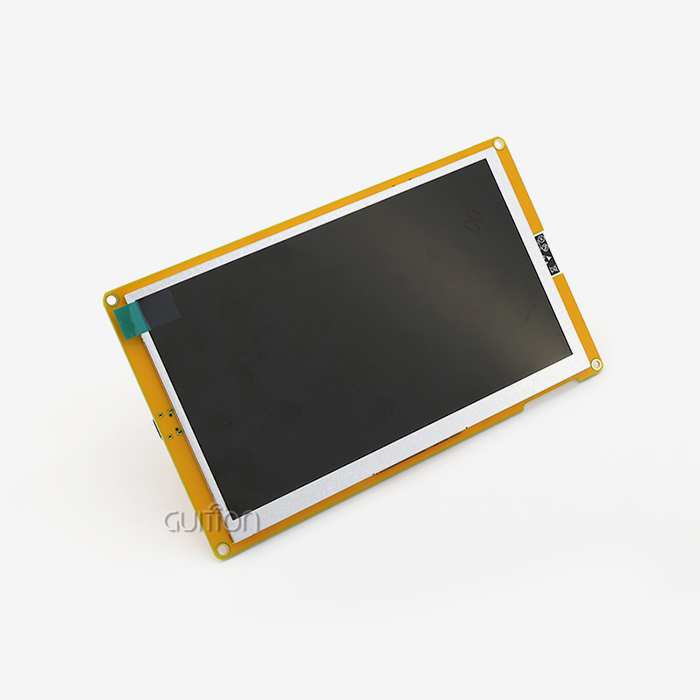
Choosing an Industrial HMI Display Module that is made to work in harsh conditions is an investment in operational reliability and in managing long-term costs. Environmental sealing, thermal management, and industrial-grade parts are some of the engineering features that set rugged displays apart from consumer-grade options. These features directly lead to less downtime, lower maintenance costs, and better operator safety. Modern display modules like Guition's JC8048Q350N_I show how strong hardware can be combined with programming tools to speed up time-to-market while still giving engineers the freedom they need for custom apps. When creating new automation systems or upgrading old ones, it's important to choose interface hardware that was specifically made for your setting. This will protect your operations and keep you productive.
FAQ
What distinguishes an industrial HMI panel from consumer touchscreens?
Consumer screens focus on looks and low cost, but they don't protect the environment or make sure that parts will be available for a long time. Industrial HMI panels have sealed housings with IP ratings that keep dust and moisture out, wider operating temperature ranges, shock and vibration resistance, and guaranteed component availability spanning 5-7 years to ensure replacement compatibility and software stability over extended product lifecycles.
How do I ensure compatibility with existing PLC systems?
Make sure that the Industrial HMI panel works with the transmission methods that your programmable logic devices use. Common ones are CAN bus, Modbus TCP/RTU, PROFINET, and EtherNet/IP. Make sure that the development software can map PLC data tags to display elements and that it works with the data formats that your automation architecture uses. This will make sure that data exchange and control integration go smoothly.
Can I customize interfaces without extensive programming experience?
With modern programming systems like Guition's drag-and-drop GUI tool, you can make interfaces without having to know how to code at the low level. Engineers choose pre-made controls from files, place them visually, and use easy-to-understand menus to set features. This method cuts development time by a huge amount while keeping professional functionality. This means that teams that don't have specialized HMI programming knowledge can still make custom interfaces.
Partner With Guition for Industrial HMI Panel Solutions Built to Last
The interface technology for your automation system should be able to handle the needs of your working environment. Our JC8048Q350N_I module combines reliable 400MHz processing, crystal-clear 800x480 IPS visualization, and the easy-to-use Guition development platform that cuts down on programming time by making it simple to drag and drop components. Guition is an expert at providing Industrial HMI panel solutions that are both environmentally friendly and time-efficient. We fully support secondary development with full documentation, cross-platform debugging, and the ability to upgrade remotely, which lowers the cost of long-term upkeep. If you make industrial equipment, work with automation, or are an embedded systems engineer, Guition has display options ranging from 1.28" to 21.5" and quick technical support. Email our team at david@guition.com to talk about how our experience as an Industrial HMI panel provider can help you speed up your next project and make your operations more reliable.
References
1. Smith, J. & Anderson, R. (2022). "Industrial Human-Machine Interface Design for Extreme Environments," Journal of Manufacturing Technology, Vol. 34, pp. 112-128.
2. Chen, L. (2023). "Comparative Analysis of Touch Technologies in Industrial Automation Applications," International Conference on Industrial Electronics Proceedings, pp. 445-459.
3. Williams, M. (2021). "Environmental Protection Standards for Process Control Equipment," Industrial Automation Standards Handbook, 8th Edition, Technical Publishing.
4. Roberts, K. & Davis, P. (2023). "Total Cost of Ownership Analysis for Rugged Display Systems in Oil and Gas Operations," Energy Sector Technology Review, Vol. 18, No. 3, pp. 67-84.
5. Zhang, H. (2022). "Wireless Connectivity Integration in Modern Industrial HMI Architecture," Automation Engineering Quarterly, Vol. 29, pp. 201-217.
6. Thompson, D. (2023). "Predictive Maintenance Strategies for Industrial Interface Equipment," Reliability Engineering Advances, Vol. 41, pp. 334-351.
Learn about our latest products and discounts through SMS or email