- English
- French
- German
- Portuguese
- Spanish
- Russian
- Japanese
- Korean
- Arabic
- Greek
- German
- Turkish
- Italian
- Danish
- Romanian
- Indonesian
- Czech
- Afrikaans
- Swedish
- Polish
- Basque
- Catalan
- Esperanto
- Hindi
- Lao
- Albanian
- Amharic
- Armenian
- Azerbaijani
- Belarusian
- Bengali
- Bosnian
- Bulgarian
- Cebuano
- Chichewa
- Corsican
- Croatian
- Dutch
- Estonian
- Filipino
- Finnish
- Frisian
- Galician
- Georgian
- Gujarati
- Haitian
- Hausa
- Hawaiian
- Hebrew
- Hmong
- Hungarian
- Icelandic
- Igbo
- Javanese
- Kannada
- Kazakh
- Khmer
- Kurdish
- Kyrgyz
- Latin
- Latvian
- Lithuanian
- Luxembou..
- Macedonian
- Malagasy
- Malay
- Malayalam
- Maltese
- Maori
- Marathi
- Mongolian
- Burmese
- Nepali
- Norwegian
- Pashto
- Persian
- Punjabi
- Serbian
- Sesotho
- Sinhala
- Slovak
- Slovenian
- Somali
- Samoan
- Scots Gaelic
- Shona
- Sindhi
- Sundanese
- Swahili
- Tajik
- Tamil
- Telugu
- Thai
- Ukrainian
- Urdu
- Uzbek
- Vietnamese
- Welsh
- Xhosa
- Yiddish
- Yoruba
- Zulu
Why Choose a Serial Display Module for Industrial Use?
When evaluating display solutions for industrial applications, the serial display module stands out as the optimal choice for modern automation systems. Unlike traditional display technologies that require complex parallel interfaces and extensive wiring harnesses, a serial display module simplifies integration through streamlined UART communication protocols. These intelligent HMI solutions combine onboard processing capabilities with robust industrial-grade construction, enabling reliable operation in demanding environments while reducing system complexity and development time. The strategic advantages of implementing serial display modules include simplified wiring architecture, enhanced electromagnetic interference resistance, and seamless integration with existing PLCs and embedded controllers across diverse manufacturing environments.
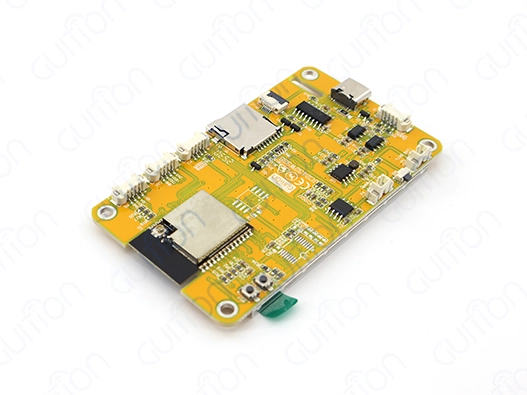
Understanding Serial Display Modules in Industrial Applications
Serial display modules represent a paradigm shift in industrial human-machine interface design. They completely change how workers deal with complicated automation systems. These smart display options combine advanced computers on board with high-resolution LCD screens to make self-contained display systems that can talk to each other through strong serial protocols like RS232, RS485, and UART.
Architecture and Communication Protocols
A serial display module is built around an integrated computer unit that controls all display functions without help from the host system. With this method of spread processing, even simple 8-bit microcontrollers can handle complex graphical user interfaces without using up valuable system resources. Standardized serial methods are used for communication, and UART is the most popular way to do it because it is easy to use and reliable. Communication systems in modern factories need to be able to handle electromagnetic interference from things like heavy machines, variable frequency drives, and high-power switching circuits. RS485 systems use differential signaling, which is very good at blocking noise and letting signals travel up to 1200 meters without losing their quality. In big factories with a lot of display screens that need to connect to centralized control systems over long distances, this feature is very useful.
Industrial-Grade Construction Standards
Industrial serial display module units are put through a lot of tests to make sure they meet strict weather standards that are much higher than those for commercial displays. Operating temperature ranges usually cover -30°C to +85°C, which makes sure that they work reliably in outdoor sites and industrial settings with tough temperature conditions. Following the steps in MIL-STD-810 for vibration resistance testing confirms that the product can work in high-vibration environments like mobile equipment and industrial machines. The design of the container includes sealed bezels and gasket systems that get water protection ratings of IP65 or higher. This design stops dust and water damage that could make it hard to see on the screen or damage electronic parts. Improved protection against static electricity, typically rated to ±8 kV for air discharge and ±4 kV for touch discharge based on IEC 61000-4-2 standards, prevents static electricity from accumulating in dry industrial environments
Limitations of Traditional Display Solutions and the Rise of Serial Display Modules
Traditional parallel display interfaces have been the norm in industry for decades, but their inherent flaws are making it harder to build current automation systems. Parallel RGB connections need a lot of signal lines to send data, keep the clocks in sync, and handle control functions. This makes cable setups with 40 to 80 conductors very complicated. This level of complexity makes it easier for electromagnetic interference to happen and causes multiple failure spots.
Cable Management and Installation Challenges
Traditional display options need a lot of hardware for managing cables, so they can fit bulky ribbon cords and keep the signal strong. To keep crosstalk and time errors from happening, these parallel connections need to match wire lengths, control impedance, and be shielded well. Specialized fittings, thicker pipes, and more grounding needs drive up the cost of installation. Moving to serial transmission methods makes these problems a lot easier to solve. There are only four wires that a normal serial display module needs: power, ground, send, and receive. This change from dozens of data lines to a simple four-wire interface gets rid of the need for complicated cable handling and makes the system more reliable by cutting down on the number of connection points.
Scalability and Maintenance Considerations
Legacy parallel display designs have trouble with scale issues that show up as automation systems get bigger. Adding more display screens requires the host controller to provide separate parallel interfaces, which quickly uses up all the available GPIO resources. With each new display link, the wiring gets a lot more complicated, which makes upkeep harder over time. A serial display module solves these problems with scalability by allowing for daisy-chain setups and multi-drop networking. Using address-based communication methods, multiple screens can share a single serial bus. This lets the system grow without making the wiring more complicated. This design works with centralized tracking systems that use a serial network to connect dozens of display screens to a single master controller.
Core Benefits of Using Serial Display Modules for Industrial Use
When serial display modules are strategically put together, they have significant benefits that go beyond just improving display functionality and cover changes to how the whole system works. These perks directly help factory automation engineers and system integrators with the most important problems they are having right now.
Here are the main reasons why serial display modules are so important for current industry uses:
- Easier System Integration: Serial communication methods get rid of the hassles that come with parallel display connections. Engineers can add monitor capability using standard UART peripherals that are built into almost all microcontrollers. This makes designs simpler and speeds up the development process. With a common command set, integrating a display is more of a software setup job than a difficult hardware design challenge.
- Better compatibility with electromagnetic fields: Motors, drives, and rotating power sources in industrial settings cause a lot of electromagnetic interference. In order to keep data integrity in noisy settings, serial display modules use differential signaling and strong communication methods. This means that it can work reliably next to welding equipment, induction heating systems, and other EMI sources that could mess up parallel display connections.
- Lower costs for installation and maintenance: the four-wire link makes installation much faster and cheaper by using less material. Maintenance workers don't need special tools to diagnose problems with parallel displays because they can quickly fix problems with serial communication using standard multimeters and protocol analyzers. If you use inexpensive custom ribbon systems instead of easy-to-find twisted-pair cables, replacing cables becomes a simple job.
- Distributed Processing Architecture: Processing power built into the module lets serial display modules run complicated graphics tasks without help from the main driver. This distributed method frees up resources on the host system for important control tasks and makes sure that changes to the display go smoothly and that users can interact with the system quickly. More advanced modules can save more than one screen layout, handle touch input, and run local logic functions on their own.
All of these benefits make putting in an industrial display easier, turning it from a difficult integration task into a simple setup process. System makers can focus on the most important parts of automation while using tried-and-true show solutions that work the same way in all kinds of situations.
Power Efficiency and Thermal Management
These days' serial display modules have advanced power control features that make the best use of energy in all operating states. Ambient light sensors control automatic lighting dimming, which saves power when it's dark outside while still letting you see clearly. Sleep modes let screens go into low-power states when they're not being used. This makes parts last longer and produces less heat. Advanced thermal management is especially important in control panels that are enclosed, where problems with heat escape can hurt the overall stability of the system. Serial display modules made for industrial use have better thermal designs that spread heat more evenly and make the best use of air cooling. These thermal properties make it possible for screens to work reliably in temperatures that would damage most industrial displays.
How to Select the Right Serial Display Module for Your Industrial Needs
To choose the best serial display module, you have to carefully look at a number of technical factors that have a direct effect on the speed, dependability, and long-term costs of running the system. This methodical technique makes sure that the module's powers match the needs of the specific application while also laying the groundwork for future system growth.
Display Specifications and Optical Performance
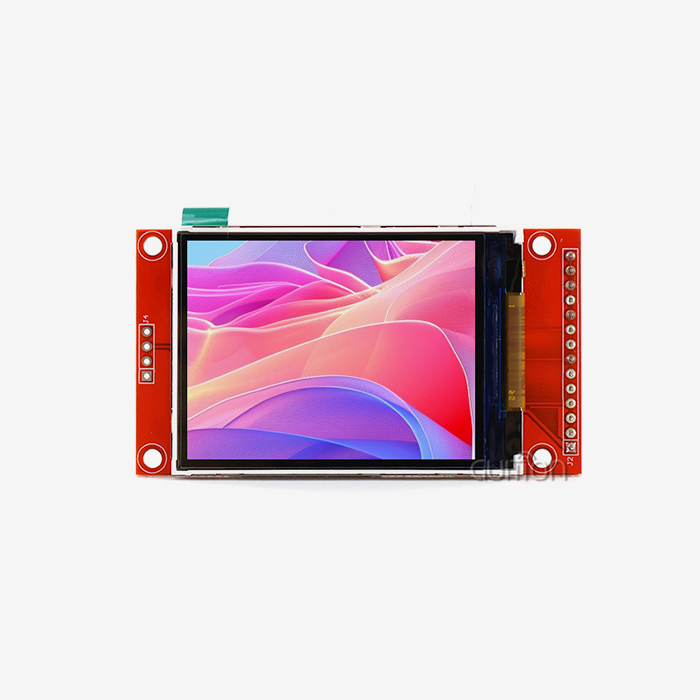
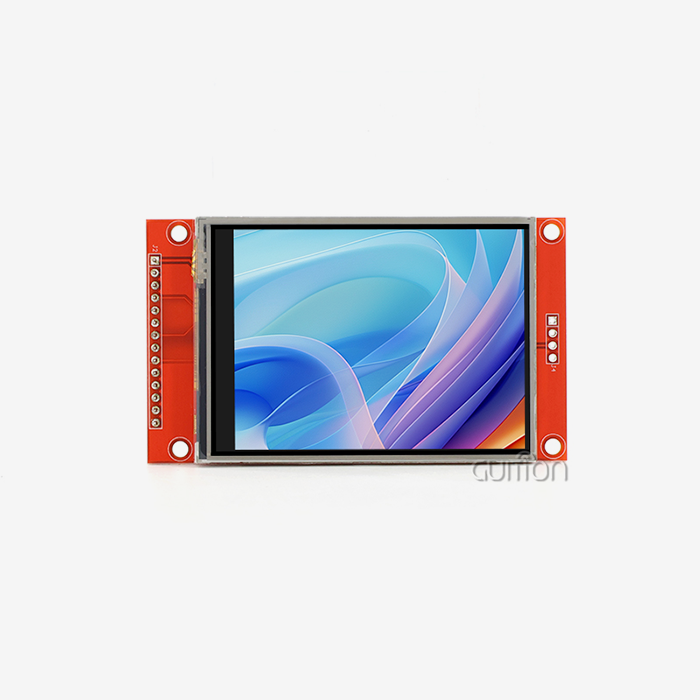
The choice of screen size strikes a balance between the operator's need for sight and the panel's room and viewing distance limits. Smaller 2.8-inch screens, like the Guition JC2432W328N, work really well in small control panels where room is limited and needs to be used efficiently. Larger screens, up to 21.5 inches, can handle complicated industrial processes that need to show many data lines and graphics at the same time. Resolution isn't just about the number of pixels; it's also about how easy it is to read text, how detailed the graphics are, and how comfortable the user is while watching for long periods of time. The JC2432W328N's 240x320 resolution makes it clear enough for industrial tracking tasks while still requiring minimal processing power. Higher resolutions may be needed for scientific models with lots of details or to show how a complex process works, but they need display controls that are just as powerful.
Ambient lighting has a big effect on how well the device can be seen and how efficiently the person can do their job. There are a lot of different types of industrial settings, from dark, enclosed rooms to open sites that get direct sunlight. Displays need to have the right amount of brightness (400 to 1000 nits, based on the application) and contrast to make sure they can be read in a variety of lighting situations.
Communication Interface Requirements
The choice of protocol is based on the structure of the system, the distance of the transfer, and the amount of noise in the surroundings. UART connections are easy to use and work with almost all microprocessor platforms, which makes them perfect for control panel applications that need to communicate over short distances. RS485 versions offer better resistance to noise and the ability to handle multiple drops, which are necessary for distributed systems that span big facilities. Baud rate skills must meet the needs for data throughput while keeping transmission stable in industrial settings. Higher baud rates let the screen update faster and let users connect with it more quickly, but you have to be very careful about the quality of the wire and how it is terminated. The ESP32-based JC2432W328N works with many development platforms, such as Arduino IDE, ESP-IDF, and Micropython, so it can be used by people with a wide range of programming tastes.
Since Wi-Fi and Bluetooth modules are built in, the device can join wirelessly, which opens up more options for remote tracking and repair. These wireless features make it possible to set up IoT-based tracking systems while keeping the dependability of serial communication that is fixed for important control tasks.
Environmental and Reliability Specifications
The operating temperature ranges must include all of the possible weather factors that the system will be exposed to over its lifetime. Extreme temperatures in industrial settings often go beyond what is allowed in business settings. This means that screens need to be rated for wider temperature ranges. Modules like the JC2432W328N are built to military-grade standards that make sure they work reliably in harsh environments. Specifications for vibration and shock resistance are very important for mobile use or sites close to heavy machines. Even though they are constantly exposed to high amounts of vibration in the workplace, displays must keep their structural stability and visual performance. Long-term dependability in these tough settings depends on proper mechanical mounting and shock separation.
Chemical resistance traits affect how long a display lasts in factories where cleaning agents, industrial solvents, or corrosive atmospheres may come into contact with the display. Specialized coatings and sealing materials protect against certain chemical exposures while keeping the brightness of the image and the ability to feel touch.
Case Studies & Real-World Applications of Serial Display Modules
One of the toughest uses for serial display modules is in manufacturing robotics, where dependability and performance have a direct effect on how well and how quickly things are made. The usefulness of serial display technology in many different types of industries is shown by these real-life examples.
Automated Assembly Line Integration
Serial display units were put in place by a major auto part maker to replace old parallel interface displays that often lost contact in their transmission assembly plant. When screens stopped working on the old system, it needed a lot of troubleshooting, which often meant stopping production lines while techs figured out how to connect complicated parallel signal paths. RS485 communication was used by the serial display module retrofit to link 42 display screens to a central PLC processor via a single twisted-pair network. At each display station, real-time production metrics, quality control parameters, and operator directions for that particular assembly position are shown. Compared to the original parallel version, the simplified wiring design cut the time needed for installation by 60%.
After the serial monitor was put in place, production efficiency went up by a huge amount. Due to the serial protocol's strong error recognition and automatic retry features, communication failures that used to happen several times per shift almost never happen anymore. Through the central tracking system, maintenance teams can now check for problems with displays from afar, finding possible issues before they affect production.
Medical Device Manufacturing Quality Control
A company that makes precise medical devices needed monitor options that could show complicated quality control data while still meeting FDA validation standards for their clean working space. Traditional displays had a hard time keeping up with the strict cleaning rules that called for harsh disinfectants and lots of washing processes. The execution used sealed serial display units with better chemical protection coatings that could handle being exposed to hospital-grade disinfectants over and over again. Each quality control station shows measurement data from high-precision instruments in real time and stores information about past trends on a built-in TF card recording system.
With the built-in ESP32 processor, quality control data can be synced wirelessly with the facility's manufacturing execution system, so no extra network hardware is needed. This feature was necessary to keep all the records of full traceability that are needed by medical device laws. It also made it easier to make sure that software patches and configuration changes were safe.
Energy Management System Monitoring
A green energy center used serial display modules to keep an eye on 50 acres of distributed solar inverter systems. Extreme temperature changes, moisture exposure, and strong UV rays, along with being able to stay clear in full sunlight, were all problems that had to be solved by outdoor displays. Industrial-grade serial displays can work effectively in temperatures ranging from -30°C in the winter to +70°C in the summer. This is how the sun tracking system works. Each tracking station has high-brightness displays that are designed to be read in direct sunlight. These displays show real-time data on power production, inverter condition, and repair alerts.
Facility managers can check on the system's performance from a central control room thanks to a built-in wifi connection that lets them watch it remotely. This cuts down on the need for manual checks across the large installation. Predictive maintenance algorithms look at patterns in machine behavior to find problems before they affect the capacity of power plants.
Frequently Asked Questions
Which Industries Benefit Most from Serial Display Module Implementation?
Serial display module technology is most useful for automating manufacturing, making medical devices, managing energy, and building transportation systems. In these areas, distributed control systems are common. Simplified wiring and strong communication standards directly lead to higher reliability and lower upkeep costs. Serial display options are better at being compatible with electric fields and with the environment, which is very helpful for process industries like chemical processing, food and beverage production, and pharmaceutical manufacturing.
How Do Serial Display Modules Impact Maintenance Schedules and Procedures?
Through better component reliability and streamlined diagnostic processes, serial display modules significantly cut down on upkeep needs. To find timing or signal integrity problems in a traditional parallel display, you often need to use specialized oscilloscopes and logic analyzers. Standard multimeters and simple protocol monitoring tools can be used to find problems with serial communication. This means that repair workers can fix the problems faster than specialized electronics techs. Because of the distributed processing design, problems with the displays rarely affect important control functions. This means that repair can be planned for when the system is not being used, instead of having to be done in an emergency. With remote diagnostics, many fixing steps can be taken without having to physically go to the display. This cuts down on maintenance journey time and improves response times.
What Compatibility Considerations Apply to Modern Industrial IoT Ecosystems?
Through a variety of connectivity choices and standardized communication methods, serial display modules work smoothly with current IoT systems. Displays that have edge computing skills can handle local data and send relevant data to monitoring systems in the cloud. This spread method lowers the amount of bandwidth needed while keeping local processes responsive.
Protocol translation lets serial screens connect old automation systems to new IoT platforms, protecting the investments made in the control systems while adding more advanced connection features. Data formats that are standardized, like JSON and XML, make it easier to connect to different software systems and cloud services without having to create your own interface.
When workplace screens are linked to networked systems, security concerns become very important. Modern serial display modules have encryption and secure authentication methods built in to keep you safe from online dangers. They still have the ease of use and dependability that make serial communication useful in industrial settings.
Conclusion
Serial display modules have become the best choice for industrial uses that need reliable, low-cost ways for people and machines to talk to each other. Their easier communication design, better electromagnetic compatibility, and strong building standards solve the main problems that classic display technologies have in harsh industrial settings. Standardized protocols and the ability to do distributed processing make it possible to easily connect to current automation systems. They also lay the groundwork for future IoT connections and remote tracking. Serial display modules are the best choice for industrial automation experts who want to improve system performance while keeping operations as simple as possible. This is because they are reliable and don't need as much upkeep.
Contact Guition for Your Industrial Display Solutions
With cutting-edge serial display module technology made for tough uses, Guition is ready to change the way your industrial automation projects are done. Our large selection of products, which includes everything from small 2.8-inch screens to huge 21.5-inch panels, lets us meet all of your needs. The GUITION JC2432W328N shows how committed we are to new ideas. It has ESP32 dual-core processing, built-in wireless connections, and military-grade stability standards that make sure it works well even in tough industrial settings. As a top provider of serial display modules, we offer full technical support, a wide range of development tools, including our own Guition software, and open customization choices that help you get your product to market faster. Get in touch with our technology experts at david@guition.com to find out how our serial display solutions can improve your automation systems while making them easier to build and cheaper to run.
References
1: Industrial Display Technology Standards and Electromagnetic Compatibility Requirements for Manufacturing Automation Systems, Society of Manufacturing Engineers Technical Publication, 2023.
2. Serial Communication Protocols in Industrial Automation: A Comprehensive Analysis of UART, RS232, and RS485 Implementations, IEEE Industrial Electronics Society Conference Proceedings, 2022.
3. Human-Machine Interface Design Guidelines for Industrial Control Systems: Best Practices and Implementation Strategies, International Society of Automation Technical Report, 2023.
4. Reliability Engineering for Industrial Display Systems: Environmental Testing Standards and Failure Analysis Methods, Reliability Engineering and System Safety Journal, 2022.
5. Cost-Benefit Analysis of Serial vs. Parallel Display Interfaces in Manufacturing Automation Applications, Industrial Engineering and Management Science Quarterly, 2023.
6. Electromagnetic Interference Mitigation Strategies for Industrial Display Systems in High-Noise Environments, IEEE Transactions on Electromagnetic Compatibility, 2022.
Learn about our latest products and discounts through SMS or email