- English
- French
- German
- Portuguese
- Spanish
- Russian
- Japanese
- Korean
- Arabic
- Greek
- German
- Turkish
- Italian
- Danish
- Romanian
- Indonesian
- Czech
- Afrikaans
- Swedish
- Polish
- Basque
- Catalan
- Esperanto
- Hindi
- Lao
- Albanian
- Amharic
- Armenian
- Azerbaijani
- Belarusian
- Bengali
- Bosnian
- Bulgarian
- Cebuano
- Chichewa
- Corsican
- Croatian
- Dutch
- Estonian
- Filipino
- Finnish
- Frisian
- Galician
- Georgian
- Gujarati
- Haitian
- Hausa
- Hawaiian
- Hebrew
- Hmong
- Hungarian
- Icelandic
- Igbo
- Javanese
- Kannada
- Kazakh
- Khmer
- Kurdish
- Kyrgyz
- Latin
- Latvian
- Lithuanian
- Luxembou..
- Macedonian
- Malagasy
- Malay
- Malayalam
- Maltese
- Maori
- Marathi
- Mongolian
- Burmese
- Nepali
- Norwegian
- Pashto
- Persian
- Punjabi
- Serbian
- Sesotho
- Sinhala
- Slovak
- Slovenian
- Somali
- Samoan
- Scots Gaelic
- Shona
- Sindhi
- Sundanese
- Swahili
- Tajik
- Tamil
- Telugu
- Thai
- Ukrainian
- Urdu
- Uzbek
- Vietnamese
- Welsh
- Xhosa
- Yiddish
- Yoruba
- Zulu
Why Choose a MicroPython display for Smart Device Prototyping?
Picking the right development platform is very important when tech teams have to meet tight deadlines and deal with tricky integration issues. A MicroPython display is the perfect combination of speed for fast development and stability for production. This means that embedded engineers and product managers can make changes to visual interfaces without having to deal with complicated low-level register handling or long build processes. These display solutions get rid of traditional bottlenecks that slow down the development of smart devices by using Python's easy-to-understand syntax and powerful microcontroller hardware. This is especially helpful in IoT applications, industrial control panels, and medical equipment, where time-to-market directly affects competitive advantage.

Understanding MicroPython Displays and Their Role in Smart Device Prototyping
Choosing a display technology affects every aspect of smart device growth, from how much power they use to how good the user experience is. MicroPython-compatible screens make this important choice easier by making software accessible and hardware flexible.
What Makes MicroPython Displays Different
Python-based development platforms let engineers write high-level code that directly handles visual output. This is different from traditional embedded display solutions that need a lot of C/C++ knowledge and complex software settings. This method changes the way testing is done by letting code changes happen in real time without having to recompile the software. This benefit is shown by the ESP32-S3R8 design, which has a dual-core processor running at 240MHz that can understand Python and draw the screen at the same time, keeping the visual performance smooth while running application logic.
Display Technology Options for Various Applications
In a variety of weather situations, LCD panels work reliably, which makes them perfect for use in industrial control panels and outdoor gear. Their high brightness levels and wide viewing angles make them easy to read in low light. OLED technology has better colour ratios and faster reaction times, making it perfect for consumer electronics and smart tech that needs clear visuals. E-paper displays work great in situations that need very little power, like field monitors and remote tracking stations, because they keep the screen visible without constantly drawing power.
Accelerating Development Cycles Through Software Abstraction
The framebuf class and flexible driver design make merging a lot easier. Instead of fixing SPI time settings or colour mapping methods, engineers can work on logic that is specific to the application. This layer of abstraction is very helpful for teams that need to handle different screen sizes or switch vendors in the middle of a project without having to rewrite the core interface code.
How MicroPython Displays Solve Common Prototyping Challenges
Technical problems often arise during the creation of smart devices, which delay product starts and raise the development costs of MicroPython display. These problems can be fixed with Python-based display options that put worker efficiency first when designing the architecture.
Eliminating Driver Compatibility Issues
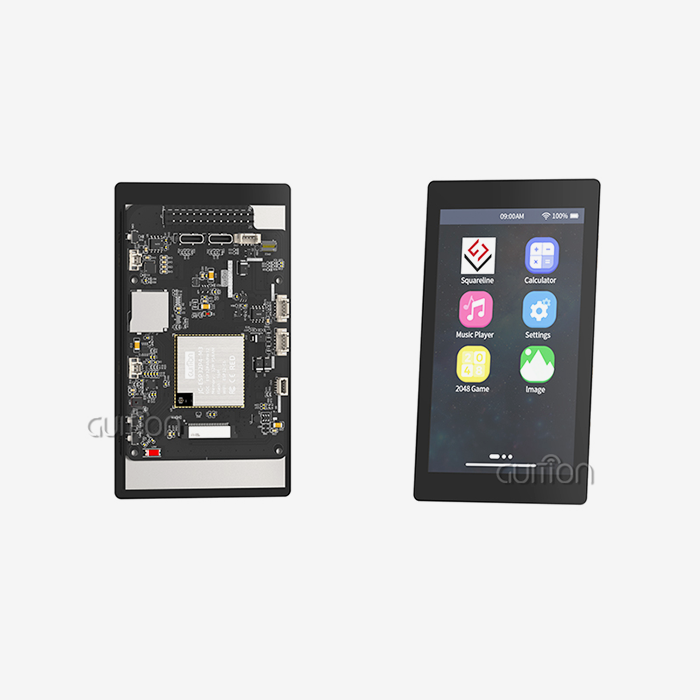
When display controller datasheets clash with current software packages, traditional embedded projects often come to a halt. The main machine for MicroPython.SPI and the machine.I2C connections make sure that abstraction levels are the same across all types of microcontrollers. This flexibility benefit is shown by the GUITION JC4827W543N_I module, which works with Arduino IDE, ESP-IDF, and native Python programming platforms all at the same time. Engineers can switch between development platforms without having to change the code that initialises the display. This saves weeks of work on integration during toolchain changes.
Reducing Power Consumption Through Intelligent Control
For battery-powered gadgets, energy economy is still very important. Python-based display control lets you change the lighting on the fly and update only certain parts of the screen, which uses less power. The ESP32-S3R8's 8MB PSRAM lets you use delay methods that lower the number of SPI transactions, which directly lowers the amount of power used during screen changes. DMA channels take over image transfer tasks from the CPU, which lets the GPU go into deep sleep modes between interface updates.
Simplifying Multi-Interface Prototyping
Testing different user interface ideas is often necessary before finalising designs when making a product. The drag-and-drop GUI maker on the Guition platform makes this process much faster. Engineers can change the plan structures, move buttons, and change colour schemes without editing the source code. This visual development method cuts down on the feedback loop from hours to minutes, which lets stakeholders and focus groups quickly test A/B designs for interfaces.
Comparing MicroPython Displays with Traditional Display Solutions
For purchasing choices, there needs to be a clear technical difference between the options that are offered. Knowing these differences helps engineering teams make sure that the technologies they choose meet the needs of the project.
Development Speed and Code Maintainability
For initialisation steps and image editing, traditional Arduino display tools need a lot of repetitive code. Before the first visual element is rendered, a normal setting might have more than 50 lines of configuration. Python-based methods reduce all of this complexity into short scripts that are easy to read. Because Python is interpreted, there are no wait times for processing. This means that engineers can try changes to code right away through REPL interfaces. This ability to quickly iterate comes in very handy when fixing and showing off new features.
Hardware Compatibility and Ecosystem Support
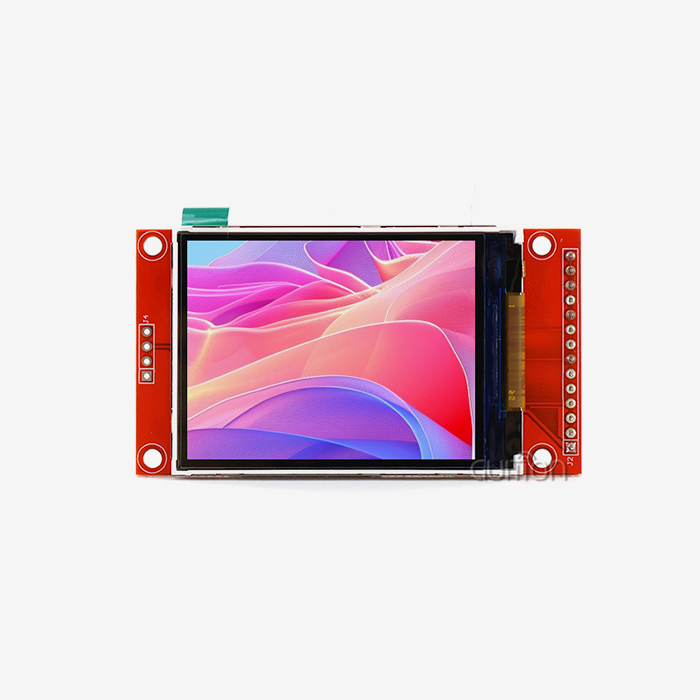
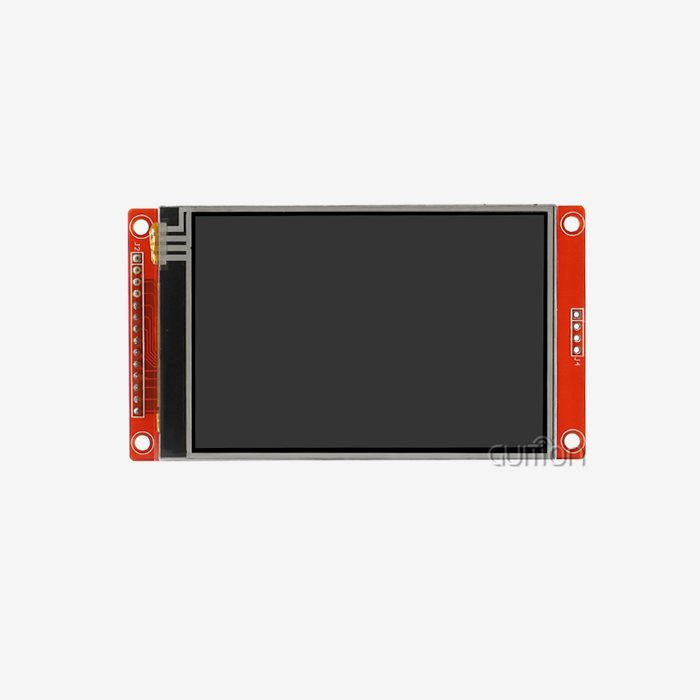
For example, the esp32 display module ESP32-S3R8 processor works with both old and new external protocols and connection standards. Its built-in Wi-Fi and Bluetooth units get rid of the need for separate transmission chips, which lowers the cost of the bill of materials and makes the PCB simpler. The 480x272 resolution with 65K colours gives you a good enough picture for most HMI apps without using too much of the Python interpreter's working power. When GPIOs are available, they can be used for growth through sensor arrays or motor controls. This keeps the design flexible as the product changes.
Cost Structures and Supply Chain Considerations
When you figure out the total cost of ownership, you need to include not only the cost of the parts but also the time and effort spent on creation, testing, and upkeep. Python's structure is easy to read, which cuts down on the time it takes to train new team members and makes it easier to share information when projects are handed off. The GUITION JC4827W543N_I comes with test methods that were already written at the factory, so you can check its operation as soon as you get it. This pre-validation lowers the risk of buying and speeds up the plan for putting together prototypes.
Selecting and Procuring the Best MicroPython Displays for Your Project
Technical specifications alone do not guarantee project success. Procurement strategies must balance performance requirements with vendor capabilities and long-term support availability.
Critical Specification Evaluation
Resolution determines information density and readability distance. The 480×272 format suits dashboard interfaces and control panels where multiple data points appear simultaneously. Refresh rates impact animation smoothness and touch responsiveness—the hardware SPI interface on ESP32-S3 platforms supports up to 80MHz clock speeds, enabling fluid transitions and responsive interactions. PSRAM capacity directly affects image buffering capabilities and multi-tasking performance; 8MB provides comfortable headroom for complex graphical applications without memory fragmentation issues.
Vendor Assessment Criteria
Supplier evaluation extends beyond product datasheets to encompass documentation quality, technical support responsiveness, and ecosystem maturity. Comprehensive development guides reduce time spent troubleshooting initialization problems or debugging communication protocols. Active user communities provide peer support and code examples that accelerate problem resolution. Guition's specialized development platform offers pre-built widget libraries and online debugging tools that streamline interface creation compared to generic Python frameworks.
Logistics and After-Sales Considerations
TF card interfaces enable field upgrades and data logging capabilities without firmware modifications. This expandability proves essential for products requiring periodic feature enhancements or configuration updates post-deployment. Remote upgrade functionality through built-in Wi-Fi eliminates costly technician visits for software maintenance, reducing lifetime support expenses significantly. Multi-language UTF-8 encoding support facilitates global market expansion without hardware redesigns.
Optimizing Your Smart Device Prototype with MicroPython Displays
Prototype performance directly influences stakeholder confidence and market validation outcomes. Strategic optimization techniques maximize hardware capabilities while maintaining development velocity.
Performance Tuning Strategies
Viper code emitters of ESP32 Display Module compile performance-critical functions to native machine code while preserving Python syntax familiarity. This hybrid approach delivers near-C performance for rendering loops without sacrificing development speed. Partial buffer updates refresh only changed screen regions, reducing SPI bandwidth consumption and extending battery life in portable devices. The dual-core architecture on ESP32-S3R8 permits dedicating one processor core exclusively to display management while the other handles sensor processing or network communications.
Debugging Approaches and Common Pitfalls
Logic analyzers verify SPI timing parameters match controller specifications, preventing pixel corruption and display artifacts. Memory profiling tools identify heap fragmentation patterns that lead to runtime errors after extended operation. The REPL interface allows real-time variable inspection and function testing without halting program execution, dramatically accelerating bug isolation compared to traditional debug probe workflows.
Scalability and Production Transition
Modular code architecture facilitates migrating prototypes to production firmware. Interface definitions remain consistent while underlying implementations transition from Python to C for performance-critical sections. This incremental optimization strategy allows teams to ship functional products quickly while continuously improving efficiency through targeted rewrites. The extensive GPIO availability supports adding production features like hardware watchdogs or secure boot mechanisms without PCB redesigns.
Conclusion
MicroPython display solutions transform smart device prototyping by eliminating traditional barriers between concept and functional prototype. The combination of Python's accessible syntax, powerful ESP32-S3 hardware, and comprehensive development tools like Guition creates an environment where engineers focus on innovation rather than infrastructure. Whether developing industrial automation interfaces, medical monitoring equipment, or consumer IoT devices, these display modules deliver the flexibility needed to adapt quickly to changing requirements while maintaining production-grade reliability and performance standards that satisfy demanding deployment scenarios.
FAQ
1. Which display interface performs better for Python-based applications?
SPI interfaces deliver superior bandwidth compared to I2C for color displays larger than one inch. The 40-80MHz clock speeds achievable through hardware SPI on ESP32 platforms prevent visible redraw artifacts during full-screen updates. I2C limitations of 400kHz-1MHz create noticeable lag on color TFT panels, making it suitable only for small monochrome OLED displays.
2. How can memory errors be prevented with large displays?
Microcontrollers with PSRAM enable buffering strategies that prevent heap exhaustion. Partial screen updates refresh only modified regions rather than entire framebuffers, reducing RAM consumption dramatically. Streaming bitmap assets directly from flash storage avoids loading complete images into Python heap space, maintaining memory availability for application logic.
3. Can Python handle real-time display updates effectively?
DMA channels offload pixel transfer operations from the CPU, allowing smooth animations at 30+ frames per second. Viper code emitters and LVGL bindings provide native-code performance for rendering loops while maintaining Python development convenience. This hybrid approach balances development speed with runtime efficiency.
Partner with Guition for Your MicroPython Display Needs
Guition's USART-hmi display modules combine advanced ESP32-S3R8 processing power with intuitive development workflows tailored for embedded engineers and product managers. Our JC4827W543N_I model supports Arduino, ESP-IDF, and native Python environments, giving your team flexibility to work within preferred frameworks. The integrated Wi-Fi and Bluetooth connectivity enables remote diagnostics and OTA updates, reducing after-sales costs substantially. As an established MicroPython display manufacturer, we provide comprehensive technical documentation, responsive engineering support, and flexible procurement options for projects ranging from initial prototypes to full production runs. Contact david@guition.com to discuss your specific HMI requirements and discover how our display solutions accelerate your development timeline.
References
1. Bell, Charles. "MicroPython for the Internet of Things: A Beginner's Guide to Programming with Python on Microcontrollers." Apress, 2017.
2. Norris, Donald. "Programming with MicroPython: Embedded Programming with Microcontrollers and Python." McGraw-Hill Education, 2017.
3. George, Liang. "ESP32 Technical Reference Manual." Espressif Systems, 2023.
4. Williams, Martin. "Embedded Display Systems: Design Principles and Implementation Strategies." IEEE Press, 2021.
5. Chen, David. "Human-Machine Interface Design for Industrial Applications: Best Practices and Case Studies." Industrial Press, 2022.
6. Thompson, Robert. "Python for Embedded Systems: Leveraging High-Level Languages in Resource-Constrained Environments." O'Reilly Media, 2020.
Learn about our latest products and discounts through SMS or email