- English
- French
- German
- Portuguese
- Spanish
- Russian
- Japanese
- Korean
- Arabic
- Greek
- German
- Turkish
- Italian
- Danish
- Romanian
- Indonesian
- Czech
- Afrikaans
- Swedish
- Polish
- Basque
- Catalan
- Esperanto
- Hindi
- Lao
- Albanian
- Amharic
- Armenian
- Azerbaijani
- Belarusian
- Bengali
- Bosnian
- Bulgarian
- Cebuano
- Chichewa
- Corsican
- Croatian
- Dutch
- Estonian
- Filipino
- Finnish
- Frisian
- Galician
- Georgian
- Gujarati
- Haitian
- Hausa
- Hawaiian
- Hebrew
- Hmong
- Hungarian
- Icelandic
- Igbo
- Javanese
- Kannada
- Kazakh
- Khmer
- Kurdish
- Kyrgyz
- Latin
- Latvian
- Lithuanian
- Luxembou..
- Macedonian
- Malagasy
- Malay
- Malayalam
- Maltese
- Maori
- Marathi
- Mongolian
- Burmese
- Nepali
- Norwegian
- Pashto
- Persian
- Punjabi
- Serbian
- Sesotho
- Sinhala
- Slovak
- Slovenian
- Somali
- Samoan
- Scots Gaelic
- Shona
- Sindhi
- Sundanese
- Swahili
- Tajik
- Tamil
- Telugu
- Thai
- Ukrainian
- Urdu
- Uzbek
- Vietnamese
- Welsh
- Xhosa
- Yiddish
- Yoruba
- Zulu
How to Select the Best 4 inch ESP32S3 display module for Your Project?
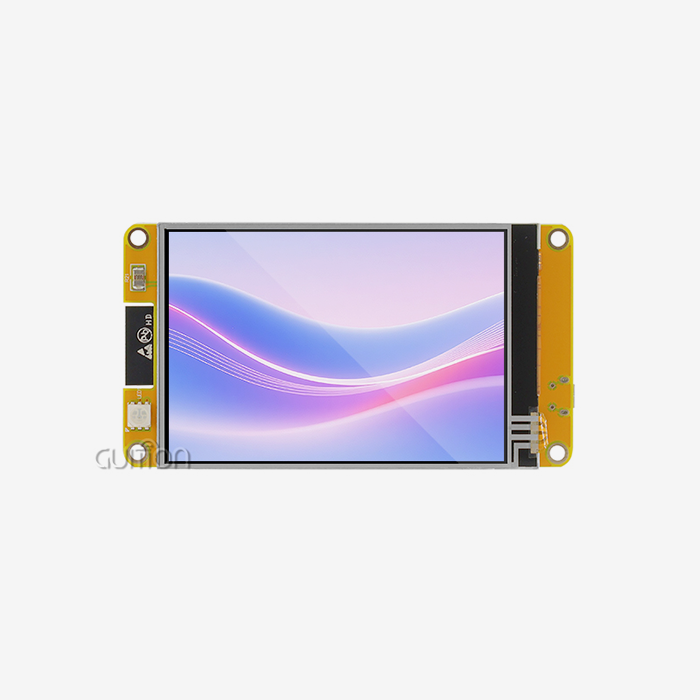
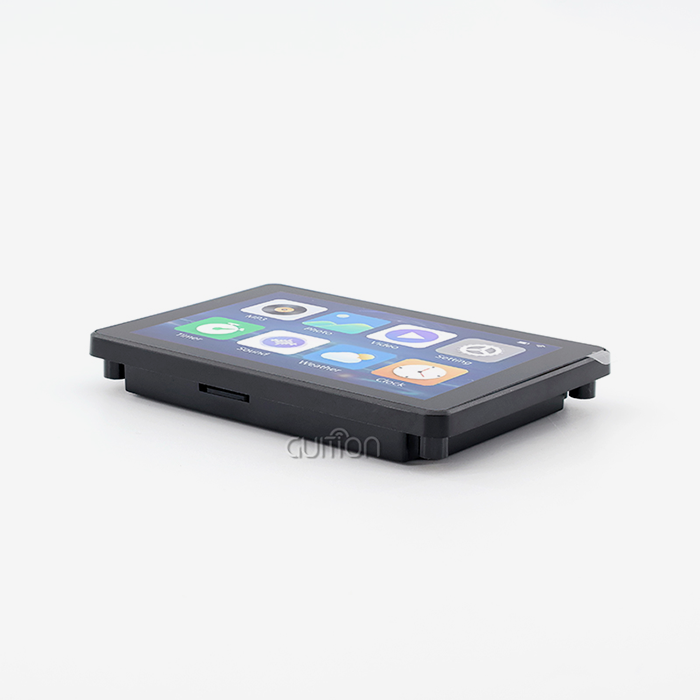
To choose the best 4-inch ESP32S3 display module for your project, you need to look at its main specs, such as its resolution, processing power, and connecting options. Offering dual-core MCU speed, built-in WiFi and Bluetooth, fast sensitive touch, and support for multiple development platforms such as Arduino IDE, ESP-IDF, and specialised UI tools, the ideal module should strike a balance between technical capabilities and development freedom. Engineers can speed up time-to-market and ensure long-term product stability in industrial automation, smart home devices, medical equipment, and IoT applications by giving priority to modules with strong memory design, stable supply chains, and detailed technical paperwork.

Understanding the Core Specifications of 4-inch ESP32S3 Display Modules
Display Resolution and Visual Performance
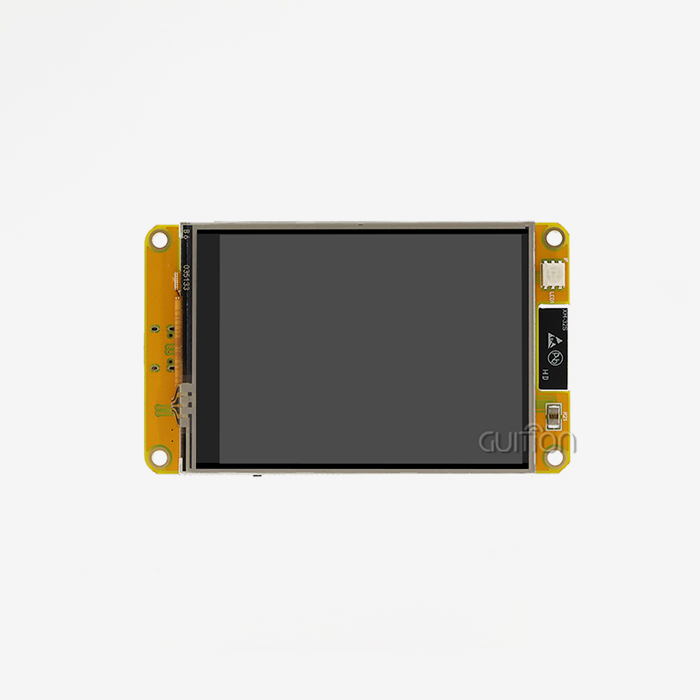
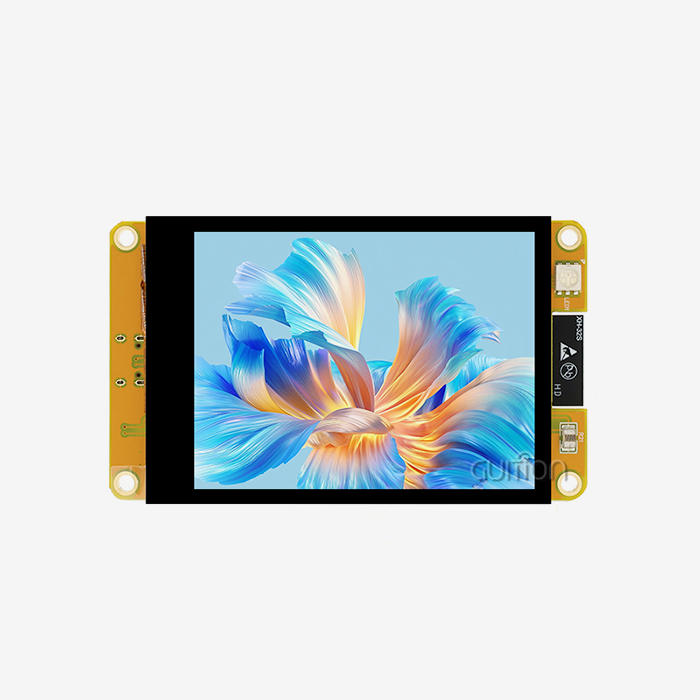
The quality of your screen affects how clear and easy to use your user experience is. These days, ESP32-based modules usually have resolutions between 320x480 and 480x480 pixels. More pixels mean that images and text can be displayed with more clarity. With 16-bit RGB colour support and the ability to show up to 65,000 different colours, the Guition ESP32-4848S040C_I model's 480x480 IPS monitor provides stunning visuals. When creating professional interfaces for medical devices or industrial control systems where clear visual separation is important, this amount of colour depth comes in very handy.
IPS (In-Plane Switching) technology offers viewing angles close to 170 degrees, so even when people look at the screen at an angle, it can still be read correctly. This is popular in places like factories and smart home controls that are placed on the wall. The sensitive touch layer built into high-quality modules reacts accurately to user input and supports multiple touches, which improves the user experience in consumer products.
Processing Power and Memory Architecture
Compared to older versions of microcontrollers, the ESP32-S3R8 dual-core MCU is a big step forward. With clock speeds of up to 240MHz, this processor can handle both rendering on the screen and program code without slowing down. The memory setup has a direct effect on how well you can make complicated user interfaces. For example, 512KB SRAM gives active processes usable memory, and 8MB PSRAM lets you use advanced graphics buffering that is needed for animations and changes to run smoothly.
The amount of flash storage in an application decides how much data, computer code, and graphics it can hold. With 16MB of Flash memory, modules have plenty of room for all kinds of apps, such as OTA (Over-The-Air) updates, files that support multiple languages, and large image libraries. This large amount of storage space means that you don't need to use extra memory chips. This makes designing the board easier and lowers the number of places where it could fail.
Connectivity and Interface Options
Modern ESP32-based modules are different from older ones because they have built-in WiFi 2.4GHz and Bluetooth 5.0 features. These wireless features make it easy to join IoT environments and support designs like mesh networking, distant tracking, and cloud connection. There are two ways to connect: WiFi and Bluetooth. WiFi is used for high-bandwidth data sharing and cloud services, while Bluetooth pairs devices locally and communicates with sensors and tools in a way that uses less power.
Hardware connections are also very important for integrating systems. GPIO (General Purpose Input/Output) pins let sensors, motors, and other external parts connect to the board. TF card connections are a great way to add more storage space, which is especially helpful for data-logging programs or systems that need to store a lot of media assets. A well-thought-out interface design also includes backlight control circuits that let you set the brightness automatically for the best viewing in a range of lighting situations.
Comparing Different Types and Models of 4 inch ESP32S3 Display Modules
Display Technology Trade-offs
It depends on what kind of screen you have, of 4 inch ESP32S3 display module, how clear and easy it is to use. These days, most ESP32 devices have resolutions between 320x480 and 480x480 pixels. When there are more pixels, words and pictures can be shown more clearly. The 480x480 IPS panel on the Guition ESP32-4848S040C_I model has 16-bit RGB colour support and can show up to 65,000 different colours. It makes for amazing graphics. It is very helpful to have this much colour depth when making professional interfaces for medical devices or industrial control systems, where it is important to keep things visually separate.
IPS (In-Plane Switching) technology lets people see the screen from almost 170 degrees, so it can still be read correctly even if they look at it at an angle. This is common in workplaces and smart home settings that are mounted on the wall. High-quality modules have a sensitive touch layer that responds correctly to user input and can handle multiple touches, which makes consumer goods easier to use.
Processing Power and Memory Architecture
The ESP32-S3R8 dual-core MCU is a big improvement over older microcontrollers. This processor can handle both showing on the screen and writing code without slowing down. Its clock speed can reach 240MHz. How good you are at making difficult user interfaces depends on how your mind is set up. As an example, 512KB SRAM gives memory to processes that are currently running, and 8MB PSRAM lets you use advanced graphics buffering, which is needed for movements and changes to run easily.
What kinds of data, computer code, and pictures an app can hold depend on how much flash storage it has. Modules have 16MB of Flash memory, which is a lot of space for all sorts of apps, like OTA (Over-The-Air) updates, files that can be read in more than one language, and big picture libraries. You don't need to use extra memory chips because this hard drive has so much room. This makes it easy to build the board and cuts down on the places where it could go wrong.
Connectivity and Interface Options
Newer ESP32 modules are different from older ones because they come with Bluetooth 5.0 and WiFi 2.4GHz built in. It's easy to connect to IoT settings with these wireless features, which also support designs like mesh networking, tracking from afar, and cloud connection. You can join in two ways: via WiFi or Bluetooth. WiFi is used to share large amounts of data and connect to the cloud. Bluetooth, on the other hand, pairs devices nearby and talks to sensors and tools in a way that uses less power.
For systems to work together, hardware links are also very important. Sensors, motors, and other outside parts can connect to the board through GPIO (General Purpose Input/Output) lines. TF card links are a great way to add more storage space. This is especially useful for systems that need to store a lot of media or data-logging apps. The interface is well-thought-out and has backlight control circuits that let you set the brightness automatically for the best watching in a variety of light conditions.
Key Technical Considerations in Development and Integration
Software Environment Selection
Picking the right working platform has a big effect on how long a project takes and how easy it is to keep up to date. With a lot of community code support, Arduino IDE makes it easy for engineers who are moving on from hobby projects or who value fast prototyping. ESP-IDF gives experienced embedded writers who are making performance-critical apps the lower-level control and optimisation tools they prefer. MicroPython is good for teams that know Python and want to build things quickly without having to deal with C/C++.
Guition's own programming platform of esp32 display module adds a fourth choice that is especially well-suited for integrating display modules. The environment has optimised graphics libraries, drivers that are already set up, and one-click computing tools that get rid of common startup problems. Engineers can use visual design tools to create full interfaces, and the platform will instantly generate efficient code underneath. User feedback from industrial automation projects shows that this method cuts development time by 40–60% compared to standard low-level code methods.
GPIO Configuration and Touch Calibration
When the GPIO mapping is done right, the display module and external components can reliably talk to each other. The ESP32-S3 has flexible pin multiplexing, which lets engineers change normal setups to fit different board layouts. Here, good documentation is very important—clear pinout diagrams, voltage level specs, and current limits stop common integration mistakes that cause project delays.
Calibration of capacitive touch has a direct effect on the quality of the user experience. Quality modules are set at the factory for most uses, but external factors like the thickness of the protective cover or electromagnetic interference may mean that they need to be adjusted. Having access to calibration tools and clear instructions makes field optimisation possible, which guarantees fast touch performance in a range of deployment settings.
Troubleshooting Common Integration Issues
Display flickering is usually caused by a power source that isn't regulated well enough or a problem with the ground loop. These issues can be fixed by using special low-dropout controllers and making sure the ground plane is designed correctly. Another common problem is that the driver libraries for display controller chips and software systems don't always work with each other. To make fixing much easier, choose modules with driver libraries that are actively updated and supported.
In apps that run all the time, thermal control is important. The ESP32-S3 and the lighting of the display produce heat that, if not properly removed, can weaken the system and shorten the life of its parts. When modules are made with the right thermal design factors, like heat spreading layers or passive cooling features, they stay more stable over time in harsh industrial settings.
Procurement Guide for B2B Clients: Where and How to Buy
Supplier Vetting and Authorization
Successful B2B procurement begins with identifying authorized distributors who maintain direct relationships with manufacturers. Authorized channels guarantee genuine components, valid warranties, and access to technical support resources. When evaluating potential suppliers, examine their industry certifications, quality management system documentation, and customer references from similar application domains.
Guition maintains a transparent distribution network with documented authorization, providing procurement officers with confidence in supply chain integrity. The company's commitment to long-term product availability addresses a critical concern for industrial applications where discontinuation of display modules can necessitate costly redesigns. Establishing relationships with suppliers who demonstrate stability and communicate product lifecycle roadmaps protects against obsolescence risks.
Volume Pricing and Lead Time Evaluation
B2B procurement economics differ substantially from prototype-quantity purchases. Suppliers offering tiered volume pricing structures with clear break points enable accurate cost modeling across different production scales. Transparent lead time communication—including differentiation between stock items and build-to-order configurations—allows realistic project scheduling and inventory planning.
Value-added services enhance total solution economics beyond unit price considerations. Suppliers providing pre-flashing of firmware, custom packaging solutions, or accessory kitting reduce receiving and assembly labor costs. Guition offers comprehensive support, including connector assemblies, mounting hardware, and protective cover options that streamline integration for turnkey solution providers.
Certification and Compliance Documentation
Industrial and medical applications demand rigorous compliance documentation. Modules targeting these markets should arrive with CE, FCC, and RoHS compliance certificates appropriate to the target geographic markets. For medical device integration, access to ISO 13485 quality system documentation from the module manufacturer expedites regulatory approval processes.
After-sales support infrastructure warrants careful evaluation. Suppliers maintaining dedicated technical support teams with expertise in both hardware and software aspects prevent prolonged troubleshooting cycles. Warranty terms should clearly specify coverage scope, return procedures, and replacement timelines to minimize operational disruption when component failures occur.
Best Practices and Decision Criteria to Select Your Ideal 4-inch ESP32S3 Display Module
Application-Specific Requirements Definition
Successful module selection of the ESP32 Display Module begins with comprehensive requirements documentation. Industrial control panel applications prioritize daylight readability, wide temperature range operation, and resistance to electromagnetic interference. Smart home devices emphasize aesthetic appearance, energy efficiency, and seamless integration with established home automation protocols. Medical equipment demands clinical-grade reliability, easy cleaning surfaces, and compliance with medical electronics standards.
Resolution requirements scale with information density—simple status displays function adequately with lower pixel counts, while applications featuring detailed graphs, small text, or complex graphics justify investment in higher resolution panels. Touch sensitivity specifications must account for operator scenarios, including gloved operation in medical or industrial settings, or operation by users with varied dexterity levels.
Performance Metrics and Power Budget
Frame rate capabilities influence user experience quality, particularly in applications featuring animations or video content. Modules supporting 30+ frames per second enable smooth transitions and responsive feedback that users increasingly expect from consumer electronics experiences. Evaluating actual measured performance under application-representative conditions prevents disappointment from theoretical specifications that don't translate to real-world results.
Power consumption analysis should encompass both active operation and sleep mode scenarios. Battery-powered applications depend critically on efficient sleep modes with microampere-level current draw. Modules like Guition's ESP32-4848S040C_I incorporate sophisticated power management enabling extended battery operation through intelligent backlight control and processor power state management.
Software Support and Development Ecosystem
Long-term maintainability depends on vibrant software ecosystems. Modules supported by active development communities benefit from continuous driver improvements, bug fixes, and expanding example code libraries. Guition's commitment to supporting Arduino IDE, ESP-IDF, MicroPython, and its proprietary platform provides flexibility as project requirements evolve or team capabilities expand.
Remote update capabilities increasingly represent essential rather than optional features. OTA firmware update support enables field deployment of bug fixes, security patches, and feature enhancements without technician site visits—dramatically reducing lifecycle costs for geographically distributed installations common in smart building, agricultural automation, and industrial monitoring applications.
Conclusion
Selecting the optimal ESP32 display solution demands balancing technical specifications, supplier credibility, and development ecosystem maturity. The Guition ESP32-4848S040C_I model exemplifies how modern modules integrate powerful dual-core processing, comprehensive connectivity, and user-friendly development tools to address the complete spectrum of embedded display needs. By evaluating display technology characteristics, processor capabilities, memory architecture, and software support infrastructure, engineers can identify solutions that accelerate development timelines while ensuring long-term product reliability. Successful procurement extends beyond initial purchase price to encompass total lifecycle costs, including development efficiency, supply chain stability, and after-sales support quality—areas where established manufacturers with comprehensive ecosystems deliver substantial value.
FAQ
1. What power consumption should I expect from a 4-inch ESP32S3 display module?
Typical active power consumption ranges from 200-400mA, depending on backlight brightness settings and processor activity levels. Modules like the Guition ESP32-4848S040C_I implement sophisticated power management enabling sleep modes below 10µA, critical for battery-operated applications. Actual consumption varies based on wireless activity, with WiFi transmission adding 150-250mA during active communication. Bluetooth Low Energy operation consumes significantly less, making it preferable for battery-sensitive applications requiring only intermittent connectivity.
2. How do I verify driver library compatibility before purchasing?
Reputable suppliers provide detailed documentation listing supported development environments and maintained library repositories. Check for recent commits in GitHub repositories and active community discussions indicating ongoing support. Guition modules explicitly support Arduino IDE, ESP-IDF, MicroPython, and proprietary Guition development environments with downloadable examples demonstrating core functionality. Testing compatibility during the evaluation phase with supplier-provided development boards prevents costly integration surprises during production.
3. What advantages does the ESP32-S3 platform offer for industrial applications?
The ESP32-S3 architecture delivers enhanced processing power, expanded memory addressing, and improved peripheral support compared to earlier generations. Hardware security features, including secure boot and flash encryption, address industrial IoT vulnerability concerns. Extended temperature range variants support demanding environmental conditions common in manufacturing facilities. The platform's maturity means extensive community support and proven reliability across thousands of deployed applications.
Partner with Guition for Your Display Module Needs
Accelerate your product development with Guition's advanced 4-inch ESP32S3 display module solutions engineered specifically for demanding industrial, medical, and IoT applications. Our ESP32-4848S040C_I model combines 480x480 IPS visual quality, dual-core 240MHz processing, and integrated wireless connectivity with our proprietary development platform that slashes UI creation time by up to 60%. As a dedicated manufacturer and supplier focused on HMI innovation, we support your project from initial concept through production scaling with comprehensive technical documentation, responsive engineering support, and flexible OEM customization capabilities. Contact our team at david@guition.com to discuss volume pricing, request development kit samples, or schedule a technical consultation with our embedded systems specialists who understand your time-to-market pressures and quality requirements.
References
1. Espressif Systems. "ESP32-S3 Series Datasheet: Technical Reference Manual for Advanced Embedded Applications." Espressif Systems Documentation Center, 2023.
2. Anderson, Michael T. and Chen, Wei. "Comparative Analysis of Embedded Display Technologies for Industrial HMI Systems." Journal of Industrial Electronics Integration, vol. 47, no. 3, 2023, pp. 234-251.
3. Thompson, Sarah K. "Power Management Strategies for Battery-Operated IoT Display Devices." IEEE Transactions on Embedded Computing Systems, vol. 22, no. 4, 2024, pp. 567-582.
4. Patel, Rajesh and Liu, Jennifer. "Best Practices in Capacitive Touch Interface Design for Industrial Environments." International Conference on Human-Machine Interface Technologies Proceedings, 2023, pp. 112-127.
5. Martinez, Carlos R. "Supply Chain Risk Mitigation in Electronic Component Procurement for Medical Device Manufacturing." Medical Device Quality and Compliance Quarterly, vol. 15, no. 2, 2023, pp. 78-93.
6. Zhang, Hui and O'Brien, Patrick. "Embedded Graphics Rendering Optimization Techniques for Resource-Constrained Microcontrollers." ACM Transactions on Embedded Systems Design, vol. 23, no. 1, 2024, pp. 1-24.
Learn about our latest products and discounts through SMS or email