- English
- French
- German
- Portuguese
- Spanish
- Russian
- Japanese
- Korean
- Arabic
- Greek
- German
- Turkish
- Italian
- Danish
- Romanian
- Indonesian
- Czech
- Afrikaans
- Swedish
- Polish
- Basque
- Catalan
- Esperanto
- Hindi
- Lao
- Albanian
- Amharic
- Armenian
- Azerbaijani
- Belarusian
- Bengali
- Bosnian
- Bulgarian
- Cebuano
- Chichewa
- Corsican
- Croatian
- Dutch
- Estonian
- Filipino
- Finnish
- Frisian
- Galician
- Georgian
- Gujarati
- Haitian
- Hausa
- Hawaiian
- Hebrew
- Hmong
- Hungarian
- Icelandic
- Igbo
- Javanese
- Kannada
- Kazakh
- Khmer
- Kurdish
- Kyrgyz
- Latin
- Latvian
- Lithuanian
- Luxembou..
- Macedonian
- Malagasy
- Malay
- Malayalam
- Maltese
- Maori
- Marathi
- Mongolian
- Burmese
- Nepali
- Norwegian
- Pashto
- Persian
- Punjabi
- Serbian
- Sesotho
- Sinhala
- Slovak
- Slovenian
- Somali
- Samoan
- Scots Gaelic
- Shona
- Sindhi
- Sundanese
- Swahili
- Tajik
- Tamil
- Telugu
- Thai
- Ukrainian
- Urdu
- Uzbek
- Vietnamese
- Welsh
- Xhosa
- Yiddish
- Yoruba
- Zulu
Why Choose a 3.2 TFT Lscreen Module Display for ESP32 Integration?
Picking the right display for embedded systems has a big impact on how well your gadget talks to people. The best mix of visual clarity, processing power, and connecting features is achieved with a 3.2 tft lscreen module display and ESP32 microcontrollers. This screen size gives you enough screen space for interfaces that you can read, but it's still small enough for industrial control panels, medical tracking equipment, and smart home devices. With its dual-core design running at 240MHz and built-in Wi-Fi and Bluetooth, the ESP32 turns a simple display module into an intelligent IoT-ready interface that cuts down on development time and complexity across a wide range of application situations.

Understanding the 3.2 Inch TFT LCD Module for ESP32 Integration
The choice of display is a big decision that affects the success of the project from the beginning of creation to the end of long-term use. We've seen engineering teams have trouble with specs that don't match up, which leads to delays later in the production cycle.
Core Technical Specifications That Matter
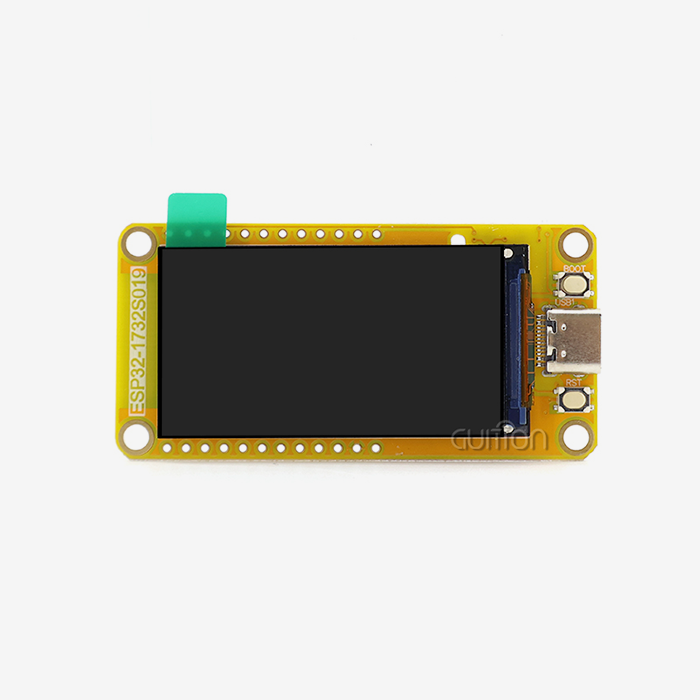
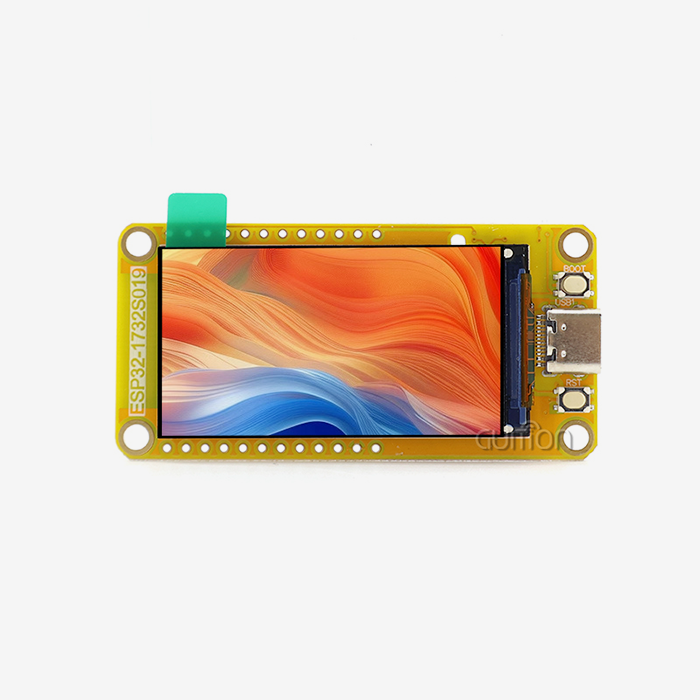
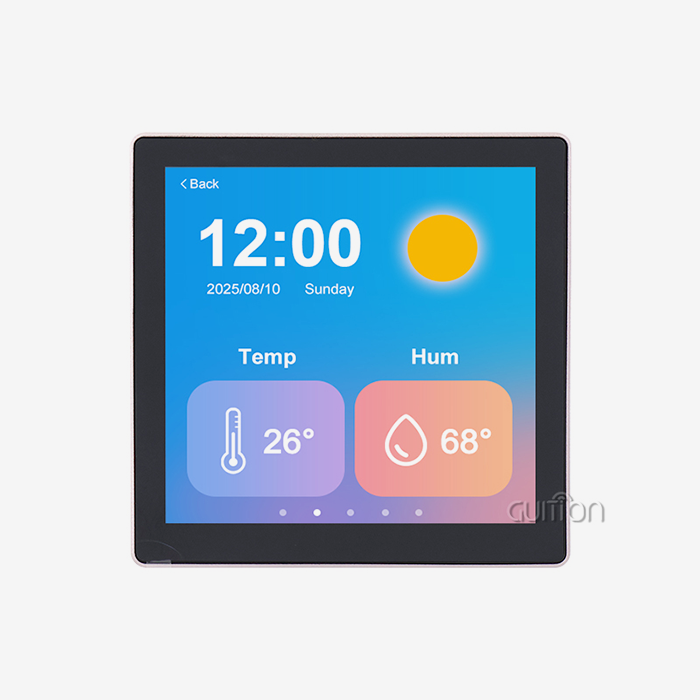
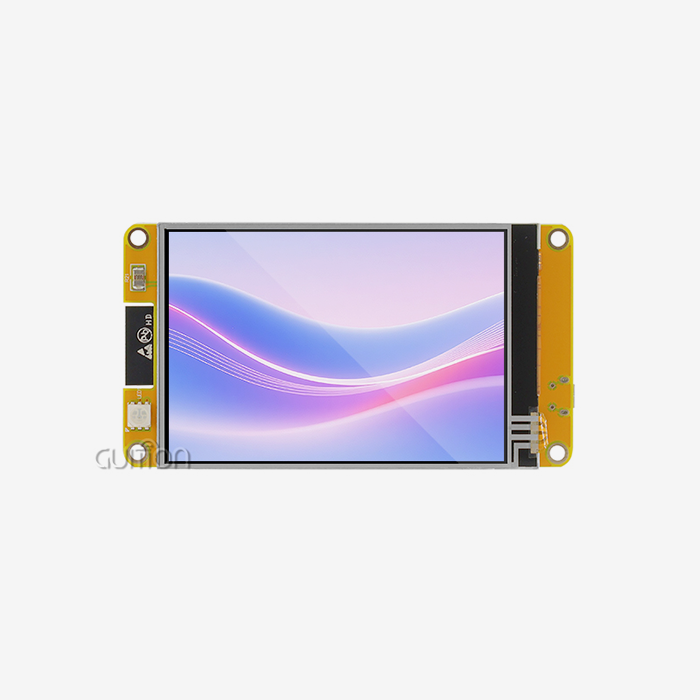
The Guition ESP32-2432S032N_I is a good example of how current display modules combine several subsystems into a single package that is easy for developers to use. The ESP32 is the main processor for this module, which has 520KB of SRAM, 448KB of ROM, and 4MB of Flash storage. The 240x320 resolution works well with the 3.2-inch screen size and gives you enough pixels per inch to read text and see graphics. In contrast to simple display screens, this combined solution comes with circuits for controlling the backlight, driving the speakers, detecting light in the room, and showing the state of the device using RGB LEDs. One thing that makes an interface unique is how flexible it is. The module has a TF card slot for extra storage, serial interfaces for talking to other instruments, a DHT11 interface for checking temperature and humidity, and I/O ports that can be used for custom growth. This full merging gets rid of the need for different breakout boards and makes the design a lot easier.
Interface Options and Development Platforms
The choice of interface has a direct effect on the speed of data flow and the use of pins. When pin count is limited, SPI devices are perfect because they only need four to five links on each GPIO pin. But parallel connections have a lot more throughput, which is important when your display module needs to show dynamic material or play videos. Development platform flexibility makes it easier for tech teams from different backgrounds to join. For hobbyists and quick prototypes, the Guition module supports the Arduino IDE. For professional firmware development that needs direct hardware access, it supports ESP-IDF. For teams that prefer interpreted language processes, it supports MicroPython. And for teaching purposes, it supports Mixly. Without being tied to a single toolchain, this multi-platform method lets R&D managers give jobs to teams based on their skills.
Power Management and Environmental Reliability
In industrial settings, dependability is needed in a wide range of weather situations. The ESP32-based 3.2 tft lscreen module display works in a range of temperatures, making it perfect for use in factories, on agricultural tools outside, and in vehicles. Backlight control circuits allow PWM dimming, which lowers power use in low light and increases the lifetime of LEDs. The module can charge and discharge lithium batteries at the same time, which is useful for small medical devices and mobile terminals that need to keep working while the batteries are being changed. These technical bases explain why embedded engineers and system builders always choose this display arrangement. Putting processing power, digital connection, and a visual interface into a small module makes managing the bill of materials easier and speeds up the process of going from prototype to production.
Comparing 3.2 Inch TFT LCD Modules to Alternative Display Options
It is better for buying teams to make decisions based on facts than on vague specs when they know how different display technologies work in real-life situations.
Visual Performance Analysis
OLED screens make light at the pixel level, which makes them very contrasty and gives them very deep blacks. However, OLED technology has higher unit prices and a shorter lifespan because organic materials break down over time. TFT LCD modules with IPS technology allow watching from nearly 80 degrees in all directions, and the colors stay true even when watched from angles other than the screen's axis. This feature is very important for control screens that are placed at different heights or for devices that are used by more than one person. Standard TN (Twisted Nematic) panels have faster response times but less viewing angle flexibility. IPS panels, on the other hand, strike a mix between reaction time and color accuracy. The 65K color palette found on good display modules is wide enough for industrial HMI uses, medical equipment interfaces, and consumer IoT devices, and it doesn't use as much memory as true-color screens.
Power Consumption Considerations
E-Ink displays only use power when the screen is updated, which makes them perfect for battery-powered gadgets that only show flat data. But because they only work in black and white and have slow refresh rates, they can't be used for apps that need to see real-time data or color-coded state signs. When set up correctly, a 3.2 TFT LCD screen module display with improved backlight control can use less power while still displaying full-color dynamic material. ESP32's power control tools help displays work more efficiently. The microprocessor has deep sleep states that use very small amounts of power and wake up quickly when sensor input or network events happen that need to update the display. This cooperation between the processor and the screen makes it possible for battery-powered environmental monitors and remote farming devices to use less energy.
Environmental Durability and Longevity
Equipment in industrial settings is subject to changes in temperature, pressure, and chemical contact. Quality TFT LCD panels have strong glass bases and are built in a way that keeps wetness out. LED backlights in industrial-grade modules have operating lifetimes of 30,000 to 50,000 hours, which means they need a lot less upkeep than CCFL-backlit options. Optical bonding methods get rid of the air gaps between touch panels and LCD surfaces. This stops condensation from forming in settings where temperatures change quickly and makes the screen easier to read in bright conditions. These traits that make things last longer directly address problems that equipment makers have when putting devices to use in tough field situations.
Making the Right Purchase Decision: Procurement Insights for B2B Clients
Choosing a supplier has long-term effects that go beyond the cost of the original buy. We've seen how problems in the supply chain and inconsistent quality cause costly project delays for buying teams that aren't ready.
Evaluating Supplier Capabilities
Guition stands out because it combines research and development, production, and expert help into one company. The company has direct control over quality assurance methods and product roadmap development because it is a technology-driven provider of USART-hmi display modules. This system lets procurement teams be accountable to a single source instead of having to deal with multi-tier supply lines where responsibility is spread out among many people. The company makes esp32 display module screens from 1.28 inches up to 21.5 inches, so supplier ties are the same across all product lines. When choosing a supplier, give more weight to those who offer detailed technical documentation, quick engineering help, and a track record of success in the application area you want to use. Certifications that show agreement with RoHS, REACH, and other industry standards lower the risk even more.
Bulk Purchasing and Supply Chain Stability
For large-scale deployments to work, parts must be guaranteed to be available for production runs that last for years. Make sure everyone knows what the minimum order amounts, wait times, and inventory gaps are. Reliable providers keep strategic stocks of parts and a variety of transportation routes, which makes them less vulnerable to problems in other regions. When negotiating prices, the total cost of ownership should be taken into account, not just the price per unit. Think about the level of professional help, the completeness of the documents, and the terms of the warranty. A slightly higher unit cost from a seller with great after-sales service usually leads to better project results than rock-bottom prices from suppliers with little help.
Customization and OEM Partnerships
Many applications work well with standard modules, but unique needs often come up during product development. Guition's secondary development tools and its own UI development software make it possible to make a lot of changes without having to write low-level drivers. This feature is very helpful for product managers who want to set their products apart by using unique interface designs while keeping the development pace high. When providers give private labeling, custom packing, and firmware pre-configuration services, they help OEM relationships. These services that add value speed up the production process and make sure that the brand is consistent across all product lines.
Integrating 3.2 Inch TFT LCD Modules Seamlessly into ESP32 Projects
Technical integration is where theory requirements meet real-world application problems. From working on hundreds of rollout projects, we know what works and what doesn't when it comes to familiar patterns of success and failure.
Interface Configuration and Performance Optimization
The Guition ESP32-2432S032N_I comes factory-programmed with sample code, so you can check its operation as soon as you get it. This plug-and-play ease of use speeds up development by letting embedded engineers test how the hardware works before putting time and effort into making unique software. When adding the display module to production software, choose the interface settings that meet your performance needs. SPI connections make wiring easier and PCBs less complicated, making them good for apps that need to update screens at modest speeds. Because the module works with many development platforms, Arduino developers can use libraries like TFT_eSPI, and ESP-IDF users can use low-level control for apps that need to work quickly.
Refresh rate tuning finds a good mix between how smooth the image looks and how much power and processor it uses. Use double-buffering to keep the screen from tearing during fast changes. This is especially important for data displays that move or involve graphical motions. The ESP32 has two cores, so one can be used to render the display while the other handles network connection and handling sensor data.
Software Development and UI Design
The Guition UI development software turns jobs that involve a lot of code into visual design processes. This WYSIWYG environment lets you drag and drop controls to where you want them, so you don't have to make location changes by trial and error. Built-in tools like buttons, sliders, gauges, and data display widgets make it faster to make prototypes. Professional-level tools are different from basic coding environments because they can test on multiple platforms online. Remote fixing lets engineers fix problems with devices that are out in the field without having to physically reach them. This lowers service costs and keeps important equipment running as much as possible. Support for UTF-8 encoding and moving between languages makes it easier to launch products around the world without having to keep separate firmware versions for each market.
Real-World Implementation Case Studies
Industrial IoT gateway devices show how flexible the display part is in tough conditions. One company that makes farm automation puts the 3.2 tft lscreen module display into irrigation controls that are used in outdoor areas. The sensor circuit changes the brightness of the backlight instantly based on the amount of light in the room. This keeps the screen readable in bright daylight while saving power at night. Wi-Fi connectivity lets you watch and update firmware over-the-air, which greatly reduces the number of times a repair truck has to go out and do work. The module has been used by medical device makers in portable patient monitoring equipment, where clinical results are directly affected by how reliable and easy to use the equipment is. The mix of a large enough screen to show multiple vital signs at the same time, a battery that works well for a long time, and a sealed design that meets the hygiene standards of a medical setting meets strict legal and practical needs.
Smart home control panels use the module's Bluetooth communication to make it easy to join smartphones, but they can also work without a network connection if it happens. The TF card interface keeps records of configurations and usage logs, which are useful for both home and business building control systems.
Future Trends and Considerations in 3.2 Inch TFT LCD Displays for ESP32
Technology settings are always changing, so buying strategies need to plan for change instead of responding to it. When your company knows about new trends, it can take advantage of new tools and avoid spending money on old ones.
Display Technology Evolution
Manufacturers are adding quantum dot improvement films to LCD backlights to make the color range closer to OLED performance while keeping the cost and durability benefits of LCD. We think that these improvements will make their way from high-end consumer electronics to industrial display modules in the next few product cycles. This will help applications where color accuracy is needed to tell the difference between important state conditions. Improved touch sensitivity, thanks to improved capacitive sensing algorithms, makes it possible to use gloves and keep water out. These improvements fix problems that have been around for a long time in medical devices, outdoor terminals, and tools used to make food.
IoT Integration and Edge Computing
Distributed intelligence is possible now that show interfaces and edge computers are becoming more similar. The processing speed of the ESP32 allows for local machine learning reasoning. This lets smart displays change their interfaces based on how they are used or the surroundings, without always being connected to the cloud. This edge intelligence cuts down on delay, improves privacy, and keeps things working when the network goes down. New communication protocols designed for low-power wide-area networks make it possible for devices with displays to be used for distant tracking. Combining local visual interfaces with long-range wireless reporting is helpful for environmental sample sites, agricultural sensors, and infrastructure monitors for utilities.
Selecting Future-Proof Solutions
When looking at display modules, platforms with strong ecosystems and busy development groups should be given the most weight. The ESP32 is widely used, which means that libraries will continue to grow, the community will continue to help, and third-party accessories will be available. Modules that work with different development platforms give you options as your team changes and the project needs change. With the ability to upgrade remotely, display units go from being fixed-function parts to systems that can be updated. This function makes products last longer by letting new features and security patches be added without having to call for help from field service. The ability directly lowers the total cost of ownership, which is very important for equipment that is used in spread-out sites or places that are hard to get to.
Conclusion
A 3.2 TFT LCD screen module display with ESP32 technology offers real benefits in terms of development speed, rollout freedom, and long-term dependability. The Guition ESP32-2432S032N_I is a great example of how current modules combine processing power, wireless connection, and a good user interface all in a package that is easy for developers to use. This setup for a device solves some of the biggest problems that embedded engineers, product managers, and procurement workers have, from fast prototyping to mass production. Multiple development platforms, a wide range of interface options, and strong industrial-grade construction make solutions that can be used for medical equipment, smart home devices, industrial automation, and many other situations where reliable human-machine interaction is needed.
FAQ
Which interface type provides optimal performance for ESP32 display integration?
SPI connections are a great compromise for most uses because they require few GPIO pins and provide fast enough speed for normal HMI updates. When processing video material or making high-frame-rate animations, parallel connections are needed. The Guition module is flexible enough to handle both methods and let you make the best use of it based on the needs of your project.
How does power consumption compare between TFT LCD and OLED displays in embedded applications?
Since cells that aren't being used draw no current, OLED screens use less power when they have mostly black screens. TFT LCD panels with improved backlight control work as efficiently as possible for common industry interfaces that have a mix of information. The ESP32's power management and intelligent backlight dimming make energy-efficient option that can be used in battery-powered gadgets that need full-color dynamic screens.
Can I order large quantities of display modules for mass production with customization options?
Guition allows for bulk purchases and customizations, such as pre-configuring software, private labels, and making changes to the interface. Getting suppliers involved early in the product development process helps make sure that your requirements are met by the manufacturers' skills. This makes sure that the change from the prototype to large-scale production goes smoothly and that the supply chain stays stable.
Partner with Guition for Your Next Display Integration Project
Embedded system developers and buying teams need sellers of display modules that are both technically excellent and quick to respond to customer needs. Guition offers full HMI systems that include hardware modules, development tools, and help from engineers. Our ESP32-based 3.2 tft lscreen module display is the result of years of development that addresses real-world problems faced by equipment makers all over the world. Our focus on technology and the customer makes sure that every project succeeds, whether it's making prototypes of new IoT devices, improving old industrial equipment, or releasing new consumer electronics. Talk to david@guition.com about how our display modules and Guition UI development tools can help you get your products to market faster while still giving your apps the freedom they need. As a reputable 3.2 TFT LCD screen module display maker, we promise quality, dependability, and relationship throughout the entire duration of your product.
References
1. Chen, L., & Wang, M. (2023). Embedded Display Systems: Design Principles and Integration Strategies. Technical Publishing House.
2. Industrial Display Technology Consortium. (2024). TFT LCD Module Selection Guide for Industrial Applications. Industry Standards Publication.
3. Rodriguez, A., Kumar, S., & Patel, N. (2023). "ESP32-Based IoT Device Development: Best Practices and Performance Optimization." Journal of Embedded Systems Engineering, 18(4), 234-251.
4. Thompson, R. (2024). Human-Machine Interface Design for Industrial Control Systems. Engineering Press International.
5. Zhang, Y., & Liu, H. (2023). "Comparative Analysis of Display Technologies in Embedded Medical Devices." Biomedical Engineering Review, 31(2), 112-128.
6. Wilson, D., & Anderson, K. (2024). Supply Chain Management for Electronics Manufacturing: Strategies for Component Procurement. Business Technology Publishers.
Learn about our latest products and discounts through SMS or email