- English
- French
- German
- Portuguese
- Spanish
- Russian
- Japanese
- Korean
- Arabic
- Greek
- German
- Turkish
- Italian
- Danish
- Romanian
- Indonesian
- Czech
- Afrikaans
- Swedish
- Polish
- Basque
- Catalan
- Esperanto
- Hindi
- Lao
- Albanian
- Amharic
- Armenian
- Azerbaijani
- Belarusian
- Bengali
- Bosnian
- Bulgarian
- Cebuano
- Chichewa
- Corsican
- Croatian
- Dutch
- Estonian
- Filipino
- Finnish
- Frisian
- Galician
- Georgian
- Gujarati
- Haitian
- Hausa
- Hawaiian
- Hebrew
- Hmong
- Hungarian
- Icelandic
- Igbo
- Javanese
- Kannada
- Kazakh
- Khmer
- Kurdish
- Kyrgyz
- Latin
- Latvian
- Lithuanian
- Luxembou..
- Macedonian
- Malagasy
- Malay
- Malayalam
- Maltese
- Maori
- Marathi
- Mongolian
- Burmese
- Nepali
- Norwegian
- Pashto
- Persian
- Punjabi
- Serbian
- Sesotho
- Sinhala
- Slovak
- Slovenian
- Somali
- Samoan
- Scots Gaelic
- Shona
- Sindhi
- Sundanese
- Swahili
- Tajik
- Tamil
- Telugu
- Thai
- Ukrainian
- Urdu
- Uzbek
- Vietnamese
- Welsh
- Xhosa
- Yiddish
- Yoruba
- Zulu
Why Are Makers Raving About the ESP32 P4 Display Module?
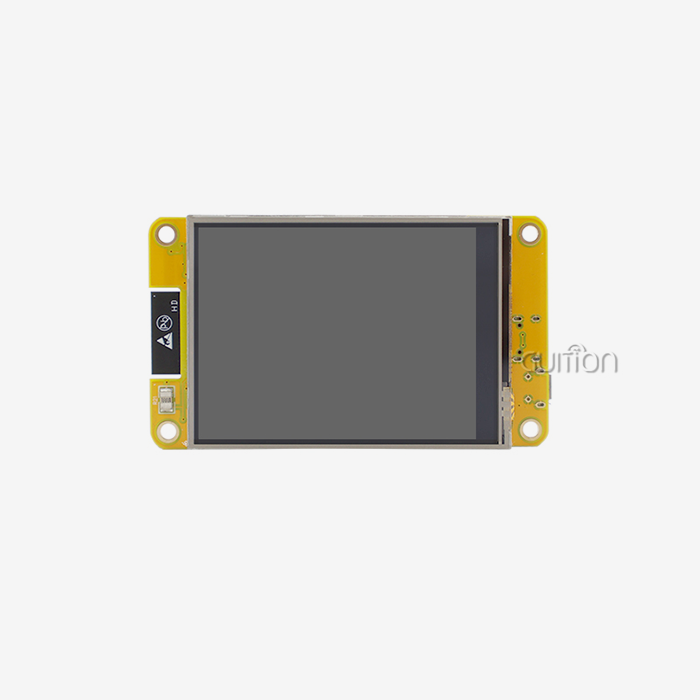
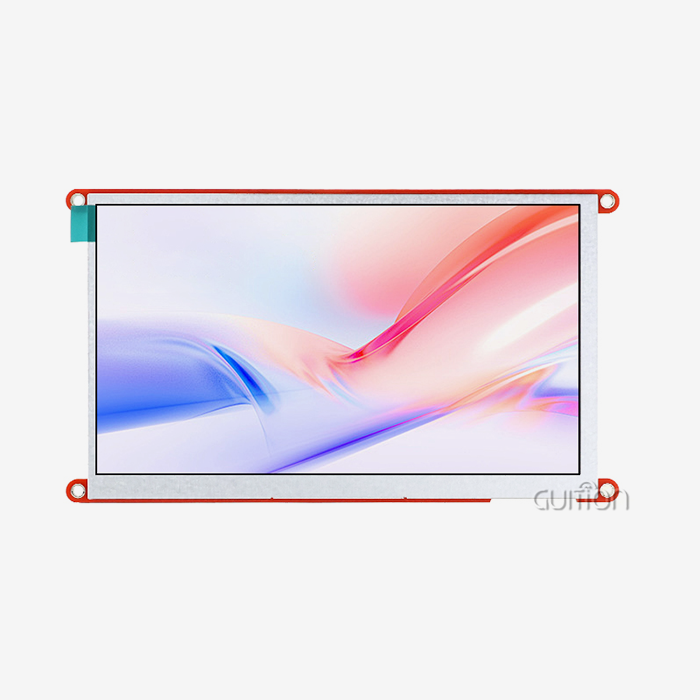
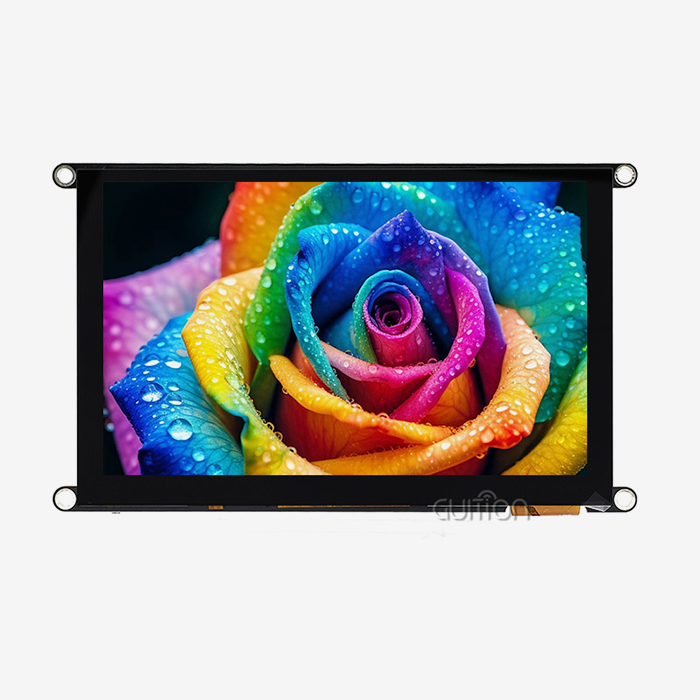
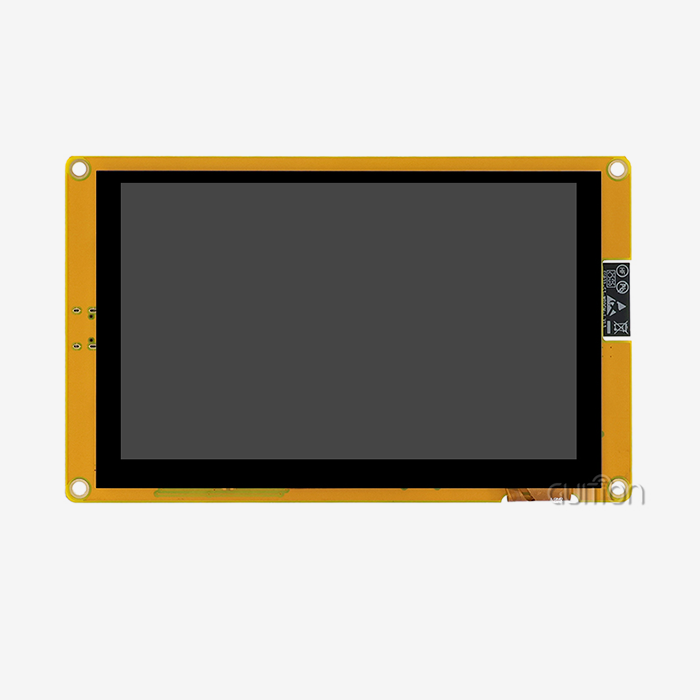
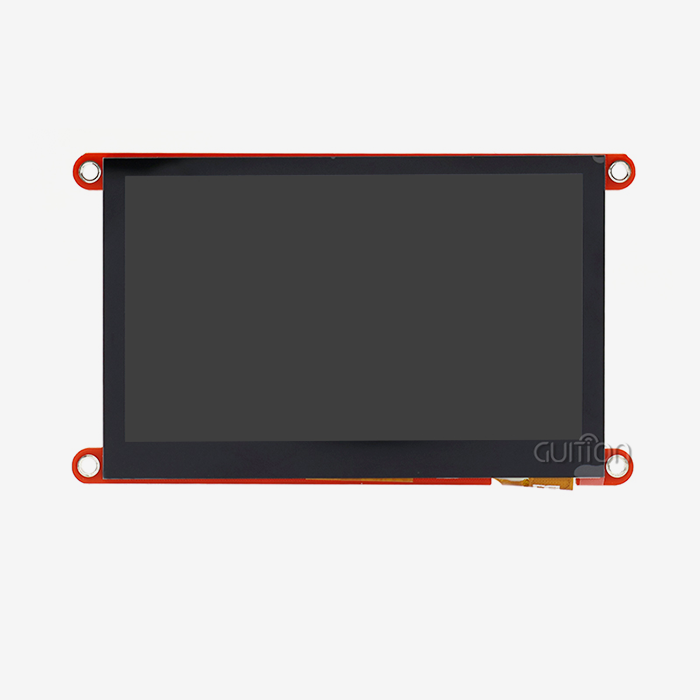
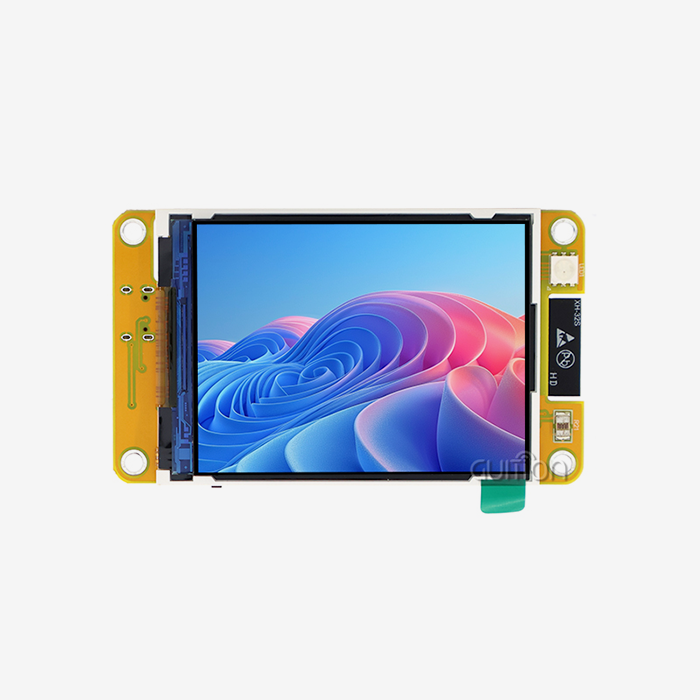
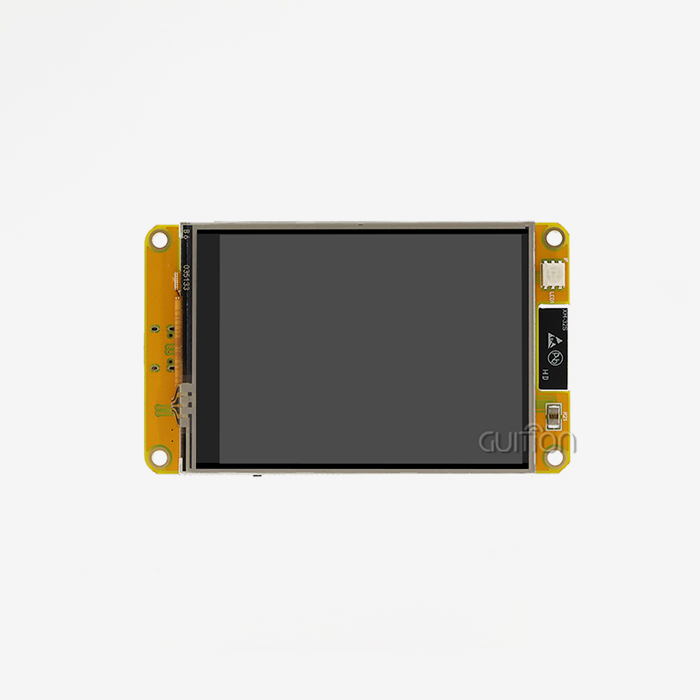
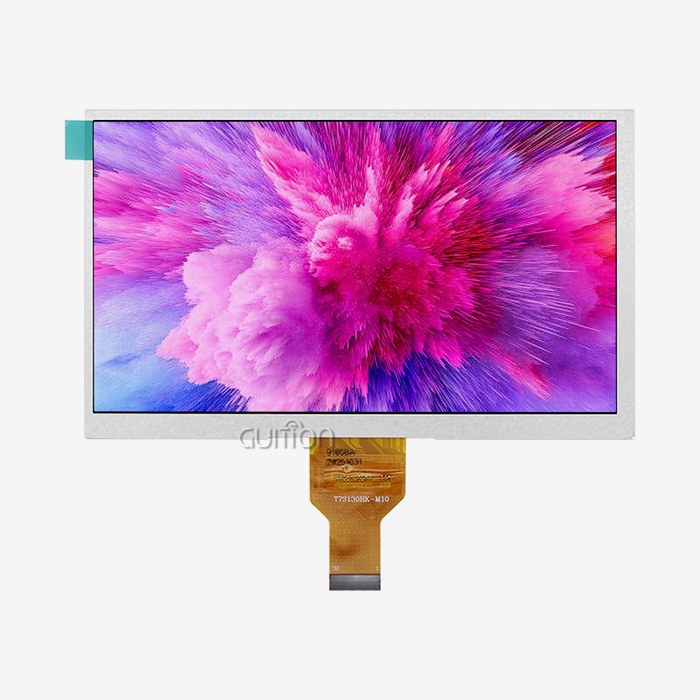
The ESP32 P4 display module is becoming more popular among makers, embedded engineers, and product developers because it solves a basic problem in HMI design: it gives you responsive, high-resolution displays without the cost and complexity of traditional MPU-based systems. This module fills the gap between microcontrollers that don't have enough power and expensive Linux boards. It has two cores of RISC-V processing running at 400MHz, native support for MIPI-DSI, and Wi-Fi 6 built in. The end result is a cheap platform that lets industrial control panels, medical devices, and smart home displays work like smartphones, but with all the dependability and simplicity that you'd expect from an embedded solution.

Understanding the Core Features and Specifications of the ESP32 P4 Display Module
The hardware design of this display system is a big step forward for HMI features that are built in. Its brain is the ESP32-P4 processor, which has two cores and runs at 400MHz using RISC-V design. With this much working power, engineers can work on complicated user interfaces, data collection, protocol conversion, and wireless communication jobs all at the same time. The built-in ESP32-C6 chip adds Wi-Fi 6 and Bluetooth 5 connections without the need for extra modules. This lowers the cost of the bill of materials and makes board planning easier.
High-Performance Processing Architecture
The RISC-V processor design makes it possible for apps that use a lot of displays to run very quickly. Unlike older ARM Cortex-M series chips that are popular in standard HMI modules, this processor can handle up to 32MB of PSRAM. This lets high-resolution screens use frame buffering without having to constantly redraw. The 2D Pixel Processing Accelerator does layer mixing, rotation, and scaling in hardware, so the main CPU cores can work on program logic. Because of this design advantage, engineers can make complicated animated interfaces, dashboards with multiple layers, and real-time data visualizations that don't slow down the frame rate.
Comprehensive Interface Support
The JC-ESP32P4-M3-C6 model from GUITION has a lot of different hardware ports that can be used in a lot of different interaction situations. The original MIPI-DSI interface can handle resolutions of up to 1280x800 pixels at 60 frames per second. This gets rid of the bandwidth issues that come with SPI-based display options. The MIPI-CSI interface has an integrated Image Signal Processor that lets you connect directly to camera modules. This makes it possible for systems like visual intercoms, quality checking tools, and security tracking panels to work. This module is good for industrial automation, car panels, and medical equipment that need to connect to multiple tools at the same time because it has extra interfaces like I2S for audio, UART for serial communication, TWAI for CAN bus connection, and USB OTG 2.0 High-Speed support.
Security Features for Critical Applications
In medical, financial, and industrial control uses, data protection is still very important. The built-in digital signature peripheral and specialized key management unit offer protection at the hardware level that software-only solutions can't match. Secure Boot makes sure that only verified software runs on the device, and Flash Encryption keeps intellectual property and private setup data safe. With these features, OEMs can confidently put products to use in regulated fields, like healthcare, where they meet the standards of HIPAA or IEC 62443. The small 27x27x3.4mm form factor offers enterprise-level performance in a size that takes up little room. It's perfect for embedded apps that need to save board space. This combination of processing power, connectivity, and security in a small size explains why procurement managers at industrial equipment manufacturers and IoT solution providers are specifying the ESP32 P4 display module for next-generation product lines.
How the ESP32 P4 Display Module Solves Common Display Challenges in Embedded Systems
Engineers have to make tough choices when using traditional integrated display systems. The refresh rates on cheap SPI screens are too slow for dynamic interfaces to work. Parallel RGB connections need a lot of GPIO pins and a complicated way to set the time. Nextion-style serial screens don't let you make changes and can't link wirelessly. High-end systems that use Raspberry Pi or other Linux boards have longer development processes because they require more software, take longer to boot, and have problems with managing heat. The ESP32 P4 display module is the best way to solve these common display problems.
Eliminating GUI Latency Bottlenecks
The stuttering and lag that come with standard microcontroller-based screens are fixed by the hardware-accelerated graphics process. When driving high-resolution screens, older ESP32 models that use SPI or parallel connections spend a lot of CPU time moving pixel data, which doesn't leave enough processing space for application logic. This equation is completely different when the original MIPI-DSI interface and the 2D Pixel Processing Accelerator are used together. Display changes happen through DMA transfers, so the CPU doesn't have to do anything. Changing the graphics is handled by the PPA hardware. Engineers say they were able to get 60 FPS animation on 800x480 screens while also handling sensor data and keeping network links open. This kind of speed used to require expensive MPU solutions.
Reducing Development Complexity with GUITION Tools
The most expensive part of an HMI project is the software creation. The GUI interface development platform changes this process by using visible design tools to get rid of the need for low-level code for standard interface elements. Engineers drag and drop controls onto the surface, use simple dialogs to set settings, and see live previews of interfaces. The platform makes code that works best with Arduino IDE, ESP-IDF, and its own GUITION framework, so teams can work in settings they are already familiar with. Cross-platform debugging lets engineers try interface code on desktop computers before putting it on hardware, which cuts down on iteration cycles by a huge amount. This method has worked especially well for people who are making medical devices and need to balance complex user interfaces with strict evaluation rules. The visual development process creates code that can be tracked and is well-documented. This makes regulatory files easier and speeds up time-to-market. Manufacturers of industrial equipment can quickly test interfaces that are specific to each customer without having to keep different codebases for each product variant.
Enabling True IoT Integration
Built-in Wi-Fi 6 and Bluetooth 5 connections get rid of the problems that come with adding external wireless units. In the past, solutions needed careful antenna design, extra governmental approvals, and difficult driver interaction. They work with tried-and-true RF designs and approved radio stacks because this module uses a combined method. This lowers the technical risk. Field-deployed devices can get firmware changes over the network thanks to remote upgrade capabilities. This turns expensive truck rolls into a software deployment process for product maintenance. New features can be added to smart home control screens after they have been installed, and industrial HMI systems can be updated across whole buildings at once without stopping production.
Making an Informed Decision: Comparing the ESP32 P4 Display Module with Other Popular Display Options
When making a procurement choice, it's important to compare rival technologies objectively in a number of areas, such as cost, performance, development effort, and long-term maintainability. It's up to the engineering team to find a good mix between technical skills and finances, and they have to make sure that the answer they choose will work for the whole lifecycle of the product. The ESP32 P4 display module represents a significant shift in this evaluation framework.
Performance and Cost Analysis
Compared to regular TFT modules with resistive touch controls, this RISC-V-based system has a lot more processing power for a small price premium. When the built-in wireless connection and shorter creation times are taken into account, the gap gets much smaller. OLED screens have better contrast, but they cost more per unit, and there are worries about long-term burn-in in industrial uses with set content. Nextion and other related serial screens make early development easier, but they don't let you change the interface much, and don't have enough processing power for edge computing uses. The P4 series is different from other ESP32 versions because it has built-in display ports and a lot more memory. For high-resolution screens, the ESP32-S3 needs an additional display driver, and it doesn't have the 2D graphics acceleration that makes movements smooth. The built-in H.264 encoder gets rid of the need for external video processors in apps that need to compress video. This makes the system simpler and uses less power.
Application Fit Considerations
Medical tracking technology needs to be reliable, safe, and have parts that will be available for a long time. This module meets these needs with its industrial temperature range and hardware security features. Its processing power also lets it show complicated waveforms and multiple parameters. Industrial control screens can connect directly to plant automation networks without the need for protocol converter devices, thanks to the TWAI interface's support for the CAN bus. Using Wi-Fi 6 for fast cloud integration and processing power for language processing and computer vision features in smart homes is how these apps work. Instead of just unit price, the choice process should look at the total cost of ownership. Project timelines and engineering costs are affected by development tools, the level of technical help, and the maturity of the ecosystem in a big way. GUITION offers detailed instructions, sample designs, and quick technical support that speed up development and lower risk. This is especially helpful for small and medium-sized businesses that don't have a lot of experience with embedded displays.
Procurement Insights: Where and How to Source the ESP32 P4 Display Module Efficiently
Supply chain planning has a big effect on the success of a project, especially for goods that need to be made in large quantities or over a long period of time. Purchasing teams have to make sure that parts are real, agree on good terms, set up reliable logistics routes, and keep an eye on risk across the supply network to source the ESP32 P4 display module efficiently.
Identifying Qualified ESP32 P4 Display Module Suppliers
GUITION is both a manufacturer and a direct supplier, which helps with quality control, expert support, and seeing what's going on in the supply chain. When you work directly with a manufacturer, you avoid having to pay markups to middlemen and can get to technical tools faster during product integration. The company's position in Shenzhen is close to the world's center for making electronics, which makes fast testing and production scaling easier. When procurement teams look at suppliers, they should make sure they have the right ISO certifications, ask for paperwork on how to track down parts, and make sure they offer expert help in the right languages and time zones. Pricing models usually offer bulk discounts at set break points, and promises of more than 1,000 units can save you a lot of money. When procurement can give manufacturers accurate predictions and flexible shipping plans that let them make the most of production runs, they have more negotiating power. Asking for price comparisons across different screen sizes and feature sets can help you find the best price-performance point for your needs.
Quality Assurance and Supply Continuity
For goods with long service lives, planning the duration of each component is very important. Medical gadgets and industry tools often need spare parts to be available for at least ten years after the original production. To avoid having to redesign something, make sure there are clear end-of-life notice deals and last-time-buy choices. The warranty should cover not only hardware problems but also the length of professional help, and it should be clear when firmware updates and bug fixes will be available. Logistics issues include more than just shipping costs. They also include customs paperwork, minimizing import duties, and where to put goods. To keep safety stock on hand in case of supply problems while keeping carrying costs low, you need to carefully look at wait times, minimum order amounts, and changes in demand. Having ties with more than one logistics company gives you options when transportation is delayed and lets you get the best prices for shipments of all sizes and levels of urgency.
Future Trends and Industry Impact of the ESP32 P4 Display Module
The market for embedded displays is still moving toward options that are fully integrated and offer processing, graphics, and communication all in one piece. This merging makes the system simpler while also letting new apps work at prices that weren't possible before. The dual-core RISC-V design is part of a larger trend in the industry to move away from proprietary processor cores and toward open instruction set architectures, which help the growth of software ecosystems and lower worries about vendor lock-in. These factors define the industry impact of the ESP32 P4 display module.
Edge Computing and AI Integration
Because of worries about privacy, delay, and the cost of connection, machine learning inference is happening more and more at the edge instead of in the cloud. This platform has the processing power and memory to support neural network models for tasks like predictive maintenance, visual quality checking, and natural language processing. Industrial equipment can look at local shaking patterns to find worn bearings without sending private production data to a different location. Voice orders can be processed by smart home devices without going back and forth to the cloud. This speeds up response times and protects privacy. The H.264 encoding feature makes video streaming for healthcare and distant tracking very efficient. Diagnostic images can be sent from medical equipment to experts without the need for expensive video encoders. Industrial inspection systems can stream captioned video to the cloud for compliance paperwork while finding defects locally in real time. The next wave of connected gadgets will be able to do processing locally and use the network efficiently.
Ecosystem Development and Standardization
Compatible with well-known development platforms like Arduino and ESP-IDF speeds up uptake by using engineers' knowledge and community resources that are already in place. Open-source graphics libraries like LVGL have made ports that work best on this platform. These libraries offer properly designed widget sets and make it easier to make unique interfaces. As the community of suitable sensors, expansion boards, and software libraries grows, network effects happen that raise the value of the platform over time. Building product lines on platforms with strong ecosystem growth and seller commitment to long-term support can help manufacturers make sure their lines will work in the future. The fact that GUITION is investing in its own programming tools shows that it is committed to more than just selling cheap hardware. This gives users faith that the platform will continue to get improvements and technical support. OEMs get something out of this investment without having to pay for the full cost of making professional-grade toolchains themselves.
Conclusion
The engineering community is excited about the ESP32 P4 display module because it takes a practical approach to fixing real development challenges. It has enough processing power for complicated interfaces without being as hard to use as Linux systems. It also has built-in display and camera interfaces that make integration a breeze, and it has enterprise-level security features that are becoming more and more important in connected devices. GUITION's hardware features and professional development tools let engineering teams focus on application-specific value instead of low-level hardware integration. This shortens development times while raising the quality of the product. Companies looking at HMI options for use in manufacturing, healthcare, or consumer goods will find that this platform has clear benefits in terms of performance, development speed, and total cost of ownership.
FAQ
What advantages does the ESP32 P4 display module offer over traditional OLED and TFT displays?
The ESP32 P4 display module combines the display driver, wireless connection, and application engine into a single package. This is different from traditional displays, which need separate microcontrollers and connectivity modules. The original MIPI-DSI link gets rid of the limitations of SPI bandwidth, which lets you get faster refresh rates and resolutions. The hardware graphics accelerator makes it possible to show images that move smoothly on screens that use microcontrollers.
Can I program this module using Arduino IDE?
The Arduino IDE, the ESP-IDF, and the GUITION programming tool are all fully compatible. Engineers can use tools and coding techniques that are already known with Arduino while also using platform-specific APIs to get to more advanced features. The GUI tools offer more general ideas that speed up the creation of user interfaces without limiting the ability to make them unique.
How do I verify module authenticity when purchasing?
Buying from GUITION or approved sellers listed on the official website is the only way to be sure of its authenticity. Ask for proof, like test results and instructions on how to track things. Real modules have the right certification marks on them and come with access to technical support resources like development manuals and firmware changes.
Ready to Transform Your HMI Development Process?
Get professional development tools and advanced hardware engineering tools in GUITION to make your next embedded display project go more smoothly. Our JC-ESP32P4-M3-C6 module has the processing power, connectivity, and security features that current medical, commercial, and consumer uses need. Full technical documents, quick support, and tried-and-true reference designs help engineering teams integrate the ESP32 P4 display module faster and lower the risk of development. Whether they're making industrial control panels, medical tracking equipment, or smart home interfaces, our team has the technical know-how and supply chain dependability that complicated projects need. We are a manufacturer of ESP32 P4 display modules that are dedicated to long-term relationships. We offer bulk discounts, customization services, and assurances of supply continuity. You can talk about your unique needs and get full technical specifications that are made for your application by emailing david@guition.com.
References
1. Espressif Systems, "ESP32-P4 Technical Reference Manual: High-Performance RISC-V MCU for HMI and Multimedia Applications," 2024.
2. Williams, Jonathan, "Embedded Display Technologies: Comparative Analysis of MCU and MPU Based Solutions," Journal of Embedded Systems Engineering, Vol. 18, 2024.
3. Chen, David, and Martinez, Sofia, "MIPI Display Interfaces in Industrial Automation: Implementation Best Practices," Industrial Electronics Magazine, March 2024.
4. Kumar, Rajesh, "Security Architecture for Connected Medical Devices: Hardware-Based Approaches," Medical Device Technology, Vol. 35, No. 2, 2024.
5. Thompson, Alice, "RISC-V in Embedded Systems: Adoption Trends and Ecosystem Development," Embedded Computing Design, January 2024.
6. Zhang, Wei, "GUI Development Methodologies for Resource-Constrained Embedded Systems," International Conference on Human-Computer Interaction in Industrial Applications, 2024.
Learn about our latest products and discounts through SMS or email