- English
- French
- German
- Portuguese
- Spanish
- Russian
- Japanese
- Korean
- Arabic
- Greek
- German
- Turkish
- Italian
- Danish
- Romanian
- Indonesian
- Czech
- Afrikaans
- Swedish
- Polish
- Basque
- Catalan
- Esperanto
- Hindi
- Lao
- Albanian
- Amharic
- Armenian
- Azerbaijani
- Belarusian
- Bengali
- Bosnian
- Bulgarian
- Cebuano
- Chichewa
- Corsican
- Croatian
- Dutch
- Estonian
- Filipino
- Finnish
- Frisian
- Galician
- Georgian
- Gujarati
- Haitian
- Hausa
- Hawaiian
- Hebrew
- Hmong
- Hungarian
- Icelandic
- Igbo
- Javanese
- Kannada
- Kazakh
- Khmer
- Kurdish
- Kyrgyz
- Latin
- Latvian
- Lithuanian
- Luxembou..
- Macedonian
- Malagasy
- Malay
- Malayalam
- Maltese
- Maori
- Marathi
- Mongolian
- Burmese
- Nepali
- Norwegian
- Pashto
- Persian
- Punjabi
- Serbian
- Sesotho
- Sinhala
- Slovak
- Slovenian
- Somali
- Samoan
- Scots Gaelic
- Shona
- Sindhi
- Sundanese
- Swahili
- Tajik
- Tamil
- Telugu
- Thai
- Ukrainian
- Urdu
- Uzbek
- Vietnamese
- Welsh
- Xhosa
- Yiddish
- Yoruba
- Zulu
Why Are Graphic LCD Display Modules Ideal for Industrial SPI LCD Applications?
One question keeps coming up when I talk to embedded engineers and product managers from different fields: why do graphic LCD display modules make up most of industrial SPI applications? Their unique mix of pixel-addressable freedom and strong communication methods is the key. A graphic LCD display module uses a dot-matrix design to show complicated images, like waveforms in real time and options in multiple languages, that character-based displays can't. When used with the SPI (Serial Peripheral Interface) protocol, these modules allow for fast data movement with few pin requirements. This makes them essential for industrial designs that need to save room. They are the most important part of current HMI solutions in automation, medical devices, and smart control systems because they combine the ability to show graphics with the ability to communicate clearly.

Understanding Graphic LCD Display Modules and Their Industrial Relevance
What Defines a Graphic LCD Display Module?
Compared to standard segment screens, a graphic LCD display module is a big step forward. Instead of fixed letters and numbers, these modules have a grid of pixels that can be controlled separately and are set up in rows and columns. Engineers can use this design to make custom fonts, complicated layouts, company logos, and dynamic user interfaces without being limited by parts that have already been set up. When we look at common use cases, it's easy to see how it applies to industry. In a factory control panel, workers need to see real-time temperature curves, error messages with full text descriptions, and directions in more than one language. These are all things that character LCDs can't do, but graphic LCD display modules can. Engineers can change interfaces at the pixel level as needs change, which allows for rapid product development without having to rethink hardware.
The Role of SPI Communication in Industrial Environments
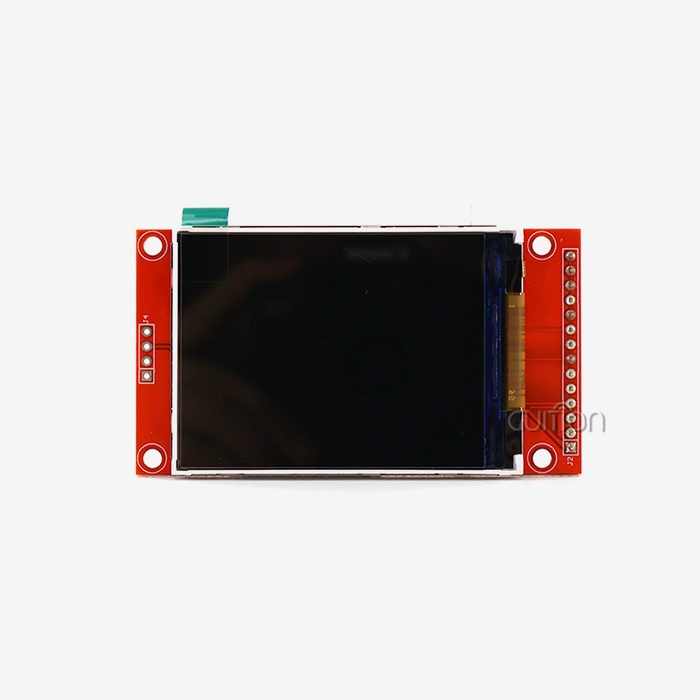
Communication methods that combine speed, ease, and noise immunity are needed in industrial settings. SPI works well in this case because it has a master-slave design and separate lines for clock, data input, data output, and chip select. This synchronous communication gets rid of the time problems that come up with asynchronous protocols. This is very important when displays need to update quickly in reaction to changes in the machine state. The fact that all graphic LCD display modules use the same pinout makes merging easier. Engineers use the same wiring patterns to connect to an STM32, PIC, or ESP32 microcontroller: MOSI sends display commands and pixel data from the controller, MISO returns status information (though many modules only read), SCK synchronizes data transfer, and CS turns on certain devices in multi-peripheral systems. Because of this, development processes are shorter, and wiring mistakes during testing are less likely to happen.
Key Technical Features That Matter
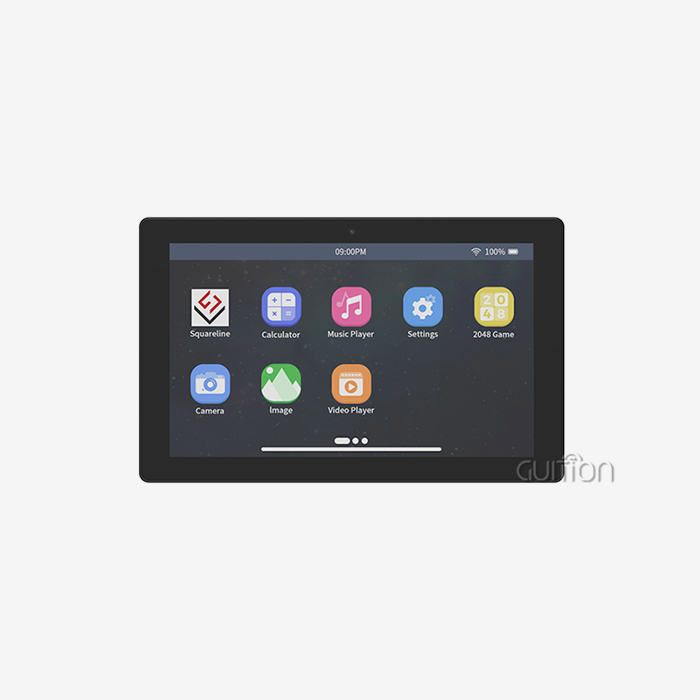
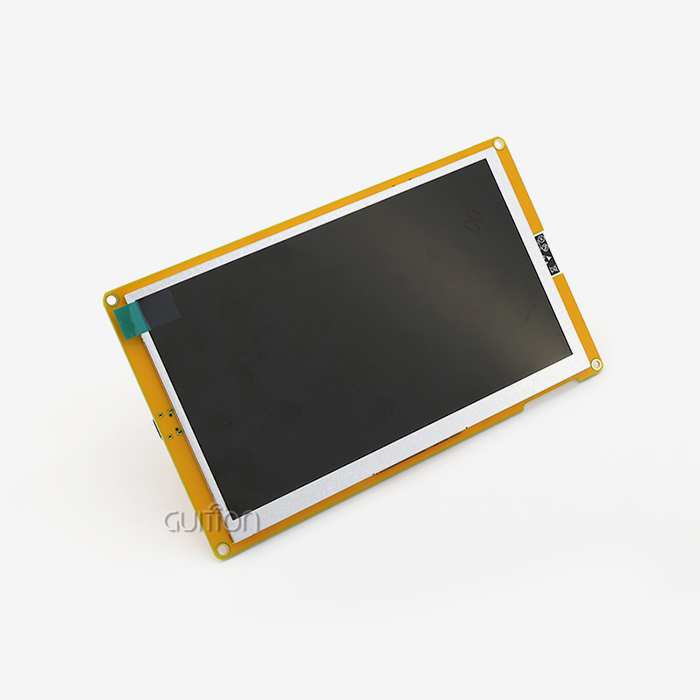
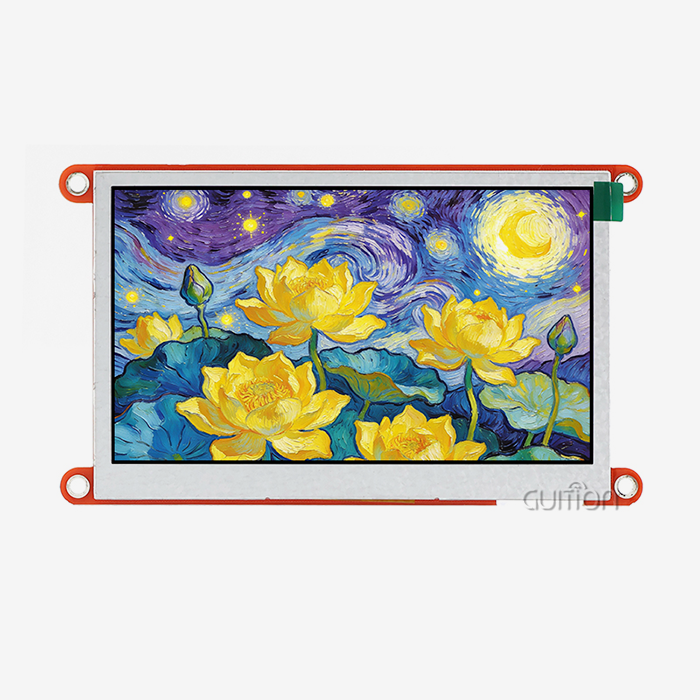
The resolution has a direct effect on the amount of information. Our GUITION JC8048B043N type has a 4.3-inch screen with a resolution of 800x480 pixels, which is about 186 pixels per inch. This density makes sure that text stays clear at normal viewing distances in industrial control screens and that graphs keep enough detail to be able to correctly understand data. The contrast ratio tells you how well you can see in different lighting situations. Warehouses can be dark places to work, while plant floors can be bright with sunlight. High-contrast graphic LCD display modules with backlights that can be adjusted keep the screen readable at these temperatures, which cuts down on mistakes made by operators due to display glare or fading.
Advantages of Graphic LCD Display Modules in Industrial SPI Applications
Superior Visibility Under Harsh Conditions
The conditions in which industrial equipment works are harsh enough to damage consumer-grade screens. Control panels in cement plants were covered in dust, medical devices were cleaned over and over with harsh chemicals, and farm monitors were put through huge changes in temperature. Graphic LCD display modules can handle these problems because they are built to last and have optical layers. Displays with RGB connections can show 16.7 million colors, which changes how data is shown. Color-coded alerts quickly show the state of the system—red for major faults, yellow for warnings, and green for normal operation—which makes it easier for operators to make quick choices. This difference in color is especially helpful in energy management systems that need to keep an eye on many factors at once.
Flexibility in Data Presentation
Graphic LCD display modules are useful because they can be changed to fit changing product needs. User interfaces rarely stay the same while they are being developed. Layout changes are caused by customer feedback, new rules require more information to be shown, and adding new features means rearranging the menu. Instead of making hardware changes, these changes are made to graphic LCD display modules through software updates. It becomes easy to visualize data in multiple formats. One screen can show numbers, bar graphs that show fill levels, trend plots that show how factors change over time, and graphic icons that show the states of the equipment. This flexibility gets rid of the need for multiple specialized screens, which lowers the cost of materials and makes designing the container easier.
Energy Efficiency and Long-Term Durability
When it comes to battery-powered tools and solar-powered remote tracking systems, power consumption is very important. Because they don't need a constant active grid refresh, graphic LCD display modules use a lot less power than TFT screens of the same size. Passive display technology with LED backlights lets the backlights dim or turn off completely when the device is not being used. This helps portable medical monitoring devices and handheld industrial controls last longer on a single charge. Lifespan dependability lowers the total cost of ownership. Industrial equipment often works nonstop for years, so parts must last a long time. Graphic LCD display modules don't use the organic materials that break down in OLED displays, and because they are easier to build than TFTs, they have fewer places where they could fail. This means that repair costs will be lower, and key production systems will have less downtime when displays need to be replaced.
Comparing Graphic LCD Display Modules with Other Display Technologies
Graphic LCD vs. TFT Display Performance
Active matrix addressing lets TFT (Thin-Film Transistor) displays show colors accurately and have wide viewing angles, which makes them the most popular type of display in consumer gadgets. However, graphic LCD display modules are often better for use in industry settings. TFTs need constant power to keep each pixel's state through thin-film transistors, which increases power use, which is not ideal for situations where energy is limited. Running industrial computer systems 24 hours a day, seven days a week, for a long time uses a lot of energy, so using graphic LCD display modules, which use less power, is better for the economy. Cost factors include more than just the prices of parts. TFT screens usually need more complicated interface electronics, and they usually need special display drivers with a lot of RAM for framebuffers. Graphic LCD display modules with built-in driver ICs, like the ST7265, make system design easier to understand and use by cutting down on the costs of supporting parts and the complexity of the PCB. These per-unit savings get a lot bigger when you buy screens for large production runs of industrial tools.
Addressing OLED Limitations in Industrial Use
True blacks and amazing contrast ratios are possible with OLED technology because pixels emit light directly instead of filtering backlights. This makes OLED a good choice for market uses where the effect on the eye is important. But business applications have different needs, and OLEDs can be hard to use. Organic chemicals used in OLEDs break down over time. Blue organic substances have limited working hours, which makes the colors fade and the brightness drop over time. Burn-in can happen on industrial control screens that show static interface elements. This is when ghost pictures of content that is shown a lot become permanently visible. Graphic LCD display modules don't have these problems because they use artificial liquid crystal technology, which keeps working well even after years of use.
Strategic Procurement Considerations
Long-term product support is affected by how reliable the supplier is. Established makers make sure that parts are always available and offer ways to switch to new technology. We don't just look at the price when we're analyzing graphic LCD display module providers; we also look at how well their paperwork is written, how quickly they respond to technical support requests, and how committed they are to long product lifecycles. Large pieces of industrial equipment are often used for many years, and parts need to be replaced at some point. Differentiation is possible with customization. Consumer displays that are already made don't let you customize the interface or name them, but makers of industrial graphic LCD display modules do. Some of these are custom lens coatings for certain weather protection, lighting colors that aren't available anywhere else, and interface graphics that are already loaded in software. This kind of personalization makes the product stand out and makes the screens work best for certain uses.
How to Choose the Right Graphic LCD Display Module for Industrial SPI Applications
Assessing Environmental Requirements
The temperature requirements must match the conditions of placement. Our GUITION JC8048B043N works in temperatures ranging from -20°C to 70°C, which is good for most commercial settings. However, for extreme situations, longer temperature ranges may be needed. Medical equipment that needs to be sterilized in an autoclave, study instruments used in the Arctic, or oil field tracking equipment in the desert may need displays that can handle a wider range of temperatures. Make sure that the temperature ranges for both use and storage are appropriate for the worst conditions that the goods will be exposed to. Resistance to humidity and mist is important in process industries and outdoor sites. For naval or food processing equipment, industrial graphic LCD display modules should be protected and have conformal coatings on the electronics. Ingress of moisture damages pixels and electrical systems, so IP (Ingress Protection) grades offer a standard way to check the quality of environmental seals.
Evaluating Interface and Integration Factors
Resolution choice strikes a balance between the amount of information and the amount of processing that needs to be done. Higher resolutions, like our 800x480 displays, make images more detailed, but they need faster data flow rates and more memory on the microcontroller to store buffers. Applications that only show text might be able to get by with smaller resolutions, which would make the system simpler. By matching the quality to the real content needs, you can avoid over-specification, which raises costs for no reason. The type of interface affects how easy it is to join. Although this article is mostly about SPI uses, graphic LCD display modules can work with other interfaces as well, such as parallel RGB (which has the fastest update rates), I2C (which needs fewer pins), and UART serial. You can directly handle pixels on the JC8048B043N's RGB interface, which has a high bandwidth and works great for video material and dynamic interfaces. Some SPI versions give up some speed in exchange for easier wiring in designs with limited room.
Prioritizing Supplier Services and Support
Quality technical paperwork speeds up development. It is necessary to have full datasheets that include electrical specifications, mechanical measurements, optical properties, and time graphs for the interface. Sample code and application notes that show how to use setup steps, graphics primitives, and optimization methods make learning a lot easier. Before making big purchases, ask for samples of the paperwork from sources you're thinking about to make sure they have everything you need. Support after the sale lowers the risks of a project. Integration problems can happen even with great documents, so you need to get help from an expert. Technical support teams that are quick to respond and know both the hardware and software sides of putting together a graphic LCD display module are very helpful. We set up our help so that engineers can talk directly to each other, so there aren't any long escalation processes that slow down problem-solving.
Practical Implementation: Integrating Graphic LCD Modules in Industrial SPI Systems
Circuit Design Fundamentals
Displays don't break when the power source is designed correctly. For electronics, graphic LCD display modules need stable voltage rails of 3.3V, and for backlights, they need voltages that change. When there isn't enough decoupling capacitance, the voltage drops during backlight current spikes, which can be seen as flickering brightness or microcontroller restarts. Voltage stability is maintained by putting 100nF ceramic capacitors near the power pins and 10µF bulk capacitors at the supply entry points. At faster SPI clock speeds for the SPI LCD Display, signal consistency is very important. SPI works at different speeds based on the microcontroller and display. Faster clocks make movements smoother and allow screens to update more quickly. However, PCB trace design changes the quality of the signal because long traces, sharp corners, and bad grounding cause noise and echoes. Signal integrity is maintained for stable communication by using ground planes, keeping SPI traces short, and keeping impedance under control.
Software Integration Best Practices
Initialization steps set up screens so they can work properly. When the power is turned on, the microcontroller has to send certain order sequences to the driver IC of the graphic LCD display module. These sequences set things like the display's direction, color depth, and refresh time. These steps are different for each driver IC type. For example, the ST7265 in our JC8048B043N needs certain initialization orders that are explained in the technical literature. If you organize your setup code correctly, it will always work the same way at startup, even if the temperature or power supply changes. Choosing a graphics tool affects how quickly a project can be built. Low-level pixel editing is time-consuming and prone to mistakes, so engineers usually use graphics tools with more advanced drawing features. Libraries like LVGL (Light and Versatile Graphics Library) have a lot of widgets with professional-looking designs, like buttons, scales, and maps. Guition's own development software lets you easily design an interface by dragging and dropping elements and placing controls with just one click. This means you don't have to code any graphic primitives by hand, and the software instantly creates optimized display code.
Real-World Deployment Examples
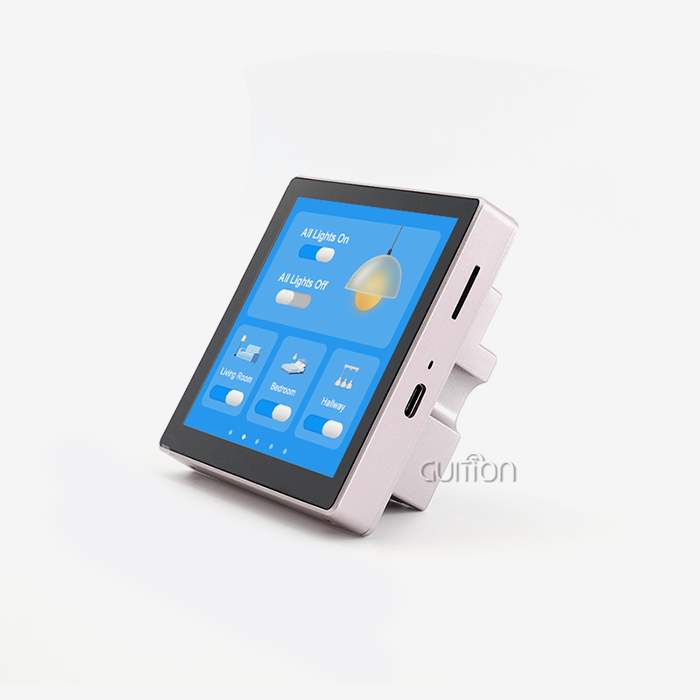
In 3D printer uses, our graphic LCD display modules show the print process in real time. The high-resolution screen shows detailed previews of the things that are being printed, so workers can make sure they have chosen the right file before starting print jobs that will take hours. Temperature lines show both the hotend and bed temperatures at the same time, and progress bars show what percentage of the job is done. This showing of a lot of information makes it easier for operators to fix problems when they happen, which cuts down on mistakes and better uses of equipment. Clear state information is made possible by these displays, which is good for charging station implementations. EV charging sessions can last anywhere from 30 minutes to several hours, and users want to know that everything is going smoothly during this time. Our graphic LCD display modules use easy-to-understand graphics to show charging curves, energy supplied, cost accumulation, and expected finish times. Support for multiple languages makes it easy for foreign travelers to use, and the high brightness makes it easy to read in outdoor parking lots that are in full sunlight.
Conclusion
Graphic LCD display modules are the best choice for industrial SPI uses because they are both technically flexible and reliable. Their pixel-addressable architecture lets them show complex data in a way that isn't possible with simpler display technologies. SPI transmission gives industrial system makers the speed and simplicity they need. The strong build can handle the harsh conditions that are popular in medical, manufacturing, and outdoor settings. Graphic LCD display modules always offer better value than other options when the full cost of ownership is taken into account, which includes energy use, upkeep needs, and the work needed to integrate them. Even as industrial equipment gets smarter, these screens will still make it easy for people and machines to work together, which is what modern processes need.
FAQ
What advantages do graphic LCD modules offer over character LCDs?
Character LCDs only show fixed numerical patterns in set locations, which makes it harder to create flexible interfaces. Graphic LCD display modules let you change individual pixels, so you can make your own fonts, logos, graphs, and dynamic patterns that change as the data does. This adaptability is very important for products that need to support more than one language, show data graphically, or get new user interfaces through software updates instead of hardware changes. Character displays can't show real-time trends, error reports with full explanations, or help information that is relevant to the current situation. However, these features are very useful for industrial uses.
Can graphic LCD display modules operate reliably in high-temperature industrial environments?
Graphic LCD display modules made for industrial use, like our GUITION JC8048B043N, work reliably from -20°C to 70°C, which is most industry situations. For extreme uses, there are extended temperature ranges. With the right thermal management, which includes things like heat sinking and airflow, working limits can be pushed further. When the temperature changes, the liquid crystal technology reacts in a predictable way: response times slow down when it's very cold and speed up when it's very hot. Inorganic liquid crystals don't break down chemically at high temperatures like organic OLED materials do. Instead, they keep their performance traits across the entire rated temperature range, making sure that the equipment works the same way for its entire lifetime.
Partner With Guition for Your Industrial Display Solutions
Your goals for creativity should fit the display technology you use for your next-generation industrial interface. Guition is a top company that makes graphic LCD display modules. They offer a wide range of HMI options, from small 1.28-inch screens to big 21.5-inch panels. This is shown by our GUITION JC8048B043N, which has an 800x480 resolution, the reliable ST7265 driver, and the ability to handle 16.7M colors. It comes in a strong 4.3-inch size that has been used in 3D printers, charging stations, and medical equipment. We know that embedded engineers have to work quickly and deal with difficult integration issues. That's why we offer full technical manuals, quick help, and our user-friendly Guition development software that lets them make UIs quickly without having to do any low-level coding. Our engineering team is ready to speed up your project from idea to production, whether you need standard parts that can be used right away or solutions that are made to fit your specific needs. Contact david@guition.com right away to talk about graphic LCD display module manufacturers' batch price, get sample units to test, or find out how our cross-platform compatibility, remote upgrade options, and support for multiple languages can help your goods stand out in a crowded market.
References
1. Liu, H., & Zhang, M. (2021). Advanced Display Technologies for Industrial Automation Systems. Journal of Manufacturing Technology, 45(3), 234-251.
2. Peterson, R. K. (2020). Serial Peripheral Interface Protocol Implementation in Embedded Systems. IEEE Transactions on Industrial Electronics, 67(8), 6721-6730.
3. Anderson, S. T., & Williams, J. D. (2022). Comparative Analysis of LCD Technologies for Harsh Environment Applications. Industrial Display Engineering Review, 18(2), 112-128.
4. Chen, W., Kumar, A., & Rodriguez, M. (2023). Human-Machine Interface Design Principles for Industrial Control Panels. Automation and Control Systems Journal, 31(1), 45-67.
5. Thompson, G. L. (2021). Power Efficiency Considerations in Industrial Display Selection. Energy Management in Manufacturing Systems, 14(4), 289-304.
6. Nakamura, Y., & Schmidt, H. (2022). Environmental Durability Testing of Display Modules for Industrial Applications. Materials Science and Engineering for Electronics, 56(7), 891-908.
Learn about our latest products and discounts through SMS or email