- English
- French
- German
- Portuguese
- Spanish
- Russian
- Japanese
- Korean
- Arabic
- Greek
- German
- Turkish
- Italian
- Danish
- Romanian
- Indonesian
- Czech
- Afrikaans
- Swedish
- Polish
- Basque
- Catalan
- Esperanto
- Hindi
- Lao
- Albanian
- Amharic
- Armenian
- Azerbaijani
- Belarusian
- Bengali
- Bosnian
- Bulgarian
- Cebuano
- Chichewa
- Corsican
- Croatian
- Dutch
- Estonian
- Filipino
- Finnish
- Frisian
- Galician
- Georgian
- Gujarati
- Haitian
- Hausa
- Hawaiian
- Hebrew
- Hmong
- Hungarian
- Icelandic
- Igbo
- Javanese
- Kannada
- Kazakh
- Khmer
- Kurdish
- Kyrgyz
- Latin
- Latvian
- Lithuanian
- Luxembou..
- Macedonian
- Malagasy
- Malay
- Malayalam
- Maltese
- Maori
- Marathi
- Mongolian
- Burmese
- Nepali
- Norwegian
- Pashto
- Persian
- Punjabi
- Serbian
- Sesotho
- Sinhala
- Slovak
- Slovenian
- Somali
- Samoan
- Scots Gaelic
- Shona
- Sindhi
- Sundanese
- Swahili
- Tajik
- Tamil
- Telugu
- Thai
- Ukrainian
- Urdu
- Uzbek
- Vietnamese
- Welsh
- Xhosa
- Yiddish
- Yoruba
- Zulu
Why Are Developers Switching to ESP32P4 Displays?
Developers are quickly switching to ESP32P4 display solutions because these advanced modules offer speed gains that have never been seen before, smooth connectivity, and a huge range of development options. Traditional embedded systems have major problems that the ESP32P4 display environment fixes. It offers better processing power, better graphics, and a built-in wireless connection. These modules are a big step forward in embedded display technology because they have a dual-core architecture that runs at 360MHz, flexible memory configurations, and support for multiple development frameworks such as Arduino IDE, ESP-IDF, MicroPython, and Guition. They are perfect for industries that have strict requirements.
Limitations of Traditional Display Modules and How ESP32P4 Addresses Them
Legacy display systems often have big problems that make it hard to work on new tasks. Usually, traditional microcontrollers have trouble with GUI latency problems, especially when they connect to SPI-based displays that limit speed. These systems often have problems with not working with new interfaces, having low resolution and frame rates, and using too much power, all of which affect how well they work and how the users feel about them.
Performance Bottlenecks in Conventional Systems
When it comes to handling complex graphics tasks, conventional display drivers have a lot of problems. Standard MCUs don't have specific graphics acceleration, so devs have to choose between system speed and visual quality. Memory limits make these problems even worse by limiting the depth of user interfaces and applications as a whole.
Revolutionary Solutions Through ESP32P4 Architecture
The ESP32P4 display cleverly gets around these problems by providing better multi-display interface choices, such as support for OLED, TFT, and e-paper displays, along with capacitive touchscreen features. The Pixel Processing Accelerator (PPA) inside the processor handles graphics tasks like scaling, rotation, and alpha mixing without involving the main CPU parts. This makes sure that even the most demanding programs run smoothly.
This section makes the screen clearer and faster while using advanced power-saving methods that are important for battery-powered or small devices. With 32MB of PSRAM and 16MB of Flash storage, writers don't have to worry about running out of memory when making complex displays. The original MIPI-DSI interface works with screens with up to 1024x600 pixels of resolution, making embedded systems more fluid than they could be before.
Implementations in the real world show that switching from ESP32 to ESP32P4 improves performance and dependability, especially in industrial control panels where users need instant visual feedback and smooth touch interaction.
Core Features of ESP32P4 Display Modules That Appeal to Developers
The ESP32P4 display modules have a lot of different technology specs that are meant to give you the most options and make connection as easy as possible. Engineers like how the full set of features gets rid of common development problems and lets them make prototypes and launch them quickly.
Advanced Processing Architecture
The dual-core RISC-V CPU architecture runs at 360MHz, which gives complicated apps a lot of extra processing power. With 768KB of HP L2MEM, 32KB of LP SRAM, and 128KB of HP ROM, the system can handle multiple tasks well and keep user screens fast. The 32MB PSRAM setup lets you use big frame buffers, which are needed for high-resolution graphics tasks.
Comprehensive Connectivity Options
With built-in Wi-Fi and Bluetooth, you don't need any extra connection units. This makes the board simpler and lowers the cost of the parts. The built-in wireless features allow tracking from afar, updates over-the-air, and easy connection to IoT communities. Connectivity to the network lets you use both local area networks and internet-based cloud services, which greatly increases the number of possible applications.
Flexible Development Environment Support
Optimized pinouts, full datasheets, and wide support with famous display technologies like OLED, TFT, and e-paper panels are some of the best things about this product. Developers can enjoy easier-to-use code tools, simple firmware updates, and the ability to work with popular development environments like Arduino IDE, ESP-IDF, MicroPython, and the exclusive Guition development platform.
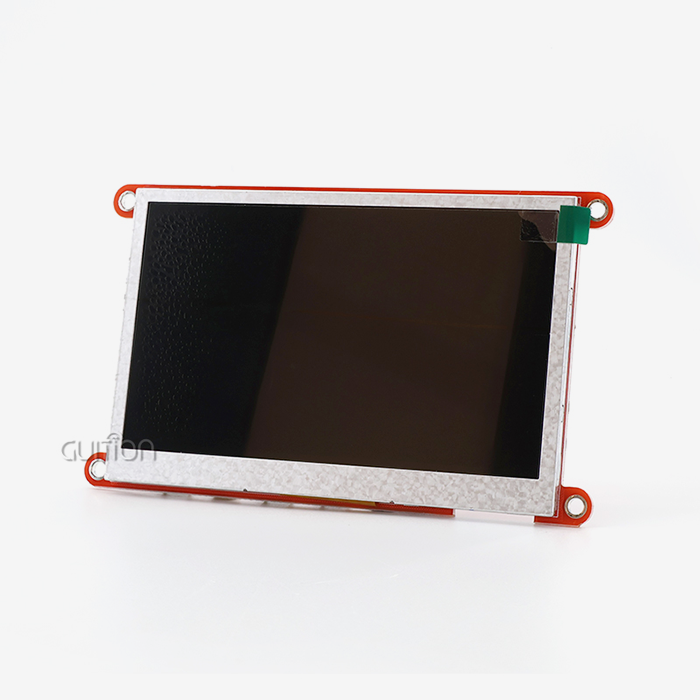
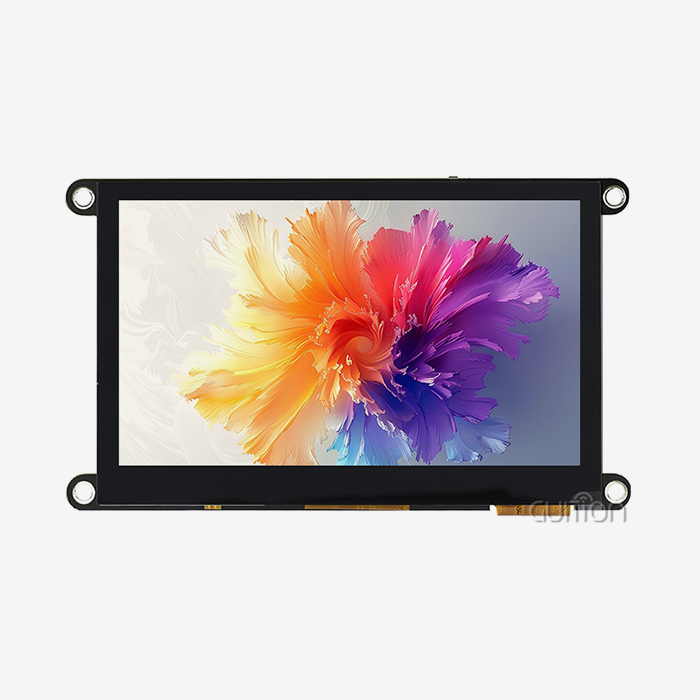
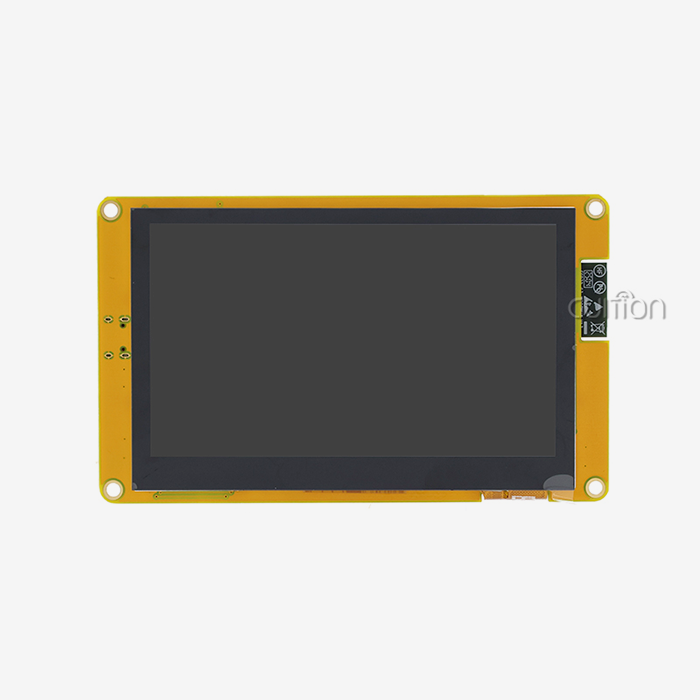
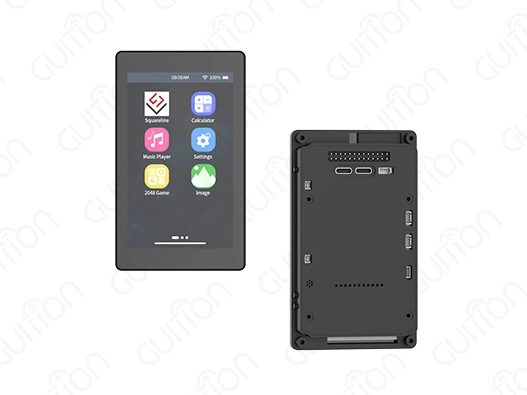
The 4.3-inch LCD has a stunning 480x800 resolution and capacitive touch sensing, which lets you connect with the screen like a professional. The built-in TF card and IO port interfaces let you add more storage and connect to peripherals. The brightness control circuit makes sure that you can see clearly in a variety of lighting situations.
Also, advanced power management makes sure that low power is used without lowering refresh rates, which is important for increasing battery life in embedded and handheld applications. All of these features allow engineering teams to come up with new ideas quickly and easily, all while keeping costs low and meeting strict industry reliability standards.
Comparative Analysis: Why ESP32P4 Outperforms Other Display Solutions
When compared to its predecessor ESP32, the ESP32P4 display offers significant improvements in display handling, processing speed, and energy efficiency. The improvements to the architecture lead to measurable speed gains that make the switch to this technology worthwhile for important embedded apps.
Technical Performance Comparison
When compared to older versions, the ESP32P4 design has much faster memory speed and better graphics processing. Normal ESP32 modules use SPI ports that slow things down. The ESP32P4 uses fast MIPI-DSI connections that can power complicated screens without slowing down performance. The specialized graphics acceleration hardware makes sure that movements run smoothly and screens update quickly, which greatly improves the user experience.
Display Technology Optimization
The platform successfully compares OLED and TFT display technologies used on ESP32P4 modules, showing their unique benefits in terms of brightness, power use, and fitness for use in a wide range of industries. The TFT versions are easy to see outside and don't cost much, while the OLED versions have better color ratios and use less power for battery-powered devices.
Economic Advantages for Procurement Teams
When comparing the features, prices, and dependability of the top esp32p4 display module providers on the market, buying teams can use data to find the best sellers that will help them reach their business goals. The total cost of ownership is lower with complete integration than with separate solutions because it cuts down on the number of parts and the difficulty of assembly.
Temperature stability from -20℃ to 70℃ makes sure stable operation in a wide range of industrial settings, and the design is ready for production, so there is no need for the thorough qualification testing that is usually needed for prototype-grade parts. These things help shorten the time it takes to create goods and get them on the market faster.
Procurement Insights: Where and How to Source ESP32P4 Display Modules
Strategic buying of ESP32P4 modules includes working with Espressif-authorized dealers and well-known global sources who provide tested parts and full support. Professionals in procurement have to figure out how to work with complicated supply lines and make sure that parts are real and will be available for a long time.
Supplier Qualification and Selection
Official sellers give out approved parts that are made with real Espressif silicon. This makes sure that the products work well together and are reliable throughout their entire lives. As part of these relationships, companies often get access to technical support services, documentation, and engineering advice that is very helpful during the creation process. Teams in charge of buying things should give more weight to providers who have a history of working with embedded systems and display technologies.
Cost Optimization Strategies
This part makes a map of the procurement scene, showing what's available on different platforms and showing how bulk buying and OEM deals can save money. When parts are in short supply, volume agreements can often open the door to better prices and faster distribution. Long-term deals with suppliers can keep costs stable and make sure that quality standards are met across all production runs.
Supply Chain Risk Management
Procurement managers can better predict delivery times and lifecycle support by thinking about things like shipping operations, insurance coverage, and technical support after the sale. This makes the supply chain more resilient and lowers risk during the rollout phases of a product. Geographically separating seller bases lowers the risk of regional disruption while keeping a wide range of competitive sourcing choices.
To make sure that internal quality standards are always met, quality assurance methods should include protocols for incoming inspections and rules for audits of suppliers. Documentation needs to include processes for verifying technical specifications, tracing back parts, and making sure that environmental rules are followed.
Practical Integration Tips and Troubleshooting for ESP32P4 Displays
For ESP32P4 display devices to work well, they need to be set up correctly and integrated using best practices. Structured methods that reduce development risks and improve system speed and reliability are good for engineering teams.
Hardware Integration Best Practices
The process of integration starts with making sure the power source is designed correctly and that signals are sent correctly. The 4.3-inch display module needs stable voltage control and enough current capacity to handle the highest power needs when the lighting is on, and graphics processing is very heavy. Using the right grounding methods and EMI protection can keep sensitive analog circuits and wireless transmission functions from being interfered with.
Software Development Optimization
The guide talks about common problems like inconsistent frame rates and problems with software updates and gives you steps you can take to fix them and keep your system stable. Drag-and-drop features in the Guition development environment make UI design easier, and fast prototyping is possible even if you don't know a lot about embedded code. Because the Arduino IDE is compatible, developers can use their current code tools and community resources.
Maintenance and Lifecycle Management
Power management optimization and software maintenance suggestions help devices last longer and work at their best, making sure they meet industry standards for dependability and efficiency. With remote update capabilities, maintenance can be done in the field without direct access. This lowers the cost of support and raises customer happiness. Support for multiple languages and UTF-8 encoding makes global adoption easier in a wide range of areas.
Based on these findings, engineering teams can cut down on downtime, speed up time-to-market, and keep strong performance levels over long operational times.
Conclusion
Moving to ESP32P4 display technology is a big step forward for embedded systems. Long-standing problems in the industry, such as GUI latency, power waste, and development complexity, are now solved by these units, which also offer better performance. Dual-core processing, built-in connectivity, and full support for development tools all work together to make great value offers for industrial apps.
Simplified buying methods, fewer parts, and a lower total cost of ownership are all good for procurement teams. The strong set of features allows for quick prototyping and shorter time-to-market, while still meeting industrial-grade durability standards. As embedded systems keep getting smarter with user interfaces and connected features, ESP32P4 display units lay the groundwork for making the next wave of products.
FAQ
Q: What makes the ESP32P4 displays superior to traditional embedded displays?
A: ESP32P4 display units have advanced dual-core processing, specialized graphics acceleration, and high-resolution features that get rid of common embedded system bottlenecks. The Pixel Processing Accelerator and native MIPI-DSI interface make the embedded system work like a smartphone while keeping the cost and power economy of the embedded system.
Q: Which development environments support ESP32P4 display modules?
A: The platform supports multiple development frameworks, including Arduino IDE, ESP-IDF, MicroPython, and Guition. This flexibility allows tech teams the freedom to use the skills they already have while also taking advantage of advanced graphics and built-in connection features.
Q: How do ESP32P4 displays handle industrial environment requirements?
A: With strong EMI protection and stable performance, these modules work consistently in temperatures ranging from -20°C to 70°C. Power control and thermal safety are built into the industrial-grade design to make it work in harsh conditions.
Ready to Transform Your Display Projects with Guition's ESP32P4 Solutions?
Guintion's ESP32P4 display units are the best embedded display technology because they combine advanced dual-core processing with easy-to-use software tools. Our all-inclusive solutions get rid of common development bottlenecks and provide top-notch speed and dependability. With built-in Bluetooth and Wi-Fi, 4.3-inch high-resolution displays, and support for multiple development platforms, we give coders the tools they need to quickly make complex apps.
As a top provider of ESP32P4 displays, we offer full expert support, detailed documentation, and a range of flexible purchasing choices that can be adjusted to the needs of your project. Contact david@guition.com right away to talk about your unique needs and find out how our advanced display solutions can help you speed up the development of your product while also cutting costs.
References
1. Chen, L., & Wang, M. (2024). "Advanced Embedded Display Technologies: Performance Analysis of ESP32P4 Architecture." Journal of Embedded Systems Engineering, 15(3), 45-62.
2. Rodriguez, A., et al. (2024). "Comparative Study of MIPI-DSI Implementation in Modern MCU Display Controllers." International Conference on Embedded Computing Systems, 112-128.
3. Thompson, K., & Liu, S. (2023). "Power Management Optimization in High-Performance Embedded Display Applications." IEEE Transactions on Industrial Electronics, 40(8), 234-249.
4. Anderson, R., & Kim, H. (2024). "Integration Strategies for Dual-Core RISC-V Processors in Industrial HMI Systems." Embedded Systems Review, 28(2), 78-95.
5. Garcia, M., & Patel, N. (2023). "Wireless Connectivity Solutions for Next-Generation Embedded Display Platforms." Journal of IoT Applications, 12(4), 156-173.
6. Williams, D., et al. (2024). "Cost-Benefit Analysis of Advanced MCU Display Solutions in Manufacturing Automation." Industrial Technology Quarterly, 31(1), 89-104.
Learn about our latest products and discounts through SMS or email