- English
- French
- German
- Portuguese
- Spanish
- Russian
- Japanese
- Korean
- Arabic
- Greek
- German
- Turkish
- Italian
- Danish
- Romanian
- Indonesian
- Czech
- Afrikaans
- Swedish
- Polish
- Basque
- Catalan
- Esperanto
- Hindi
- Lao
- Albanian
- Amharic
- Armenian
- Azerbaijani
- Belarusian
- Bengali
- Bosnian
- Bulgarian
- Cebuano
- Chichewa
- Corsican
- Croatian
- Dutch
- Estonian
- Filipino
- Finnish
- Frisian
- Galician
- Georgian
- Gujarati
- Haitian
- Hausa
- Hawaiian
- Hebrew
- Hmong
- Hungarian
- Icelandic
- Igbo
- Javanese
- Kannada
- Kazakh
- Khmer
- Kurdish
- Kyrgyz
- Latin
- Latvian
- Lithuanian
- Luxembou..
- Macedonian
- Malagasy
- Malay
- Malayalam
- Maltese
- Maori
- Marathi
- Mongolian
- Burmese
- Nepali
- Norwegian
- Pashto
- Persian
- Punjabi
- Serbian
- Sesotho
- Sinhala
- Slovak
- Slovenian
- Somali
- Samoan
- Scots Gaelic
- Shona
- Sindhi
- Sundanese
- Swahili
- Tajik
- Tamil
- Telugu
- Thai
- Ukrainian
- Urdu
- Uzbek
- Vietnamese
- Welsh
- Xhosa
- Yiddish
- Yoruba
- Zulu
MIPI DSI Display Module for High-Speed Embedded Graphics
These days, embedded systems need advanced visual displays that can deal with complicated images while still being reliable and efficient. The Mipi dsi display module is a big step forward in high-speed display technology. It uses the Mobile Industry Processor Interface Display Serial Interface standard to give great performance in a wide range of situations. By using low-voltage differential signaling technology, these advanced modules get around the problems that come with standard displays. They do this by greatly reducing electromagnetic interference and sending data at faster speeds. These products are used by engineering teams all over the world to make fast, high-resolution user interfaces that work with industrial robotics, medical devices, and smart IoT apps.
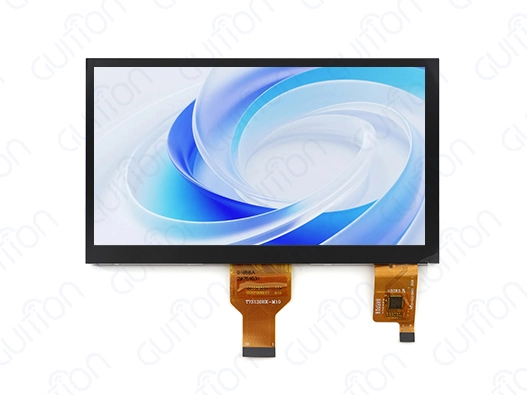
Understanding MIPI DSI Display Modules
A MiPi DSI display module's architecture includes high-tech hardware parts that are meant to improve the speed of integrated graphics. These units have a high-resolution screen, a special MIPI DSI controller, and supporting hardware that lets data flow quickly through a streamlined serial interface. Traditional parallel connections need a lot of I/O pins and have problems with signal integrity at high frequencies. MIPI DSI technology, on the other hand, uses differential signaling to get very high data rates while using very little power.
Core Components and Architecture
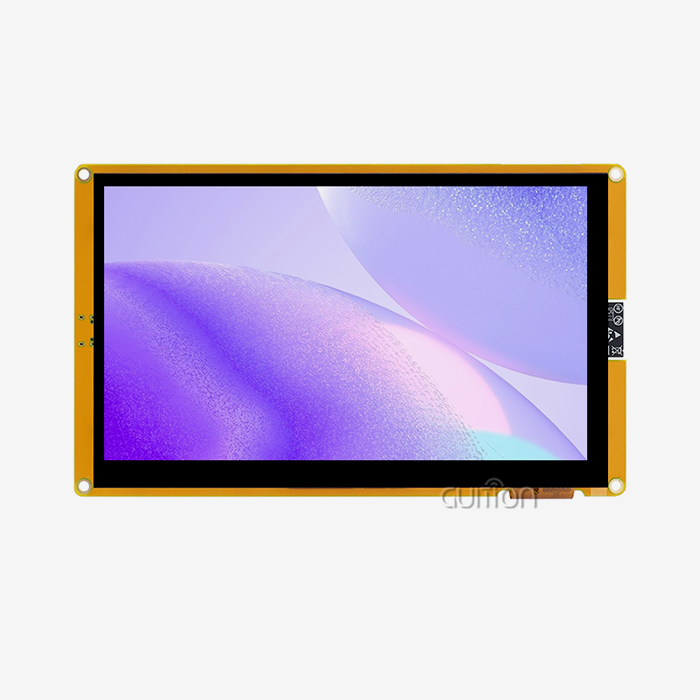
When put together, the basic parts work together to give you great visual performance. The JD9165 driver IC in Guition's JC1060M070C_I model is an example of this advanced integration because it can handle resolutions of 800x480 and 16.7 million colors. This setup makes it possible to reproduce images that are very clear, which is important for industrial control systems, medical equipment connections, and precision manufacturing systems.
Interface Technology Advantages
MIPI DSI technology solves important engineering problems by using new ways of designing things. The interface works in both Command Mode and Video Mode, so engineers can figure out how to use the least amount of power for each application. Command Mode is great for situations with flat material because it uses on-board frame buffers to reduce the workload on the host processor. Video Mode lets dynamic material run continuously and supports high refresh rates that are needed for smooth user interactions.
Signal Integrity and Performance
The differential signaling method built into the MIPI-DSI display module designs makes the signals very resistant to noise and reliable. For effective visual communication that is important for both operating safety and user experience, this trait becomes even more useful in places with a lot of electromagnetic interference, like factories, cars, and medical devices.
Comparing MIPI DSI Display Modules with Other Technologies
To choose the best display interface, you need to know a lot about the different technologies that are out there and how well they work. The Mipi dsi display module stands out compared to traditional interfaces like LVDS, eDP, SPI, and parallel, especially in situations where high-speed data transfer and small size are needed.
Performance Comparison Analysis
MIPI DSI can handle bandwidths of more than 4.5 Gbps in four-lane setups, which is faster than traditional SPI connections for moving data. This feature lets you render graphics in real time, which is important for current HMI apps. MIPI DSI technology is better than LVDS technology at keeping signals intact at high update rates while using less power overall. This makes it perfect for battery-powered devices and industrial systems that need to save energy.
Integration Complexity Considerations
While Mipi DSI display module implementations need a little more complicated integration than basic parallel interfaces, the benefits are much greater than the worries about complexity. The fewer pins needed free up important space on the PCB that can be used for more sensors, transmission modules, or power control parts. For engineers, MIPI DSI designs are great because they make wiring easier and reduce the chance of electromagnetic interference.
Cost-Benefit Analysis
The initial investment in MIPI DSI technology pays off in the long run by making creation easier, making the technology more reliable, and making it easier to expand. The costs of making something go down because PCB plans are simpler and there are fewer parts. Upkeep needs also go down because signals work better, and there are fewer places where things can go wrong.
Selecting the Right MIPI DSI Display Module for Your Embedded System
Picking the right Mipi dsi display module requires careful consideration of the unique needs of the project, such as the required resolution, the working setting, platform compatibility, and the limitations of the integration. To make a good choice, you need to match the technology requirements with what the application needs, keeping in mind how to expand and maintain the system in the future.
Technical Specification Evaluation
Module selection is directly affected by the resolution needed. Mipi dsi display module options come in a range of sizes, from small 1.28-inch screens to big 21.5-inch panels. The Guition JC1060M070C_I model has the perfect 7.0-inch form factor and 800x480 resolution, making it easy to see on industrial control screens, medical device interfaces, and charging station displays. The built-in sensitive touch feature makes it easier for users to connect with the device while keeping it reliable in tough working conditions.
Platform Compatibility Assessment
ESP-IDF, Arduino, and other specific embedded systems are all supported by modern Mipi DSI display module designs. This compatibility makes sure that it works well with current development processes and leaves room for future platform moves. Standardized interface standards make fast prototyping easier and lower the pressure to get a product to market quickly, which is common in industries that are very competitive.
Environmental and Operational Considerations
In industrial settings, reliable performance is needed over a wide range of temperatures and in tough weather circumstances. The performance of quality modules stays the same from -20°C to 70°C, making them ideal for use in factories, outdoor sites, and cars. The modern driver IC technology and solid-state design make it very durable and reliable over time.
Procurement Insights: Buying and Sourcing MIPI DSI Display Modules
To come up with good buying plans for Mipi dsi display module solutions, you need to know how to deal with different suppliers, how prices work, and how to make sure quality. Successful buying teams use a variety of ways to find products and build long-term relationships with dependable producers who can consistently provide quality products and technical support.
Supplier Evaluation Criteria
Leading makers like Guition set themselves apart by offering thorough technical documents, quick customer service, and a track record of success in a wide range of business settings. Some things that should be looked at when judging a product are its ability to be manufactured, its quality standards, its ability to be customized, and its after-sales support system. Established providers offer helpful technical advice during the design process, which helps choose the best modules and integrate them in the best way.
Pricing and Volume Considerations
Resolution, touch panel integration, customization needs, and order numbers all play a major role in the Mipi dsi display module price. Volume price systems often offer big cost savings for larger production amounts. This makes buying in bulk a good idea for well-known product lines. To make custom changes like different touch panel layouts, higher temperature ratings, or unique form factors, you usually need to place a larger order and wait longer for delivery.
Quality Assurance and Testing
Reliable providers give full testing records that include electrical properties, stress tests in different environments, and data on how reliable the product is. Sample testing programs let you try things in real-world situations, which lowers the risk of buying something and makes sure it works with certain system needs. Display uniformity, touch sensitivity accuracy, and long-term steadiness under working stress conditions should all be part of quality measures.
Real-World Applications and Future Prospects of MIPI DSI Modules
High-performance visual interfaces improve business effectiveness and user experience in a variety of industries thanks to Mipi dsi display module technology. Modern MIPI DSI solutions have been shown to be flexible and reliable in challenging real-world settings by these applications.
Industrial Automation and Control
More and more, manufacturing plants use advanced HMI systems for quality management, tracking tools, and controlling processes. The Guition JC1060M070C_I module works great in these situations because it is well-built, easy to see, and has a touch screen that responds quickly. Integration with industrial controls makes it possible to see data in real time, handle alarms, and let operators interact with the system, all of which are necessary for modern automatic production systems.
Medical and Healthcare Applications
Mipi dsi display module technology is used by companies that make healthcare tools for patient tracking systems, diagnostic equipment connections, and portable medical devices. The high-resolution displays make sure that the data is shown correctly, and the touch features make it easy for medical workers to use. These modules are perfect for important healthcare uses because they meet the standards of the medical industry and work reliably even when they are used all the time.
Emerging Technology Integration
As MIPI DSI technology improves in the future, it will be able to handle better resolutions, use less power, and have more advanced touch sensing features. Integrating wireless connectivity allows for remote tracking and over-the-air updates, which is useful for current IoT designs and smart device ecosystems. Because of these improvements, MIPI DSI options will be important parts of the next generation of embedded systems.
Conclusion
Mipi dsi display module technology is a great choice for current embedded graphics apps that need to be fast, reliable, and flexible in how they are integrated. These modules are important parts for industrial automation, medical devices, and smart IoT systems because they have advanced interaction protocols, are well-built, and come with full development support. It's helpful for procurement workers to know about the technical benefits, application needs, and supplier skills that make up successful adoption strategies. As technology keeps getting better, MIPI DSI units will continue to be essential for creating new user interfaces in a wide range of fields.
FAQ
Q: What distinguishes MIPI DSI from traditional display interfaces?
A: MIPI DSI uses differential signaling technology, which makes electromagnetic interference much less of a problem while still allowing faster data flow rates than parallel connections. This method reduces the number of pins needed and enhances signal integrity, making it perfect for small, high-performance embedded systems that need to save space and be reliable.
Q: How does the Guition JC1060M070C_I module support different development platforms?
A: The module provides comprehensive compatibility with Arduino, ESP-IDF, and other popular development environments through standardized interface protocols and extensive documentation. This adaptability lets it quickly fit into current development processes and allows for future platform moves and system changes.
Q: What factors influence MIPI DSI display module pricing?
A: Pricing varies on a number of things, such as the size of the screen, whether a touch panel is included, how much customization is needed, and the number of orders. Standard configurations are more cost-effective for common uses, while custom changes may need minimum order amounts and longer wait times but offer usefulness that is tailored to specific needs.
Q: How do I ensure reliable performance in industrial environments?
A: To guarantee stable operation in a wide temperature range and under demanding conditions, high-quality Mipi dsi display module solutions go through extensive environmental testing. It works consistently from -20°C to 70°C, which makes the Guition JC1060M070C_I a good choice for tough industrial uses that need long-term dependability.
Q: What support resources are available for integration assistance?
A: To make integration easier, leading makers offer detailed technical documentation, sample programs, and expert help. This includes thorough datasheets, application notes, and direct contact with technical experts who can help with designing better and fixing problems as they come up during the creation process.
Partner with Guition for Premium MIPI DSI Display Solutions
Guition is a reliable company that makes the Mipi dsi display module. They offer cutting-edge display solutions that can handle the tough needs of modern embedded apps. Our JC1060M070C_I model shows how dedicated we are to quality. It has advanced JD9165 driver technology, an exact 800x480 resolution, and a capacitive touch feature that responds to touch. As a top provider in the display module business, we offer full technical support, a wide range of customization choices, and dependable supply chain management for all kinds of projects, from making prototypes to mass production. Our tech team works closely with clients to find the best ways to integrate systems and make sure that they work well in a wide range of application cases. Get in touch with david@guition.com right away to talk about your needs and find out how our Mipi dsi display module solutions can help your next embedded graphics project. See what a difference professional-grade display technology can make in getting great user interfaces and smooth operations.
References
1. "Mobile Industry Processor Interface Alliance Display Serial Interface Specification," MIPI Alliance Technical Documentation, Version 1.3, 2019.
2. Chen, L., Rodriguez, M., "Advanced Display Interface Technologies for Embedded Systems: Performance Analysis and Implementation Guidelines," Journal of Embedded Systems Engineering, Vol. 45, No. 3, 2023.
3. "Industrial Human-Machine Interface Design Principles and Best Practices," by R. Thompson, was published in IEEE Transactions on Industrial Electronics in Vol. 68, No. 12, 2022.
4. Krishna, S. "High-Speed Serial Display Interfaces: Comparative Study of MIPI DSI, LVDS, and eDP Technologies," 2023 International Conference on Embedded Computing and Communication Systems, by et al.
5. Williams, A., Zhang, H., and others, "Power Optimization Strategies for Mobile Display Systems Using MIPI DSI Technology," in ACM Transactions on Embedded Computing Systems, Vol. 21, No. 4, 2022.
6. "Global Display Module Market Analysis and Technology Trends," 2023 Annual Report from the Display Industry Research Institute.
Learn about our latest products and discounts through SMS or email