- English
- French
- German
- Portuguese
- Spanish
- Russian
- Japanese
- Korean
- Arabic
- Greek
- German
- Turkish
- Italian
- Danish
- Romanian
- Indonesian
- Czech
- Afrikaans
- Swedish
- Polish
- Basque
- Catalan
- Esperanto
- Hindi
- Lao
- Albanian
- Amharic
- Armenian
- Azerbaijani
- Belarusian
- Bengali
- Bosnian
- Bulgarian
- Cebuano
- Chichewa
- Corsican
- Croatian
- Dutch
- Estonian
- Filipino
- Finnish
- Frisian
- Galician
- Georgian
- Gujarati
- Haitian
- Hausa
- Hawaiian
- Hebrew
- Hmong
- Hungarian
- Icelandic
- Igbo
- Javanese
- Kannada
- Kazakh
- Khmer
- Kurdish
- Kyrgyz
- Latin
- Latvian
- Lithuanian
- Luxembou..
- Macedonian
- Malagasy
- Malay
- Malayalam
- Maltese
- Maori
- Marathi
- Mongolian
- Burmese
- Nepali
- Norwegian
- Pashto
- Persian
- Punjabi
- Serbian
- Sesotho
- Sinhala
- Slovak
- Slovenian
- Somali
- Samoan
- Scots Gaelic
- Shona
- Sindhi
- Sundanese
- Swahili
- Tajik
- Tamil
- Telugu
- Thai
- Ukrainian
- Urdu
- Uzbek
- Vietnamese
- Welsh
- Xhosa
- Yiddish
- Yoruba
- Zulu
Which ESP32P4 Display Module Features Matter Most for Projects?
The esp32p4 display module is always at the top of the list for engineers and product managers when they're trying to find the perfect HMI solution. That is not an accident. The ESP32-P4 chip is delivered in a single, cost-manageable package with a 400MHz dual-core RISC-V CPU, native MIPI-DSI output, H.264 hardware encoding, and support for up to 32MB of PSRAM. If you’re a team producing industrial panels, smart appliances or medical monitoring devices, understanding which characteristics are essential to your unique project saves both time and expense. This tutorial leads you through the specs, comparisons, and real-world use cases that fuel educated choices.

Understanding ESP32P4 Display Module Specifications and Capabilities
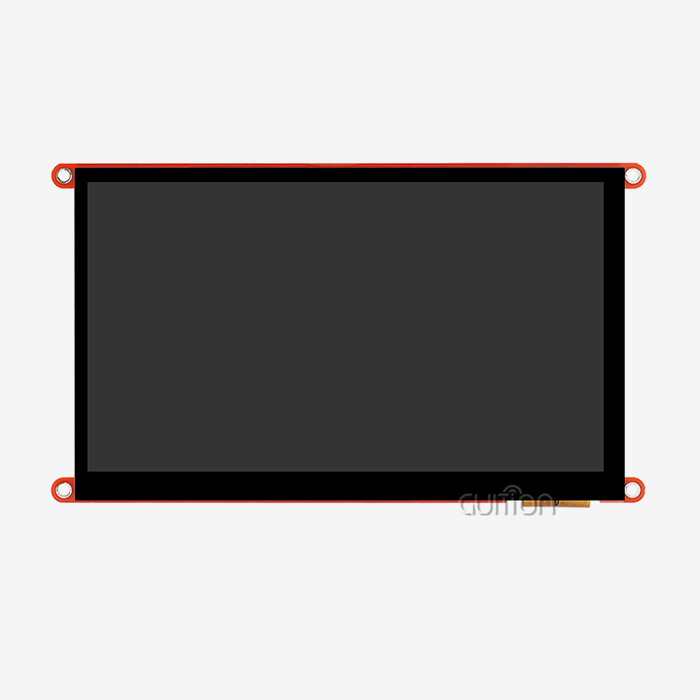
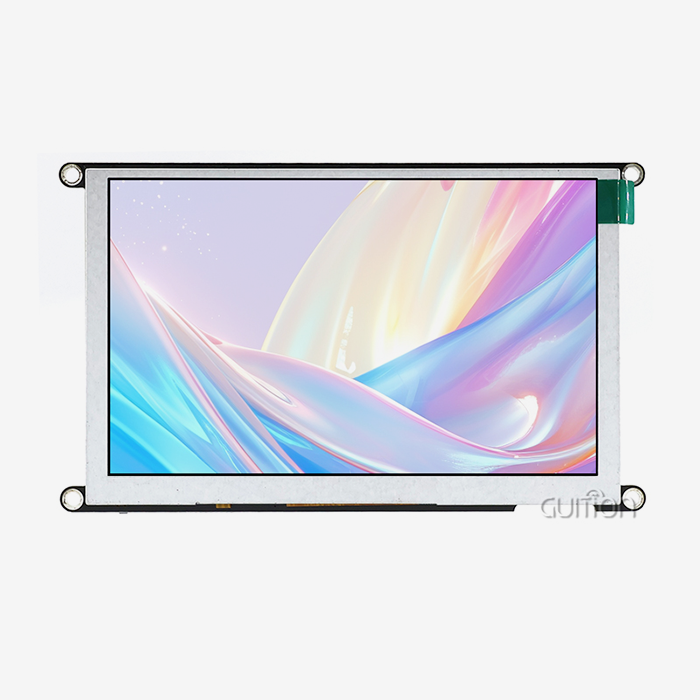
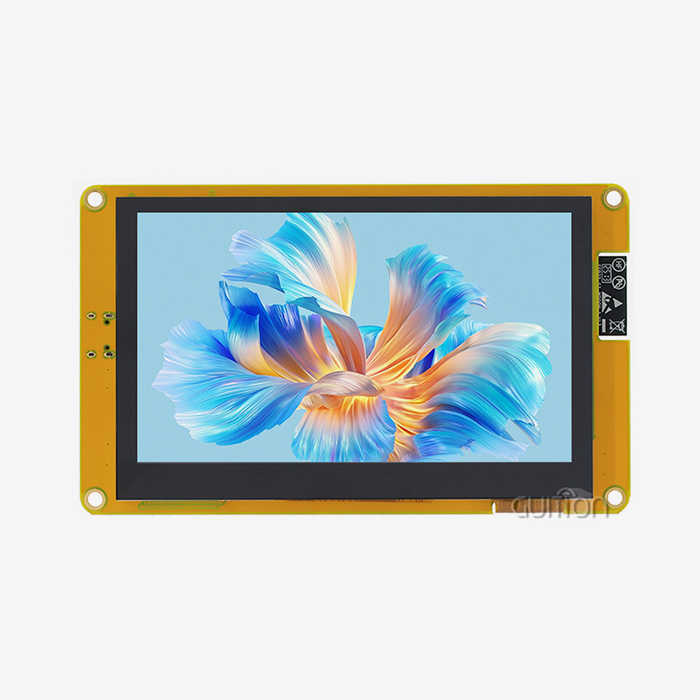
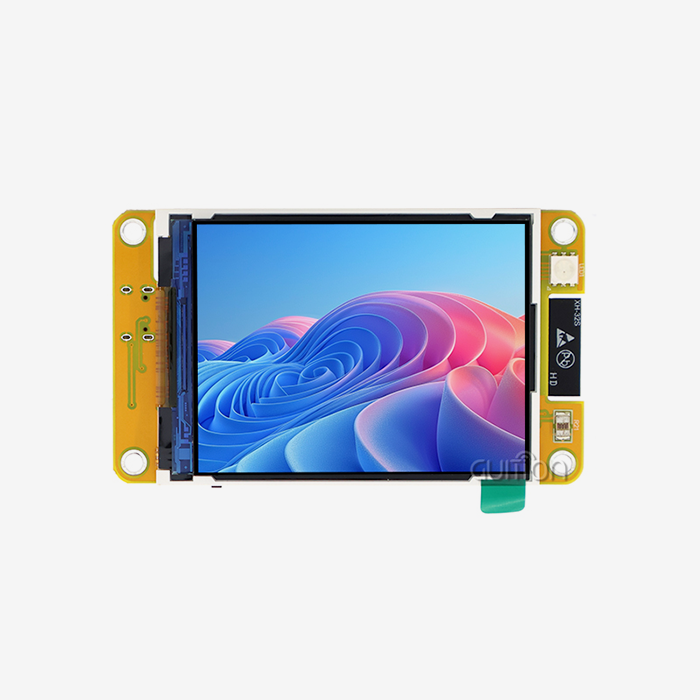
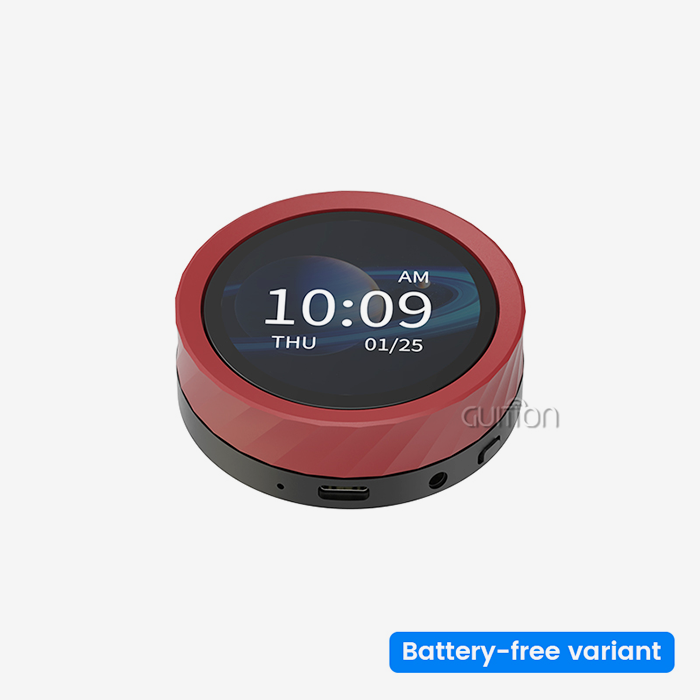
Before you can choose any integrated display solution, you need to have a clear idea of what the hardware can truly perform. A good model here is the GUITION JC-ESP32P4-M3-DEV, which includes the ESP32-P4 with an ESP32-C6 co-processor, providing a platform designed for both multimedia and communication.
Processing Power and Memory
The ESP32-P4 comes with a dual-core RISC-V CPU running at 400MHz, a big step up from the 240MHz of the ESP32-S3. It supports up to 32MB of external PSRAM, thus UI frameworks like LVGL have ample frame buffer capacity to draw animations at a consistent 60 FPS without screen tearing. This headroom is important for applications requiring real-time display of data.
Display Interface Options
As well as a native MIPI-DSI interface for driving high-resolution displays up to 800×1280 with stable refresh rates. It also supports MIPI-CSI with integrated Image Signal Processor (ISP) for camera-based applications. Other interfaces include SPI, I2C, I2S, UART, ADC, LED PWM, MCPWM, RMT, TWAI, and USB OTG 2.0 HS. System integration is easy for a wide variety of peripheral combinations.
Wireless Connectivity and Security
The built-in ESP32-C6 handles Wi-Fi 6 and Bluetooth 5 communications independently of the main CPU, ensuring that network activity does not affect multimedia performance. On the security front, ESP32-P4 has a digital signature peripheral and a dedicated key management unit – both hardware-level safeguards that are important for connected industrial and medical applications.
Comparing ESP32P4 Display Modules with Alternatives for Informed Procurement
The ESP32P4 display module's comparison with the ESP32-S3 and previous ESP8266-based boards is a typical question from procurement teams. The answer relies on your project’s resolution, throughput, and security needs.
Performance Metrics: ESP32P4 vs. ESP32-S3 vs. ESP8266
The ESP32-S3 is adequate for mid-range HMI work; however, it uses SPI or parallel RGB connections, limiting the realistic resolution of the display to around 800×480. The ESP8266 does not have a hardware display interface; thus hence is seldom utilized in modern HMI designs. In terms of producing complicated vector graphics or playing back video with a live UI, the ESP32-P4’s inbuilt MIPI-DSI and 2D Pixel Processing Accelerator (PPA) put it far beyond both options.
Display Type Evaluation In the ESP32P4 Ecosystem
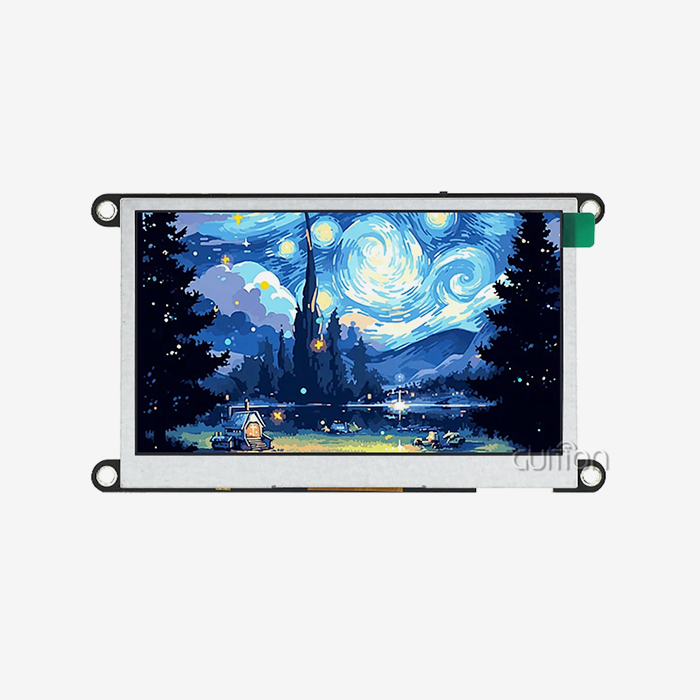
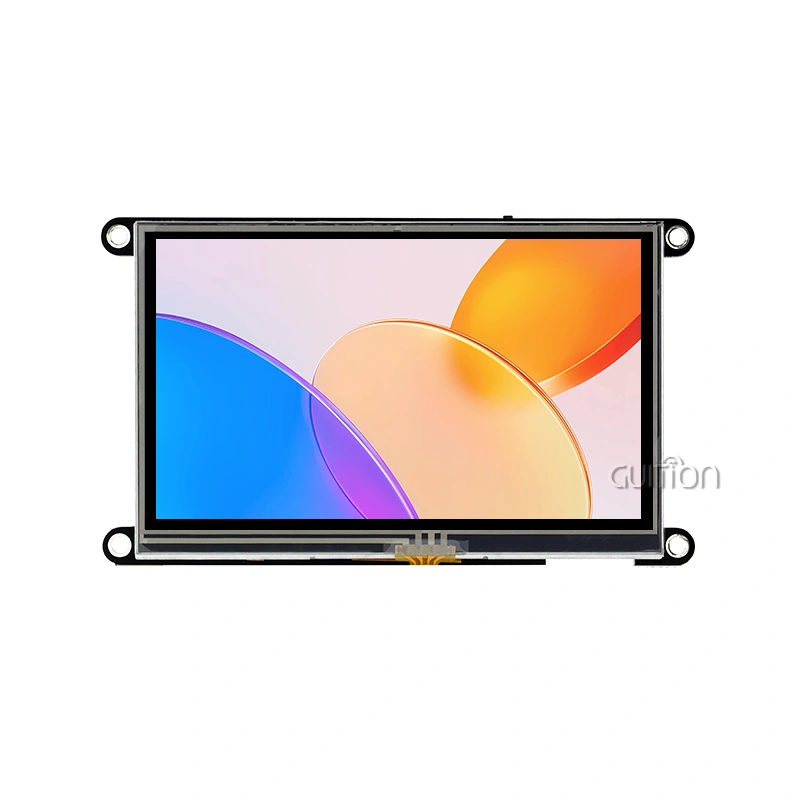
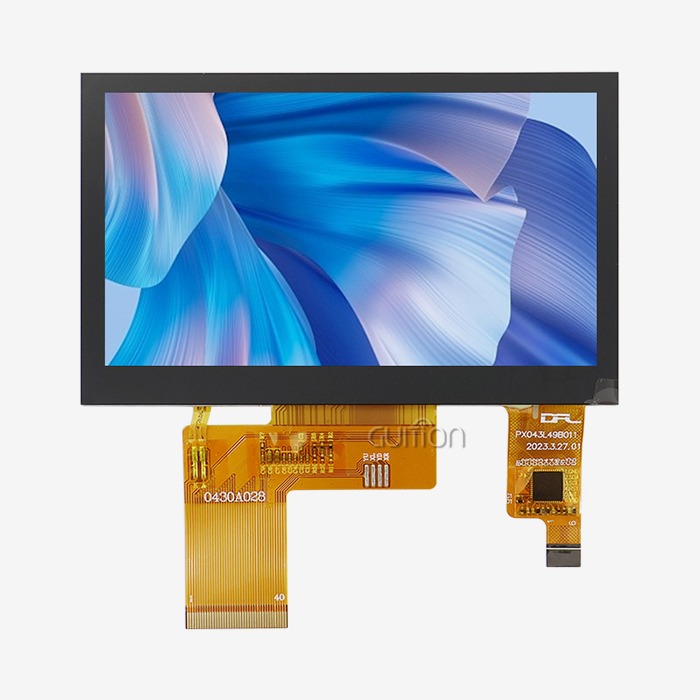
For industrial use, MIPI-DSI-linked TFT LCD panels provide the optimum trade-off between brightness, color accuracy, and cost. OLED displays provide great contrast for wearables or small applications, but cost more per unit as the panels get bigger. Capacitive touchscreen overlays match nicely with the ESP32P4's processing capability, offering responsive input without CPU-intensive polling cycles.
Supplier Reliability and Pricing Considerations
For B2B procurement, certifications, paperwork quality, and logistical consistency are as important as chip requirements. GUITION’s product portfolio spans display sizes from 1.28″ to 21.5″ with uniform firmware support and technical documentation throughout the range. For teams procuring in bulk, it’s better to engage directly with a manufacturer that can provide reliable supply and clear after-sales channels.
Key Features Driving Project Success with ESP32P4 Display Modules
Not every datasheet standard converts into a meaningful project benefit. The following are the aspects that always decide whether an HMI project ships on schedule and runs properly in the field.
High Resolution and Refresh Rate
Panels operated with MIPI-DSI at 60 FPS remove the visual latency that bothers operators on production floors or in clinical settings. The JC-ESP32P4-M3-DEV enables up to 800×1280 resolution, enough to show numerous data streams at once on a dashboard without cluttering the layout.
Power Efficiency and Low-Power Modes
Hardware that can idle gracefully is needed for IoT installations and battery-powered monitors. The ESP32-P4 has customizable low-power modes, and offloading wireless duties to the ESP32-C6 co-processor avoids the main CPU from remaining on only to keep a network connection alive. This approach enhances the operational life of remote monitoring applications.
Interface Flexibility for System Integration
Different projects need different connection profiles. The JC-ESP32P4-M3-DEV includes UART, SPI, I2C, I2S, ADC, TWAI (for CAN bus industrial networks), and USB OTG 2.0 HS for this — all in one board. System architects creating complicated automation controllers enjoy not needing to incorporate extra bridge chips only to interface with older sensors or actuators.
Practical Use Cases and Examples Showcasing ESP32P4 Display Modules
Understanding specs is one thing; seeing where they deliver real results is another. The ESP32-P4 platform has found traction across several distinct application categories.
Industrial HMI Control Panels
Factory automation systems using the JC-ESP32P4-M3-DEV benefit from the TWAI interface for CAN bus integration with PLCs, while the MIPI-DSI ESP32P4 display module output renders machine status data clearly under bright ambient lighting. Hardware security features protect operational telemetry from unauthorized access — a growing concern in connected manufacturing environments.
Smart Home and Commercial Terminals
Wall-mounted smart home hubs require fluid UI transitions and reliable wireless communication. The ESP32-P4's PPA handles animated interfaces smoothly, while H.264 hardware support allows real-time video from security cameras to appear within the same interface without freezing other UI elements. GUITION's Guition software lets designers build these interfaces visually, without writing low-level rendering code.
Medical Monitoring Equipment
Portable diagnostic devices depend on clear display output and data integrity. The ESP32-P4's hardware encryption and key management unit address the data security requirements common in healthcare product certifications. High-resolution rendering on MIPI-DSI panels ensures that waveform graphs and vital sign readings remain legible across screen sizes from 4.3" to 10.1".
How to Choose and Procure the Right ESP32P4 Display Module for Your Business
Choosing the right module involves matching technical requirements to supplier capabilities — not just picking the highest-spec option available.
Define Your Project Requirements First
Start with the minimal display resolution, the ports needed, the wireless protocols, and the operating environment. A 4.3” panel at 800×480 with UART and Wi-Fi 6 works well for a smart thermostat; a 10.1” MIPI panel with TWAI and H.264 suits an industrial monitoring station. Setting standards and requirements before contacting suppliers minimizes expensive redesigns down the line.
Evaluate Supplier Credibility and Documentation Quality
Look for vendors who provide full pinout diagrams, SDK samples, and active technical support channels. GUITION supports Arduino, ESP-IDF, and its own Guition development environment. Documentation is provided for all three pathways. This breadth shortens the time it takes for technical teams with varied backgrounds to begin their work.
Factor in OTA Capability and Long-Term Support
The ability to remotely upgrade firmware is a must for projects deployed in the field. The JC-ESP32P4-M3-DEV enables OTA updates, which considerably minimizes the cost of after-sales servicing. Confirming your supplier will maintain firmware compatibility across product generations safeguards your investment throughout a multi-year product lifespan.
Conclusion
Finding the correct HMI solution is a matter of weighing processing power, ESP32P4 display module interface quality, wireless connection, and security features against your real project requirements. The GUITION JC-ESP32P4-M3-DEV provides a balanced platform – 400MHz dual-core RISC-V, MIPI-DSI output, Wi-Fi 6, Bluetooth 5, hardware security and a wide range of interfaces – that is suitable for industrial, medical and consumer applications without over-engineering the solution. Teams who spend the effort to grasp these specs before procurement can avoid frequent mistakes and get goods to market quicker.
FAQ
1. What display resolutions does the JC-ESP32P4-M3-DEV support?
The JC-ESP32P4-M3-DEV supports high-resolution panels up to 800×1280 through its native MIPI-DSI interface. For lower-resolution applications, SPI-connected displays remain an option, though MIPI-DSI delivers significantly better frame rates for complex UIs.
2. Is the module compatible with Arduino IDE?
Yes. GUITION supports Arduino, ESP-IDF, and the proprietary Guition development environment. Engineers can select whichever toolchain matches their workflow without hardware modifications.
3. Does the ESP32P4 display module require external PSRAM?
For high-resolution panels or multi-layer UIs with animations, external PSRAM is strongly recommended. The JC-ESP32P4-M3-DEV supports up to 32MB, which provides sufficient frame buffer space for LVGL-based applications at 60 FPS.
4. How does OTA work on this platform?
Firmware updates are pushed wirelessly over Wi-Fi 6 through the ESP32-C6 co-processor. This allows deployed devices in industrial or remote locations to receive updates without physical access.
5. What security features does the ESP32-P4 include?
The chip integrates a digital signature peripheral and a dedicated key management unit for hardware-level data protection, making it appropriate for medical and industrial applications with security certification requirements.
Partner with Guition — Your Trusted ESP32P4 Display Module Supplier
GUITION offers a proven product line for teams that need fast development cycles and dependable display hardware. As a direct ESP32P4 display module manufacturer, we back every product with complete technical documentation, multi-platform development support, and responsive after-sales service. Our JC-ESP32P4-M3-DEV is ready to accelerate your next project. Contact our team today at david@guition.com to request pricing, samples, or a technical consultation.
References
1. Espressif Systems. ESP32-P4 Technical Reference Manual. Espressif Systems, 2024.
2. Kreider, C. & Gerber, T. Embedded Systems Design with Modern Microcontrollers. Newnes, 2022.
3. IEEE Transactions on Industrial Electronics — "RISC-V Processor Architectures in Embedded HMI Applications." IEEE, 2023.
4. Mood, T. LVGL: Embedded Graphics Library Documentation and Application Guide. LVGL Project, 2023.
5. EDN Network — "Selecting Display Interfaces for Industrial HMI: MIPI-DSI vs. SPI vs. RGB Parallel." EDN, 2023.
6. Electronic Design — "Wi-Fi 6 and Bluetooth 5 Integration in IoT Edge Devices." Electronic Design, 2024.
Learn about our latest products and discounts through SMS or email