- English
- French
- German
- Portuguese
- Spanish
- Russian
- Japanese
- Korean
- Arabic
- Greek
- German
- Turkish
- Italian
- Danish
- Romanian
- Indonesian
- Czech
- Afrikaans
- Swedish
- Polish
- Basque
- Catalan
- Esperanto
- Hindi
- Lao
- Albanian
- Amharic
- Armenian
- Azerbaijani
- Belarusian
- Bengali
- Bosnian
- Bulgarian
- Cebuano
- Chichewa
- Corsican
- Croatian
- Dutch
- Estonian
- Filipino
- Finnish
- Frisian
- Galician
- Georgian
- Gujarati
- Haitian
- Hausa
- Hawaiian
- Hebrew
- Hmong
- Hungarian
- Icelandic
- Igbo
- Javanese
- Kannada
- Kazakh
- Khmer
- Kurdish
- Kyrgyz
- Latin
- Latvian
- Lithuanian
- Luxembou..
- Macedonian
- Malagasy
- Malay
- Malayalam
- Maltese
- Maori
- Marathi
- Mongolian
- Burmese
- Nepali
- Norwegian
- Pashto
- Persian
- Punjabi
- Serbian
- Sesotho
- Sinhala
- Slovak
- Slovenian
- Somali
- Samoan
- Scots Gaelic
- Shona
- Sindhi
- Sundanese
- Swahili
- Tajik
- Tamil
- Telugu
- Thai
- Ukrainian
- Urdu
- Uzbek
- Vietnamese
- Welsh
- Xhosa
- Yiddish
- Yoruba
- Zulu
Which 5 Inch ESP32S3 Display Module Is Right for You?
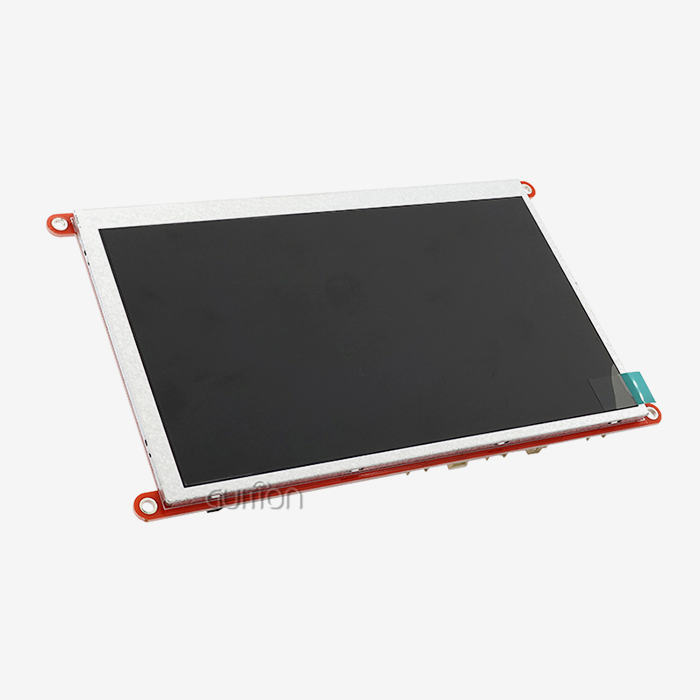
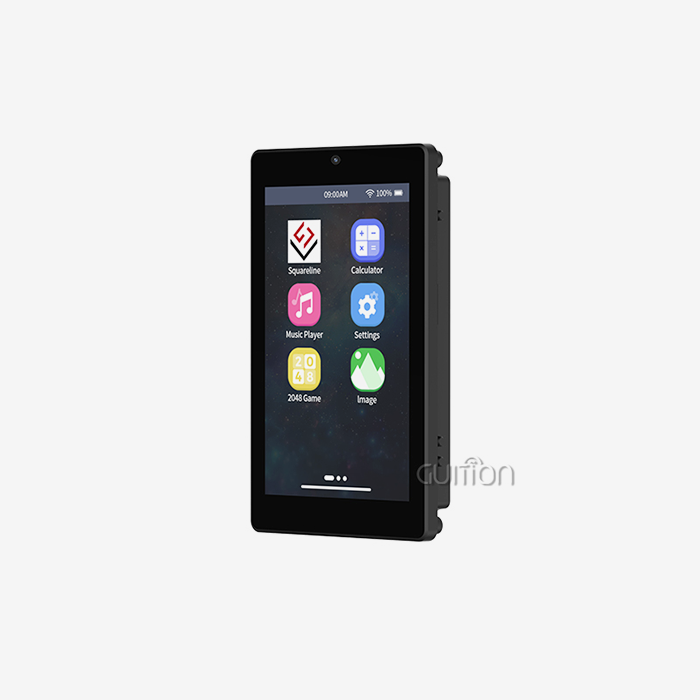
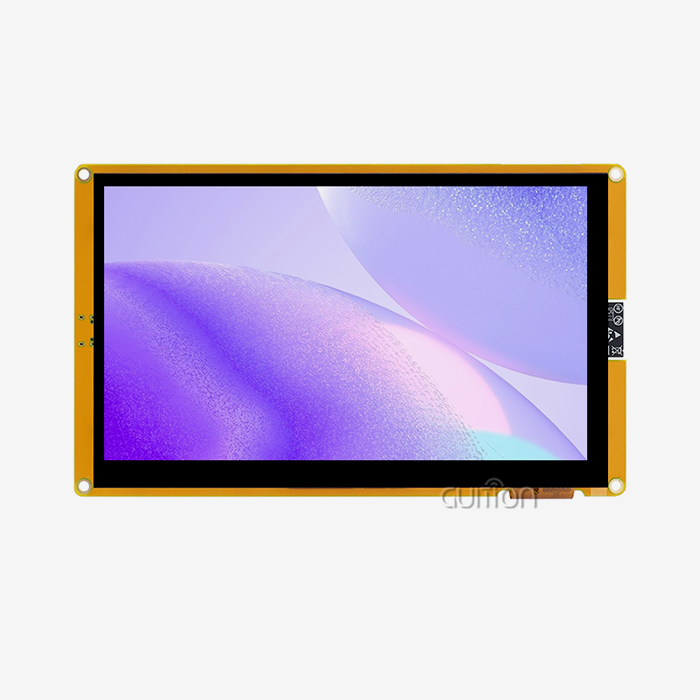
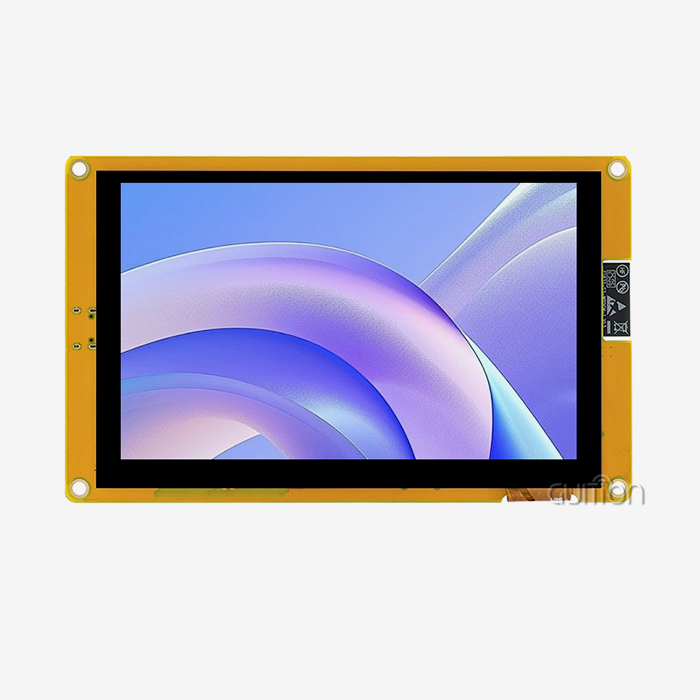
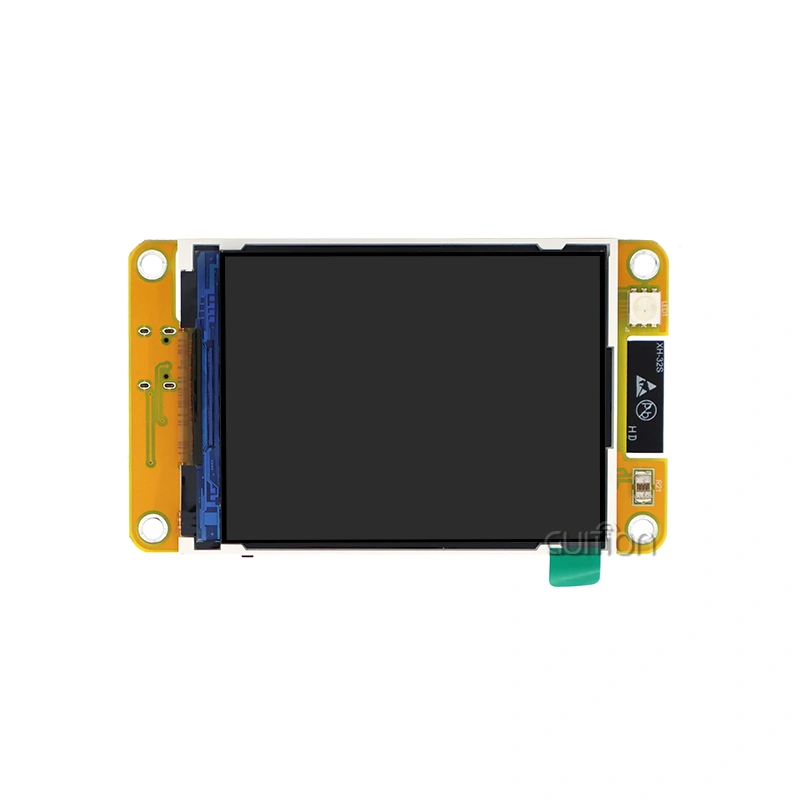
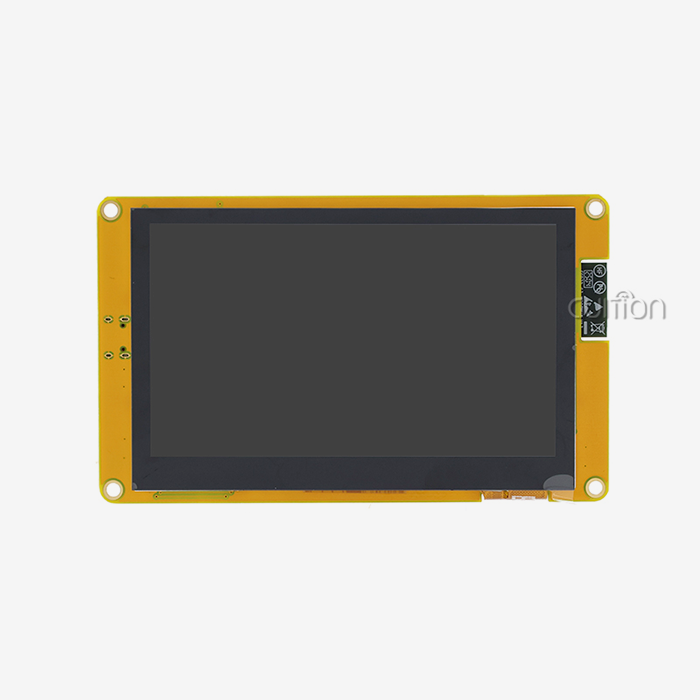
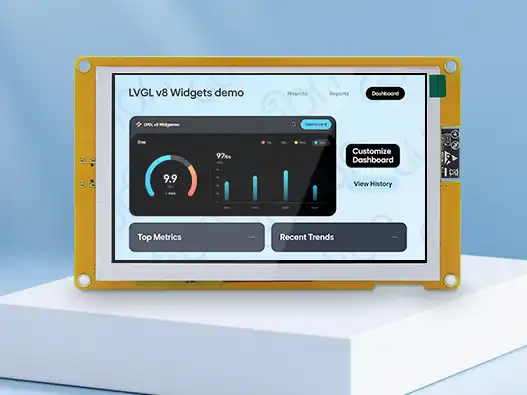
The best 5 inch ESP32S3 display module for you will depend on your application needs, preferred programming environment, and performance goals. The best module should have a good mix of processing power, screen quality, connection choices, and interaction with the development environment. This model from Guition, the ESP32-8048S050C_I, has a dual-core ESP32-S3R8 processor, an 800x480 resolution, built-in Wi-Fi and Bluetooth, and full development platform support for the Arduino IDE, ESP-IDF, and Guition's own software.
Understanding the 5 Inch ESP32S3 Display Module Specifications and Features
ESP32-S3 modules are at the forefront of clever human-machine interface solutions, and integrated display technology has changed a lot over the years. Traditional display setups needed separate microcontrollers and specialized display drivers. These modules offer a combined method that makes development easier while also increasing capabilities.
Core Technical Architecture
Espressif's advanced Xtensa 32-bit LX7 dual-core processor design is used in modern ESP32-S3 display modules. These modules can work at speeds of up to 240MHz. The ESP32-S3R8 main processor in the Guition ESP32-8048S050C_I is an example of this technology. It has 512KB SRAM, 384KB ROM, 8MB PSRAM, and 16MB Flash memory. This large amount of memory lets complex GUI programs run, and images show smoothly, without the latency problems that are common with serial port displays.
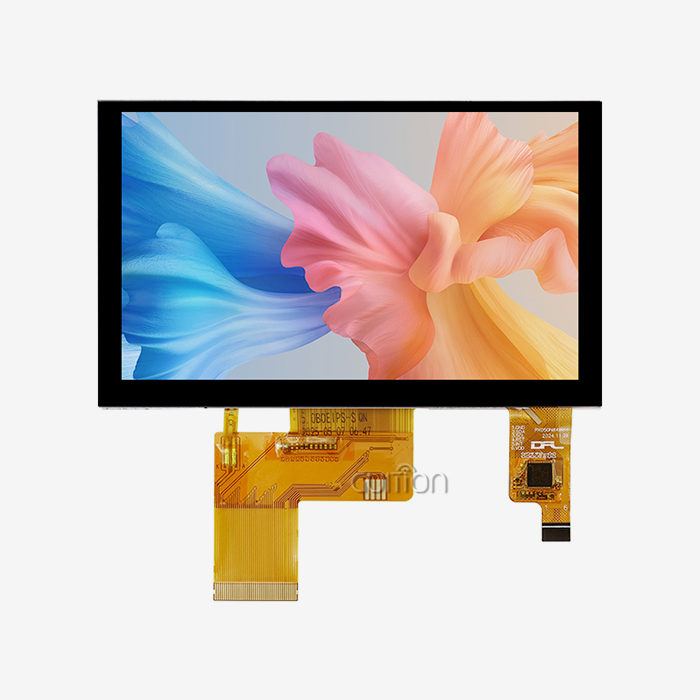
The screen has a resolution of 800x480 pixels, which gives clear, professional images that can be used in industrial control panels, medical tracking equipment, and smart home devices. The capacitive touch interface makes it easier for users to connect with the device by allowing for multi-touch motions and accurate input recognition. Putting together lighting control circuits and touch screen control circuits makes sure that the viewing conditions are always perfect, no matter the surroundings.
Connectivity and Expansion Capabilities
Wireless communication is still an important feature, and built-in Wi-Fi and Bluetooth units make it easy to join networks and use smart devices with each other. There is a special TF card interface and an IO port interface that let you add more storage and sensors. All of these features meet the growing need for IoT devices that are linked and can communicate with both the edge and the cloud.
Multiple environments, such as Arduino IDE, ESP-IDF, MicroPython, and Mixly, can be used together with this development platform. This makes it flexible for engineers with different tastes and current development processes. This adaptability shortens the time it takes to learn new things and bring new goods to market in many different types of industries.
How to Choose the Best 5 Inch ESP32S3 Display Module for Your Needs?
To choose the best display module, you need to use a methodical evaluation process that takes both technical features and working needs into account. The way decisions are made should be in line with the limitations of the project, the goals for success, and the need for long-term expansion.
Performance Requirements Assessment
To evaluate processing power, you must first know how much computing your program needs. Dual-core ESP32-S3 computers are great for situations where they need to do more than one thing at once, like creating a GUI while communicating over a network, processing sensor data, or controlling something in real time. The 240MHz working frequency gives complex algorithms enough room to grow while still keeping user interfaces fast.
Allocating memory is a very important part of figuring out what an application can do. With 8MB of PSRAM and 16MB of Flash memory, advanced graphics frameworks like LVGL can work easily with many screens, animations, and big font libraries. Expandable TF card storage choices are very helpful for projects that need to log a lot of data or work without an internet connection.
Environmental and Physical Considerations
An operating environment review looks at temperature ranges, humidity levels, the ability to handle vibrations, and the likelihood of electromagnetic interference. Modules for industrial uses need to be able to handle rough circumstances while still keeping the monitor clear and touch-sensitive. The 5-inch form factor is the best compromise between screen space and the ability to fit in small spaces inside equipment cases.
Touch interface needs are very different from one program to the next. Capacitive touch screens are better than resistive ones when it comes to sensitivity and multi-touch, which makes them perfect for current user interface designs. But things in the surroundings, like wetness, dust, or the use of operator gloves, may change the best touch technology choice.
Development Ecosystem Compatibility
The choice of software development tool has a big effect on how quickly projects get done and how productive the team is. The Arduino IDE is good for fast prototyping because it has a lot of libraries and makes writing easier. For systems that need to run quickly, ESP-IDF gives you full access to and tuning of hardware. The exclusive Guition development platform has unique tools for designing GUIs and integrating systems, which might make development easier for projects that focus on human-machine interfaces.
In-Depth Comparison: 5 Inch ESP32S3 Display Module vs Alternatives
Engineers and procurement managers can make better choices based on technical value, cost, and strategic positioning within their own market niches when they know what their competitors are doing.
Size and Resolution Analysis
The 5 inch ESP32S3 display module is in a good spot between the smaller 3.5-inch units and the bigger 7-inch ones. This size gives you enough screen space for complicated control systems while still using a fair amount of power and being easy to physically integrate. The resolution of 800x480 makes text look clear, and images look good enough for business use.
Smaller 3.5-inch options usually have a resolution of 480x320, which limits the amount of information that can be stored and makes interface designs simpler. These units use less power and need smaller cases, but they might need multi-screen control systems that make it harder for users to do their work. Larger sizes make things easier to see, but they also need more power and make mechanical design more difficult.
Processing Architecture Comparison
There are big benefits to using the ESP32-S3 design over single-core options and regular MCU plus display driver setups. The two cores work together to let you do more than one thing at once. One core handles real-time tasks, and the other handles graphics output and user interface speed. With this design, the speed problems that come up with single-threaded display apps are gone.
When compared to Raspberry Pi-based 5-inch screens, ESP32-S3 modules provide better real-time performance, use less power, and make the system design simpler. Raspberry Pi devices have more processing power for complicated tasks, but they need more work from the operating system and have more delay in real-time management situations.
Technology Implementation Differences
The latest ESP32-S3 modules that use LCD technology focus on TFT screens that are a good compromise between price, power economy, and image quality. These screens have great color reproduction and a wide viewing angle, making them perfect for business and industry use. OLED options have better contrast ratios and use less power for dark themes, but they usually cost more and may not last as long in situations where the display is always on.
Different makers use different ways to combine capacitive touch controls. Some use special ICs, while others use the ESP32-S3's built-in touch sensing features. Dedicated touch devices often have better noise immunity and motion recognition, while combined options lower the bill of materials (BOM) and make hardware design easier.
Procurement Insights: Where and How to Buy 5 Inch ESP32S3 Display Modules?
To get things done in the procurement world, you need to know about the skills, standards, and changes in the market that affect both short-term buying choices and the long-term health of the supply chain.
Supplier Evaluation Criteria
To find reputable providers, you should first look at their manufacturing skills, quality approvals, and expert support systems. Companies that have been around for a while usually have quality management systems that follow ISO 9001 and give a lot of information, like electrical specs, mechanical models, and software development guides. During the product creation and manufacturing scale-up phases, these tools are very helpful.
The level of technical help has a big effect on the success of a project, especially for teams that are new to developing for the ESP32-S3. Respondent engineering help, sample programs, and integration advice from suppliers lower development risks and speed up time-to-market. Guition is a good example of this method because it has detailed instructions, pre-programmed demo code, and direct access to expert support.
Pricing and Volume Considerations
The prices of 5 inch ESP32S3 display modules on the market are based on how much the parts cost, how hard they are to make, and how the suppliers try to place their products. When you know about these things, you can negotiate and make budgets for both test and production numbers more effectively. Pricing tiers for volume usually start at 100 units, and for annual pledges of more than 1,000 units, costs drop significantly.
Strategies for getting samples should put practical review ahead of cutting costs as much as possible. Buying models from more than one provider lets you compare them in real-world application settings, which could help you avoid expensive design changes later in the development process. A lot of sellers give trial prices or free samples to qualified development projects, which lowers the amount of money that needs to be spent at the start.
Supply Chain Risk Management
As global chip markets become more unstable, long-term supply issues become more crucial. Suppliers with a variety of methods for getting parts and established inventory buffers are better at ensuring supply consistency. Knowing the rules on minimum order amounts, lead times, and allocation helps make production schedules and inventory management plans that are more realistic.
Geographic distribution networks affect how much it costs to ship, how long it takes to deliver, and what you need to know about customs when you buy something from another country. It's common for regional suppliers to offer faster shipping and easier logistics, while global sellers may be able to offer lower prices through economies of scale.
Programming and Integration Tips for 5 Inch ESP32S3 Display Modules
Choosing the right hardware is only one part of successfully deploying modules. You also need to make decisions about software design, integration methods, and optimization strategies that make sure the modules work reliably in a wide range of application cases.
Development Environment Selection
The Arduino IDE is the easiest way for teams to start using it if they already know how to use simple programming environments and large library ecosystems. The platform's wrapper layer makes hardware less complicated while still letting you use the most important ESP32-S3 features. The Arduino IDE is great for fast prototyping and teaching uses because it comes with pre-configured board definitions and example code that speed up the early stages of development.
ESP-IDF is the professional development path because it gives you full access to the hardware and the improvement tools you need to make apps that are ready for production. This setting lets you fine-tune how memory is managed, how interrupts are handled, and how peripherals are set up. Teams that want to get the most out of their performance or specific features usually benefit from ESP-IDF's large set of features, even though it takes longer to learn.
Graphics Framework Integration
LVGL (Light and Versatile Graphics Library) is becoming the system of choice for building complex user interfaces on ESP32-S3 devices. This library lets you use the dual-core architecture to its fullest by offering hardware-accelerated graphics rendering, large groups of widgets, and flexible design tools. To get smooth animations on 800x480 screens, you need to carefully control the memory buffer and tweak the refresh rate.
For certain apps that need special visual elements or speed features that LVGL doesn't offer, custom graphics implementations may be needed. Direct access to the framebuffer lets programs like oscilloscopes and real-time data display tools draw at the fastest speed possible, but it makes development more difficult.
Power Management Strategies
For apps that run on batteries, it's important to pay close attention to how the hardware and software use power. When the ESP32-S3 is not in use, its sleep modes reduce power by a large amount, and its wake-on-touch feature keeps the user attentive. Controlling the lighting of the display uses the most power. Automatic dimming and timer settings can greatly extend the battery life.
Some ways to improve software performance are to lower the CPU frequency when it's not being used, turn off peripheral power when they're not being used, and use efficient graphics rendering methods that reduce processing waste. These methods work especially well for tracking systems that are far away or portable tools that don't have a lot of power.
Conclusion
Choosing the right 5 inch ESP32S3 display module is mostly about finding the right balance between technology requirements, application needs, and development limitations. When making a good buying choice, you should think about cost, supply chain, processing power, memory allocation, connectivity options, and how well the product works with other products in the development environment. The Guition ESP32-8048S050C_I model shows how unified solutions can meet the needs of a wide range of applications while making development easier. Its dual-core design, wide range of connectivity, and support for multiple software platforms make it a good choice for industrial control systems, smart home devices, and Internet of Things (IoT) uses that need complex user interfaces.
FAQ
What power consumption can I expect from a 5 inch ESP32S3 display module?
Power use is usually between 200 and 500mA at 5V, but it depends on how bright the screen is, how busy the processor is, and how much wifi action there is. Since the LCD uses the most power, brightness control is important for devices that run on batteries. When showing dark themes, OLED alternatives may use less power, but when showing bright, lively material, they may use more.
Which development platforms offer the best library compatibility?
The Arduino IDE has the most libraries and the most active community support. ESP-IDF, on the other hand, gives you full access to the hardware to improve speed. There are special tools for designing GUIs and integrating systems in the Guition programming platform. Even though it takes longer to learn, ESP-IDF's wide range of features makes it better for most business uses.
What are realistic delivery timelines for bulk orders?
Delivery times usually run from two to four weeks for orders less than 500 units and from six to eight weeks for orders more than 1,000 units. Extra wait time may be needed for custom setups or special needs. Managing supply chain risks well means building relationships with multiple providers and keeping smart inventory buffers.
Partner with Guition for Your ESP32 Display Solutions
With our advanced ESP32-8048S050C_I display units and full programming environment, Guition is ready to help you with your next big idea. For approved projects, our expert engineering team offers technical advice, sample evaluation programs, and low bulk prices. We are a top producer of 5 inch ESP32S3 display modules, and we use cutting-edge technology and dependable supply chain management to make sure your project is a success.
Email david@guition.com right away to talk about your unique needs, get trial samples, or look into your options for a special configuration. We're dedicated to improving technology and putting the needs of our customers first. This makes us the perfect partner for complex HMI applications in the medical, industrial, and Internet of Things (IoT) markets.
References
1. Espressif Systems. "ESP32-S3 Series Datasheet: Advanced Features and Technical Specifications." Espressif Technical Documentation, 2023.
2. Johnson, Michael R. "Industrial Display Technologies: Comparative Analysis of LCD, OLED, and E-Paper Solutions." IEEE Transactions on Industrial Electronics, vol. 70, no. 8, 2023, pp. 8234-8245.
3. Chen, Wei-Ming, et al. "Power Management Strategies for Battery-Powered IoT Devices with Graphical Displays." Journal of Embedded Systems Engineering, vol. 15, no. 3, 2023, pp. 156-168.
4. Rodriguez, Carlos A. "Human-Machine Interface Design Principles for Industrial Control Systems." International Conference on Industrial Automation Proceedings, 2023, pp. 892-901.
5. Thompson, Sarah J. "Supply Chain Risk Management in Electronics Procurement: Strategies for Component Availability." Supply Chain Management Review, vol. 27, no. 4, 2023, pp. 42-49.
6. Liu, Xiaoping, and David Kumar. "Comparative Performance Analysis of Embedded Graphics Frameworks for Real-Time Applications." ACM Transactions on Embedded Computing Systems, vol. 22, no. 2, 2023, pp. 1-24.
Learn about our latest products and discounts through SMS or email