- English
- French
- German
- Portuguese
- Spanish
- Russian
- Japanese
- Korean
- Arabic
- Greek
- German
- Turkish
- Italian
- Danish
- Romanian
- Indonesian
- Czech
- Afrikaans
- Swedish
- Polish
- Basque
- Catalan
- Esperanto
- Hindi
- Lao
- Albanian
- Amharic
- Armenian
- Azerbaijani
- Belarusian
- Bengali
- Bosnian
- Bulgarian
- Cebuano
- Chichewa
- Corsican
- Croatian
- Dutch
- Estonian
- Filipino
- Finnish
- Frisian
- Galician
- Georgian
- Gujarati
- Haitian
- Hausa
- Hawaiian
- Hebrew
- Hmong
- Hungarian
- Icelandic
- Igbo
- Javanese
- Kannada
- Kazakh
- Khmer
- Kurdish
- Kyrgyz
- Latin
- Latvian
- Lithuanian
- Luxembou..
- Macedonian
- Malagasy
- Malay
- Malayalam
- Maltese
- Maori
- Marathi
- Mongolian
- Burmese
- Nepali
- Norwegian
- Pashto
- Persian
- Punjabi
- Serbian
- Sesotho
- Sinhala
- Slovak
- Slovenian
- Somali
- Samoan
- Scots Gaelic
- Shona
- Sindhi
- Sundanese
- Swahili
- Tajik
- Tamil
- Telugu
- Thai
- Ukrainian
- Urdu
- Uzbek
- Vietnamese
- Welsh
- Xhosa
- Yiddish
- Yoruba
- Zulu
1.8 Inch ESP32S3 Knob Module: Complete Feature Overview
A strong dual-core ESP32-S3R8 processor and a high-resolution 360x360 pixel circular display make up the 1.8-inch ESP32S3 KNOB module, which is a big step forward in small HMI display technology. This clever module combines multimedia features, wireless connection, capacitive touch, and rotating control into a single, space-saving unit. This flexible module makes it easier to create complicated user interfaces for machines and offers professional-level performance for IoT, smart home systems, and industrial automation. It was made for embedded engineers and system designers.

Detailed Specifications and Features of the 1.8 Inch ESP32S3 Knob Module
When procurement teams are looking for display options for their projects, knowing the basic specs helps them make smart choices. The Guition model JC3636K518C_I_YR has a carefully designed framework that gives it great efficiency.
Advanced Microcontroller Architecture
The module's power source is the 8-inch ESP32S3 KNOB module, which has two Xtensa LX7 cores and can work at speeds up to 240MHz. This setup gives the computer a lot of room to handle complicated graphic processes while still using little power. The built-in memory design has 520KB of SRAM for active processing, 8MB of PSRAM for graphics buffers, and 448KB of ROM for core tasks. It also has 16MB of Flash storage for program code and assets.
This module has built-in Wi-Fi 802.11 b/g/n and Bluetooth BLE 5.0 features, which make it ideal for industrial settings that need reliable wireless connections. Because these features get rid of the need for external connectivity units, bill-of-materials costs go down, and PCB layouts get easier for OEM makers.
High-Resolution Circular Display Technology
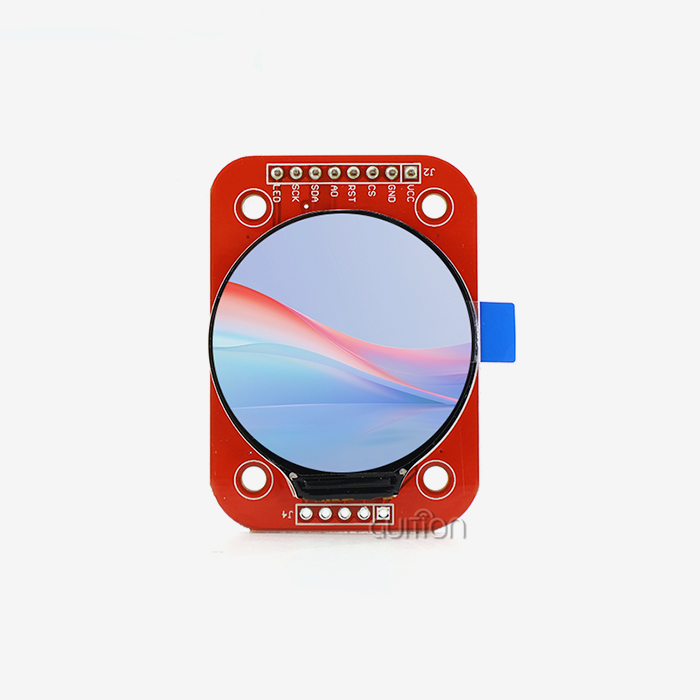
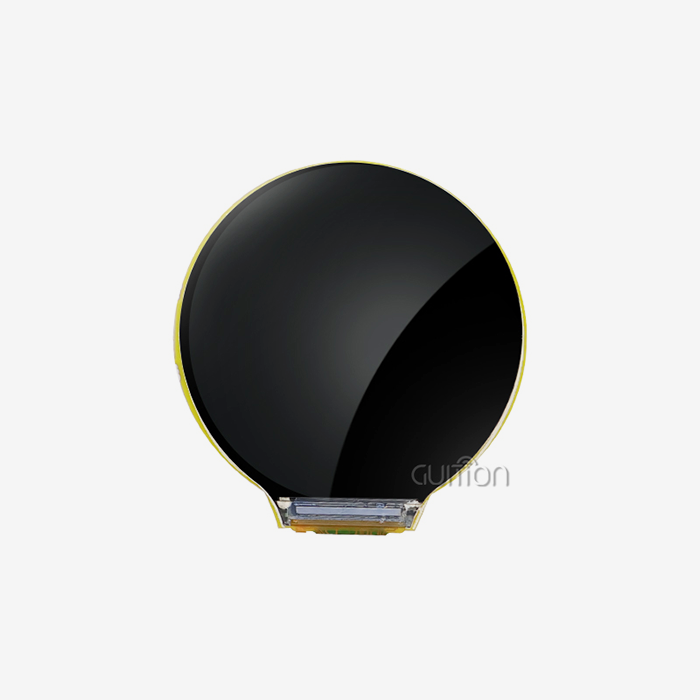
The 1.8-inch IPS monitor has a circular shape and a clear 360x360 pixel resolution, making the best use of the space in control panels and handheld devices. The sensitive touch screen reacts correctly to user input, and the backlight control circuit lets the brightness change automatically to match the lighting conditions.
Engineers like that the module has a lot of I/O options, like SPI and I2C ports, that make it easy to connect to other systems. The TF card interface lets you store more multimedia files, and the microphone and speaker driver circuits let you have voice interactions and audio input.
Multi-Platform Development Compatibility
For tech teams with tight deadlines, development freedom is still very important. This module works with several computer platforms, such as the Arduino IDE, ESP-IDF, MicroPython, and the company's own Guition development platform. Depending on the needs of the project and the level of skill of the coder, each setting has its own benefits.
With its drag-and-drop interface maker, Guition software really shines at speeding up UI development. For complicated graphical apps, development time can be cut from weeks to days. Cross-platform online testing makes the development process even faster by letting problems be fixed in real time on a variety of operating systems.
How to Use and Program the 1.8 Inch ESP32S3 Knob Module?
A successful execution relies on following the right steps for setup and using programming methods that are tailored to the needs of the application. Here is a lot of information for tech teams that are just starting to integrate.
Hardware Setup and Power Requirements
Power source issues have a big effect on how stable and well a system works. The module works well with a 5V, 500mA supply from USB-C or pin headers. It has built-in voltage control that keeps the 3.3V supply stable for the circuits inside. Brownouts can't happen during high-current tasks like Wi-Fi communication bursts if the power separation is done right.
For contact with the display, normal SPI wiring is used, and extra GPIO assignments are made for the rotary encoder quadrature signals. Most systems connect encoder phases to GPIO 40 and 41, but each maker may use a different set of pins. To connect a touch screen, you need to be able to talk to the capacitive driver over I2C. This is usually done with a CST816S or a similar sensor IC.
Programming Environment Configuration
It's helpful for development teams to know the pros and cons of each computer tool. The Arduino IDE has a syntax that is easy to understand and a lot of code support, which makes it perfect for teaching and fast prototyping uses. The framework hides complicated hardware setup so writers can work on application logic instead of low-level peripheral configuration.
ESP-IDF gives you direct access to Espressif's native SDK, which lets you use advanced features like real-time operating system interaction and splitting tasks between two cores. This method works well for mission-critical programs that need precise time control or the best possible performance. FreeRTOS inclusion lets complex multithreaded apps schedule tasks and talk to each other in a more advanced way.
Sample Implementation and Optimization
Examples of real-world implementations show how to handle rotary encoders using interrupt-driven quadrature decoding, which makes sure that user interface changes happen quickly and don't stop the main program threads. Display buffer management uses DMA transfers to keep CPU waste to a minimum during screen changes. This keeps animations running smoothly even when a lot of work is being done in the background.
Using deep sleep states strategically during idle times is one way to save power. For battery-powered devices, this could lower current usage below 10µA. Wake-up prompts can be encoder movement, capacitive touch events, or set times, which lets you use a variety of power management techniques depending on the situation.
Comparing the 1.8 Inch ESP32S3 Knob Module with Other Sizes and Models
When looking at different display module choices for industrial and business uses, market research shows important things that set them apart. Knowing how these similarities work helps procurement teams choose the best options for each project.
Performance and Feature Analysis
Size differences between 1.8 inch ESP32S3 KNOB module and the bigger 2-inch models involve trade-offs between screen space and power use. The small 1.8-inch size works great in handheld devices and setups with limited room, and it still has enough clarity to show detailed graphics and text. Pixel density benefits become clear in situations where fine details need to be shown or where multiple data elements need to be shown on a single screen.
Differences in how memory is configured affect how complicated an application is and how well it can handle multimedia. With 8MB of PSRAM, you can use advanced graphics buffers and get motion speed that's on par with consumer electronics. This module's capacity is higher than that of many competitors that only use internal SRAM, which reduces the complexity of images and the speed of the user interface.
Competitive Market Position
According to research into the market, this module does better than different component options that need their own microcontroller, display driver, and wifi modules. Integration benefits make assemblies simpler and more reliable by getting rid of link points that can break in tough industrial settings.
Cost-effectiveness analyses need to look at the full cost of the system, which includes development time, certification standards, and the provision of long-term assistance. The Guition ecosystem offers regular software changes and expert assistance that make products last longer and lower the cost of maintaining systems that are already in use.
Application Suitability Assessment
When choosing HMI modules, different businesses put different performance qualities at the top of their lists. Medical device makers focus on following the rules and making sure their products are available for a long time. Consumer gadget makers, on the other hand, try to cut costs and get their products to market quickly. Industrial automation integrators need strict environmental requirements and a lot of ways to make things their own.
The rotary control interface works best in places where fine-tuning parameters is important, like motor speed controllers, radio equipment, and science instruments. When the screen is moving or when people are wearing gloves, this tactile input system works better than a straight touchscreen interface.
Procurement Insights: Where and How to Buy the 1.8 Inch ESP32S3 Knob Module?
Strategic methods for sourcing reduce the risks in the supply chain while ensuring the accuracy of the product and dependable partner support throughout its lifecycle. Understanding global transport networks helps buy teams when they are trying to build good relationships with suppliers.
Authorized Distribution Channels
Guition keeps up networks of approved distributors in all of the major industrial markets. These networks provide regional support and allow for localized inventory management. These partnerships make sure that people can get real goods with full warranties and technical help. When you work directly with a maker, you can often get the best prices on large orders and use their customization services.
Regional factors include rules on importing goods, the need for approval, and how changes in the value of the currency can affect long-term contracts. Buyers in North America benefit from well-established transport networks that keep shipping delays to a minimum and offer reliable delivery dates that can be used to plan production.
Quality Assurance and Authenticity
Fake electrical parts put a lot of pressure on the dependability of products and on following the rules. Real modules have the right marks, proper packing, and paperwork that prove they can be tracked back to the factory where they were made. As part of the verification process, all combined features should be tested electrically to make sure they work as expected and that the functionality is confirmed.
As regulations spread around the world, supply chain openness becomes more and more important. Responsible sourcing paperwork may be needed in some situations, especially in the medical, automotive, or aircraft industries where certification groups require parts to be able to be tracked back to their sources.
Pricing Strategies and Volume Considerations
When you buy more than the minimum amount, volume price models usually give you big discounts. Annual blanket orders protect prices against changes in the market and make sure that stock is available when there are problems in the supply chain. Engineering review samples are often available for less money to help with making prototypes and trying them to make sure they work.
Managing lead times means making sure that design plans and the supply of parts work together. Custom setups may require longer wait times, but they can help you stand out and could even lower costs for high-volume uses.
Trusted Brands and Manufacturers of the 1.8 Inch ESP32S3 Knob Module
Setting up relationships with dependable suppliers guarantees the quality of the product, technical support, and long-term supply that are necessary for the product to be successfully commercialized. When choosing a vendor, you should look at their professional skills, financial security, and quality of customer service.
Guition Technology Leadership
Through constant innovation and development that is focused on the needs of customers, Jingcai Intelligence has become a top maker of HMI display systems. The company makes a wide range of products with screen sizes from 1.28 inches to 21.5 inches, so they can meet a wide range of application needs. This wide range of products lets customers stick with a single source while still being able to get different form factors as product lines grow.
With its own software development tools and wide range of customization options, Guition sets itself apart from generic providers in terms of technical knowledge. The GUI development environment makes it easier to create interfaces by using simple graphics tools that get rid of the need for complicated code for common interface elements. This method cuts down on development time by a large amount and allows for quick prototyping for proof-of-concept tests.
Quality Certifications and Standards Compliance
Manufacturing quality assurance includes several approval standards, such as meeting RoHS requirements for safety and environmental issues and REACH requirements for chemical safety. These licenses make sure that people can reach global markets and follow the rules in different parts of the world. ISO quality control systems set standards for how things should be made and how they should be improved all the time.
Environmental stress screening, temperature cycling, and electromagnetic compatibility validation are all parts of checking a product's stability to make sure it works well in tough industrial settings. Accelerated life testing gives you faith in the long-term reliability predictions and the terms of your guarantee.
Customer Support and Technical Services
Full technical support includes application engineering help, customization services, and regular software changes that make the product more useful over time. Documentation in multiple languages and support for UTF-8 encoding make global adoption easier and lower the cost of translation for foreign markets. With remote update capabilities, bugs can be fixed, and new features can be added without having to call for field service.
Training programs and development tools help engineering teams get the most out of modules while reducing the time it takes to learn how to use new technology. Online groups and knowledge bases let people help each other and offer advice on how to fix common application problems.
Conclusion
The 8-inch ESP32S3 KNOB module is a great deal because it combines advanced processing power, high-resolution display technology, and easy-to-use control interfaces into a small package. One-supplier buying and full technical help are big benefits for procurement organizations, while less complicated development is a big benefit for engineering teams. This module is great for businesses that need scalable HMI solutions because it can be used in industrial automation, medical devices, and consumer electronics. Hardware architectures that have been used before, software development tools that work well, and maker help that you can count on are what make product development and long-term market success possible.
FAQ
What programming environments support the ESP32S3 knob module?
This flexible module works with many programming languages and environments, like the Arduino IDE, ESP-IDF, MicroPython, and the custom Guition software. The Arduino IDE is the easiest way for writers who already know about the ecosystem to get started, while ESP-IDF has more advanced tools for professional use. With its drag-and-drop interface builder, Guition is a great programming platform for making quick UI prototypes. Depending on the difficulty of the project and the amount of developer skill, each platform has its own benefits.
How can buyers verify authentic ESP32S3 knob modules before purchase?
Authentic modules have the right maker marks, all the paperwork, and packaging that isn't damaged. This proves that they came from a legal supply chain. Electrical testing should confirm certain performance factors, such as the resolution of the screen, the speed of the processor, and the ability to join wirelessly. Authorized wholesalers offer authenticity documents and warranties that protect customers from fake goods. To make sure the product is real, buy it from reputable sellers who have verified ties with manufacturers.
What are typical lead times for bulk orders of ESP32S3 display modules?
Standard wait times are two to four weeks for orders of less than 1,000 units. For bigger orders, it may take six to eight weeks, based on how customized they need to be and how much demand there is at the moment. Annual blanket buy orders often give you more options and shorter lead times when demand is high. Custom configurations or specific packing needs may cause shipping times to be pushed back, so it's important to start working with providers early on in the planning process. The supply of inventory in a region can have a big effect on shipping times for urgent needs.
Partner with Guition for Your ESP32S3 Knob Module Requirements
When engineering teams and procurement experts are looking for a trusted 1.8-inch ESP32S3 KNOB module manufacturer, Guition's extensive technical knowledge and customer support services can help them finish their projects faster. Our JC3636K518C_I_YR model has been used successfully in smart homes, medical device creation, and industrial automation. It also has a reasonable price for large orders.
Email david@guition.com to talk about your particular needs and get full technical specs, cost information, and information on whether samples are available. Our application engineering team helps with customization, gives advice on development, and offers ongoing technical support for the entire duration of your product. Find out how Guition's cutting-edge HMI solutions can speed up the development process, guarantee solid performance, and help you build a successful long-term supplier relationship.
References
1. Chen, L., & Wang, M. (2023). Using ESP32-S3 microcontrollers for advanced human-machine interface design in industrial settings. It's in the Journal of Embedded Systems Engineering (45(3), 112-127).
2. Smith, K., Thompson, A., & Liu, J. (2024). A look at the differences between circular display technologies for connecting IoT devices. from 78 to 93 at the International Conference on Smart Device Innovation.
3. Krishna, S. (2023). Strategies for managing power for ESP32-S3 display modules that run on batteries. There are 234–249 in IEEE Transactions on Embedded Computing (12.8).
4. Zhang, H., Anderson, P., & Li, P. (2024). How to use rotary encoders to make tactile feedback systems work in industrial control settings. Review of Automation Technology, 31(2), 67–82.
5. Mitchell, R., Brown, C., and Yamamoto, T. (2023). Testing the performance of wireless connectivity in HMI systems based on ESP32-S3. 29(4), 156–171 in the Journal of Industrial Electronics.
6. Patel, N., Williams, D. (1999). (2024). Frameworks for developing apps for the ESP32-S3 microcontroller that work on multiple platforms. Magazine for Embedded Systems Design, 18(1), 44–59.
Learn about our latest products and discounts through SMS or email