- English
- French
- German
- Portuguese
- Spanish
- Russian
- Japanese
- Korean
- Arabic
- Greek
- German
- Turkish
- Italian
- Danish
- Romanian
- Indonesian
- Czech
- Afrikaans
- Swedish
- Polish
- Basque
- Catalan
- Esperanto
- Hindi
- Lao
- Albanian
- Amharic
- Armenian
- Azerbaijani
- Belarusian
- Bengali
- Bosnian
- Bulgarian
- Cebuano
- Chichewa
- Corsican
- Croatian
- Dutch
- Estonian
- Filipino
- Finnish
- Frisian
- Galician
- Georgian
- Gujarati
- Haitian
- Hausa
- Hawaiian
- Hebrew
- Hmong
- Hungarian
- Icelandic
- Igbo
- Javanese
- Kannada
- Kazakh
- Khmer
- Kurdish
- Kyrgyz
- Latin
- Latvian
- Lithuanian
- Luxembou..
- Macedonian
- Malagasy
- Malay
- Malayalam
- Maltese
- Maori
- Marathi
- Mongolian
- Burmese
- Nepali
- Norwegian
- Pashto
- Persian
- Punjabi
- Serbian
- Sesotho
- Sinhala
- Slovak
- Slovenian
- Somali
- Samoan
- Scots Gaelic
- Shona
- Sindhi
- Sundanese
- Swahili
- Tajik
- Tamil
- Telugu
- Thai
- Ukrainian
- Urdu
- Uzbek
- Vietnamese
- Welsh
- Xhosa
- Yiddish
- Yoruba
- Zulu
What Is a CYD Display Module and Why It’s Trending?
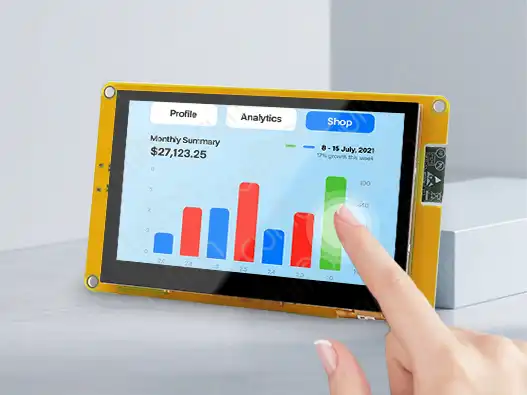
Innovative Human-Machine Interface (HMI) solutions like CYD display modules combine ESP32 microprocessor technology with high-tech TFT LCD screens into a single unit that works well together. Because they are so good at balancing speed, cost, and ease of use, these modules have become very popular in industrial automation, Internet of Things (IoT) applications, and the development of smart devices. They are becoming more popular because they don't need complicated wiring and offer strong wireless connection, high-resolution displays, and full development support across a number of computing platforms.
Introduction to CYD Display Modules
When complex combined solutions come out, it marks a turning point in the history of embedded display technology. CYD display modules are state-of-the-art technology that combines new display ideas with useful commercial uses. This completely changes how engineers work on HMI development.
Defining CYD Display Module Technology
Smart Display Systems-on-Module (SoM) like CYD display modules are ready to use. They have high-quality TFT LCD screens and powerful microcontrollers based on ESP32. Unlike traditional separate setups that need complicated jumper wires between the MCU and display drivers, these modules offer smooth integration that solves important problems in the industry. The technology gets rid of signal integrity problems that come up with loose links a lot in fast prototyping settings, and it also makes managing the Bill of Materials (BOM) a lot easier.
The ESP32-S3R8 controller is at the heart of the design. It handles both computing jobs and managing the displays. This dual-core MCU can work at speeds of up to 240MHz, which means it can handle demanding graphics user interfaces and real-time data processing needs.
Market Growth and Industry Adoption
There are a number of things coming together that make these modules more and more appealing to buyers in the modern corporate world. CYD modules are the best choice for modern B2B uses in manufacturing, retail, transportation, and smart infrastructure development because they have better performance measures, use less energy, and can be easily adapted to a wide range of global businesses.
The people who work in procurement know that these modules are strategically valuable for their companies, especially because they shorten development times and make supply chain management easier. Putting computing and display parts into a single piece makes working with vendors easier and makes sure that all product lines have the same quality and compatibility.
Key Features and Specifications of CYD Display Modules
To understand the technical details that make CYD display modules interesting to people in the business, you need to look at both the hardware and software integration features. These modules are very good value because they have carefully balanced performance qualities that are made for professional use.
Core Hardware Specifications
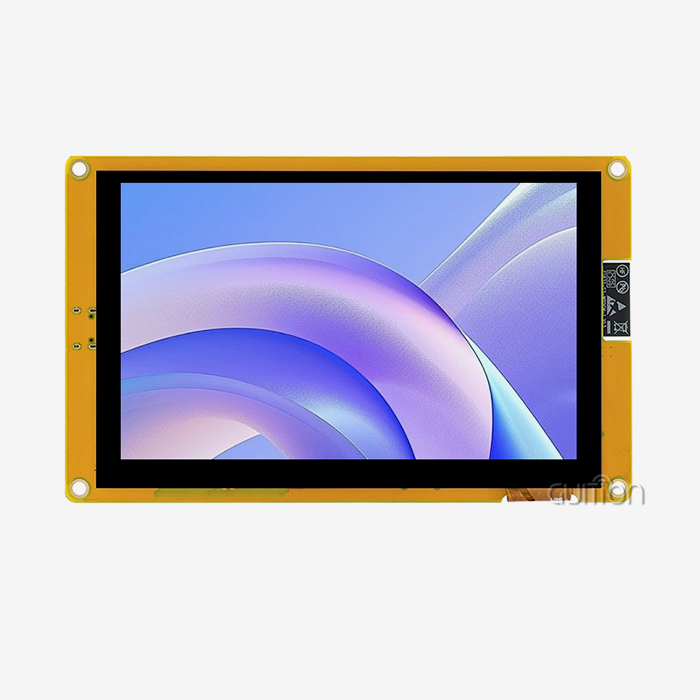
The GUITION ESP32-8048S043C_I model shows how complex the tech is that goes into making current CYD modules. The ESP32-S3R8 dual-core processor can go as fast as 240MHz, which gives it plenty of power for high-frame-rate interface drawing and complicated data processing jobs. The memory setup includes 512KB of SRAM, 384KB of ROM, 8MB of extra PSRAM, and 16MB of Flash storage built right in.
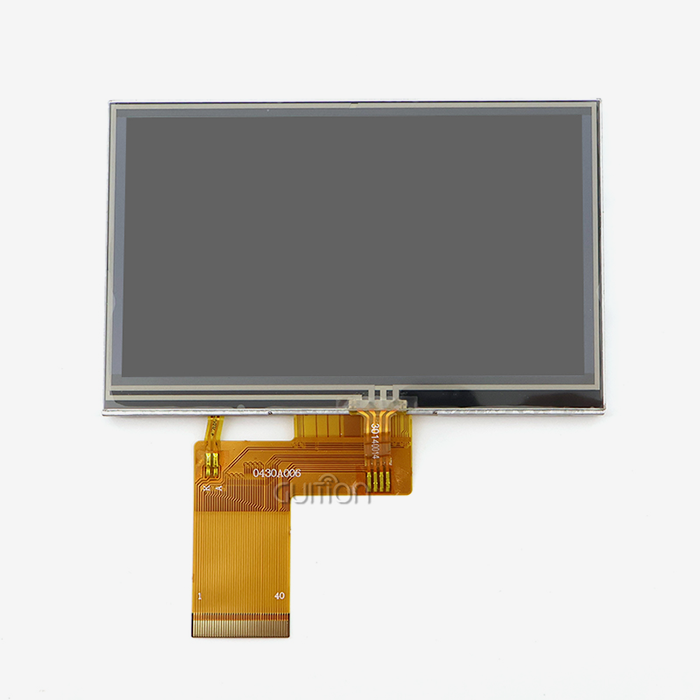
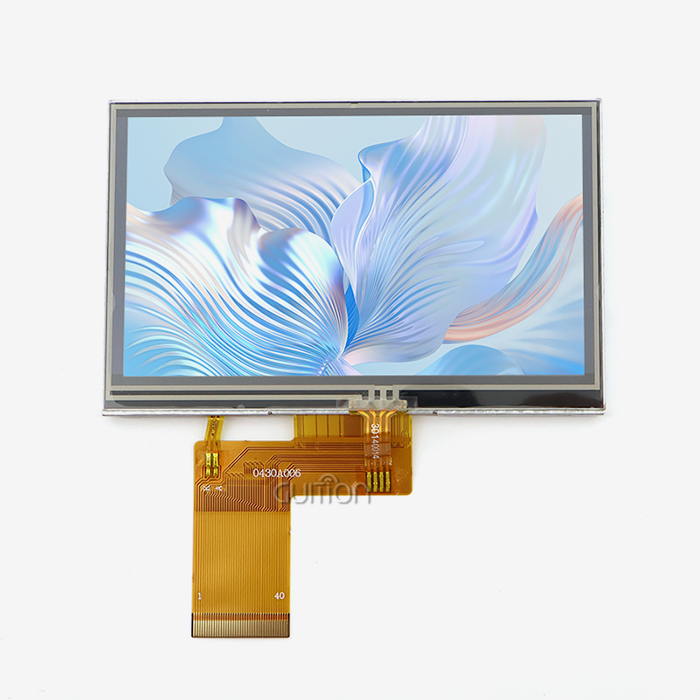
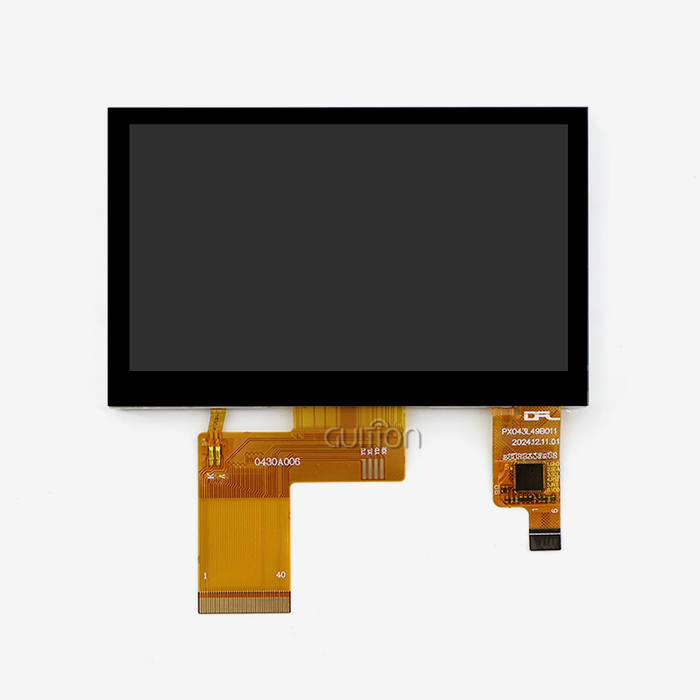
An amazing 4.3-inch LCD screen with a 800x480 resolution and capacitive touch feature is what the display is all about. This setup allows 65K color depth with 16-bit RGB processing, which makes sure that displays look great and are suitable for professional use. The built-in lighting control circuit and touch screen management system get rid of the need for separate driver boards. This makes installation easier and lowers the number of places where something could go wrong.
It has built-in WiFi 802.11 b/g/n and Bluetooth v4.2 + BLE connectivity choices, so it can connect to networks easily without the need for extra communication units. For unique apps and data storage needs, the reserved TF card interface and IO port interfaces offer a wide range of extension options.
Development Environment Compatibility
Software that can be changed easily is very helpful for tech teams whose members have different ideas about how to build things. The module works with many development platforms, such as Arduino IDE, ESP IDF, MicroPython, and Mixly, so it can be used by people with different levels of computer experience and project needs. This cross-platform flexibility makes it much easier for teams to learn when they are moving from other embedded systems.
The full development support comes with pre-programmed test code, all the functions of the Arduino library, and thorough instructions that make starting a project faster. Engineers like the one-click programming tool because it makes deploying software easier and makes debugging easier during development cycles.
CYD Display Modules vs. Alternative Display Technologies
Knowing how CYD modules stack up against other display technologies is important for making smart purchasing decisions. This comparison looks at important factors that affect the long-term success of a project and the speed of operations.
Performance and Power Consumption Analysis
When you look at CYD panels next to regular LCD, LED, and OLED screens, you can see a few main differences. Usually, traditional LCD systems need different microcontroller boards, display drivers, and communication ports. This makes designing the hardware and writing the software more difficult. CYD modules get rid of these problems with integration by giving you a single answer that makes your system simpler while still performing better.
CYD units use less power and work better in situations where they need to be connected all the time and have regular changes to the display. The ESP32-S3R8 controller has advanced power management features that let it go into deep sleep modes while still being connected to the network. This makes it much cheaper to run than separate systems that need to be charged all the time.
Cost Structure and Maintenance Considerations
The economic benefits of CYD modules become clear when you look at the total cost of ownership instead of just the buying price. Traditional display setups need many parts that come from various sources, which makes purchasing more difficult and increases the cost of managing supplies. CYD modules combine these needs into a single SKU, which speeds up the buying process and lowers the cost of managing vendors.
Integrated systems are better for maintenance costs because they have fewer connection points and make fixing easier. The military-grade reliability standards used to build CYD modules make sure that they work consistently in harsh industrial settings. This cuts down on the need for field service and extends the modules' useful lives.
Decision Criteria for Engineering Teams
Choosing the right display technology relies on the needs of the program and the limitations of the system. When fast prototyping, wireless connection, and screens with modest to high resolution and touch functionality are needed, CYD modules are the best choice. The combined method works especially well for Internet of Things (IoT) devices, industrial control panels, and smart home gadgets that need to save room and power.
When projects need a quick time-to-market, easier development methods, and built-in connection features, engineering teams should think about CYD modules. These modules are perfect for teams that want to reduce technical risks while also improving development speed. They come with a full development environment and a lot of documentation support.
Practical Applications and Use Cases of CYD Display Modules
There are a lot of different businesses and use cases for CYD display modules, which shows how flexible they are and how well they can handle different operating needs and environmental conditions.
Industrial Control and Automation Systems
CYD modules are used a lot by companies that make industrial tools for machine control interfaces and state monitoring systems. The modules are great at adding current HMI features to old equipment, so it can be monitored and controlled from afar without having to make a lot of changes to the hardware. These modules are used in factories as wireless status monitors for production line tools. The built-in WiFi lets factories send real-time working data to central management systems.
CYD modules can work in tough industrial settings where regular consumer-grade screens would fail because they are built to last and can handle a wide range of temperatures. Process control screens, equipment status displays, and operator input units are all examples of things that need to work reliably in dusty, humid, or changing temperatures.
Smart Device and IoT Integration
The ability to seamlessly integrate CYD modules into connected product development is appreciated by people who make smart devices. Because it has built-in wireless connectivity, there is no need for different transmission modules. This makes the product simpler and cheaper to make. These units are used as central control nodes in home automation systems. They show sensor data and let users connect with different smart home components.
The module's ability to process data locally while staying connected to cloud-based management platforms makes it useful for commercial uses like energy management screens, security system interfaces, and environmental tracking stations. The capacitive touch interface makes it easy for both technical and non-technical people to connect with the device.
Medical and Healthcare Applications
Medical gadget makers need monitor options that are reliable, clear, and have connectivity features. In patient tracking systems, diagnostic tools connections, and portable medical devices, CYD units meet these needs well. The high-resolution display makes sure that important information can be seen clearly in a range of lighting conditions, and the touch interface makes entering data and moving around the system easy.
Because of regulatory concerns, the proven dependability and consistent performance traits of CYD modules are especially useful in medical settings where system failures could put patients at risk. Secure wireless connectivity makes it possible to do remote tracking, which is an important part of current healthcare service methods.
Sourcing and Procurement Advice for CYD Display Modules
To buy CYD display modules successfully, you need to pay close attention to the provider you choose, the technical requirements, and the long-term support issues that affect the project's success and the speed of operations.
Supplier Evaluation and Selection Criteria
To find suitable providers, you have to look at their technical knowledge, manufacturing skills, and support systems that make sure you can get your products delivered on time and get help when you need it. Authorized dealers guarantee real goods, teach the right way to handle them, and give you access to maker help resources. Teams in charge of buying things should check that suppliers have the right certifications, quality control systems, and a history of success with similar tech goods.
GUITION is a technology-driven company that focuses on making and selling HMI display systems. They do all of their own research and development, production, and sales. Their product line includes sizes from 1.28" to 21.5", so it can be used in a wide range of situations. The quality and suitability standards are the same across the whole range, too.
Pricing Structures and Purchase Terms
Understanding how price models work helps procurement workers get the best deals on purchases while also making sure they get the right technical support and guarantee coverage. For orders of more than 100 units, bulk buy bonuses are usually available. For orders of more than 1,000 units, costs can be cut by a large amount. Flexible payment terms work with different buying strategies and make sure that suppliers' cash flow needs are met.
The warranty should cover problems with the way the product was made, how well it works, and any compatibility issues that may come up during integration. Options for longer warranties give extra security for important uses where the cost of replacement or the cost of downtime justifies higher levels of coverage.
Technical Support and Documentation
For project execution and continued maintenance to go smoothly, you need detailed technical documentation and quick support services. Suppliers should give tech teams thorough integration guides, software examples, and debugging tools that let them fix common problems on their own. Having access to application engineers who can help with difficult merging issues is very helpful during the development phase.
Professional interface development tools are built into the Guition development software platform. These tools get rid of traditional programming bottlenecks and make it possible to quickly create and launch user interfaces. This unified method cuts down on development time and makes sure that results are the same for all team members and tasks.
Conclusion
CYD display modules have become revolutionary for current embedded display applications. They combine strong ESP32 computer power with high-quality LCDs in a single package, which makes development easier while improving usefulness. The GUITION ESP32-8048S043C_I is a great example of this new technology because it has an 800x480 resolution, wireless connection, and full development support that meets important industry needs for quick prototyping and reliable rollout.
The modules' ability to simplify, speed up time-to-market, and offer cost-effective solutions for a wide range of application situations is reflected in their rising use in industrial automation, IoT applications, and smart device development. A lot of help for the development environment is good for engineering teams, and it's great for procurement professionals, as it makes buying easier and reduces the need for vendor management.
FAQ
What advantages do CYD modules offer over traditional display solutions?
CYD modules offer a single answer, so you don't have to worry about putting together different microcontrollers, displays, and transmission modules. This integration cuts down on development time, makes buying easier, and boosts reliability. It also adds a built-in wifi connection and full development support.
Which development environments support CYD display modules?
The modules work with many coding environments, such as the Arduino IDE, the ESP IDF, MicroPython, and Mixly. This gives everyone on the team the freedom to use the writing style and skills they already have while still offering complete tools and documentation for all environments.
What warranty and support options are available for CYD modules?
Standard guarantees from qualified providers cover flaws in the manufacturing process and performance requirements. Authorized dealers offer extended warranty choices and technical support services, such as access to application engineering help and a wealth of documentation tools.
Partner with Guition for Your CYD Display Module Requirements
Transform your next project with GUITION's advanced ESP32-8048S043C_I CYD display module, engineered specifically for demanding industrial and commercial applications. Our technology-driven approach delivers exceptional 800×480 resolution displays with integrated WiFi and Bluetooth connectivity, comprehensive development tool support through our proprietary Guition software platform, and military-grade reliability that ensures consistent performance in challenging environments.
Contact our expert team at david@guition.com to discuss your specific requirements and explore bulk pricing options available for qualified CYD display module suppliers and distributors. Experience the advantage of working with a dedicated HMI solutions manufacturer committed to accelerating your development timeline while reducing integration complexity.
References
1. Industrial Human-Machine Interface Market Analysis and Growth Projections, Embedded Systems Engineering Journal, 2024.
2. ESP32-Based Display Solutions: Performance Benchmarking and Application Studies, IEEE Transactions on Industrial Electronics, 2023.
3. Integrated Display Module Technology Trends in IoT Applications, International Conference on Embedded Systems and Applications, 2024.
4. Cost-Benefit Analysis of Integrated vs. Discrete Display Solutions in Industrial Automation, Manufacturing Technology Review, 2023.
5. Wireless Connectivity Requirements for Modern HMI Applications, Journal of Industrial Communication Systems, 2024.
6. Touch Interface Design Guidelines for Industrial Display Applications, Ergonomics and Human Factors in Technology, 2023.
Learn about our latest products and discounts through SMS or email