- English
- French
- German
- Portuguese
- Spanish
- Russian
- Japanese
- Korean
- Arabic
- Greek
- German
- Turkish
- Italian
- Danish
- Romanian
- Indonesian
- Czech
- Afrikaans
- Swedish
- Polish
- Basque
- Catalan
- Esperanto
- Hindi
- Lao
- Albanian
- Amharic
- Armenian
- Azerbaijani
- Belarusian
- Bengali
- Bosnian
- Bulgarian
- Cebuano
- Chichewa
- Corsican
- Croatian
- Dutch
- Estonian
- Filipino
- Finnish
- Frisian
- Galician
- Georgian
- Gujarati
- Haitian
- Hausa
- Hawaiian
- Hebrew
- Hmong
- Hungarian
- Icelandic
- Igbo
- Javanese
- Kannada
- Kazakh
- Khmer
- Kurdish
- Kyrgyz
- Latin
- Latvian
- Lithuanian
- Luxembou..
- Macedonian
- Malagasy
- Malay
- Malayalam
- Maltese
- Maori
- Marathi
- Mongolian
- Burmese
- Nepali
- Norwegian
- Pashto
- Persian
- Punjabi
- Serbian
- Sesotho
- Sinhala
- Slovak
- Slovenian
- Somali
- Samoan
- Scots Gaelic
- Shona
- Sindhi
- Sundanese
- Swahili
- Tajik
- Tamil
- Telugu
- Thai
- Ukrainian
- Urdu
- Uzbek
- Vietnamese
- Welsh
- Xhosa
- Yiddish
- Yoruba
- Zulu
Where to Buy Reliable LCD Panel Modules for Your Business
If you're sourcing a display solution for industrial or commercial use, finding a trustworthy LCD panel module supplier matters as much as the specs on paper. A quality lcd panel module integrates liquid crystal cells, driver ICs, backlighting, and interface circuitry into one ready-to-deploy unit. For engineers and procurement managers in the U.S., the right module cuts development time, lowers unit costs, and keeps production on schedule. This guide walks you through what to look for, who to trust, and how GUITION's JC4827Q043N_I fits into your next project.

Understanding LCD Panel Modules: Basics and Business Applications
You should know exactly what you're getting and why it's important for your business before you place an order.
What an LCD Panel Module Actually Is
An LCD screen module is not just a glass cell; it is a fully built display part. The TFT-LCD cell, motor IC, backlight unit (LEDs and optical films), and structure frame are all in one. This turnkey format frees OEM manufacturers' in-house engineering teams from having to deal with optical alignment, thermal management, and signal conversion.
Types Available on the Market
There are different types of display modules on the market, such as normal consumer-grade panels, industrial-grade units that can work in a wide range of temperatures (-20°C to +70°C), high-brightness sunlight-readable panels with more than 1,000 nits of brightness, and custom sizes for medical devices or booths. Each type works best in a different set of conditions. It's easy to make an expensive buying mistake by picking the wrong group.
Why Businesses Prefer LCD Modules Over Raw Cells
LCD modules make assembly easier and lower the risk of handling fragile glass substrates. For business-to-business buyers, the uniform visual calibration and pre-tested driver integration mean fewer broken units and a shorter time to market. IHS Markit (now S&P Global) says that sales of industrial LCD modules have slowly increased as companies choose to buy tested, integrated display systems instead of open-cell components.
How to Choose the Right LCD Panel Module for Your Business Needs
There's more to the story than just the specs. How well a display module works over time depends on how well it fits the application.
Matching Specs to Your Application
Before you buy, you should check the resolution, brightness (in nits), contrast ratio, working temperature, interface type (MCU, MIPI, LVDS, or eDP), and power usage. An 800x480 module with an MCU interface that is 4.3 inches in size works well with embedded control panels. For a commercial kiosk, on the other hand, a 21.5-inch panel with LVDS would be better. One of the main reasons integration takes too long in embedded development is not checking to see if the interfaces work together.
LCD vs. OLED vs. TFT: Making a Practical Comparison
In high-brightness situations, OLED screens cost more and last less long, but they have deeper blacks and smaller profiles. TFT-LCD is still the standard for medical and industrial devices because it has been shown to last a long time, isn't too expensive, and is easy to find. A well-specified TFT Lcd panel module has a lower total cost of ownership than an OLED panel module in most business-to-business situations, such as charging stations, 3D printers, and industrial HMI panels.
Industry-Specific Selection Criteria
The people who make medical devices need screens that meet IEC 60601 safety standards and show colors correctly. EMI shielding and a wide range of operating temperatures are important to industrial automation engineers. The people who work on smart appliances try to make them small and use little power. If you match the display module to the needs of the industry right from the start, you won't have to pay a lot of money to remake it later on.
Where to Buy Reliable LCD Panel Modules: Trusted Brands and Suppliers
There are both big companies that make panels and small companies that focus on HMI in the Lcd panel module market. Being aware of the difference makes you a better sourcer.
Leading Global Panel Manufacturers
High-volume TFT screens are made by companies like Samsung, LG Display, Sharp, Tianma, Innolux, and Kyocera. These panels are used in both household and industrial markets. These brands sell finished modules and open cells through networks of approved distributors. If you buy parts from places that aren't authorized, you might get fake or off-spec parts, which can lead to problems later on.
Specialized HMI Display Suppliers Like GUITION
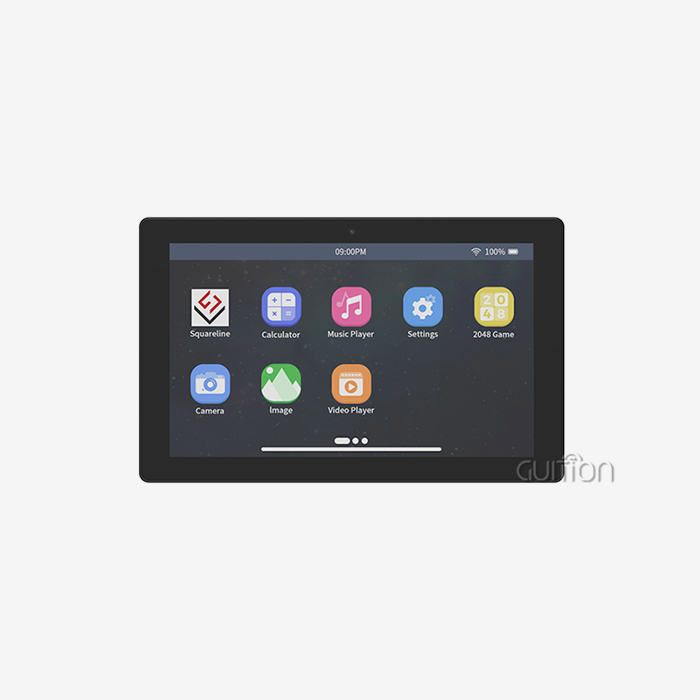
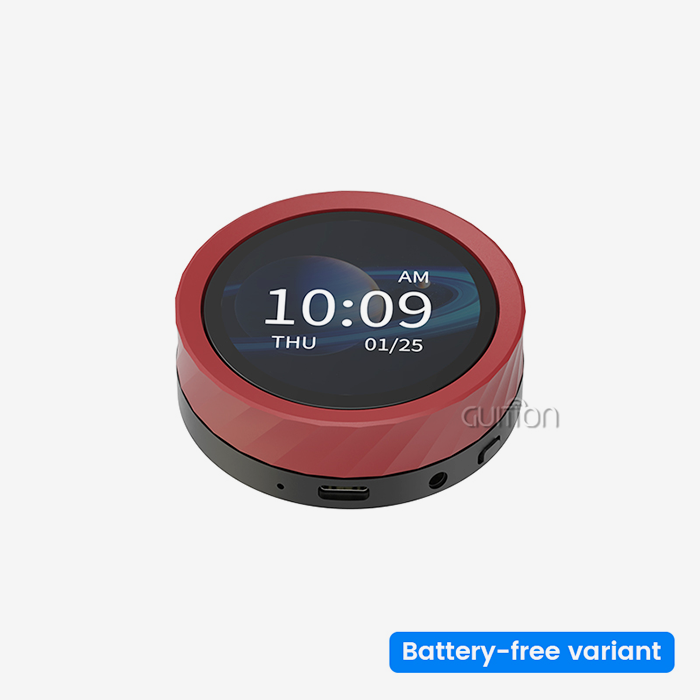
Aside from the tier-one panel makers, specialized HMI display manufacturers offer something just as useful: full software and firmware support along with the hardware. GUITION, which was created by Jingcai Intelligence, sells display units ranging from 1.28" to 21.5" along with its own development tools. Because of this, embedded engineers can make polished user interfaces without having to write low-level display drivers from scratch, which saves a lot of time on the project.
OEM Customization Options
For companies that need non-standard sizes, bezel configurations, or interface variations, OEM customization from a specialized manufacturer is often a better option than adapting a mass-market panel. GUITION supports secondary development and comes with full API documentation. This lets system architects change how things work without having to change the display firmware underneath.
Sourcing and Purchasing LCD Panel Modules: Practical Tips and Logistics
Getting the right supplies will help you stick to your budget and production schedule.
Wholesale vs. Retail Sourcing Models
Direct connections with manufacturers that offer bulk pricing, committed account management, and priority allocation during supply shortages are good for buyers who buy a lot of goods. Startups or smaller development teams may want to start with sample orders to make sure everything works together before committing to large quantities. Both methods can be used with GUITION because samples are available and ordering can be changed as needed.
Evaluating Suppliers Before You Commit
A reliable Lcd panel module provider should have the right quality certifications (ISO 9001 is the standard), clear datasheets, and expert help before the sale. Here are the factors that procurement teams with a lot of knowledge use to judge:
- Certification status: ISO 9001 certification indicates a documented quality management process that reduces the risk of inconsistent product batches.
- Datasheet completeness: A supplier that provides full electrical, optical, and mechanical specifications up front signals engineering confidence and process discipline.
- Technical support accessibility: Pre-sales support quality predicts post-sales experience. Test response time and depth before signing any agreement.
- Sample availability: The ability to request and receive a functional sample before bulk ordering is a basic trust indicator in B2B display procurement.
With these criteria, your team can screen suppliers in a structured way that doesn't just use marketing materials. Using them the same way for all candidates makes it easier to defend the final vendor choice within the company.
Quality Testing Upon Delivery
Before putting any Lcd panel module into production, you should do a basic incoming inspection. This includes looking for dead pixels or Mura (uniformity of illumination), making sure the backlight is even, and making sure the interface signal with your MCU works. Burn-in testing for 24 to 48 hours finds problems early on, before they reach customers.
Maximizing Your Investment: After-Sales Support and Future-Proofing
The price to buy is written on one line. Support, maintenance, and product life span are all parts of the real cost of a display module.
Why After-Sales Support Changes the Total Cost Equation
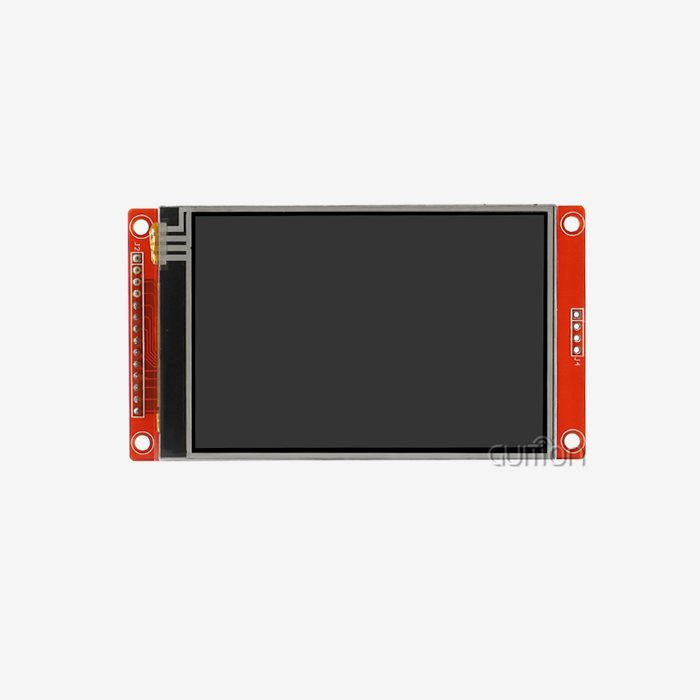
A supplier with good after-sales help cuts down on the time your tech team needs to spend fixing bugs and the cost of after-sales service. Product teams can push software changes over-the-air with GUITION's remote upgrade feature for devices equipped with SPI LCD Display solutions. This is especially useful for devices that are in charging stations or industrial panels where on-site visits are expensive.
Long-Term Supply Stability
For business and medical uses, having a product that can be used for 5–7 years is important. Before committing to a plan, find out what your supplier's end-of-life notice strategy is. Long-term supply agreements keep GUITION's product line going, which lowers the risk of having to stop selling parts in the middle of a cycle.
Multi-Language and Global Deployment Readiness
Your Lcd panel module environment needs to support multi-language UI and UTF encoding naturally if your goods are shipped to more than one area. The Guition software from GUITION lets you switch between languages and encode data in UTF-8, so you can handle different versions of your products around the world from a single development platform with a reliable SPI LCD Display solution.
Spotlight: GUITION JC4827Q043N_I — A Practical Example
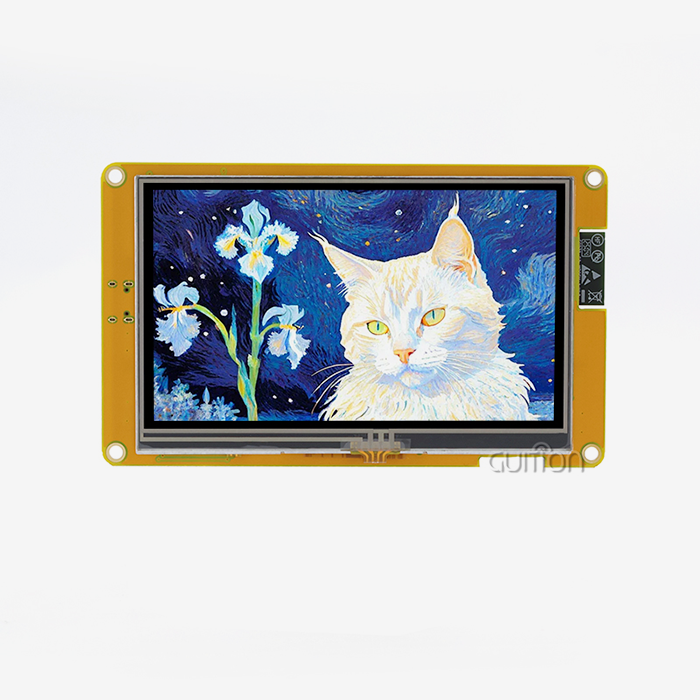
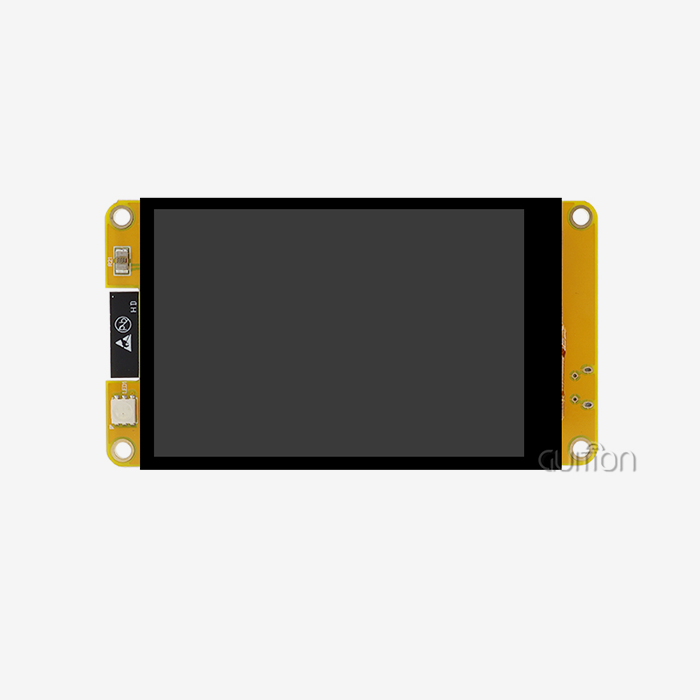
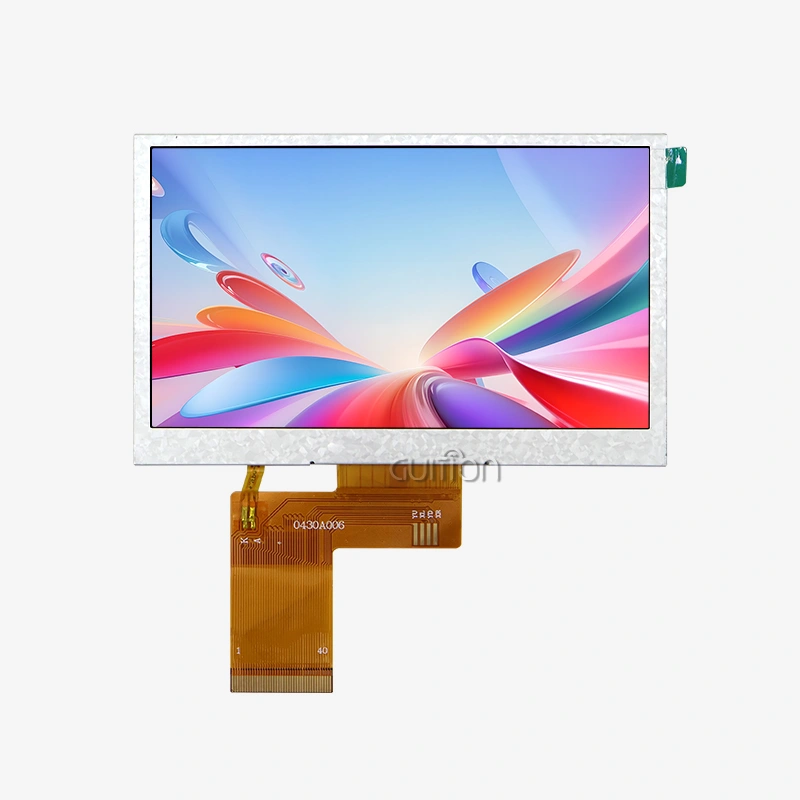
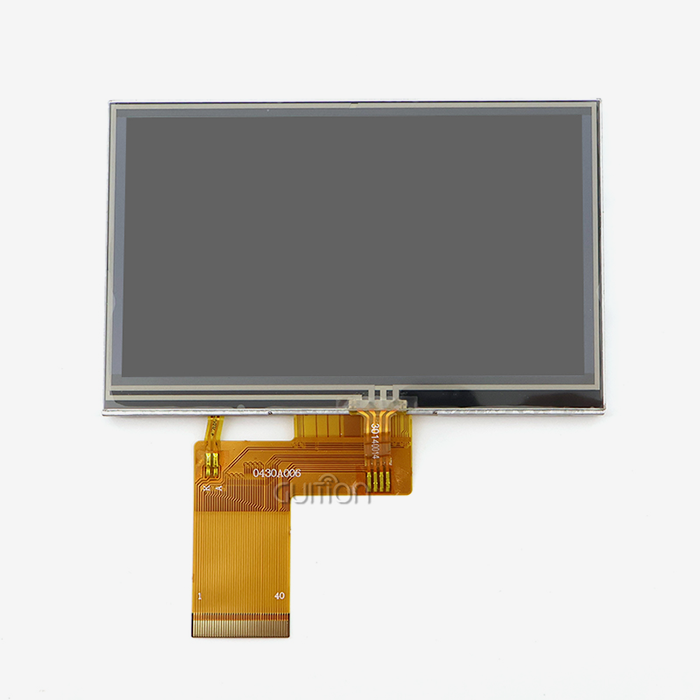
The GUITION JC4827Q043N_I is a 4.3-inch LCD screen module with a resolution of 800x480 pixels and 16.7 million colors. It is powered by the ST3401A driver IC through an MCU link. It has a clear, bright screen that works well with 3D printers, charging stations for electric vehicles, medical esthetics equipment, and industrial control panels. The module works with Guition software, which has development modes for Arduino, ESP-IDF, and native Guition. With the drag-and-drop UI maker, HMI designers can make professional interfaces even if they don't know a lot about code. This module strikes a good mix between speed and ease of development, which is something that both procurement teams and embedded engineers like.
Conclusion
To find the right Lcd panel module, you need to look at more than just the price per unit. The real cost and risk of a display choice are affected by things like resolution, interface compatibility, software support, supplier certifications, and service after the sale. Because it has both good hardware and development software, GUITION is a good choice for engineers and product managers who need fast, stable HMI options with reliable SPI LCD Display solutions. Start with a sample, make sure the integration works, and build a relationship with a seller that will help you with your product for its whole life.
FAQ
What factors influence LCD panel module pricing?
Prices vary based on the size of the screen, its resolution, the brightness of its lighting, the complexity of its driver IC, the type of interface it uses, and the number of units ordered. Industrial-grade units that can handle higher temperatures or more light cost more than regular household panels. When buying specialized HMI panels in bulk, savings usually start at 100 or more units.
How do I verify a supplier is legitimate?
Ask for direct copies of their ISO certification papers, see if they make full datasheets available to the public, and ask for customer references from people in your field.
What tests should I run before production integration?
Check visually for dead pixels and Mura flaws, do a backlight consistency check, make sure the interface signal integrity with your target MCU, and burn-in the screen for 24 to 48 hours. Most unit-level problems will be caught by these steps before they affect your production line.
Can I get samples before placing a bulk order?
Yes, GUITION does offer sample orders so that you can see how well they work. You can get a sample of the JC4827Q043N_I or any other module in the range by emailing david@guition.com.
Get in Touch with GUITION for Your LCD Panel Module Needs
Are you ready to find a good provider of Lcd panel modules for your next project? GUITION comes in a full size range from 1.28" to 21.5" and works with both Arduino and ESP-IDF. It also comes with its own development tools. Our team is ready to help you with your project, whether you need a sample unit or a supply agreement for a large-scale production run. To see the full list of products, email David at david@guition.com.
References
1. IHS Markit (S&P Global). Display Supply Chain Consultants: Industrial Display Market Report. 2022.
2. Society for Information Display (SID). Display Week Technical Digest. 2023.
3. IEC. IEC 60068-2: Environmental Testing for Electronic Components. International Electrotechnical Commission, 2021.
4. ISO. ISO 9241-307: Ergonomics of Human-System Interaction — Optical Laboratory Methods. International Organization for Standardization, 2008.
5. Grand View Research. Global Industrial Display Market Size & Forecast Report. 2023.
6. MIL-STD-810G. Environmental Engineering Considerations and Laboratory Tests. U.S. Department of Defense, 2019.
Learn about our latest products and discounts through SMS or email