- English
- French
- German
- Portuguese
- Spanish
- Russian
- Japanese
- Korean
- Arabic
- Greek
- German
- Turkish
- Italian
- Danish
- Romanian
- Indonesian
- Czech
- Afrikaans
- Swedish
- Polish
- Basque
- Catalan
- Esperanto
- Hindi
- Lao
- Albanian
- Amharic
- Armenian
- Azerbaijani
- Belarusian
- Bengali
- Bosnian
- Bulgarian
- Cebuano
- Chichewa
- Corsican
- Croatian
- Dutch
- Estonian
- Filipino
- Finnish
- Frisian
- Galician
- Georgian
- Gujarati
- Haitian
- Hausa
- Hawaiian
- Hebrew
- Hmong
- Hungarian
- Icelandic
- Igbo
- Javanese
- Kannada
- Kazakh
- Khmer
- Kurdish
- Kyrgyz
- Latin
- Latvian
- Lithuanian
- Luxembou..
- Macedonian
- Malagasy
- Malay
- Malayalam
- Maltese
- Maori
- Marathi
- Mongolian
- Burmese
- Nepali
- Norwegian
- Pashto
- Persian
- Punjabi
- Serbian
- Sesotho
- Sinhala
- Slovak
- Slovenian
- Somali
- Samoan
- Scots Gaelic
- Shona
- Sindhi
- Sundanese
- Swahili
- Tajik
- Tamil
- Telugu
- Thai
- Ukrainian
- Urdu
- Uzbek
- Vietnamese
- Welsh
- Xhosa
- Yiddish
- Yoruba
- Zulu
Where to Buy Reliable ESP32P4 LCD Modules for OEM Projects
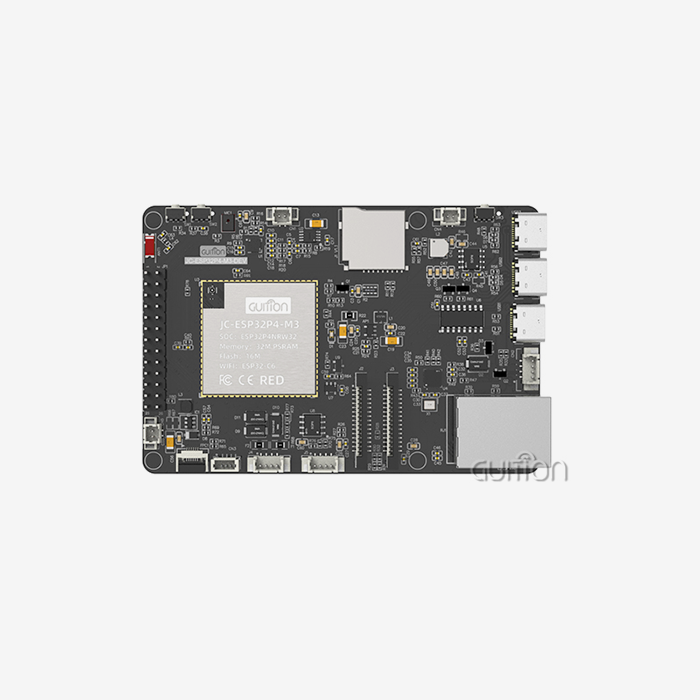
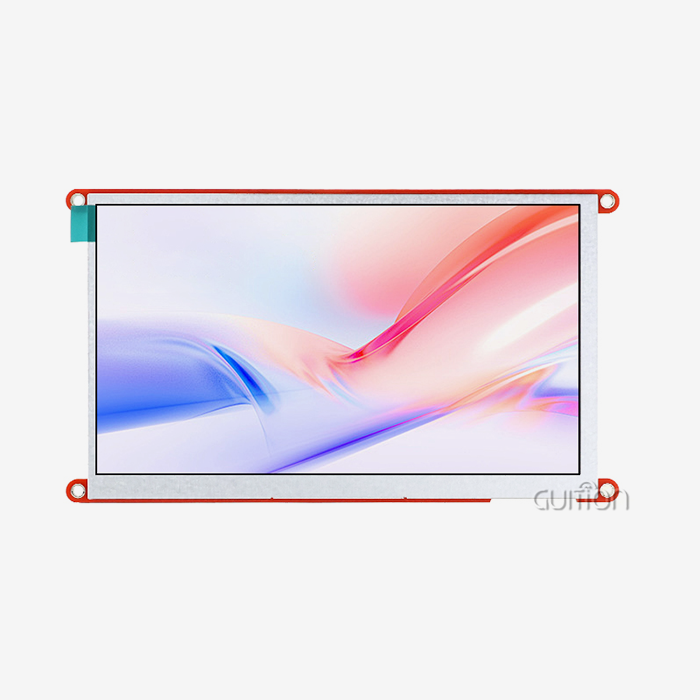
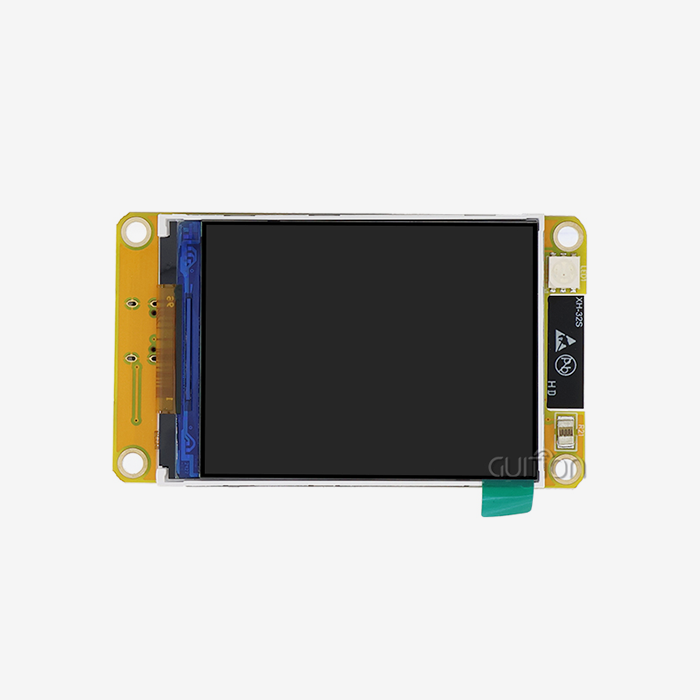
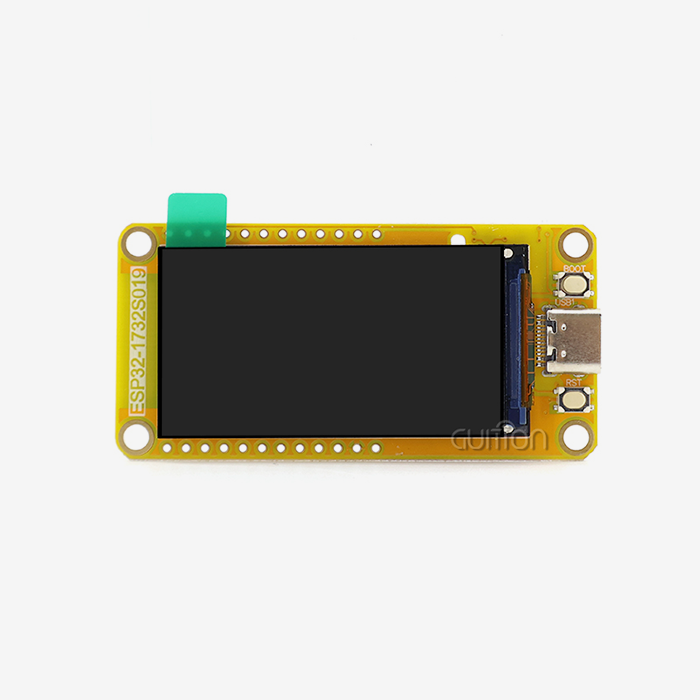
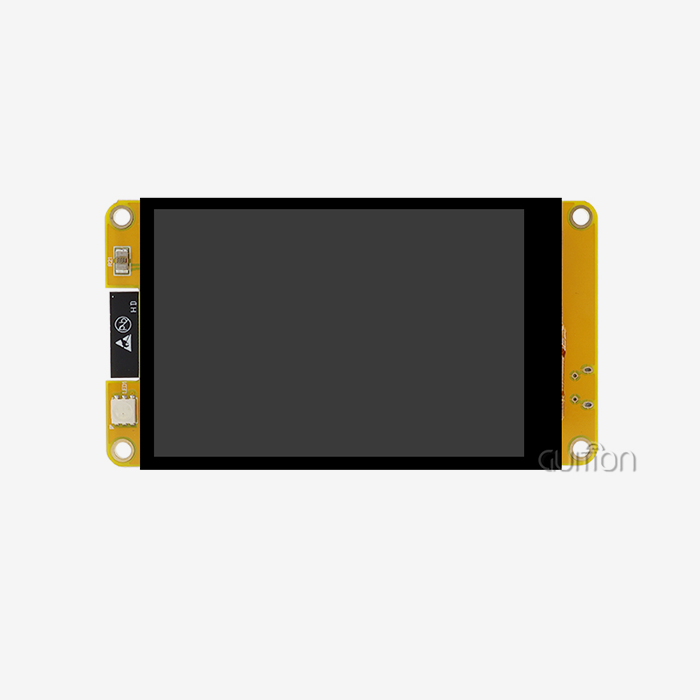
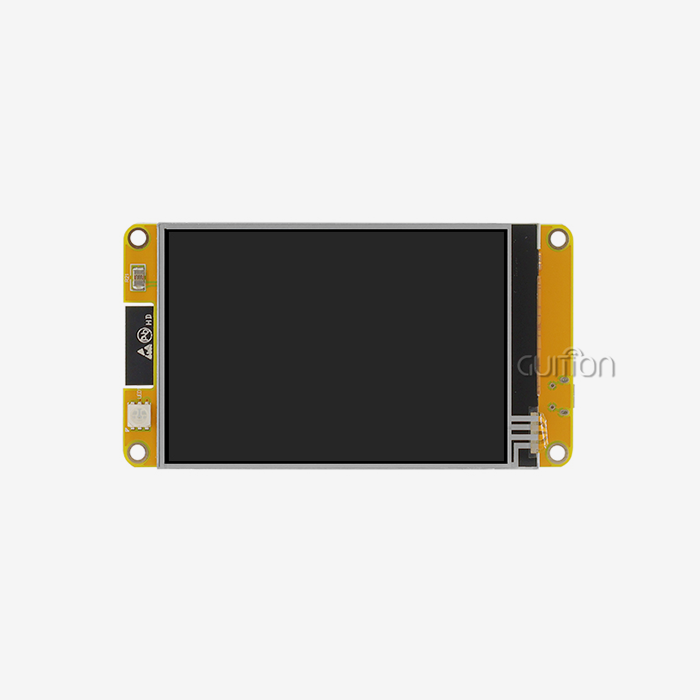
If you need a dependable ESP32P4 lcd module for your next OEM build, Guition's JC4880P443C_I_W is worth your full attention. This 4.3-inch display module runs on the ESP32-P4 dual-core processor at up to 360 MHz, features a 480×800 IPS capacitive touchscreen, 32MB PSRAM, 16MB Flash, and built-in WiFi plus Bluetooth. It supports Arduino IDE, ESP-IDF, MicroPython, and the proprietary Guition software. Whether you manage industrial control panels or smart home devices, this ESP32P4 display solution ships factory-tested and ready to integrate.

Understanding the Importance of Choosing Reliable ESP32P4 LCD Modules
If you choose the wrong display module, the whole launch of your product could fail. Before you decide on a supplier, you should know what makes an ESP32P4 LCD module really good for OEM production.
Why Module Quality Directly Impacts Your Project
A bad display can cause the screen to tear, the touch screen to react inconsistently, and the lighting to fail early. When used in production settings, like on medical monitors, workplace screens, or energy meters, these problems have real costs. The JC4880P443C_I_W from Guition is made to industrial standards and has a proven capacitive touch driver and backlight control circuit on the same board.
Key Performance Metrics to Check Before Buying
Before you buy an esp32p4 display module, make sure it has these three things: a processor clock speed (the JC4880P443C_I_W has 360 MHz), frame buffer memory (32MB PSRAM allows double-buffering for tear-free animation), and an interface that works with other devices. It's possible for your idea to grow because the JC4880P443C_I_W saves both a TF card slot and an IO port interface.
Common Compatibility Pitfalls
A lot of engineers find out too late that the display they chose doesn't work with their firmware stack. This doesn't happen at all with the JC4880P443C_I_W, an ESP32P4 Display Module that works with Arduino IDE, ESP-IDF, MicroPython, and Guition's own GUI tool. Because it works on multiple platforms, your embedded engineers will spend less time fixing driver issues and more time putting products on the market.
How to Evaluate and Compare ESP32P4 LCD Modules for Your OEM Needs
Not every display module that is built on ESP32-P4 is the same. An organized comparison keeps buying teams from making mistakes that cost a lot of money.
IPS vs. OLED vs. Parallel RGB Displays
OLED screens have deep blacks, but they get burned in with static industrial UI. Most embedded teams don't want to deal with the extra work that Linux adds to Raspberry Pi LCD panels. The JC4880P443C_I_W's IPS panel has 16.7 million colors, wide viewing angles, and even brightness, making it perfect for applications that need to work all the time, like kiosks, appliance panels, and monitoring screens.
Resolution and Touch Controller Specifications
This ESP32P4 lcd module has 480x800 pixels, which is a good size for showing detailed info on your UI. The built-in capacitive touch processor handles multiple touch movements without the need for an extra chip, which keeps the bill of materials (BOM) low. SPI-only MCU screens, on the other hand, can only show around 320x240 images and have much slower frame rates.
Memory and Storage Architecture
With 32MB of PSRAM and 16MB of Flash, the JC4880P443C_I_W is a good chip for making production software. For double-buffering, LVGL-based interfaces with dynamic images need at least 8MB of external PSRAM; 32MB gives your team a lot of room to grow. With the built-in TF card slot, you can add more storage for fonts, images, and data logs without having to redesign the PCB.
Top Sources and Suppliers for Purchasing Reliable ESP32P4 LCD Modules
It is just as important to know where to buy things as it is to know what to buy. There are direct manufacturers, distributors, and wholesale platforms in the market for ESP32P4 display modules. Each has a different level of risk. Here are the best ways for OEM buyers to find suppliers:
- Direct from the manufacturer (Guition): Buying directly from Guition means you receive authenticated JC4880P443C_I_W units with full technical documentation, consistent firmware, and direct access to the engineering team. This path suits R&D managers and product managers who need custom configurations or volume pricing. Contact: david@guition.com
- Authorized distributors: Verified regional distributors stock certified Guition modules and can handle local regulatory paperwork, import duties, and faster shipping windows for urgent orders.
- B2B wholesale platforms: Platforms like Alibaba list ESP32P4 LCD module suppliers, but buyers must independently verify certifications (CE, RoHS, FCC) and request samples before committing to volume orders.
By buying directly from Guition, you can be sure that the JC4880P443C_I_W units you receive are real and come with full technical documentation, consistent software, and direct access to the research team. This route works for product managers and R&D managers who need custom setups or low prices for large orders.
Step-by-Step Guide to Ordering ESP32P4 LCD Modules for OEM Projects
Your schedule and budget will be safe if you have a clear ordering process. Before you place a large order, make sure you do these things.
Step 1 — Request a Sample and Verify Authenticity
In order to begin, you should always use a sample unit. To test the JC4880P443C_I_W, make sure the processor label is correct, the PSRAM and Flash sizes match the datasheet, and the factory test program that comes on the module should be run. Genuine Guition units start up right away and show the test UI without any settings being changed.
Step 2 — Confirm Customization Requirements
Get in touch with david@guition.com right away if your OEM project needs custom software, UI branding, or more IO options. Guition lets you do secondary development by giving you full access to the Guition GUI builder and a well-documented API. Pre-notifying customization needs before placing a large order helps avoid expensive changes made in the middle of production.
Step 3 — Negotiate Volume Pricing and Delivery Terms
Once your sample passes validation, talk about minimum order quantities, wait times, and shipping dates. Guition supports screens from 1.28" to 21.5", so if your product plan includes a number of different form factors, buying from a single ESP32P4 Display Module provider will give you more negotiating power and make transportation easier.
Leveraging Technical Support and Documentation for Seamless Integration
When you have good tools but bad documentation, it takes twice as long to create something. This is where Guition's support system has a direct effect on the time it takes to finish your job.
Available Documentation and Driver Libraries
For the JC4880P443C_I_W, Guition gives you full datasheets, pinout diagrams, and example code. The module has methods from the Arduino library and sample projects that are ready to run. It works with the LVGL graphics library. Embedded coders can look at code that already works for connecting to WiFi, pairing with Bluetooth, reading and writing to TF cards, and handling touch events. This cuts the time it takes to set up from days to hours.
Guition GUI Software for UI Design
A visual drag-and-drop editor is built into the Guition development tool for HMI/UI designers. Without writing low-level graphics code, you can make full-screen interfaces, set up touch callbacks, and see how layouts will look. With just one click, you can download your completed project and send it directly to the ESP32P4 display module, skipping the need for multiple flashing steps.
Remote OTA Upgrade Capability
The JC4880P443C_I_W can receive over-the-air software changes through its built-in WiFi after it has been set up. This gets rid of the cost of on-site repair calls for things like energy meters, farm automation terminals, and business kiosks that are out in the field. Your team can remotely push bug fixes or UI updates, which cuts down on the cost of service after the sale.
Conclusion
Picking the correct ESP32P4 LCD module impacts all parts of your OEM project, from how quickly it is developed to how reliable it is in the field. The Guition JC4880P443C_I_W meets the practical needs of embedded engineers, R&D managers, and procurement teams by supporting cross-platform development, allocating memory well, having built-in connectivity, and providing a supply that can be checked. When you buy directly from Guition, you don't have to worry about fakes, and your team can access uniform product documents. This module should be on your shortlist for evaluation if your project needs a display that works in real life.
FAQ
What development environments does the JC4880P443C_I_W support?
The JC4880P443C_I_W works with the Guition development tool, the Arduino IDE, the ESP-IDF, and MicroPython. This works for most embedded engineer tasks and doesn't need a new tools.
How do I verify I am buying an authentic Guition ESP32P4 LCD module?
Real units come with a test program already installed that runs when they are turned on for the first time. Before you place a large order, make sure you get the product information and compare the processor, PSRAM, and Flash specs.
Does this module support multi-language UI deployments?
Yes, Guition's software supports UTF-8 encoding and moving between languages, so you can use it in global applications in different regions without having to rebuild your firmware from scratch.
What graphics library works best with this ESP32P4 display module?
The graphics library that you should use is LVGL. Espressif supports LVGL hardware acceleration on the ESP32-P4, and Guition's manual has examples of how to use LVGL with the JC4880P443C_I_W.
Can the module handle OTA updates in deployed products?
Yes. Over-the-air (OTA) software changes can be done with the ESP32-P4's built-in WiFi. This lets teams keep up with goods from afar, which is necessary for industry and business deployments.
Get Your ESP32P4 LCD Module Quote from Guition Today
The JC4880P443C_I_W from Guition is an ESP32P4 LCD module that is ready for mass production and was made for serious OEM projects. It has a 360 MHz dual-core processor, 32 MB of PSRAM, 16 MB of Flash, capacitive touch, WiFi and Bluetooth built in, and support for four development environments. This means it can be used in a wide range of industrial, medical, and smart appliance settings. As a reliable maker of ESP32P4 LCD modules, Guition backs up every unit with full paperwork and direct tech support. To get a sample or bulk quote today, email David@guition.com with details about your project.
References
1. Espressif Systems. ESP32-P4 Technical Reference Manual. Espressif Systems, 2024.
2. IEEE Transactions on Industrial Electronics — "Human-Machine Interface Design for Embedded Control Systems," Vol. 70, 2023.
3. Maier, A. et al. "IoT Display Integration in Industrial Automation." Journal of Embedded Computing, Vol. 18, 2023.
4. EDN Network — "Choosing the Right MCU Display Interface for OEM Products," 2023.
5. Brownell, C. "Embedded GUI Development with LVGL on Resource-Constrained Hardware." Embedded Computing Design, 2024.
6. IEEE Access — "Over-the-Air Firmware Update Architectures for IoT Edge Devices," Vol. 11, 2023.
Learn about our latest products and discounts through SMS or email