- English
- French
- German
- Portuguese
- Spanish
- Russian
- Japanese
- Korean
- Arabic
- Greek
- German
- Turkish
- Italian
- Danish
- Romanian
- Indonesian
- Czech
- Afrikaans
- Swedish
- Polish
- Basque
- Catalan
- Esperanto
- Hindi
- Lao
- Albanian
- Amharic
- Armenian
- Azerbaijani
- Belarusian
- Bengali
- Bosnian
- Bulgarian
- Cebuano
- Chichewa
- Corsican
- Croatian
- Dutch
- Estonian
- Filipino
- Finnish
- Frisian
- Galician
- Georgian
- Gujarati
- Haitian
- Hausa
- Hawaiian
- Hebrew
- Hmong
- Hungarian
- Icelandic
- Igbo
- Javanese
- Kannada
- Kazakh
- Khmer
- Kurdish
- Kyrgyz
- Latin
- Latvian
- Lithuanian
- Luxembou..
- Macedonian
- Malagasy
- Malay
- Malayalam
- Maltese
- Maori
- Marathi
- Mongolian
- Burmese
- Nepali
- Norwegian
- Pashto
- Persian
- Punjabi
- Serbian
- Sesotho
- Sinhala
- Slovak
- Slovenian
- Somali
- Samoan
- Scots Gaelic
- Shona
- Sindhi
- Sundanese
- Swahili
- Tajik
- Tamil
- Telugu
- Thai
- Ukrainian
- Urdu
- Uzbek
- Vietnamese
- Welsh
- Xhosa
- Yiddish
- Yoruba
- Zulu
Where to Buy LCD Panel Modules: Supplier and Import Guide
Finding the right LCD panel module supplier requires balancing technical specifications, pricing, and long-term reliability. Industrial display modules serve as the visual interface for equipment ranging from medical devices to smart home controls, making supplier selection a strategic decision. This guide walks you through the complete procurement journey—from understanding display technologies to navigating international import procedures—helping you source modules that accelerate product development while maintaining cost efficiency. Whether you're an embedded engineer prototyping a new HMI design or a procurement manager scaling production, you'll discover actionable strategies to identify trustworthy suppliers, evaluate technical capabilities, and establish partnerships that support your business growth.

How to Select the Right LCD Panel Module Supplier
Essential Evaluation Criteria
Supplier certification shows that the company meets environmental and manufacturing standards. RoHS certification proves that dangerous chemicals are limited, and ISO 9001 certification proves that quality management systems are in place. Look for clear pricing structures that explain how much each unit costs, how much it costs to make custom designs, and how it will be shipped. Minimum order numbers (MOQs) have a big effect on the initial investment. Some providers can handle low-volume orders for prototyping, but others need bigger promises for production runs. Customization capacity is what sets suppliers who can change basic goods apart from those who offer full design services. Ask about the availability of engineering support, such as the quality of the technical documents, help with merging, and tools for troubleshooting.
Manufacturer Versus Distributor Sourcing
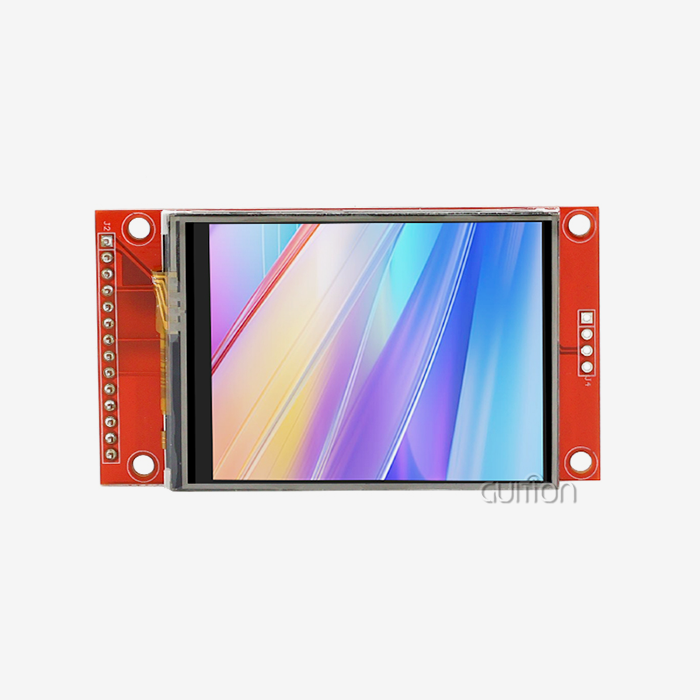
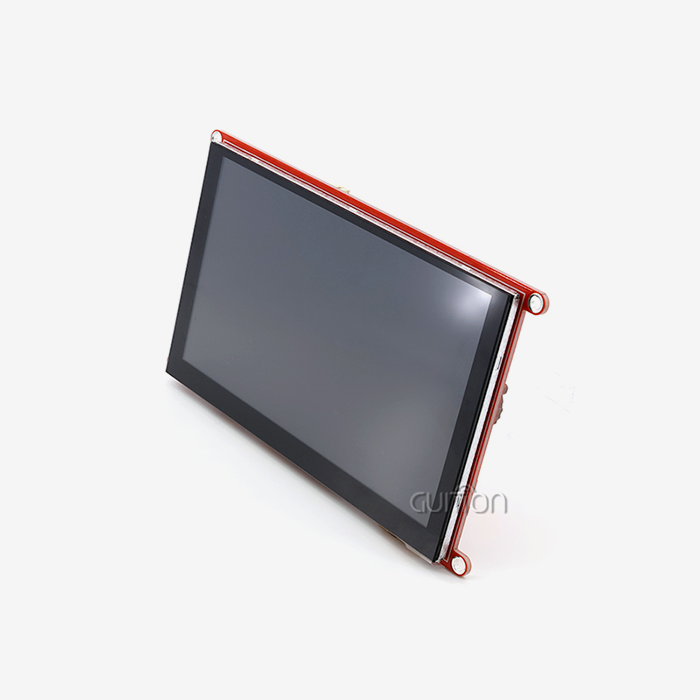
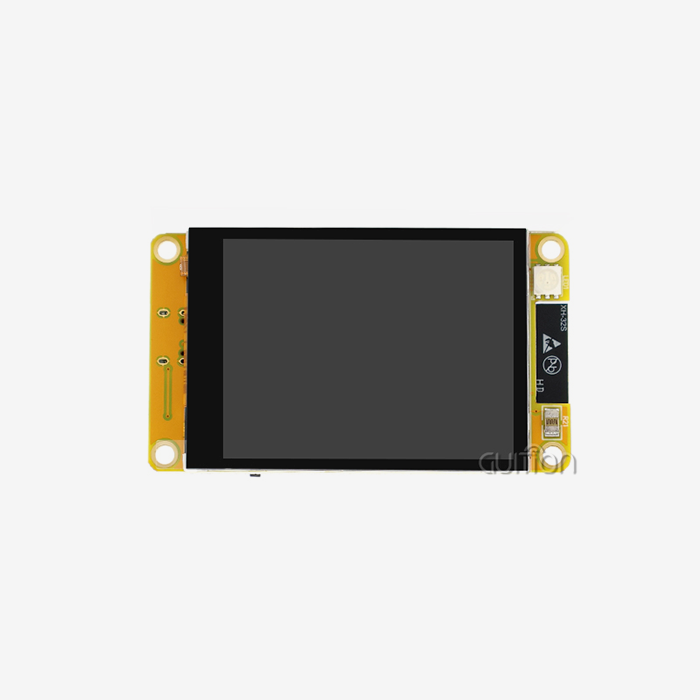
When you work directly with a manufacturer, you can get better results for both large orders and custom designs. Companies like Guition focus on SPI LCD Display solutions and have full product lines with sizes ranging from 1.28 inches to 21.5 inches. They also offer engineering help during the creation process. Their vertical integration lets them keep a closer eye on quality and make changes more quickly. Authorized distributors help buyers who need smaller amounts, faster delivery, or one place to get a lot of different kinds of parts. They usually keep products in stock so that they can be shipped right away, but they are less flexible when it comes to making changes to products. Regional wholesalers know the rules in your area and can speed up the customs clearance process, which is important when you have to meet tight project deadlines.
Comparing Wholesale and Custom Orders
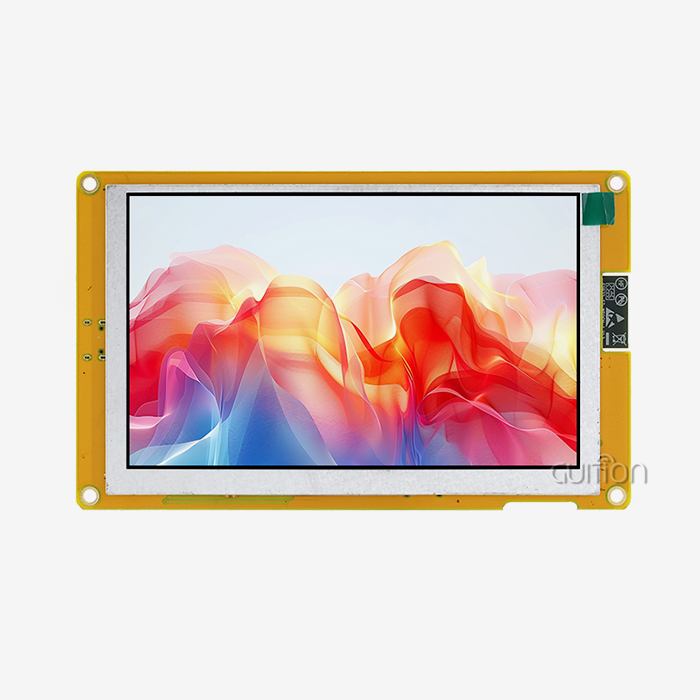
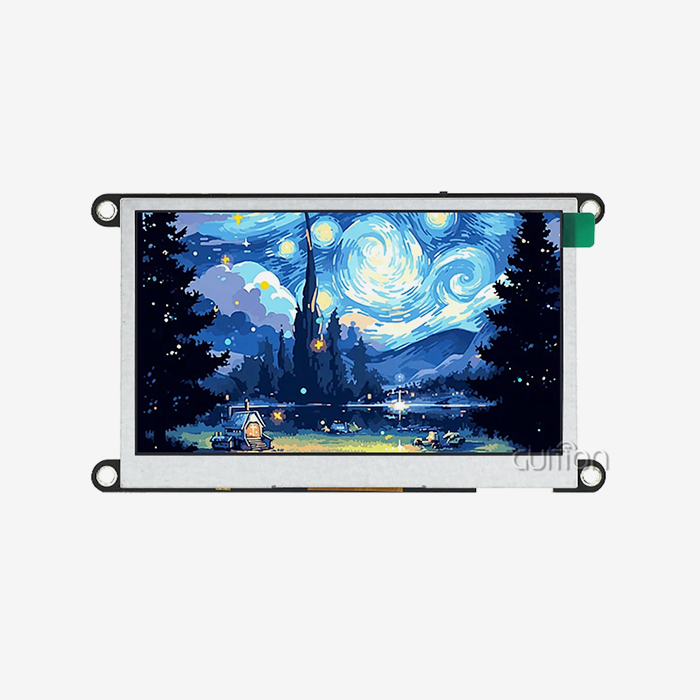
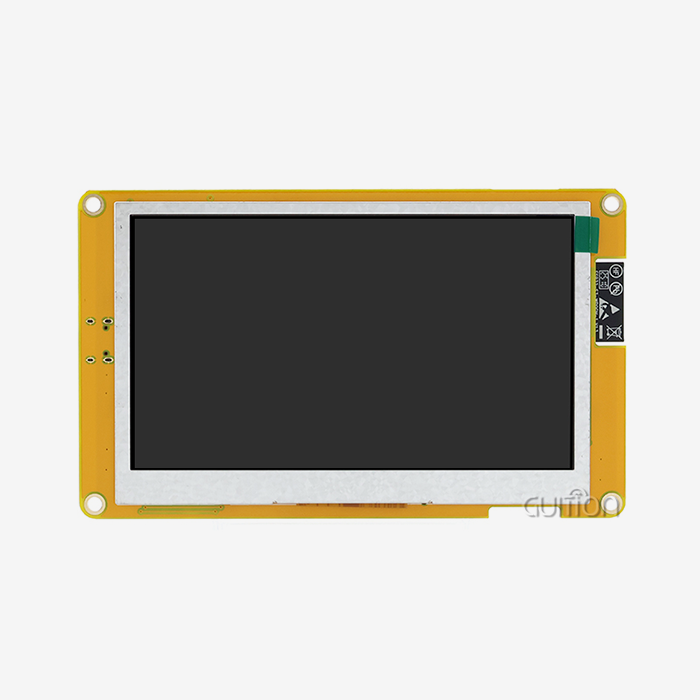
Standard LCD panel modules that can be bought in bulk cut down on lead times and tooling costs. If your program is a standard size and interface, these ready-made options will work well. This method is shown by the Guition JC4827Q043N_I, a 4.3-inch screen with an 800x480 resolution and an ST3401A driver IC that can be used in a number of different industries without needing to be customized. The MCU interface and 16.7M color support of this module meet the needs of 3D printers, charging stations, and medical aesthetic equipment through a standard design. When your product needs special environmental ratings, custom measurements, or built-in touch screens, you have to place a custom order. When negotiating unique designs, tooling costs usually range from $2,000 to $15,000. Lead times also go up by 8 to 16 weeks, which is longer than normal production plans.
The Procurement Process: From Inquiry to Delivery
Submitting Effective Requests for Quotation
A thorough RFQ speeds up the quote process and makes sure that the offers are correct. List the required display size, resolution, and viewing angle. Define the type of interface (MCU, SPI, or another standard) and the physical properties (voltage ranges, power consumption limits, etc.). Include the expected yearly volumes and the original order sizes, as these are what set the price levels. Find out where the delivery will happen and which Incoterms should be used for international shipments. Describe the conditions of the operating environment, such as the temperature range, the amount of humidity, and the need for vibration resistance. Include technical plans that show where to connect things and how they need to be mounted. With detailed RFQs, providers can figure out if the work is technically possible and give accurate dates instead of guesses.
Understanding Pricing Determinants
The price of an LCD panel module is affected by more than just the prices of its parts. Screen size and resolution have a big effect on price, since glass substrates and driver ICs that are bigger and have more pixels cost more. Costs depend on how complicated the interface is. For example, simple MCU links are cheaper than multi-lane MIPI versions. Backlight technology affects prices; for example, outdoor displays that need to be brighter cost more than regular indoor displays. The biggest difference in price is caused by the number of units ordered. Between MOQ and production volumes over 10,000 units, costs per unit could drop by 30 to 50 percent. Engineering and tooling fees go up when you customize something. Compared to previous years, the supply chain is more stable in 2024, but geopolitical factors are still affecting the availability of parts and the cost of shipping them from Asian manufacturing regions.
Lead Times and Logistics Considerations
Standard module buying usually takes between 4 and 8 weeks from the time the order is confirmed until it is delivered. This time includes planning production, making the modules, inspecting them for quality, and sending them internationally. Custom designs add 12 to 20 weeks to the time frame, which includes engineering validation and making the tools. Air freight delivery takes 7 to 14 days and costs more, but it can meet pressing needs or small orders. Ocean freight takes 4 to 6 weeks to cross the Pacific, but it costs less per unit for large production amounts. Buyers should add an extra 3 to 7 days for customs clearance, depending on how much paperwork they need and how busy the port is. For industrial units, warranties usually last between 12 and 24 months, and from reputable makers, the rate of defects is less than 0.3%. The quality of after-sales support varies a lot. Top suppliers offer technical support in English and keep replacement parts in stock, while lower-tier sources may only offer limited support.
Technical Integration Insights for Procurement Engineers
Matching Specifications to Application Requirements
The choice of resolution strikes a balance between how clear the image is and how much data and computer power are needed. An 800x480 screen has 384,000 pixels, which is enough to show text, icons, and simple graphics on industrial control interfaces. For medical apps that need clear pictures, you might need a size of 1024x600 or better. For moving content, the refresh rate is important. For most HMI uses, 60Hz is enough, but higher rates are better for video playing. The contrast ratio affects how well you can read in different lighting conditions. Modules with 1000:1 ratios work well in controlled indoor settings, but they need more contrast for use outside. Integration complexity is based on how well the two interfaces work together. For example, UART serial connections make wiring easier but slow down update rates, while parallel RGB interfaces offer faster refresh rates but require more pins on your controller.
Power Requirements and Driver Selection
The power used by an SPI LCD Display is made up of the backlight current draw and the LCD driver's needs. The backlight usually uses between 60 and 80% of the total power. Depending on the brightness settings and panel size, the LED arrays use between 200 and 800 milliamps. The ST3401A and other driver ICs handle activating pixels while drawing 30 to 100 milliamps. To find the total system power, add up the power used by these parts and your processor. Regulating the voltage is important because most industrial modules work on 3.3V or 5V logic levels. If your microprocessor uses a different voltage, you will need to move the levels. Choosing the right driver board affects the features that can be used. Simple drivers take care of pixel addressing, while advanced controllers include graphics acceleration, frame buffering, and interface conversion.
Installation and Integration Best Practices
Paying attention to the building of the LCD panel module is needed for physical placement. Bezel designs with mounting holes make it easier to put in panels, but modules without frames need to be put in their own enclosures. Allow space for cable routing and connector access while the parts are being put together. In places with a lot of electrical noise, EMI shielding is important. Twisted-pair wiring and ferrite beads help keep signals from getting messed up. There are different kinds of connectors, such as pin headers for testing and flexible flat cords (FFC) for small designs. Test your connection with different types of content to make sure the colors are correct and to find any pixel problems quickly. Backlighting that can be adjusted lets you get the best results in a variety of lighting situations; modules with PWM brightness control save energy and make backlights last longer.
Best Practices and Tips for Successful LCD Panel Module Importation
Regulatory Compliance and Documentation
Customs officials in the United States need commercial invoices that list the products, their values, and the country where they came from. Duty rates are based on the Harmonized Tariff Schedule (HTS) classification. LCD panel modules usually fall under HTS 8531.20, but rates can change depending on their unique features. Trade deals may lower tariffs if you have a Certificate of Origin. FCC approval is given to modules that have wireless connection features like Bluetooth or WiFi. This makes sure that the modules are electromagnetically compatible. Energy Star compliance is not required, but it shows that business goods use less power. Keep technical specification sheets, safety certifications, and material declarations on hand so that customs can look them over. Not following the rules can lead to delays in shipments, extra inspections, or fines.
Risk Mitigation in Supplier Relationships
Verifying the supplier cuts down on procurement risks by a large amount. Before committing to big sales, make sure the company has the right business licenses and manufacturing site certifications. Ask for customer references from businesses in the same line of work. Reliable providers will be happy to give you the contact information of past customers. Sample testing finds quality problems before they become production commitments. Order small amounts to check how well the display works, how accurate the documentation is, and how responsive the supplier is. Payment terms balance the risk of both the buyer and the seller. For first orders, a 30% deposit is usually required, and the remaining 70% is due before the shipment. For repeat business, net-30 or net-60 terms may be possible. Letters of credit are a way to protect large orders by promising payment only after certain conditions are met.
Building Long-Term Partnerships
Quality standards are kept up throughout the lifecycle of a product by evaluating suppliers regularly. Track the number of on-time deliveries, the number of defects per package, and how quickly you answer expert questions. Give suppliers feedback on how they're doing—constructive contact makes things better and builds stronger ties. When you commit to a certain volume, you get better pricing and priority scheduling for your production. Collaborative product development uses the technical knowledge of suppliers. For example, Guition offers unique development software that speeds up interface design with drag-and-drop tools and gets rid of the need for complex coding. Their support for Arduino, IDF, and native development modes makes it easy for engineers with different tastes to use them. With this partnership-based method, suppliers are turned into strategic assets instead of just transactional providers.
Conclusion
To find the right display modules, you have to compare technical specs to what the application needs, find sellers who have a history of being reliable, and deal with the complicated aspects of foreign procurement. Performance in your target environment depends on which display technology you choose, such as TFT, IPS, or a more specialized type of LCD panel module. When you work with suppliers in a way that includes open communication, verified certifications, and collaborative development, you get better results than when you only look at price. From RFQ to delivery, there are several checkpoints in the buying process. Paying close attention to the details at these points keeps expensive delays and quality problems at bay. The success of technical integration depends on how well the module's specs match up with your controller's abilities and the environment. Strategic export practices, such as following the rules and lowering the risk, protect your investment and make sure you always have supplies when you need to scale up production.
FAQ
1. What is the typical lifespan of industrial LCD panel modules?
Industrial-grade display units usually last between 50,000 and 70,000 hours of use when they are kept in certain temperature ranges. This means that it will work for about 5 to 8 years without stopping, or 10 to 15 years in situations where it will only be used sometimes. End-of-life is usually determined by backlight degradation, since LED brightness decreases over time. The environment has a big effect on how long something lasts. For example, modules that work in temperature-controlled environments last longer than those that are exposed to cycles of extreme heat or cold.
2. Can LCD panel modules be customized for specialized applications?
Customization choices depend on what the LCD panel module supplier can do and how many items are ordered. Standard changes include changing the length of the cables, using different types of connectors, and making the screen brighter. Customization that goes further includes different screen sizes, built-in touch panels, and special optical glue for reading outside. For equipment expenses to be worth it, custom orders usually need at least 500 to 2,000 units. Engineering-focused providers like Guition offer extra development help through detailed documentation and a variety of interface choices, which lets users change how the software works without having to change the hardware.
3. How do minimum order quantities affect pricing and lead times?
MOQs have a direct effect on per-unit costs by affecting how efficiently products are made and how much power suppliers have to buy parts. When compared to production numbers over 5,000 pieces, the first sales at MOQ levels might cost 40 to 60 percent more per unit. Lead times are also related to the size of the order; sellers give bigger orders more attention when planning production, which could cut delivery times by two to three weeks. Sometimes, prototype quantities lower than the MOQ can be found at higher prices or through distributor stock. When you commit to buying a lot of something, you get a better price and priority when parts are in short supply.
Partner with Guition for Your HMI Display Module Needs
For industrial dependability and quick development, Guition offers complete LCD panel module options. Our product line includes sizes from 1.28 inches to 21.5 inches, so it can be used for a wide range of tasks, from small medical devices to big control panels. The JC4827Q043N_I model is a great example of our technical focus. It has an 800x480 resolution display, the ST3401A driver IC, and an MCU interface that works with it, making it easy to integrate into your embedded systems. Our special development software works with Arduino, IDF, and native Guition modes. It speeds up the design of your interface with simple drag-and-drop tools and gets rid of the need for complicated low-level code. Built-in WiFi and Bluetooth make it possible to join smartly without using extra units. We lower your development risks and time-to-market pressures by giving you full technical documentation, quick engineering support, and reliable supply chain management. Get a detailed quote from our experienced supplier by emailing our team at david@guition.com to discuss your project specifications.
References
1. Display Technology Standards Committee, "Industrial Display Module Specifications and Performance Metrics," Society for Information Display Journal, 2023.
2. Williams, Robert, and Chen, Li, "Procurement Strategies for Electronic Components in Global Supply Chains," International Journal of Production Economics, Vol. 245, 2024.
3. Electronics Manufacturing Association, "LCD Panel Module Integration Guidelines for Embedded Systems," Technical Reference Manual, 4th Edition, 2023.
4. Garcia, Maria, "Supply Chain Risk Management in Electronics Procurement," Harvard Business Review Press, 2024.
5. Institute of Electrical and Electronics Engineers, "Human-Machine Interface Design Standards for Industrial Applications," IEEE Standard 1789-2023.
6. Peterson, James, "Import Compliance and Customs Procedures for Electronic Components," U.S. Customs and Border Protection Educational Series, 2024.
Learn about our latest products and discounts through SMS or email