- English
- French
- German
- Portuguese
- Spanish
- Russian
- Japanese
- Korean
- Arabic
- Greek
- German
- Turkish
- Italian
- Danish
- Romanian
- Indonesian
- Czech
- Afrikaans
- Swedish
- Polish
- Basque
- Catalan
- Esperanto
- Hindi
- Lao
- Albanian
- Amharic
- Armenian
- Azerbaijani
- Belarusian
- Bengali
- Bosnian
- Bulgarian
- Cebuano
- Chichewa
- Corsican
- Croatian
- Dutch
- Estonian
- Filipino
- Finnish
- Frisian
- Galician
- Georgian
- Gujarati
- Haitian
- Hausa
- Hawaiian
- Hebrew
- Hmong
- Hungarian
- Icelandic
- Igbo
- Javanese
- Kannada
- Kazakh
- Khmer
- Kurdish
- Kyrgyz
- Latin
- Latvian
- Lithuanian
- Luxembou..
- Macedonian
- Malagasy
- Malay
- Malayalam
- Maltese
- Maori
- Marathi
- Mongolian
- Burmese
- Nepali
- Norwegian
- Pashto
- Persian
- Punjabi
- Serbian
- Sesotho
- Sinhala
- Slovak
- Slovenian
- Somali
- Samoan
- Scots Gaelic
- Shona
- Sindhi
- Sundanese
- Swahili
- Tajik
- Tamil
- Telugu
- Thai
- Ukrainian
- Urdu
- Uzbek
- Vietnamese
- Welsh
- Xhosa
- Yiddish
- Yoruba
- Zulu
Where Do European Buyers Source ESP32-P4 Display Modules in China?
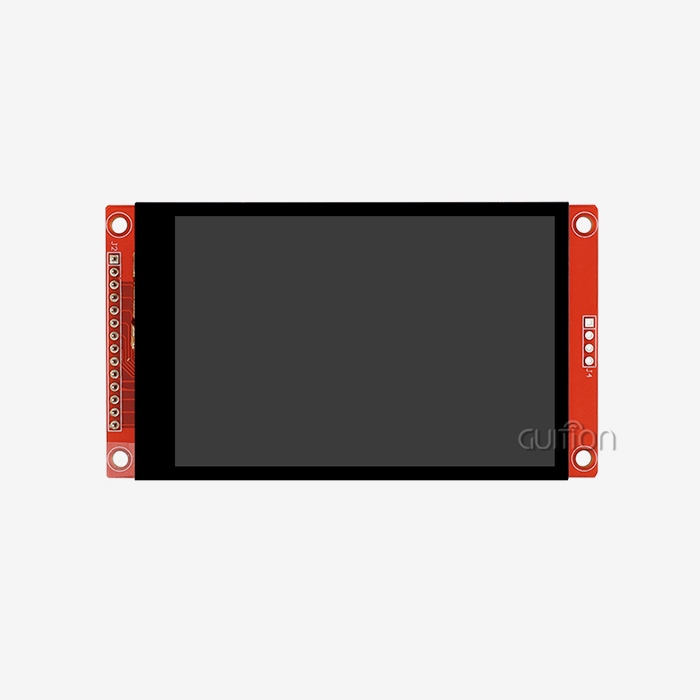
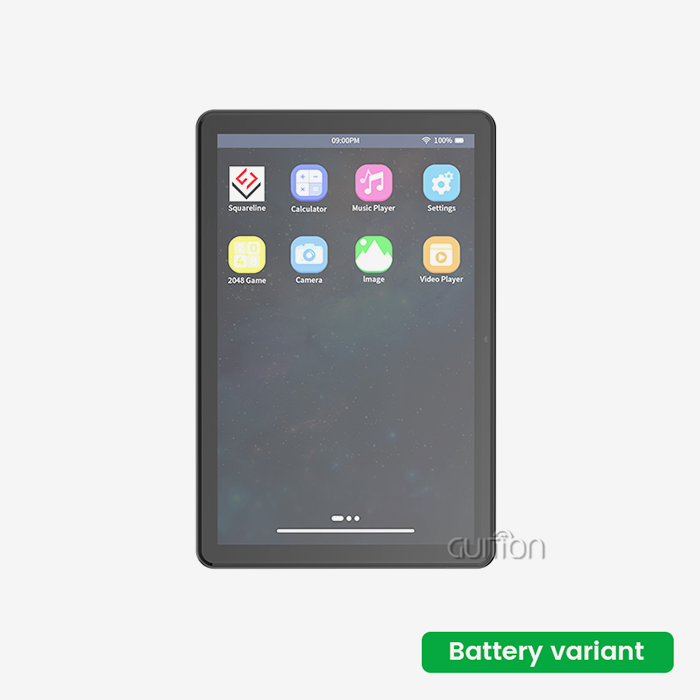
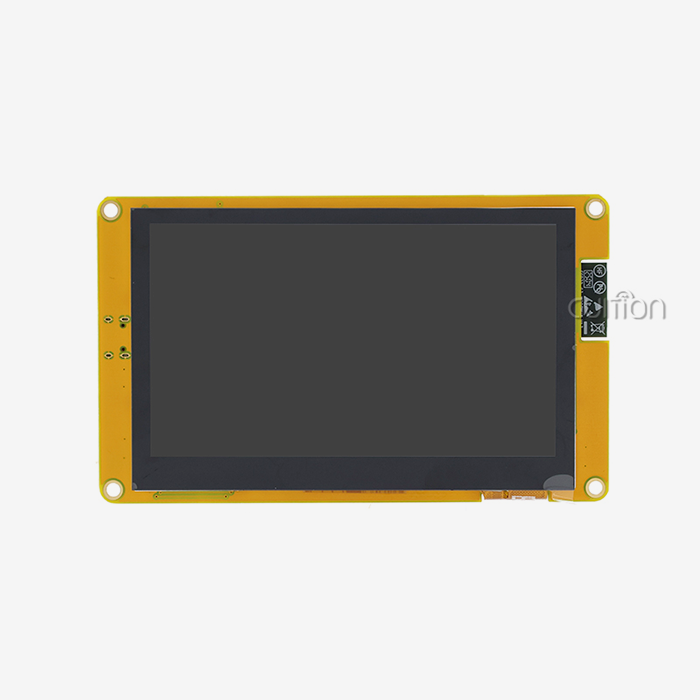
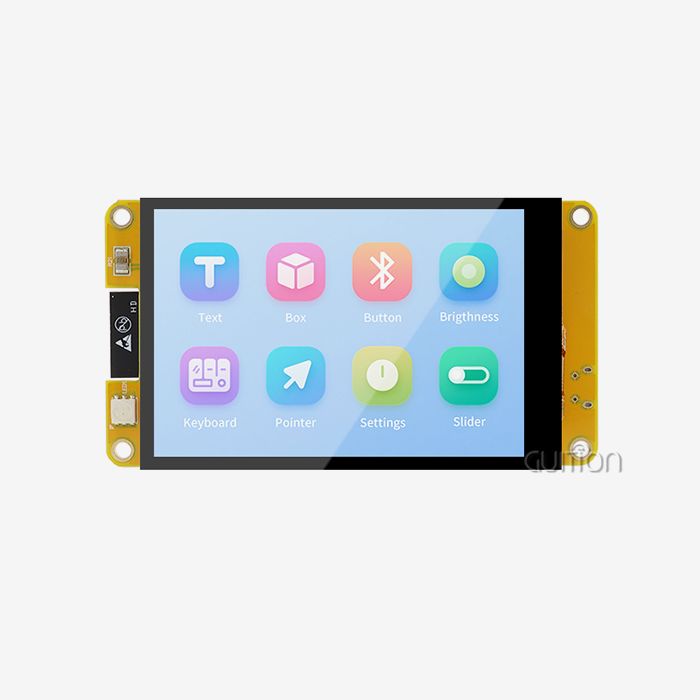
European buyers seeking esp32p4 display module solutions typically source from specialized technology hubs in China, particularly Shenzhen and the surrounding Pearl River Delta region. These areas host established HMI manufacturers like Guition that combine Espressif's ESP32-P4 chip with custom display solutions, offering full-stack development support and certifications tailored to European compliance requirements. Direct manufacturer engagement ensures access to cutting-edge modules featuring Wi-Fi 6, Bluetooth 5.0, and comprehensive technical documentation that accelerates time-to-market for industrial and IoT applications.


Understanding ESP32-P4 Display Modules for B2B Applications
Core Technical Architecture
The ESP32P4 display module is a huge leap in embedded systems capability. It’s based on a dual-core RISC-V CPU, running at 400MHz. It offers the same computational capacity as normal ARM-based PCs, but with decreased power consumption. This pattern is good for programs that have to do many things at once. For example, you might have complex user interface animations running in parallel with sensor data processing and maintaining wireless communications open with no performance degradation.
The newer ESP32P4 display modules are different from the previous ones since they natively support the MIPI-DSI interface. Microcontroller displays in the past employed SPI or parallel RGB connections, limiting bandwidth and making it less practical to achieve high resolutions and refresh rates. The MIPI-DSI implementation can provide flicker-free output at resolutions up to 1280x800, as expected by consumer gadgets. This technological background allows the modules to be employed in industrial control panels of professional quality, where users demand a clear and responsive visual response.
Integration Capabilities That Matter
The usefulness is governed by the range of hardware interfaces. Most of the ESP32P4 series of display modules generally contain MIPI-CSI camera connectors with integrated Image Signal Processors. This eliminates the need for separate processing boards for machine vision software. USB OTG 2.0 high-speed support enables simpler software changes and data transfer while the device is in the field. I2S audio interfaces may be used to synchronise audio and visual experiences in business terminals and medical tracking applications.
Performance Metrics for Procurement Decisions
The pace of development is determined by how effectively the software works together. Modules working with the ESP-IDF framework are great for engineers migrating from simpler platforms like modules working with the Arduino IDE and teams that require low-level hardware control. The risk of integration is reduced when comprehensive datasheets, reference schematics, and proven code libraries are provided. European purchasing teams should put greater emphasis on suppliers that provide thorough technical documentation in English. These should contain timing diagrams of initialisation procedures of displays and power management standards that enable battery-powered systems.
Power economy calculations directly affect the costs of operating large-scale installations. Modern ESP32-P4 Display modules use 80 to 150mA while actively doing anything with Wi-Fi switched on. They just draw a few microamps when they are in deep sleep mode. This efficiency allows battery-powered equipment, such as portable diagnostic instruments, to run for complete shifts without needing to be recharged.
Processing headroom is a measure of how future-proof something is. It has a 400MHz dual-core CPU and up to 32MB of PSRAM. It supports complex LVGL (Light and Versatile Graphics Library) interfaces with transitions and transparency effects. Hardware-based H.264 encoding allows security applications to process camera feeds locally before transferring them to cloud servers. This cuts down on data expenses and increases privacy compliance, a particularly significant consideration for GDPR rules in Europe.
Overview of the Chinese ESP32-P4 Display Module Market
Manufacturing Ecosystem Structure
China's electronics manufacturing landscape is made up of different levels of suppliers. Tier-one makers, such as Guition, have facilities that do everything, from putting together PCBs to optical bonding. These facilities use ISO 9001 quality control systems and keep clean rooms for laminating displays. These businesses put a lot of money into research and development, making their own tools for building user interfaces and keeping technical ties with Espressif.
Most of the time, mid-tier suppliers focus on putting together and integrating products. They get displays from panel makers and put them together with Espressif development boards. Even tho these businesses offer reasonable prices, they might not have the resources to create software or test it thoroughly in-house. European buyers can set realistic goals for customization support and long-term expert help when they understand this difference.
Certification Standards and Compliance
To sell their goods in Europe, Chinese companies need to get certain licenses. The CE mark shows that the product meets the health, safety, and environmental protection standards needed to enter the EEA market. RoHS compliance makes sure that limits on dangerous substances are followed, which protects buyers from breaking the law. Even tho FCC certification is mostly focused on the US, it shows electromagnetic compatibility, which is good for deployments in Europe.
Professional manufacturers are different from commodity suppliers when it comes to quality control. Reputable companies that make ESP32P4 display modules do quality checks on the parts that come in, vision checks that are done automatically during assembly, and external stress tests like heat cycling and vibration testing. European buyers should ask for inspection reports that include rules on dead pixels, measurements of touch linearity, and the results of an ESD protection test. For industrial uses, this test usually measures ±4kV contact and ±8kV air discharge.
Geographic Concentration Benefits
The dense supply line in Shenzhen's electronics environment gives it special benefits. Getting parts now takes hours instead of weeks, which speeds up prototype iterations. Custom container creation is helped by local tool and die makers. The nearby logistics infrastructure provides a number of shipping options at reasonable prices. This geographic concentration means that when buyers in Europe need to change the design or place an urgent reorder, they can get it faster.
Sourcing Strategies for European Buyers
Supplier Evaluation Framework
Successful purchasing starts with a systematic study of sources. Requests for the current product portfolios, client reference projects, and the credentials of the engineering staff should be included in the technical capability assessment. Can the provider alter the firmware to support various comm protocols? Do they have a critical piece in reserve, in case the supply chain becomes disrupted? Marketing techniques are a worse means to discover operational maturity than practical enquiries.
If you are in it for the long haul, financial stability is crucial. Firms that are long-term exporters, with long-standing customer relationships and a broad client base, are less risky than firms that are new to exporting and are seeking short-term transactions. European purchasers may examine claims by asking for company licences, export papers, and bank references. Third-party factory reports by businesses such as SGS or Bureau Veritas provide an independent view on how the plant is operated and the working conditions. This is becoming more and more vital for European companies devoted to corporate social responsibility.
Cost Optimization Without Quality Compromise
ESP32P4 Display Modules may be quite a range in price depending on the customisations. Small quantities of standard development boards are priced in the $15 to $30 range. A fully integrated HMI module with a bespoke enclosure and pre-loaded software may range from $50 to $150, depending on the size and complexity of the display. European purchasers should get specific prices with a breakdown of parts, assembly, and tool costs so they may identify areas where they can bargain.
Minimum order numbers are a sign of the cost of producing something. Custom display solutions sometimes need orders of 500 to 1,000 units for the tooling expenditures to be worthwhile. However, standard modules may be sent in quantities as low as 10 to 50 units. Strategic purchasers will consider the risks of holding inventory vs the advantages of large quantity reductions. For example, if they purchase 1,000 units, they may save 20-30% compared to purchasing 100 units. You tend to obtain excellent success negotiating the payment arrangements. Well-known manufacturers may be ready to consider letter of credit arrangements or phased payments based on output targets rather than full upfront payment.
Technology Selection Guidance
The display technology you choose will influence both pricing and function. TFT LCD panels are popular in industrial applications because they are readable in direct sunlight, able to tolerate high and low temperatures, and have mature supply chains. OLEDs offer superior contrast ratios and quicker response times, but they cost more and don’t last as long if you use them all the time. Most European makers of industrial equipment have found that the highest value is given by TFT systems with capacitive touch overlays.
Resolution needs should be based on what the software requires, not on reams of specifications. A 480x272 screen is adequate for simple user interfaces with large buttons and status lights. This reduces the cost of the module and the labour required for it. 800x480 or 1024x600 resolutions are best suited for applications that require displaying comprehensive graphs or many data streams at the same time. These resolutions are fully within the ESP32P4 display module requirements when configured appropriately and have adequate PSRAM.
Logistics, Lead Times, and After-Sales Support for European Procurement
Shipping Modality Comparison
Choices of transportation have a big effect on total landed costs and delivery times. Express transport services, like DHL or FedEx, can send prototypes to European places in three to five business days for $25 to $50 per kilogram. This makes them perfect for quickly sending evaluation samples. Using freight forwarders to ship goods by air lowers the cost per unit for large production runs. Depending on volume and route, shipments usually arrive within 7–10 days at a rate of $8–15 per kilogram.
Cost-conscious large-volume packages are mostly sent by sea. It takes 25 to 35 days to move a container from Shenzhen to Rotterdam, but it costs less than $1 per kilogram for combined loads. European buyers should plan for extra time needed for customs clearance, which is usually two to five days, as well as possible inspections that can make schedules longer. When you work with suppliers who have experience exporting to Europe, you can be sure that you will get the right paperwork, like commercial invoices, packing lists, and certificates of origin, which makes the customs process go more smoothly.
Warranty and Technical Support Structures
Warranty coverage determines how risks are shared after the buy. Professional companies that make ESP32P4 display modules usually offer 12- to 24-month warranties that cover problems with the way they were made. The warranties make it clear that misuse or damage to the environment that goes beyond what is specified is not covered. European buyers should discuss terms that cover the ratios of defective parts. Industry standards allow failure rates of 0.3 to 0.5 percent, but top providers guarantee lower levels with faster replacement processes.
Access to technical support has a direct effect on how quickly and well software is developed. Having suppliers with English-speaking tech teams and business hours that overlap with Europe's is very helpful during the integration process. European engineering teams can fix problems on their own instead of having to wait for answers from people in different time zones because they have access to software source code, schematic files, and mechanical drawings. Using a supplier's own development software for remote testing speeds up the process of fixing problems, which is especially helpful during the pre-production approval stages.
Long-Term Partnership Considerations
Keeping the supply chain going takes strategic thought that goes beyond the first orders. European buyers should talk to possible providers about component lifecycle management. How long will the current version of the ESP32P4 display module be made? What processes are there for managing obsolescence if Espressif changes chip revisions? Well-known manufacturers keep extra parts on hand and let customers know about changes to the design ahead of time, so there are no interruptions in production.
Over time, mechanisms for continuous improvement make relationships stronger. Business reviews every three months that talk about quality measures, delivery performance, and chances to work together on development build alignment that goes beyond simple transactions. European buyers could agree to buy a lot of products in exchange for dedicated engineering support, customized firmware features, or better prices on next-generation products.
Practical Case Study: Successful ESP32-P4 Module Sourcing for a European OEM
Project Background and Requirements
A German business that makes industrial automation needed HMI touchscreen solutions for its flexible machine control systems. Their needs included 7-inch screens with a resolution of 800x480, metal housing that would last in a factory, and the ability to connect to existing CAN bus networks. To be able to compete with well-known PLC-based products, the project had to meet strict CE and industrial EMC standards and offer low prices.
Supplier Selection Process
The purchasing team found three Chinese companies through Alibaba Global Sources and recommendations from people in the industry. When we first got in touch, they sent us detailed technical questions about the ESP32P4 display module's specs, its ability to be customized, and its approval paperwork. Guition was the best candidate because their detailed answers showed experience with similar industrial projects, existing CE certification portfolios, and their own development software that made it easier to make UIs without needing a lot of embedded programming knowledge.
Video conference factory trips showed that the factories could make the things they said they could, showing off automated SMT assembly lines and environmental testing rooms. The German team asked for the creation of a prototype with custom CAN bus firmware built in. Within three weeks, Guition sent functional samples that came with full source code and thorough instructions on how to integrate them. This responsiveness during the review stages made people more likely to keep their output promises.
Implementation Outcomes
Over the course of six months, three batches of 2,500 units from production orders were sent out. Even tho global shortages of semiconductors were affecting the industry as a whole, delivery performance went above and beyond predictions, with 98% of orders being fulfilled on time. The quality metrics stayed high, with a defect rate of 0.2%, which was lower than the agreed-upon 0.5% level. Most of the defects were minor cosmetic issues rather than functional failures.
Lessons for European Procurement Teams
Technical teamwork kept going after the delivery. The German team found ways to improve the software that would make boot times shorter, and within two weeks, Guition's tech team made the changes and sent over the updated code. This method of incremental improvement turned a connection with a supplier into a real partnership. After that, the industrial control company added 10.1-inch models to their product line by using Guition's larger ESP32P4 display module choices without needing to qualify new suppliers.
Several things that led to success came out of this case. Verification of technical skill through prototype development showed real competence above and beyond what was claimed in marketing materials. Misunderstandings were avoided by having clear contractual terms that included quality standards, delivery dates, and who owned the intellectual property (IP). Continuous contact during production runs made it possible to solve problems before they happened instead of after they happened. Because the German company was ready to commit to acceptable volumes, the supplier was more likely to spend on custom development, which was good for both parties.
Conclusion
When done carefully, buying ESP32P4 display modules from China in Europe can lead to great opportunities. The Chinese production environment offers unmatched technical skills, low prices, and fast iteration times that shorten the time it takes to make a new product. For success, you need to carefully evaluate suppliers based on their professional skills, ability to follow certifications, and quality control systems, not just on who has the lowest price.
Clear communication, reasonable number promises, and a willingness to work together to solve problems are all needed to build long-lasting relationships with suppliers. European buyers who take the time to learn about their sellers' strengths and weaknesses are more likely to get good results than buyers who only think about transactions. The market for ESP32P4 display modules is still changing quickly. Working with innovative makers guarantees access to new features as they come out.
FAQ
1. What distinguishes professional ESP32P4 display module suppliers from commodity vendors?
Professional sellers have their own firmware development teams, offer detailed technical documents in English, and have the right approvals, such as CE and RoHS. They offer customization services that go beyond standard modules, have strict quality control with written inspection reports, and provide quick expert help during the integration phases. Usually, professional ESP32P4 display module suppliers differ from commodity vendors who typically resell generic development boards that don't come with any extra technical help.
2. How do European buyers verify supplier legitimacy before committing to large orders?
Some ways to check are to ask for business licenses and export paperwork, take video tours of factories to see how they're set up, get references from current European clients, and use third-party audit services. Before making a production commitment, prototype orders with specific needs to try technical skills and show how well communication works and how reliable delivery is.
3. What typical lead times should European buyers expect?
Standard modules that are in stock usually ship within 3–7 days. Custom developments, on the other hand, take 2–4 weeks for prototypes and 4–8 weeks for production quantities, depending on how complicated the changes are. It takes an extra 3–5 days to ship by fast mail or 7–10 days by air freight. Sea freight takes 25–35 days longer, but for big amounts, the cost per unit is much lower.
Partner with Guition for Your ESP32P4 Display Module Requirements
Our JC-ESP32P4-M3-DEV modules are ready to help you with your embedded display projects. They were designed to work with challenging industrial and IoT applications. Our combined solution combines the 400MHz dual-core RISC-V processing of the ESP32-P4 with the wireless connection of the ESP32-C6. This gives you both Wi-Fi 6 and Bluetooth 5.0 in a single, low-cost package. Our proprietary Guition development software helps European tech teams by getting rid of complicated low-level code and letting them quickly make user interfaces with simple drag-and-drop tools.
As a well-known provider of ESP32P4 display modules, we keep all the necessary certifications to sell our products in the European market and offer English-language expert help during your time zone. Our systems work with screens that are 1.28" to 21.5" and have MIPI-DSI interfaces, UART communication methods, and over-the-air (OTA) update features that lower the cost of long-term maintenance. Email our team at david@guition.com to talk about your specific needs and get quotes that are tailored to your project.
References
1. Espressif Systems. (2024). ESP32-P4 Technical Reference Manual: Architecture and Peripheral Specifications for Multimedia Applications.
2. IPC Association. (2023). IPC-A-610 Revision H: Acceptability of Electronic Assemblies - Quality Standards for Display Module Manufacturing.
3. European Commission Directorate-General for Internal Market. (2024). CE Marking Requirements for Electronic Display Devices: Compliance Guidelines for Non-EU Manufacturers.
4. Chen, L. & Wang, H. (2023). Supply Chain Management in Shenzhen Electronics Manufacturing: Case Studies in Display Module Production. Journal of International Procurement, 18(3), 234-256.
5. LVGL Development Team. (2024). Graphics Library Optimization for ESP32-P4 Architecture: Performance Benchmarks and Implementation Guidelines.
6. Bureau Veritas. (2023). Factory Audit Standards for Electronics Manufacturers: Assessment Criteria for European Buyer Due Diligence in Chinese Supply Chains.
Learn about our latest products and discounts through SMS or email