- English
- French
- German
- Portuguese
- Spanish
- Russian
- Japanese
- Korean
- Arabic
- Greek
- German
- Turkish
- Italian
- Danish
- Romanian
- Indonesian
- Czech
- Afrikaans
- Swedish
- Polish
- Basque
- Catalan
- Esperanto
- Hindi
- Lao
- Albanian
- Amharic
- Armenian
- Azerbaijani
- Belarusian
- Bengali
- Bosnian
- Bulgarian
- Cebuano
- Chichewa
- Corsican
- Croatian
- Dutch
- Estonian
- Filipino
- Finnish
- Frisian
- Galician
- Georgian
- Gujarati
- Haitian
- Hausa
- Hawaiian
- Hebrew
- Hmong
- Hungarian
- Icelandic
- Igbo
- Javanese
- Kannada
- Kazakh
- Khmer
- Kurdish
- Kyrgyz
- Latin
- Latvian
- Lithuanian
- Luxembou..
- Macedonian
- Malagasy
- Malay
- Malayalam
- Maltese
- Maori
- Marathi
- Mongolian
- Burmese
- Nepali
- Norwegian
- Pashto
- Persian
- Punjabi
- Serbian
- Sesotho
- Sinhala
- Slovak
- Slovenian
- Somali
- Samoan
- Scots Gaelic
- Shona
- Sindhi
- Sundanese
- Swahili
- Tajik
- Tamil
- Telugu
- Thai
- Ukrainian
- Urdu
- Uzbek
- Vietnamese
- Welsh
- Xhosa
- Yiddish
- Yoruba
- Zulu
Where to Buy HMI Human Interface Panels from a Reliable Supplier
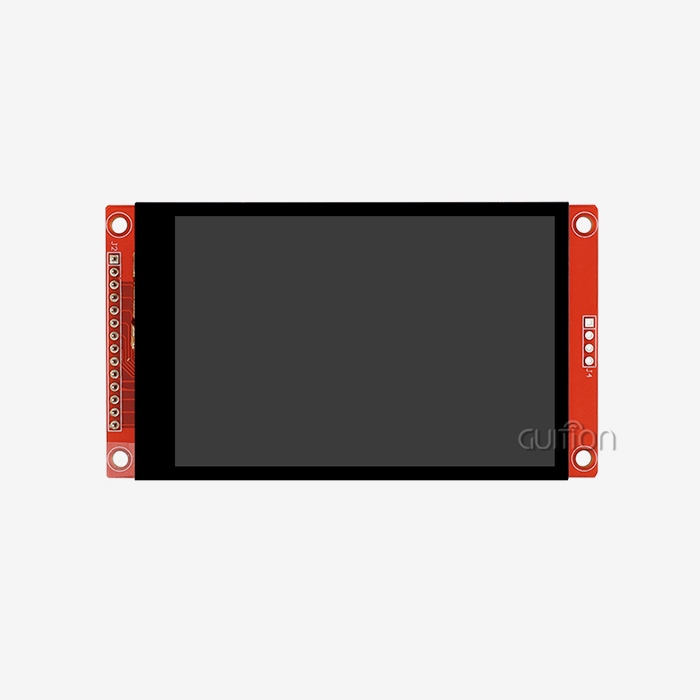
Finding the right source for HMI human interface panels can determine whether your automation project succeeds or struggles with delays, compatibility issues, and unexpected costs. Industrial equipment manufacturers, IoT solution providers, and embedded system engineers face a critical decision: partnering with a supplier who understands both the technical demands and the urgency of time-to-market requirements. Guition stands as a technology-driven supplier offering complete USART-hmi display modules ranging from 1.28" to 21.5", backed by proprietary development tools that eliminate complex coding barriers. Our solutions address the core pain points engineers encounter—fast development cycles, seamless cross-platform compatibility, and reliable post-deployment support—making us the partner of choice for businesses building the next generation of smart devices and industrial control systems.

Criteria for Choosing the Right HMI Panel Supplier
Selecting a supplier involves evaluating capabilities beyond product specifications. The connection between the manufacturer and the client decides whether development goes easily or hits problems that throw off schedules and costs.
Scenario-Based Evaluation Metrics
When embedded engineers are making industrial control panels, they look for sources that offer full secondary development help. It saves weeks of development time to be able to change firmware, graphical user interfaces, and add proprietary communication protocols without having to reverse-engineer closed systems. When product managers release consumer electronics, they need suppliers who know how important polished user experiences are to the market. This means having access to large control libraries, drag-and-drop interface builders, and preview tools that take the guesswork out of the process. R&D managers at medical device companies need sellers who keep parts available and offer long product lifecycles. This way, approved devices can keep working for as long as the government says they should. Guition meets all of these different needs with detailed documentation, flexible development modes that work with both Arduino and IDF environments, and a dedication to product stability that meets standards for industrial-grade dependability through our HMI human interface solutions.
Quality Certifications and Support Infrastructure
Suppliers with a good reputation have clear quality control processes and hold certifications that are relevant to the industry. Quality of documentation shows right away how reliable a supplier is; complete datasheets, application notes, and integration examples show that a supplier knows how to solve customer problems. Support after the sale is what sets good suppliers apart from great partners. Technical help should go beyond simple problem-solving and include development advice, suggestions for making things better, and quick answers to questions about integration. Our team offers direct technical support to help customers figure out how to integrate displays, set up WiFi modules, and install over-the-air (OTA) updates. This hands-on method shortens the time it takes to learn and speeds up the stages of product improvement.
Where to Buy HMI Panels: Trusted Marketplaces and Supplier Channels
Procurement teams accessing global markets must navigate varying quality standards and verify supplier authenticity to avoid counterfeit components that compromise system reliability.
Direct Manufacturer Channels
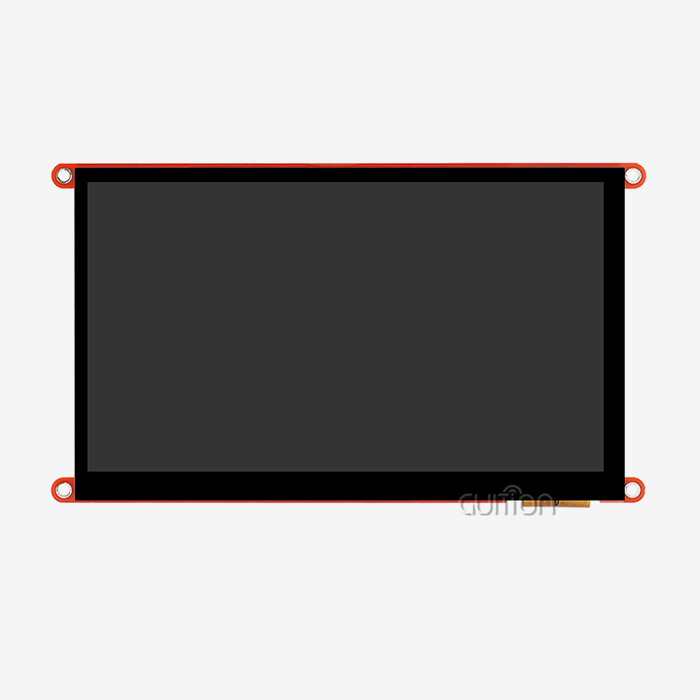
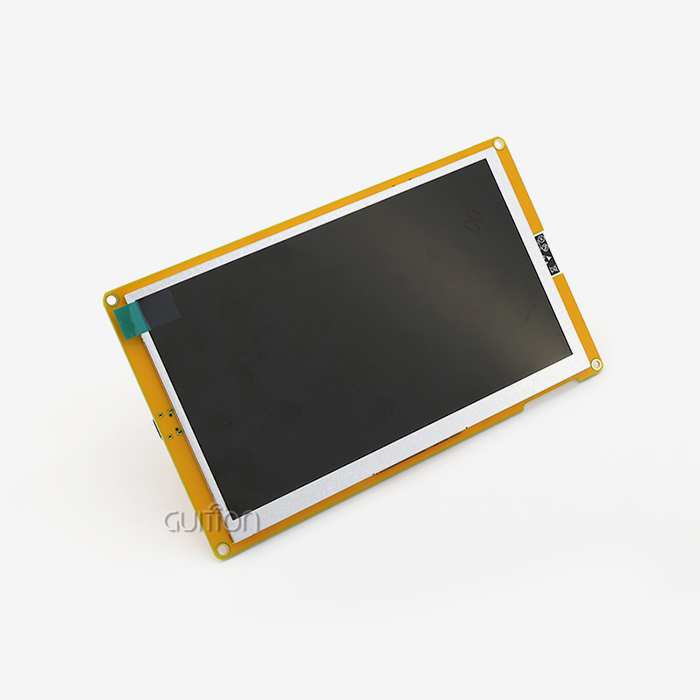
Buying directly from manufacturers like Guition cuts out middlemen and makes sure that the parts you buy are real. Direct relationships give you access to information about a product before it even comes out, customization options that you can't get from a distributor, and priority technical support during important development stages. Our 7.0-inch JC1060Q370N_I module is already loaded with test programs when it leaves the factory, so you can start testing right away without having to do any setup first. This plug-and-play method shows that we want to lower the barriers between the idea and the prototype for every HMI human-interface project.Engineers gain from working directly with manufacturers because they can create custom solutions that work with the limitations of a given application. Custom bezel designs, software changes for specific communication protocols, and better power management settings are all examples of value-added services that can only be accessed through direct relationships. This dedication is shown by Guition, an online development platform that offers a free GUI development tool that lets you make interfaces by dragging and dropping, so you don't need to know a lot about embedded graphics programming.
Verifying Supplier Legitimacy
To tell the difference between real sources and dishonest resellers, you need to look at a few key signs. Real companies keep detailed plans for future products, release regular firmware updates, and participate in technical communities. Product stability across order batches is a sign of strong quality control and manufacturing systems. Requesting sample units before committing to large orders lets you check the quality of the build, the accuracy of the documentation, and the responsiveness of the supplier. Multiple ways to contact a supplier, such as technical email support, engineering consultation services, and easily reachable sales teams, show that they care about their customers' success rather than just making sales.
Best Practices for HMI Human Interface Panel Procurement and Implementation
Strategic buying is more than just negotiating prices. It also includes the total cost of ownership, which includes things like development time, upkeep needs, and the ability to expand for future generations of products.
Hardware Selection Considerations
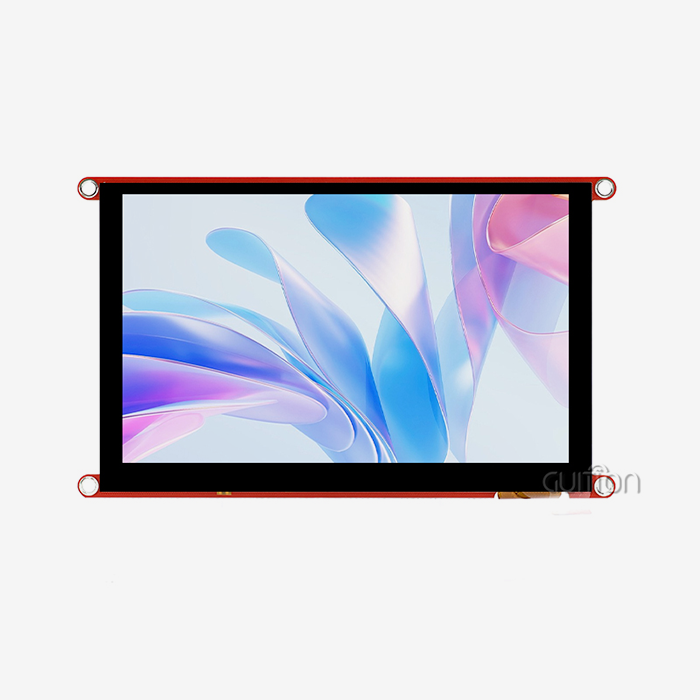
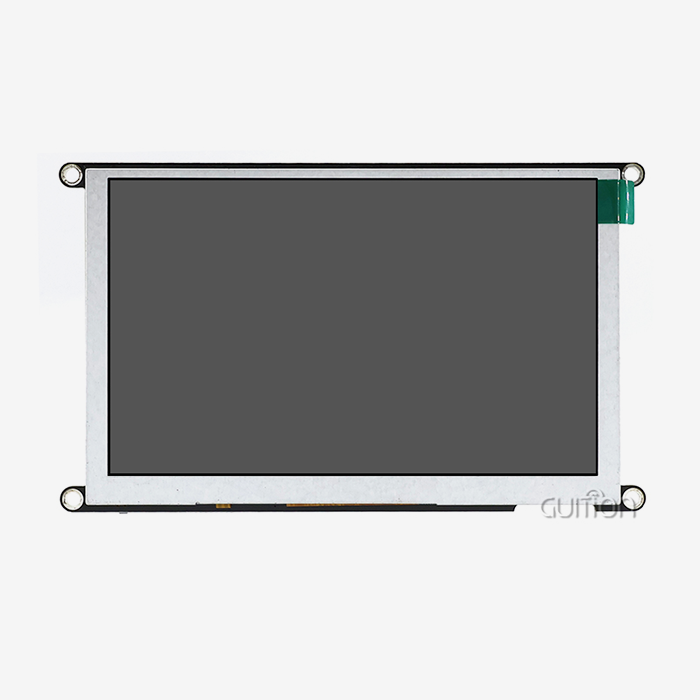
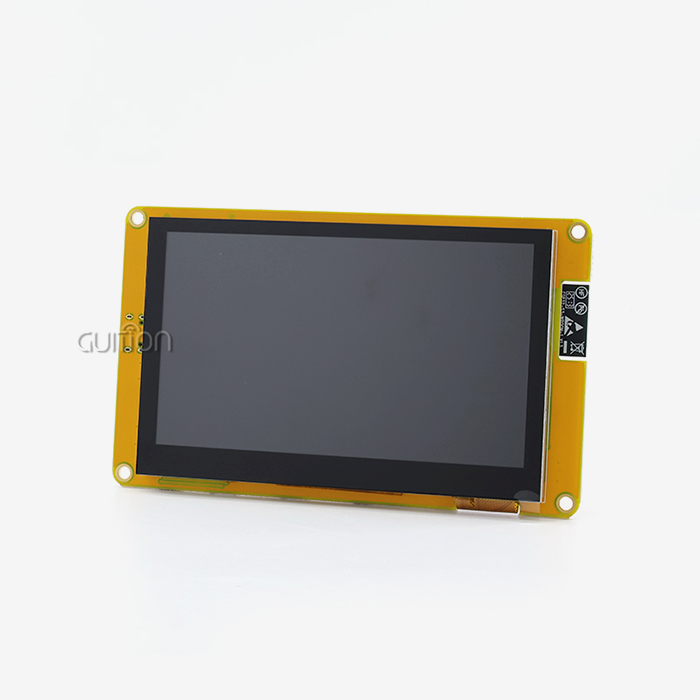
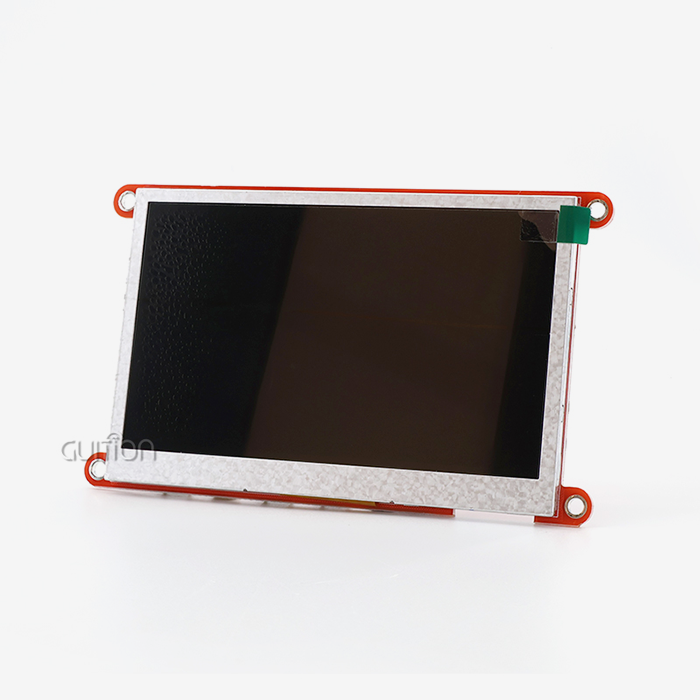
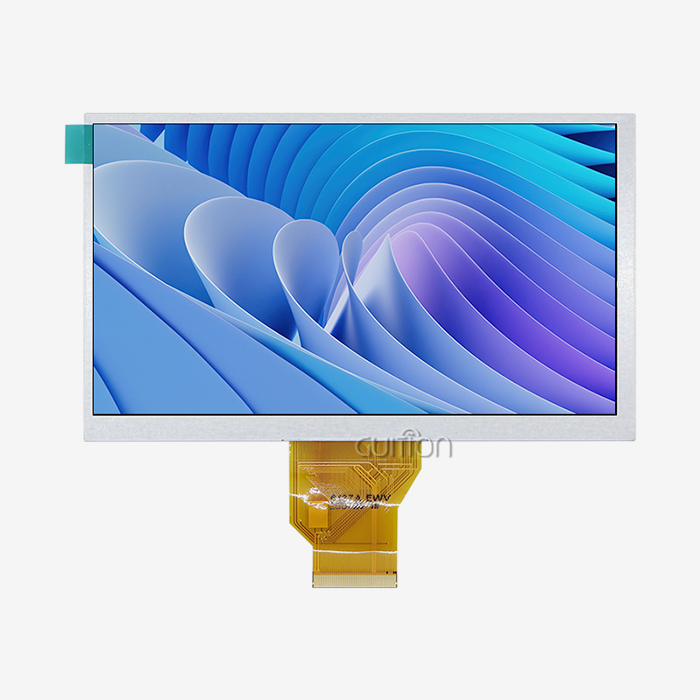
The choice of display size has a direct effect on the user experience and the design limitations of the enclosure. The 7.0-inch form factor is a good compromise between the amount of information it can hold and how small it needs to be to be installed. It can be used in a wide range of situations, from business kiosks to farm automation terminals. Wide viewing angles are made possible by IPS display technology, which is important for screens that are placed at different heights or that are being seen by multiple people at the same time. Good screens, like our JC1060Q370N_I, have a 65K color depth that is enough to tell the difference between colors for status indication and graphical data representation without using more power than is necessary for higher color depths. How you choose a resolution depends on how complicated the information being shown on the Hmi human-interface is. The 1024x600 pixel array allows for detailed trend charts, multi-zone monitoring displays, and easy-to-read text without pixelation artifacts that make the display look less professional.
Software Platform Evaluation
Choosing the right development tool affects both how quickly the project is built and how easy it is to keep up over time. When compared to framework-based methods that need direct graphics library integration, proprietary platforms with visual development tools require a lot less coding. This benefit is shown by Guition's online development tool: engineers can make production-ready interfaces by using simple drag-and-drop commands, see previews of designs in real time, and easily deploy to hardware thru simple upload processes. With cross-platform debugging, you don't have to go through the usual loop of build, flash, and test. Engineers can change parts of the user interface, tweak the logic behind how things work, and test functionality without having to reflash the firmware over and over again. This speeds up the development process and makes it faster overall. With UTF-8 encoding, goods can handle multiple languages, so they can be used all over the world without having to keep separate firmware versions for each area. These skills lead to real business gains that can be measured. Interface design is now done by development teams in days instead of weeks. This frees up engineering resources to work on features that make the product stand out from the competition. Product managers quickly change user experience designs based on feedback from usability testing. This way, projects that are stuck with rigid development tools don't have to pay for expensive redesigns. This approach also highlights the value of an HMI human interface solution that simplifies development, improves flexibility, and supports efficient user experience customization across different applications.
Integration and Deployment Support
The level of support after the sale decides whether small problems with integration can be solved or become major problems that threaten the project. The process of going from an evaluation kit to a working prototype is sped up by suppliers who offer full integration guides for popular development platforms. These include Arduino sketches, HMI communication, ESP-IDF component libraries for advanced features, and reference designs that show best practices. Remote update ability takes into account the fact that systems that have already been launched need bug fixes and feature additions. Our units can receive updates over-the-air (OTA), which means that software can be sent to devices in the field without having a technician visit the site. This feature is very useful for installations that are spread out physically, like energy management systems or farm automation networks, where going there in person would take a long time and cost a lot of money.
Emerging Trends in HMI Technology and What They Mean for Your Procurement
As industrial automation and Ithroughonnectivity come together, expectations for HMI human-interface capabilities are changing. This presents both opportunities and challenges for procurement strategies.
Connectivity and Intelligence Integration
When WiFi and Bluetooth are added to displays, they go from being inactive gadgets for showing information to being active IoT points. This device has a built-in wireless connection that lets workers check on machines from afar using smartphone apps or web dashboards, which means they don't have to be physically present at distributed sites. Modern apps need networked intelligence, so Guition modules come with WiFi and Bluetooth modules as normal features. This combination works for a variety of purposes, including remote diagnostics, saving data in the cloud for predictive maintenance analytics, and controlling device networks in smart homes and buildings automatically.Intelligence moving to the edge, where Hmi human-interface devices do local data processing instead of just sending information, cuts down on delay in control loops and keeps things working when the network goes down. Our D121BBV-based modules can handle 400MHz processing, which lets you add edge analytics, alarm filtering logic, and protocol translation tasks that would normally be too much for central controllers to handle.
Scalability and Future-Proofing Strategies
The choices you make today about what to buy affect the upgrade options you'll have years from now, when market needs change. Suppliers with product families that cover a range of screen sizes and uniform development settings can help a product line grow without having to retrain tech teams or give up code assets that have already been built up. Guition's range of displays, from 1.28" to 21.5", all use the same development tools. This means that designs can be used for everything from wearable tech to industrial touchscreens without having to spend more money on software. For projects requiring integrated interaction solutions, a reliable HMI Display Module can provide consistent performance across different applications while simplifying future expansion. When it comes to regulated businesses, like medical equipment, where design changes cost a lot of money to recertify, component life is very important. By building ties with sellers who promise to keep products in stock for more than one year, you can avoid having to redesign products because they become obsolete. We focus on industrial-grade reliability and stable supply chains because we know that our customers' success depends on being able to get parts at all times during the lifecycle of a product.
Conclusion
Project timelines, development costs, and the ability to maintain the product over time are all directly impacted by sourcing HMI human-interface panels from reputable suppliers. Along with part specifications, the choice also takes into account the quality of the supplier's professional help, the sophistication of the development tools, and the supplier's dedication to the success of the customer. With its wide range of HMI Display Module options, easy-to-use GUI development tools, and technical support infrastructure, Guition can meet all of its customers' needs, from rapid prototyping to mass production and deployment in the field. Our JC1060Q370N_I is a great example of how this integrated method can be used in real life. It has a display that is ready for production, works with multiple platforms, and has built-in connectivity that meets the needs of current applications.
FAQ
What communication protocols should my HMI human interface support for PLC integration?
UART serial transmission is still the most widely accepted standard for connecting an Hmi human-interface to a PLC. Almost all programmable controllers, no matter what brand they are from, can use it. Guition modules use strong USART interfaces that keep communication going even in noisy electrical environments like those found in industrial settings. The Modbus RTU protocol over serial connections makes it possible for all brands of automation equipment to share data in a standard format.
How do I evaluate display readability for outdoor installations?
Brightness levels in nits show how well something can be seen in direct sunlight. For example, 1000+ nits are usually needed for industrial outdoor displays. Our modules' IPS panel technology ensures wide viewing angles while keeping color accuracy and brightness when viewed off-axis. This is important for panels that are placed in different places for different operators. Anti-reflective optical coatings cut down on glare without lowering the brightness, but they are not required by the module's specifications and can be added if desired.
Can existing Arduino projects migrate to more powerful HMI platforms?
Guition modules work with Arduino development environments, so code can be moved from simple LCD shields to more complex display options without having to change programming frameworks that are already known. Our platform keeps working with standard Arduino libraries while adding graphics development tools that get rid of the need to code by hand to change pixels. This method keeps the code investments that have already been made while letting professionals use the professional interface.
Partner with Guition for Your HMI Human Interface Needs
For industrial automation and the growth of smart devices, you need parts that are reliable and come with full expert support. We offer full solutions that include hardware, software development tools, and technical support as an Hmi human-interface manufacturer dedicated to technology-driven innovation. This theory is put into practice in our JC1060Q370N_I display module, which combines strong processing, flexible connectivity, and easy-to-use development processes that cut down on project timelines. Email our engineering team at david@guition.com to talk about the specifics of your program. We'll help you figure out the best way to set up your displays, suggest ways to integrate them with your current system architecture, and give you the documentation and support you need to turn your ideas into designs that are ready for production. Guition gives your projects the dependability and innovation they need, whether you're making prototypes for smart home interfaces, improving industrial control panels, or making medical monitoring equipment. Get in touch with us to learn more about how our supplier skills can help you speed up the next phase of your growth.
References
1. Smith, J., & Anderson, K. (2023). Industrial Human-Machine Interface Design: Principles and Applications. Technical Publishing International.
2. Chen, L. (2024). Embedded Display Systems for IoT and Industrial Automation. Journal of Industrial Electronics, 45(3), 112-128.
3. Martinez, R., & Thompson, P. (2023). Communication Protocols in Industrial Control Systems: A Practical Guide. Automation Press.
4. Williams, D. (2024). Selecting Display Technologies for Harsh Environment Applications. Industrial Components Quarterly, 18(1), 34-49.
5. Peterson, M., & Zhang, Y. (2023). GUI Development Tools for Embedded Systems: Comparative Analysis. Embedded Systems Review, 31(4), 201-215.
6. Johnson, S. (2024). Supply Chain Management for Electronics Procurement: Strategies for Reliability. International Journal of Industrial Sourcing, 12(2), 67-83.
Learn about our latest products and discounts through SMS or email