- English
- French
- German
- Portuguese
- Spanish
- Russian
- Japanese
- Korean
- Arabic
- Greek
- German
- Turkish
- Italian
- Danish
- Romanian
- Indonesian
- Czech
- Afrikaans
- Swedish
- Polish
- Basque
- Catalan
- Esperanto
- Hindi
- Lao
- Albanian
- Amharic
- Armenian
- Azerbaijani
- Belarusian
- Bengali
- Bosnian
- Bulgarian
- Cebuano
- Chichewa
- Corsican
- Croatian
- Dutch
- Estonian
- Filipino
- Finnish
- Frisian
- Galician
- Georgian
- Gujarati
- Haitian
- Hausa
- Hawaiian
- Hebrew
- Hmong
- Hungarian
- Icelandic
- Igbo
- Javanese
- Kannada
- Kazakh
- Khmer
- Kurdish
- Kyrgyz
- Latin
- Latvian
- Lithuanian
- Luxembou..
- Macedonian
- Malagasy
- Malay
- Malayalam
- Maltese
- Maori
- Marathi
- Mongolian
- Burmese
- Nepali
- Norwegian
- Pashto
- Persian
- Punjabi
- Serbian
- Sesotho
- Sinhala
- Slovak
- Slovenian
- Somali
- Samoan
- Scots Gaelic
- Shona
- Sindhi
- Sundanese
- Swahili
- Tajik
- Tamil
- Telugu
- Thai
- Ukrainian
- Urdu
- Uzbek
- Vietnamese
- Welsh
- Xhosa
- Yiddish
- Yoruba
- Zulu
Where to Buy a Reliable Guition Display Module Supplier
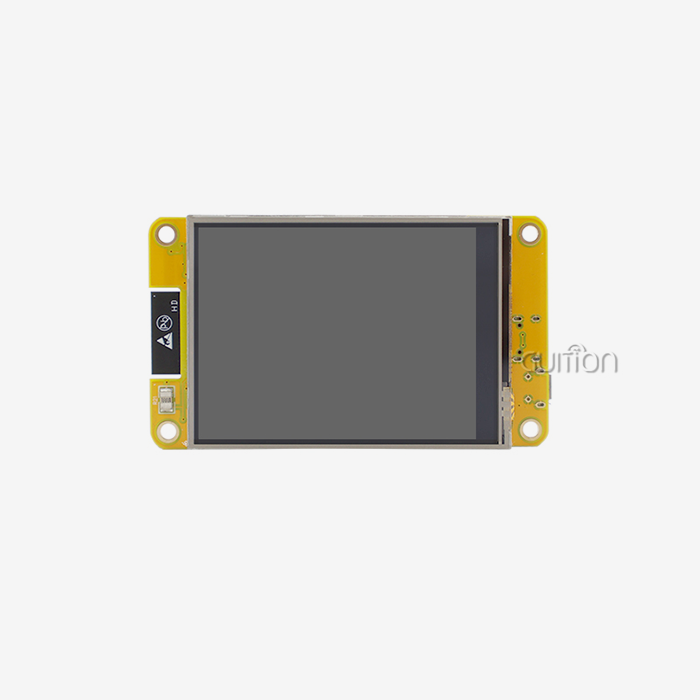
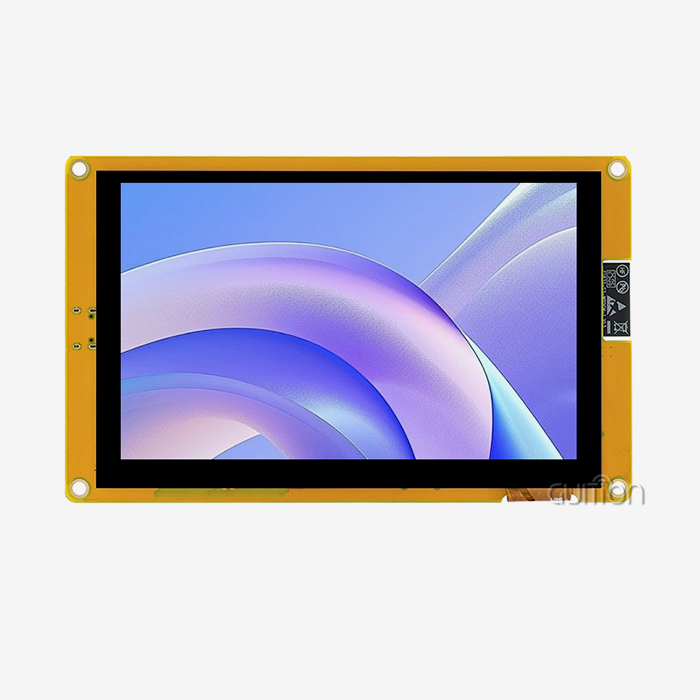
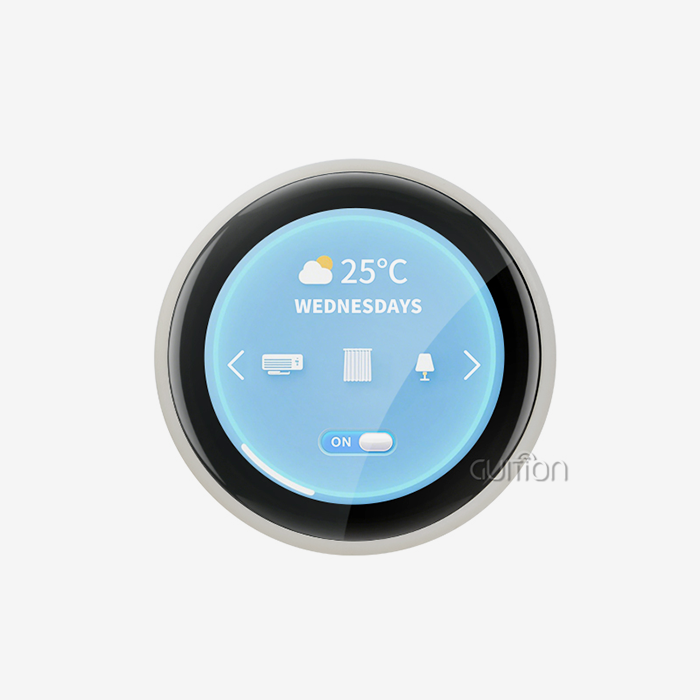
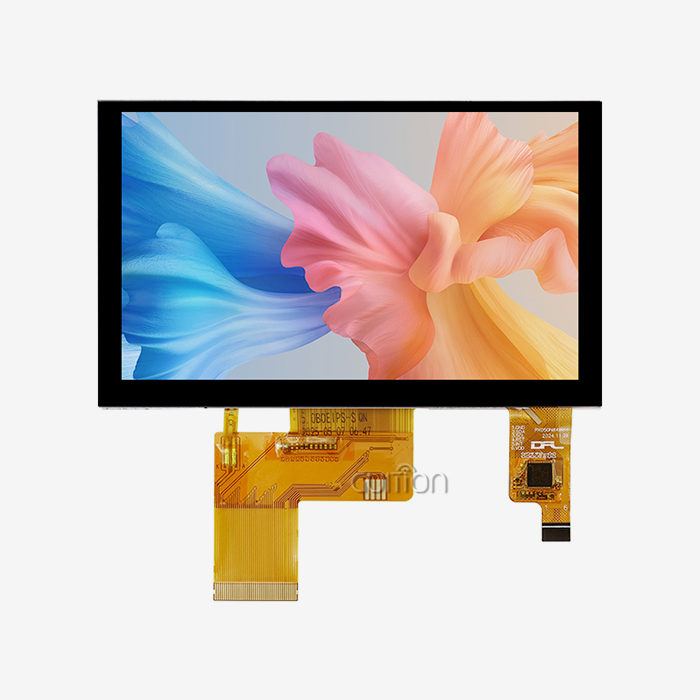
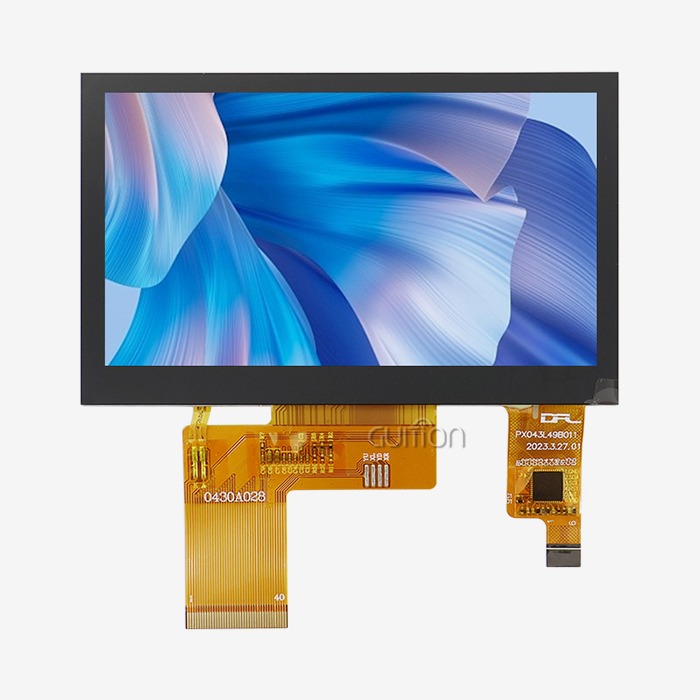
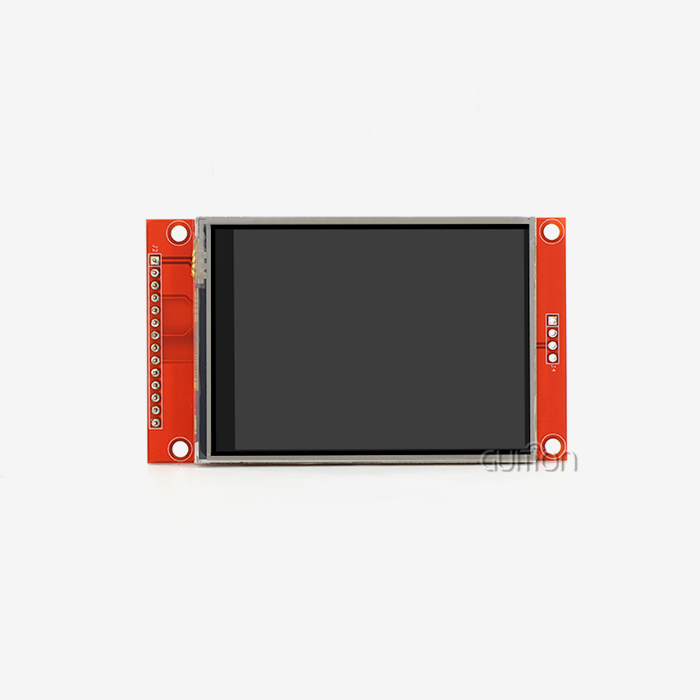
If you are searching for a trusted Guition display module supplier, the most direct path is through Jingcai Intelligence, the manufacturer behind the Guition brand. As a technology enterprise integrating R&D, production, and sales, Jingcai Intelligence offers a full product range from 1.28" to 21.5" hmi display modules. Their flagship ESP32-8048S050C_I Guition display module delivers a 5.0-inch 800×480 IPS screen, dual-core ESP32-S3R8 processing, and integrated Wi-Fi and Bluetooth — a complete embedded HMI solution built for serious engineering teams.

Understanding the Guition Display Module and Its Market Demand
There is a lot of growth in the embedded HMI market. MarketsandMarkets says that industrial automation and the rise of smart devices will help the global HMI market grow to $7.6 billion by 2027. Engineers and product managers all over the US are constantly looking for display modules that can do their jobs and lower the cost of development while still providing consistent performance.
The Guition display module ESP32-8048S050C_I is right in the middle of this need. An 8MB PSRAM, 16MB Flash, and a 5.0-inch 800x480 sensitive touch IPS panel are all built into a single PCBA. The MCU is a dual-core Xtensa® LX7 ESP32-S3R8 running at 240MHz. When engineers pair general MCUs with stand-alone screens, they usually have trouble matching the impedances. This level of hardware integration gets rid of those problems, cutting R&D cycles from months to weeks.
This section is different from an inactive display panel because it has intelligence built in. The unit comes with test software already installed, so it can be tested right away after delivery. The board has backlight control circuits, touch controller logic, a TF card interface, and IO expansion ports. This means that your team can focus on making goods instead of wiring up extras.
How to Identify a Reliable Guition Display Module Supplier
There are different levels of technical skill among the companies that sell ESP32-based display units. The following factors help you tell the difference between a reliable Guition display module supplier and a generic reseller when looking for a supplier.
Here are the main factors that buying teams should use to judge suppliers:
- CE and FCC compliance: The Guition display module meets CE and FCC EMI/EMC standards, which means it can be used in business and industrial settings in the US.
- RoHS and REACH adherence: Following the rules for dangerous substances saves both end users and your supply chain from regulatory risk.
- Long-term supply continuity: Jingcai Intelligence keeps standard pin-out definitions (for example, 40-pin RGB interfaces) so that backward-compatible replacements can be made if certain panel components become obsolete. This is very important for industrial programs that have 5–10 year lifecycles.
- Technical documentation quality: Guition maintains public documentation for MicroPython compatibility, ESP-IDF driver components, and full support for Arduino libraries.
- Responsive after-sales engineering: Having direct access to engineering help cuts down on the time needed for debugging and saves your release timelines.
These factors lower the risk of procurement and are in line with how experienced R&D managers and system architects make decisions when looking for a new HMI display module provider. If a seller crosses all five boxes, you should work with them for a long time.
Setting Up and Using the Guition Display Module: A Practical Overview
The ESP32-8048S050C_I works with four different programming environments: MicroPython, Mixly, the Arduino IDE, and ESP-IDF. This ability to work on multiple platforms was planned from the start. Different tech teams like different toolchains, and forcing everyone to use the same one causes problems. Embedded coders who use ESP-IDF and work in C/C++ have full control over all peripherals. The library functions and example code that come with every unit are useful for rapid prototypers who use the Arduino IDE.
Integration follows a clear direction. Use the reserved IO port interface to connect the module to your host machine. Then, load your favorite development environment and use the one-click programming process to release firmware. The capacitive touch controller responds right away to input, and when you use LVGL (Light and Versatile Graphics Library) with SquareLine Studio, you can make a drag-and-drop user interface that sends directly to the module firmware.
The Guition display module supports Over-the-Air (OTA) firmware changes that can be sent through AWS IoT, Azure, or custom HTTP/HTTPS endpoints. This means that units that are already out in the field can get UI fixes and new features without having to be taken back and fixed. This remote upgrade feature lowers operating costs for teams that make medical devices, energy management systems, and industrial automation equipment after the sale.
The ESP32-S3's ULP co-processor keeps the system in deep sleep when the display is off, starting up only when an interrupt occurs. This helps power-sensitive designs and extends battery life in portable or remote deployment situations.
Comparing the Guition Display Module to Generic ESP32 Display Alternatives
At the unit level, generic ESP32 display combinations from common suppliers may look like they are priced similarly. The total cost of engineering, on the other hand, shows a different picture. For example, if your team has to find an MCU board, a separate TFT screen, a touch controller breakout, and a power management circuit by hand and then write custom drivers for each, the cost of their time quickly goes over the extra money they paid for a combined Guition display module solution.
Jingcai Intelligence's own Guition UI development software completely eliminates the traditional development bottleneck. With WYSIWYG drag-and-drop controls, one-click widget insertion, and cross-platform online debugging, engineers who don't know a lot about low-level graphics can still make polished HMI interfaces. This directly solves the problem that HMI/UI designers and embedded engineers most often point out: having to spend too much time on display driver work instead of application logic.
The ESP32-8048S050C_I also supports UTF-8 encoding and switching between languages. This means that a single firmware base can be used for global deployments, which is a big plus for US-based OEMs that sell to markets around the world.
Procurement Process: Where and How to Buy the Guition Display Module
The Guition display module can be bought straight from Jingcai Intelligence's website at https://jingcaizhineng.aixdb.cn/. The website has full product specs, development documents, and request forms for talking about B2B volume pricing.
Jingcai Intelligence supports flexible procurement models that work for both startups that are just making prototypes and large industrial manufacturers that make a lot of products. You can get sample units to test their functionality before committing to a large order. You can use the same way to get in touch to start talking about licensing for the Guition UI creation tools with businesses.
Standardized component sourcing helps the Guition display module maker keep production going, which lowers the risk of supply disruptions that smaller display module sellers face.
Conclusion
The Guition display module ESP32-8048S050C_I is a mature HMI solution that is ready to be used in the field for engineering teams that need a small package with processing power, wireless connectivity, and UI flexibility. Jingcai Intelligence has created a supplier profile that meets all the requirements for procurement: certified hardware, support for multiple development platforms, over-the-air (OTA) capability, support for multiple languages, and direct engineering access. This esp32 display module has the technical depth and supply stability that serious B2B buyers need, whether it's for an industrial control panel, a medical tracking interface, or a smart home hub.
FAQ
1. Does the Guition display module support OTA firmware updates?
Yes. The Guition display module is based on the ESP32-S3 architecture and can receive over-the-air updates through AWS IoT, Azure, or custom HTTP/HTTPS endpoints. Development teams can remotely push UI updates and firmware patches to units that are already in use, which gets rid of the need to buy new hardware.
2. Which development frameworks work with this display module?
You can use Arduino IDE, ESP-IDF, MicroPython, and Mixly with the ESP32-8048S050C_I. When it comes to UI design, SquareLine Studio with LVGL integration lets you make drag-and-drop interfaces visually that compile straight to module software.
3. What certifications does the Guition display module carry?
The module meets the EMI/EMC standards set by CE and FCC and also the environmental guidelines of RoHS and REACH. It meets the rules for business and industrial use in the US and other countries.
4. Can the touch screen work in industrial environments with gloves or moisture?
You can change how sensitive the capacitive touch driver (GT911/CST820 class) is. Industrial versions can be set to either glove mode or water rejection mode by adjusting software registers. This means they can be used on the plant floor or in outdoor enclosures.
5. How do I request a sample or volume pricing?
To make a procurement inquiry, you can email Jingcai Intelligence at david@guition.com or go to https://jingcaizhineng.aixdb.cn/. For both trial and bulk sales, the team answers technical and business questions.
Partner with Guition — Your Trusted Display Module Supplier
If an engineering team needs a reliable Guition display module maker with certified hardware, full-stack development support, and direct technical access, Jingcai Intelligence is the company to go to. The ESP32-8048S050C_I is ready to help your next HMI project go faster. Contact David at david@guition.com right away to see the full line of Guition display modules and get your prototype moving more quickly.
References
1. MarketsandMarkets. (2022). Human Machine Interface (HMI) Market — Global Forecast to 2027. MarketsandMarkets Research.
2. Espressif Systems. (2023). ESP32-S3 Technical Reference Manual. Espressif Systems Documentation.
3. Federal Communications Commission. (2023). FCC Equipment Authorization — Intentional and Unintentional Radiators.
4. LVGL LLC. (2024). LVGL — Light and Versatile Graphics Library: Official Documentation.
5. Espressif Systems. (2024). ESP-IDF Programming Guide: LCD and Touch Panel Drivers.
6. IPC — Association Connecting Electronics Industries. (2023). IPC-A-610: Acceptability of Electronic Assemblies.
Learn about our latest products and discounts through SMS or email