- English
- French
- German
- Portuguese
- Spanish
- Russian
- Japanese
- Korean
- Arabic
- Greek
- German
- Turkish
- Italian
- Danish
- Romanian
- Indonesian
- Czech
- Afrikaans
- Swedish
- Polish
- Basque
- Catalan
- Esperanto
- Hindi
- Lao
- Albanian
- Amharic
- Armenian
- Azerbaijani
- Belarusian
- Bengali
- Bosnian
- Bulgarian
- Cebuano
- Chichewa
- Corsican
- Croatian
- Dutch
- Estonian
- Filipino
- Finnish
- Frisian
- Galician
- Georgian
- Gujarati
- Haitian
- Hausa
- Hawaiian
- Hebrew
- Hmong
- Hungarian
- Icelandic
- Igbo
- Javanese
- Kannada
- Kazakh
- Khmer
- Kurdish
- Kyrgyz
- Latin
- Latvian
- Lithuanian
- Luxembou..
- Macedonian
- Malagasy
- Malay
- Malayalam
- Maltese
- Maori
- Marathi
- Mongolian
- Burmese
- Nepali
- Norwegian
- Pashto
- Persian
- Punjabi
- Serbian
- Sesotho
- Sinhala
- Slovak
- Slovenian
- Somali
- Samoan
- Scots Gaelic
- Shona
- Sindhi
- Sundanese
- Swahili
- Tajik
- Tamil
- Telugu
- Thai
- Ukrainian
- Urdu
- Uzbek
- Vietnamese
- Welsh
- Xhosa
- Yiddish
- Yoruba
- Zulu
Where Does NMminer display Deliver the Best Mining Performance?
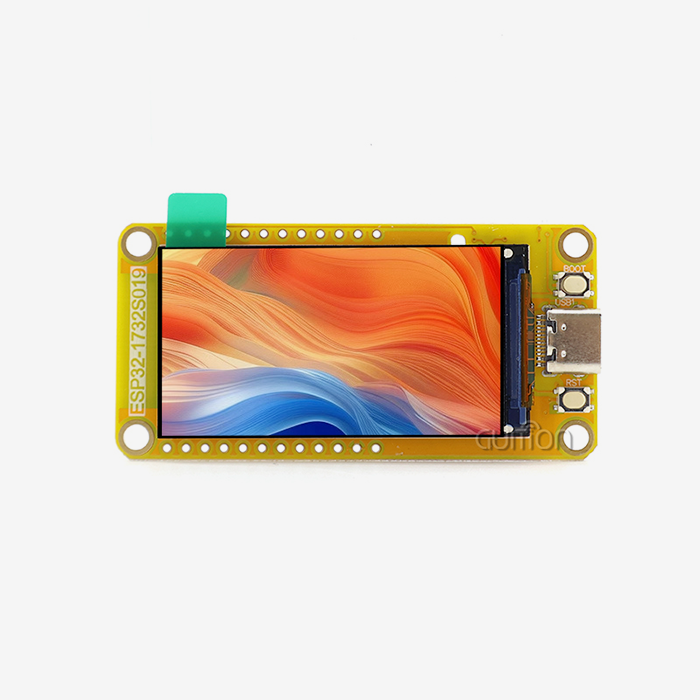
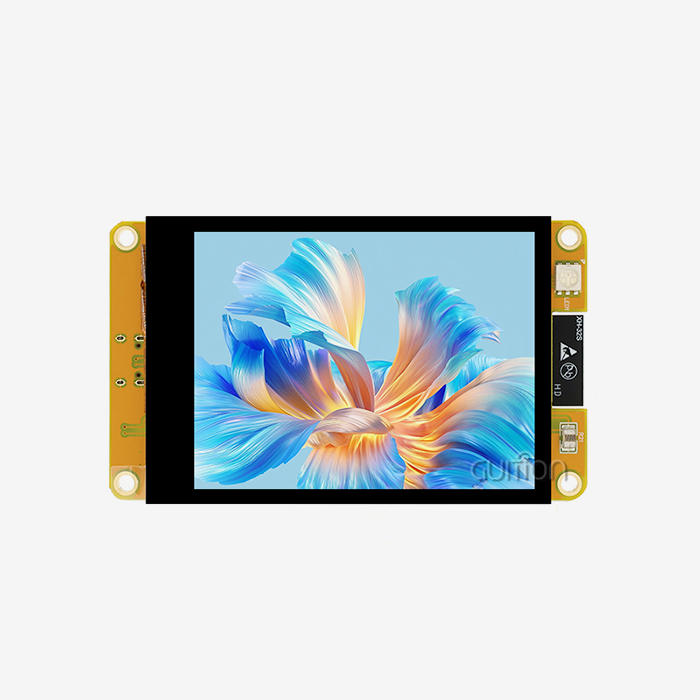
The NMminer display is ideal for large-density cryptocurrency mining farms, industrial control applications, and embedded monitoring stations with the need for continuous 24/7 operation. The 2.8” display is based on the ESP32 and is built on the GUITION JC2432W328C module, combining capacitive touch, Wi-Fi, Bluetooth, and multi-platform development support in a small package. Whether you maintain GPU rigs, energy systems, or automated control panels, the NMminer display allows operators to see real-time data with little setup time, making it a practical solution for embedded engineers and product teams throughout the United States.

Understanding the NMminer Display and Its Role in Mining Performance
The hardware basis of the NMminer display is the GUITION JC2432W328C. This module is manufactured by Shenzhen Jingcai Intelligent Co., Ltd. and engineered to withstand the harsh needs of bitcoin mining equipment and industrial HMI applications.
Core Hardware Specifications
At its heart, it has an ESP32 dual-core MCU running at up to 240MHz with 520KB SRAM, 448KB ROM, and 4MB Flash storage. The display resolution is 240×320 and has a sensitive capacitive touch layer. The specifications enable the NMminer display to analyze real-time hashrate, heat, and system alarm data without latency, a necessary requirement in production-grade mining operations.
Integrated Sensor and Circuit Architecture
This module is not just about printing results on the screen. It contains a backlight control circuit, RGB-LED control, speaker driver circuit, photosensitive sensor, and DHT11 temperature and humidity sensor interface. For the mining operator, this implies that the NMminer display may provide active monitoring of the ambient heat conditions, a factor that has a direct influence on ASIC/GPU lifetime over extended periods of operation.
Multi-Platform Development Compatibility
NMminer display supports Arduino IDE, ESP-IDF, MicroPython, and the proprietary Guition programming environment. Engineers may choose the platform that fits their current process. The Guition drag-and-drop GUI tool allows teams to construct great dashboards without having to write the bottom-level stuff, slashing the time from prototype to deployment.
Identifying the Best Mining Environments for NMminer Display Performance
Not all displays can endure the conditions inside an active mine site. Dust, heat, vibration, and power fluctuations are everyday occurrences. The NMminer display tackles these problems with its industrial-grade design.
Cryptocurrency Mining Farms
High-density GPU and ASIC farms produce thermal exhaust and vibration from the continual running of cooling fans. The ESP32 controller of the NMminer display operates stably under continuous temperature stress. Built-in Wi-Fi and Bluetooth allow operators to monitor pool performance, fan speeds, and temperature data from a mobile device without having to physically intervene, lowering on-site labor expenses.
Industrial Automation and Control Panels
In the industrial automation environment, the NMminer display is a trustworthy HMI terminal. It has a TF card slot to record the system parameters. The reserved IO port interface is designed to connect with the existing PLC infrastructure. Field engineers say the one-click firmware upgrade functionality greatly reduces maintenance windows compared to standard display modules that need manual reflashing.
Agricultural Automation and Energy Management
Remote farms and solar power monitoring locations need screens that will run dependably with little maintenance. The DHT11 sensor interface on the NMminer display enables direct environmental monitoring without further hardware. Thanks to integrated OTA update support via the Guition platform, these installations stay current without technician visits to the site – a real cost benefit for operators managing remote assets.
How the NMminer Display Optimizes Mining Performance: Technical Insights
In mining, performance is assessed in terms of uptime and the accuracy and speed of data. Here are the key technological benefits that make the NMminer display an attractive solution for engineers and product teams:
- 240×320 Capacitive Touch Display: The touch layer is optimized for gloved-hand usage, enabling personnel in industrial applications to engage with dashboards without removing protective gear. The 2.8-inch form factor fits in conventional rackmount controller enclosures.
- Wi-Fi and Bluetooth Dual Connectivity: The built-in wireless stack enables the NMminer display to connect to mining pool APIs, MQTT brokers, and mobile monitoring applications concurrently. This means no more wired serial-only configurations sometimes seen on older HMI terminals.
- Pre-Loaded Test Demonstrations: The module includes pre-loaded test demonstrations for teams to verify hardware out of the box. This speeds up procurement-to-deployment times for R&D managers under product launch deadlines.
- TF Card Data Logging: The TF card port allows you to record mining data and system information without interruption. This allows engineers to pull the session data for post-analysis without disturbing live operations.
- These features solve a long-standing pain issue for embedded engineering teams: the gap between having display hardware and production-ready deployment. The NMminer display fills the gap with hardware and software that operate together from day one.
In addition to the individual characteristics, the combination of real-time sensor data, wireless reporting, and visual warning output provides operations managers with a one-unit solution that does not need many separate monitoring components. This decreases bill-of-materials cost and simplifies system architecture immediately.
Comparing NMminer Display with Alternative Mining Display Solutions
Connectivity, development flexibility, and long-term supply dependability are three concerns that constantly surface in technical briefs when procurement teams examine display modules for mining applications.
Standard Industrial Displays Without Wireless Integration
There are several industrial HMI panels on the market with good resolution and durability, but they all depend on wired UART or RS485 connections. They function for permanent installations but add complications for operators who require remote access. Here, the inherent integration of the NMminer display with Wi-Fi and Bluetooth overcomes this obstacle without needing extra wireless bridges.
Generic ESP32 Development Boards
You can get ESP32 breakout boards off the market that have comparable computing power, but the NMminer display integrates the peripheral circuits (speaker driver, photosensitive sensor, RGB-LED, DHT11 interface) on one PCB. Teams that use generic boards have to invest extra engineering hours to source and integrate these components independently. The NMminer display combines these into a single proven production-ready module.
Competing USART-HMI Display Modules
Some USART-HMI rivals provide proprietary scripting environments that tie developers to a single development route. The NMminer display supports four development environments, Arduino IDE, ESP-IDF, MicroPython, and Guition, allowing teams the flexibility to migrate or maintain projects using tools they are already acquainted with. Guition's multi-language and UTF-8 encoding support also meets the needs of worldwide deployment that single-language platforms are unable to satisfy.
How to Procure and Implement NMminer Displays for Optimal Mining Results
Procurement for embedded display modules involves more than comparing spec sheets. Supply reliability, technical documentation quality, and after-sales support determine whether a supplier relationship scales with your business.
Procurement Process with GUITION
Shenzhen Jingcai Intelligent Co., Ltd. offers direct procurement through its sales team for B2B clients. Technical documentation, development guides, and firmware samples are available to qualifying buyers before purchase commitment. For teams evaluating the NMminer display at scale, sample unit requests are handled through the sales contact at david@guition.com.
Implementation Support and OTA Upgrades
GUITION's Guition software platform supports remote firmware updates, which means post-deployment iterations do not require physical access to installed units. For mining operators managing dozens of display-equipped controllers across a facility, this OTA capability directly reduces after-sales labor cost—a factor that R&D managers and product managers consistently cite as a decision driver.
Long-Term Supply and Product Stability
GUITION's product line spans 1.28" to 21.5" display sizes, indicating a supplier with depth in the HMI category rather than a single-product vendor. This range gives procurement teams confidence that component supply and technical support will remain available as product lines evolve.
Conclusion
The NMminer display, built on GUITION's JC2432W328C module, performs at its best in environments where continuous uptime, real-time data access, and development flexibility matter most—cryptocurrency mining farms, industrial control panels, energy monitoring stations, and agricultural automation systems. Its ESP32 core, integrated sensor suite, wireless connectivity, and multi-platform development support make it a technically sound choice for embedded engineers and product teams. GUITION's established supplier position and Guition software ecosystem add the long-term reliability that B2B procurement decisions require.
FAQ
1. What types of mining operations benefit most from the NMminer display?
The NMminer display performs best in cryptocurrency mining farms and industrial automation environments. Its Wi-Fi and Bluetooth connectivity allow remote monitoring of hashrates, temperature, and system status without wired infrastructure.
2. Does the NMminer display support environmental monitoring?
Yes. The JC2432W328C includes a DHT11 temperature and humidity sensor interface, enabling direct ambient monitoring at the display unit level without additional hardware.
3. Which development platforms are compatible with the NMminer display?
The module supports Arduino IDE, ESP-IDF, MicroPython, and the Guition development environment. Engineers can use the platform that best fits their existing workflow.
4. Can the NMminer display receive firmware updates remotely?
Yes. GUITION's Guition platform supports OTA remote upgrades, allowing teams to update deployed units without on-site access.
5. Where can I request a sample or technical documentation?
Contact GUITION's sales team directly at david@guition.com or visit the product page at https://jingcaizhineng.aixdb.cn/ for specifications and procurement details.
Ready to Source the NMminer Display for Your Next Project? Contact GUITION Today
GUITION's JC2432W328C NMminer display supplier team is ready to support your procurement process—from technical samples to volume orders. With display sizes from 1.28" to 21.5", Guition software support, and proven cross-platform compatibility, GUITION delivers the NMminer display manufacturer reliability your project depends on. Reach our team directly at david@guition.com to request a sample or discuss your application requirements today.
References
1. Espressif Systems. (2023). ESP32 Series Datasheet. Espressif Systems Documentation.
2. IEEE Industrial Electronics Society. (2022). Human-Machine Interface Standards for Industrial Control Systems. IEEE Transactions on Industrial Electronics.
3. IPC Association. (2021). IPC-A-610: Acceptability of Electronic Assemblies. IPC Standards Publication.
4. MIL-STD-810H. (2019). Environmental Engineering Considerations and Laboratory Tests. U.S. Department of Defense.
5. Semiconductor Industry Association. (2023). Embedded Systems and IoT Market Report. SIA Annual Industry Report.
6. UL Standards & Engagement. (2022). UL 508A: Standard for Industrial Control Panels. Underwriters Laboratories.
Learn about our latest products and discounts through SMS or email