- English
- French
- German
- Portuguese
- Spanish
- Russian
- Japanese
- Korean
- Arabic
- Greek
- German
- Turkish
- Italian
- Danish
- Romanian
- Indonesian
- Czech
- Afrikaans
- Swedish
- Polish
- Basque
- Catalan
- Esperanto
- Hindi
- Lao
- Albanian
- Amharic
- Armenian
- Azerbaijani
- Belarusian
- Bengali
- Bosnian
- Bulgarian
- Cebuano
- Chichewa
- Corsican
- Croatian
- Dutch
- Estonian
- Filipino
- Finnish
- Frisian
- Galician
- Georgian
- Gujarati
- Haitian
- Hausa
- Hawaiian
- Hebrew
- Hmong
- Hungarian
- Icelandic
- Igbo
- Javanese
- Kannada
- Kazakh
- Khmer
- Kurdish
- Kyrgyz
- Latin
- Latvian
- Lithuanian
- Luxembou..
- Macedonian
- Malagasy
- Malay
- Malayalam
- Maltese
- Maori
- Marathi
- Mongolian
- Burmese
- Nepali
- Norwegian
- Pashto
- Persian
- Punjabi
- Serbian
- Sesotho
- Sinhala
- Slovak
- Slovenian
- Somali
- Samoan
- Scots Gaelic
- Shona
- Sindhi
- Sundanese
- Swahili
- Tajik
- Tamil
- Telugu
- Thai
- Ukrainian
- Urdu
- Uzbek
- Vietnamese
- Welsh
- Xhosa
- Yiddish
- Yoruba
- Zulu
Where Can Colour lcd display module Solutions Improve Applications?
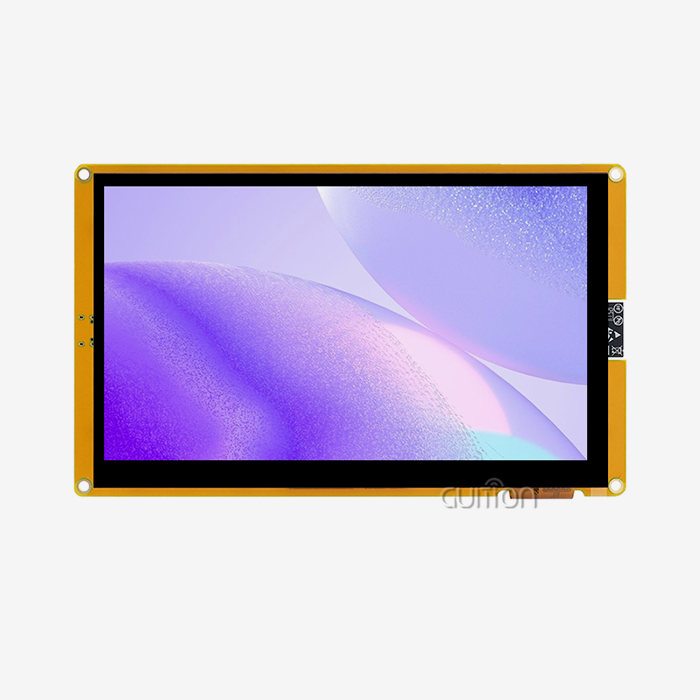
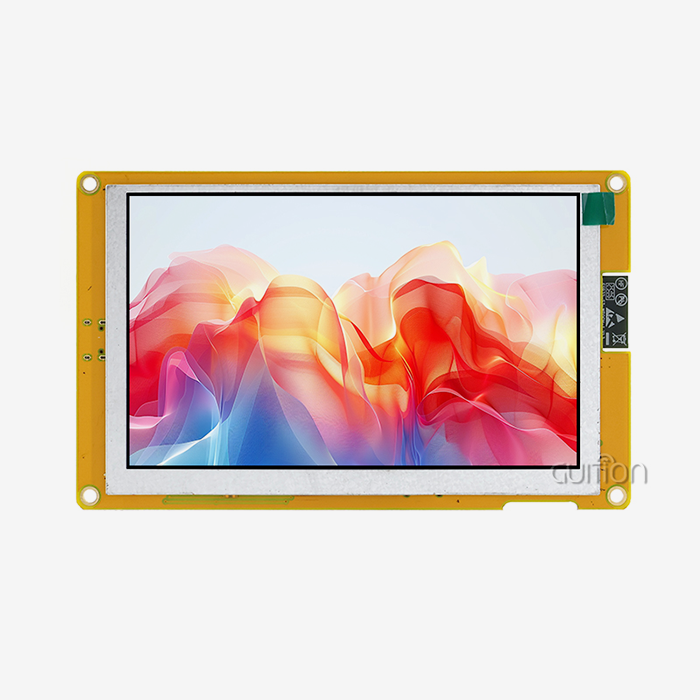
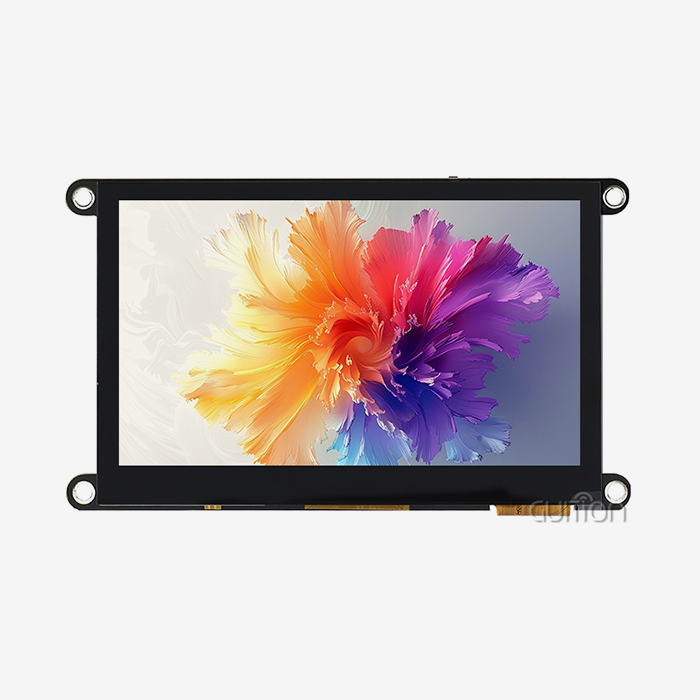
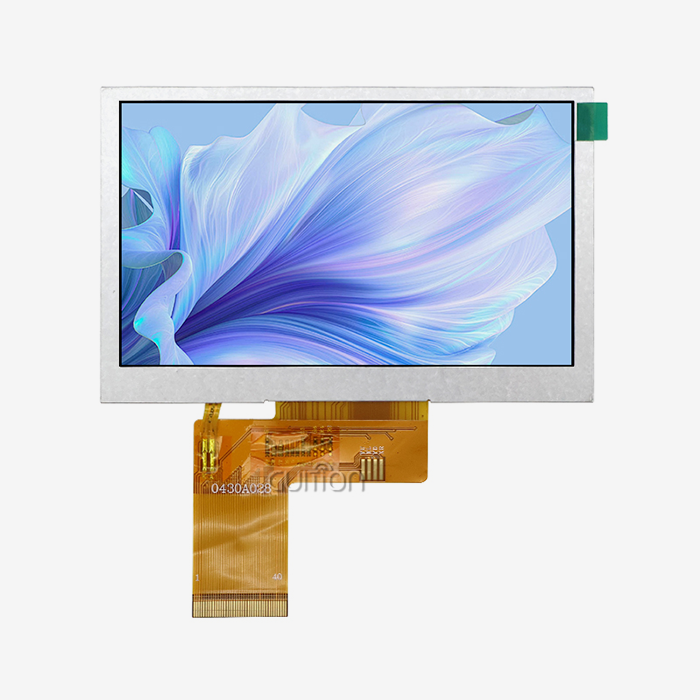
Colour lcd display modules are changing the way engineers and product teams design user-facing devices. Whether it’s a factory control panel or a medical monitor, a color LCD display module provides the visual clarity and interface responsiveness that monochrome or segment displays can never hope to equal. Consider the GUITION JC3248S035R, a 3.5-inch TFT LCD panel with 320×480 resolution, 65K color support, and a 4-wire SPI interface controlled by the ILI9488 IC. A well-specified color LCD display module like this may save integration time while improving display quality for demanding applications.

Understanding Colour LCD Display Modules: Fundamentals and Advantages
A color LCD display module is not only a screen. It is a single integrated, ready-to-deploy subsystem that integrates an Active Matrix TFT screen with a driver IC, backlight control circuitry, and an optional touch layer. Knowing the basic specs allows engineers to choose the proper part the first time.
Key Technical Specifications
A module’s fit is determined by three parameters: resolution, color depth, and interface type. The JC3248S035R can provide 320×480 resolution with 16-bit 65K color, adequate for most HMI dashboards and embedded control panels. The 4-wire SPI bus consumes a few GPIO pins, conserving microcontroller resources for other peripherals.
Advantages Over Monochrome and OLED Displays
The ability to use color coding to express status is lost on monochrome LCD displays, which may hinder operator reaction on a busy production floor. OLED displays have strong contrast but deteriorate more quickly with static pictures. Stable brightness for tens of thousands of hours, resistant to picture retention in static HMI applications, a color LCD display module based on IPS or TN technology has been shown to be the preferred option for industrial goods with lengthy life cycles.
Driver IC and Interface Compatibility
Many Arduino, ESP-IDF, and STM32 HAL libraries support the ILI9488 driver IC. Engineers working in these environments may modify current SPI display drivers with minimal changes. GUITION also offers sample code and the Guition UI development tools, so teams may have a functioning prototype up and running the same day the module hits the bench.
Critical Areas Where Colour LCD Display Modules Solve Application Challenges
A colour LCD display module is more than just a screen. It is a single integrated, ready-to-deploy subsystem integrating an Active Matrix TFT screen with a driver IC, backlight control circuitry, and an optional touch layer. Knowing the fundamental requirements, engineers can choose the right part the first time.
Key Technical Specifications
A module is described by three parameters: resolution, color depth, and interface type. The JC3248S035R can provide 320×480 resolution with 16-bit 65K color and is sufficient for most HMI dashboards and embedded control panels. So it saves microcontroller resources for other peripherals. 4-wire SPI bus. It uses a few GPIO pins on a microcontroller.
Advantages Over Monochrome and OLED Displays
Monochrome LCD screens lose the option to apply color coding for status, which might slow operator response on a busy manufacturing floor. While OLED panels provide perfect contrast, they may age faster with static images. A color LCD display module based on IPS or TN technology has been shown to be the preferable alternative for industrial products with long life cycles, thanks to its stable brightness for tens of thousands of hours and resistance to image retention in static HMI applications.
Driver IC and Interface Compatibility
The ILI9488 driver IC is supported by several Arduino, ESP-IDF, and STM32 HAL libraries. Engineers working in such contexts may make minor changes to existing SPI display drivers. GUITION also provides example code and the Guition UI development tools, so teams may have a working prototype up and running the same day the module hits the bench.
Comparing Colour LCD Modules to Alternative Display Technologies
There are trade-offs in cost, power consumption, longevity, and viewing angle when selecting a display technology. It is important to understand these trade-offs and avoid expensive redesign in the middle of a project.
Colour LCD vs. OLED
OLED panels provide deeper blacks and greater contrast ratios, but the organic emitter layer degrades when static material is shown for extended periods of time – a significant limitation for HMI systems that display the same dashboard layout for hours. The colour LCD display module can provide constant brightness without pixel burn-in, which is more practical for industrial terminals and kiosks in the long run.
Touchscreen vs. Non-Touchscreen Configurations
JC3248S035R has an optional resistive touch panel. Resistive touch supports a stylus, glove, or bare finger, and that makes a difference in industrial and medical contexts. Capacitive touch is also slicker for motions, but needs a bare finger or special conductive glove. When deciding between either option, project teams need to consider their end-user environment, since retrofitting touch technology is costly after mechanical design has been finalized.
Interface Selection: SPI vs. Parallel vs. RGB
SPI is the correct interface for sub-4" displays with modest complexity GUIs. It saves GPIO and is supported on all of them. Parallel (8080/6800) interfaces are quicker at moving data, which helps animations on bigger screens. RGB and MIPI DSI are reserved for high-resolution (> 5-inch) modules when bandwidth needs are above the capability of SPI. JC3248S035R’s 4-wire SPI is good for its 320×480 resolution.
Procurement Insights: How to Source the Best Colour LCD Display Modules
Sourcing a colour LCD display module for production requires evaluating more than the datasheet. Supply continuity, certifications, and technical support all affect total project cost.
Here are the core factors procurement teams should verify before placing a production order:
- RoHS and REACH compliance: These certifications are non-negotiable for products sold in North America and Europe. Confirm that the colour LCD display module supplier provides current compliance documentation, not just a self-declaration.
- Minimum order quantity and lead time: Some suppliers require high MOQs that tie up capital. GUITION supports orders across a range of quantities with defined lead times, which suits both startup prototyping and volume production.
- Technical documentation quality: Incomplete datasheets and missing schematic files waste engineering hours. GUITION provides comprehensive technical documents and Guition software support to reduce debugging cycles.
- Long-term product lifecycle commitment: A colour LCD display module that gets discontinued mid-project forces an expensive redesign. Evaluate the supplier's track record for product stability before signing a supply agreement.
These factors collectively determine whether a procurement decision delivers value over the product's entire commercial life, not just at the initial order stage.
Future Prospects and Trends in Colour LCD Display Modules
The TFT LCD panel market is still growing. Grand View Research said that the worldwide LCD market was valued at over USD 120 billion in 2023 and is predicted to grow gradually through 2030, led by industrial automation, medical devices, and IoT usage. Several trends are driving the next generation of color LCD display module design.
Higher Resolution in Compact Form Factors
There’s a pixel density increase in sub-5-inch modules. For engineers, the 320×480 (HVGA) or 480×800 (WVGA) resolution expectation in sub-4-inch modules with no battery power increase is currently the norm.
Multi-Touch and Capacitive Upgrades
Capacitive multi-touch displays are invading industrial and embedded applications that were traditionally resistive touch. GUITION’s product roadmap from 1.28-inch to 21.5-inch sizes places the firm to address both old resistive designs and next-generation capacitive needs.
OTA and Remote Upgrade Integration
Products designed on the GUITION platform allow air firmware upgrades. This functionality saves service visits and speeds up feature rollouts for field-deployed equipment, a major operational cost reduction for big installed bases.
Conclusion
The colour LCD display module offers demonstrable benefits for industrial automation, medical devices, smart appliances and commercial terminals. The GUITION JC3248S035R demonstrates that a 3.5-inch TFT module with ILI9488, 320×480 resolution and 4-wire SPI integration may satisfy demanding embedded applications without requiring sophisticated low-level code. Choosing the proper color LCD display module from a technically competent provider lowers engineering risk and time to market, from procurement choices through to long-term field performance. GUITION’s entire product range and Guition development tools make it a powerful partner for teams producing display-driven solutions of any size.
FAQ
1. Does a colour LCD display module work in direct sunlight?
Standard TFT modules become difficult to read above 700–800 lux ambient light. High-brightness backlight variants exceeding 1,000 nits and transflective panel configurations address outdoor readability. For indoor industrial use, the JC3248S035R's backlight control circuitry allows brightness adjustment through firmware.
2. How does the ILI9488 driver compare to ILI9341?
The ILI9488 supports 18-bit colour depth and higher-resolution panels. The ILI9341 is common in smaller 2.4–2.8-inch modules. For a 3.5-inch colour LCD display module at 320×480, the ILI9488 provides better colour accuracy and broader platform library support.
3. Can I use the JC3248S035R with Arduino?
Yes. The 4-wire SPI interface is natively supported by Arduino SPI libraries. GUITION provides sample code that reduces setup time significantly.
4. What is the difference between resistive and capacitive touch on an LCD module?
Resistive touch responds to physical pressure from any object, including gloves and styluses. Capacitive touch requires conductive input but offers better gesture recognition. The JC3248S035R offers an optional resistive touch panel suitable for industrial and medical environments.
5. Is RoHS certification available for this colour LCD display module?
Yes. GUITION products comply with RoHS and REACH standards. Compliance documentation is available upon request for procurement and regulatory purposes.
Partner With Guition for Your Next Colour LCD Display Module Project
Your next embedded display project deserves a colour LCD display module supplier that backs hardware with real engineering support. GUITION offers a full size range from 1.28" to 21.5", the Guition UI development software, cross-platform compatibility, and OTA upgrade capability. Whether you need a single evaluation unit or a production volume, contact our team today. Reach us at david@guition.com to explore our colour LCD display module for sale and request a quote.
References
1. Grand View Research. LCD Market Size, Share & Trends Analysis Report. 2023.
2. IHS Markit (S&P Global). Display Technology Forecast and Industrial HMI Trends. 2022.
3. Society for Information Display (SID). Information Display: Journal of the Society for Information Display. 2022.
4. IEEE Transactions on Industrial Electronics. Embedded HMI Design Using TFT LCD Modules in Automation Systems. 2021.
5. Electronic Design Magazine. Choosing the Right Display Interface: SPI, RGB, and MIPI DSI Compared. 2023.
6. IEC 62368-1. Audio/Video, Information and Communication Technology Equipment — Safety Requirements. International Electrotechnical Commission. 2020.
Learn about our latest products and discounts through SMS or email