- English
- French
- German
- Portuguese
- Spanish
- Russian
- Japanese
- Korean
- Arabic
- Greek
- German
- Turkish
- Italian
- Danish
- Romanian
- Indonesian
- Czech
- Afrikaans
- Swedish
- Polish
- Basque
- Catalan
- Esperanto
- Hindi
- Lao
- Albanian
- Amharic
- Armenian
- Azerbaijani
- Belarusian
- Bengali
- Bosnian
- Bulgarian
- Cebuano
- Chichewa
- Corsican
- Croatian
- Dutch
- Estonian
- Filipino
- Finnish
- Frisian
- Galician
- Georgian
- Gujarati
- Haitian
- Hausa
- Hawaiian
- Hebrew
- Hmong
- Hungarian
- Icelandic
- Igbo
- Javanese
- Kannada
- Kazakh
- Khmer
- Kurdish
- Kyrgyz
- Latin
- Latvian
- Lithuanian
- Luxembou..
- Macedonian
- Malagasy
- Malay
- Malayalam
- Maltese
- Maori
- Marathi
- Mongolian
- Burmese
- Nepali
- Norwegian
- Pashto
- Persian
- Punjabi
- Serbian
- Sesotho
- Sinhala
- Slovak
- Slovenian
- Somali
- Samoan
- Scots Gaelic
- Shona
- Sindhi
- Sundanese
- Swahili
- Tajik
- Tamil
- Telugu
- Thai
- Ukrainian
- Urdu
- Uzbek
- Vietnamese
- Welsh
- Xhosa
- Yiddish
- Yoruba
- Zulu
Where Are Small LCD Display Module Solutions Used Most?
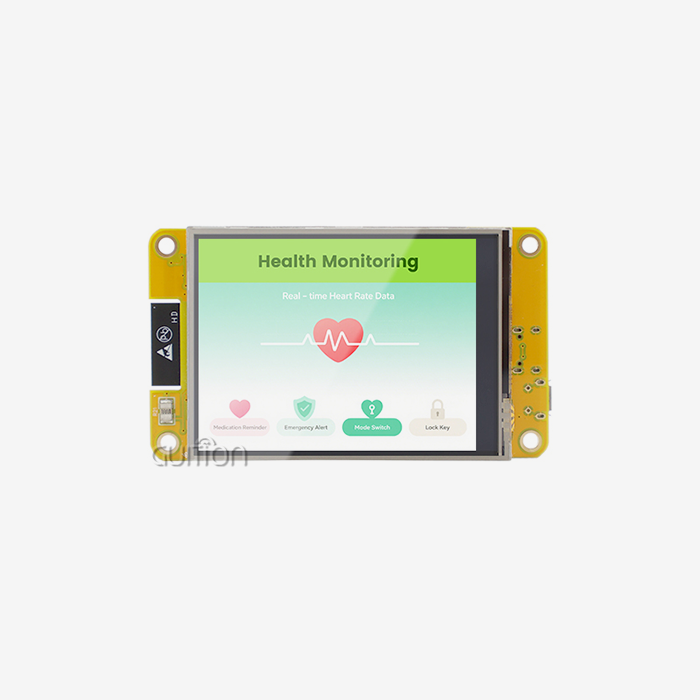
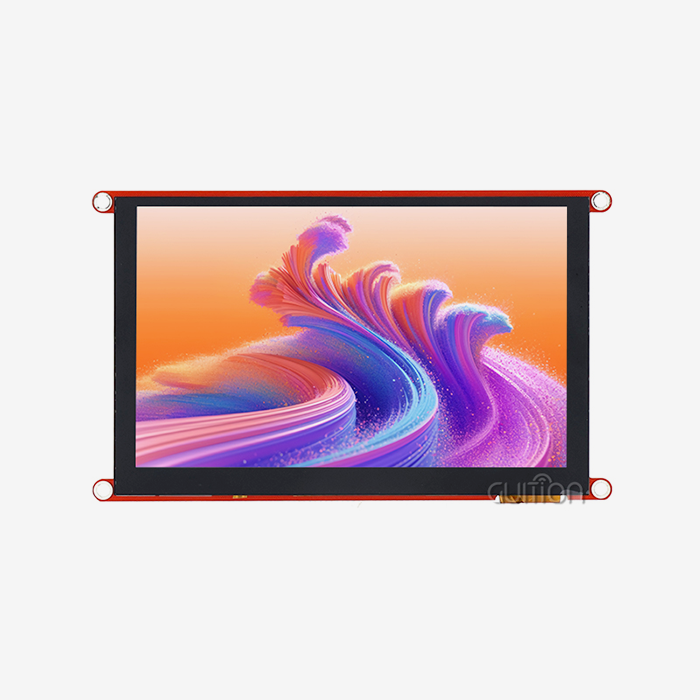
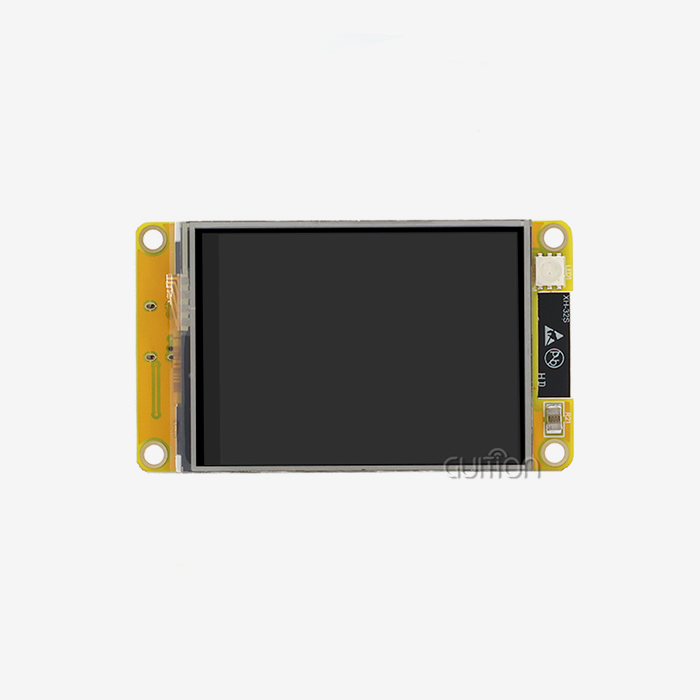
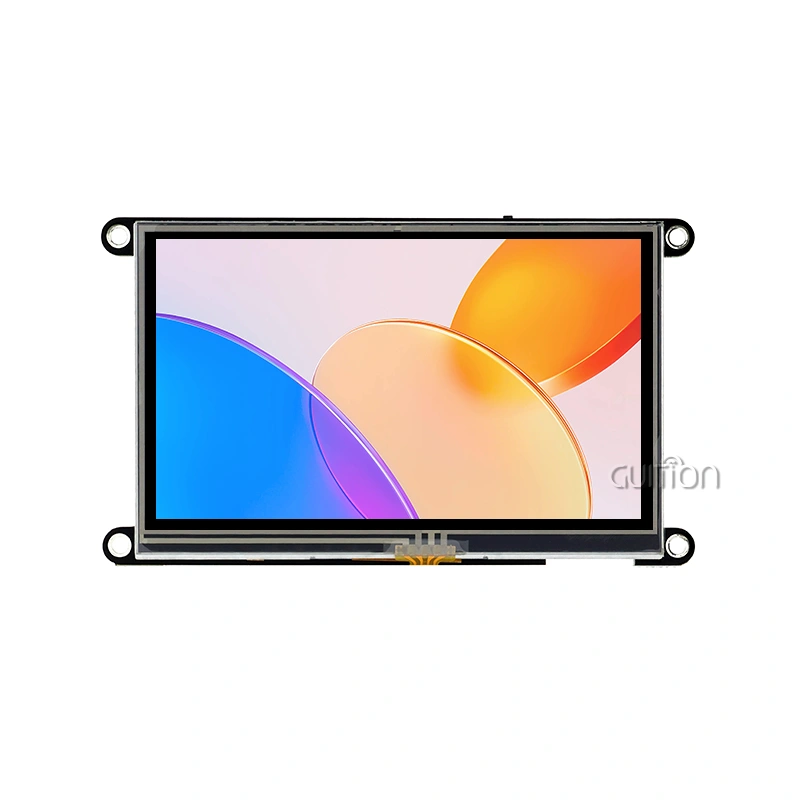
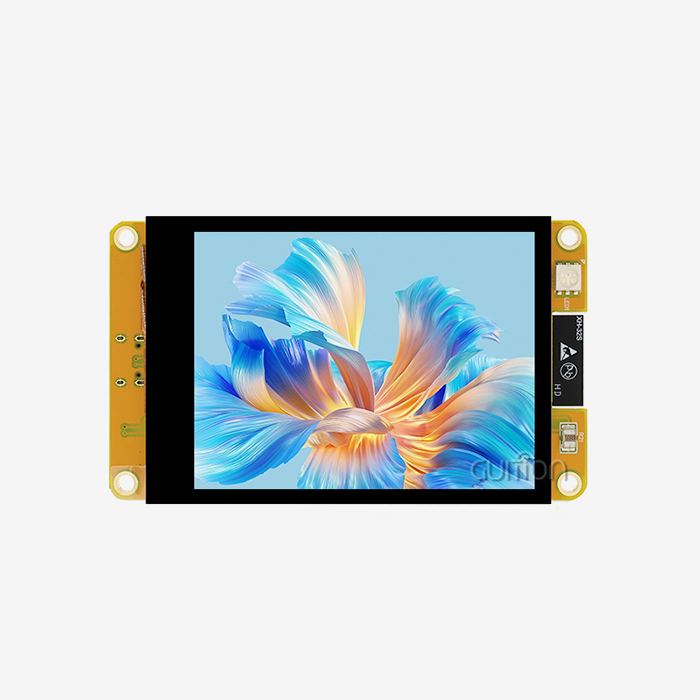
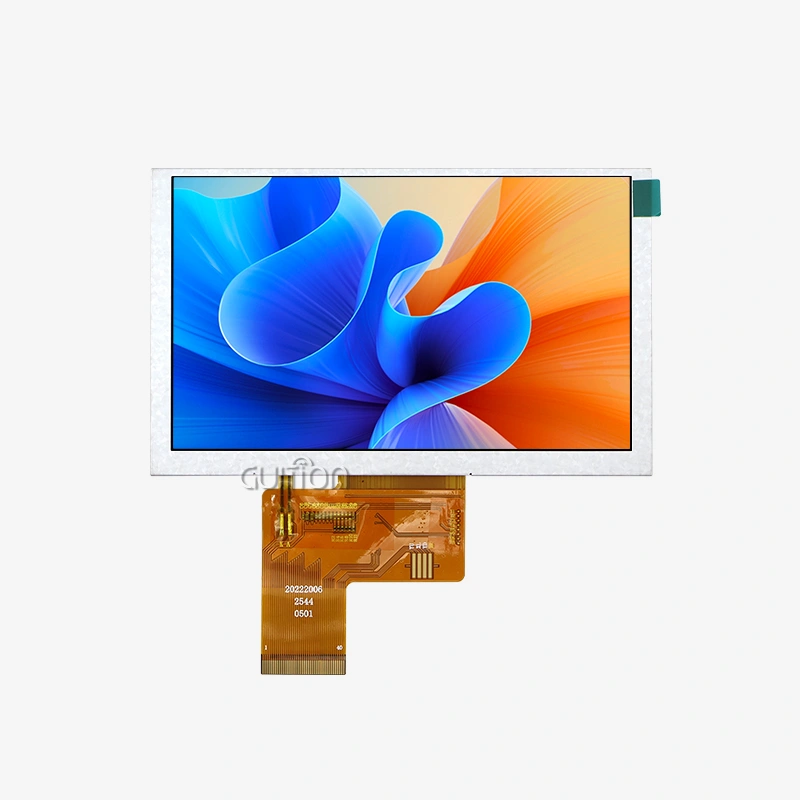
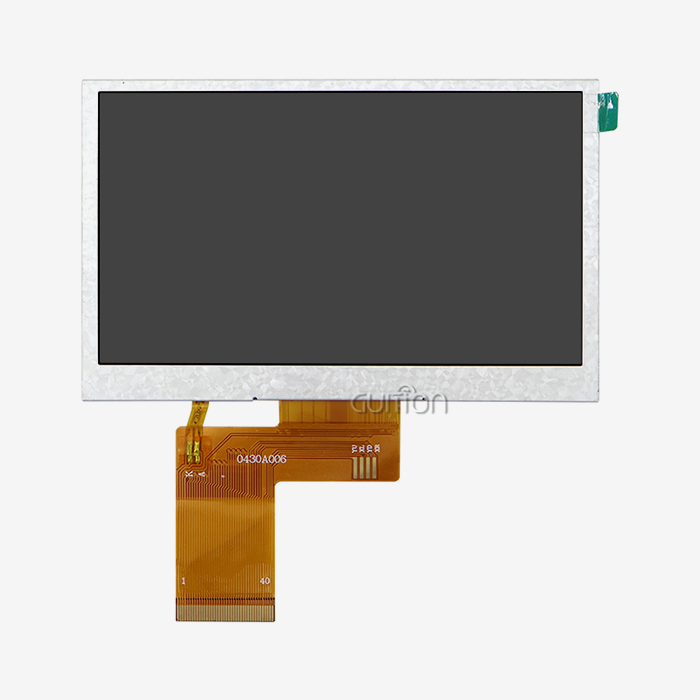
Small LCD display modules are used in almost every sector requiring a small, legible interface between a machine and its operator. These modules are used for real-time viewing of data in small places where bigger screens just cannot fit, from manufacturing floors to hospital wards. A tiny LCD display module usually has a size of 0.96 inch to 7.0 inch diagonally and is composed of a liquid crystal screen, a backlight unit, a driver IC, and a flexible printed circuit. Their low power consumption, modest cost, and comprehensive interface support make them the preferred option for embedded engineers and product teams throughout the globe.

Understanding Small LCD Display Modules and Their Key Characteristics
Before you select a tiny LCD display module for any project, it helps to understand what divides one kind from another and why those distinctions are important in production.
LCD Panel Types and Their Trade-offs
The four most common panel technologies are STN, TFT, Segment, and Graphic LCD. STN panels are cheap and easy to operate, and are often used in basic instrumentation. TFT panels may be used for full color at resolutions up to 1080×1920, making them suitable for medical displays and consumer applications. Segment displays require very little electricity for displaying fixed characters and are, thus, well suited to utility meters. Graphic LCDs are in between STN and TFT and offer monochrome bitmaps without any color overhead.
Key Technical Specifications
A module is suitable for a design depending on the resolution, operating temperature, power consumption, and interface type. Industrial-grade modules normally run from −20 °C to +70 °C, but wide-temperature versions will expand the limit to −30 °C / +80 °C. Interface possibilities include SPI, I²C, MCU parallel (8080/6800), RGB, and MIPI DSI. SPI is the most pin-efficient option for microcontroller-based devices, using as few as four GPIO lines.
Cost Efficiency Versus OLED and E-Ink
LCD modules are far less expensive per unit at similar sizes and do not have burn-in issues with static display usage. E-Ink uses very little power in standby but refreshes slowly. For applications that demand a real-time data refresh at a reasonable bill-of-materials cost, a TFT LCD display module is still the practical choice that most procurement teams choose.
Top Application Areas of Small LCD Display Modules
The small LCD display module market spans six major verticals, each with distinct technical demands that shape purchasing decisions.
Industrial Automation and Control Panels
Industrial HMI displays have to be able to stand up to vibration, electromagnetic interference, and extreme temperature variations. A rugged TFT display module controls a process control panel and offers operators clear, real-time information on pressure, flow, and temperature. Field Technicians commonly use portable terminals with small display screens that are simple to see in workshop lighting.
Medical Devices and Patient Monitoring
For medical equipment developers, clarity of display and long-haul endurance are more important than price. Portable ECG monitors, pulse oximeters, and infusion pump interfaces have clear fonts and high-contrast waveforms on small LCD panels. Modules used in this region must also withstand repeated cleaning with alcohol based cleaners, necessitating durable polarizer coatings and tight sealing.
Consumer Electronics, Smart Home, and IoT
Color display modules for smart thermostats, air quality sensors, and home automation controllers need small casings. The standard IoT gateway device may include a 2.4-inch or 3.5-inch LCD display module and a Wi-Fi MCU to show network status and sensor information. Most modern LCD driver ICs are very low power in sleep mode, allowing these always-on displays to remain within acceptable energy budgets.
Comparing Small LCD Display Modules with Alternative Technologies
Choosing between LCD, OLED, and E-Ink requires an honest look at the operating conditions and budget of each project.
Resolution, Color Fidelity, and Viewing Angle
TFT LCD screens with IPS or FFS technology have a viewing angle of 178°/178° and show millions of colors accurately. That color fidelity is on par with or better than OLED panels, but it is more expensive per unit and decays after prolonged viewing of static pictures. The usual option for industrial control stations requiring color accuracy and wide viewing angles is an IPS TFT display module.
Power Consumption and LED Backlight Impact
The backlight is the largest power consumer of a small LCD display module. Outdoor-use high-brightness variants are 800–1000 nits and draw more current. Transflective designs reflect ambient light and greatly lessen the backlight load. OLED panels utilize less power for dark screens but more for bright ones. A well-tuned LCD backlight may often match or surpass OLED efficiency for battery-powered IoT devices with mixed content.
Touchscreen Versus Non-Touchscreen Modules
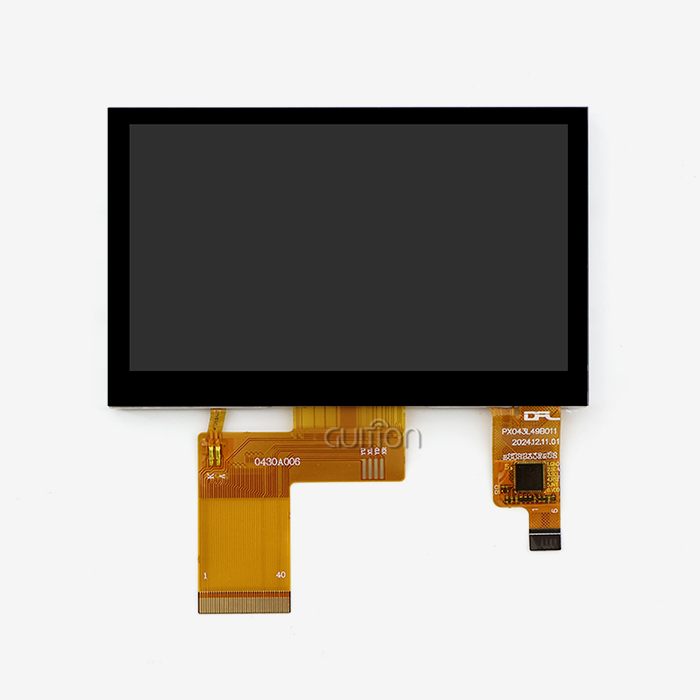
Capacitive touch panels (CTP) attached via I2C provide interactivity. The tradeoff is glass thickness and cost. Resistive touch panels (RTP) allow use of a stylus or gloved hand, very useful in industrial or medical environments. Display modules without touch reduce the complexity and cost of assembly when all inputs are via physical buttons. The correct choice is not a question of personal preference but rather of the end-user scenario.
How to Select the Right Small LCD Display Module for Your Project
Matching a compact LCD panel to a project requires checking several parameters before placing a purchase order.
Aligning Resolution and Interface to Your MCU
The resolution sets the size of the frame buffer your CPU will have to cope with. A 320x480 display using a 4-wire SPI interface (like the GUITION JC3248S035N) uses far fewer GPIO pins than a parallel RGB display of the same size. JC3248S035N is a 3.5-inch TFT with an ILI9488 driver IC; it has a resolution of 320x480 via a SPI interface, which frees the host MCU for other duties. The onboard SD card connection also enables developers to store images and fonts directly on the module.
Evaluating Supplier Quality and Long-Term Availability
The real concern is volatility in the panel supply chain. Professional suppliers would choose prominent glass and driver IC vendors like BOE and Tianma for glass and Ilitek/Sitronix for driver ICs, and have a pin-compatible replacement plan for particular components when they are outmoded. Quality manufacturing includes the ISO 9001 and RoHS regulations, and reliability testing such as the 240-hour high-humidity test at 60°C and thermal shock cycling.
Customization, MOQ, and Bulk Pricing
B2B procurement teams should investigate what minimum order quantities, lead times, and customization options are available – FPC pinout, backlight brightness, optical bonding – before signing off with a supplier. Product teams may standardize across SKUs with one supplier relationship with a product line from 1.28” to 21.5”.
Real-World Case Studies: Small LCD Display Module Implementations
Three scenarios illustrate how teams have resolved real engineering problems using compact LCD display solutions.
Industrial HMI Upgrade for a Process Equipment Manufacturer
A U.S. equipment business has replaced the aging character LCD panels on its pump controllers with 3.5-inch TFT display modules using SPI. The switch reduced wire complexity and GPIO use, enabling the team to add a graphical trend display without any changes to the host PCB. From day one, the supplier gave working test code; therefore, development time was saved by around 30%.
Portable Medical Diagnostic Device
A medical device business needed a display for portable diagnostic equipment that would survive daily alcohol wipe-downs and display sharp waveforms on a 320×480 screen. The team employed a TFT LCD display module with a wide operational temperature range and an IPS screen to ensure continuous contrast at off-axis angles. Waveform templates were stored locally on the module's SD card slot, lowering the memory demands of the host MCU.
Smart Home Gateway and IoT Sensor Display
A commercial air quality monitor provider uses a tiny color LCD screen to show CO₂, PM2.5, and temperature readings in real time. The module was certified for 24/7 operation, and the backlight lifespan criteria of 50,000 hours meant the always-on requirement could be met with no hardware risk, and the SPI interface kept the MCU footprint modest.
Conclusion
Small LCD display modules are a crucial component of modern embedded systems used in industrial, medical, consumer, and IoT applications. To choose the right module, the kind of panel, resolution, interface protocol, and environmental rating should be matched with the needs of each application. The GUITION product line and Guition development platform enable engineering teams and procurement managers to get from concept to operational hardware immediately with the level of support and supply dependability that long-term projects need. Get in touch to discover how the right display module may improve your next product.
FAQ
1. What is the difference between a small LCD display module and a TFT display?
A small LCD display module is the broader category. TFT (Thin-Film Transistor) is one specific LCD technology inside that category. TFT panels offer active-matrix color control, giving them higher resolution and color depth than STN or segment LCD types. Not every LCD module is TFT, but most color display modules sold today use TFT technology.
2. How do I confirm SPI interface compatibility with my microcontroller?
Check your MCU's SPI clock speed against the driver IC's maximum rated frequency. The ILI9488, used in the GUITION JC3248S035N, supports SPI clock rates up to 40 MHz. Confirm voltage levels (3.3 V or 5 V logic) and verify that your SPI master supports the correct clock polarity and phase settings before connecting.
3. Can a small LCD display module operate in extreme cold?
Standard modules typically work down to −20 °C. For −30 °C environments, specify a wide-temperature liquid crystal fluid and consider integrating a thin-film heater mesh to prevent sluggish pixel response or ghosting during cold startup.
4. What quality certifications should I look for?
Reputable small LCD display module manufacturers hold ISO 9001 for quality management and comply with RoHS and REACH directives. Industrial-grade modules should also pass thermal shock and high-humidity reliability tests before shipping.
5. What is optical bonding and when is it necessary?
Optical bonding fills the air gap between the touch glass and the LCD panel with adhesive resin. This removes internal reflections, improves outdoor contrast, and prevents condensation inside the module. It is recommended for outdoor kiosks, vehicle dashboards, and any application where ambient light is strong.
Partner with Guition for Your Next Small LCD Display Module Project
GUITION supplies a full range of small LCD display modules—from 1.28 inches to 21.5 inches—backed by the Guition UI development software, cross-platform compatibility with Arduino and ESP-IDF, and real technical support. The JC3248S035N is one example of what a well-engineered small LCD display module supplier can deliver: clean SPI integration, military-grade build quality, and SD card expansion in a compact 3.5-inch form factor. Contact our team today for bulk pricing, MOQ details, and sample requests at david@guition.com.
References
1. IEEE Transactions on Industrial Electronics — 2022
2. Journal of Display Technology — 2021
3. IHS Markit Display Supply Chain Consultants Report — 2023
4. Medical Device and Diagnostic Industry (MD+DI) Magazine — 2022
5. IoT Analytics Industry Report: Smart Home Device Interfaces — 2023
6. Society for Information Display (SID) Symposium Digest of Technical Papers — 2022
Learn about our latest products and discounts through SMS or email