- English
- French
- German
- Portuguese
- Spanish
- Russian
- Japanese
- Korean
- Arabic
- Greek
- German
- Turkish
- Italian
- Danish
- Romanian
- Indonesian
- Czech
- Afrikaans
- Swedish
- Polish
- Basque
- Catalan
- Esperanto
- Hindi
- Lao
- Albanian
- Amharic
- Armenian
- Azerbaijani
- Belarusian
- Bengali
- Bosnian
- Bulgarian
- Cebuano
- Chichewa
- Corsican
- Croatian
- Dutch
- Estonian
- Filipino
- Finnish
- Frisian
- Galician
- Georgian
- Gujarati
- Haitian
- Hausa
- Hawaiian
- Hebrew
- Hmong
- Hungarian
- Icelandic
- Igbo
- Javanese
- Kannada
- Kazakh
- Khmer
- Kurdish
- Kyrgyz
- Latin
- Latvian
- Lithuanian
- Luxembou..
- Macedonian
- Malagasy
- Malay
- Malayalam
- Maltese
- Maori
- Marathi
- Mongolian
- Burmese
- Nepali
- Norwegian
- Pashto
- Persian
- Punjabi
- Serbian
- Sesotho
- Sinhala
- Slovak
- Slovenian
- Somali
- Samoan
- Scots Gaelic
- Shona
- Sindhi
- Sundanese
- Swahili
- Tajik
- Tamil
- Telugu
- Thai
- Ukrainian
- Urdu
- Uzbek
- Vietnamese
- Welsh
- Xhosa
- Yiddish
- Yoruba
- Zulu
How to Buy a 10.1 inch display module with Certifications?
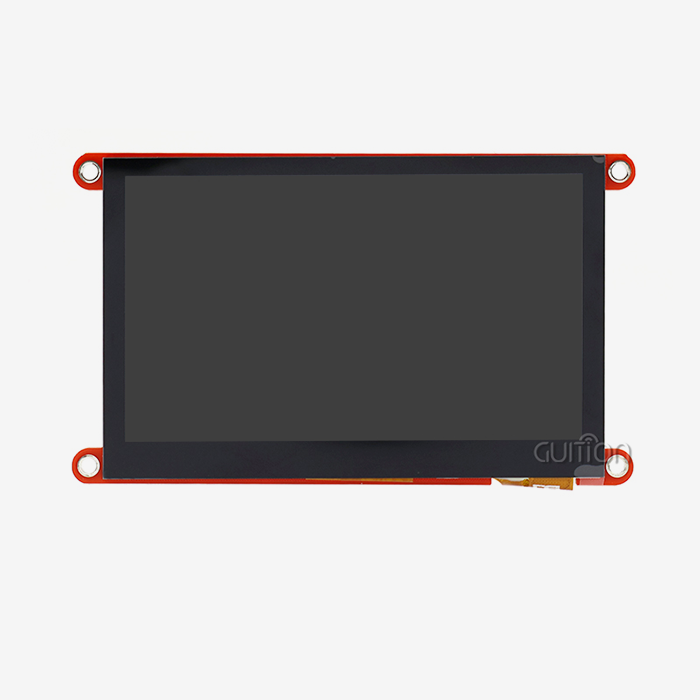
Buying a certified 10.1 inch display module is more than just looking at pricing sheets. You need to check regulatory certifications like CE, FCC, and RoHS, technical parameters like resolution and interface type, and also be sure the supplier will be there in the long run. A good B2B purchase selection begins with knowing what certifications guarantee — product safety, electromagnetic compliance, and chemical material limits — and then matching those needs to your application. A certified 10.1-inch display module worth checking out for industrial HMI, medical, and IoT implementations is the GUITION JC8012P4A1C_I_W_Y1.

Understanding the Importance of Certifications for 10.1 Inch Display Modules
Certifications are not bureaucratic checkmarks. They are documented, third-party evidence that a display module fulfills established safety, electromagnetic, and environmental criteria. B2B purchasers in the United States who source a non-certified module risk product recalls, customs rejection, or legal consequences.
What CE, FCC, and RoHS Mean for Your Project
CE certification means conformity with European safety requirements. Electronic equipment marketed or operated in the US market needs FCC certification, verifying that the module will not produce hazardous electromagnetic interference. RoHS limits the use of hazardous materials such as lead, mercury, and cadmium in electronic components. With all three certifications, the 10.1-inch display module delivers procurement teams verified confidence across numerous regulatory areas.
How Certifications Affect Supplier Reputation and Warranty
You’re more likely to have a warranty honored, and the provider has verifiable quality records. Certified manufacturers already have process controls in place under industry-accepted workmanship requirements in IPC-A-610, which require documented process controls. When a supplier is able to provide original certification documentation upon request, it demonstrates procedural discipline and long-term responsibility, both of which are important in large-volume or safety-critical deployments.
Real-World Impact: Avoiding Delays and Failures
A 2022 analysis by the Electronics Supply Chain Association found that 34% of delays in embedded hardware development projects were attributed to component compliance problems. That danger is mitigated greatly by the use of a certified IPS 10.1 inch display module from a confirmed provider. One industrial automation team that transitioned to approved HMI display panels reported a 40 percent decrease in field failure rates within the first year of production.
Key Specifications and Features to Evaluate
Once you’ve validated the certification criteria, the next priority is technical assessment. The right 10.1-inch TFT LCD module should depend on the resolution, interface, and environment requirements of your application.
Resolution, Display Technology, and Color Depth
The GUITION JC8012P4A1C_I_W_Y1 has an IPS screen with 800×1280 resolution and is capable of displaying 16.7 million colors. IPS technology offers color consistency across a broad viewing angle. This is important for control panels and medical monitoring displays that are seen by different operators. And a greater pixel density on a 10.1-inch screen also implies clearer font rendering, which is important for multilingual UI designs.
Interface Options and Platform Compatibility
The level of compatibility between a display module and your current hardware is determined by the interface compatibility. Important Compatibility Factors to Consider Before Buying:
- Development platform support: The JC8012P4A1C_I_W_Y1 supports the greatest array of embedded development processes on the market, including Arduino IDE, ESP-IDF, MicroPython, and the Guition platform.
- Connectivity: Built-in Wi-Fi and Bluetooth with the ESP32-P4 dual-core CPU operating at up to 360MHz eliminate the need for separate wireless devices.
- Expandable storage: TF card slot & IO port interface for data recording and peripheral extension without specific PCB design.
- These features respond immediately to time-to-market demands. If you are acquainted with Arduino or ESP-IDF, you may start prototyping on day one without learning a proprietary toolchain from scratch.
Durability and Environmental Tolerance
When you’re deploying them in an industrial or outdoor setting, you can’t ignore requirements such as operational temperature range, shock resistance, and front panel IP certification. Industrial 10.1-inch LCD modules are usually rated for -20 to 70 degrees Celsius. These test findings are described in the documentation of certified modules, although they’re not usually seen in the typical consumer panel. The JC8012P4A1C_I_W_Y1 is designed to military-grade process standards and is suitable for physically demanding settings.
How to Source Certified 10.1 Inch Display Modules: Supplier and Procurement Criteria
Searching through a catalog is not enough to find the proper 10.1-inch display module provider. You have to check supplier credentials, datasheets, and organize your purchasing to prevent getting counterfeit or non-compliant products.
Evaluating Supplier Credentials and Documentation
Request authentic certification papers, not scanned copies sent via third parties. Reputable 10.1 inch display module manufacturers like Guition disclose product datasheets, certification summaries, and test results via official channels. Guition has a product range from 1.28" to 21.5", which should provide customers confidence in their display engineering depth and supply continuity. Please check the model numbers against the official paperwork before ordering.
MOQ, Lead Times, and Logistics Considerations
In B2B buying, minimum order quantities and lead times have a direct impact on project schedule. Most of the approved industrial display modules have MOQs beginning at ten units for evaluation orders and hundreds for production runs. Verify your supplier’s usual lead time, whether they do maintain buffer stock, and how they manage expedited orders when components are in short supply.
Avoiding Counterfeit or Uncertified Modules
Counterfeit display modules often enter the supply chain via secondary distributors. To ensure the integrity of your procurement, always purchase directly from the manufacturer or from their approved distribution network. Confirm the certification indications on the physical goods against the paperwork. A reputable 10.1-inch display module manufacturer will not fight against this certification procedure but embrace it.
Step-by-Step Process to Select and Purchase the Right Certified Display Module
A structured buying process eliminates guesswork and reduces the risk of costly redesigns. Here is a practical five-step approach for B2B teams.
Step 1–2: Define Requirements and Shortlist Certified Options
First, describe your compliance requirements—what markets you’re deploying in, what safety regulations apply, and what interface your host system utilizes. Then shortlist 10.1-inch display modules meeting those criteria with valid certifications. The JC8012P4A1C_I_W_Y1 satisfies CE, FCC, and RoHS criteria and is thus suited for US and EU market deployments.
Step 3–4: Request Samples and Run Independent Verification
Ask for assessment samples before going into production quantities. Test the module against your real hardware/software environment. Check certification papers yourself; contact the granting certification organization if necessary. This phase safeguards you from specification mismatches that only become evident after integration.
Step 5: Negotiate Clear Contract Terms Around Certification
Your purchase contract should specifically require the supplier to retain certification status for the life of the product. Make sure to include provisions for documentation updates in the event that standards change and verify the supplier’s policy for product end-of-life notifications. A big benefit for long-term program management is that Guition offers technical documentation and assistance throughout the product life cycle.
Best Practices and Recommendations for Long-Term Use and Support
Purchasing a certified display module is the beginning, not the end, of compliance management.
Proper Handling, Installation, and Maintenance
Installation will be as per ESD handling protocols. Use the stated operating voltage range and provide sufficient thermal dissipation. Improper installation may invalidate warranties and affect the approved performance parameters of the display module. The JC8012P4A1C_I_W_Y1 has backlight control and touch screen control circuits which need normal care while integrating.
Firmware Updates and Remote Upgrade Capability
Guition enables OTA (over-the-air) firmware upgrades, so you can deliver updates to deployed devices without needing to physically touch them. This capability is important for medical equipment, industrial control panels, and commercial kiosks when servicing on-site is expensive. Keeping your firmware up-to-date also helps you remain compliant with growing software security requirements.
Monitoring Certification Standard Changes
Regulatory norms are changing. Over the last decade, FCC Part 15 standards have been revised many times, and RoHS guidelines have added to their list of forbidden substances. Work with vendors that track these developments and proactively inform consumers. Guition’s engineering staff takes a technology-driven strategy that keeps them abreast of regulatory changes that influence their certified TFT LCD modules.
Conclusion
If you are looking for a certified 10.1 inch display module for B2B applications, you need to check that it meets regulations, look at the technical specs, and choose a source that can show that they are accountable. Certifications like CE, FCC, and RoHS cannot be avoided in professional installations – they safeguard your product, your customers, and your company. The GUITION JC8012P4A1C_I_W_Y1 is a certified package that offers a high-resolution IPS screen, ESP32-P4 processing capability, Wi-Fi and Bluetooth connection, and multi-platform development support to provide an integrated solution for the real world of industry and commerce.
FAQ
Q1: What certifications should a 10.1 inch display module have for US market deployment?
At minimum, look for FCC certification (for electromagnetic interference compliance) and RoHS compliance (for restricted hazardous substances). CE certification is required for EU markets. UL or ETL marks add additional safety assurance for North American deployments in medical and industrial applications.
Q2: What is the difference between an industrial and consumer 10.1 inch LCD module?
Industrial-grade modules guarantee longer supply availability—typically three to seven years—wider operating temperature ranges, and component-level traceability. Consumer versions often have one-to-two-year lifecycles and lack formal certification documentation.
Q3: Can the GUITION JC8012P4A1C_I_W_Y1 work with Arduino?
Yes. The JC8012P4A1C_I_W_Y1 supports development in Arduino IDE, ESP-IDF, MicroPython, and the Guition platform. This makes it accessible to engineers across different development backgrounds.
Q4: How do I verify that a display module's certifications are genuine?
Request original certification documents from the supplier. Cross-check the certification number against the issuing body's public database. Reputable 10.1-inch display module suppliers will provide these documents without hesitation.
Q5: Does the JC8012P4A1C_I_W_Y1 support OTA firmware updates?
Yes. The Guition platform includes remote upgrade capability, allowing firmware updates to be pushed to deployed devices without physical access—a key feature for reducing after-sales service costs.
Partner with Guition for Your Next Certified Display Module Project
Your next HMI or IoT product deserves a certified, well-documented display solution that won't slow down your development cycle. Guition is a trusted 10.1 inch display module manufacturer offering the JC8012P4A1C_I_W_Y1 with proven certification coverage, multi-platform development support, and responsive technical assistance. Contact our team today to request a sample or get a quote. Reach us at david@guition.com to review full product documentation.
References
1. IPC Association. IPC-A-610: Acceptability of Electronic Assemblies. IPC, 2020.
2. Electronics Supply Chain Association. Component Compliance Risk in Embedded Hardware Development. ESCA Annual Report, 2022.
3. Federal Communications Commission. FCC Part 15: Radio Frequency Devices Regulations. FCC, 2021.
4. European Commission. RoHS Directive 2011/65/EU and Amendment 2015/863. Official Journal of the European Union, 2015.
5. International Electrotechnical Commission. IEC 61000-4 Series: Electromagnetic Compatibility Testing and Measurement Techniques. IEC, 2020.
6. Society for Information Display. Display Technology and Human-Machine Interface Design Standards. SID Symposium Digest of Technical Papers, 2023.
Learn about our latest products and discounts through SMS or email