- English
- French
- German
- Portuguese
- Spanish
- Russian
- Japanese
- Korean
- Arabic
- Greek
- German
- Turkish
- Italian
- Danish
- Romanian
- Indonesian
- Czech
- Afrikaans
- Swedish
- Polish
- Basque
- Catalan
- Esperanto
- Hindi
- Lao
- Albanian
- Amharic
- Armenian
- Azerbaijani
- Belarusian
- Bengali
- Bosnian
- Bulgarian
- Cebuano
- Chichewa
- Corsican
- Croatian
- Dutch
- Estonian
- Filipino
- Finnish
- Frisian
- Galician
- Georgian
- Gujarati
- Haitian
- Hausa
- Hawaiian
- Hebrew
- Hmong
- Hungarian
- Icelandic
- Igbo
- Javanese
- Kannada
- Kazakh
- Khmer
- Kurdish
- Kyrgyz
- Latin
- Latvian
- Lithuanian
- Luxembou..
- Macedonian
- Malagasy
- Malay
- Malayalam
- Maltese
- Maori
- Marathi
- Mongolian
- Burmese
- Nepali
- Norwegian
- Pashto
- Persian
- Punjabi
- Serbian
- Sesotho
- Sinhala
- Slovak
- Slovenian
- Somali
- Samoan
- Scots Gaelic
- Shona
- Sindhi
- Sundanese
- Swahili
- Tajik
- Tamil
- Telugu
- Thai
- Ukrainian
- Urdu
- Uzbek
- Vietnamese
- Welsh
- Xhosa
- Yiddish
- Yoruba
- Zulu
What Should Buyers Check Before Ordering a Colour LCD Display Module?
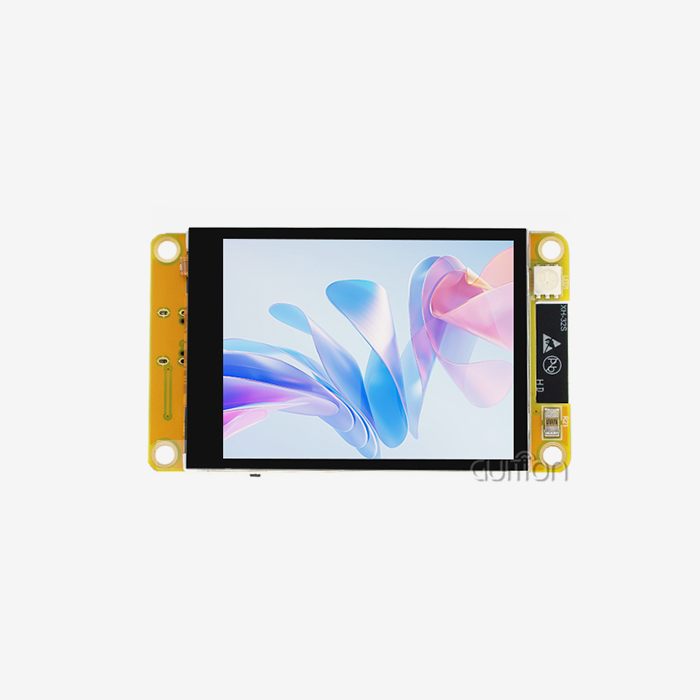
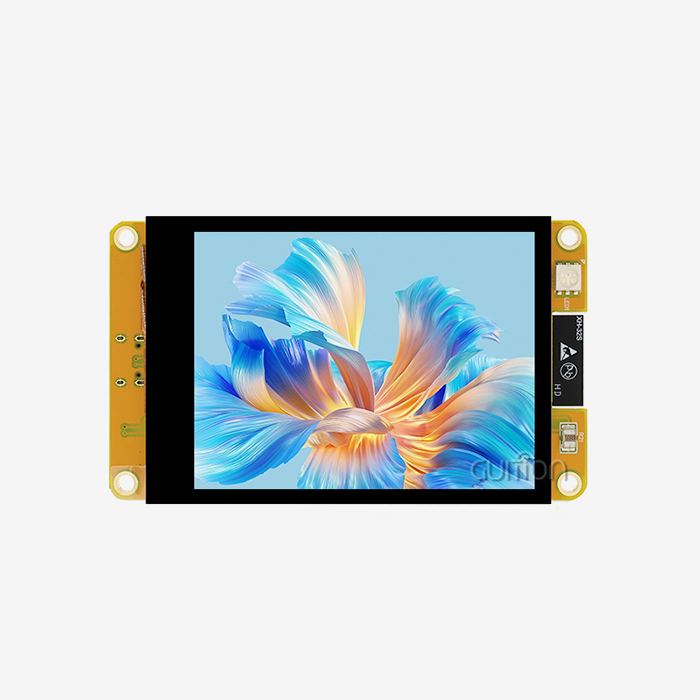
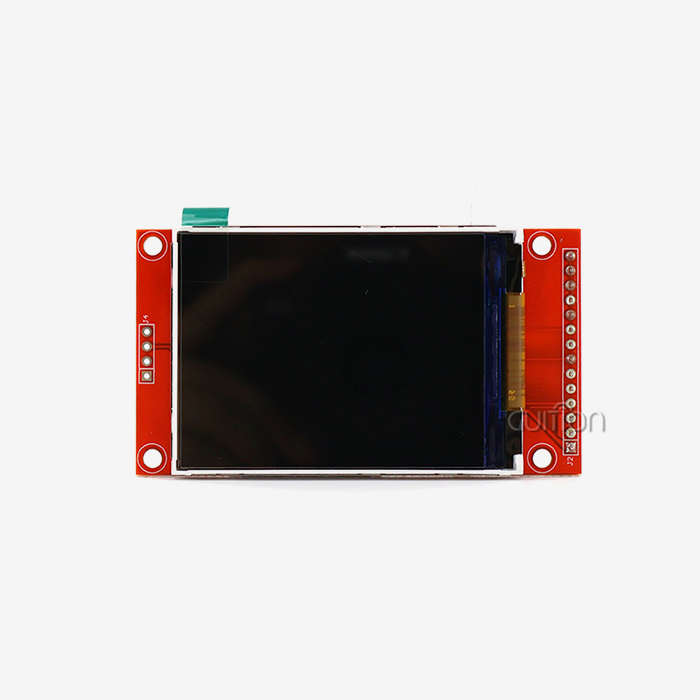
Ordering a colour LCD display module without the right checklist can cost your team weeks of rework. Before placing any order, buyers should verify the display's resolution, interface type, driver IC compatibility, operating temperature range, touch function, and supplier credentials. For example, the GUITION JC3248S035R colour LCD display module pairs a 3.5-inch TFT panel with an ILI9488 driver IC, 320×480 resolution, and a 4-wire SPI interface — a practical reference point for understanding what a well-specified module looks like.

Understanding Colour LCD Display Modules – Essential Knowledge for Buyers
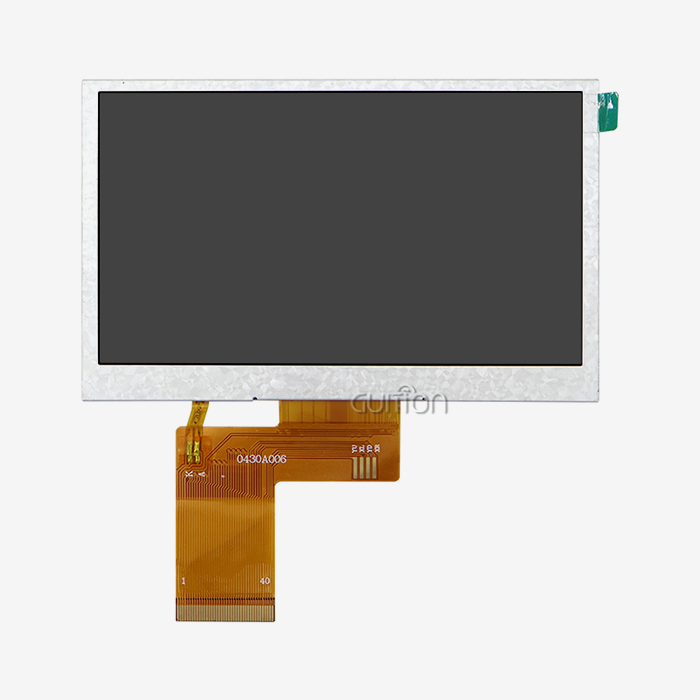
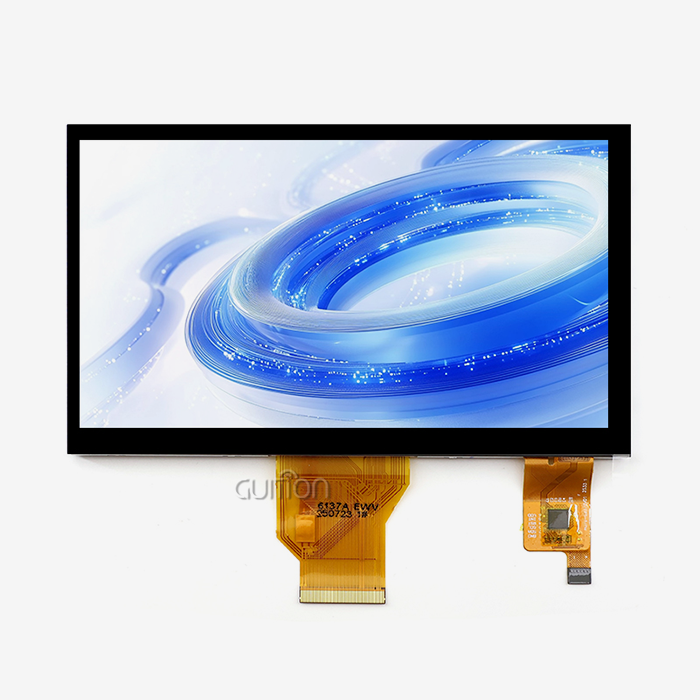
An LCD color screen panel that is more than just a screen. You can find a TFT liquid crystal screen, driver ICs, a PCB control board, an LED backlight unit, and, if you want, a touch interface all in one module. People who know how these layers work together will not buy parts that don't fit together.
How Resolution and Refresh Rate Affect Display Quality
Resolution is the pixel density, which is a direct way to determine how crisp the text is and how true-to-life the visuals are. HMI panels are seen clearly. Industrial dashboards and smart appliances that employ a 320x480 module such as the JC3248S035R 1. The refresh rate is particularly crucial for real-time data displays. It determines how smooth the animation is. Contrast ratio and brightness (measured in nits) may also have an effect on how easy it is to read in various light conditions.
TFT vs. IPS vs. OLED — Which Panel Technology Fits Your Project?
TN panels are cheaper; however, the colors appear differently depending on the viewing angle. IPS panels are preferable for medical monitors and commercial kiosks, since they display colors the same from 178° angles. OLED screens provide enough brightness in low light, but cost more, and the image may not remain clear in stationary HMI programs. Knowing these trade-offs will save you from having to spend a lot of money redoing things.
Interface Standards: SPI, Parallel, MIPI DSI
The port you choose determines how much data your MCU can manage and how many pins it can contain. SPI is good for small displays that don't need high update rates. The JC3248S035R is a 4-wire SPI standard device, which requires just a few GPIO pins. When you put two larger screens in parallel (8080/6800), you can transport data quicker. MIPI DSI is good when speed is particularly crucial, such as on TVs larger than 7 inches.
Critical Buying Criteria – What to Check Before Ordering
One of the most typical errors in procurement for embedded hardware projects is not doing a comprehensive specification review. Each application environment, whether industrial, medical, or consumer, sets demanding needs on a TFT LCD module.
Operating Temperature and Environmental Ratings
Commercial modules are generally rated for 0 to 50°C. Industrial-grade Colour LCD Display Module units are rated from -30°C to +85°C. For exterior enclosures, industrial floors, or agricultural automation systems, check the module’s liquid crystal fluid standard and polarizer grade for your project. A mismatch here causes field display failure.
Power Consumption and Backlight Technology
Battery-powered and energy monitoring devices need low-consumption displays. Check the current backlight rating and whether PWM dimming is supported. LEDs are usually more robust than CCFL backlights and use less electricity. GUITION JC3248S035R has specialized backlight control circuitry, enabling developers to directly manage brightness and power consumption.
Mechanical Fit: Pinout, PCB Dimensions, and Connector Types
Check the PCB footprint of the module against your enclosure design before purchase. Cross-reference the pinout diagram with the GPIO mapping of your host controller. Ensure the connection type (FPC ribbon, pin header, or SMD pads) is compatible with your board. The JC3248S035R has a small PCB architecture that makes it ideal for applications where space is at a premium and physical fit is a genuine issue.
Comparing Colour LCD Display Modules – Making an Informed Choice
No display technology is a winner in all situations. Buyers should consider picture quality, power budget, and development cost together, rather than optimizing for just one element.
Here are the important trade-offs to consider before you decide what to do with your display:
- Color LCD display module (TFT/IPS) vs. OLED. TFT LCD modules have a longer life in static-image applications and are often cheaper at medium to large sizes. OLED is good for small wearables, but costs more per unit and may have burn-in with static UI elements.
- Color LCD display module vs. monochrome: Monochrome displays have lower power and lower cost, but cannot show color-coded warnings, icons, or graphical UI elements – a major restriction for current HMI applications.
- SPI LCD module versus RGB interface module: SPI-driven modules like JC3248S035R may minimize the number of pins, which is very suitable for Arduino, ESP32, and other MCU platforms. Interface modules for RGB are available, offering faster frame rates but requiring a host CPU with a specific LCD controller.
Those differences impact most when you have tight budgets, certain MCU platforms, or precise power profiles for your project. Choosing the incorrect display technology in the prototype stage usually leads to product launch delays of several weeks.
Prototyping Platform Compatibility
The JC3248S035R supports Arduino, ESP-IDF, and Guition development mode. This cross-platform versatility helps developers prototype fast without changing toolchains. GUITION additionally includes test code and documentation to ease the initial bring-up.
Balancing Resolution, Cost, and Power
Higher resolution = better visual quality, more power drain, and processing burden. For industrial control panels with text, numbers, and basic icons, 320×480 at 3.5 in gives good enough density with not too heavy resource needs.
Procurement Considerations – Ordering and Logistics for B2B Buyers
Finding the right colour LCD display module supplier involves more than comparing spec sheets. Supply chain reliability, sampling policies, and technical documentation quality directly affect your project schedule.
Verify Supplier Credentials and Certifications
Request RoHS and REACH compliance documentation before ordering. Confirm that the supplier maintains consistent production runs — particularly important for long-lifecycle industrial products. GUITION, operated by Jingcai Intelligence, covers display sizes from 1.28" to 21.5" with documented technical support.
Request Samples and Evaluate Documentation Quality
Always request a physical sample before committing to volume orders. Test the module against your actual host hardware. Assess the datasheet completeness — pinout diagrams, electrical characteristics, timing diagrams, and initialization code should all be present. Gaps in documentation create integration delays.
OEM, Volume Pricing, and Lead Times
Discuss minimum order quantities, volume pricing tiers, and standard lead times with your colour LCD display module supplier upfront. Factor in shipping timelines and customs clearance for international orders. GUITION supports OEM customization and provides dedicated account support for B2B buyers.
Troubleshooting and After-Sales Support – Ensuring Long-term Success
It's possible for well-specified screens to not work right when they are put together. You can quickly fix bugs if you know what to check first.
Common Display Issues and First-Step Diagnostics
Most of the time, a blank screen when the computer first powers up is due to wiring errors for the Colour LCD Display Module. Make sure that the VCC, GND, CS, DC, RST, and MOSI lines match the wiring diagram every time you connect something. Mistakes in interface timing, especially when setting the SPI clock's polarity or phase, can also make it hard to set up the display with the ILI9488 driver IC.
Evaluating Warranty and Return Policies
Before you place an order, look at the supplier's standard terms of service. The seller is sure of the quality of their goods because they offer a 12-month warranty and make it easy to return the item. When you buy something from GUITION, they offer expert support to help you quickly fix connection problems.
Remote Upgrade and Long-Term Maintenance
The cost of field service is lower when goods are updated over-the-air (OTA). Because GUITION's platform lets you update projects from afar, you don't have to go to the site to make changes to the software or user interface. This is helpful for commercial kiosks that can be used in many places, energy management systems, and farming automation.
Conclusion
Before you offer your permission to a purchase order for a colour LCD display module, you should make sure that you have properly checked the reputation of the vendor, as well as the technical specifications, environmental ratings, mechanical dimensions, and interface compatibility of the module. Only then should you provide your approval.
FAQ
What is the difference between TFT and IPS in a colour LCD display module?
TN-type TFT panels are cost-effective but show color distortion at wide viewing angles. IPS panels maintain accurate color across 178° horizontal and vertical angles, making them better for fixed HMI panels, medical monitors, and kiosks where operators view screens from multiple positions.
Can the GUITION JC3248S035R work with Arduino?
Yes. The JC3248S035R supports Arduino, ESP-IDF, and Guition development modes. GUITION provides test code and initialization examples to reduce first-time setup time significantly.
What does the ILI9488 driver IC support?
The ILI9488 supports 16-bit 65K color output via 4-wire SPI, making it a standard choice for 3.5-inch TFT LCD modules in embedded applications.
Is resistive touch included in every unit?
Resistive touch is optional on the JC3248S035R. Buyers should specify their touch requirement at the time of ordering to receive the correct configuration.
How do I confirm a colour LCD display module meets industrial temperature requirements?
Request the datasheet and check the operating and storage temperature specifications. Industrial-grade modules typically specify -30°C to +85°C operation with appropriate liquid crystal fluid compositions.
Ready to Source Your Colour LCD Display Module? Contact GUITION Today
Even though TN-type TFT screens are cheap, colors look off when viewed from a lot of different angles. IPS panels can show colors accurately at 178° angles, both left and right. Because of this, they work better for medical monitors, fixed HMI panels, and booths where people can see screens from different spots. Just email our team at david@guition.com or visit https://jingcaizhineng.aixdb.cn/ to find out more or get a quote.
References
1. Bhowmik, A. K., Bos, P. J., & Drzaic, P. (Eds.). (2008). Flexible Flat Panel Displays. Wiley-SID Series in Display Technology.
2. Den Boer, W. (2005). Active Matrix Liquid Crystal Displays: Fundamentals and Applications. Newnes/Elsevier.
3. IEC 62341-6-1. (2009). Organic Light Emitting Diode (OLED) Displays — Part 6-1: Measuring Methods of Optical and Electro-Optical Parameters. International Electrotechnical Commission.
4. ISO 13406-2. (2001). Ergonomic Requirements for Work with Visual Displays Based on Flat Panels — Part 2: Ergonomic Requirements for Flat Panel Displays. International Organization for Standardization.
5. Lueder, E. (2010). Liquid Crystal Displays: Addressing Schemes and Electro-Optical Effects (2nd ed.). Wiley-SID Series in Display Technology.
6. Society for Information Display. (2022). SID Display Week 2022 Symposium Digest of Technical Papers. Society for Information Display.
Learn about our latest products and discounts through SMS or email