- English
- French
- German
- Portuguese
- Spanish
- Russian
- Japanese
- Korean
- Arabic
- Greek
- German
- Turkish
- Italian
- Danish
- Romanian
- Indonesian
- Czech
- Afrikaans
- Swedish
- Polish
- Basque
- Catalan
- Esperanto
- Hindi
- Lao
- Albanian
- Amharic
- Armenian
- Azerbaijani
- Belarusian
- Bengali
- Bosnian
- Bulgarian
- Cebuano
- Chichewa
- Corsican
- Croatian
- Dutch
- Estonian
- Filipino
- Finnish
- Frisian
- Galician
- Georgian
- Gujarati
- Haitian
- Hausa
- Hawaiian
- Hebrew
- Hmong
- Hungarian
- Icelandic
- Igbo
- Javanese
- Kannada
- Kazakh
- Khmer
- Kurdish
- Kyrgyz
- Latin
- Latvian
- Lithuanian
- Luxembou..
- Macedonian
- Malagasy
- Malay
- Malayalam
- Maltese
- Maori
- Marathi
- Mongolian
- Burmese
- Nepali
- Norwegian
- Pashto
- Persian
- Punjabi
- Serbian
- Sesotho
- Sinhala
- Slovak
- Slovenian
- Somali
- Samoan
- Scots Gaelic
- Shona
- Sindhi
- Sundanese
- Swahili
- Tajik
- Tamil
- Telugu
- Thai
- Ukrainian
- Urdu
- Uzbek
- Vietnamese
- Welsh
- Xhosa
- Yiddish
- Yoruba
- Zulu
What Resolution for a Custom tft display module?
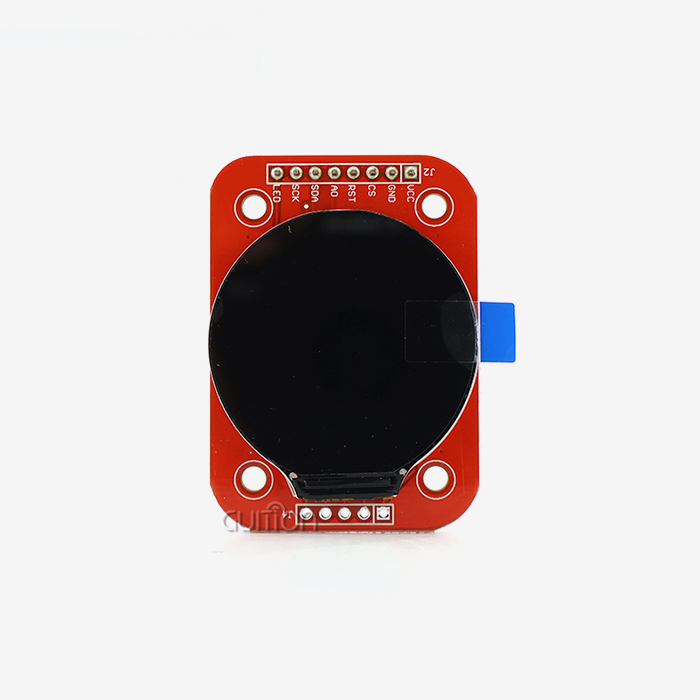
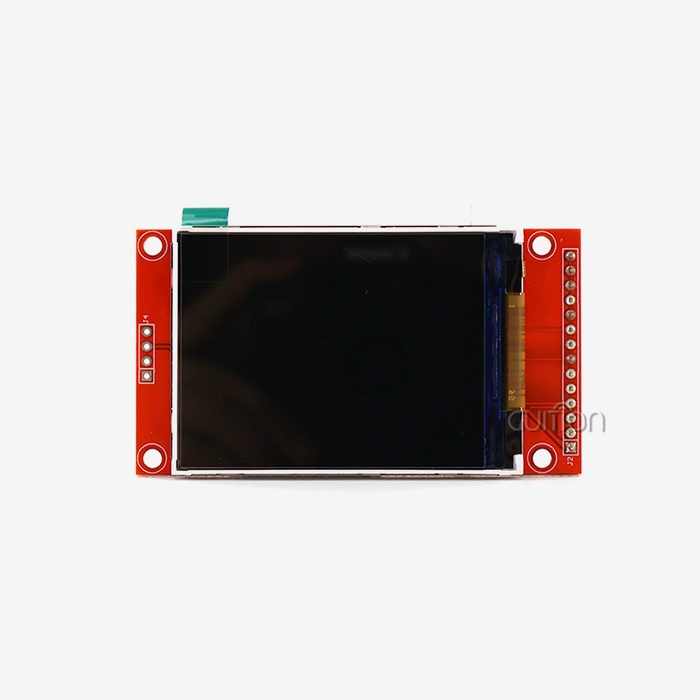
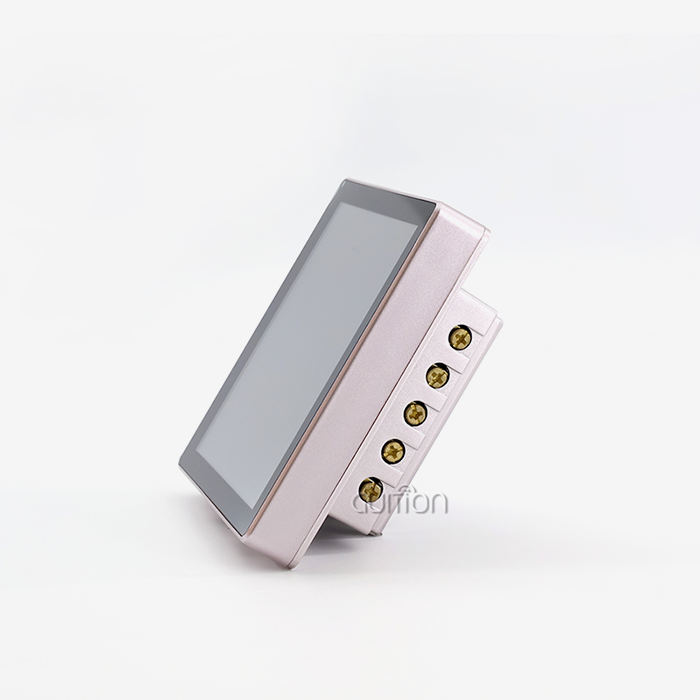
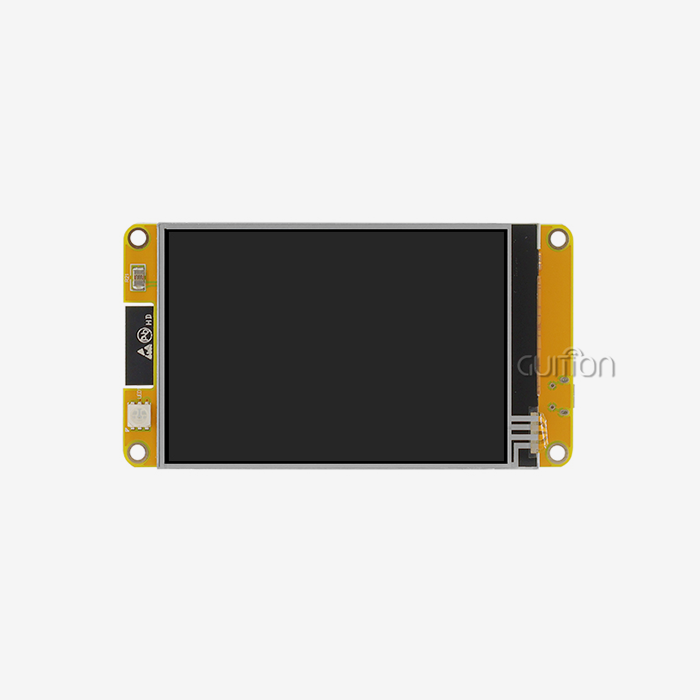
When specifying a display solution, resolution stands at the forefront of technical decisions. A Custom tft display module typically offers resolutions ranging from basic QVGA (320×240) to Full HD (1920×1080), with the optimal choice determined by your application context, viewing distance, and performance budget. Resolution defines how many individual pixels comprise the active display area—directly affecting image sharpness, UI legibility, and the overall user experience. Selecting the appropriate resolution for your Custom tft display module ensures that your product delivers clarity without unnecessary cost or power consumption, making this specification a cornerstone of successful embedded system design.

Understanding Resolution in Custom TFT Display Modules
Resolution is the number of pixels that are spread out across a screen, both horizontally and vertically. QVGA (320x240), WVGA (800x480), and HD (1280x720) are all common resolutions. Each pixel is its own light-emitting point, and more pixels mean that finer details can be shown and images can be rendered more smoothly.
How Resolution Impacts Visual Performance
How sharp something seems is based on its pixel density, which is measured in pixels per inch (PPI). A 5-inch screen with a resolution of 800x480 gives about 187 PPI, which is good for looking at industrial control panels from a distance. On the other hand, medical imaging equipment often needs higher frequencies to show diagnostic information correctly. In addition to sharpness, resolution affects how well the backlight works. Backlights with more pixels may need to be stronger to stay visible, which has a direct effect on power use and heat management.
Resolution Standards Across Industries
Industrial HMI systems often use 800x480 or 1024x600 resolutions, which balance readability with processor load and cost-effectiveness. Smart home devices and consumer gadgets tend to use 480x272 for small interfaces, while medical monitors and car infotainment systems are increasingly using 1280x800 or higher to handle rich graphics and multiple window layouts. Engineers can make sure that technical specs meet user needs and industry standards by learning about these benchmarks.
Balancing Resolution with System Resources
Graphics assets need more memory capacity, computer power, and storage space when the resolution is higher. Embedded engineers need to check to see if their microcontroller can handle the required resolution at a good frame rate without slowing down the system. A well-matched system where resolution and speed coexist harmoniously is produced by the esp32 display module from Guition, such as the JC8048W550C_I with 800x480 resolution, and an ESP32-S3R8 dual-core CPU running at 240MHz with 8MB PSRAM and 16MB Flash.
How to Choose the Right Resolution for Your Custom TFT Display Module
Before choosing a resolution, you should look at the needs of the application, such as the watching distance, the complexity of the content, and the surroundings. A rugged industrial control screen in a plant might value moderate resolution and toughness over ultra-high definition, but a portable medical monitor needs fine detail to be accurate for diagnosis.
Defining Application Requirements
Make a plan for how much information your display needs to hold. At 480x272, simple progress signs and alphanumeric readouts work well. But at 800x480 or higher, graphical panels with charts, icons, and text in more than one language work best. Think about how people interact with touch screens: touch screens with small buttons or complicated movements need better resolution to make sure that they can accurately recognize input and show feedback.
Evaluating Trade-Offs: Cost, Power, and Lead Time
Higher levels usually mean higher unit costs because the manufacturing processes and processor needs are more complicated. Power use goes up in the same way that the number of pixels does: more pixels mean more processing cycles and backlight intensity. When you ask for a resolution that isn't standard, lead times may go up because custom tools and approval add steps to the production process. These things should be weighed by procurement managers against the real benefits that better resolution brings to making customers happy and setting products apart.
Touch Functionality Considerations
Capacitive touch sensors are placed on top of the screen, and the resolution needs to match the accuracy of the touch coordinates. Resistive touch technologies are not as responsive to sharpness, but they also have less clear images. To avoid misalignment between touch events and on-screen targets when combining capacitive touch with a Custom TFT display module, make sure the controller supports the pixel grid density. This is especially important for apps that require exact input, like medical device controls or CAD interfaces.
Partnering with Reliable Suppliers
Suppliers who are open and honest give detailed datasheets, reference designs, and application notes that explain how behaviors change depending on the resolution. Guition has a lot of support, like Arduino libraries, ESP-IDF examples, and the Guition UI development tool, which lets you make prototypes and test them quickly. This environment lowers the chance of resolution mismatches and speeds up time-to-market, which are important benefits for both new and established makers.
Comparison of Resolution in Custom TFT Displays versus Alternative Technologies
In addition to TFT, you can also choose from OLED, e-paper, and normal commodity screens as display technologies. Each technology has its own resolution strengths and weaknesses, and custom TFT modules have special benefits in industrial settings.
Custom TFT Modules versus OLED Displays
OLED screens have great contrast ratios and deep blacks, which lets consumer apps use resolutions up to 4K. But the cost of making OLEDs is still higher, and apps that show static information can have long-term burn-in problems. Custom TFT display module solutions offer stable performance over a large temperature range (-30°C to +80°C), long lifespans of more than 50,000 hours, and the ability to easily change the backlight intensity and optical bonding, all of which are important for industrial automation and outdoor kiosks.
Off-the-Shelf versus Custom Display Solutions
When manufacturers use standard commodity screens, they are limited to certain aspect ratios, bezel sizes, and input pinouts. Custom modules change the lengths of FPC cables, where connectors are placed, and the ratios of resolution to size so that they perfectly fit the requirements of the container. Because of this, there is no need for mechanical adapters or redesigns, which lowers the cost of the whole system and makes it more reliable. When the resolution needs aren't met by standard options, like when a 7-inch screen needs to be 1024x600, custom manufacturing is the only way to go.
Resolution and Touchscreen Integration
For capacitive touch stickers to work properly with the display grid below, they need to be precisely calibrated. A Custom TFT display module supplier can optically bond the touch sensor to the LCD panel. This gets rid of parallax errors and makes the display last longer. This combination makes sure that touch coordinates match up correctly with pixel values, even at higher resolutions where accuracy down to the millimeter level is needed for medical devices and precision control interfaces.
Case Study: Embedded Medical Monitoring
A medical gadget maker needed a 7-inch screen with a resolution of 1024x600 so that it could show several vital sign waveforms at the same time. Standard panels came in two sizes: 800x480 or 1280x800, neither of which fit the project's performance budget. This problem was solved by a custom module, which let the device show clean ECG lines and text data without going over the processor's or power limits. This shows how optimized resolution design works best for embedded applications.
Designing a Custom TFT Display Module with Optimal Resolution
Early-stage resolution specification, based on user situations and technology limitations, is key to the success of display design. Before starting mass production, design teams and providers work together to make sure the end product meets performance standards.
Analyzing User Needs and Display Context
First, write down information about the watching surroundings, such as the amount of light, the normal viewing distance, and whether gloves or being wet affect the ability to touch. When compared to agricultural automation displays outside in direct sunlight, indoor control panels can handle less brightness and resolution. Along with goals for interface difficulty and aesthetics, these things affect the choice of resolution.
Interface Standards and Resolution Compatibility
Display systems like SPI, RGB, MIPI, and LVDS have time and bandwidth limits that make resolutions harder to achieve. With the right clock rates, SPI interfaces can handle screens up to 480x320 pixels, while RGB parallel interfaces can handle displays up to 1280x800. If you need high-resolution custom modules, MIPI DSI is the best choice because it can handle Full HD and more. The Guition JC8048W550C_I has a 800x480 resolution and supports both RGB and SPI modes. This makes it compatible with a number of host processors, such as the ESP32-S3R8 and the Arduino and Raspberry Pi systems.
Prototype Testing and Quality Assurance
As part of validating resolution, clarity, reaction time, and lighting uniformity must be tested in real-world settings. The ISO 13406-2 standards say how many defects are acceptable for pixels, and the MIL-STD-105E standards say how to test for reliability. Thermal cycle, vibration testing, and electrostatic discharge (ESD) trials should be done on prototypes to make sure the monitor keeps its picture quality and touch accuracy over time. Guition offers pre-programmed test apps and one-click debugging tools that make this validation process faster and easier, cutting down on development time and engineering work.
Collaborative Design with Suppliers
Reliable suppliers send application engineers to help with planning the mechanical integration, electrical interface matching, and resolution specification. Suppliers can make the best backlight circuits and FPC wiring for your chosen resolution if you share thorough CAD files, power budgets, and heat models with them. This relationship cuts down on changes and speeds up the certification process, especially in controlled fields like medicine and cars.
Procurement Insights: Pricing, Lead Times, and Supply Chain Factors for Custom TFT Displays by Resolution
From unit price to minimum order quantities (MOQ), resolution has a direct effect on procurement factors. When purchasing teams understand these connections, they can negotiate better terms and better handle supply chain risks.
Pricing Structures and MOQ Thresholds
Custom TFT display module parts' unit prices rise as the complexity of the resolution rises. Displays with a 800x480 resolution usually have moderate prices because they are easy to make and controller ICs are easy to find. When you go from 1280x800 to 1600x1200, you need more expensive driver ICs and tighter manufacturing standards, which makes the cost per unit go up. For semi-custom changes like changing the lighting brightness or FPC pinouts, MOQs are usually 500 to 1,000 units. For fully custom mask changes for non-standard resolutions, MOQs may be 10,000 or more units to cover the cost of the tools.
Lead Times and Expedited Options
Sample sales of standard resolution modules are sent out within two to four weeks, which allows for fast prototyping. When you add in NRE (non-recurring engineering tasks) like backlight housing tooling and controller firmware tuning, custom resolutions make lead times 8 to 12 weeks. Some suppliers offer fast sample programs for orders of 1 to 10 pieces at a higher cost. This lets you test the design before committing to mass production. Guition lets you change the number of items you buy and be clear about wait times, which helps project managers make sure that development schedules are in line with manufacturing facts.
After-Sales Support and Supply Continuity
In industrial settings, warranty terms, how quickly expert help is provided, and how parts are managed throughout their entire lifecycle are very important. Trustworthy Custom TFT display module providers keep important controller ICs and raw glass panels in stock, ensuring supply for 5 to 7 years and lowering the risk of end-of-life (EOL) issues. With units like the JC8048W550C_I's Wi-Fi and Bluetooth remote firmware upgrade features, after-sales service costs are lower because updates can be made in the field without sending a worker. Suppliers should be judged on how committed they are to long-term partnerships, how well they follow documented quality control procedures, and how quickly they respond to technical questions.
Strategic Supplier Selection
When searching for a Custom TFT display module, it's best to choose suppliers who have worked with products in your industry before. Ask for references from similar projects, look at their certifications (ISO 9001, UL listings), and figure out if they can increase production as your needs do. Guition is a reputable Custom TFT display module supplier thanks to its experience in industrial automation, smart home devices, and medical equipment. The company offers both off-the-shelf solutions like the JC8048W550C_I and fully customized modules to meet specific resolution and interface needs.
Conclusion
When picking the right quality for your Custom TFT display module, you need to think about how it will look, how much system resources it will use, and how much it will cost. Resolution affects not only how clear a picture is, but also how much power it uses, how much it costs, and how hard it is to make. When using 800x480 for industrial HMI or higher numbers for medical monitoring, making sure that the resolution is right for the job guarantees the best user experience and the most efficient operation. When engineering teams work with seasoned providers who offer flexible design, powerful development tools, and reliable long-term supply, they can make resolution choices with confidence and deliver products that go above and beyond what the market expects.
FAQ
What resolution should I choose for an industrial control panel?
Most industrial control panels can be seen from 30 to 60 cm away and show simple graphics, status indicators, and alphanumeric data. Resolutions between 800x480 and 1024x600 are a great middle ground because they let you see text clearly and use your touch screen without taxing the processors inside the device. When multiple data lines or complicated designs need to show up on the screen at the same time, higher resolutions are helpful.
Can I upgrade resolution after the design phase?
When resolution is changed after the design phase, a lot of work needs to be done again. The controller IC, FPC interface, and software all need to be aligned with the new pixel grid, and mechanical housings may need to be resized. By defining the conclusion early on, these problems can be avoided. Hiring a Custom TFT display module source like Guition during prototyping makes sure that the resolution you choose works well with your system design from the start.
How does resolution affect power consumption?
Higher resolutions need more backlight intensity to keep the brightness the same across more pixels, which uses more power. As goal frame rates are reached, the graphics controller updates bigger frame buffers, which adds to the processing load. Instead of setting the resolution to the highest level possible by default, optimizing it to the needs of the application increases battery life in portable devices and makes it easier to control temperature in enclosed industrial equipment.
Partner with Guition for Your Custom Display Needs
It takes knowledge, flexibility, and solid help to find the right Custom TFT display module for your application. Guition is an expert at customizing HMI displays from 1.28" to 21.5". We do this by combining cutting-edge hardware like the ESP32-S3R8-powered JC8048W550C_I with our easy-to-use Guition UI development software. Our parts work with Arduino, ESP-IDF, and MicroPython, giving you more development options than anyone else. Our engineering team works together to make sure that every specification—including resolution, interface type, and optical properties—meets your exact needs. This is true whether you need 800x480 resolution for smart home controls or higher densities for medical interfaces. We promise 5-7 year product lifecycles, quick technical support, and reasonable pricing based on your volume and schedule as a reputable Custom TFT display module supplier. Email david@guition.com right now to talk about your project, ask for samples, or get a full quote that fits your buying goals.
References
- Smith, R. & Johnson, L. (2021). Display Technologies for Industrial Automation: A Comprehensive Guide. Technical Publishing Group.
- Chen, Y. (2020). "Resolution Optimization in Embedded TFT Display Design," Journal of Electronic Engineering Applications, 45(3), 112-128.
- Martinez, A. & Patel, S. (2022). Human-Machine Interface Design for Medical Devices: Standards and Best Practices. Springer Engineering Series.
- International Organization for Standardization (2019). ISO 13406-2: Ergonomic Requirements for Work with Visual Displays Based on Flat Panels – Part 2: Ergonomic Requirements for Flat Panel Displays.
- Williams, T. (2023). "Cost-Benefit Analysis of Custom versus Off-the-Shelf Display Modules in IoT Applications," Procurement and Supply Chain Management Review, 18(2), 67-84.
- Lee, K. & Nakamura, H. (2021). Advanced Liquid Crystal Display Engineering: From Fundamentals to Industrial Applications. Wiley-IEEE Press.
Learn about our latest products and discounts through SMS or email